All INNERSTANDIN content is for educational purposes only — not medical advice, diagnosis or treatment. Full Disclaimer →

    BACK TO DATABASE
    TAGGED RESEARCH

    #Fasting

    14TRANSMISSIONS FOUND
    H
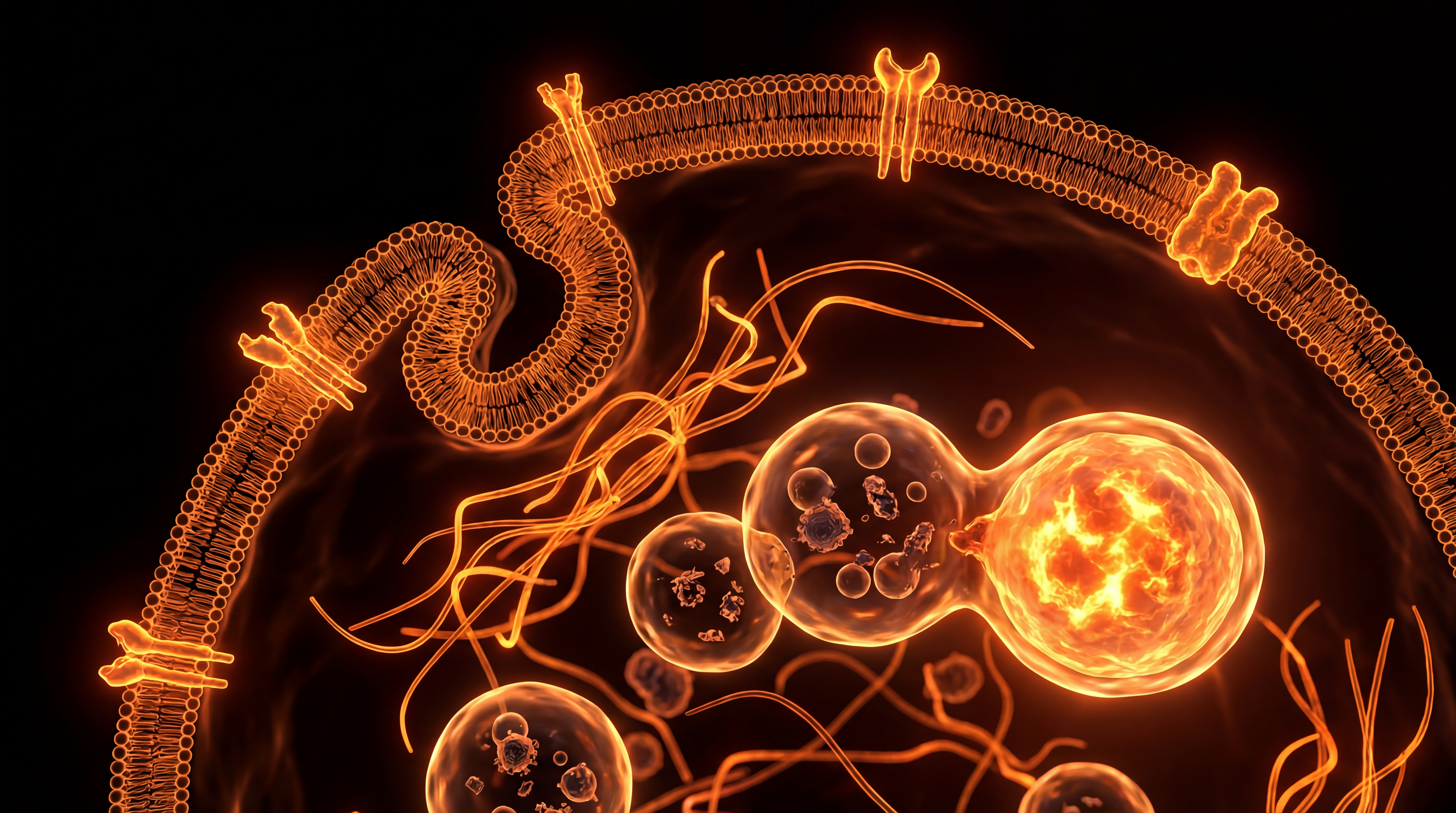
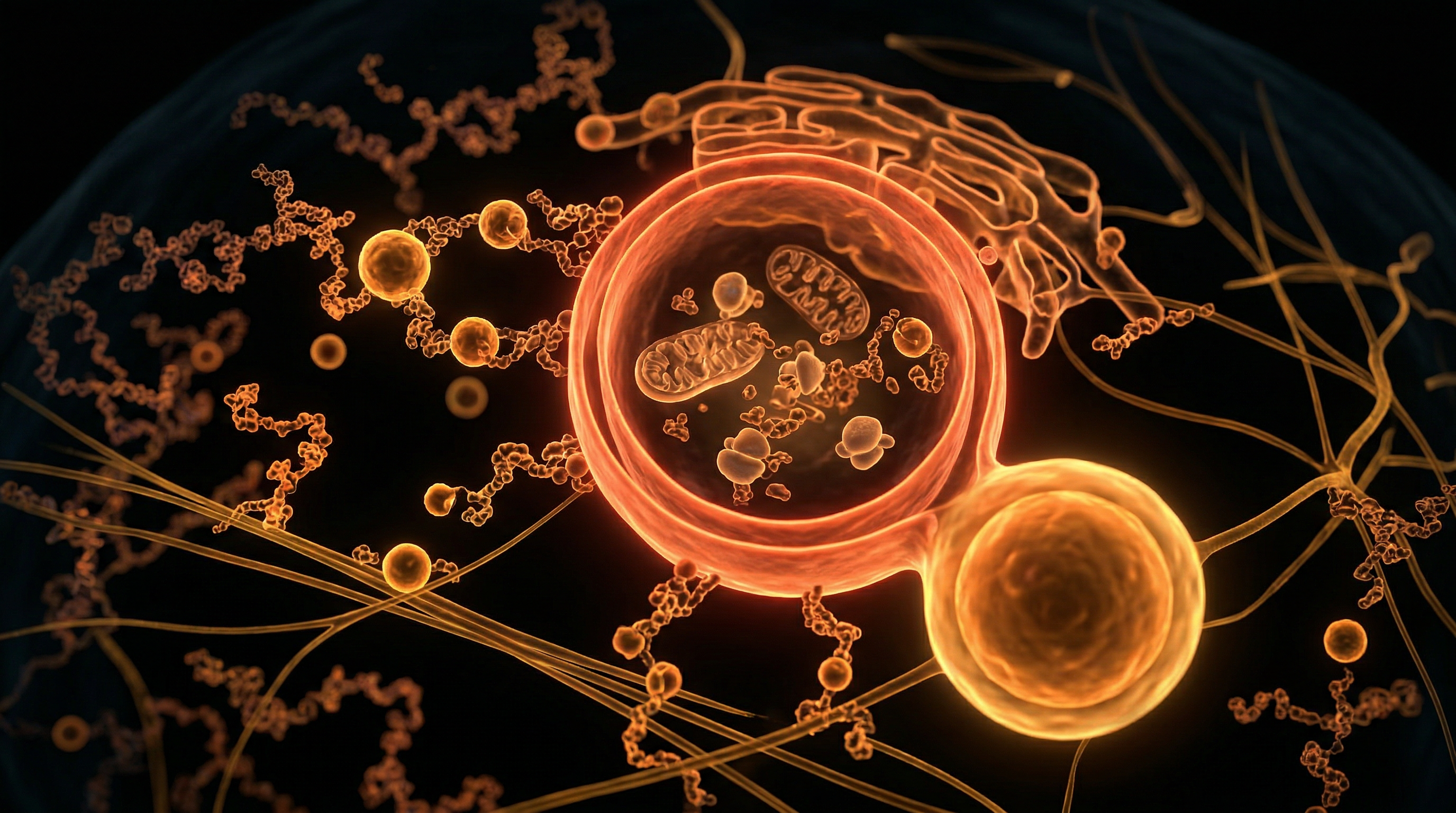
    Scientific illustration for Hormesis: Why Small Stressors Make You Stronger
    Physiology
    14 MIN READ

    Hormesis: Why Small Stressors Make You Stronger

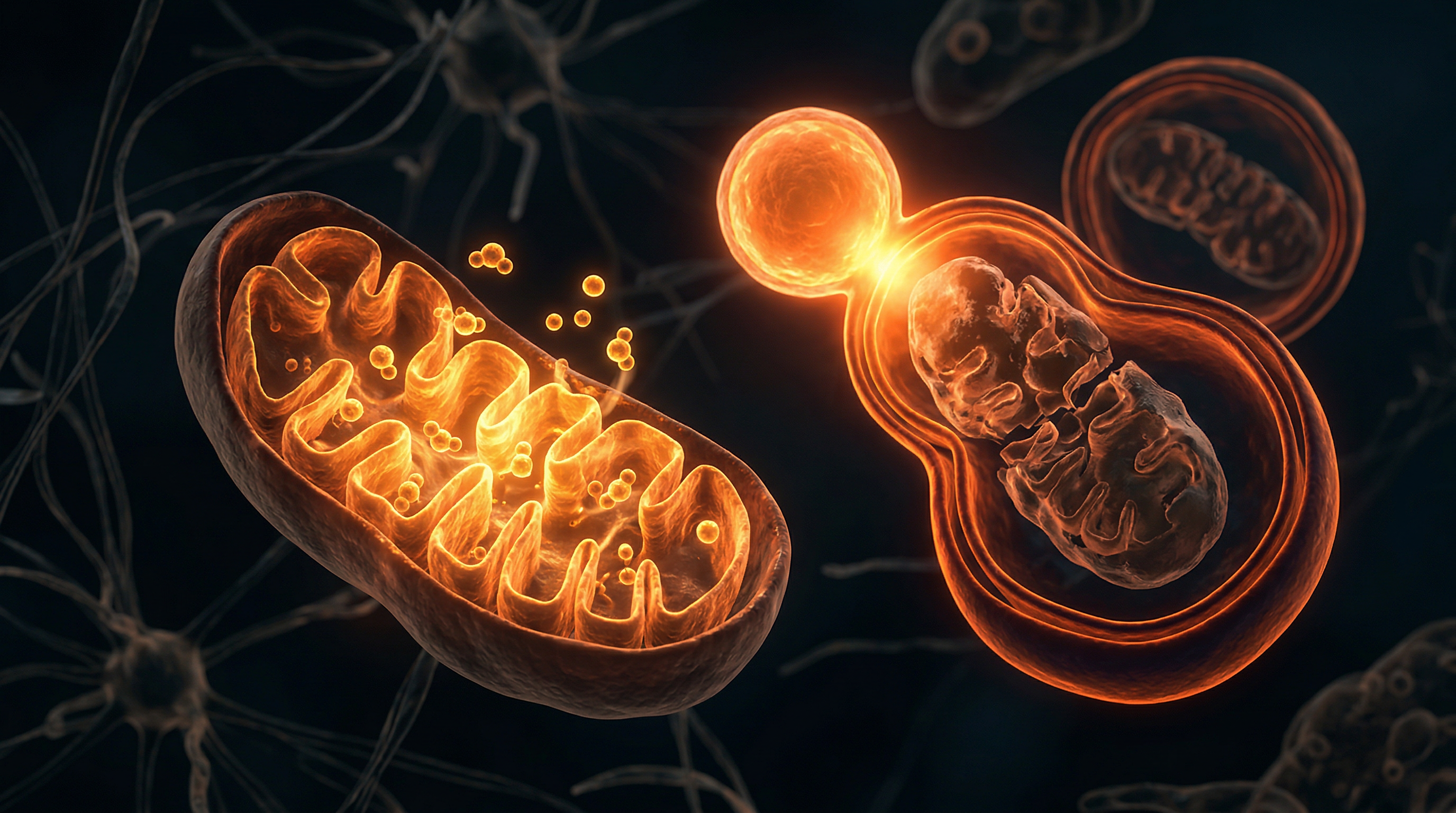
    Hormesis is the biological principle whereby exposure to low doses of a stressor — whether physical, thermal, chemical, or radiation-based — triggers an adaptive response that improves resilience and function, whilst the same stressor at high doses causes harm. This dose-response phenomenon underpins the health benefits of exercise, cold water immersion, intermittent fasting, heat stress, and even certain plant compounds — all of which activate stress-response pathways including Nrf2, AMPK, and sirtuins that upregulate cellular repair, antioxidant defences, and mitochondrial biogenesis. Understanding hormesis fundamentally changes how we approach health optimisation, explaining why discomfort — within physiological limits — is not merely tolerable but essential for biological adaptation and longevity.

    #hormesis#Nrf2
    A
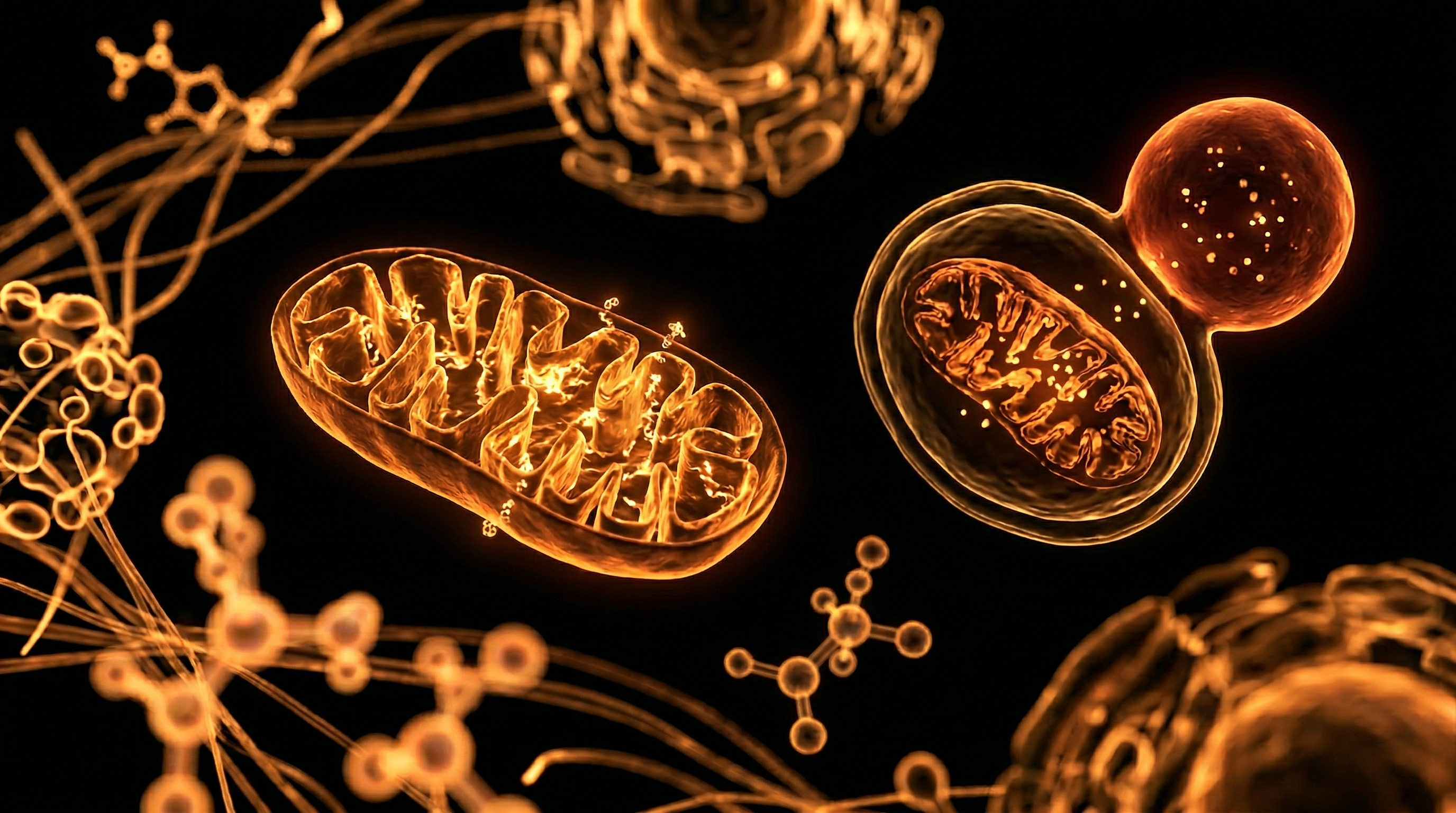
    Scientific illustration for Autophagy: The Cellular Recycling System Fasting Activates
    Cellular Biology
    16 MIN READ

    Autophagy: The Cellular Recycling System Fasting Activates

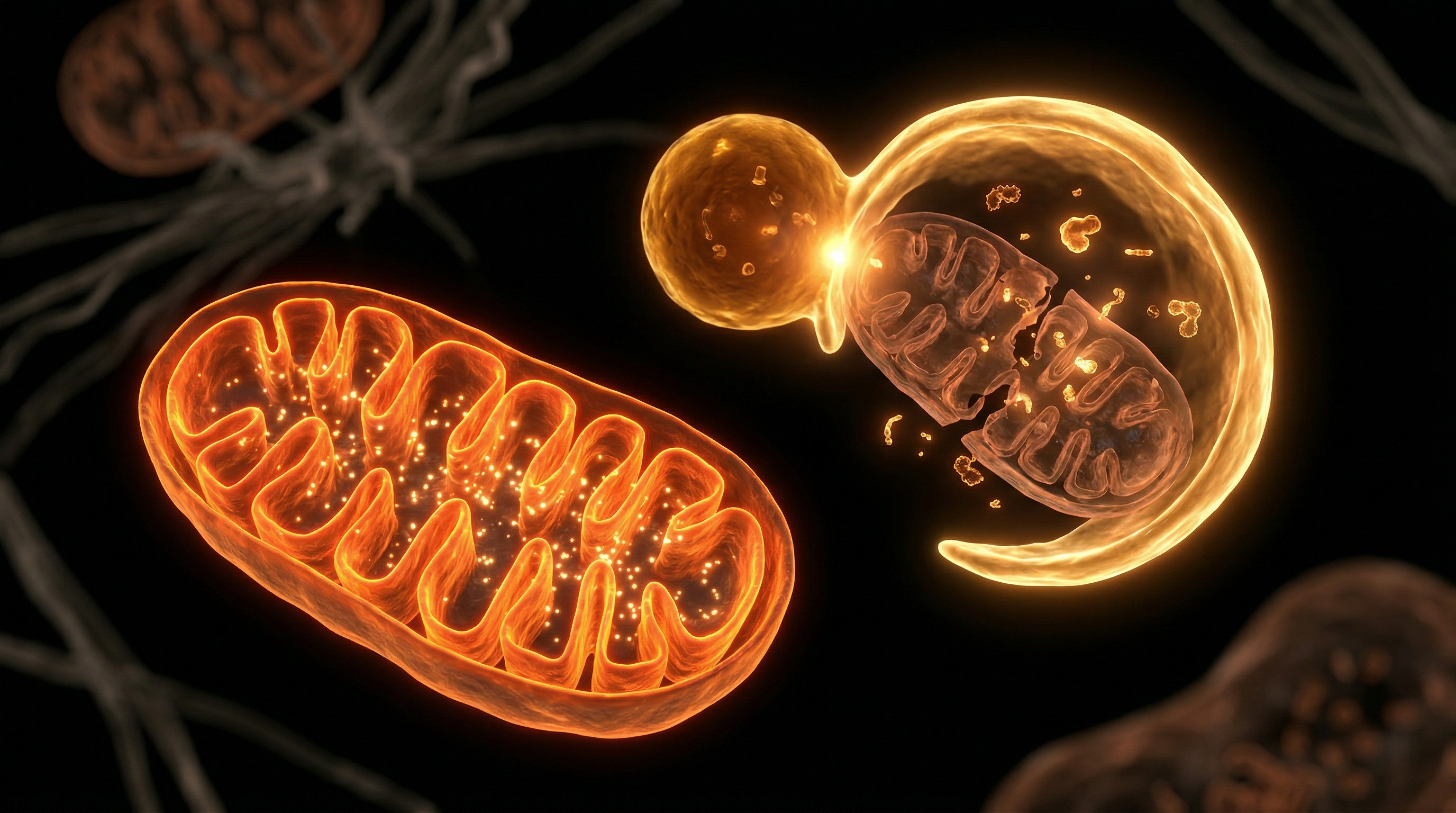
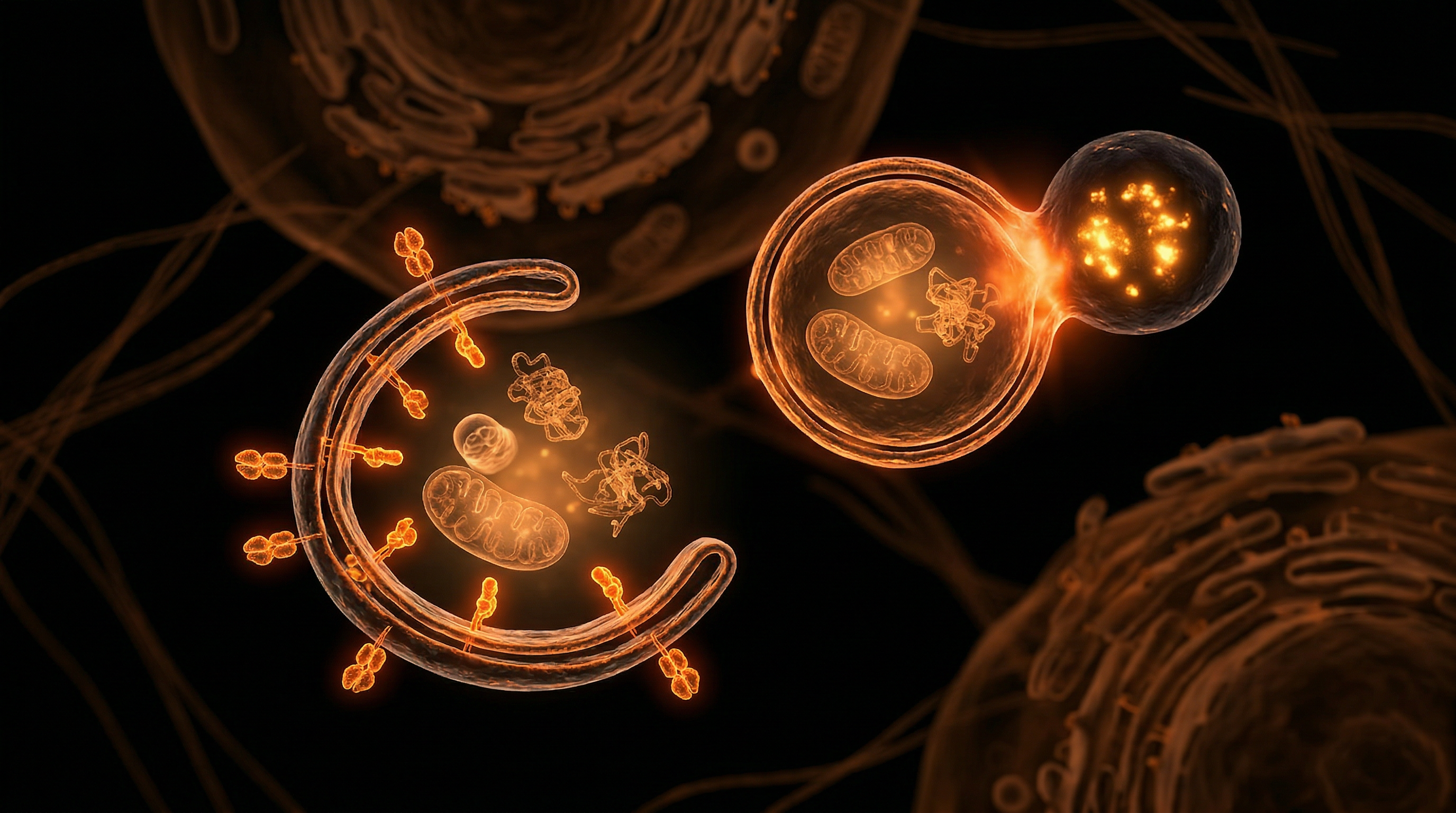
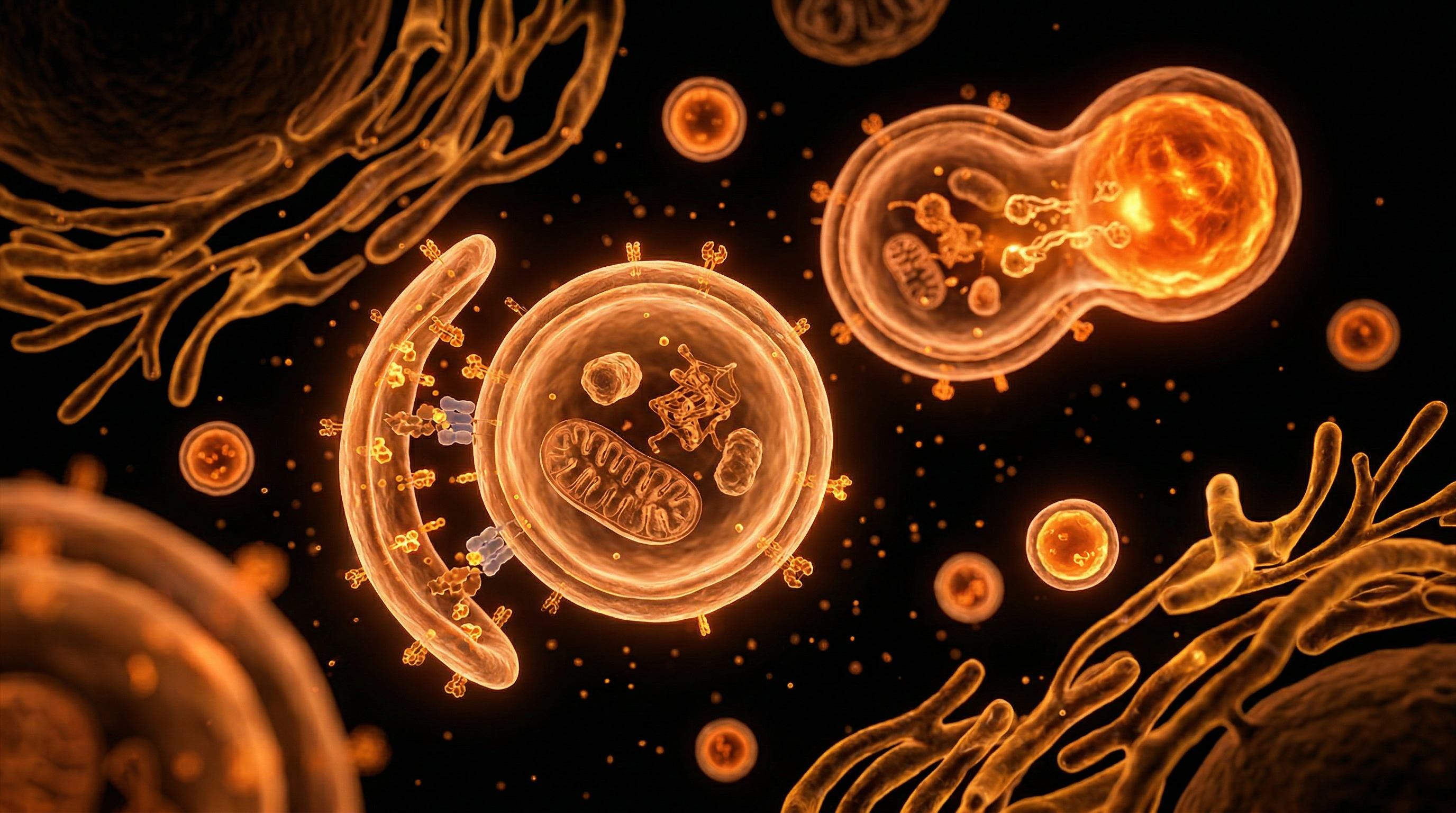
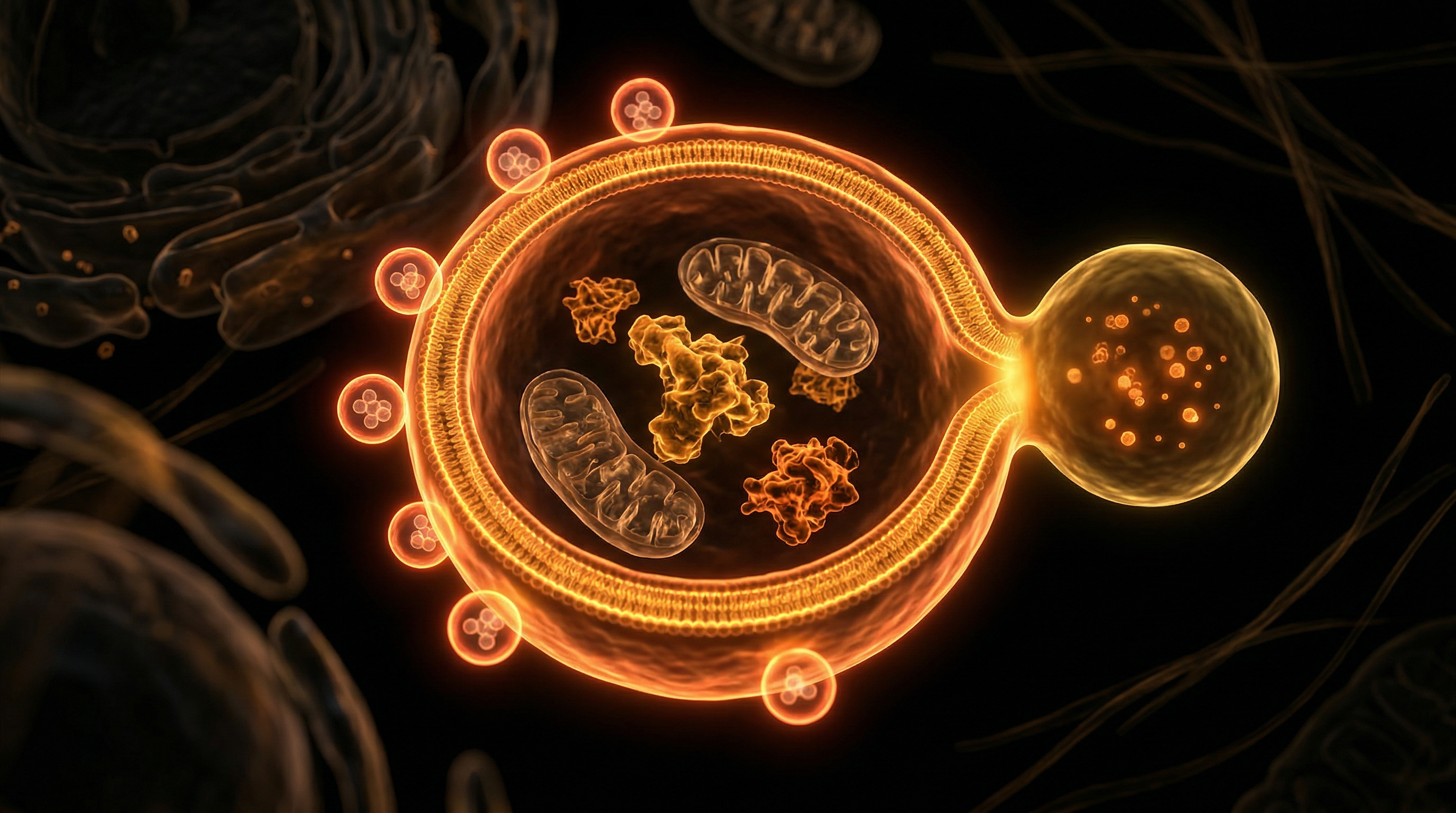
    Autophagy — from the Greek for 'self-eating' — is the cell's intrinsic quality control and recycling mechanism, by which damaged proteins, dysfunctional organelles, and intracellular pathogens are sequestered within double-membraned vesicles called autophagosomes and delivered to lysosomes for enzymatic degradation and component recycling. This process, for which Yoshinori Ohsumi was awarded the 2016 Nobel Prize in Physiology or Medicine, is the primary mechanism by which the cell removes the molecular debris that accumulates with age and toxin exposure — making it a fundamental anti-ageing and anti-disease process. Autophagy is powerfully activated by caloric restriction, intermittent fasting, and specific plant compounds including spermidine, resveratrol, and sulforaphane, whilst being suppressed by chronic nutrient overabundance, mTOR activation, and insulin resistance — the metabolic state now endemic in Western populations consuming ultra-processed food.

    #autophagy#fasting
    A
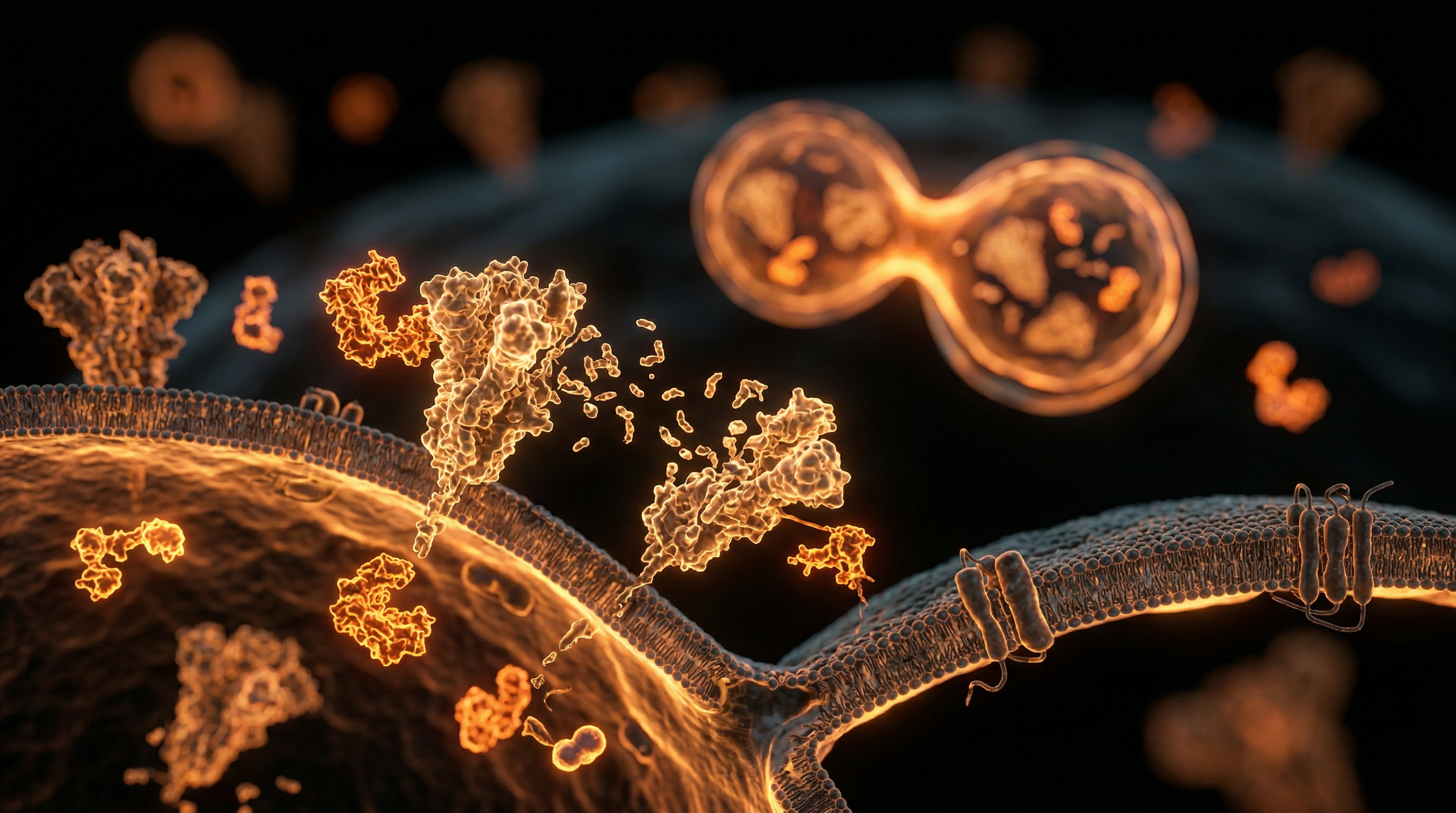
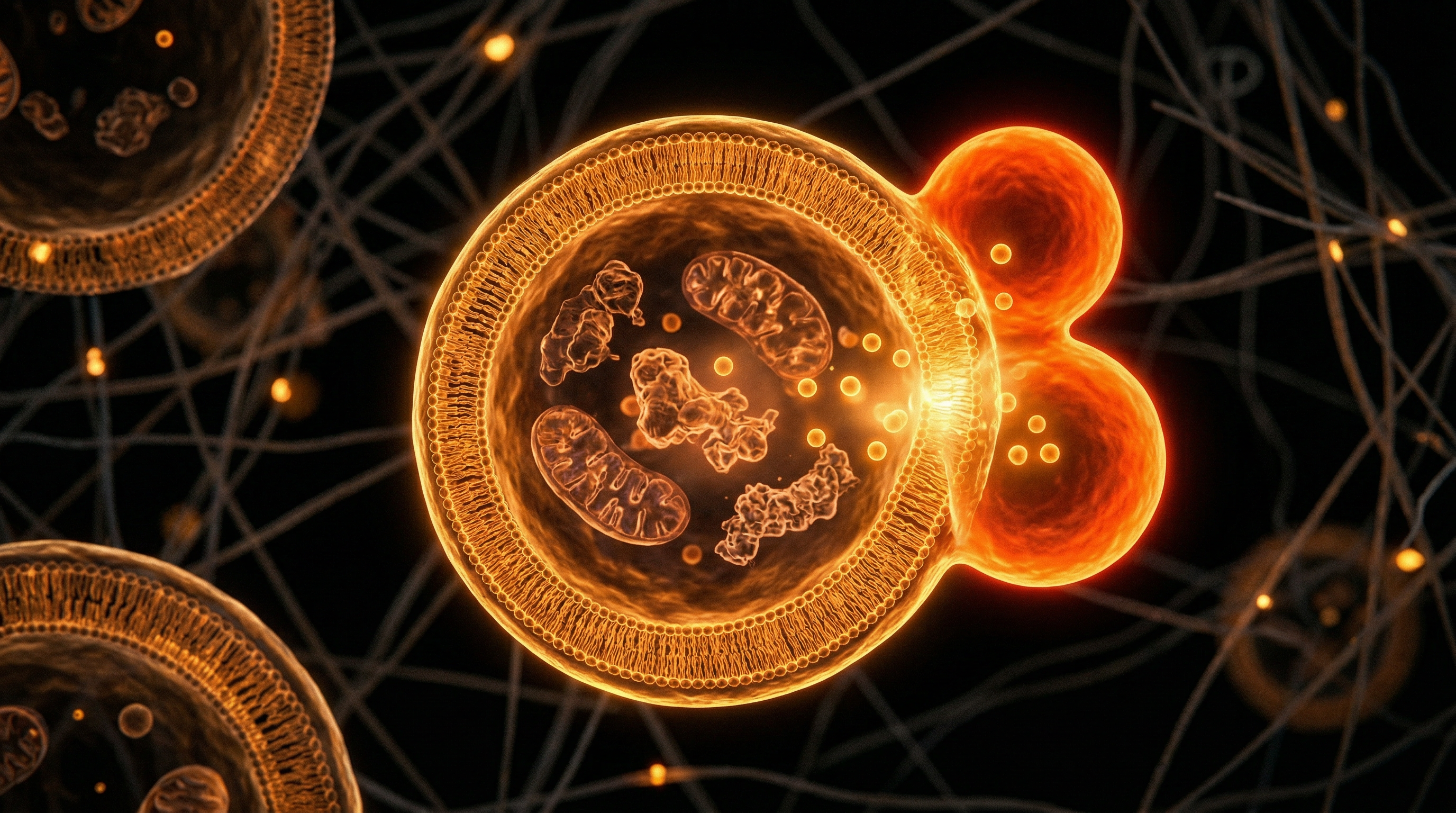
    Scientific illustration for Autophagy: The Body's Cellular Self-Cleaning Protocol
    Cellular Biology
    14 MIN READ

    Autophagy: The Body's Cellular Self-Cleaning Protocol

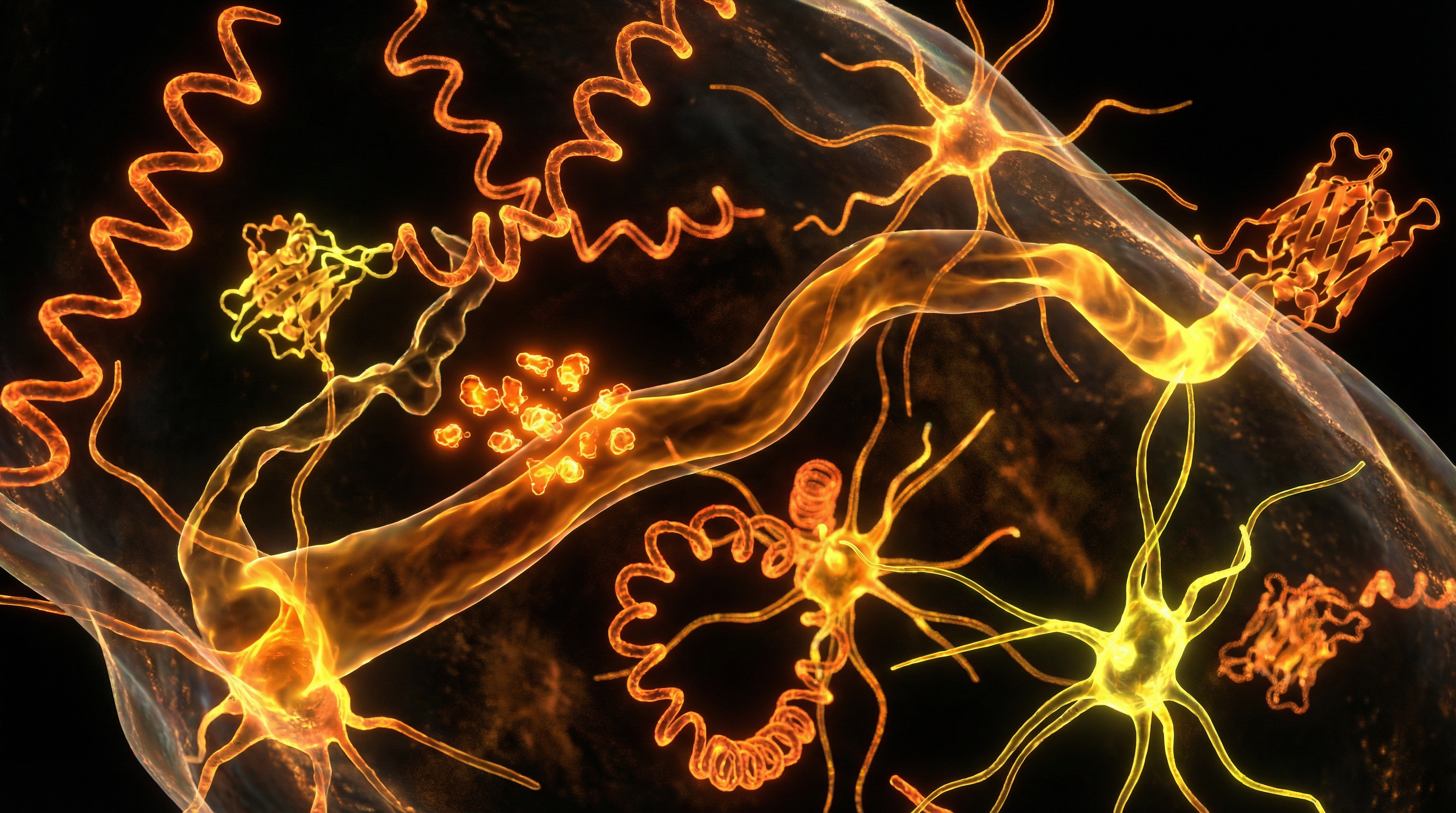
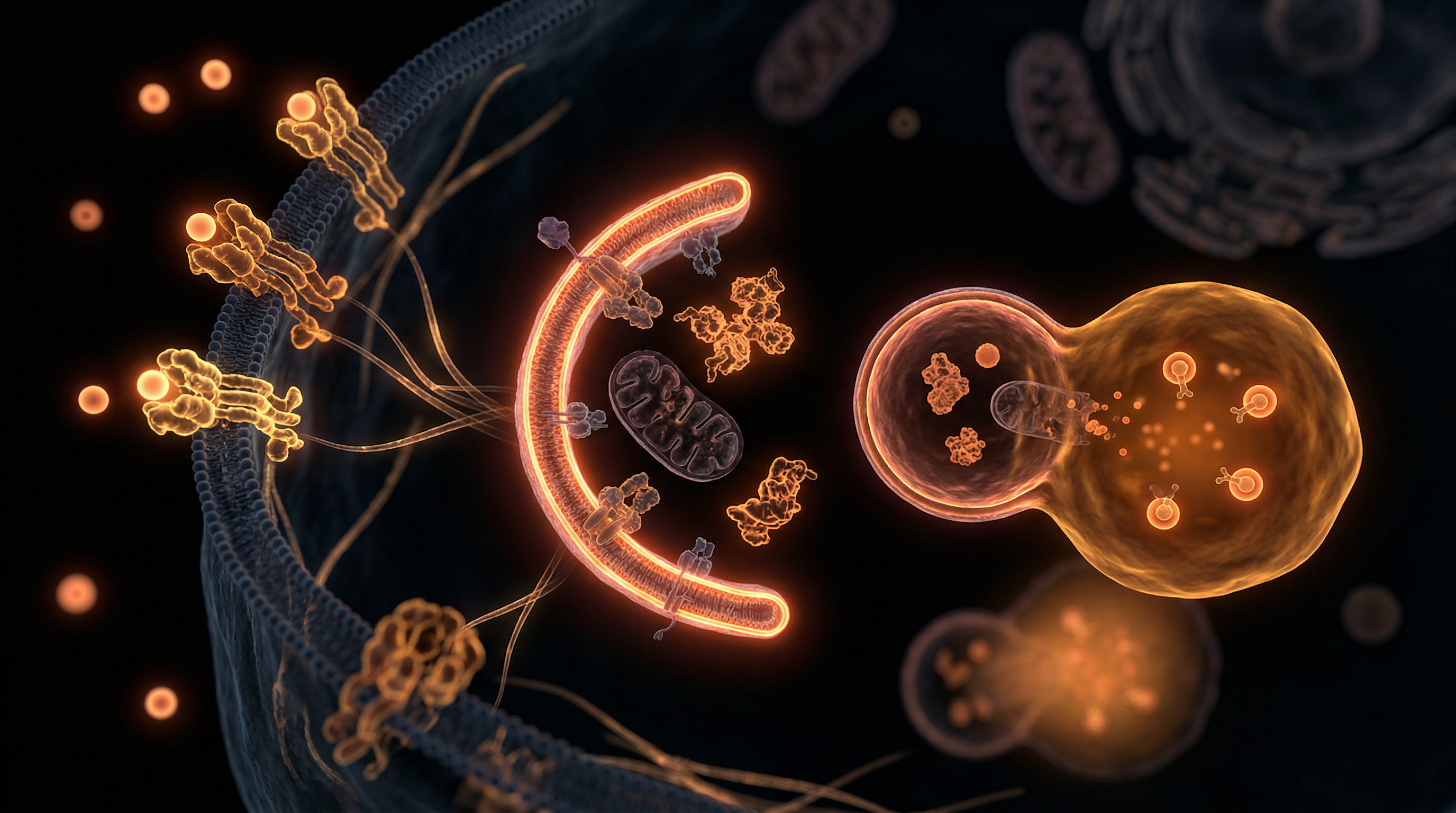
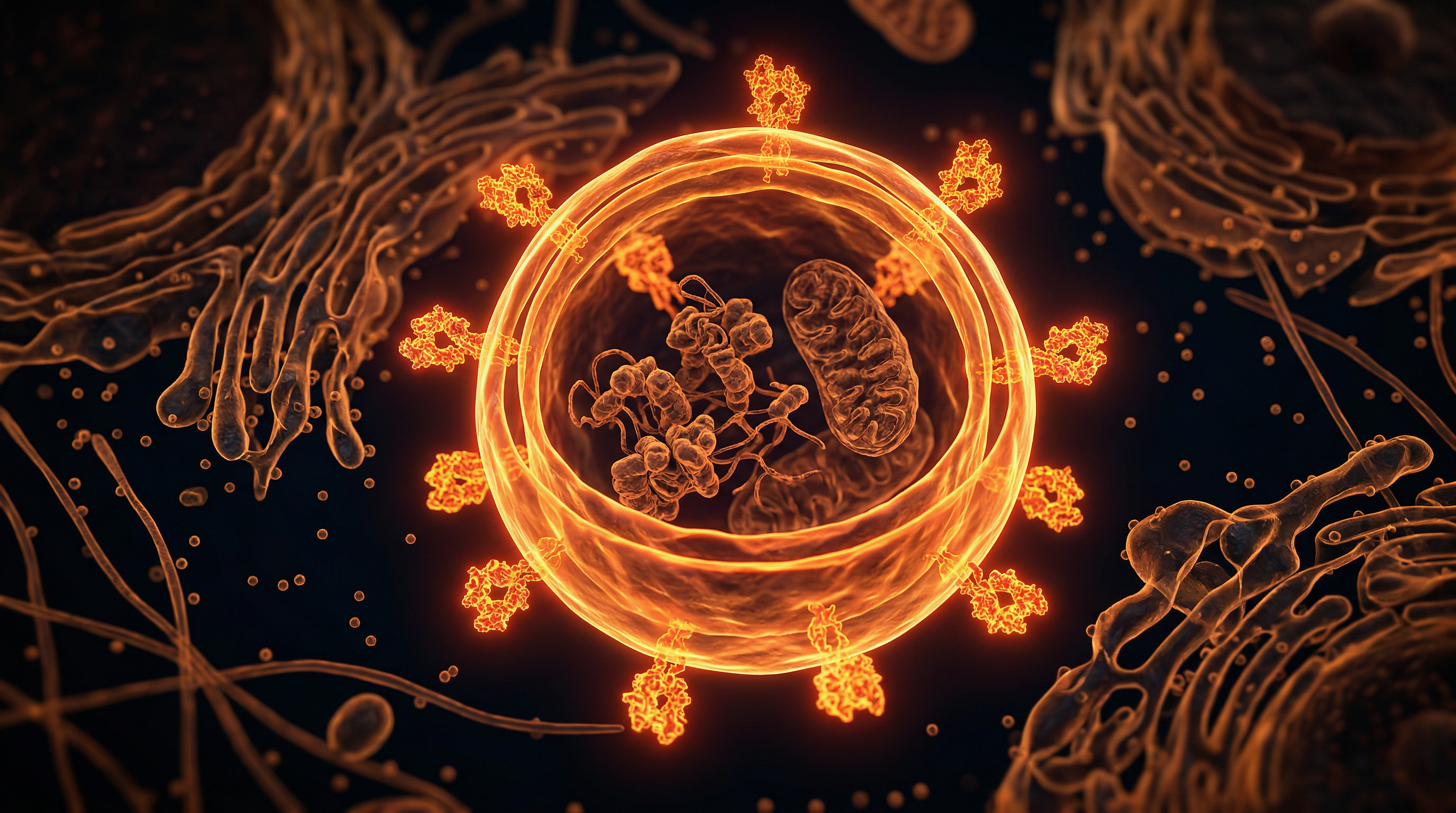
    Autophagy — literally 'self-eating' — is the cell's essential quality control mechanism by which damaged organelles, misfolded proteins, and dysfunctional mitochondria are sequestered in double-membrane autophagosomes and delivered to lysosomes for recycling, a process that is fundamental to cancer prevention, neurological health, immune function, and the cellular rejuvenation that drives longevity. Modern lifestyle factors systematically suppress autophagy: chronic mTOR activation from hyperinsulinaemia driven by processed carbohydrate consumption, excessive protein intake, and near-continuous feeding eliminates the cellular fasting signal required to initiate autophagic processes. Environmental toxins including heavy metals impair lysosomal function and disrupt autophagic flux, contributing to the accumulation of the dysfunctional cellular debris — amyloid, alpha-synuclein, tau — that characterises Alzheimer's and Parkinson's disease.

    #autophagy#fasting