All INNERSTANDIN content is for educational purposes only — not medical advice, diagnosis or treatment. Full Disclaimer →

    BACK TO DATABASE
    TAGGED RESEARCH

    #Autophagy

    28TRANSMISSIONS FOUND
    M
    Scientific illustration for Mitophagy: The Cell's Self-Cleaning System for Damaged Mitochondria
    Mitochondria
    15 MIN READ

    Mitophagy: The Cell's Self-Cleaning System for Damaged Mitochondria

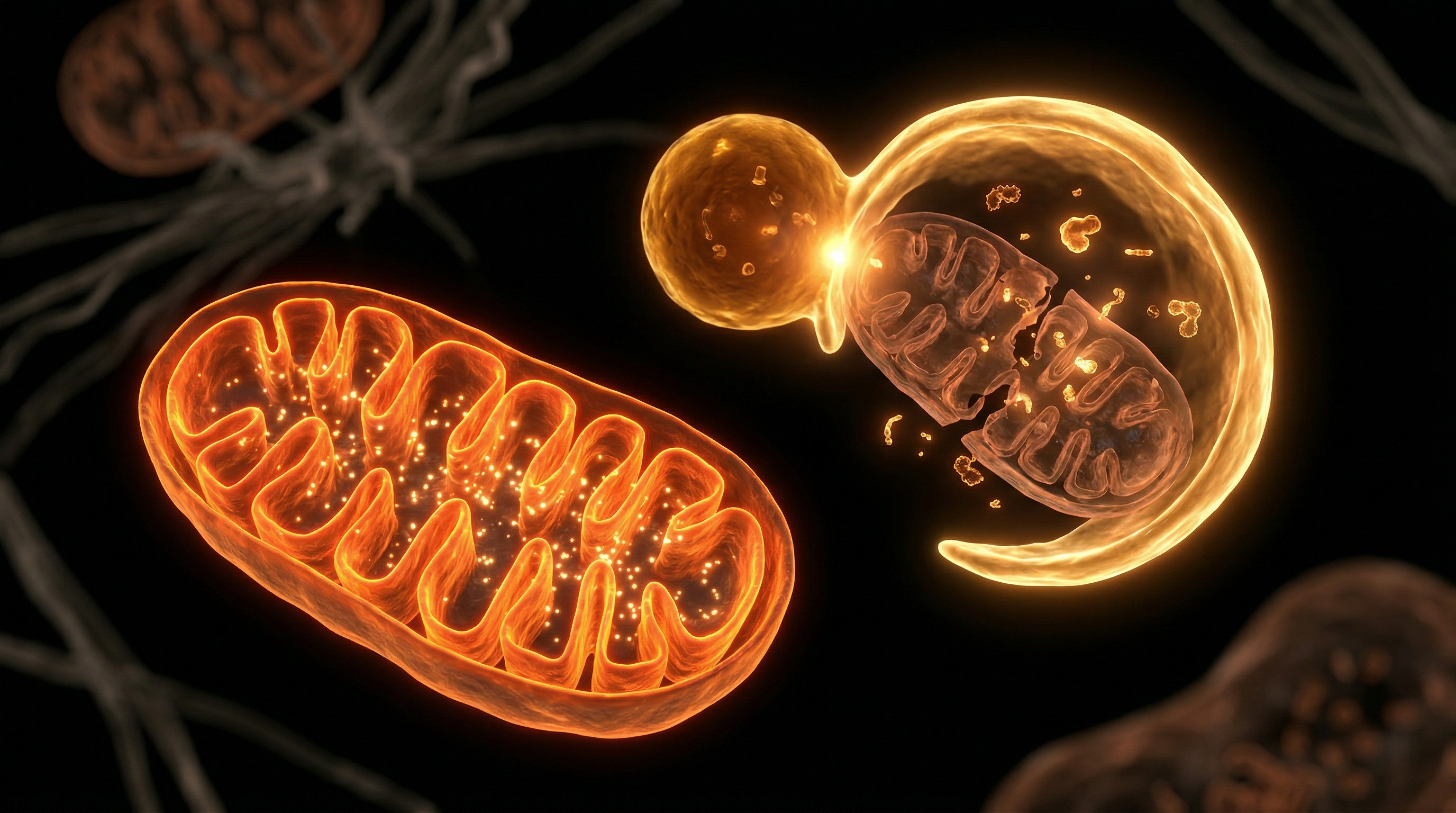
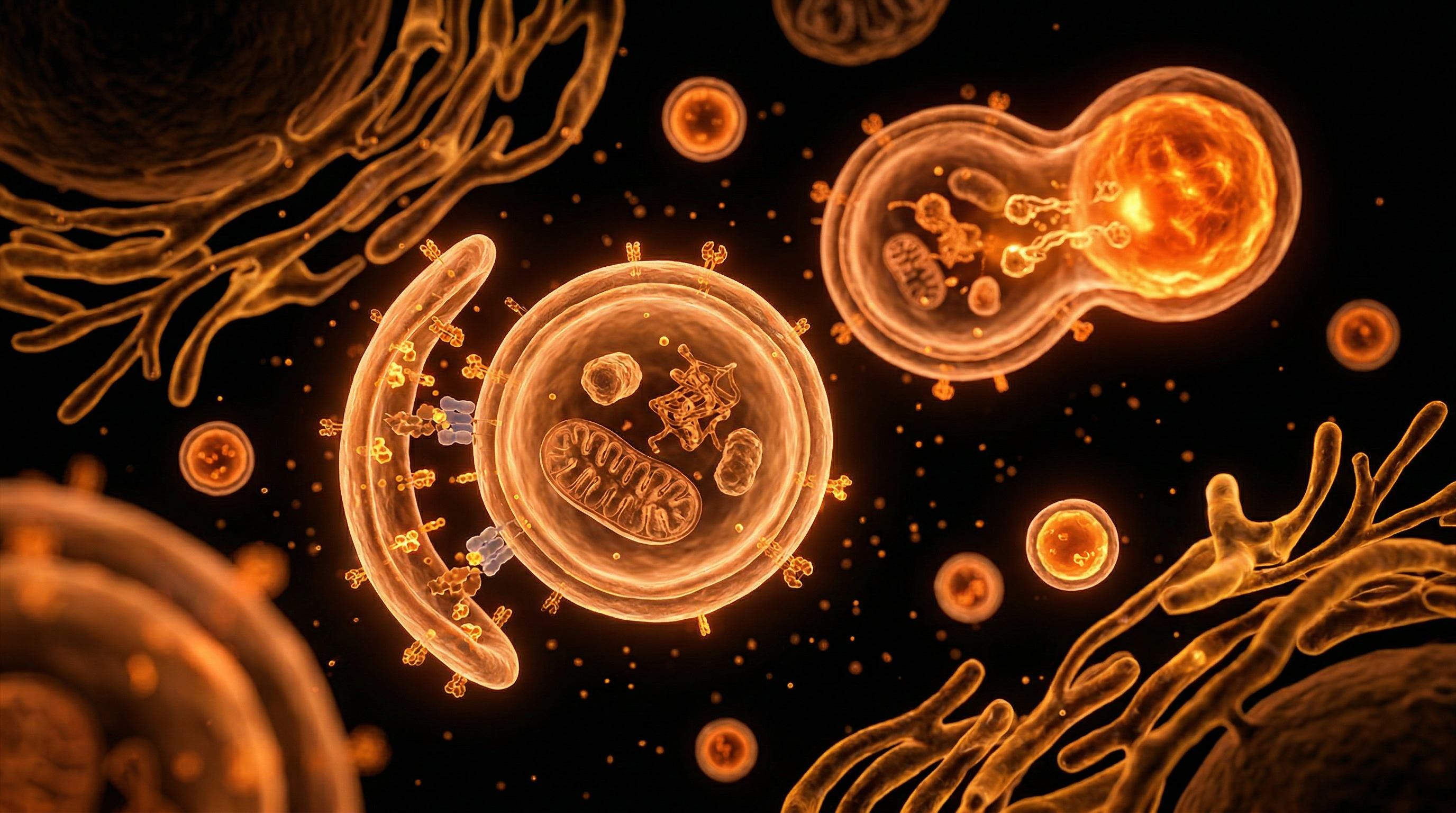
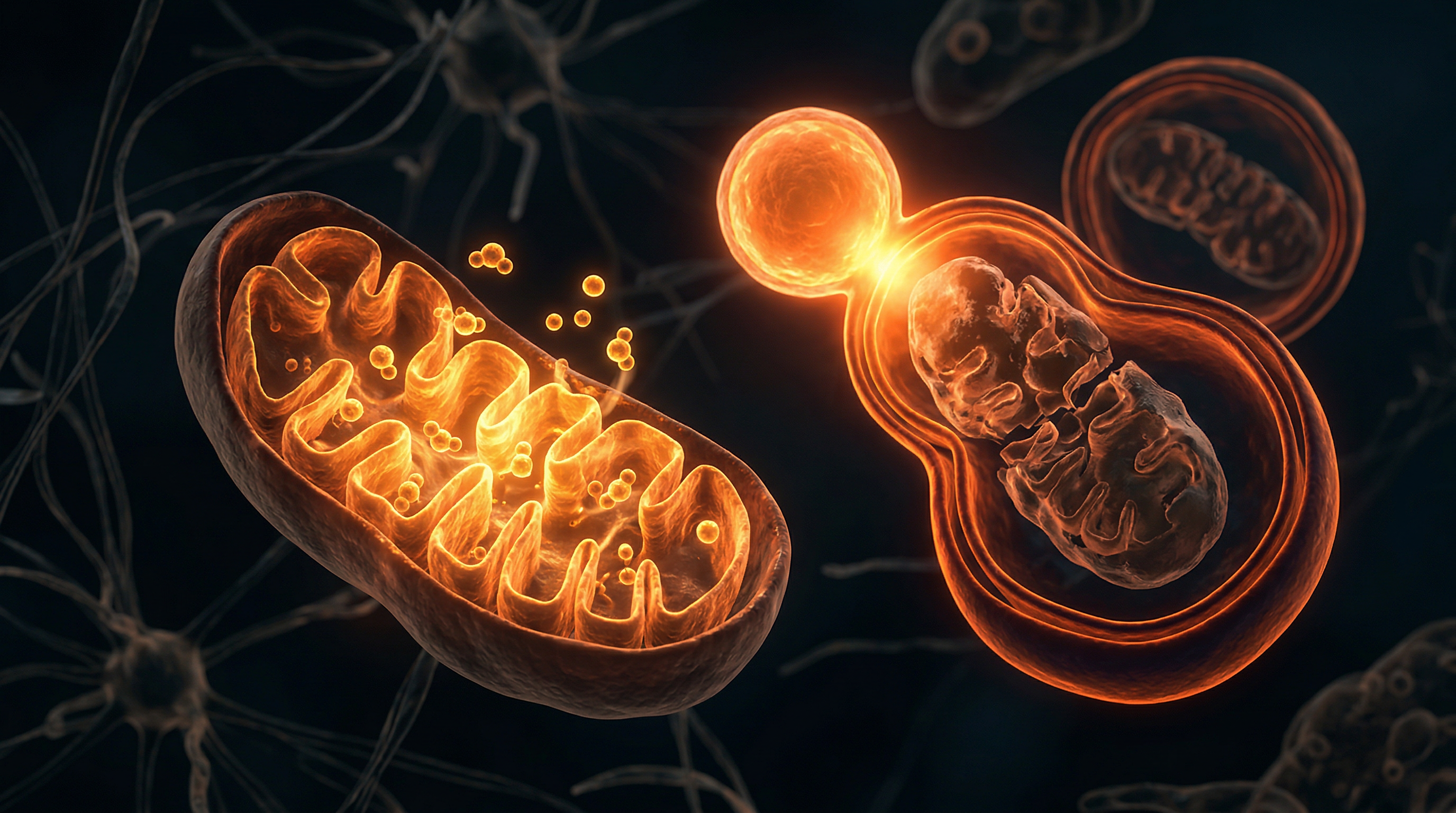
    Mitophagy — the selective autophagy of damaged or dysfunctional mitochondria — is the cell's primary quality control mechanism for maintaining a healthy, high-functioning mitochondrial network, preventing the accumulation of defective organelles that would otherwise generate excessive ROS, impair ATP synthesis, and trigger apoptotic signalling. This process, regulated primarily by the PINK1-Parkin pathway, detects mitochondria with collapsed membrane potential and tags them for lysosomal degradation, effectively recycling their molecular components and preventing the propagation of mitochondrial damage. Critically, mitophagy is impaired by the very conditions that cause mitochondrial damage in the first place — heavy metal accumulation, chronic inflammation, and insulin resistance — creating a vicious cycle in which toxic exposure both damages mitochondria and impairs the cell's capacity to remove them, a central mechanism in the pathogenesis of Parkinson's disease and other neurodegenerative conditions.

    #mitophagy#autophagy
    A
    Scientific illustration for Autophagy: The Cellular Recycling System Fasting Activates
    Cellular Biology
    16 MIN READ

    Autophagy: The Cellular Recycling System Fasting Activates

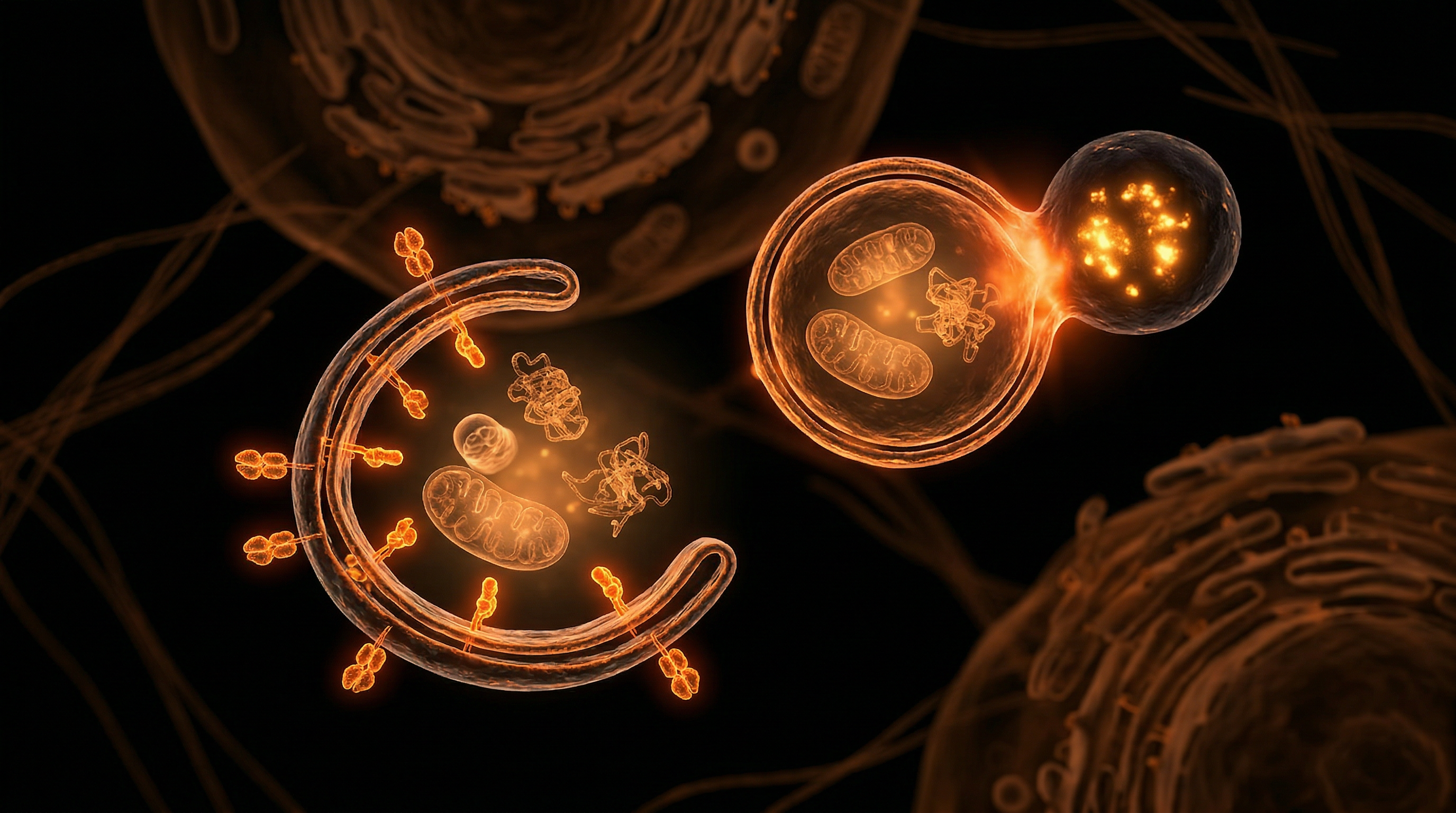
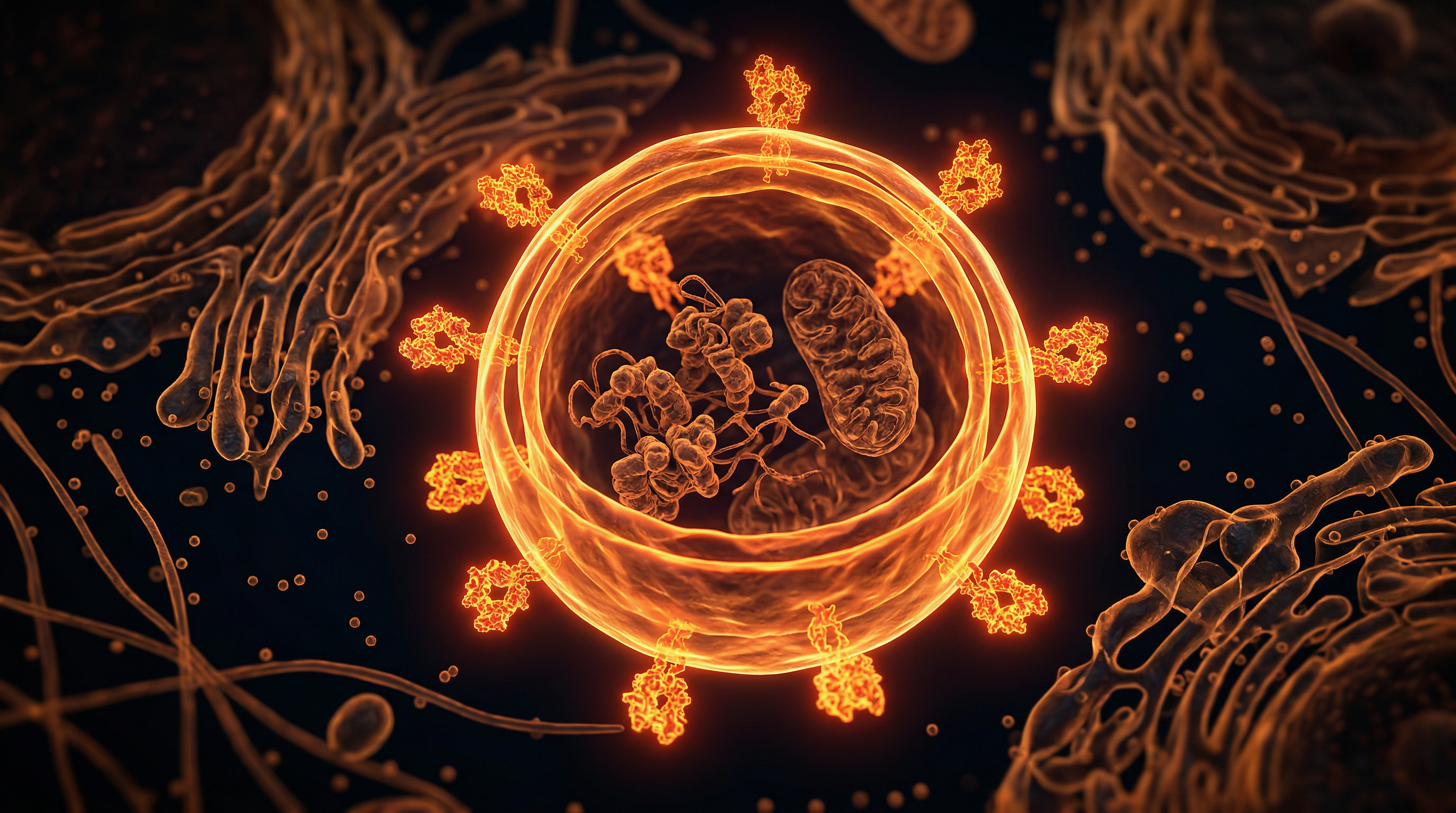
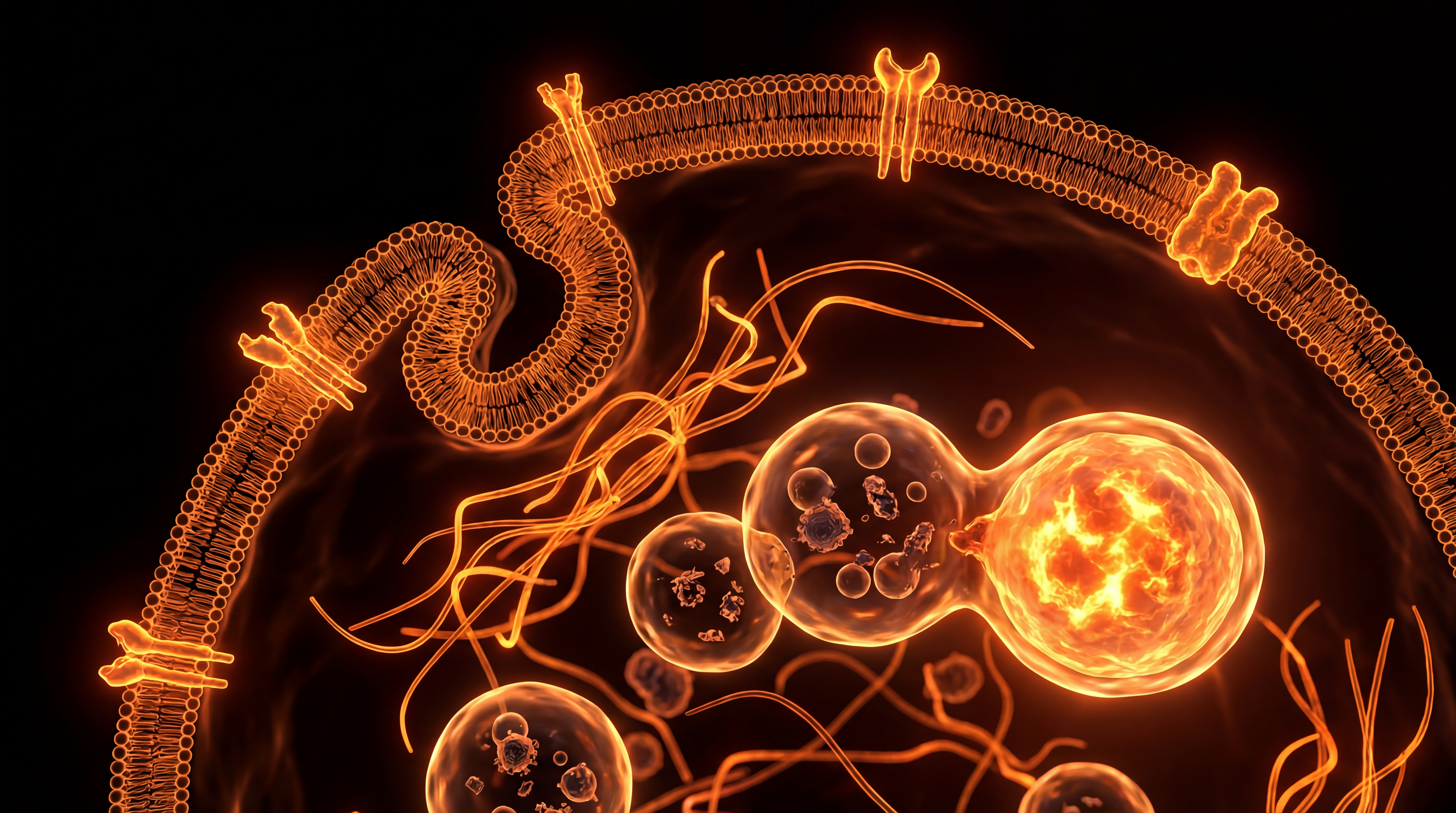
    Autophagy — from the Greek for 'self-eating' — is the cell's intrinsic quality control and recycling mechanism, by which damaged proteins, dysfunctional organelles, and intracellular pathogens are sequestered within double-membraned vesicles called autophagosomes and delivered to lysosomes for enzymatic degradation and component recycling. This process, for which Yoshinori Ohsumi was awarded the 2016 Nobel Prize in Physiology or Medicine, is the primary mechanism by which the cell removes the molecular debris that accumulates with age and toxin exposure — making it a fundamental anti-ageing and anti-disease process. Autophagy is powerfully activated by caloric restriction, intermittent fasting, and specific plant compounds including spermidine, resveratrol, and sulforaphane, whilst being suppressed by chronic nutrient overabundance, mTOR activation, and insulin resistance — the metabolic state now endemic in Western populations consuming ultra-processed food.

    #autophagy#fasting
    M
    Scientific illustration for mTOR: The Master Growth Switch Linking Diet to Cancer
    Cellular Biology
    14 MIN READ

    mTOR: The Master Growth Switch Linking Diet to Cancer

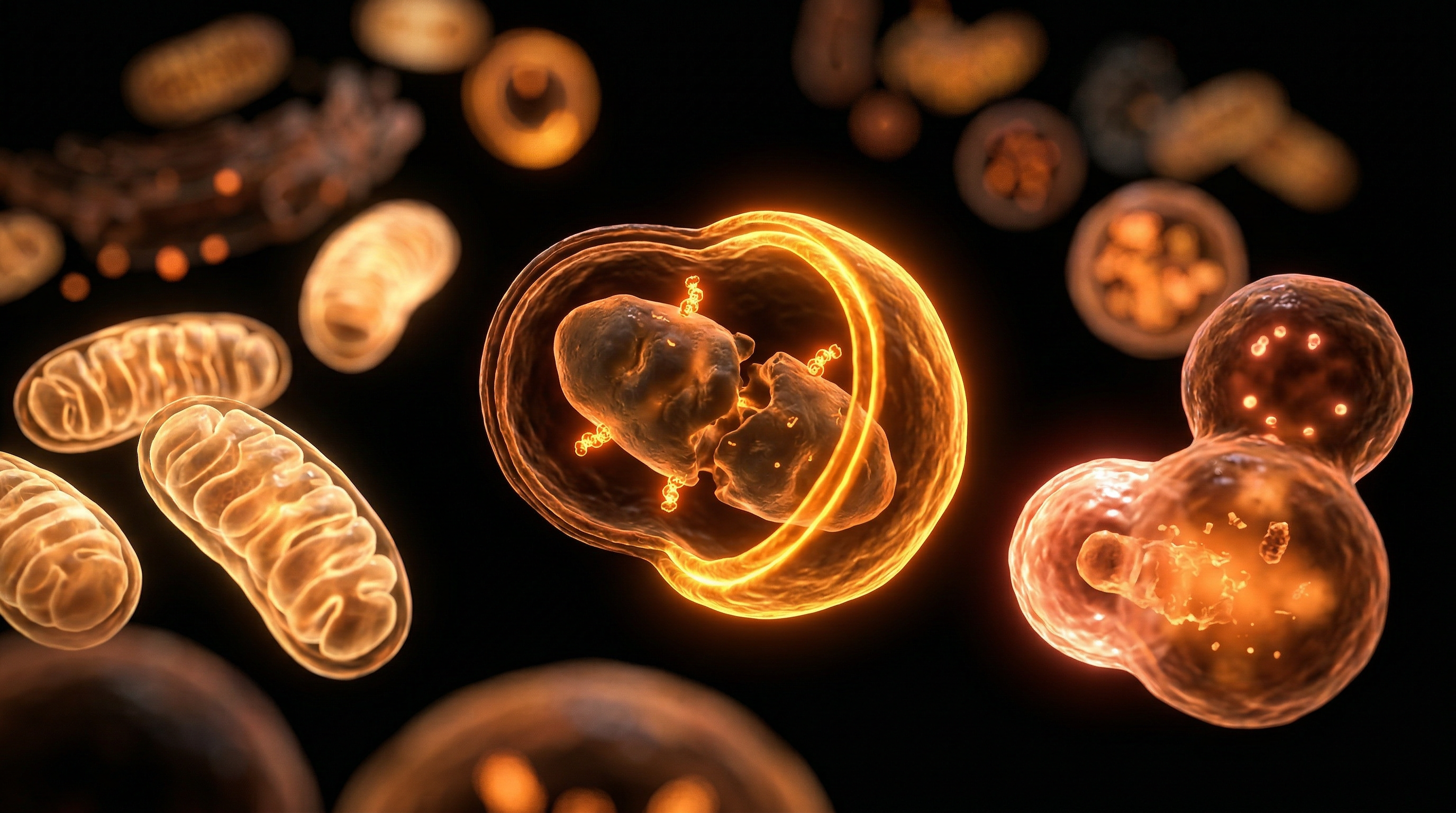
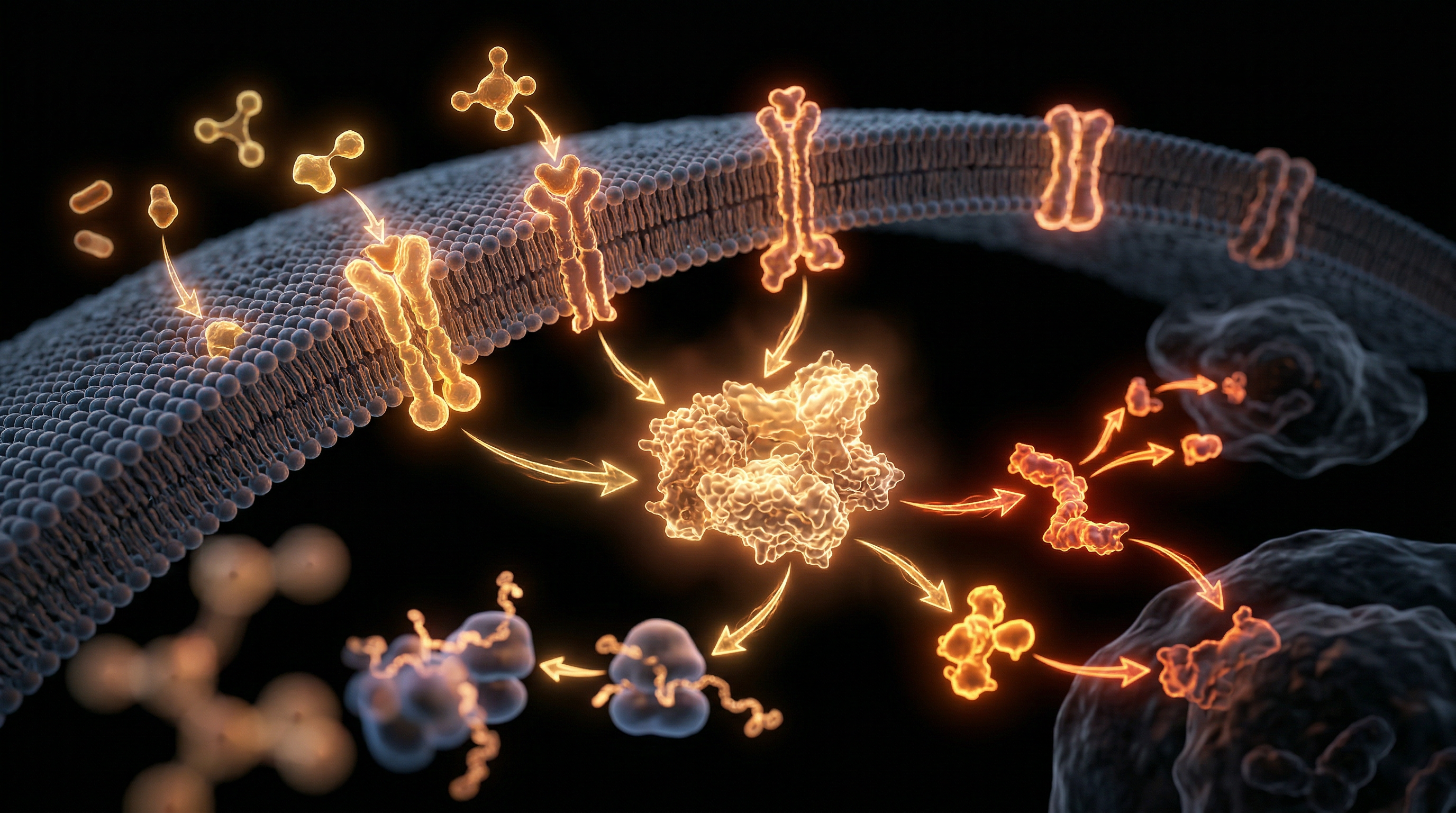
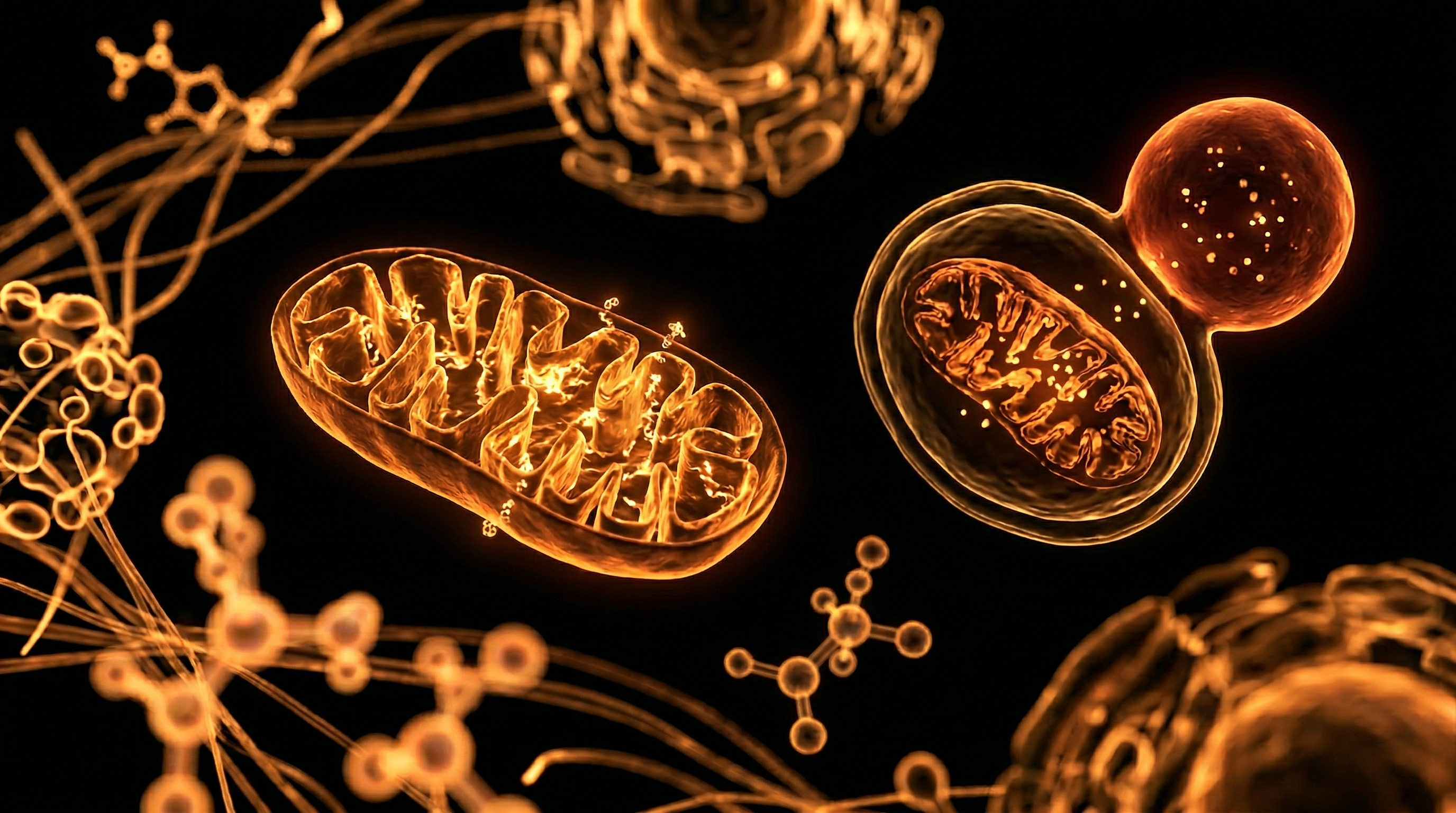
    The mechanistic target of rapamycin (mTOR) — particularly the mTORC1 complex — is a master regulatory kinase that integrates signals from nutrients (especially leucine and glucose), growth factors (particularly insulin and IGF-1), energy status (via AMPK), and oxygen availability to make binary decisions about cellular growth, protein synthesis, and metabolic allocation. When mTOR is active, the cell grows, replicates, and suppresses autophagy; when mTOR is inhibited — as occurs during fasting, caloric restriction, and aerobic exercise — cellular repair, autophagy, and metabolic efficiency are prioritised. Chronic mTOR hyperactivation — driven by the constant nutrient surplus of ultra-processed diets, insulin resistance, and elevated IGF-1 from dairy and animal protein consumption — is a central driver of cancer initiation and progression, Alzheimer's disease pathology, and the accelerated ageing phenotype of the Western lifestyle.

    #mTOR#insulin
    A
    Scientific illustration for Autophagy: The Body's Cellular Self-Cleaning Protocol
    Cellular Biology
    14 MIN READ

    Autophagy: The Body's Cellular Self-Cleaning Protocol

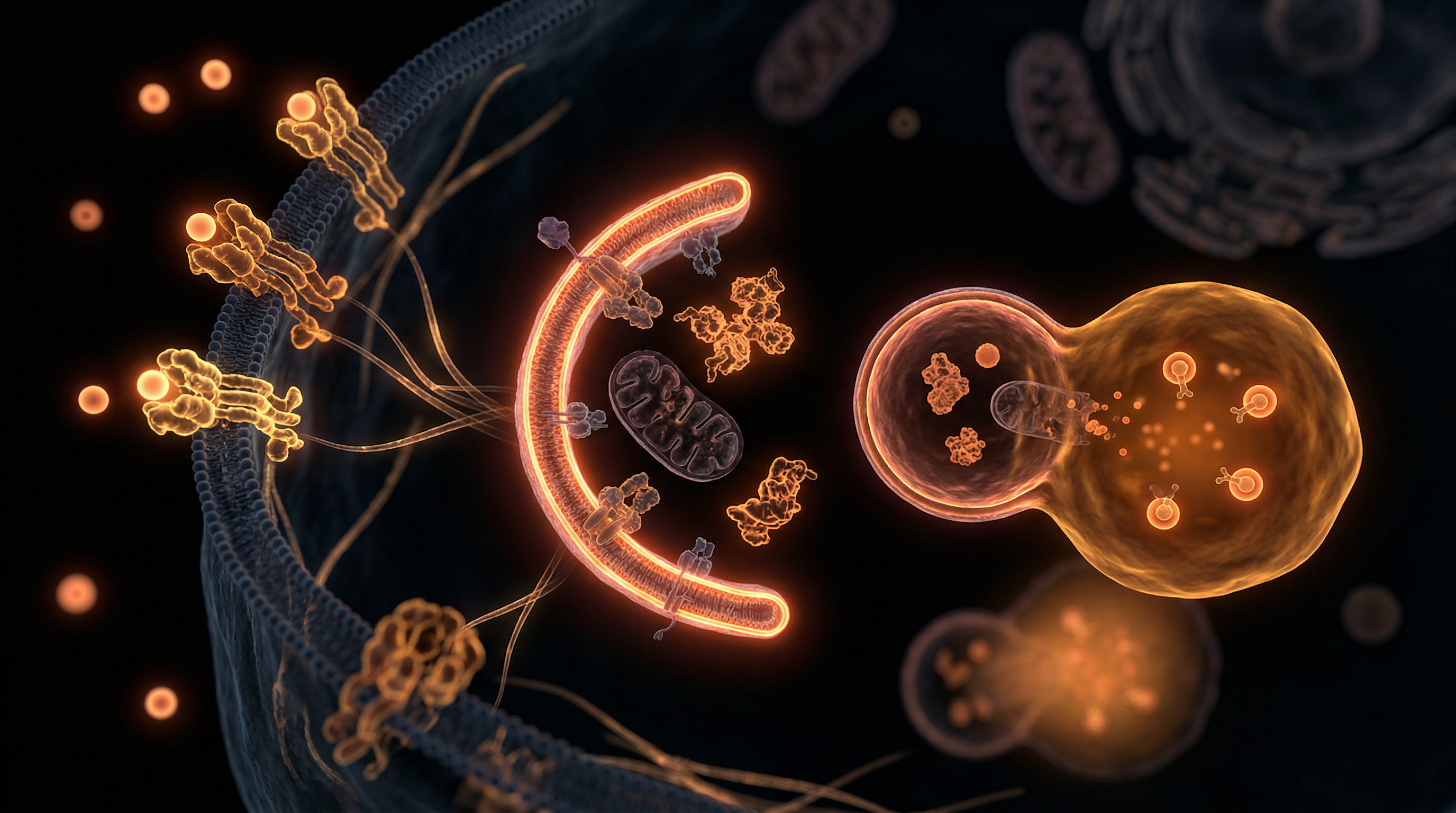
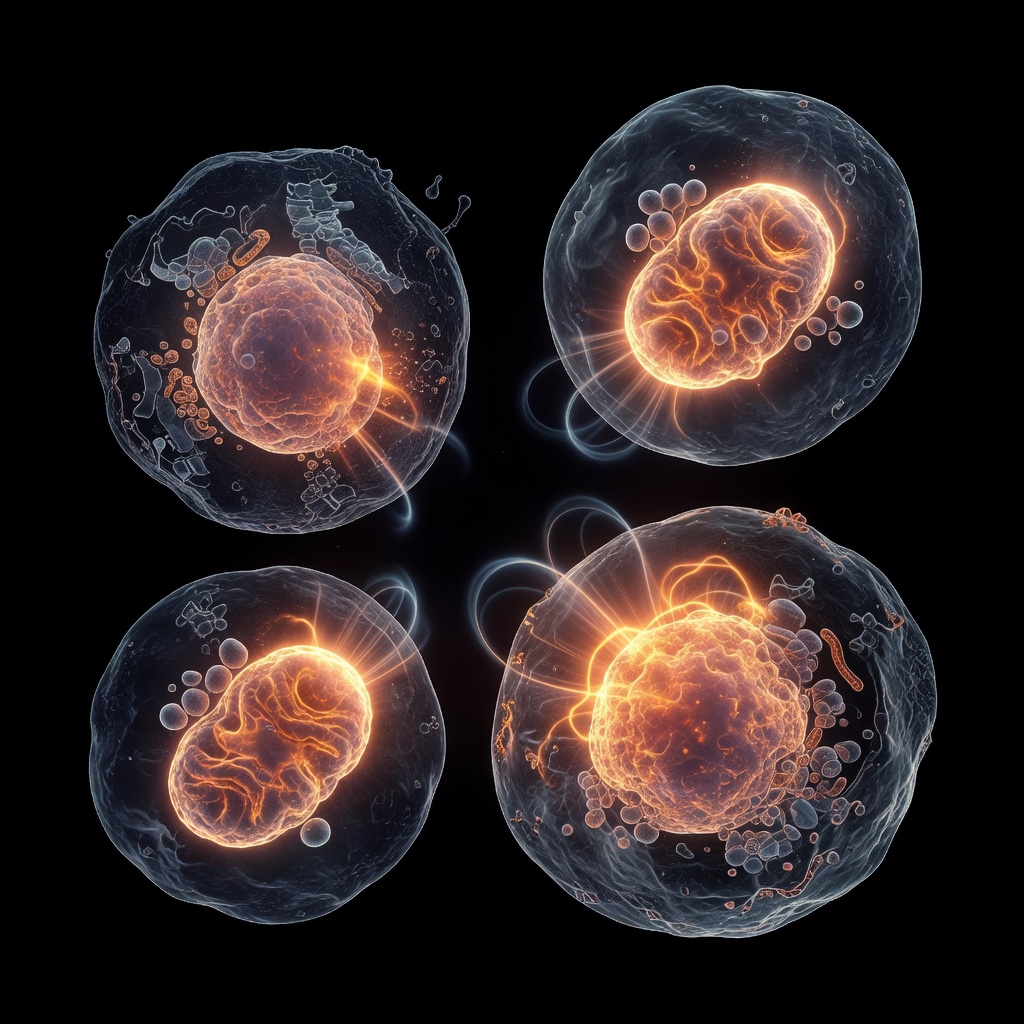
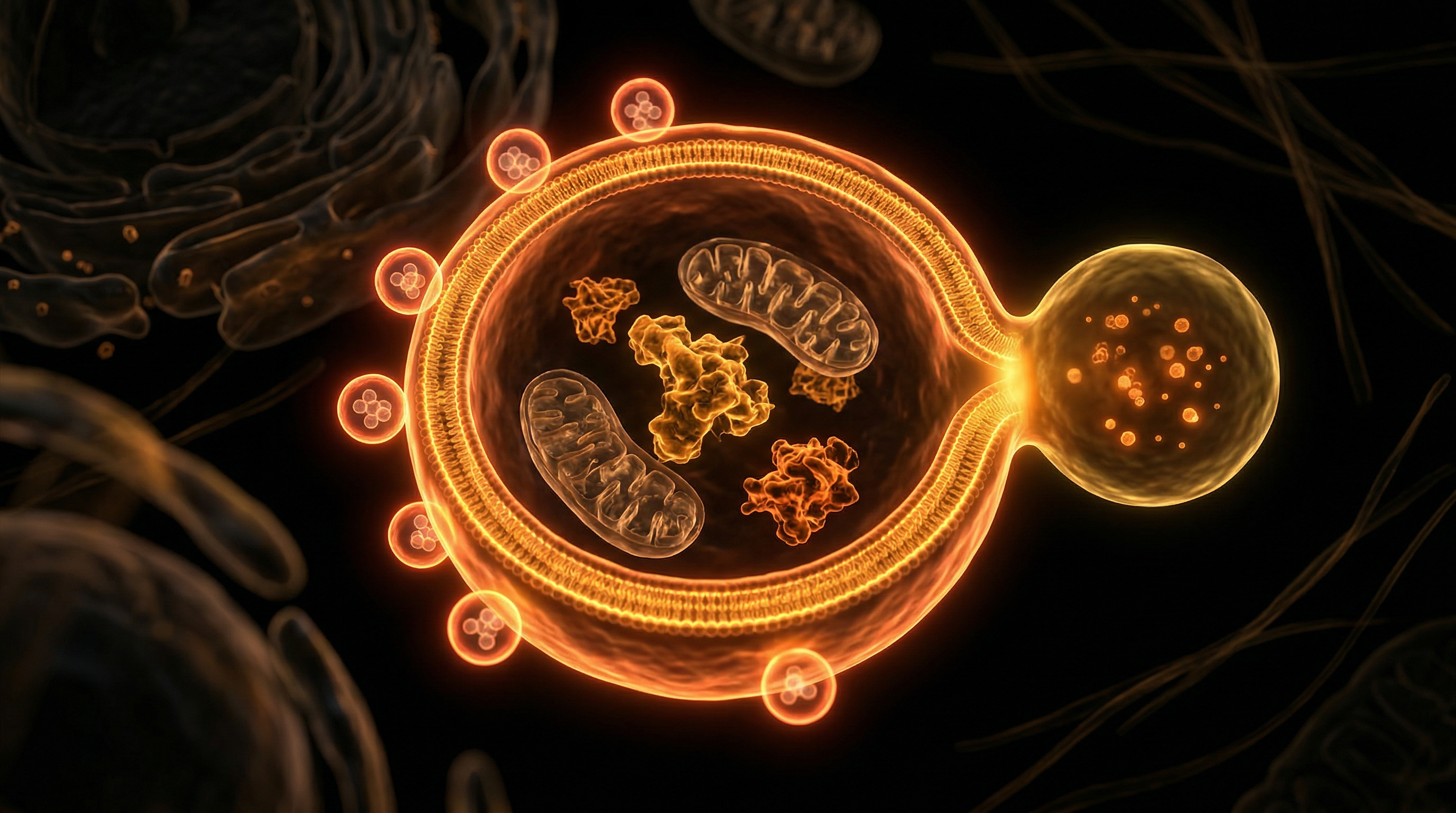
    Autophagy — literally 'self-eating' — is the cell's essential quality control mechanism by which damaged organelles, misfolded proteins, and dysfunctional mitochondria are sequestered in double-membrane autophagosomes and delivered to lysosomes for recycling, a process that is fundamental to cancer prevention, neurological health, immune function, and the cellular rejuvenation that drives longevity. Modern lifestyle factors systematically suppress autophagy: chronic mTOR activation from hyperinsulinaemia driven by processed carbohydrate consumption, excessive protein intake, and near-continuous feeding eliminates the cellular fasting signal required to initiate autophagic processes. Environmental toxins including heavy metals impair lysosomal function and disrupt autophagic flux, contributing to the accumulation of the dysfunctional cellular debris — amyloid, alpha-synuclein, tau — that characterises Alzheimer's and Parkinson's disease.

    #autophagy#fasting