
The Orchestrators of Decay: The Role of Caspase-8 and Caspase-10 in Extrinsic Pathway Autophagy-Mediated Cell Death
A comprehensive analysis of how Caspase-8 and Caspase-10 regulate the transition between cellular survival and autophagy-driven destruction within the extrinsic death pathway.
# Introduction
In the intricate landscape of cellular biology, the decision between life and death is governed by a sophisticated network of proteases known as caspases. Within the 'Extrinsic Pathway'—the death signaling route initiated by external ligands—Caspase-8 and Caspase-10 serve as the primary gatekeepers. While historically categorized solely as initiators of apoptosis, contemporary research highlights their pivotal role in a more complex phenomenon: Autophagy-Mediated Cell Death (AMCD). This article explores the biochemical architecture of these caspases and how they modulate the root-cause mechanisms of cellular destruction.
The Extrinsic Pathway: A Molecular Sentinel
The extrinsic pathway of apoptosis is triggered when external 'death ligands' such as Tumor Necrosis Factor-alpha (TNF-α), FasL (Fas ligand), or TRAIL bind to specific transmembrane death receptors (DRs). This binding event leads to the recruitment of the adapter protein FADD (Fas-associated death domain) and the subsequent assembly of the Death-Inducing Signaling Complex (DISC). It is within this complex that pro-caspase-8 and pro-caspase-10 are recruited and activated through proximity-induced dimerization and auto-proteolytic cleavage. The efficiency of this complex determines whether a cell continues its physiological function or enters a programmed shutdown.
Caspase-8: The Apical Initiator and Decision Maker
Caspase-8 (FLICE) is the quintessential initiator caspase of the extrinsic pathway. Once activated at the DISC, its primary function is to cleave executioner caspases like Caspase-3, leading to the rapid dismantling of the cell. However, Caspase-8 also acts as a critical molecular switch. In conditions where apoptosis is inhibited—either through viral interference or genetic mutation—Caspase-8 prevents the induction of necroptosis (a form of programmed necrosis) by cleaving RIPK1 and RIPK3 kinases.
More importantly for our focus, Caspase-8 has a profound influence on autophagy. Autophagy is typically a cytoprotective 'self-eating' process designed to recycle damaged organelles and provide energy during starvation. Yet, under specific stress conditions, Caspase-8 can redirect the autophagic machinery toward cell death. This is often achieved through the cleavage of ATG (Autophagy-Related) proteins. For instance, the cleavage of ATG5 or Beclin-1 by Caspase-8 can transform these survival factors into pro-death fragments that accelerate cellular collapse.
Caspase-10: The Cryptic Collaborator
Caspase-10 is structurally similar to Caspase-8, possessing tandem Death Effector Domains (DEDs). For years, Caspase-10 was considered redundant to Caspase-8, especially since it is absent in the murine genome. However, recent evidence suggests it has distinct roles in human cells. Caspase-10 can be recruited to the DISC alongside Caspase-8, but its regulatory function appears to be more nuanced. In the context of autophagy-mediated death, Caspase-10 may modulate the threshold of sensitivity to TRAIL-induced death. It acts as a secondary checkpoint, ensuring that if Caspase-8 levels are insufficient or inhibited by c-FLIP (an inhibitory protein), the death signal can still proceed, potentially utilizing autophagic vacuoles as a scaffold for its own activation.
The Intersection of Autophagy and Programmed Cell Death
Autophagy-Mediated Cell Death (AMCD) occurs when cell death is mechanistically dependent on the autophagic machinery. This is distinct from 'autophagy-associated' death, where autophagy occurs alongside apoptosis but doesn't drive it. The connection between the extrinsic pathway and AMCD is often mediated by p62 (SQSTM1), a protein that binds to polyubiquitinated proteins and delivers them to the autophagosome.
p62 also acts as a scaffold for Caspase-8. When the cell is under intense stress, Caspase-8 can aggregate on p62/autophagosome membranes, forming what is sometimes called an 'iP-DISC' (intracellular death-inducing signaling complex). This localization allows the extrinsic pathway to 'hijack' the autophagosome. Instead of the autophagosome fusing with a lysosome for recycling, it becomes a platform for caspase activation, leading to a hybrid form of death that ensures the cell is destroyed even if mitochondrial pathways are blocked.
Molecular Switches: Turning Survival into Execution
The root cause of the shift from survival to death often lies in the post-translational modification of autophagy proteins. The interaction between Beclin-1 and Caspase-8 is a prime example. Under normal stress, Beclin-1 promotes the formation of the autophagosome. However, when Caspase-8 is heavily activated via the extrinsic pathway, it cleaves Beclin-1. The resulting C-terminal fragment translocates to the mitochondria, triggering the release of cytochrome c. This effectively shuts down the 'survival' aspect of autophagy and forces the cell into an apoptotic state. This 'cross-talk' ensures that the cell does not waste energy on survival once the commitment to death has been made.
Root Cause Analysis: Dysregulation and Disease
From an educational health perspective, understanding these pathways is vital for addressing the root causes of major human pathologies. In many cancers, Caspase-8 is silenced via DNA methylation or mutated, allowing cells to bypass both extrinsic apoptosis and autophagy-mediated death. This leads to treatment resistance, as chemotherapy often relies on these pathways to eliminate malignant cells.
Conversely, in neurodegenerative diseases like Alzheimer’s or Parkinson’s, the over-activation of Caspase-8 and Caspase-10 may prematurely trigger the autophagic destruction of viable neurons. In these cases, the 'self-eating' process becomes hyperactive, and the initiator caspases incorrectly signal for cell removal. Chronic inflammation—often termed 'inflammaging'—can keep the extrinsic pathway in a state of low-level, constant activation, slowly depleting the body's cellular reserve through these very mechanisms.
Conclusion
Caspase-8 and Caspase-10 are far more than mere executioners; they are sophisticated integrators of cellular signals. By bridging the gap between the extrinsic receptor-mediated signals and the internal autophagic flux, they ensure that cellular death is a regulated, efficient, and irreversible process. For the educational mission of Innerstanding, recognizing these molecular intersections provides a deeper perspective on how cellular health is maintained. True wellness requires a balance where these pathways remain dormant during health but are ready to respond precisely to damage, preventing both the survival of rogue cells and the unnecessary loss of healthy ones.
This article is provided for informational and educational purposes only. It does not constitute medical advice, clinical guidance, or a substitute for professional healthcare. Information reflects cited research at time of publication. Always consult a qualified healthcare professional before acting on any health information.
RESEARCH FOUNDATIONS
Biological Credibility Archive
Citations provided for educational reference. Verify via PubMed or institutional databases.
Medical Disclaimer
The information in this article is for educational purposes only and does not constitute medical advice, diagnosis, or treatment. Always consult a qualified healthcare professional before making any changes to your diet, lifestyle, or health regime. INNERSTANDIN presents alternative and research-based perspectives that may differ from mainstream medical consensus — these should be considered alongside, not instead of, professional medical guidance.
Read Full DisclaimerReady to learn more?
Continue your journey through our classified biological research.
THE ARSENAL
Based on Apoptosis & Cellular Death Mechanisms — products curated by our research team for educational relevance and biological support.
Energy Blend Supports
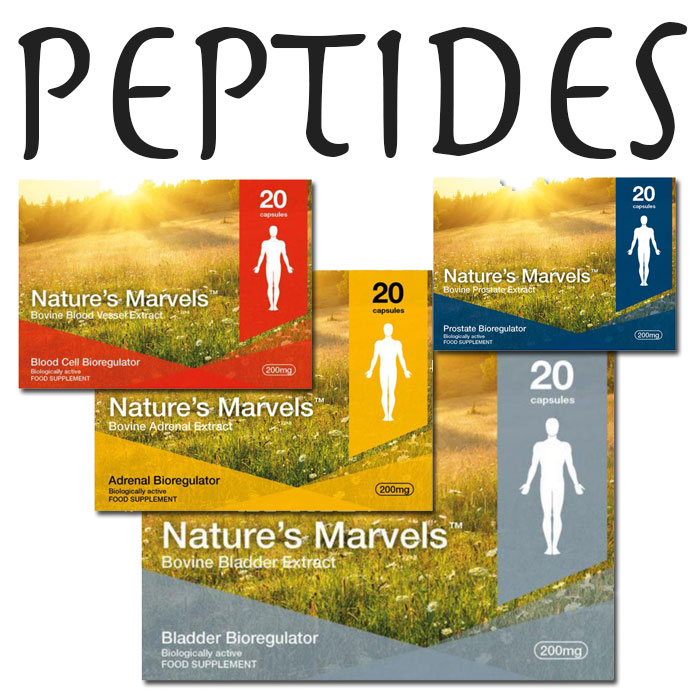
Peptides, one of the secret Russian military health marvels, now available. 40 years research

Clean Slate – Detoxes thousands of chemicals,heavy metals, pesticides, allergens, mold spores and fungus
INNERSTANDING may earn a commission on purchases made through these links. All products are selected based on rigorous educational relevance to our biological research.