
The Mechanism of Autophagy: How Cellular Recycling Reverses Biological Aging
Updated May 2026
This article explores the biological process of autophagy, the body's primary method for clearing out damaged cells and regenerating new ones. Learn how this Nobel Prize-winning discovery can be leveraged to slow cellular aging and improve metabolic health.
Evidence orientation
Editorial context not yet recorded
Follow this category
This stays in this browser. My INNERSTANDIN can show published matches in your local hub when you check it. It does not send email, push, or alert notifications.
Local learning review
A private browser aid for revisiting ideas. It is not an alert or a health recommendation.
Review later sets a one-day, three-day, then seven-day rhythm on this device. Choose it only when you want to revisit this article.
Overview
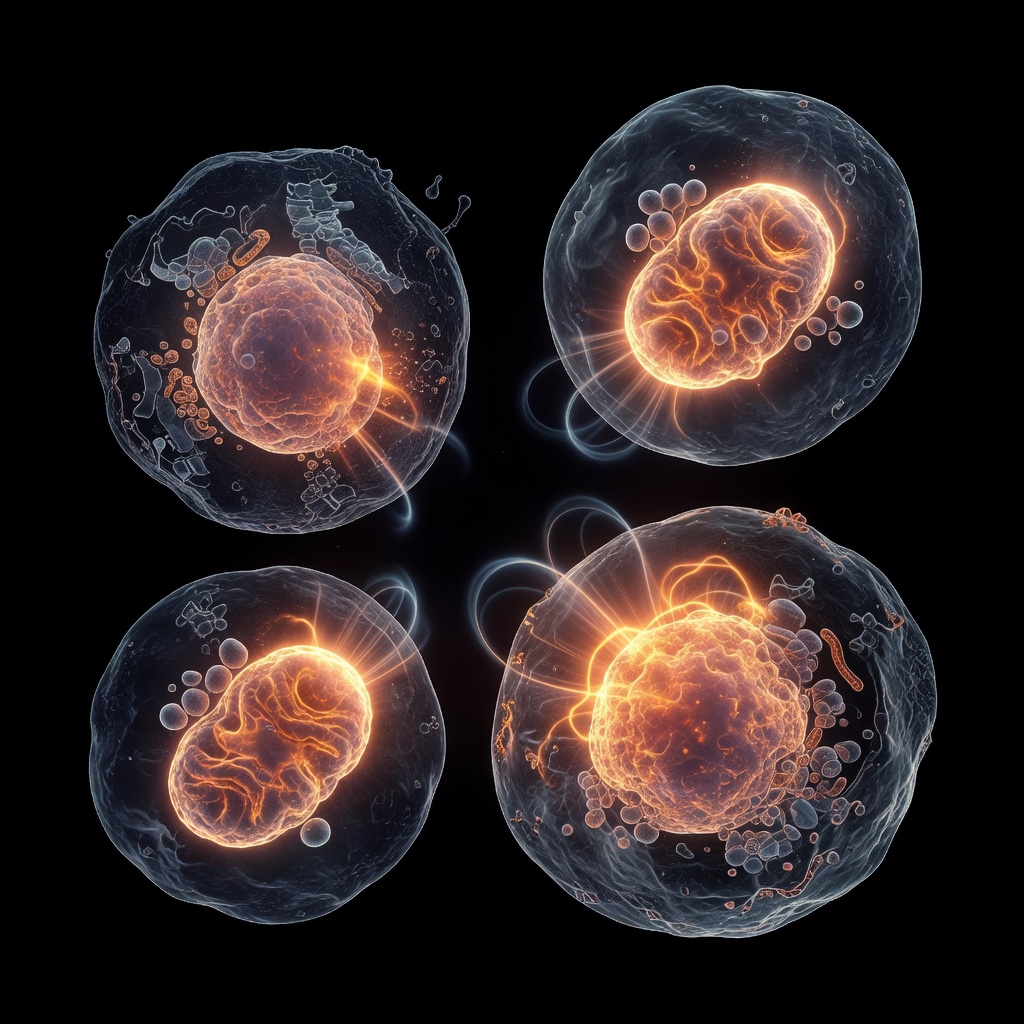
In the silent, microscopic corridors of our fifteen trillion cells, a relentless battle between order and chaos is waged every second. This battle determines not merely whether we suffer from a seasonal malaise, but the very rate at which our biological clock ticks toward its inevitable conclusion. At the heart of this struggle is a process so fundamental to life that its discovery commanded the 2016 Nobel Prize in Physiology or Medicine: Autophagy. Derived from the Greek words auto (self) and phagein (to eat), autophagy is the body's evolutionary masterstroke—a sophisticated system of internal "housekeeping" that identifies, dismantles, and recycles damaged cellular components.
For decades, the mainstream medical establishment viewed the cell as a static vessel, a container that simply accumulated wear and tear until death. We now know this to be a profound fallacy. The human body is designed for self-renewal, yet modern lifestyle paradigms—characterised by chronic over-nutrition, sedentary behaviour, and environmental toxicity—have systematically crippled this innate regenerative capacity. By suppressing autophagy, we have inadvertently accelerated the onset of biological aging, leading to a global epidemic of neurodegenerative diseases, metabolic dysfunction, and "inflammaging."
Fact: Biological aging is not an inevitable decline in time, but rather the cumulative failure of cellular quality control. When autophagy is inhibited, the cell becomes a graveyard of "zombie" proteins and dysfunctional organelles, triggering systemic decay.
This article serves as a definitive exposé on the mechanics of autophagy. We will peel back the layers of biological obfuscation to reveal how you can hijack your own cellular machinery to purge the molecular debris of modern life, effectively rewiring your metabolism for longevity. This is the science of cellular resurrection, and it begins with understanding how the body consumes its own dysfunction to create new life.
##
##
The Biology — How It Works
Autophagy is not a single event but a highly orchestrated metabolic cascade. It is the body’s response to nutrient scarcity and cellular stress, acting as a survival mechanism that prioritises the maintenance of vital functions over growth. The regulation of this process is governed by a fundamental biological "switch" composed of two primary nutrient-sensing pathways: mTOR (mammalian Target of Rapamycin) and AMPK (Adenosine Monophosphate-activated Protein Kinase).
The mTOR/AMPK Seesaw
To understand autophagy, one must understand the inverse relationship between mTOR and AMPK. mTOR is the body's primary "growth" sensor. When we consume proteins and carbohydrates, insulin and amino acids (particularly leucine) activate mTOR. This signals the cell to enter an anabolic state—building new proteins, replicating DNA, and expanding. While necessary for growth and repair, a state of chronic mTOR activation is the primary driver of rapid aging and cancer.
Conversely, AMPK is the "energy" sensor. It is activated when cellular energy (ATP) is low, typically during periods of fasting, intense exercise, or caloric restriction. AMPK acts as the direct antagonist to mTOR. When AMPK rises, it inhibits mTOR and triggers the autophagic machinery.
- mTOR (Anabolic): Promotes growth, inhibits recycling, increases protein synthesis, and accelerates cellular aging when chronically elevated.
- AMPK (Catabolic): Inhibits growth, promotes recycling, enhances fat oxidation, and triggers the repair of DNA and organelles.
The Phases of Autophagy
The actual physical process of autophagy occurs in four distinct, highly regulated stages:
- Initiation and Nucleation: Upon receiving the signal from AMPK, the cell begins to form a crescent-shaped double membrane called a phagophore. This structure is assembled by a complex of proteins known as Atg (Autophagy-related) proteins.
- Elongation: The phagophore expands, seeking out cellular "trash"—misfolded proteins, damaged mitochondria, and invading pathogens. It begins to wrap itself around these targets.
- Maturation and Fusion: The phagophore closes, forming a complete spherical vesicle known as an autophagosome. This "trash bag" then migrates through the cytoplasm until it fuses with a lysosome, an organelle filled with potent acidic enzymes (hydrolases).
- Degradation and Recycling: The lysosomal enzymes break down the contents of the autophagosome into their basic building blocks: amino acids, fatty acids, and simple sugars. These are then released back into the cytoplasm to be used for energy or to build brand-new, healthy cellular components.
Statistic: Research indicates that a failure in the fusion of the autophagosome with the lysosome is a primary hallmark of Alzheimer's disease, leading to the catastrophic buildup of amyloid-beta plaques in the brain.
##
##
Mechanisms at the Cellular Level
While the general concept of autophagy involves "recycling," the process is remarkably specific. The cell does not consume itself at random; it employs highly selective forms of autophagy to target different types of cellular damage.
Mitophagy: The Renewal of the Powerhouse
The most critical subset of this process is Mitophagy—the selective degradation of damaged mitochondria. Mitochondria are the powerhouses of the cell, responsible for generating energy via the electron transport chain. However, as they age or become damaged by oxidative stress, they begin to leak Reactive Oxygen Species (ROS). These "leaky" mitochondria are like old, smoking engines that poison the very cells they are supposed to power.
Mitophagy identifies these dysfunctional mitochondria through a pathway involving two proteins: PINK1 and Parkin. When a mitochondrion's membrane potential drops, PINK1 accumulates on its surface, recruiting Parkin to mark the organelle for destruction. By clearing out "clunky" mitochondria and replacing them with efficient ones, mitophagy significantly reduces systemic oxidative stress and prevents the metabolic "short-circuiting" associated with Type 2 Diabetes and chronic fatigue.
Aggregophagy: Clearing the Protein Sludge
The accumulation of misfolded or "clumped" proteins is a universal feature of aging. These aggregates, often called proteotoxicity, act as biological grit, gumming up the cell’s internal machinery. Through a process called Aggregophagy, the autophagic system uses adapter proteins like p62 to bind to these toxic protein clumps and usher them into the autophagosome for incineration.
Pexophagy and Lipophagy
Beyond proteins and mitochondria, the cell also recycles its own peroxisomes (Pexophagy) and lipid droplets (Lipophagy). Lipophagy is particularly relevant to metabolic health, as it involves the autophagic breakdown of intracellular fats. When this process is impaired, the result is ectopic fat storage—the very foundation of Non-Alcoholic Fatty Liver Disease (NAFLD).
- LC3-II: A critical protein marker that sits on the membrane of the autophagosome; its presence is often used in laboratory settings to measure the "rate" of autophagy.
- Sirtuins (SIRT1-7): A family of longevity genes that work in tandem with AMPK to promote autophagic flux and stabilise the epigenome.
##
##
Environmental Threats and Biological Disruptors
The tragedy of the modern era is that we live in an environment designed to suppress autophagy. We are currently experiencing a biological "perfect storm" where the very mechanisms intended to keep us young are being systematically deactivated by external disruptors.
The Insulin Spike: Chronic Hyperinsulinemia
The primary inhibitor of autophagy is Insulin. In the UK, the culture of "three meals a day plus snacks" ensures that insulin levels rarely, if ever, return to baseline. Every time we consume a carbohydrate or a protein, insulin rises, mTOR is activated, and autophagy is shut down. This chronic hyperinsulinemia keeps the body in a perpetual state of growth, preventing the "clean-up crew" from ever entering the building.
Ultra-Processed Foods (UPFs) and Glyphosate
The British food supply is saturated with Ultra-Processed Foods (UPFs), which contain synthetic additives, emulsifiers, and high concentrations of refined vegetable oils (linoleic acid). These substances induce chronic cellular inflammation, which distracts the autophagic system.
Furthermore, the widespread use of Glyphosate—the active ingredient in many herbicides used in UK agriculture—has been shown to disrupt the gut microbiome and potentially interfere with the glycine pathways necessary for proper protein folding. When proteins are perpetually misfolded due to toxic interference, the autophagic system becomes overwhelmed, leading to a "backlog" of cellular waste.
Endocrine Disruptors and Microplastics
We are also exposed to a cocktail of Endocrine Disrupting Chemicals (EDCs), such as Bisphenol A (BPA) and phthalates, which are prevalent in food packaging and tap water. These chemicals mimic hormones and interfere with the delicate signalling required for AMPK activation. When the cell cannot accurately "sense" its energy status, it fails to initiate the autophagic cascade, even when energy is technically low.
Alarming Fact: The average person now consumes approximately 5 grams of microplastics every week—the equivalent weight of a credit card. These particles can penetrate cellular membranes, causing physical obstructions that impair the formation of autophagosomes.
##
##
The Cascade: From Exposure to Disease
What happens when autophagy fails? The result is not a sudden collapse, but a slow, insidious "cascade of decay" that mirrors the typical progression of aging. This failure of cellular quality control is now recognised as the "Unifying Theory of Chronic Disease."
Stage 1: Proteostasis Collapse
The first sign of autophagic failure is the loss of proteostasis—the cell's ability to maintain healthy proteins. Misfolded proteins begin to aggregate. In the brain, this manifests as tau tangles and amyloid plaques, the precursors to dementia. In the heart, it leads to the stiffening of cardiac tissue.
Stage 2: Mitochondrial Dysfunction and ROS
As mitophagy fails, the cell becomes filled with senescent, "decrepit" mitochondria. These organelles produce 90% less energy than healthy ones but generate 10 times more Free Radicals. This creates a state of chronic oxidative stress that damages the cell's DNA and tears through the protective telomeres at the ends of our chromosomes.
Stage 3: The Secretory Phenotype (SASP)
When a cell is too damaged to function but refuses to die, it becomes a Senescent Cell, often called a "Zombie Cell." These cells do not simply sit idle; they secrete a cocktail of pro-inflammatory cytokines known as the Senescence-Associated Secretory Phenotype (SASP).
Stage 4: Systemic Inflammaging
The SASP signals from senescent cells spread like a wildfire, damaging neighbouring healthy cells and inducing systemic inflammation. This is the root cause of:
- Arthritis and Joint Decay: Breakdown of collagen and cartilage.
- Atherosclerosis: The buildup of plaque in the arteries, driven by the inability of macrophages (immune cells) to perform autophagy.
- Type 2 Diabetes: The "cluttering" of pancreatic beta cells, preventing insulin secretion.
- Cancer: When the autophagic "policing" system fails to identify and consume mutated cells before they can proliferate.
##
##
What the Mainstream Narrative Omits
If the science of autophagy is so robust—backed by a Nobel Prize and thousands of peer-reviewed studies—why is it not the cornerstone of modern medicine? The answer lies in the structural biases of the global healthcare and pharmaceutical industries.
The Profitability of Chronic Management
The current medical model is built on chronic disease management, not resolution. There is no profit in a 48-hour fast, yet there is immense profit in a lifetime of statins, metformin, and biological drugs. Autophagy is a "zero-cost" intervention, and as such, it lacks the marketing budget of a new blockbuster drug.
The "Grazing" Myth
For decades, the NHS and various British nutritional bodies have promoted the myth that we must "keep the metabolism firing" by eating small, frequent meals. This advice is biologically illiterate. By keeping the body in a constant "fed" state, we effectively disable the body's only natural anti-aging mechanism. This "grazing" culture has contributed directly to the UK's burgeoning obesity and dementia crisis.
Suppression of Fasting Research
While research into Autophagy Mimetics (drugs that mimic the effects of fasting) is receiving billions in funding, natural fasting is often dismissed as "extreme" or "dangerous" by mainstream media. This creates a psychological barrier, preventing the public from accessing a tool that is their evolutionary birthright.
Truth Expose: Many "longevity" drugs currently in development are simply synthetic attempts to trigger the same AMPK pathways that are activated for free through 16 hours of water fasting. The pharmaceutical industry is attempting to patent the starvation response.
##
##
The UK Context
The United Kingdom presents a unique set of challenges regarding cellular health. Despite being a global leader in bioscience, the UK’s population is among the most "cellularly stagnant" in Western Europe.
The UPF Crisis in British Supermarkets
A staggering 57% of the calories consumed by the average UK household come from ultra-processed foods. This is the highest rate in Europe. These foods are designed to be "hyper-palatable," triggering dopamine responses that override the body’s natural satiety signals (leptin). This constant caloric influx keeps the British population in a state of permanent mTOR activation.
Regulatory Oversight and Environmental Toxins
The Food Standards Agency (FSA) and the Environment Agency have been slow to address the presence of glyphosate and endocrine disruptors in the British ecosystem. While some EU nations have moved toward stricter bans, post-Brexit UK regulations remain in a state of flux, often favouring industrial output over biological integrity.
Furthermore, the NHS is currently overwhelmed by "lifestyle diseases" that are fundamentally failures of autophagy. The financial burden of treating Type 2 Diabetes alone costs the NHS over £10 billion per year. A public health shift toward "Metabolic Flexibility" and autophagic activation could theoretically save the UK economy billions while extending the "healthspan" of the population.
- The British "Binge" Culture: The UK's relationship with alcohol—a potent inhibitor of liver autophagy—further complicates the cellular landscape, leading to high rates of premature liver scarring and metabolic dysfunction.
- Sedentary Urbanism: The lack of "hormetic stress" (physical exertion, temperature fluctuations) in modern British life means the AMPK switch is rarely flipped.
##
##
Protective Measures and Recovery Protocols
The good news is that autophagy is a dynamic process. It is never too late to clear the "cellular clutter" and reboot your biological systems. To reverse biological aging, one must transition from a state of chronic growth to a state of Cyclical Bioregeneration.
1. Intermittent and Extended Fasting
Fasting is the most potent trigger for autophagy.
- 16:8 Protocol: Fasting for 16 hours and eating within an 8-hour window. This is the minimum required to lower insulin enough to begin the transition to AMPK dominance.
- The 24-Hour "One Meal a Day" (OMAD): This protocol allows for deeper autophagic flux, particularly in the liver and gut lining.
- Extended Water Fasting (36-72 Hours): This is the "deep clean." Research suggests that at the 48-72 hour mark, autophagy peaks in the brain and immune system, potentially clearing out senescent immune cells and triggering stem cell regeneration.
2. Autophagy Mimetics and Nutrient Boosters
Certain natural compounds can "nudge" the body into autophagy even when nutrients are present:
- Spermidine: Found in wheat germ and aged cheeses, this polyamine directly stimulates the autophagic machinery.
- Resveratrol and Pterostilbene: Found in berries and grapes, these activate Sirtuin 1 (SIRT1).
- Berberine: A potent plant alkaloid that acts as a natural Metformin, powerfully activating AMPK and lowering blood glucose.
- Quercetin: A flavonoid that acts as a "senolytic," helping the body identify and kill "zombie" cells.
3. Hormetic Stress: Heat and Cold
Exposure to extreme temperatures induces "Heat Shock Proteins" and "Cold Shock Proteins," both of which assist in the refolding of damaged proteins and the activation of autophagy.
- Sauna Use: 20 minutes at 80°C, 3-4 times a week, has been shown to reduce the risk of Alzheimer's by 65% in longitudinal studies.
- Cold Plunges: Exposure to cold water triggers the release of norepinephrine and activates "brown fat," which is rich in mitochondria and highly autophagic.
4. High-Intensity Interval Training (HIIT)
While steady-state cardio is beneficial, HIIT creates a rapid "energy crisis" in the muscles. The sudden drop in ATP forces the cells to activate AMPK and mitophagy to clear out the metabolic byproducts of intense exertion.
Protocol Tip: For maximum cellular renewal, perform a HIIT session at the end of a 16-hour fast. This "stacks" the metabolic stress, forcing the body to rely entirely on autophagic recycling for energy.
##
##
Summary: Key Takeaways
The mechanism of autophagy is the ultimate proof that the human body is not a machine destined to rust, but a biological system capable of constant self-correction. Biological aging is largely a choice—a choice between perpetual consumption and cyclical renewal.
- Autophagy is the body’s "self-eating" process that recycles damaged proteins and mitochondria into fresh energy and cellular components.
- The mTOR/AMPK switch governs this process; mTOR (triggered by eating) stops autophagy, while AMPK (triggered by fasting/exercise) starts it.
- Modern environment is the enemy: High-sugar diets, glyphosate, and microplastics create a "clogged" cellular state that accelerates aging.
- Mitophagy is the key to energy: Clearing out old mitochondria is the only way to prevent oxidative stress and chronic fatigue.
- Mainstream medicine ignores this: Because fasting is free, it is rarely promoted as the primary intervention for chronic disease.
- The UK faces a crisis of "cellular stagnation" due to the highest consumption of ultra-processed foods in Europe.
- You can take control: Through intermittent fasting, heat/cold exposure, and specific phytonutrients (mimetics), you can trigger the "reset" button on your biological clock.
To understand autophagy is to understand the very essence of life: that in order to truly live and thrive, we must occasionally allow the old to be consumed to make way for the new. The path to longevity is not found in a pill bottle, but in the ancient, biological wisdom of the fast. By reclaiming this mechanism, we move beyond "managing" our decline and begin the journey of true biological reversal. This is the truth of INNERSTANDING.
This article is provided for informational and educational purposes only. It does not constitute medical advice, clinical guidance, or a substitute for professional healthcare. Information reflects cited research at time of publication. Always consult a qualified healthcare professional before acting on any health information.
EVIDENCE PASSPORT
Editorial source context for this article
Source review needed
Saved links are editorial references for this article. They may support specific claims rather than every sentence. Open and assess each source in context. This passport does not independently verify them.
Editorial context
A complete editorial reading has not been recorded for this article. Source links remain available for you to open and assess directly.
Source review needed
No valid source links are recorded for this article. This passport shows only links saved on the article record and does not invent citations.
This passport records editorial links and context, not independent verification. Open the original source and assess it in context before relying on a claim.
Medical Disclaimer
The information in this article is for educational purposes only and does not constitute medical advice, diagnosis, or treatment. Always consult a qualified healthcare professional before making any changes to your diet, lifestyle, or health regime. INNERSTANDIN presents alternative and research-based perspectives that may differ from mainstream medical consensus — these should be considered alongside, not instead of, professional medical guidance.
Read Full DisclaimerContinue the thread
Keep this question moving.
Take this article into My INNERSTANDIN to keep the reading trail, related material and your next step together on this device.