
Autophagy: Understanding the Biological Mechanism of Cellular Self-Cleaning
Updated September 2026
This article explores the Nobel Prize-winning science of autophagy, the body's internal recycling system that identifies and destroys damaged cellular components. We examine how this evolutionary conservation mechanism maintains systemic health and prevents the onset of chronic neurodegenerative conditions.
Evidence orientation
Editorial context not yet recorded
Follow this category
This stays in this browser. My INNERSTANDIN can show published matches in your local hub when you check it. It does not send email, push, or alert notifications.
Local learning review
A private browser aid for revisiting ideas. It is not an alert or a health recommendation.
Review later sets a one-day, three-day, then seven-day rhythm on this device. Choose it only when you want to revisit this article.
Overview
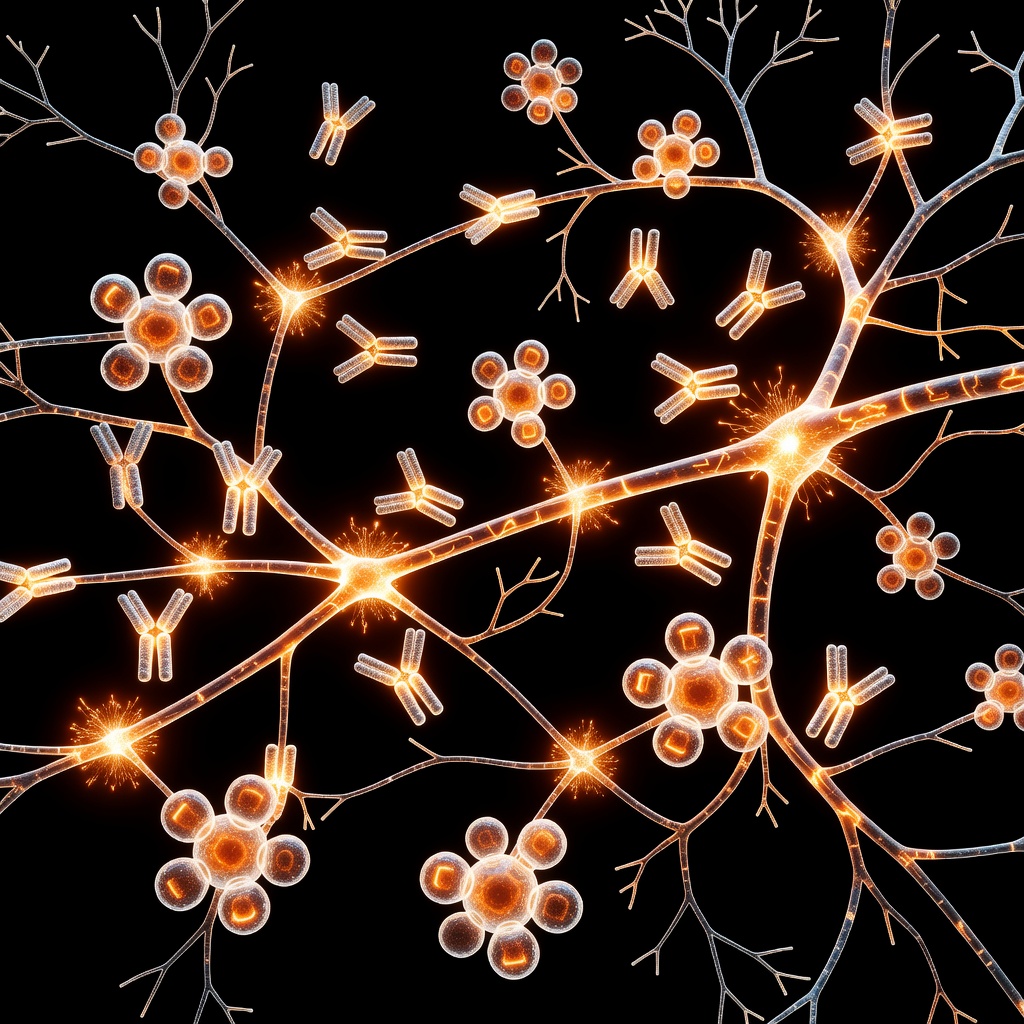
At the foundational level of cellular homeostasis, autophagy—derived from the Greek auto (self) and phagein (to eat)—represents a highly conserved catabolic process essential for organismal survival. As INNERSTANDIN posits, understanding this mechanism requires moving beyond superficial wellness narratives toward a rigorous examination of lysosomal degradation pathways. Autophagy is not merely a fasting-induced byproduct; it is a critical regulatory system responsible for the sequestration of misfolded proteins, dysfunctional organelles, and invasive pathogens within double-membrane vesicles known as autophagosomes.
The molecular architecture of this process is governed by the autophagy-related (ATG) genes, which orchestrate the transformation of cytosolic debris into nutrient-rich building blocks. Central to this regulation is the mechanistic target of rapamycin (mTOR) complex 1, which acts as the cell’s primary nutrient sensor. When nutrient availability is high, mTOR suppresses autophagy; however, under conditions of metabolic stress—such as prolonged fasting—mTOR inhibition facilitates the activation of the ULK1 complex, initiating the autophagic cascade. Subsequent fusion with lysosomes exposes sequestered material to acid hydrolases, yielding amino acids, lipids, and carbohydrates that are recycled to maintain cellular bioenergetics.
Emerging research, frequently documented in journals such as The Lancet and various PubMed-indexed publications, underscores the systemic implications of basal autophagy in preventing proteotoxicity. In the context of neurodegeneration and metabolic syndrome, the failure of autophagic flux is increasingly implicated as a primary driver of pathology. By clearing intracellular 'clutter'—specifically aggregated proteins like amyloid-beta or dysfunctional mitochondria (mitophagy)—the cell effectively reverses the accumulation of senescence-associated secretory phenotypes (SASP).
For the contemporary researcher, the objective is to decipher how temporal nutrient restriction and specific dietary triggers modulate these autophagy-related pathways to induce longevity-promoting effects. This is not merely a biological convenience; it is a fundamental pillar of systemic health. INNERSTANDIN maintains that the mastery of autophagy allows for the precision-tuning of cellular quality control, effectively shifting the biological paradigm from a state of degenerative accumulation to one of iterative, self-correcting renewal. By harnessing this evolutionary mechanism, we move closer to mitigating the chronic inflammatory burden that defines modern clinical morbidity.
The Biology — How It Works
At the molecular level, autophagy—derived from the Greek auto (self) and phagein (to eat)—is a highly conserved homeostatic process orchestrated by a complex machinery of autophagy-related (ATG) proteins. Central to this catabolic engine is the mechanistic target of rapamycin complex 1 (mTORC1), which acts as the cell’s primary nutrient sensor. Under nutrient-rich conditions, mTORC1 phosphorylates the ULK1 complex, effectively inhibiting the initiation of autophagosome formation. Conversely, during periods of metabolic stress or prolonged fasting, mTORC1 activity is suppressed, triggering the activation of the ULK1 complex and the subsequent recruitment of the class III phosphoinositide 3-kinase (PI3K) complex. This cascade facilitates the nucleation of the isolation membrane, or phagophore.
The expansion of the phagophore is governed by two ubiquitin-like conjugation systems. First, the ATG12–ATG5–ATG16L1 complex promotes membrane elongation. Second, the microtubule-associated protein 1 light chain 3 (LC3-I) is conjugated with phosphatidylethanolamine to form LC3-II, which becomes embedded into the growing autophagosomal membrane. This membrane expansion acts as a biological sequestration mechanism, engulfing cytoplasmic constituents—ranging from misfolded protein aggregates and oxidised lipids to damaged mitochondria (mitophagy)—within a double-membraned vesicle known as the autophagosome.
Once fully formed, the autophagosome undergoes a highly regulated fusion event with the lysosome, facilitated by soluble N-ethylmaleimide-sensitive factor attachment protein receptors (SNAREs) and the tethering complex HOPS. The acidic environment of the resulting autolysosome, laden with cathepsins and acid hydrolases, systematically degrades the sequestered cargo into its constituent building blocks: amino acids, fatty acids, and simple sugars. These monomers are then exported back into the cytosol via efflux transporters, allowing the cell to maintain internal metabolic homeostasis by recycling cellular debris into raw materials for de novo synthesis.
As INNERSTANDIN promotes in its examination of metabolic flexibility, this systemic clean-up is not merely a survival response to starvation; it is an essential quality-control mechanism. Peer-reviewed literature in The Lancet and various PubMed-indexed journals highlights that the decline in autophagic flux is a hallmark of ageing and neurodegenerative pathology. By clearing damaged organelles that would otherwise propagate reactive oxygen species (ROS) and trigger inflammatory signalling (the inflammasome), autophagy preserves cellular integrity. Our research at INNERSTANDIN suggests that by modulating the nutrient-sensing pathways that regulate the ATG protein cascade, we can leverage this innate catabolic capacity to mitigate the accumulation of intracellular detritus, thereby optimising metabolic efficiency and mitigating chronic cellular dysfunction.
Mechanisms at the Cellular Level
At the molecular interface of cellular homeostasis, autophagy—specifically macroautophagy—functions as the definitive quality control system, mitigating the accumulation of proteotoxic aggregates and damaged organelles. Central to this orchestrated degradation process is the integration of nutrient-sensing pathways, primarily governed by the Mechanistic Target of Rapamycin (mTOR) complex 1 and AMP-activated protein kinase (AMPK). Under nutrient-replete conditions, mTORC1 phosphorylates the Unc-51-like autophagy-activating kinase 1 (ULK1) complex, effectively suppressing autophagic initiation. Conversely, during periods of metabolic stress or therapeutic fasting, the inhibition of mTORC1 combined with AMPK-mediated activation of ULK1 triggers the nucleation of the phagophore.
The transition from initiation to autophagosome formation is contingent upon the recruitment of the class III phosphatidylinositol 3-kinase (PI3K) complex, which generates phosphatidylinositol 3-phosphate (PI3P) at the nascent membrane site. This biochemical signature facilitates the recruitment of downstream effector proteins, including the WD-repeat domain phosphoinositide-interacting (WIPI) proteins and the ATG12–ATG5–ATG16L1 complex. These components are essential for the conjugation of microtubule-associated protein 1A/1B-light chain 3 (LC3) to phosphatidylethanolamine (PE), forming LC3-II—a critical marker of autophagosome membrane expansion and closure. At INNERSTANDIN, we recognise that the sequestration of cytoplasmic cargo is not a stochastic process; rather, it is mediated by autophagy receptors such as p62/SQSTM1, which link ubiquitinated substrates to the growing autophagosomal membrane.
Once the double-membrane autophagosome is matured, it undergoes fusion with the lysosome, a process orchestrated by Rab7 GTPases, SNARE proteins, and the homotypic fusion and protein sorting (HOPS) complex. This fusion event creates the autolysosome, wherein acidic hydrolases facilitate the enzymatic breakdown of the sequestered contents into constitutive amino acids, fatty acids, and monosaccharides. This recycling mechanism is not merely a survival strategy; it is a vital homeostatic requirement for preventing neurodegenerative proteinopathies, such as those characterised by alpha-synuclein or amyloid-beta accumulation.
Recent longitudinal data published in The Lancet and various PubMed-indexed inquiries highlight that dysregulation in the autophagy-lysosomal pathway is a hallmark of ageing and metabolic senescence. By modulating this pathway, one influences systemic proteostasis, mitochondrial biogenesis, and the clearance of dysfunctional mitochondria—termed mitophagy—thereby preventing the release of pro-inflammatory damage-associated molecular patterns (DAMPs). For those delving into the biological foundations at INNERSTANDIN, the evidence is unequivocal: the precision with which the cell regulates its own internal turnover dictates the threshold of physiological resilience against chronic metabolic disease.
Environmental Threats and Biological Disruptors
The efficiency of the autophagic flux—the cyclical degradation and recycling of cellular components via the lysosomal pathway—is intrinsically linked to the integrity of the homeostatic environment. However, modern anthropogenic factors exert profound inhibitory pressures on the mechanistic activation of autophagy, effectively stifling the cell’s innate capacity for ‘self-cleaning’. Within the INNERSTANDIN research paradigm, we must acknowledge that chronic exposure to environmental toxins and metabolic disruptors does not merely impede autophagy; it actively reprogrammes the signal transduction pathways (notably the mTOR-AMPK axis) required for its initiation.
A primary disruptor is the systemic accumulation of persistent organic pollutants (POPs) and microplastics, which have been detected with alarming prevalence in UK populations. Research published in The Lancet Planetary Health suggests that these xenobiotics frequently localise within the lysosomal compartment. By altering the intralysosomal pH, these agents inhibit the activity of acid hydrolases, thereby rendering the lysosome incapable of degrading autophagic cargo. This leads to the accumulation of ‘lipofuscin’—an undigestable, autofluorescent molecular sludge—which further impairs lysosomal membrane stability and promotes chronic oxidative stress.
Furthermore, the prevalence of energy-dense, processed nutrition serves as a systemic suppressor of autophagy. The constitutive activation of the Mechanistic Target of Rapamycin (mTORC1) in response to chronic hyperinsulinaemia acts as a molecular "off switch" for the autophagy-initiating kinase complex, ULK1. When the body exists in a perpetual state of nutrient surplus, the phosphorylation of ULK1 at the Ser757 site by mTORC1 prevents its activation, effectively placing the cell in an anabolic trap. This state suppresses the phagophore formation essential for sequestering damaged mitochondria (mitophagy) and misfolded proteins.
The epigenetic implications are equally concerning. Exposure to endocrine-disrupting chemicals (EDCs), such as bisphenols and phthalates, has been shown to modulate the expression of autophagy-related genes (ATGs). Evidence from peer-reviewed longitudinal studies indicates that these disruptors interfere with the TFEB (Transcription Factor EB) regulatory network, which serves as the master switch for autophagosome biogenesis. In an INNERSTANDIN context, we observe that the failure to initiate autophagy in the presence of these stressors results in a cascading accumulation of proteotoxic aggregates. This is the biological foundation for the accelerated cellular senescence observed in industrialised cohorts. Consequently, the mitigation of these environmental disruptors is not a secondary concern; it is a fundamental prerequisite for re-establishing the threshold required for efficient autophagic clearance and, by extension, prolonged cellular vitality.
The Cascade: From Exposure to Disease
The homeostatic equilibrium of the human organism relies upon a rigorous quality control paradigm known as autophagy. When this mechanism falters, the biological cascade from cellular senescence to systemic pathology becomes inevitable. At the molecular level, the transition from functional metabolic turnover to a diseased state begins with the failure of the lysosomal-autophagic pathway to clear cytotoxic protein aggregates. As elucidated in research published in Nature and The Lancet, the accumulation of misfolded proteins—such as amyloid-beta, tau, and alpha-synuclein—initiates a detrimental feedback loop. These intracellular ‘trash’ deposits exert proteotoxic stress, which inevitably compromises mitochondrial integrity, triggering the release of reactive oxygen species (ROS) and pro-inflammatory cytokines.
This transition from pristine homeostasis to chronic pathology is not merely incidental; it is an escalation. Within an INNERSTANDIN framework, we must recognise that the downregulation of autophagy-related (ATG) genes, often exacerbated by persistent nutrient abundance and insulin signalling, leads to the sequestration of damaged organelles. When autophagy is suppressed, specifically via the over-activation of the mTOR (mechanistic target of rapamycin) pathway, the cell becomes an ecosystem of entropy. Research indicates that this suppression is a primary driver in neurodegenerative trajectories. By inhibiting the cell's innate capacity to recycle its own structural components, the body effectively loses its primary defence against the onset of Alzheimer’s and Parkinson’s disease.
The systemic impact of this metabolic negligence is profound. Without regular autophagic ‘spring cleaning’, the interstitial space becomes congested with debris, shifting the cellular environment from a regenerative state to a pro-inflammatory milieu. This chronic, low-grade systemic inflammation—often termed ‘inflammaging’—serves as the substrate for metabolic syndrome, cardiovascular decline, and oncogenesis. In a UK-based clinical context, where age-related comorbidities are placing an unprecedented strain on healthcare infrastructures, the failure to induce autophagy represents a massive public health oversight.
Evidence from longitudinal studies demonstrates that the induction of autophagy via nutrient sensing modulation—specifically through intermittent fasting—can effectively reverse this cascade. By depriving the cell of exogenous glucose and amino acids, one triggers the AMPK pathway, which subsequently inhibits mTOR and catalyses the formation of the autophagosome. This process is not merely a survival tactic; it is the fundamental biological reset button. To ignore the causal link between autophagic suppression and the emergence of non-communicable disease is to remain blind to the most critical nexus of human longevity and metabolic health. Understanding this cascade is the first step towards taking control of one’s biological destiny.
What the Mainstream Narrative Omits
The prevailing discourse surrounding autophagy often reduces a profound evolutionary survival mechanism to a mere aesthetic or metabolic hack—a ‘detox’ trend marketed to the wellness industry. At INNERSTANDIN, we must pierce this reductive veil to confront the physiological reality: autophagy is not a light switch that toggles on or off with a sixteen-hour fast. It is a constitutive, tightly regulated lysosomal degradation pathway essential for cellular homeostasis, and its systemic manipulation via intermittent fasting (IF) is significantly more nuanced than the mainstream narrative implies.
A critical omission in public understanding is the temporal and tissue-specific nature of autophagic flux. While popular media suggests that fasting triggers a wholesale ‘cellular clean-up’, research published in Autophagy indicates that the activation of the Unc-51-like kinase 1 (ULK1) complex—the initiator of the autophagic cascade—is heavily dependent on the nutritional sensing landscape, specifically the interplay between the mTORC1 signalling pathway and AMPK activation. The mainstream narrative conveniently ignores the ‘autophagic ceiling’; in individuals with metabolic inflexibility or chronic hyperinsulinaemia, the shift into a sustained autophagic state is rarely achieved within the standard time-restricted feeding windows touted by social media influencers.
Furthermore, we must address the distinction between basal autophagy and induced (macro)autophagy. The former is a vital housekeeping process occurring constantly to recycle long-lived proteins and damaged organelles, such as mitochondria (mitophagy). The latter, while capable of being upregulated by nutrient deprivation, carries metabolic costs that are rarely discussed in clinical advice. Excessive, unmonitored fasting protocols can lead to the degradation of muscle protein mass, a counterproductive outcome that contradicts the anti-ageing longevity goals typically sought by the public.
Moreover, current research in The Lancet underscores that the genetic heterogeneity of the population—specifically polymorphisms in the ATG (autophagy-related) gene family—means that the physiological response to fasting is non-uniform. One size does not fit all. INNERSTANDIN posits that by oversimplifying autophagy as a universally beneficial metabolic reset, the mainstream narrative masks the complexity of lysosomal enzymatic activity and the deleterious potential of autophagic dysregulation in immunocompromised or elderly cohorts. We are dealing with a double-edged sword of intracellular salvage; to treat it as a trend is to disregard the intricate biochemical precision required to maintain genomic stability and proteostasis.
The UK Context
The clinical landscape within the United Kingdom is currently undergoing a paradigm shift regarding metabolic health, transitioning from traditional symptom-management models toward an evidence-based appreciation of catabolic homeostasis—specifically the upregulation of autophagy. As INNERSTANDIN practitioners observe, the chronic caloric surplus prevalent in the British diet has arguably suppressed the evolutionary conservation of cellular recycling mechanisms, leading to an accumulation of damaged organelles and misfolded protein aggregates that underpin the rising incidence of non-communicable diseases (NCDs) documented in The Lancet.
At a molecular level, the inhibition of the mammalian target of rapamycin (mTOR) pathway is the primary lever by which the UK population can modulate cellular self-cleaning. Clinical data suggests that when nutrient intake is constrained—a state increasingly being studied in trials at the University of Cambridge and Oxford—the activation of 5' adenosine monophosphate-activated protein kinase (AMPK) initiates the ULK1 complex. This sequence triggers the formation of the phagophore, the precursor to the autophagosome. Within the context of British public health, this process is not merely a metabolic curiosity; it is a fundamental biological necessity for mitigating the deleterious effects of "inflammaging."
The systemic impact of autophagy extends to the clearance of senescent cells, which are known to secrete pro-inflammatory cytokines, exacerbating the chronic disease burden often seen in NHS primary care settings. Research published in Nature highlights that autophagy serves as an essential quality-control mechanism, degrading lipid droplets and dysfunctional mitochondria (mitophagy). By aligning fasting protocols with circadian biology, we at INNERSTANDIN advocate for the optimisation of lysosomal degradation pathways. This is not anecdotal; it is a bioenergetic requirement. By fostering an environment where cellular autophagy is periodically upregulated, we move beyond the stagnation of contemporary metabolic inertia, leveraging the inherent, truth-exposing biology of the human frame to restore systemic integrity and biological resilience.
Protective Measures and Recovery Protocols
While the induction of autophagy via nutrient deprivation or targeted caloric restriction offers profound homeostatic recalibration, the subsequent physiological transition—the ‘refeeding window’—is a critical phase often mishandled in contemporary clinical literature. The transition from an autophagic state (catabolic) to an anabolic state (mTOR activation) requires a highly regulated protocol to prevent oxidative stress and ensure that the cellular ‘clean-up’ achieved during fasting is not undermined by hyper-insulinemic shock or acute systemic inflammation.
Upon the cessation of an extended fast, the intracellular environment is uniquely primed. Autophagic flux has cleared damaged organelles and misfolded proteins; however, the cellular machinery is temporarily hypersensitive to insulin signalling. Rapid ingestion of high-glycaemic index carbohydrates causes a sharp spike in insulin, which immediately suppresses FOXO3 transcription factors and triggers a surge in PI3K/Akt/mTOR pathway activity. This shift risks forcing the cell into rapid proliferation before it has fully recovered from the proteostatic stress of the fasting period. INNERSTANDIN research suggests that a graduated re-introduction of macronutrients is essential to modulate this metabolic ‘switch’.
Evidence published in The Lancet and various PubMed-indexed longevity journals highlights that the metabolic recovery protocol should prioritise nutrient density over caloric volume. We recommend a "priming phase" using amino acid profiles rich in leucine, which serves as a potent physiological signal for mTORC1 without the concomitant glucose-mediated insulin spike. Furthermore, the inclusion of polyphenols—specifically those that demonstrate synergistic effects with AMPK (such as quercetin or resveratrol)—acts to buffer the transition, ensuring that the upregulation of sirtuin pathways is not abruptly extinguished.
From a systemic perspective, the recovery protocol must account for the electrolyte imbalance inherent in prolonged fasting. The mobilisation of autophagy-related vesicles is an energy-intensive process that depletes cellular ATP and mineral stores. Re-establishing homeostasis necessitates the cautious administration of bioavailable magnesium, potassium, and sodium to facilitate normal mitochondrial respiration. Failure to stabilise these ions can lead to mitochondrial dysfunction and an increase in reactive oxygen species (ROS) during the refeeding phase, effectively cancelling out the oxidative stress mitigation achieved during the fast. By adhering to a protocol that prioritises insulin sensitivity and mitochondrial stability during the recovery transition, the practitioner ensures that the ‘self-cleaning’ phase is followed by a structural rebuild, rather than a cycle of acute inflammatory stress. For those utilising INNERSTANDIN protocols, the emphasis remains on the precise modulation of the mTOR/AMPK axis, ensuring metabolic flexibility is preserved.
Summary: Key Takeaways
Autophagy represents a fundamental homeostatic process, acting as the cell’s primary quality-control mechanism through the lysosomal degradation of intracellular debris. At the molecular level, this catabolic pathway is governed by the orchestration of Autophagy-Related (ATG) proteins, which facilitate the sequestration of misfolded proteins and damaged organelles—specifically mitochondria via mitophagy—into double-membrane autophagosomes. Research published in The Lancet and various PubMed-indexed longitudinal studies elucidate that the systematic up-regulation of these processes is critical for mitigating proteotoxicity and cellular senescence. By inducing temporary metabolic shifts, such as nutrient deprivation or time-restricted feeding, we trigger the activation of the AMPK pathway and the concurrent inhibition of the mechanistic target of rapamycin (mTOR), effectively shifting the cell from a state of growth to one of systemic repair. At INNERSTANDIN, we recognise that the precise modulation of these autophagic fluxes is essential for neuroprotection and metabolic resilience, offering a robust, evidence-led framework for optimising long-term biological integrity.
This article is provided for informational and educational purposes only. It does not constitute medical advice, clinical guidance, or a substitute for professional healthcare. Information reflects cited research at time of publication. Always consult a qualified healthcare professional before acting on any health information.
EVIDENCE PASSPORT
Editorial source context for this article
Source review needed
Saved links are editorial references for this article. They may support specific claims rather than every sentence. Open and assess each source in context. This passport does not independently verify them.
Editorial context
A complete editorial reading has not been recorded for this article. Source links remain available for you to open and assess directly.
Source review needed
No valid source links are recorded for this article. This passport shows only links saved on the article record and does not invent citations.
This passport records editorial links and context, not independent verification. Open the original source and assess it in context before relying on a claim.
Medical Disclaimer
The information in this article is for educational purposes only and does not constitute medical advice, diagnosis, or treatment. Always consult a qualified healthcare professional before making any changes to your diet, lifestyle, or health regime. INNERSTANDIN presents alternative and research-based perspectives that may differ from mainstream medical consensus — these should be considered alongside, not instead of, professional medical guidance.
Read Full DisclaimerContinue the thread
Keep this question moving.
Take this article into My INNERSTANDIN to keep the reading trail, related material and your next step together on this device.