
Therapeutic Fasting: A Metabolic Approach to Spike Protein Proteolysis
Updated May 2026
Analyzing how metabolic switching can accelerate the breakdown of foreign proteins within the body. We provide a scientific framework for using intermittent fasting in post-viral recovery.
Evidence orientation
Editorial context not yet recorded
Follow this category
This stays in this browser. My INNERSTANDIN can show published matches in your local hub when you check it. It does not send email, push, or alert notifications.
Local learning review
A private browser aid for revisiting ideas. It is not an alert or a health recommendation.
Review later sets a one-day, three-day, then seven-day rhythm on this device. Choose it only when you want to revisit this article.
Overview
In the wake of the global health events beginning in 2020, a new pathological paradigm has emerged: the persistence of the SARS-CoV-2 spike protein within human tissues long after the initial infection or inoculation. While conventional clinical frameworks struggle to address the multi-systemic decline observed in "Long COVID" and post-vaccination syndromes, biological researchers are increasingly looking toward a foundational evolutionary mechanism for the answer. That mechanism is Therapeutic Fasting.
The spike protein, particularly the S1 subunit, is not merely a passive structural component of the virus; it is a bioactive ligand capable of inducing inflammation, disrupting mitochondrial function, and promoting micro-clotting. For many individuals, the body’s natural degradative pathways have stalled, leading to what we term "spike protein stasis." In this state, the foreign protein evades the immune system's proteases and continues to circulate or remain embedded in the vascular endothelium.
This article provides a rigorous scientific framework for the use of Metabolic Switching—the transition from glucose-based metabolism to ketone-based metabolism—as a primary strategy for Proteolysis (the breakdown of proteins). By inducing a state of deep Autophagy, therapeutic fasting allows the cellular machinery to identify, dismantle, and recycle these pathogenic proteins. We are moving beyond the "masking of symptoms" and toward a fundamental biological "reboot" designed to clear the cellular environment of synthetic and viral debris.
The Biology — How It Works
To understand why fasting is the most potent tool in the arsenal against spike protein persistence, one must first understand the concept of Metabolic Switching. For the majority of modern humans, the body exists in a permanent "fed state," fuelled by a constant influx of exogenous carbohydrates. This maintains high levels of Insulin, an anabolic hormone that signals the body to grow and store energy, effectively silencing the cellular "cleanup" mechanisms.
When we withhold food, the body undergoes a profound shift. As glycogen stores in the liver are depleted (usually within 12 to 24 hours), the Insulin-to-Glucagon ratio flips. Glucagon, the catabolic counterpart to insulin, rises, signalling the body to mobilise stored resources. This shift initiates a cascade of events:
- Lipolysis: The breakdown of adipose tissue into free fatty acids.
- Ketogenesis: The conversion of these fatty acids into ketone bodies (Acetoacetate, Beta-hydroxybutyrate) by the liver.
- Proteostasis: The regulation of protein folding and degradation to maintain cellular health.
Fact: The transition from glucose to ketones (Metabolic Switching) is an evolutionary conservation mechanism that allows human cells to survive and repair themselves during periods of scarcity by consuming damaged internal components.
The most critical aspect of this biology for our purposes is the inhibition of mTOR (mechanistic Target of Rapamycin). mTOR is the master regulator of protein synthesis. When mTOR is active (during feeding), the body is building new proteins and cannot efficiently break down old ones. Conversely, fasting activates AMPK (Adenosine Monophosphate-activated Protein Kinase), which acts as a metabolic fuel gauge. AMPK directly inhibits mTOR and activates the pathways required for the proteolysis of the spike protein.
Mechanisms at the Cellular Level
The breakdown of the spike protein via fasting occurs through three primary cellular pathways: Macroautophagy, Chaperone-Mediated Autophagy (CMA), and the Ubiquitin-Proteasome System (UPS).
Macroautophagy: The Cellular Garbage Truck
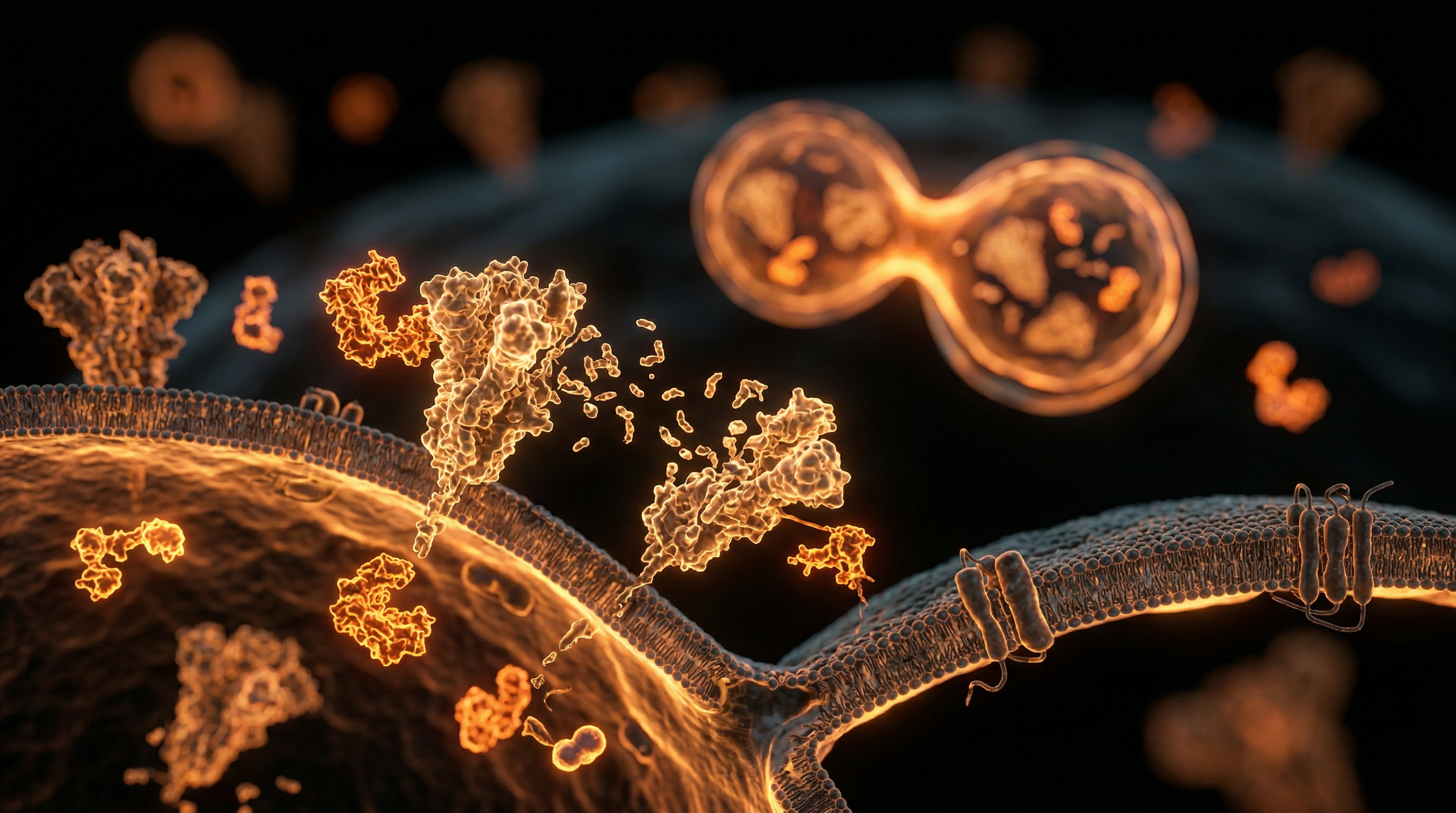
Macroautophagy is the process by which a cell sequestered cytoplasmic material (such as the spike protein) into a double-membraned vesicle called an Autophagosome. This vesicle then fuses with a Lysosome, which contains acid hydrolases and proteolytic enzymes.
In the context of the spike protein, which has been found to accumulate in the cytoplasm of endothelial cells and macrophages, macroautophagy is the primary route for bulk clearance. By depriving the cell of external nutrients, we force it to look internally for "fuel." The cell intelligently targets non-functional, misfolded, or foreign proteins for this process.
Chaperone-Mediated Autophagy (CMA)
Unlike the bulk process of macroautophagy, CMA is highly selective. Specific proteins are recognised by "chaperone" molecules (like Hsc70) and delivered directly across the lysosomal membrane. Research suggests that the SARS-CoV-2 spike protein possesses specific motifs that may make it a target for CMA, provided the cellular environment is sufficiently catabolic to prioritise this pathway.
The Ubiquitin-Proteasome System (UPS)
The UPS is the cell's mechanism for degrading short-lived or damaged proteins. These proteins are "tagged" with a small molecule called Ubiquitin, which acts as a "kiss of death," directing them to the Proteasome—a protein-shredding complex.
Statistic: Research indicates that the SARS-CoV-2 spike protein can interfere with the proteasome's function, leading to a "clogging" effect. Therapeutic fasting has been shown to upregulate proteasomal activity, helping to overcome this inhibition.
Mitophagy: Repairing the Powerhouse
The spike protein is known to bind to mitochondrial membranes, disrupting the Electron Transport Chain and increasing the production of Reactive Oxygen Species (ROS). Fasting triggers Mitophagy—the selective autophagy of damaged mitochondria. By removing the mitochondria that have been compromised by the spike protein, the body can replace them with healthy, high-functioning organelles, restoring cellular energy levels and reducing chronic fatigue.
Environmental Threats and Biological Disruptors
The persistence of the spike protein is exacerbated by a modern environment that is fundamentally "anti-autophagic." To understand why so many struggle to recover, we must look at the biological disruptors that prevent natural proteolysis.
- Hyper-insulinemia: The Western diet, rich in ultra-processed carbohydrates and sugars, keeps insulin levels chronically elevated. This prevents the "metabolic switch" from ever occurring, leaving the body in a perpetual state of storage where no deep cleaning takes place.
- Synthetic mRNA Longevity: In the case of vaccine-induced spike proteins, the use of N1-methylpseudouridine in the mRNA sequence was intended to prevent immediate immune degradation. However, this has resulted in the prolonged production of spike proteins, sometimes for months after injection, creating a continuous "toxic load" that the body's baseline systems cannot clear.
- Glyphosate and Heavy Metals: These environmental toxins can impair the enzymatic function of the lysosomes, effectively "blunting" the body's ability to perform autophagy.
- Blue Light and Circadian Disruption: Autophagy is a circadian-rhythm-dependent process. Lack of proper sleep and exposure to artificial light at night suppress Melatonin, which is a powerful stimulator of mitochondrial autophagy.
The result is a "biological logjam" where the spike protein continues to be produced or remains in circulation, while the body’s natural drainage and recycling systems are systematically disabled by lifestyle and environmental factors.
The Cascade: From Exposure to Disease
The failure to clear the spike protein leads to a predictable cascade of physiological decline. This is not a random collection of symptoms but a systematic failure of various biological barriers.
1. Vascular Endotheliitis
The spike protein has a high affinity for ACE2 receptors, which are densely packed on the surface of endothelial cells lining the blood vessels. When the spike protein remains attached to these receptors, it triggers an inflammatory response. This leads to Endothelial Dysfunction, characterised by a loss of nitric oxide production and the promotion of a "pro-thrombotic" state.
2. Micro-clotting and Amyloidogenesis
Emerging evidence suggests that the spike protein has amyloid-like properties. It can induce the misfolding of fibrinogen into "micro-clots" that are resistant to normal fibrinolysis (breakdown). These micro-clots can lodge in capillaries, reducing oxygen delivery to tissues (hypoxia), which manifests as brain fog, muscle pain, and shortness of breath.
3. Immune Exhaustion and Autoimmunity
Persistent foreign protein presence keeps the immune system in a state of chronic activation. This leads to T-cell exhaustion and the eventual breakdown of self-tolerance. The body may begin to produce auto-antibodies against its own tissues (such as the heart in myocarditis or the nervous system in Small Fibre Neuropathy) as it desperately tries to locate and neutralise the spike protein.
Callout: Chronic inflammation caused by spike protein persistence is a significant driver of the SASP (Senescence-Associated Secretory Phenotype), effectively accelerating the biological ageing of the affected tissues.
What the Mainstream Narrative Omits
The refusal of the medical establishment to discuss the persistence of the spike protein or the efficacy of fasting is one of the greatest scientific omissions of the modern era. While billions are spent on developing new pharmaceutical interventions for "Long COVID," the most potent and accessible solution—fasting—is ignored for several reasons:
- The Lack of Profitability: There is no "return on investment" for the pharmaceutical industry in teaching the public not to eat. Fasting is a free, self-administered intervention that requires no prescription and no purchase.
- The Vaccine Ideology: To acknowledge that the spike protein persists and causes harm (particularly the vaccine-derived version) is to admit that the "safe and effective" narrative was, at best, incomplete. Consequently, any therapy designed specifically to clear this protein is often met with institutional resistance.
- Nutritional Ignorance: Most medical training involves minimal education on metabolism and nutrition. Doctors are trained to look for "a pill for an ill," not to understand the complex interplay between nutrient-sensing pathways like mTOR and AMPK.
- Suppression of "Nattokinase" and "Bromelain" Data: These natural proteolytic enzymes, which can be used alongside fasting to accelerate spike protein breakdown, are frequently downplayed or labelled as "misinformation" despite peer-reviewed studies showing their ability to degrade the S1 subunit.
By omitting the role of metabolic health in recovery, the mainstream narrative keeps patients in a state of dependency on symptomatic treatments rather than empowering them with the tools for biological resolution.
The UK Context
In the United Kingdom, the crisis of spike protein persistence is particularly acute. The National Health Service (NHS) is currently buckling under the weight of millions of people suffering from chronic post-viral and post-vaccination conditions. However, the UK's approach has been largely focused on psychological support and "pacing" rather than metabolic intervention.
The "Long COVID" clinics established across the UK have largely failed to produce significant recovery rates because they do not address the root cause: the metabolic failure to clear pathogenic proteins. Furthermore, the British population has some of the highest rates of metabolic syndrome and obesity in Europe.
- Ultra-Processed Foods (UPFs): The UK diet is heavily reliant on UPFs, which are designed to spike insulin and suppress autophagy. This makes the British public uniquely vulnerable to spike protein persistence.
- The "Wait and See" Model: The NHS's primary care model often involves long waiting lists for specialists who ultimately lack the metabolic tools to assist the patient. This delay allows the spike protein cascade (inflammation and micro-clotting) to become more entrenched.
- Regulatory Capture: Like the US, the UK’s regulatory bodies are heavily influenced by the pharmaceutical lobby, ensuring that the focus remains on high-cost interventions (like antivirals) rather than fundamental metabolic strategies.
For the UK citizen, understanding therapeutic fasting is not just a health choice—it is a necessary act of "biological sovereignty" in a system that is no longer designed to promote true healing.
Protective Measures and Recovery Protocols
The goal of a recovery protocol is to create a physiological environment where the breakdown of foreign proteins (proteolysis) exceeds their production or persistence. This requires a multi-phased approach.
The Fasting Hierarchy
To safely and effectively induce spike protein proteolysis, one should progress through the following levels:
- Time-Restricted Feeding (TRF): Begin with a 16:8 window (16 hours fasting, 8 hours eating). This starts the process of insulin sensitisation.
- OMAD (One Meal A Day): A 22:2 or 23:1 window. This significantly increases the daily duration of AMPK activation and autophagy.
- Extended Therapeutic Fasting (24–72 Hours): This is the "gold standard" for spike protein clearance. Studies suggest that deep macroautophagy and the recycling of white blood cells (immune system reboot) require at least 48 to 72 hours of water-only fasting.
Autophagy-Mimetics and Proteolytic Enzymes
Fasting can be "supercharged" by incorporating specific compounds that further stimulate proteolysis and the breakdown of fibrin micro-clots:
- Nattokinase: A proteolytic enzyme derived from Natto (fermented soy). It has been shown in in vitro studies to degrade the SARS-CoV-2 spike protein and dissolve fibrin-rich micro-clots. (Typical dose: 2000-4000 FU twice daily).
- Bromelain: Derived from pineapple stems, this enzyme can also aid in the breakdown of the spike protein, particularly when combined with Acetylcysteine (NAC).
- Spermidine: A naturally occurring polyamine that triggers autophagy by mimicking the effects of caloric restriction.
- Resveratrol and Quercetin: Polyphenols that activate the Sirtuin (SIRT1) pathways, which are synergistic with AMPK and autophagy.
The Importance of Electrolytes and Hydration
During fasting, the body flushes out stored water and sodium (the "natriuresis of fasting"). To prevent the "fasting flu" and maintain cellular voltage, one must supplement with:
- Sodium (Sea Salt)
- Potassium (Potassium Chloride)
- Magnesium (Magnesium Glycinate or Malate)
Precautions and Refeeding
The transition out of a fast is as important as the fast itself. To avoid Refeeding Syndrome (a dangerous shift in electrolytes) and to prevent immediate mTOR spikes that shut down autophagy, one should break a fast with:
- Bone broth (rich in glycine to support collagen and gut lining).
- Healthy fats (avocado, olives).
- High-quality protein (wild-caught fish, grass-fed beef).
- Avoid all refined sugars and seed oils, which will cause a massive insulin spike and systemic inflammation.
Warning: Individuals with Type 1 Diabetes, those who are severely underweight (BMI < 18), or pregnant/nursing mothers should not attempt extended fasting without strict medical supervision.
Summary: Key Takeaways
The path to recovery from spike protein-related syndromes lies not in the pharmacy, but in the restoration of our ancestral metabolic pathways. By embracing the science of Therapeutic Fasting, we can reclaim control over our internal environment.
- The Spike Protein is Persistent: It does not always "wash away" after infection or injection; it can remain in the body, causing chronic inflammation and vascular damage.
- Autophagy is the Solution: The body's internal recycling system is the only mechanism capable of selectively identifying and dismantling these foreign proteins.
- Metabolic Switching is the Trigger: You must lower insulin and activate AMPK to initiate the cleanup process. This is best achieved through fasting.
- Modern Life Blocks Recovery: High-sugar diets, environmental toxins, and constant feeding keep us in a "clogged" state where proteolysis cannot occur.
- A Structured Protocol is Essential: Moving from Intermittent Fasting to Extended Fasting, supported by proteolytic enzymes like Nattokinase, provides the best chance for full protein clearance.
- Mainstream Omission: Do not wait for the institutional narrative to catch up. The science of autophagy is well-established, even if it is currently ignored by the profit-driven medical complex.
We are at a crossroads in human health. The challenges of the modern era require us to look backward at the biological wisdom of our ancestors. Fasting is not merely a weight-loss tool; it is a profound therapeutic intervention that offers a pathway to cellular purity and systemic resilience in an increasingly toxic world. Through INNERSTANDING, we find the power to heal ourselves from the inside out.
This article is provided for informational and educational purposes only. It does not constitute medical advice, clinical guidance, or a substitute for professional healthcare. Information reflects cited research at time of publication. Always consult a qualified healthcare professional before acting on any health information.
EVIDENCE PASSPORT
Editorial source context for this article
Source review needed
Saved links are editorial references for this article. They may support specific claims rather than every sentence. Open and assess each source in context. This passport does not independently verify them.
Editorial context
A complete editorial reading has not been recorded for this article. Source links remain available for you to open and assess directly.
Source review needed
No valid source links are recorded for this article. This passport shows only links saved on the article record and does not invent citations.
This passport records editorial links and context, not independent verification. Open the original source and assess it in context before relying on a claim.
Medical Disclaimer
The information in this article is for educational purposes only and does not constitute medical advice, diagnosis, or treatment. Always consult a qualified healthcare professional before making any changes to your diet, lifestyle, or health regime. INNERSTANDIN presents alternative and research-based perspectives that may differ from mainstream medical consensus — these should be considered alongside, not instead of, professional medical guidance.
Read Full DisclaimerContinue the thread
Keep this question moving.
Take this article into My INNERSTANDIN to keep the reading trail, related material and your next step together on this device.