
Telomere Attrition: The Biological Clock of Regenerative Failure
Updated May 2026
Telomeres protect our DNA, but their shortening limits the number of times stem cells can divide. This article explores how protecting telomere length could extend our healthy lifespan.
Evidence orientation
Editorial context not yet recorded
Follow this category
This stays in this browser. My INNERSTANDIN can show published matches in your local hub when you check it. It does not send email, push, or alert notifications.
Local learning review
A private browser aid for revisiting ideas. It is not an alert or a health recommendation.
Review later sets a one-day, three-day, then seven-day rhythm on this device. Choose it only when you want to revisit this article.
Overview
The quest for immortality has shifted from the mythological to the molecular. For decades, the medical establishment viewed ageing as an inevitable, entropic decline—a slow "rusting" of the biological machine. However, modern regenerative medicine has identified a far more specific and sinister culprit: Telomere Attrition. This process serves as the primary "biological clock" that governs the lifespan of our cells and, by extension, our entire organism.
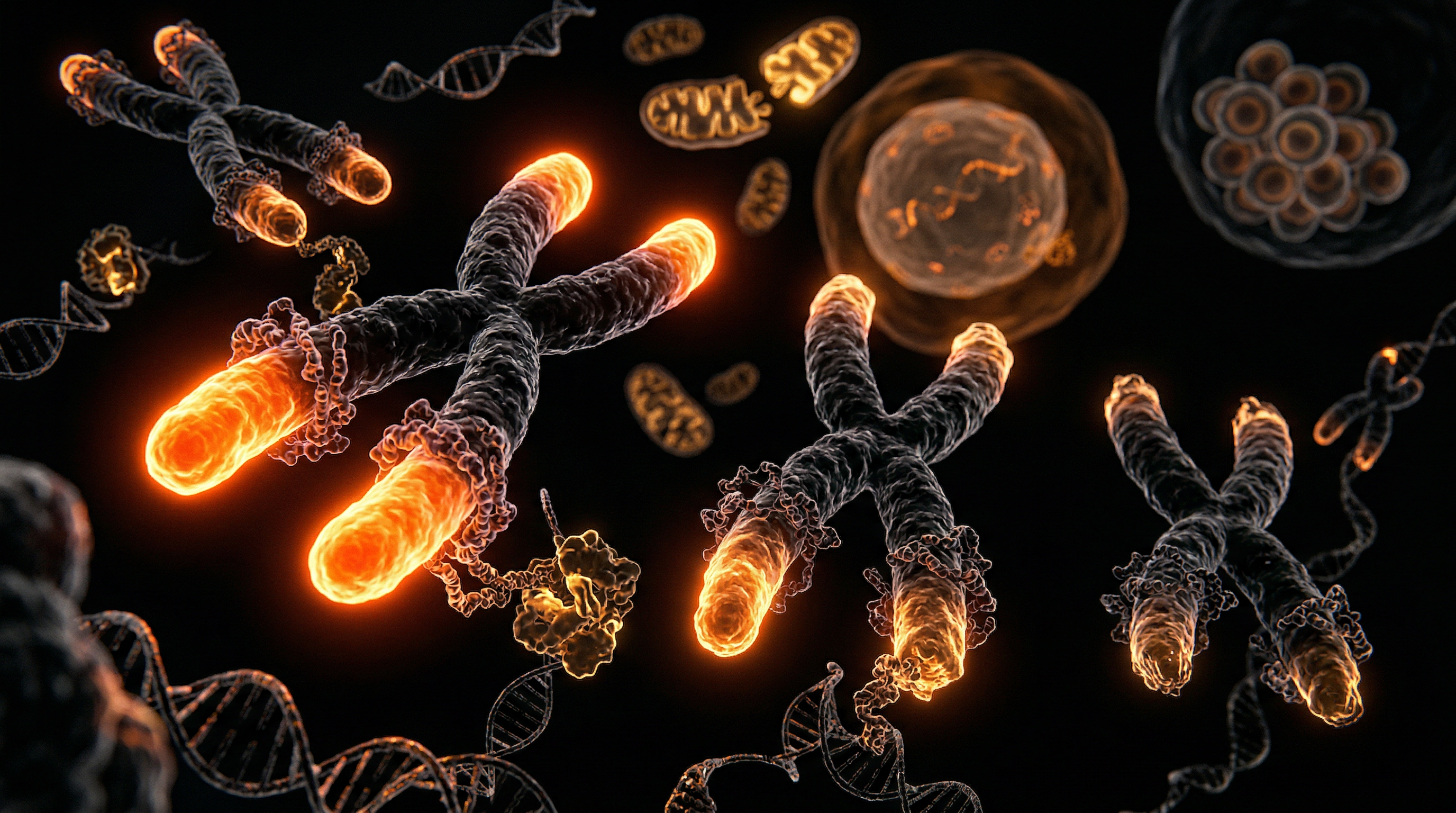
Telomeres are the protective caps at the ends of our chromosomes, often likened to the plastic aglets on the ends of shoelaces. Their primary function is to prevent chromosomes from fraying, sticking to one another, or being misidentified as damaged DNA by the cell’s repair machinery. Yet, with every cycle of cellular division, these caps shorten. When they reach a critical threshold—known as the Hayflick Limit—the cell enters a state of permanent arrest called senescence or undergoes programmed cell death (apoptosis).
This phenomenon is not merely a marker of time; it is the driver of regenerative failure. Our bodies rely on a pool of stem cells to repair tissues, heal wounds, and maintain organ function. When the telomeres within these stem cell populations exhaust themselves, the body loses its capacity to renew. We do not die of "old age"; we die because our regenerative reserves have been depleted. This article delves into the microscopic mechanisms of this attrition, the environmental toxins accelerating the process, and the suppressed scientific truths regarding our ability to halt—and perhaps reverse—this countdown.
Fact: The average human infant is born with telomeres approximately 10,000 base pairs long. By the time we reach old age, this can drop to fewer than 4,000, triggering widespread systemic failure.
The Biology — How It Works
To understand telomere attrition, one must understand the fundamental flaw in how our DNA replicates. DNA polymerase, the enzyme responsible for copying our genetic code, can only move in one direction and requires a "primer" to start the process. This creates the End Replication Problem: at the very tip of the linear chromosome, there is no room for the primer to sit, meaning a small segment of DNA is lost every time a cell divides.
The Anatomy of the Telomere
Telomeres are composed of repetitive non-coding DNA sequences—in humans, the hexameric repeat TTAGGG—repeated thousands of times. These repeats are bound by a specialised protein complex called Shelterin.
- TRF1 and TRF2: These proteins bind directly to the double-stranded telomeric DNA and help fold the end into a protective loop, known as the T-loop.
- POT1: This protein protects the single-stranded overhang of the DNA, preventing it from triggering a DNA damage response (DDR).
- The T-loop: By tucking the end of the chromosome away, the T-loop hides the "raw" end of the DNA from enzymes that would otherwise "repair" it by fusing it to another chromosome, which would lead to catastrophic genomic instability.
The Role of Telomerase
Nature has provided a counter-measure: Telomerase. This ribonucleoprotein enzyme is capable of adding TTAGGG repeats back onto the ends of chromosomes, effectively rewinding the biological clock. However, in the vast majority of human somatic (body) cells, the gene for telomerase is "switched off." It remains active only in germ cells (sperm and eggs), certain immune cells, and—crucially—stem cells.
Even in stem cells, telomerase activity is often insufficient to fully offset the loss during division, leading to a slow but steady decline in telomere length over decades. This inherent limitation is what defines the human "longevity ceiling."
Mechanisms at the Cellular Level
When telomeres become critically short, the Shelterin complex can no longer maintain the T-loop structure. The chromosome end is exposed, and the cell perceives this as a double-strand break in the DNA. This triggers a massive signalling cascade that changes the very nature of the cell.
The p53/p21 Signalling Pathway
The exposed telomere activates the protein p53, often called the "guardian of the genome." p53 then upregulates p21, a cyclin-dependent kinase inhibitor. This essentially pulls the emergency brake on the cell cycle. The cell stops dividing. While this prevents the cell from becoming cancerous (as short telomeres often lead to mutations), it creates a "zombie cell" that refuses to die but can no longer function.
Senescence and the SASP
These "zombie" cells undergo a transformation known as Senescence. They begin to secrete a cocktail of pro-inflammatory cytokines, growth factors, and proteases collectively known as the Senescence-Associated Secretory Phenotype (SASP).
- Chronic Inflammation: SASP factors leak into the surrounding tissue, causing "inflammaging"—a state of low-grade, systemic inflammation that damages healthy neighbouring cells.
- Stem Cell Exhaustion: The SASP environment actually inhibits the function of remaining healthy stem cells, creating a feedback loop of regenerative failure.
- Mitochondrial Dysfunction: There is a direct link between telomere shortening and mitochondrial decline. As telomeres shorten, p53 suppresses the master regulators of mitochondrial biogenesis (like PGC-1α), leading to a drop in cellular energy (ATP) production.
Statistic: Research indicates that individuals with the shortest 25% of telomeres have a 300% higher risk of death from heart disease and an 800% higher risk of death from infectious disease compared to those in the top 25%.
Environmental Threats and Biological Disruptors
While telomere shortening is a natural process, the modern world has introduced a range of "telomere-toxins" that accelerate this attrition at an unnatural rate. We are living in an era of accelerated biological ageing.
Oxidative Stress and Free Radicals
Telomeres are particularly rich in guanine, a DNA base that is highly susceptible to oxidative damage. Reactive Oxygen Species (ROS)—produced by poor diet, pollution, and metabolic dysfunction—cause "nicks" in the telomeric DNA. These nicks interfere with the replication process, causing much larger chunks of the telomere to be lost during division than would occur through the end replication problem alone.
Psychological Stress and Cortisol
One of the most profound discoveries in psychoneuroimmunology is the link between chronic psychological stress and telomere length. High levels of cortisol, the primary stress hormone, have been shown to downregulate telomerase activity.
- The Caregiver Study: Pioneering research by Dr Elizabeth Blackburn showed that women under chronic stress (caring for chronically ill children) had telomeres equivalent to people 10 years older than their actual chronological age.
- Childhood Trauma: Adverse childhood experiences (ACEs) can leave a "biological scar" in the form of shortened telomeres that persists throughout adulthood.
Endocrine Disruptors and PFAS
Modern industrial chemicals, such as Per- and Polyfluoroalkyl Substances (PFAS) and bisphenols, interfere with hormonal signalling. Emerging evidence suggests these "forever chemicals" can bypass cellular defences and directly inhibit the proteins within the Shelterin complex, leaving telomeres vulnerable even if they aren't yet critically short.
The Cascade: From Exposure to Disease
Telomere attrition is the "upstream" event that leads to the "downstream" chronic diseases of the 21st century. When the biological clock runs out in specific tissues, we see the emergence of clinical pathology.
Cardiovascular Failure
The endothelial cells lining our blood vessels must constantly divide to repair damage from blood pressure and toxins. When these cells hit the Hayflick Limit, the vessels become stiff and inflamed (Atherosclerosis). Telomere shortening is now considered a more accurate predictor of heart attack risk than cholesterol levels.
Immune Senescence
The immune system relies on the rapid clonal expansion of T-cells and B-cells to fight infections. If the "parent" stem cells in the bone marrow have short telomeres, the resulting immune cells are "born old." They lack the vigour to hunt pathogens or clear out pre-cancerous cells. This explains why elderly populations are more susceptible to both novel viruses and the emergence of tumours.
Pulmonary and Hepatic Fibrosis
In organs like the lungs and liver, telomere attrition in epithelial cells triggers a "fibrotic" response. Instead of regenerating functional tissue, the body fills the gaps with collagen and scar tissue. Idiopathic Pulmonary Fibrosis (IPF) is now increasingly understood as a primary disease of telomere failure.
Neurodegeneration
While neurons themselves do not divide frequently, the microglia (the brain's immune cells) and astrocytes do. Telomere attrition in these supporting cells leads to a loss of neuroprotection, contributing to the plaque build-up and synaptic loss seen in Alzheimer’s and Parkinson’s diseases.
What the Mainstream Narrative Omits
In the halls of "Big Pharma" and conventional healthcare, the focus remains resolutely on symptom management rather than cellular restoration. There is a profound silence regarding the potential for telomere lengthening and telomerase activation.
The Cancer Myth
The primary argument used to suppress telomerase-based therapies is the fear that activating telomerase will "cause" cancer. It is true that 90% of cancer cells upregulate telomerase to achieve immortality. However, science reveals a more nuanced truth: Short telomeres are actually what cause the initial mutations leading to cancer. By allowing telomeres to shorten to the point of genomic instability, we create the very environment in which cancer thrives. Proactive telomere maintenance could, in theory, prevent the "chromothripsis" (chromosome shattering) that initiates many tumours.
The Profitability of Decline
The current medical model is built on the management of chronic disease—statin prescriptions for life, insulin for decades, and palliative care for the aged. A therapy that restores the regenerative capacity of the human body would be inherently "disruptive" to the pharmaceutical industry’s bottom line. There is a systemic lack of funding for human trials involving telomerase activators or senolytic compounds (which clear out dead-end cells), despite their overwhelming success in animal models.
Epigenetic Suppression
Mainstream advice often ignores the fact that we can influence gene expression. While we are born with certain genetic tendencies, the "switching on" of telomerase-inhibiting genes is largely driven by environmental factors that are within our control, yet rarely discussed in a GP's surgery.
The UK Context
In the United Kingdom, the crisis of telomere attrition is compounded by specific socio-economic and environmental factors. The "Great British Lifestyle" is, in many ways, an assault on our chromosomal integrity.
The North-South Biological Divide
The UK exhibits some of the starkest health inequalities in the developed world. Research, such as the Glasgow Telomere Study, has shown that residents in deprived areas often have significantly shorter telomeres than their counterparts in affluent areas, even when controlling for smoking and diet. This "biological weathering" is the result of the cumulative stress of austerity, poor housing, and lack of access to high-quality nutrition.
The NHS Challenge
The National Health Service is currently geared toward "crisis management." Because telomere testing is not available on the NHS, most Britons are unaware of their biological age until a chronic disease manifests. Furthermore, the British diet—high in ultra-processed foods (UPFs)—is a major driver of oxidative stress. The UK is currently the largest consumer of UPFs in Europe, leading to a "telomere-deficit" in the younger generation that may result in them being the first generation to have a shorter lifespan than their parents.
Air Quality in Urban Hubs
London and other major UK cities frequently exceed WHO limits for nitrogen dioxide and particulate matter (PM2.5). These pollutants have been directly linked to accelerated telomere shortening in the British population, acting as a constant "oxidative tax" on the lungs and blood vessels of urban dwellers.
Protective Measures and Recovery Protocols
While the biological clock is ticking, it is not immutable. A burgeoning field of research suggests we can protect our existing telomeres and, in some cases, stimulate telomerase to repair them.
1. Nutraceutical Intervention
Certain compounds have shown the ability to stabilise telomeres and support telomerase activity:
- Astragalus Membranaceus: Contains molecules like Cycloastragenol (often sold as TA-65), which has been shown in some studies to transiently activate telomerase.
- Omega-3 Fatty Acids: High doses of EPA and DHA are associated with slower telomere attrition. They reduce the oxidative stress that "nicks" the DNA.
- Vitamin D3: Research suggests Vitamin D is a potent stimulator of telomerase activity in immune cells.
- Polyphenols: Compounds like Resveratrol and Quercetin act as both antioxidants and senolytics, helping to clear out the "zombie" cells created by short telomeres.
2. Hormetic Stress
Paradoxically, short bursts of "good" stress can strengthen telomeres. This is known as hormesis.
- High-Intensity Interval Training (HIIT): Unlike moderate steady-state exercise, HIIT has been shown to increase the expression of telomere-stabilising proteins.
- Cold Exposure: Utilising the "mammalian dive reflex" and cold-shock proteins through ice baths can reduce systemic inflammation and protect telomeric integrity.
- Time-Restricted Feeding: Fasting triggers autophagy—the body’s cellular "housekeeping" process—which removes damaged proteins and mitochondria before they can cause the oxidative damage that shortens telomeres.
3. Psychosomatic Regulation
Since cortisol is a telomere-killer, "toning" the nervous system is a primary regenerative strategy.
- Vagus Nerve Stimulation: Practices such as deep diaphragmatic breathing and meditation have been scientifically proven to increase telomerase activity by shifting the body from "sympathetic" (fight or flight) to "parasympathetic" (rest and digest) dominance.
- Sleep Architecture: Telomere repair primarily occurs during deep, slow-wave sleep. Chronic sleep deprivation is perhaps the fastest way to "age" one's chromosomes.
4. Advanced Therapies (The Frontier)
For those looking beyond standard protocols, the frontier of regenerative medicine offers:
- Hyperbaric Oxygen Therapy (HBOT): A landmark 2020 study from Israel showed that a specific protocol of HBOT could increase telomere length by up to 20% in healthy ageing adults.
- NAD+ Precursors: Elevating NAD+ levels supports the Sirtuin family of proteins, which play a critical role in DNA repair and telomere maintenance.
Callout: True health sovereignty begins with the understanding that your "expiry date" is not written in stone, but in the protective caps of your DNA—caps that you have the power to preserve.
Summary: Key Takeaways
Telomere attrition is the hidden engine of human decline, but it is an engine we are beginning to understand how to service.
- The Clock is Real: Telomeres are the ultimate biological limit on how many times our stem cells can renew our bodies. Once they are gone, regenerative failure is inevitable.
- The "Zombie" Effect: Short telomeres turn healthy cells into "zombie" senescent cells that poison the rest of the body through the SASP, leading to "inflammaging."
- Environment Matters: Modern life—via pollution, processed food, and chronic stress—acts as a "telomere-shredder," causing us to age faster than any previous generation.
- The Narrative Gap: The medical establishment focuses on the diseases caused by short telomeres rather than addressing the shortening itself, largely due to the profitability of chronic illness.
- UK Risks: Socio-economic factors and poor air quality in Britain are creating a significant "biological age" gap within the population.
- Action is Possible: Through targeted nutrition (Astragalus, Omega-3s), hormetic stress (HIIT, fasting), and stress management, we can slow the clock. Advanced protocols like HBOT and NAD+ therapy offer the potential to even "rewind" the countdown.
We stand at a crossroads in human history. We can either accept the slow collapse of our regenerative systems as "inevitable," or we can take command of our cellular destiny. The choice starts with understanding the clock. The choice starts with protecting the telomere.
This article is provided for informational and educational purposes only. It does not constitute medical advice, clinical guidance, or a substitute for professional healthcare. Information reflects cited research at time of publication. Always consult a qualified healthcare professional before acting on any health information.
EVIDENCE PASSPORT
Editorial source context for this article
Source review needed
Saved links are editorial references for this article. They may support specific claims rather than every sentence. Open and assess each source in context. This passport does not independently verify them.
Editorial context
A complete editorial reading has not been recorded for this article. Source links remain available for you to open and assess directly.
Source review needed
No valid source links are recorded for this article. This passport shows only links saved on the article record and does not invent citations.
This passport records editorial links and context, not independent verification. Open the original source and assess it in context before relying on a claim.
Medical Disclaimer
The information in this article is for educational purposes only and does not constitute medical advice, diagnosis, or treatment. Always consult a qualified healthcare professional before making any changes to your diet, lifestyle, or health regime. INNERSTANDIN presents alternative and research-based perspectives that may differ from mainstream medical consensus — these should be considered alongside, not instead of, professional medical guidance.
Read Full DisclaimerContinue the thread
Keep this question moving.
Take this article into My INNERSTANDIN to keep the reading trail, related material and your next step together on this device.