
Glycation: The Hidden Mechanism of Accelerated Aging
Updated May 2026
Advanced Glycation End-products (AGEs) drive diseases often attributed to 'old age' by the NHS. We examine the biological cross-linking of proteins caused by chronic high blood sugar.
Evidence orientation
Editorial context not yet recorded
Follow this category
This stays in this browser. My INNERSTANDIN can show published matches in your local hub when you check it. It does not send email, push, or alert notifications.
Local learning review
A private browser aid for revisiting ideas. It is not an alert or a health recommendation.
Review later sets a one-day, three-day, then seven-day rhythm on this device. Choose it only when you want to revisit this article.
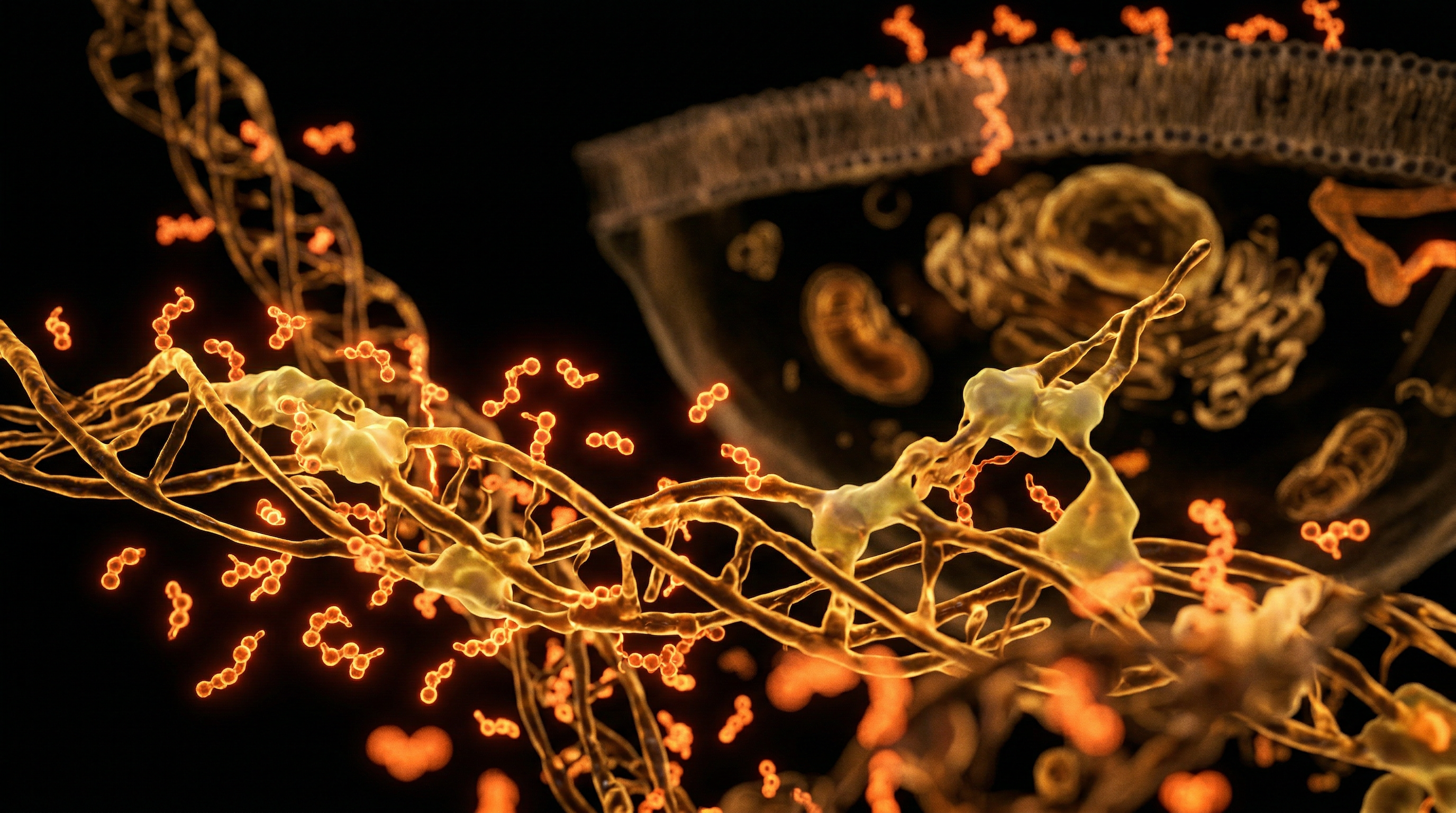
Overview
In the modern clinical landscape, particularly within the overstretched corridors of the National Health Service (NHS), there exists a pervasive and damaging tendency to categorise a wide array of degenerative symptoms under the nebulous umbrella of "normal ageing". Patients presenting with stiffened joints, cognitive decline, deteriorating vision, and cardiovascular rigidity are frequently told that these are the inevitable tolls of time. However, as a senior biological researcher, I must assert that "time" is not a biological mechanism. Time is merely the dimension in which chemistry occurs. The actual driver of this systemic decay is a process known as glycation.
Glycation is the non-enzymatic reaction between reducing sugars and proteins, lipids, or nucleic acids. It is, quite literally, the "browning" of the human body—a biological version of the Maillard reaction that occurs when a crust forms on bread or a steak is seared. While the culinary world prizes this reaction for flavour, in the human physiology, it represents a catastrophic failure of molecular integrity. The end products of this process, aptly named Advanced Glycation End-products (AGEs), act as molecular "grit," cross-linking vital proteins and rendering them dysfunctional.
The tragedy of the current medical paradigm is that while we track blood glucose levels with obsessive frequency, we almost entirely ignore the accumulated structural damage that glucose leaves in its wake. This article will expose the hidden mechanisms of glycation, exploring how this "slow burn" underpins the very diseases the NHS misdiagnoses as "old age," and why understanding this process is the single most important factor in the quest for genuine longevity.
Key Fact: AGEs do not merely accumulate over time; they are autocatalytic. Once a critical threshold of protein cross-linking is reached, the body’s ability to clear these metabolic wastes declines, leading to a "feed-forward" loop of accelerated biological decay.
The Biology — How It Works
To understand glycation, one must first distinguish it from glycosylation. The latter is a controlled, enzyme-directed process where a sugar molecule is attached to a protein to facilitate a specific biological function (such as cell signalling). Glycation, conversely, is a chaotic, spontaneous, and destructive chemical accident.
The Maillard Reaction in Vivo
The process of glycation occurs in three distinct stages, originally described by the French chemist Louis-Camille Maillard in 1912:
- The Early Stage (Schiff Base Formation): A glucose molecule (or more aggressively, a fructose or galactose molecule) attaches to a free amino group of a protein (typically the amino acid lysine or arginine). This forms an unstable compound known as a Schiff base. This reaction occurs within hours and is reversible if sugar levels drop significantly.
- The Intermediate Stage (Amadori Products): Over several days, the Schiff base undergoes a chemical rearrangement to become a more stable Amadori product. The most famous example of this is Haemoglobin A1c (HbA1c), which the NHS uses to monitor average blood sugar. While more stable, this stage is still theoretically reversible, though difficult.
- The Late Stage (AGE Formation): Through a series of complex reactions including oxidation, dehydration, and cyclisation, the Amadori products evolve into Advanced Glycation End-products. This stage is irreversible. Once an AGE is formed, the protein is permanently damaged, "tanned" like leather, and often resistant to the body’s natural recycling mechanisms (proteolysis).
The Role of Dicarbonyls
While glucose is the primary fuel for glycation, it is relatively slow-acting. The real "accelerants" in this biological fire are highly reactive intermediates called dicarbonyls, such as methylglyoxal (MG), glyoxal, and 3-deoxyglucosone. Methylglyoxal is a byproduct of glycolysis (sugar metabolism) and is up to 20,000 times more reactive than glucose itself. In a state of chronic high blood sugar or "sugar spikes," the production of MG overwhelms the body's glyoxalase system, leading to a rapid "carpet-bombing" of cellular proteins.
Mechanisms at the Cellular Level
The damage caused by glycation is not merely a matter of "sticky proteins." It operates through two primary destructive pathways: structural cross-linking and the activation of inflammatory receptors.
Protein Cross-linking: The Loss of Elasticity
Proteins are the structural and functional workhorses of the body. Their function is entirely dependent on their three-dimensional shape. AGEs create covalent bonds—cross-links—between adjacent protein fibres.
Consider collagen, the most abundant protein in the body. In a healthy state, collagen fibres slide past one another, providing skin, arteries, and lungs with elasticity. When AGEs cross-link these fibres, they become locked together. The result is:
- Arterial Stiffening: Leading to isolated systolic hypertension.
- Skin Wrinkling: The loss of dermal "snap-back."
- Joint Rigidity: The "stiff man" syndrome often attributed to arthritis or age.
- Tendon Rupture: Loss of tensile strength in connective tissues.
The RAGE Receptor: The Inflammatory Master Switch
Beyond structural damage, AGEs act as ligands (signalling molecules). The body possesses a specific receptor for these damaged proteins called the Receptor for Advanced Glycation End-products (RAGE).
When an AGE molecule binds to a RAGE, it triggers a powerful intracellular signalling cascade involving the transcription factor NF-κB (Nuclear Factor kappa-light-chain-enhancer of activated B cells). This is the "master switch" for inflammation. Binding to RAGE causes:
- A massive surge in reactive oxygen species (ROS) (oxidative stress).
- The production of pro-inflammatory cytokines (IL-6, TNF-alpha).
- The upregulation of more RAGE receptors, creating a vicious cycle of chronic inflammation.
Important Callout: The RAGE-AGE interaction is a primary driver of "Inflammaging"—the chronic, low-grade inflammation that characterises virtually all age-related diseases.
Mitochondrial Dysfunction
AGEs also infiltrate the mitochondria, the powerhouses of the cell. By glycating mitochondrial proteins and DNA, they impair electron transport chain efficiency. This results in reduced ATP (energy) production and an increased "leakage" of free radicals, further damaging the cell from the inside out. This explains the profound fatigue and "loss of vitality" that patients report, which is frequently dismissed by clinicians as a subjective symptom of getting older.
Environmental Threats and Biological Disruptors
While our internal metabolism produces AGEs (endogenous), we are also bombarded by pre-formed AGEs from our environment (exogenous). The modern lifestyle is essentially a high-AGE delivery system.
Dietary AGEs: The Heat Factor
The way we prepare food has a radical impact on our AGE load. Dry-heat cooking (grilling, roasting, frying, and toasting) accelerates the Maillard reaction in food.
- A piece of chicken boiled in water contains approximately 1,000 AGE units.
- The same piece of chicken, roasted or fried, contains over 9,000 AGE units.
The consumption of "ultra-processed foods" is particularly dangerous. These products often contain "hidden" glycation triggers:
- High Fructose Corn Syrup (HFCS): Fructose is far more glycating than glucose because it bypasses the early regulatory steps of metabolism, heading straight into the dicarbonyl pathway.
- Reducing Sugars in "Browning Agents": Many processed snacks use artificial browning agents to mimic the look of traditional cooking, essentially pre-loading the food with AGEs.
Modern Biological Disruptors
- Seed Oils and Lipid Peroxidation: Polyunsaturated fatty acids (PUFAs), when heated or oxidized, form Advanced Lipoxidation End-products (ALEs). These act similarly to AGEs, creating a "double-whammy" of protein and fat-based molecular damage.
- The Circadian Mismatch: Melatonin is not just a sleep hormone; it is a potent glyoxalase stimulant. Modern "blue light" exposure and sleep deprivation inhibit melatonin, thereby crippling the body's natural defence against methylglyoxal and glycation.
- Smoking and Vaping: Tobacco smoke contains pre-formed AGEs that are inhaled directly into the bloodstream, bypassing the digestive filters. This is why smokers' skin often appears prematurely aged—it is quite literally being "chemically cured" from the inside.
The Cascade: From Exposure to Disease
The cumulative effect of glycation manifests in every major organ system. By the time the NHS diagnoses a specific "condition," the glycation cascade has usually been active for decades.
Cardiovascular System: "The Stiffening"
Glycation of the vascular basement membrane leads to the thickening of vessel walls and the loss of nitric oxide production. This results in endothelial dysfunction. When LDL cholesterol becomes glycated, it is no longer recognised by the liver's LDL receptors. Instead, it is "mopped up" by macrophages, leading to the formation of foam cells and the rapid development of atherosclerotic plaques.
The Brain: Alzheimer’s as "Type 3 Diabetes"
The neurofibrillary tangles and amyloid-beta plaques characteristic of Alzheimer’s disease are heavily glycated. Glycation makes these proteins resistant to clearance. Furthermore, the brain is highly susceptible to dicarbonyl stress due to its high glucose consumption. Chronic glycation in the brain leads to the "leaky blood-brain barrier," allowing toxins to enter and further drive cognitive decline.
The Kidneys: Diabetic and Non-Diabetic Nephropathy
The kidneys are the primary site for AGE clearance. However, the delicate filters of the kidney (glomeruli) are themselves made of collagen and are highly susceptible to glycation-induced stiffening. As AGEs damage the kidneys, the kidneys' ability to clear AGEs diminishes, leading to a systemic buildup that accelerates damage to the heart and brain.
The Eyes: Cataracts and Retinopathy
The lens of the eye is composed of long-lived proteins called crystallins. Because these proteins are rarely replaced, they are "sitting ducks" for glycation. Cataracts are almost entirely the result of the cross-linking and "browning" of crystallins. Similarly, the tiny capillaries in the retina are destroyed by glycation-induced inflammation, leading to blindness.
What the Mainstream Narrative Omits
The mainstream medical narrative, as propagated by most western health authorities, focuses almost exclusively on "management" rather than "mechanisms."
The HbA1c Trap
The NHS uses the HbA1c test as the gold standard for long-term blood sugar monitoring. While useful, it is a surrogate marker and an incomplete one. HbA1c only tells us about the glycation of one specific protein (haemoglobin). It tells us nothing about the glycation of the heart, the brain, or the skin. A patient can have "normal" HbA1c levels but still be suffering from high levels of intracellular glycation due to fructose consumption or inefficient glyoxalase function.
The Pharmaceutical Blind Spot
There is currently no widely prescribed NHS drug that targets the removal of protein cross-links. The pharmaceutical industry is focused on:
- Lowering blood sugar (Metformin, SGLT2 inhibitors).
- Suppressing the resulting inflammation (Statins, NSAIDs).
- Managing the resulting high blood pressure (ACE inhibitors).
None of these interventions address the underlying "biological caramelisation" that has already occurred. By ignoring the structural AGEs, the system ensures a steady stream of chronic patients who require lifelong medication for symptoms, while the root cause continues to fester.
The Fructose Fallacy
Public health guidelines often focus on "total calories" or "saturated fat," yet they have been slow to warn the public about the unique danger of fructose in the glycation process. Fructose does not trigger insulin in the same way glucose does, leading some to falsely believe it is "safer" for diabetics. In reality, fructose is a glycation "time bomb" that accelerates tissue damage far more rapidly than glucose.
The UK Context
The UK faces a unique crisis regarding glycation and accelerated ageing. The "British Diet," historically rich in boiled foods, has shifted dramatically over the last 40 years toward ultra-processed, "heat-and-eat" meals that are laden with AGEs.
The NHS Burden
The NHS is currently buckling under the weight of "multi-morbidity"—patients with three or more chronic conditions. If one examines the underlying pathology of these conditions (Type 2 Diabetes, Chronic Kidney Disease, Hypertension, Dementia), the common denominator is glycation. By failing to educate the public on AGE-mitigation and by misdiagnosing the symptoms as "unavoidable ageing," the NHS is effectively managing a disaster it helped create through outdated dietary advice (the "Eatwell Guide" is still heavily weighted toward carbohydrates/glycation substrates).
The "Socio-Economic AGE Gap"
In the UK, there is a stark difference in biological age between the wealthiest and the poorest. This is often attributed to "stress," but the biological mechanism is frequently the AGE load. Cheaper, processed foods (biscuits, cheap cereals, fried "chippy" meals) are the highest sources of exogenous AGEs. The UK's lower-income populations are literally being aged faster by their food supply.
The Diagnostic Delay
A typical UK patient presenting with joint pain and "brain fog" will likely receive a blood test for C-Reactive Protein (CRP) and perhaps a cursory check for rheumatoid factors. If these are "within range," they are sent home with paracetamol and told it is "just your age." There is no routine clinical testing for AGE levels (such as Skin Autofluorescence) in the UK, despite the technology being available. This ensures the mechanism remains "hidden."
Protective Measures and Recovery Protocols
While the damage of late-stage glycation is difficult to reverse, it is not entirely impossible to slow, halt, or even slightly mitigate the effects through targeted biological intervention.
Dietary Modification: The First Line of Defence
The most effective way to reduce the glycation load is to control the "input."
- Lower Glycaemic Variability: It is not just average blood sugar that matters, but the "spikes." Post-prandial (after-meal) spikes in glucose are the primary drivers of dicarbonyl production.
- Change Cooking Methods: Shift from dry-heat (roasting/frying) to moist-heat (steaming, poaching, stewing).
- The Use of Acids: Marinating meat in lemon juice or vinegar for just 30 minutes before cooking can reduce the formation of new AGEs by up to 50%.
- Fructose Elimination: Remove high-fructose corn syrup and limit high-fructose fruits to reduce the dicarbonyl burden.
Strategic Supplementation: The "Sacrificial" Peptides
Certain compounds can interfere with the glycation process:
- Carnosine: This naturally occurring dipeptide acts as a "sacrificial" target for glycation. Instead of the sugar attacking your collagen, it attacks the carnosine, which is then safely excreted.
- Benfotiamine: A fat-soluble form of Vitamin B1. It activates the enzyme transketolase, which diverts excess sugar metabolites away from the glycation pathway and toward the safe pentose phosphate pathway.
- Pyridoxamine: A form of Vitamin B6 that is a potent inhibitor of the conversion of Amadori products into AGEs.
- Aminoguanidine: Although not currently a standard NHS prescription, it is one of the most studied "anti-cross-linking" agents.
Lifestyle and Hormesis
- Autophagy and Fasting: Periodically inducing autophagy (the body's cellular "clean-up" mode) through intermittent or prolonged fasting can help the body break down and recycle some of the glycated cellular components.
- Resistance Training: Muscle is the body's largest "glucose sink." By increasing muscle mass and insulin sensitivity, one reduces the amount of circulating sugar available for glycation.
- Sulforaphane (from Broccoli Sprouts): This compound is a potent activator of the Nrf2 pathway, which upregulates the glyoxalase system, helping the body neutralise methylglyoxal before it can cause damage.
Callout on "Biological Ageing": Research suggests that by aggressively managing the glycation pathway, an individual's "Biological Age" can be decoupled from their "Chronological Age" by as much as 15 to 20 years.
Summary: Key Takeaways
The evidence is clear: what the NHS and mainstream society call "ageing" is, in significant part, the cumulative chemical damage caused by glycation. We are not simply wearing out; we are being "caramelised" by our environment and our modern diet.
- Glycation is non-enzymatic and destructive: Unlike glycosylation, it is a chemical accident that destroys the function of proteins and lipids.
- AGEs are permanent: Once the cross-linking reaches the final stage, the damage to structural proteins like collagen is largely irreversible within the current medical framework.
- The RAGE receptor is the fire: AGEs do not just sit there; they actively trigger chronic inflammation through the RAGE receptor, driving systemic disease.
- Dietary choices are paramount: Cooking methods and sugar types (especially fructose) dictate the rate of biological "browning."
- The NHS is missing the mark: By focusing on symptom management and ignoring the molecular mechanics of glycation, the mainstream healthcare system is failing to address the primary cause of the UK's chronic disease epidemic.
To truly understand your health is to understand your glycation status. We must move beyond the simplistic "blood sugar" narrative and begin to protect our molecular structure from the "slow burn" of the modern world. Biological integrity is not a gift of fate; it is the result of a deliberate defence against the chemical processes that seek to turn our living tissue into metabolic slag. For those seeking "INNERSTANDING," glycation is the first and most critical frontier in the war against premature decay.
This article is provided for informational and educational purposes only. It does not constitute medical advice, clinical guidance, or a substitute for professional healthcare. Information reflects cited research at time of publication. Always consult a qualified healthcare professional before acting on any health information.
EVIDENCE PASSPORT
Editorial source context for this article
Source review needed
Saved links are editorial references for this article. They may support specific claims rather than every sentence. Open and assess each source in context. This passport does not independently verify them.
Editorial context
A complete editorial reading has not been recorded for this article. Source links remain available for you to open and assess directly.
Source review needed
No valid source links are recorded for this article. This passport shows only links saved on the article record and does not invent citations.
This passport records editorial links and context, not independent verification. Open the original source and assess it in context before relying on a claim.
Medical Disclaimer
The information in this article is for educational purposes only and does not constitute medical advice, diagnosis, or treatment. Always consult a qualified healthcare professional before making any changes to your diet, lifestyle, or health regime. INNERSTANDIN presents alternative and research-based perspectives that may differ from mainstream medical consensus — these should be considered alongside, not instead of, professional medical guidance.
Read Full DisclaimerContinue the thread
Keep this question moving.
Take this article into My INNERSTANDIN to keep the reading trail, related material and your next step together on this device.