
The Methionine-Glycine Ratio: Balancing Longevity with Nose-to-Tail Consumption
Updated May 2026
Provides a biochemical argument for eating the whole animal to maintain amino acid homeostasis. It explains how this balance supports long-term metabolic health.
Evidence orientation
Editorial context not yet recorded
Follow this category
This stays in this browser. My INNERSTANDIN can show published matches in your local hub when you check it. It does not send email, push, or alert notifications.
Local learning review
A private browser aid for revisiting ideas. It is not an alert or a health recommendation.
Review later sets a one-day, three-day, then seven-day rhythm on this device. Choose it only when you want to revisit this article.
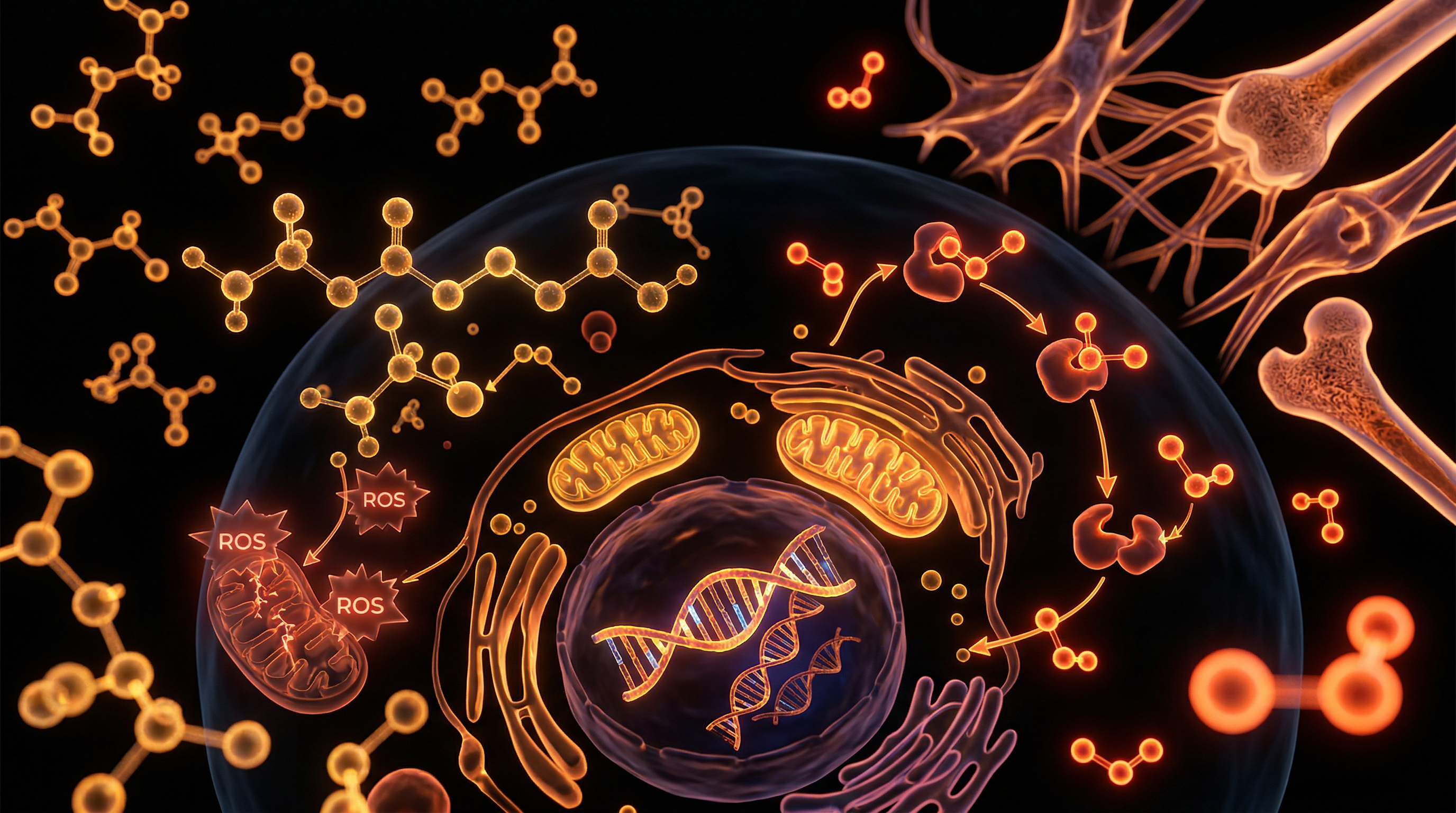
Overview
In the contemporary landscape of nutritional science, we find ourselves at a precipice where reductionist paradigms have failed the collective health of the West. For decades, the mainstream medical establishment and governmental dietary bodies have hyper-focused on macronutrient ratios—carbohydrates, fats, and proteins—while ignore the nuanced, delicate orchestration of micronutrients and amino acid profiles. The result is a population that is overfed but biologically starved. Central to this metabolic crisis is the profound imbalance between two amino acids: Methionine and Glycine.
Historically, the human species evolved as opportunistic apex predators. Our ancestors did not merely consume the lean muscle tissue of their prey; they practiced "nose-to-tail" consumption. This involved the ingestion of skin, tendons, ligaments, cartilage, and organ meats. This was not a choice born of scarcity, but a biological necessity that maintained amino acid homeostasis. By consuming the whole animal, our ancestors achieved a balanced ratio of sulfur-containing amino acids (found predominantly in muscle) and collagenous amino acids (found in connective tissues).
Today, the modern Western diet—and particularly the "bodybuilding" or "fitness" diet—is an anomaly. We have isolated the "prime cuts," focusing almost exclusively on lean muscle meat. While this provides the building blocks for muscle protein synthesis, it creates a biochemical surplus of methionine that the body is ill-equipped to handle in the absence of its counterbalance, glycine. This imbalance is not merely a trivial detail of nutrition; it is a primary driver of accelerated ageing, chronic inflammation, and metabolic dysfunction.
This article serves as a comprehensive investigation into the methionine-glycine ratio. We will dissect the biochemical pathways that govern our longevity, expose the environmental factors that disrupt this balance, and provide a roadmap for returning to a traditional, nose-to-tail way of eating that honours our evolutionary blueprint.
The Biology — How It Works
To understand the necessity of balancing these two amino acids, one must first understand their distinct roles within human physiology.
The Methionine Cycle
Methionine is an essential, sulfur-containing amino acid. It is the universal "start" signal for protein synthesis in the body. Every single protein produced in your cells begins with a methionine codon. It is also the primary precursor for S-adenosylmethionine (SAMe), which is the body’s universal methyl donor. Methylation is a critical process that regulates gene expression, neurotransmitter production, and detoxification.
However, methionine is a "double-edged sword." While necessary for life, an excess of methionine leads to an accumulation of Homocysteine. Homocysteine is a toxic intermediary metabolite. High levels of homocysteine are strongly correlated with:
- Cardiovascular disease and arterial plaque formation.
- Neurodegenerative decline and cognitive impairment.
- Endothelial dysfunction (the inability of blood vessels to dilate).
The Glycine Buffer
Glycine is often classified as a "non-essential" or "conditionally essential" amino acid. This classification is dangerously misleading. While the body can synthesise some glycine, the endogenous production falls significantly short of the physiological demand for optimal health—especially in a world rife with environmental toxins.
Glycine acts as the primary buffer for excess methionine. When methionine levels are high, the body requires glycine to facilitate the clearance of excess methyl groups via the enzyme Glycine N-methyltransferase (GNMT). If glycine is deficient, the "methionine sink" overflows, leading to the aforementioned rise in homocysteine and a state of systemic oxidative stress.
Fact: Research suggests that humans require approximately 10 to 15 grams of glycine daily from dietary sources to meet the demands of collagen synthesis and metabolic buffering, yet the average modern diet provides less than 2 to 3 grams.
The Evolutionary Ratio
In a traditional nose-to-tail diet, the ratio of glycine to methionine is high. Collagen, which makes up about 30% of the total protein in an animal, is approximately one-third glycine. Muscle meat, conversely, is high in methionine and low in glycine. By consuming the skin, joints, and "tougher" cuts of meat, our ancestors naturally mitigated the inflammatory potential of methionine.
Mechanisms at the Cellular Level
The interplay between methionine and glycine extends deep into the machinery of our cells, influencing the pathways that determine whether we are in a state of "growth" or "repair."
mTOR and the Growth Signal
mTOR (mechanistic Target of Rapamycin) is a nutrient-sensing protein that acts as the master switch for cellular growth. Methionine is one of the most potent activators of mTOR. While mTOR activation is necessary for muscle growth and childhood development, chronic, uninhibited mTOR activation is a primary driver of cellular senescence and cancer.
When we consume high amounts of muscle meat without the balancing effect of glycine, we keep the mTOR switch in the "ON" position. This prevents the body from entering Autophagy—the vital cellular "housecleaning" process where damaged proteins and organelles are recycled.
The Role of GNMT: The Metabolic Safety Valve
The enzyme Glycine N-methyltransferase (GNMT) is the unsung hero of longevity. It is the most abundant methyltransferase in the liver. Its primary role is to maintain methylome stability. When SAMe levels (derived from methionine) are too high, GNMT uses glycine to "soak up" the excess methyl groups, converting them into N-methylglycine (sarcosine), which is then safely excreted or recycled.
If glycine is depleted, GNMT cannot function. The resulting "methyl stress" can lead to DNA hypermethylation, which effectively "silences" protective genes, including tumour suppressors.
Glutathione Synthesis
Glycine is one of the three precursors to Glutathione, the body’s "Master Antioxidant." The others are cysteine and glutamate. In many clinical settings, glycine is the rate-limiting factor for glutathione production. Without sufficient glycine to balance the sulfur-load from methionine, the body cannot produce enough glutathione to combat the oxidative stress generated by methionine metabolism. This creates a vicious cycle of internal "rusting" or lipid peroxidation.
Collagen Synthesis and Structural Integrity
Glycine is the primary component of the "triple helix" structure of collagen. It appears at every third position in the collagen polypeptide chain. When the body is forced to use its limited glycine pool to buffer excess methionine from a steak-heavy, "boneless/skinless" diet, it prioritizes metabolic buffering over structural repair. This leads to:
- Degradation of the gut lining (Leaky Gut).
- Weakening of the vascular walls (Aneurysm risk).
- Premature skin ageing and joint degeneration.
Environmental Threats and Biological Disruptors
The methionine-glycine imbalance is exacerbated by a modern environment that is increasingly hostile to human biochemistry. We are not just eating the wrong parts of the animal; we are living in a landscape that actively depletes our glycine reserves.
The Glyphosate Crisis
The most significant environmental threat to glycine homeostasis is Glyphosate, the active ingredient in the world’s most widely used herbicide (Roundup). Glyphosate is a structural analogue of the amino acid glycine.
Exposing the Truth: Due to its molecular similarity, the body can mistakenly incorporate glyphosate into protein synthesis in place of glycine. This leads to the production of "mis-folded proteins" that do not function correctly, potentially contributing to the rise in autoimmune diseases and neurological disorders.
Furthermore, glyphosate interferes with the Shikimate pathway in our gut microbiome—a pathway that, while absent in humans, is essential for the bacteria that help regulate our amino acid metabolism. This "molecular mimicry" makes the requirement for dietary glycine even higher, as we need an abundance of clean glycine to "out-compete" the glyphosate molecules for receptor sites and protein construction.
Industrial Seed Oils and Oxidative Stress
The prevalence of Omega-6 rich industrial seed oils (linoleic acid) in the modern diet creates a state of chronic oxidative stress. These oils are highly prone to oxidation within the body, creating toxic by-products like 4-HNE. The body’s primary defence against these toxins is glutathione. As we previously established, glycine is essential for glutathione production. Therefore, a diet high in processed oils further "drains" the glycine pool, leaving nothing left to balance methionine.
Heavy Metal Accumulation
Glycine is a natural chelator. It assists the liver in the conjugation and excretion of heavy metals and environmental toxins. In our "sanitised" modern world, we are exposed to more aluminium, mercury, and lead than ever before. This toxic load places a massive "tax" on our glycine stores. When we fail to replenish these stores through nose-to-tail eating, we lose our innate ability to detoxify.
The Cascade: From Exposure to Disease
What happens when this imbalance persists for decades? The biological "bill" eventually comes due in the form of chronic, degenerative diseases that the mainstream medical establishment treats as "inevitable consequences of ageing."
Stage 1: The Hyper-Methylation Phase
In the early stages of methionine excess, the body becomes over-methylated. This can manifest as anxiety, insomnia, and "racing thoughts" due to the over-production of excitatory neurotransmitters like adrenaline. Simultaneously, the lack of glycine—which is an inhibitory neurotransmitter in the spinal cord and brainstem—leads to a nervous system that is perpetually "wired and tired."
Stage 2: Homocysteine Accumulation
As the glycine buffer fails, homocysteine levels begin to climb. Homocysteine acts like "sandpaper" on the inside of the arteries. This causes micro-injuries to the endothelium. The body responds by deploying cholesterol to patch the damage.
Scientific Reality: It is not the dietary cholesterol that is the primary problem; it is the homocysteine-induced arterial damage—caused by an amino acid imbalance—that necessitates the cholesterol response in the first place.
Stage 3: The Breakdown of Connective Tissue
As glycine is diverted to handle the toxic load of methionine and environmental pollutants, the "collagen synthesis" pathway is abandoned. This results in the "diseases of modern man":
- Osteoarthritis: The joints literally wear out because the body cannot repair the cartilage.
- Diverticulitis and IBD: The intestinal wall, which is largely made of collagen, becomes thin and permeable.
- Cardiovascular stiffening: The aorta loses its elasticity, leading to hypertension.
Stage 4: Cellular Senescence and Cancer
Finally, the chronic activation of mTOR and the suppression of autophagy lead to the accumulation of "zombie cells." These senescent cells secrete inflammatory cytokines (the SASP phenotype), poisoning neighbouring healthy cells. This environment is the perfect "soil" for oncogenesis (cancer development). Methionine restriction has been shown in numerous animal studies to extend lifespan by up to 40% precisely because it lowers mTOR and reduces oxidative stress. However, glycine supplementation has been shown to produce the same life-extension benefits as methionine restriction, even while eating a high-protein diet.
What the Mainstream Narrative Omits
The current dietary conversation is dominated by two polarised camps: the "Plant-Based" movement and the "Muscle-Meat" keto/carnivore movement. Both, in their own way, miss the fundamental truth of amino acid balance.
The Plant-Based Deception
The mainstream narrative often promotes plant-based diets as the "longevity" solution, citing the lower methionine content of plant proteins. While it is true that many plants are lower in methionine, they are also woefully deficient in bioavailable glycine and, more importantly, are loaded with anti-nutrients (lectins, oxalates, phytates) and glyphosate residues. Replacing high-quality animal protein with "fake meats" processed in a laboratory does not solve the methionine-glycine ratio; it introduces a host of new metabolic disruptors that accelerate systemic inflammation.
The "Lean Protein" Fallacy
For forty years, the British and American public have been told to eat "lean" meat. Heart UK and the NHS have historically advised opting for skinless chicken breasts and avoiding the "fatty" (and thus collagen-rich) cuts. This advice is scientifically bankrupt. By removing the skin and the fat, you are removing the very glycine-rich tissues that make the meat safe to consume in the long term.
Important Fact: The "fatty" cuts of meat, such as brisket, oxtail, and shanks, are not just higher in healthy fats; they are significantly higher in the connective tissue necessary to provide a balanced amino acid profile.
The Suppressed Research on Glycine
There is a wealth of peer-reviewed literature demonstrating that glycine can:
- Protect against stroke and heart disease.
- Improve insulin sensitivity (glycine is highly effective at lowering blood sugar).
- Enhance sleep quality by lowering core body temperature.
- Protect the liver from alcohol-induced damage.
Why is this not common knowledge? Because glycine is a cheap, non-patentable substance. There is no "Big Pharma" profit margin in telling the public to boil fish heads or eat chicken skin.
The UK Context
In the United Kingdom, the shift away from nose-to-tail eating has been particularly stark. Post-war Britain saw a massive industrialisation of the food supply. Traditional British dishes—which were inherently nose-to-tail—were discarded in favour of "convenience" foods.
The Loss of Culinary Heritage
Items that were once staples of the British diet are now viewed with disdain by the modern consumer:
- Offal: Kidney, liver, and heart are now largely exported or turned into pet food, despite being the most nutrient-dense foods on the planet.
- Brawn and Potted Meats: These traditional preparations utilised the head and extremities of the animal, providing a massive dose of glycine and gelatin.
- Bone Broth: The "stock pot" was a permanent fixture on the British hearth. Today, it has been replaced by "stock cubes," which are essentially salt, MSG, and yeast extract with zero collagenous value.
The "Healthy Eating" Guidelines
The UK's Eatwell Guide continues to emphasise "pulses, fish, eggs, and lean meat." There is no mention of the importance of connective tissue or the deleterious effects of an imbalanced methionine-to-glycine ratio. Furthermore, the UK’s heavy reliance on imported, glyphosate-treated soy for animal feed means that even our muscle meats may contain residues that further deplete the consumer's glycine stores.
The Rising Cost of Living
As food prices rise in the UK, there is a golden opportunity to return to these traditional cuts. "Secondary" cuts like pig's trotters, beef cheeks, and lamb necks are significantly cheaper than ribeye or fillet steaks, yet they are biologically superior when it comes to longevity and metabolic health.
Protective Measures and Recovery Protocols
To reclaim your metabolic health and achieve amino acid homeostasis, you must actively counteract the methionine-heavy bias of the modern world. Here is how to implement a "Nose-to-Tail" recovery protocol.
1. The 1:1 Rule
Aim for a 1:1 ratio of muscle meat to "connective tissue" protein. If you are eating an 8oz steak, you should ideally be consuming an equivalent amount of glycine-rich food. This can be achieved by:
- Eating the skin on your chicken and fish (always).
- Choosing "slow-cook" cuts like oxtail, shin of beef, or lamb shanks, where the collagen has been broken down into gelatin.
- Adding 10-15g of high-quality collagen peptides or gelatin to your daily routine, especially around the time you consume muscle meat.
2. The Power of Bone Broth
Real bone broth—simmered for 12 to 24 hours with an acidic medium like apple cider vinegar to leach the minerals and collagen—is the ultimate metabolic tonic.
- Action: Consume 250ml of homemade bone broth daily. It provides the glycine needed to buffer methionine and repairs the gut lining, which is the first line of defence against environmental toxins.
3. Organ Meat Integration
Organ meats provide the co-factors necessary for the methionine cycle to function correctly.
- Liver: Rich in B12, Folate, and Choline. Choline is essential for the "backdoor" pathway of homocysteine clearance (the BHMT pathway).
- Heart: The richest source of CoQ10, which protects the mitochondria from the oxidative stress that can be generated by methionine metabolism.
- Protocol: Consume 100g of ruminant liver per week. If the taste is unpalatable, use desiccated liver capsules.
4. Direct Glycine Supplementation
In a world contaminated by glyphosate, "food alone" may not be enough for some individuals, particularly those with existing joint issues or metabolic dysfunction.
- Protocol: 3g to 5g of pure glycine powder before bed. Not only does this provide the metabolic buffer, but glycine also acts as an inhibitory neurotransmitter, significantly improving sleep architecture.
5. Tactical Methionine Restriction
You do not need to become a vegetarian to get the benefits of methionine restriction.
- Action: Practice periodic "Protein Fasting" or "Glycine-Only Days." One day a week, consume only bone broths and fats, avoiding muscle meats entirely. This allows the body to clear the "methyl-overflow" and triggers deep autophagy.
Summary: Key Takeaways
The path to longevity is not found in the reductionist avoidance of animal products, but in the restoration of biological balance. The modern obsession with lean muscle meat is an evolutionary anomaly that has resulted in a "methyl-stressed" population suffering from preventable degenerative diseases.
- Balance is Vital: Methionine (muscle) drives growth; Glycine (connective tissue) drives repair and detoxification. You cannot have one without the other.
- The Homocysteine Threat: Excess methionine leads to homocysteine, the true driver of heart disease, unless sufficient glycine is present.
- Environmental Shield: Glycine is your primary defence against Glyphosate and heavy metal toxicity.
- Nose-to-Tail is the Key: Return to traditional eating patterns. Eat the skin, the joints, the marrow, and the organs.
- Mainstream Error: Ignore the "lean protein" and "plant-based" dogmas. They are based on incomplete science that ignores the cellular necessity of amino acid homeostasis.
By embracing the whole animal, we honour our biology and our ancestors. We move away from the "growth-at-all-costs" model of modern fitness and toward a sustainable, resilient model of long-term health. It is time to stop eating like industrial consumers and start eating like biological beings. The "prime cut" is a myth; the whole animal is the medicine.
This article is provided for informational and educational purposes only. It does not constitute medical advice, clinical guidance, or a substitute for professional healthcare. Information reflects cited research at time of publication. Always consult a qualified healthcare professional before acting on any health information.
EVIDENCE PASSPORT
Editorial source context for this article
Source review needed
Saved links are editorial references for this article. They may support specific claims rather than every sentence. Open and assess each source in context. This passport does not independently verify them.
Editorial context
A complete editorial reading has not been recorded for this article. Source links remain available for you to open and assess directly.
Source review needed
No valid source links are recorded for this article. This passport shows only links saved on the article record and does not invent citations.
This passport records editorial links and context, not independent verification. Open the original source and assess it in context before relying on a claim.
Medical Disclaimer
The information in this article is for educational purposes only and does not constitute medical advice, diagnosis, or treatment. Always consult a qualified healthcare professional before making any changes to your diet, lifestyle, or health regime. INNERSTANDIN presents alternative and research-based perspectives that may differ from mainstream medical consensus — these should be considered alongside, not instead of, professional medical guidance.
Read Full DisclaimerContinue the thread
Keep this question moving.
Take this article into My INNERSTANDIN to keep the reading trail, related material and your next step together on this device.
Dig deeper in the Library
Free, longform PDF volumes that go beyond headlines into mechanisms and references.