
The Glycaemic Load: Why Insulin Sensitivity is the Primary Marker of Longevity
Updated May 2026
Insulin sensitivity determines how effectively your cells utilise energy and manage systemic inflammation. This article explores the physiological mechanisms of glucose transport and why maintaining insulin efficiency is the cornerstone of healthy ageing.
Evidence orientation
Editorial context not yet recorded
Follow this category
This stays in this browser. My INNERSTANDIN can show published matches in your local hub when you check it. It does not send email, push, or alert notifications.
Local learning review
A private browser aid for revisiting ideas. It is not an alert or a health recommendation.
Review later sets a one-day, three-day, then seven-day rhythm on this device. Choose it only when you want to revisit this article.
Overview
In the current landscape of modern health, we are witnessing a paradox. Despite the proliferation of "wellness" trends and pharmaceutical interventions, the fundamental health of the British public is in a state of rapid decline. At the heart of this decay lies a single, often misunderstood biological metric: insulin sensitivity. While the mainstream medical establishment focuses on the management of symptoms—prescribing statins for high cholesterol or Metformin for Type 2 Diabetes—they consistently ignore the upstream driver of almost all age-related pathology.
Insulin sensitivity is not merely a marker of how well you handle a slice of bread; it is the master regulator of your biological age. It determines how effectively your cells utilise energy, how rapidly your tissues repair themselves, and the degree to which systemic inflammation ravages your internal organs. When we lose our ability to respond to insulin, we enter a state of metabolic "static," where the clear signals required for cellular maintenance are drowned out by a cacophony of hormonal dysfunction.
This article serves as a deep dive into the physiological reality of the glycaemic load and its profound impact on longevity. We will expose the mechanisms that the food and pharmaceutical industries prefer to keep shrouded in complexity. We will demonstrate why maintaining peak insulin efficiency is the single most important action an individual can take to prevent the "slow-burn" of chronic disease. In the realm of biology, energy is everything—and insulin is the gatekeeper of that energy. If the gatekeeper fails, the entire fortress of human health eventually crumbles.
##
The Biology — How It Works
To understand why insulin is the primary marker of longevity, we must first master the basics of its operation within the human machine. The process begins with the ingestion of carbohydrates and, to a lesser extent, proteins. These are broken down into glucose, which enters the bloodstream, raising the blood sugar concentration.
The pancreas, specifically the Beta cells of the Islets of Langerhans, senses this rise and secretes insulin, a peptide hormone. Insulin’s primary role is to act as a "key" that unlocks the cells to allow glucose to enter. This is not a simple passive process; it is a highly coordinated biochemical symphony involving the liver, the skeletal muscle, and the adipose tissue (fat).
The Liver: The Metabolic Control Centre
The liver acts as the primary buffer for blood glucose. Under the influence of insulin, the liver performs glycogenesis, converting excess glucose into glycogen for short-term storage. However, the liver’s capacity for glycogen is finite (roughly 100 grams). Once these stores are saturated, the liver begins De Novo Lipogenesis (DNL)—the creation of new fat, specifically triglycerides, which are then shipped out to be stored in adipose tissue. In a state of high insulin sensitivity, the liver remains responsive, shutting down gluconeogenesis (the production of glucose from non-carbohydrate sources) when blood sugar is already high. In a state of resistance, the liver ignores the insulin signal and continues to pump glucose into the blood even when it is not needed, creating a lethal feedback loop.
Skeletal Muscle: The Glucose Sink
Skeletal muscle is responsible for approximately 80% of post-prandial (after-meal) glucose clearance. This makes muscle mass the most significant "sink" for the glycaemic load. Insulin triggers the translocation of GLUT4 (Glucose Transporter Type 4) proteins from the interior of the muscle cell to the surface membrane, allowing glucose to flood in.
According to the NHS and Public Health England, over 4 million people in the UK are currently living with Type 2 Diabetes, with millions more in a "pre-diabetic" state that remains undiagnosed due to inadequate screening of fasting insulin levels.
Adipose Tissue: More Than Just Storage
Fat cells are not inert bags of energy; they are active endocrine organs. Insulin tells fat cells to stop breaking down stored fat (lipolysis) and to start storing more. When insulin levels are chronically high, the body is biochemically "locked" in storage mode, making fat loss physiologically impossible regardless of caloric restriction. Furthermore, as fat cells become hypertrophic (overstuffed), they begin to leak inflammatory cytokines like TNF-alpha and IL-6, which further degrade insulin signalling across the entire body.
##
Mechanisms at the Cellular Level
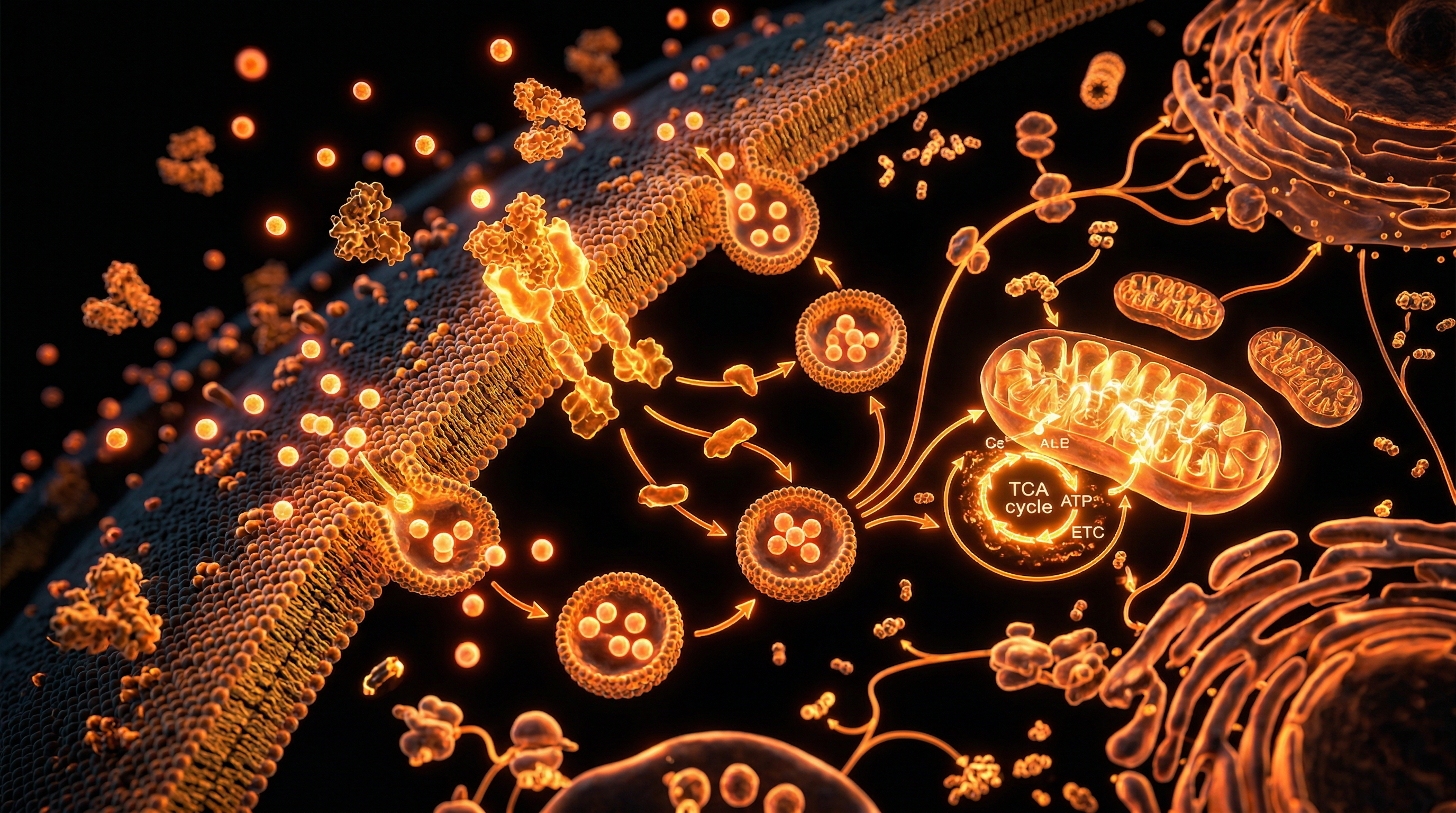
To truly understand the "truth-exposing" nature of this research, we must zoom in further, beyond the organs and into the intricate pathways of the cell. The primary site of action is the Insulin Receptor (IR), a transmembrane protein that belongs to the tyrosine kinase receptor family.
The Phosphorylation Cascade
When insulin binds to the alpha-subunits of the IR, it causes a conformational change that activates the beta-subunits on the inside of the cell. This triggers a process called autophosphorylation, where the receptor adds phosphate groups to its own tyrosine residues. This, in turn, recruits Insulin Receptor Substrate (IRS) proteins, specifically IRS-1 and IRS-2.
This is the critical junction. The IRS proteins activate the PI3K/Akt pathway. Akt (also known as Protein Kinase B) is the "master switch." Once activated, Akt performs several vital functions:
- It stimulates the translocation of GLUT4 vesicles to the plasma membrane.
- It inhibits GSK3 (Glycogen Synthase Kinase 3), thereby activating Glycogen Synthase to store glucose.
- It activates mTOR (mammalian Target of Rapamycin), which stimulates protein synthesis and cell growth.
The Longevity Connection: FOXO and Sirtuins
This is where insulin sensitivity meets longevity. When insulin levels are low and the PI3K/Akt pathway is quiet, a family of transcription factors called FOXO (Forkhead box O) can enter the cell nucleus. FOXO factors are "longevity genes." They trigger the expression of genes involved in:
- DNA Repair: Fixing mutations before they lead to cancer.
- Autophagy: The cellular "cleanup" process where old, damaged proteins and organelles are recycled.
- Antioxidant Production: Increasing levels of Superoxide Dismutase (SOD) and Catalase to fight oxidative stress.
When insulin is chronically high—due to a high glycaemic load—FOXO is pushed out of the nucleus and kept in the cytoplasm, where it is inactive. In essence, chronic high insulin shuts down the body’s primary anti-ageing repair mechanisms. This is the fundamental reason why hyperinsulinaemia (high insulin) is a predictor of early death.
Mitochondrial Dysfunction
Glucose metabolism produces ATP through the Electron Transport Chain (ETC) in the mitochondria. However, when the cell is overwhelmed with glucose (a high glycaemic load), the ETC becomes backed up. This lead to a "leakage" of electrons, which react with oxygen to form Reactive Oxygen Species (ROS) or free radicals.
These ROS damage the mitochondrial DNA (mtDNA), leading to a state where the cell can no longer produce energy efficiently. This is the hallmark of ageing. A cell that cannot produce energy is a cell that cannot maintain its integrity, leading to senescence—the "zombie cell" state that drives systemic inflammation.
##
Environmental Threats and Biological Disruptors
The degradation of our insulin sensitivity is not an accident of nature; it is the result of an environment that is biologically "mismatched" to our evolutionary heritage. Several key disruptors in the UK environment are driving this epidemic.
Ultra-Processed Foods (UPFs) and the Glycaemic Spike
The UK has the highest consumption of Ultra-Processed Foods in Europe. These products are engineered to be hyper-palatable and are stripped of fibre, the natural brake that slows down glucose absorption. When you consume a UPF, the glucose hits the bloodstream with a velocity the pancreas was never designed to handle. This results in an "insulin spike" followed by a "hypoglycaemic crash," driving further hunger and a vicious cycle of overconsumption.
Fructose: The Metabolic Poison
Unlike glucose, which can be used by every cell in the body, fructose (found in High Fructose Corn Syrup and "healthy" fruit juice concentrates) can only be processed by the liver. When the liver is flooded with fructose, it converts it directly into fat via DNL. This leads to Non-Alcoholic Fatty Liver Disease (NAFLD), which is now the leading cause of liver failure in the UK. A fatty liver is inherently insulin resistant, meaning fructose is a direct driver of systemic metabolic collapse.
Endocrine Disruptors (EDCs)
Chemicals such as Bisphenol A (BPA) and Phthalates, found in plastic packaging and even the lining of UK water pipes, act as "metabolic disruptors." These chemicals can bind to PPAR-gamma receptors, which are involved in fat cell formation and insulin sensitisation. By mimicking natural hormones, these toxins can "jam" the insulin signalling pathway, making the body resistant to its own hormones even in the absence of high sugar intake.
Research published in The Lancet suggests that exposure to endocrine-disrupting chemicals costs the UK economy billions in health-related expenses, primarily through the promotion of obesity and metabolic syndrome.
Glyphosate and the Gut Microbiome
The use of glyphosate-based herbicides (monitored by the UK Environment Agency) has significant implications for insulin sensitivity. Glyphosate can disrupt the Shikimate pathway in our gut bacteria. A healthy gut microbiome produces Short-Chain Fatty Acids (SCFAs) like butyrate, which are potent insulin sensitisers. By altering the microbial balance, glyphosate indirectly contributes to systemic insulin resistance.
##
The Cascade: From Exposure to Disease
The progression from a high glycaemic load to chronic disease is a predictable biological cascade. It does not happen overnight; it is the result of decades of "metabolic friction."
Stage 1: Compensatory Hyperinsulinaemia
In the early stages, blood glucose remains "normal" on standard NHS tests. However, the pancreas is working overtime, pumping out massive amounts of insulin to keep that glucose in check. This is the "hidden" stage where the damage begins. High insulin levels cause the kidneys to retain salt, leading to hypertension (high blood pressure).
Stage 2: Systemic Glycation
When blood sugar levels eventually begin to rise, a process called non-enzymatic glycation occurs. Glucose molecules "stick" to proteins and fats, forming Advanced Glycation End-products (AGEs).
- Think of AGEs as "caramelising" your internal tissues.
- They cross-link collagen, making your arteries stiff (atherosclerosis) and your skin wrinkled.
- They bind to the RAGE (Receptor for AGEs), triggering a massive inflammatory response via the NF-κB pathway.
Stage 3: The Breakdown of the Blood-Brain Barrier
The brain is highly sensitive to insulin. In fact, Alzheimer’s Disease is now frequently referred to as "Type 3 Diabetes." When the brain becomes insulin resistant, it can no longer clear Amyloid-beta plaques. This is because Insulin-Degrading Enzyme (IDE) is responsible for breaking down both insulin and amyloid-beta. When insulin is chronically high, IDE is "busy" dealing with the insulin, allowing the toxic plaques to accumulate in the brain.
Stage 4: Metabolic Syndrome
The final stage is a cluster of conditions: obesity, high blood pressure, high triglycerides, low HDL cholesterol, and high fasting glucose. At this point, the individual is at extreme risk for cardiovascular events. The UK British Heart Foundation notes that heart disease remains a leading killer, yet the primary driver—insulin resistance—is often secondary in the clinical conversation to "cholesterol management."
##
What the Mainstream Narrative Omits
The most egregious failure of modern medicine is the refusal to acknowledge the role of hyperinsulinaemia as a primary cause rather than a secondary symptom. There are several "biological truths" that are systematically omitted from the mainstream narrative:
- The HbA1c Delusion: The standard test used by the NHS, HbA1c, measures your average blood sugar over three months. This is a "lagging indicator." By the time your HbA1c is elevated, you have likely been insulin resistant for 10 to 15 years. The real metric—Fasting Insulin—is almost never tested. You can have a "perfect" blood sugar level but have insulin levels five times higher than they should be, meaning you are ageing at an accelerated rate.
- The "Calories In, Calories Out" Lie: This simplistic model of obesity suggests that all calories are equal. Biologically, this is false. 500 calories of broccoli and 500 calories of a sugary soft drink have vastly different hormonal impacts. One keeps insulin low and promotes fat burning; the other spikes insulin and shuts down metabolism. By focusing on calories, the FSA (Food Standards Agency) and food manufacturers deflect blame away from the quality of the food.
- The Role of the Pharmaceutical Industry: There is no profit in a cured patient. Metformin and other diabetic drugs manage the symptoms of high blood sugar but do nothing to reverse the underlying insulin resistance. In many cases, exogenous insulin (injections) actually worsens the root cause by increasing the total insulin load on the body, leading to more weight gain and further resistance.
- The Saturated Fat Scapegoat: For decades, we were told saturated fat caused heart disease. This led to the "Low Fat" movement, where fat was replaced by sugar and refined starches to maintain palatability. This shift directly mirrors the explosion of the Type 2 Diabetes epidemic. The real culprit was always the glycaemic load, not the natural fats.
##
The UK Context
In the United Kingdom, we face a unique set of challenges regarding metabolic health. Our cultural reliance on "convenience" foods, combined with a healthcare system (the NHS) that is overburdened and reactive, has created a "perfect storm" for metabolic decay.
The "Eatwell Guide" Critique
The government’s Eatwell Guide still recommends that over a third of our diet be based on starchy carbohydrates (bread, pasta, potatoes). For a population that is largely sedentary and already metabolically compromised, this is a recipe for disaster. This "one-size-fits-all" advice fails to account for the biological reality that many people have lost the "metabolic flexibility" required to process such a high glycaemic load.
The Rise of the "TOFI"
In the UK, we are seeing a rise in the TOFI phenotype: Thin on the Outside, Fat on the Inside. These are individuals with a "normal" Body Mass Index (BMI) who nonetheless have high levels of visceral fat (fat around the organs) and profound insulin resistance. Because they don't look "obese," they are often given a clean bill of health by their GPs, only to suffer "sudden" heart attacks or strokes in their 50s.
Public Health Policy and the Sugar Tax
While the Soft Drinks Industry Levy (the Sugar Tax) was a step in the right direction, it focused only on a small segment of the problem. Many "diet" or "zero" drinks replaced sugar with artificial sweeteners like acesulfame K or sucralose. Emerging evidence suggests these sweeteners can still trigger a cephalic phase insulin response and disrupt the gut microbiome, potentially worsening insulin resistance in the long term.
Data from the British Medical Journal (BMJ) indicates that socio-economically deprived areas in the UK have a significantly higher prevalence of Type 2 Diabetes, directly correlating with the density of fast-food outlets and the "food desert" phenomenon where fresh, low-glycaemic produce is unaffordable or unavailable.
##
Protective Measures and Recovery Protocols
The good news is that insulin sensitivity is highly plastic. It can be improved and even restored through targeted interventions that respect human physiology.
1. Nutritional Intervention: Lowering the Load
The primary goal is to lower the total glycaemic load. This does not necessarily mean a "zero-carb" diet, but rather a "smart-carb" approach.
- Prioritise Fibre: Fibre, specifically soluble fibre, slows the gastric emptying rate and blunts the glucose spike.
- Eliminate Liquid Sugars: Fruit juices and sodas are the fastest way to wreck insulin sensitivity.
- The Power of Polyphenols: Compounds found in green tea (EGCG), dark berries (anthocyanins), and extra virgin olive oil (oleocanthal) have been shown to improve the insulin signalling pathway and protect the IR from oxidative damage.
2. Time-Restricted Feeding (TRF)
By restricting the eating window (e.g., 16:8), we allow insulin levels to drop to their "basal" or lowest state. This gives the body time to exit "storage mode" and enter "repair mode" (autophagy). It also "re-sensitises" the insulin receptors, much like how taking a break from loud music makes your hearing more acute.
3. Resistance Training: Building the Sink
As mentioned, skeletal muscle is the primary glucose sink. Resistance training (lifting weights) increases the expression of GLUT4 and increases the number of mitochondria within the muscle cells. Furthermore, intense muscle contraction allows for non-insulin-mediated glucose uptake (via the AMPK pathway), meaning the muscles can pull sugar out of the blood without needing the pancreas to produce insulin.
4. Cold Exposure and Brown Adipose Tissue (BAT)
The UK’s climate provides a natural tool for metabolic health: the cold. Exposure to cold (cold showers or outdoor swimming) activates Brown Adipose Tissue. Unlike white fat, which stores energy, brown fat burns energy to produce heat. BAT activation has been shown to significantly improve systemic insulin sensitivity and glucose disposal.
5. Essential Micronutrients
Several key nutrients are critical for the insulin receptor to function:
- Magnesium: Essential for the autophosphorylation of the insulin receptor. An estimated 70% of the UK population is magnesium deficient.
- Chromium: Enhances the action of insulin by facilitating its binding to the receptor.
- Alpha-Lipoic Acid (ALA): A potent antioxidant that can improve glucose uptake in muscle cells.
##
Summary: Key Takeaways
The path to longevity is not found in a pill or a complex medical procedure; it is found in the protection of our metabolic machinery. To age gracefully is to remain insulin sensitive.
- Insulin is a double-edged sword: Necessary for life and growth, but lethal in chronic excess. It is the primary driver of the "diseases of civilisation."
- The Glycaemic Load is the metric that matters: It's not just about what you eat, but how fast that food turns into sugar in your blood.
- Cellular Repair depends on low insulin: Processes like autophagy and DNA repair (governed by FOXO and Sirtuins) only happen when insulin levels are low.
- The Mainstream is behind the curve: Do not wait for a Type 2 Diabetes diagnosis. Demand a Fasting Insulin test and take proactive steps to lower your glycaemic load today.
- UK-specific threats are real: From UPFs to environmental toxins, the British environment is "diabetogenic." Awareness is the first step in your personal metabolic defence.
The choice is simple: you can either manage the "slow-burn" of insulin resistance until it leads to systemic collapse, or you can reclaim your insulin sensitivity and, with it, your biological future. At INNERSTANDING, we believe that the truth about our biology is the most powerful tool we have. The glycaemic load is the lever—now it is up to you to pull it.
This article is provided for informational and educational purposes only. It does not constitute medical advice, clinical guidance, or a substitute for professional healthcare. Information reflects cited research at time of publication. Always consult a qualified healthcare professional before acting on any health information.
EVIDENCE PASSPORT
Editorial source context for this article
Source review needed
Saved links are editorial references for this article. They may support specific claims rather than every sentence. Open and assess each source in context. This passport does not independently verify them.
Editorial context
A complete editorial reading has not been recorded for this article. Source links remain available for you to open and assess directly.
Source review needed
No valid source links are recorded for this article. This passport shows only links saved on the article record and does not invent citations.
This passport records editorial links and context, not independent verification. Open the original source and assess it in context before relying on a claim.
Medical Disclaimer
The information in this article is for educational purposes only and does not constitute medical advice, diagnosis, or treatment. Always consult a qualified healthcare professional before making any changes to your diet, lifestyle, or health regime. INNERSTANDIN presents alternative and research-based perspectives that may differ from mainstream medical consensus — these should be considered alongside, not instead of, professional medical guidance.
Read Full DisclaimerContinue the thread
Keep this question moving.
Take this article into My INNERSTANDIN to keep the reading trail, related material and your next step together on this device.
Explore this in the Body Map
See where this hits your biology. Interactive anatomy, threats, and protective protocols.
Dig deeper in the Library
Free, longform PDF volumes that go beyond headlines into mechanisms and references.