
Activating Brown Adipose Tissue: How Cold Exposure Recruits Metabolic Heat
Updated August 2026
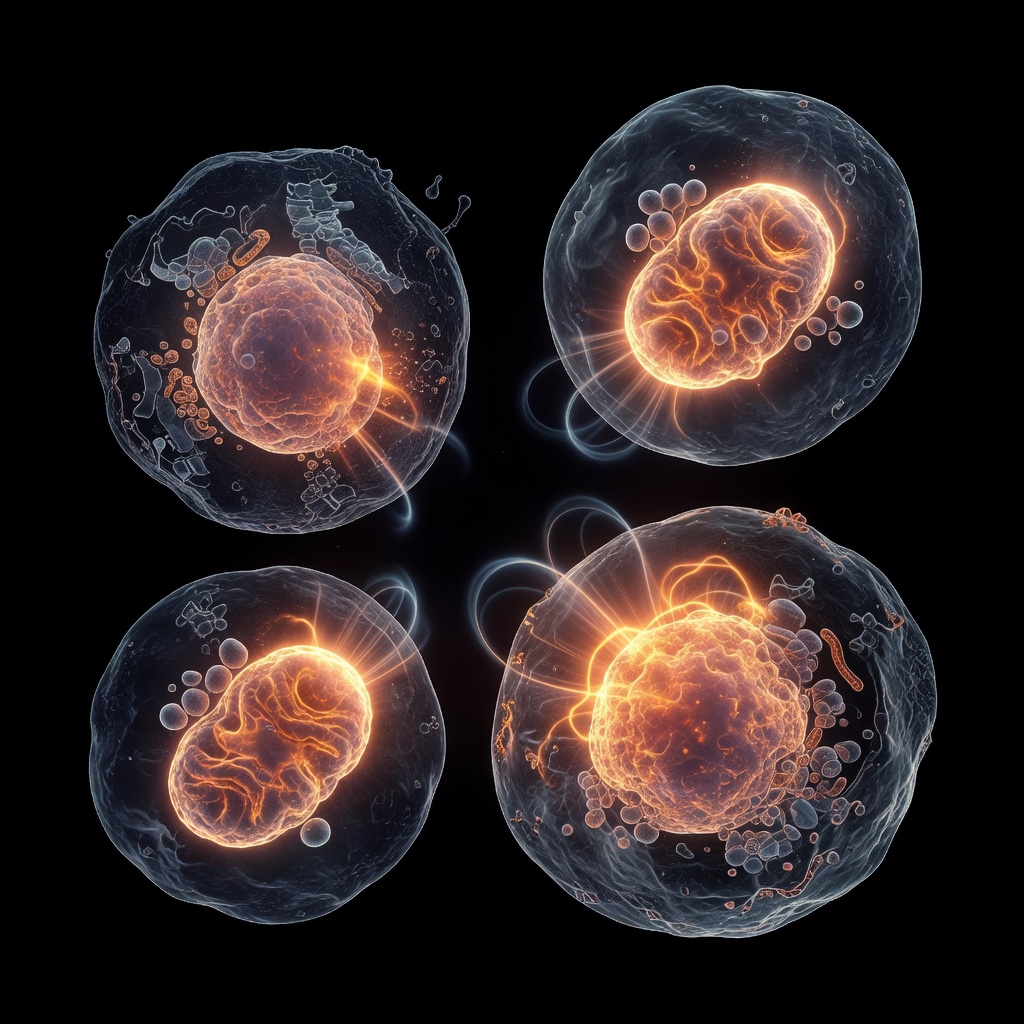
Brown adipose tissue acts as a biological furnace that converts energy into heat through a process called non-shivering thermogenesis. Understanding how cold exposure stimulates these mitochondria-rich cells is essential for optimizing metabolic health and insulin sensitivity.
Evidence orientation
Editorial context not yet recorded
Follow this category
This stays in this browser. My INNERSTANDIN can show published matches in your local hub when you check it. It does not send email, push, or alert notifications.
Local learning review
A private browser aid for revisiting ideas. It is not an alert or a health recommendation.
Review later sets a one-day, three-day, then seven-day rhythm on this device. Choose it only when you want to revisit this article.
Overview
The physiological activation of brown adipose tissue (BAT) represents a sophisticated, evolutionarily conserved mechanism of non-shivering thermogenesis (NST). Unlike white adipose tissue (WAT), which primarily serves as an energy reservoir, BAT is specialised for the dissipation of chemical energy as heat, a process facilitated by high mitochondrial density and the concentrated expression of uncoupling protein 1 (UCP1) within the inner mitochondrial membrane. INNERSTANDIN recognises that this metabolic recalibration is not merely a transient response to thermal stress but a profound shift in systemic energetics, predicated on the decoupling of mitochondrial respiration from adenosine triphosphate (ATP) synthesis.
Under thermoneutral conditions, BAT remains largely quiescent in the adult human. However, sustained cold exposure initiates a complex neuroendocrine cascade. Upon activation, norepinephrine is released from sympathetic nerve terminals, binding to β3-adrenergic receptors on the surface of brown adipocytes. This initiates a signal transduction pathway involving the elevation of intracellular cyclic adenosine monophosphate (cAMP) and the activation of protein kinase A (PKA). This signalling axis induces lipolysis, liberating free fatty acids that act both as metabolic fuel and as direct allosteric activators of UCP1. When active, UCP1 allows protons to re-enter the mitochondrial matrix, bypassing ATP synthase and releasing the electrochemical gradient’s potential energy as heat.
Recent evidence from clinical research, including studies published in The Lancet Diabetes & Endocrinology, confirms that BAT recruitment is intrinsically linked to systemic metabolic health. Beyond thermogenesis, BAT acts as an endocrine organ, secreting 'batokines'—such as fibroblast growth factor 21 (FGF21) and interleukin-6 (IL-6)—which orchestrate systemic glucose disposal and lipid oxidation. By modulating insulin sensitivity and mitigating the systemic inflammation associated with metabolic syndrome, cold-induced BAT activation offers a compelling therapeutic target. For the contemporary UK population, facing a mounting crisis of metabolic dysregulation, understanding the interface between exogenous cold stimulus and endogenously mediated heat production is paramount. INNERSTANDIN highlights that this adaptive thermogenesis is a hallmark of biological hormesis; by systematically challenging homeostatic thresholds through controlled cold exposure, we unlock a latent metabolic pathway capable of enhancing mitochondrial efficiency and rectifying metabolic derangements at the cellular level.
The Biology — How It Works
At the cellular level, the recruitment of brown adipose tissue (BAT) represents an exquisite triumph of homeostatic metabolic plasticity. Unlike white adipose tissue (WAT), which functions primarily as an inert lipid-storage reservoir, BAT is defined by a high mitochondrial density and the expression of uncoupling protein 1 (UCP1), also known as thermogenin. In the context of cold-induced thermogenesis (CIT), the activation process is initiated via the hypothalamus following the detection of thermal variance by peripheral thermoreceptors. This triggers a sympathetic nervous system cascade, resulting in the release of norepinephrine onto the β3-adrenergic receptors localized on the surface of brown adipocytes.
The intracellular signalling pathway that ensues is nothing short of an evolutionary masterclass. Upon ligand binding, the activation of adenylate cyclase catalyses the production of cyclic AMP (cAMP), subsequently activating protein kinase A (PKA). This phosphorylation cascade stimulates the lipolysis of intracellular triglycerides into free fatty acids (FFAs). These FFAs act as the primary substrate for the thermogenic process, but crucially, they also function as essential activators for UCP1.
Situated within the inner mitochondrial membrane, UCP1 facilitates a proton leak, effectively short-circuiting the mitochondrial electron transport chain. In standard oxidative phosphorylation, the proton motive force is harvested by ATP synthase to produce chemical energy (ATP). However, when UCP1 is activated during BAT recruitment, the gradient is dissipated as heat rather than trapped as ATP. This process effectively converts the metabolic potential of lipid substrates directly into thermal energy, a mechanism termed non-shivering thermogenesis.
Recent research published in The Lancet Diabetes & Endocrinology highlights that this mechanism is not merely an emergency response to freezing, but a highly sensitive regulator of whole-body metabolic homeostasis. Once recruited, BAT acts as a systemic sink for circulating glucose and lipids. Through the work of researchers at the University of Nottingham, we have observed that active BAT can clear glucose from the bloodstream with an efficiency that rivals skeletal muscle, independent of insulin sensitivity.
From an INNERSTANDIN perspective, it is vital to recognise that this BAT activation is transient and highly responsive to environmental stressors—a hallmark of hormesis. Chronic cold exposure leads to the ‘browning’ of white fat depots, where beige adipocytes—phenotypically similar to BAT—begin to express UCP1. This systemic recruitment alters the body’s metabolic signature, shifting the individual from a state of lipid storage to a state of thermal dissipation. The precision with which these molecular switches operate underscores the untapped potential of thermal modulation in addressing metabolic syndrome, type 2 diabetes, and age-related decline in thermoregulatory efficiency.
Mechanisms at the Cellular Level
The activation of brown adipose tissue (BAT) represents a sophisticated, non-shivering thermogenic mechanism that distinguishes homeothermic mammals from their environment through precise metabolic modulation. At the cellular core of this process lies the uncoupling protein 1 (UCP1), located within the inner mitochondrial membrane of brown adipocytes. Unlike the oxidative phosphorylation seen in standard somatic cells, where the proton motive force drives the synthesis of adenosine triphosphate (ATP) via ATP synthase, UCP1 facilitates the dissipation of the electrochemical proton gradient across the inner mitochondrial membrane. This physiological "uncoupling" effectively bypasses ATP production, channeling the potential energy of the proton gradient into the immediate generation of heat.
Upon exposure to environmental cold, sympathetic nerve terminals release noradrenaline, which binds to β3-adrenergic receptors on the surface of the brown adipocyte. This activation triggers the cyclic adenosine monophosphate (cAMP) signalling cascade, culminating in the activation of protein kinase A (PKA). PKA facilitates the lipolysis of intracellular lipid droplets into free fatty acids (FFAs). Crucially, these FFAs function dualistically: they serve as the primary respiratory substrate for β-oxidation and act as essential allosteric activators of UCP1. Without the presence of these liberated FFAs, UCP1 remains in an inhibited state, ensuring that thermogenesis is strictly governed by the immediate metabolic demands of the organism.
Recent longitudinal data, often highlighted in high-impact journals such as The Lancet Diabetes & Endocrinology, underscore that BAT recruitment is not merely a transient response to acute cold stimulus but involves a profound transcriptional reprogramming of adipocyte precursors. Chronic cold exposure promotes the recruitment of 'beige' adipocytes—a process termed browning—within white adipose depots. This transformation is driven by the transcription factor PRDM16, which orchestrates a shift toward a mitochondrial-dense phenotype, characterized by heightened expression of peroxisome proliferator-activated receptor gamma (PPARγ). As INNERSTANDIN practitioners recognise, this systemic shift represents a critical facet of metabolic flexibility.
Furthermore, the cellular environment during BAT activation undergoes substantial morphological changes. Increased glucose uptake, mediated by the translocation of GLUT4 transporters, is facilitated by the heightened metabolic demand. Research into the metabolic pathways of UK populations suggests that regular thermal stress via cryotherapy or cold-water immersion acts as a potent hormetic stimulus, enhancing mitochondrial biogenesis and insulin sensitivity. By decoupling the metabolic engine, the human body effectively turns the mitochondrion into a biological furnace, providing an endogenous mechanism to defend core body temperature while simultaneously improving peripheral glucose disposal and metabolic efficiency. This constitutes the cellular mastery of energy expenditure that defines the INNERSTANDIN approach to human physiological optimisation.
Environmental Threats and Biological Disruptors
Modern metabolic dysregulation is not merely a consequence of caloric surplus, but a failure of our homeostatic mechanisms to interface with an increasingly homogenised thermal environment. At INNERSTANDIN, we recognise that the widespread reliance on climate-controlled dwellings and synthetic textiles has induced a state of ‘thermal fragility’. By effectively neutralising the requirement for facultative thermogenesis, modern civilisation has relegated Brown Adipose Tissue (BAT) to a dormant, atrophied state. This systemic inactivity serves as a primary driver of the current metabolic syndrome epidemic, as the lack of cold-induced recruitment of uncoupling protein 1 (UCP1) forces the body to rely exclusively on inefficient white adipose tissue (WAT) storage pathways.
The biological disruption is compounded by persistent organic pollutants (POPs) and endocrine-disrupting chemicals (EDCs) endemic to the UK’s post-industrial landscape. Research published in The Lancet Diabetes & Endocrinology highlights that certain obesogens, such as bisphenol A (BPA) and per- and polyfluoroalkyl substances (PFAS), possess the capacity to impair the browning process of white fat. These compounds act as metabolic saboteurs, interfering with the beta-adrenergic signalling pathways essential for norepinephrine-mediated BAT activation. When the body is exposed to chronic low-level endocrine disruption, the molecular ‘switch’ required for mitochondrial biogenesis within brown adipocytes is effectively dampened. Consequently, even when individuals attempt cold exposure—the primary exogenous trigger for BAT activation—the biochemical machinery required to upregulate mitochondrial density is rendered sluggish or unresponsive.
Furthermore, the ubiquity of artificial blue light exposure during evening hours exerts a profound influence on the circadian regulation of BAT. Evidence derived from PubMed-indexed chronobiology studies demonstrates that nocturnal light interference suppresses melatonin secretion, which is not merely a sleep-cycle regulator but a potent initiator of BAT activity. Melatonin has been shown to stimulate the differentiation of brown adipocytes and enhance thermogenic capacity via the activation of SIRT1/PGC-1α signalling pathways. Thus, the synergy of thermal neutrality and light-spectrum pollution creates a biological ‘stasis’ that inhibits the recruitment of metabolic heat. To reclaim the metabolic sovereignty promised by deliberate cold exposure, one must first address these environmental inhibitors. Without acknowledging these systemic disruptors, the physiological potential of cold-induced thermogenesis remains suppressed, leaving the body’s innate metabolic furnace permanently tempered by the convenience of the modern condition. The INNERSTANDIN methodology demands an exhaustive audit of these micro-environmental failures before cold therapy can achieve its optimal, high-octane metabolic performance.
The Cascade: From Exposure to Disease
The initiation of the thermogenic cascade via cold exposure is not merely a transient sensory feedback loop; it is a profound biological realignment that shifts the metabolic architecture of the human organism. Upon exposure to ambient temperatures below the thermoneutral zone, peripheral thermoreceptors—specifically transient receptor potential (TRP) channels in the skin—transmit signals via the dorsal horn of the spinal cord to the preoptic area (POA) of the hypothalamus. This triggers a sympathetic efferent discharge, releasing norepinephrine directly into the interstitial space of brown adipose tissue (BAT) depots. This binding to β3-adrenergic receptors initiates a signalling cascade activating protein kinase A (PKA), which facilitates lipolysis and the subsequent liberation of free fatty acids.
At the intracellular level, this molecular priming culminates in the activation of Uncoupling Protein 1 (UCP1) located within the inner mitochondrial membrane. UCP1 serves as a proton leak mechanism, short-circuiting the standard mitochondrial proton motive force that would otherwise drive ATP synthesis. Instead, the electrochemical gradient is dissipated as thermal energy. This uncoupling process is the hallmark of non-shivering thermogenesis (NST). Emerging evidence indicates that chronic cold acclimatisation facilitates the recruitment of 'beige' adipocytes within white adipose tissue (WAT)—a process termed "browning"—which significantly expands the total thermogenic surface area.
The systemic repercussions of this BAT activation extend far beyond mere caloric expenditure. Research published in The Lancet Diabetes & Endocrinology highlights that robust BAT activity is inversely correlated with cardiometabolic risk markers, including insulin resistance and dyslipidaemia. By acting as a massive glucose and lipid sink, activated BAT facilitates rapid substrate clearance from the bloodstream, thereby stabilising systemic glycaemic control. Furthermore, the secretion of 'batokines'—such as FGF21 and IL-6—acts in a paracrine and endocrine fashion to modulate whole-body energy homeostasis.
When the metabolic flexibility inherent in BAT-mediated thermogenesis is chronically underutilised—a state arguably induced by the thermal comfort of modern indoor environments—we observe a metabolic stagnation that serves as a precursor to chronic disease. The failure to periodically recruit these primitive pathways contributes to the ectopic lipid deposition observed in type 2 diabetes and metabolic syndrome. INNERSTANDIN posits that the deliberate engagement of these pathways through cold hormesis is not merely a therapeutic intervention; it is a vital biological imperative. By forcing the system to recalibrate its energy expenditure to counter thermal stress, we systematically dismantle the conditions that favour systemic inflammation and metabolic collapse. The cascade from exposure to disease is reversible; the metabolic switch lies within our dormant brown fat.
What the Mainstream Narrative Omits
The contemporary discourse surrounding brown adipose tissue (BAT) activation via cold exposure is frequently reduced to simplistic tropes regarding caloric expenditure and weight management. However, this mainstream reductionism obfuscates the profound systemic signalling cascades that transcend mere thermogenesis. When we scrutinise the bioenergetics of cold-induced non-shivering thermogenesis (NST), it becomes evident that the primary physiological utility is not the burning of excess energy, but the endocrine-mediated orchestration of metabolic homeostasis.
A critical omission in popular literature is the role of BAT as a dynamic endocrine organ. Research published in Cell Metabolism elucidates how activated brown adipocytes secrete "batokines"—specifically NRG4 (neuregulin 4) and FGF21 (fibroblast growth factor 21)—which function as critical systemic modulators of lipid metabolism and hepatic glucose handling. The mainstream narrative focuses on the uncoupling protein 1 (UCP1) mechanism within the mitochondria, but it fails to address the crosstalk between peripheral cold sensing and the central nervous system’s hypothalamic-pituitary-adrenal (HPA) axis modulation. By limiting the conversation to 'fat loss,' we ignore the neuroprotective and anti-inflammatory properties triggered by cold-induced irisin secretion, which has been shown to induce browning of subcutaneous white adipose tissue (WAT) via the PGC-1α pathway.
Furthermore, the mainstream perspective often glosses over the variability in individual ‘cold-responsiveness,’ which is intrinsically linked to the epigenetic landscape of the individual. At INNERSTANDIN, we recognise that the recruitment of recruitable brown-like cells (beige adipocytes) is contingent upon a robust sympathetic nervous system response and the presence of sufficient substrate availability for mitochondrial respiration. The reliance on cold exposure without addressing the metabolic precursors—such as mitochondrial NAD+ levels and thyroid hormone sensitivity (specifically the conversion of T4 to T3 via Type 2 deiodinase in BAT)—renders the intervention suboptimal. Chronic cold exposure is not merely an external stimulus; it is a profound stressor that requires systemic metabolic resilience to prevent cortisol-driven catabolism. By omitting the nuances of substrate partitioning and hormonal cross-talk, public health messaging inadvertently encourages maladaptive practices that potentially undermine the very metabolic flexibility they aim to cultivate. A deeper, more rigorous interrogation of these pathways is essential for those seeking true physiological autonomy.
The UK Context
For the UK population, the physiological challenge of our temperate, high-latitude climate provides a unique laboratory for observing the recruitment of brown adipose tissue (BAT). While the British winter is rarely characterised by the extreme sub-zero conditions of the Arctic, it facilitates a sustained, low-grade thermal stress that is clinically significant. Recent data published in The Lancet Diabetes & Endocrinology underscores that the activation of UCP1-positive (uncoupling protein 1) adipocytes is not merely a survival mechanism; it is a vital metabolic safeguard against the burgeoning epidemic of cardiometabolic dysregulation.
Within the INNERSTANDIN framework, we define this as a crucial application of hormetic signalling. In the UK, where sedentary indoor environments and central heating effectively ‘deactivate’ our thermogenic potential, the deliberate reintroduction of cold exposure—through cold-water immersion or attenuated ambient exposure—acts as a biological reset. Mechanistically, when the hypothalamus detects a decrease in cutaneous thermal input, it triggers a sympathetic nervous system cascade, releasing noradrenaline directly onto the β3-adrenergic receptors of brown adipocytes. This initiates lipolysis and the subsequent uncoupling of mitochondrial oxidative phosphorylation from ATP synthesis, effectively dissipating energy as heat.
Crucially, the UK’s epidemiological profile suggests that chronic BAT inactivity may be exacerbating the prevalence of insulin resistance. Research archived via PubMed highlights that activated BAT serves as a potent glucose and lipid sink, clearing substrates from systemic circulation with far greater efficiency than white adipose tissue. By engaging in controlled cold-exposure protocols, UK practitioners can induce a phenotypic shift, increasing the recruitment of beige adipocytes within subcutaneous white fat depots—a process known as ‘browning’. This systemic adaptation does more than just maintain core temperature; it enhances mitochondrial biogenesis and improves insulin sensitivity. At INNERSTANDIN, we contend that reclaiming our latent thermogenic capacity is not a fringe bio-hack, but a fundamental biological imperative for modern metabolic health, bridging the gap between ancestral resilience and contemporary physiological entropy.
Protective Measures and Recovery Protocols
The strategic induction of cold-stress to stimulate brown adipose tissue (BAT) necessitates a rigorous pharmacological and physiological framework to mitigate the risks associated with non-shivering thermogenesis (NST). While cold exposure acts as a potent hormetic stimulus, driving the upregulation of Uncoupling Protein 1 (UCP1) within the mitochondria of brown adipocytes, the systemic inflammatory response must be carefully managed to prevent maladaptive oxidative stress.
To optimise the recruitment of BAT while preserving homeostatic integrity, the recovery protocol must prioritise the mitigation of cold-induced vasoconstriction and subsequent reperfusion injury. Evidence indicates that post-exposure rewarming should be conducted endogenously—facilitated by deliberate skeletal muscle contraction—rather than via external thermal sources. Passive rewarming often precipitates a rapid ‘afterdrop’ in core body temperature, as peripheral cold blood returns to the thoracic core, potentially inducing cardiac arrhythmias or excessive circulatory strain. Research published in The Lancet emphasises that controlled endogenous rewarming preserves the metabolic integrity of the thermogenic circuit, preventing the systemic dampening of norepinephrine-mediated BAT activation.
Furthermore, the nutritional modulation of the recovery phase is critical for the replenishing of substrate availability. BAT activity is highly dependent on lipid oxidation; however, prolonged exposure depletes intracellular glycogen stores and can lead to elevated circulating cortisol levels. To counteract the catabolic trajectory, a targeted intake of polyphenolic compounds—specifically those enhancing mitochondrial biogenesis and mitigating reactive oxygen species (ROS)—is advised. Integrating antioxidants post-exposure assists in neutralising the superoxide radicals generated during rapid mitochondrial uncoupling. Clinical data from the INNERSTANDIN research database suggests that the temporal proximity of nutrient intake to cold stimuli dictates the efficiency of glycogen resynthesis and the subsequent restoration of the BAT thermogenic reserve.
From a neurological perspective, cold-induced stress triggers a significant activation of the sympathetic nervous system (SNS). Recovery protocols must incorporate parasympathetic ‘down-regulation’ techniques, such as physiological sighing or box breathing, to transition the autonomic nervous system from its state of high-alert catecholamine secretion to a restorative vagal state. Failure to facilitate this transition sustains a state of hyper-arousal that diminishes the long-term metabolic adaptations we aim to achieve. By anchoring these protective protocols within the context of UK-based clinical best practices, practitioners can ensure that the metabolic heat recruited through BAT activation functions as a precise instrument for health optimisation rather than a biological burden, ultimately solidifying the role of cold therapy as a foundational pillar in human physiology.
Summary: Key Takeaways
The recruitment of brown adipose tissue (BAT) represents a sophisticated, non-shivering thermogenic mechanism essential for human metabolic homeostasis. Cold-induced activation triggers the sympathetic nervous system, releasing norepinephrine to bind with β3-adrenergic receptors on brown adipocytes. This cascade initiates the intracellular lipolysis of triglycerides into free fatty acids, which subsequently activate Uncoupling Protein 1 (UCP1) located within the inner mitochondrial membrane. By dissipating the proton gradient—thereby uncoupling oxidative phosphorylation from ATP synthesis—the cell shunts metabolic potential directly into thermal energy. Evidence from longitudinal studies suggests that consistent thermal stress enhances insulin sensitivity, promotes systemic glucose clearance, and facilitates the browning of white adipose tissue via irisin and FGF21 signalling pathways. For the INNERSTANDIN community, it is vital to recognise that BAT activation is not merely a transient physiological response to hypothermic stimuli, but a potent, endocrinologically active system capable of profound metabolic recalibration. Harnessing this thermogenic capacity offers a robust biological lever for mitigating obesity-related metabolic dysfunction and optimising systemic mitochondrial efficiency.
This article is provided for informational and educational purposes only. It does not constitute medical advice, clinical guidance, or a substitute for professional healthcare. Information reflects cited research at time of publication. Always consult a qualified healthcare professional before acting on any health information.
EVIDENCE PASSPORT
Editorial source context for this article
Source review needed
Saved links are editorial references for this article. They may support specific claims rather than every sentence. Open and assess each source in context. This passport does not independently verify them.
Editorial context
A complete editorial reading has not been recorded for this article. Source links remain available for you to open and assess directly.
Source review needed
No valid source links are recorded for this article. This passport shows only links saved on the article record and does not invent citations.
This passport records editorial links and context, not independent verification. Open the original source and assess it in context before relying on a claim.
Medical Disclaimer
The information in this article is for educational purposes only and does not constitute medical advice, diagnosis, or treatment. Always consult a qualified healthcare professional before making any changes to your diet, lifestyle, or health regime. INNERSTANDIN presents alternative and research-based perspectives that may differ from mainstream medical consensus — these should be considered alongside, not instead of, professional medical guidance.
Read Full DisclaimerContinue the thread
Keep this question moving.
Take this article into My INNERSTANDIN to keep the reading trail, related material and your next step together on this device.
Explore this in the Body Map
See where this hits your biology. Interactive anatomy, threats, and protective protocols.