
Reactive Oxygen Species: Balancing the Flames of Energy Production
Updated August 2026
Reactive Oxygen Species (ROS) are the natural byproducts of energy production, acting as both essential signals and potential destroyers. Mastering the balance of ROS is the key to preventing oxidative stress and chronic disease.
Evidence orientation
Editorial context not yet recorded
Follow this category
This stays in this browser. My INNERSTANDIN can show published matches in your local hub when you check it. It does not send email, push, or alert notifications.
Local learning review
A private browser aid for revisiting ideas. It is not an alert or a health recommendation.
Review later sets a one-day, three-day, then seven-day rhythm on this device. Choose it only when you want to revisit this article.
Overview
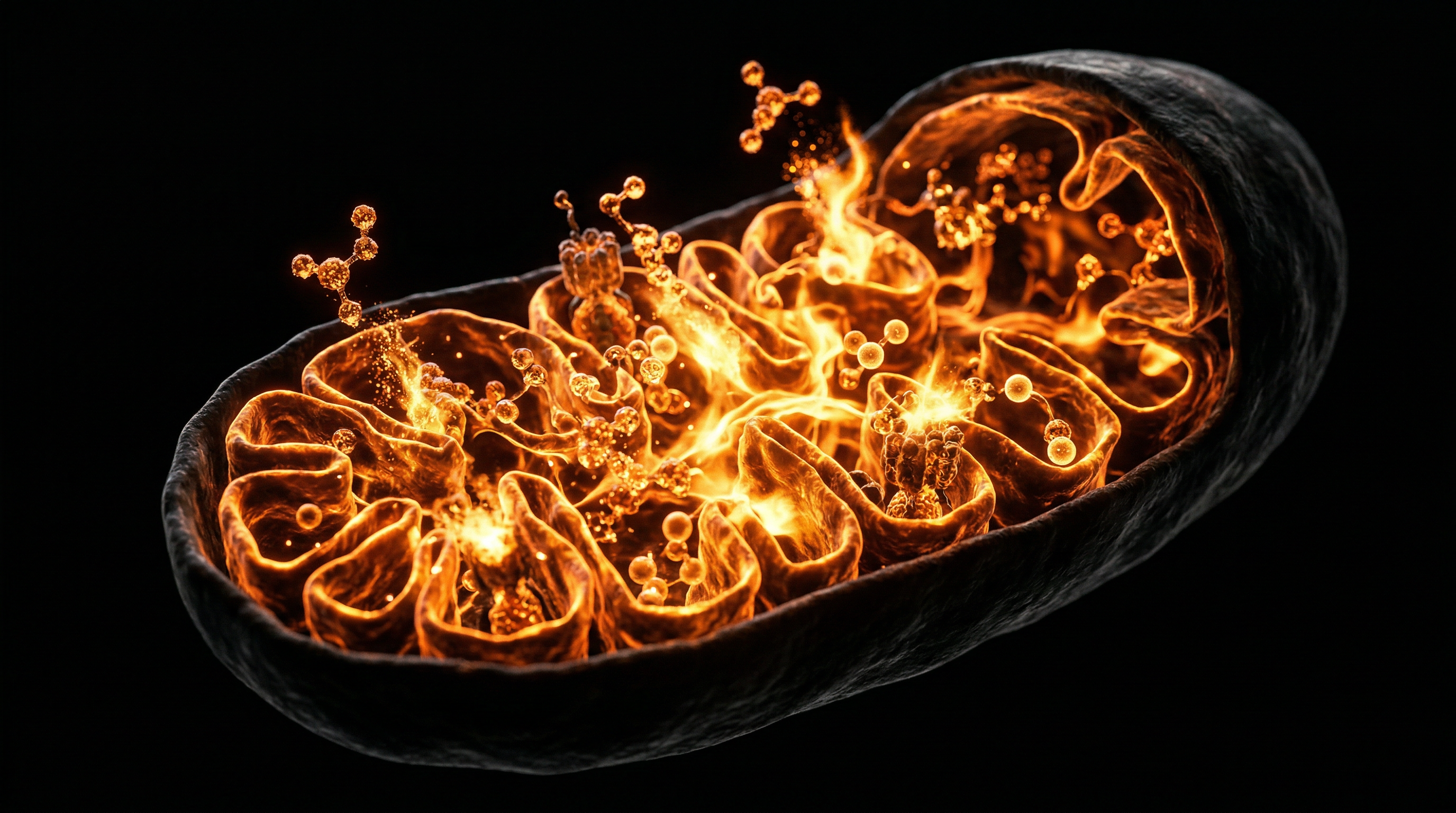
The physiological paradox of aerobic life lies in the fundamental trade-off between energy currency and structural integrity. At the epicentre of this biological transaction are Reactive Oxygen Species (ROS)—a heterogeneous group of oxygen-derived free radicals and non-radical molecules, including the superoxide anion (O2•−), hydrogen peroxide (H2O2), and the highly reactive hydroxyl radical (•OH). While these species are frequently maligned in pop-science literature as mere agents of destruction, the perspective adopted by INNERSTANDIN recognises them as essential, transient signalling molecules, indispensable for homeostatic regulation within the mitochondrial matrix and the broader cellular milieu.
The mitochondrion serves as the primary site of intracellular ROS generation. During oxidative phosphorylation (OXPHOS), the electron transport chain (ETC)—specifically complexes I and III—inevitably leaks electrons onto diatomic oxygen. This "misfire" is not a systemic failure, but an evolutionary design feature. Under basal conditions, mitochondrial ROS (mtROS) orchestrate vital adaptive responses, including the regulation of mitophagy, the initiation of apoptosis during cellular stress, and the activation of nuclear factor erythroid 2-related factor 2 (Nrf2) pathways, which upregulate endogenous antioxidant defences.
However, the equilibrium between production and clearance—governed by enzymatic scavengers such as superoxide dismutase (SOD2), catalase, and glutathione peroxidase—is precarious. When the rate of ROS production outstrips these scavenging systems, the cell descends into oxidative stress. This imbalance initiates a cascade of molecular damage: lipid peroxidation of the mitochondrial membrane, oxidative modification of proteins, and, most critically, the oxidation of mitochondrial DNA (mtDNA). Given the lack of robust histone protection and the proximity to the site of ROS generation, mtDNA is particularly vulnerable. Research highlighted in The Lancet and various PubMed-indexed longitudinal studies consistently demonstrates that chronic, unmitigated oxidative stress is a cornerstone of metabolic dysfunction, driving the pathogenesis of neurodegenerative conditions and systemic inflammatory syndromes prevalent in the UK population.
To grasp the complexity of mitochondrial metabolism is to recognise that ROS are the double-edged sword of energy production. We must move beyond the reductionist view of oxidative stress and adopt an INNERSTANDIN that respects these molecules as the intricate metabolic thermostats of the cell, modulating the very ‘flames’ of bioenergetic output.
The Biology — How It Works
At the nexus of cellular bioenergetics, the mitochondria function as the primary furnace for aerobic life, yet this vital machinery is inherently prone to "leaky" thermodynamics. The biology of Reactive Oxygen Species (ROS) production is inextricably linked to the oxidative phosphorylation (OXPHOS) process occurring within the inner mitochondrial membrane (IMM). As electrons traverse the Electron Transport Chain (ETC)—passing through complexes I through IV—a fraction of these electrons prematurely deviate from the sequence. Instead of reaching their final destination at complex IV to reduce molecular oxygen into water, these errant electrons undergo univalent reduction with diatomic oxygen ($O{2}$), manifesting as the superoxide anion ($O{2}^{\bullet-}$).
This mechanism, primarily localised at Complex I (NADH:ubiquinone oxidoreductase) and Complex III (ubiquinol-cytochrome c oxidoreductase), represents the fundamental "fire" of cellular energy production. Under physiological equilibrium, this ROS output acts as a crucial signalling modality. In a process termed "mitohormesis," low-to-moderate levels of mitochondrial ROS modulate cellular adaptation by activating transcription factors such as Nrf2 (Nuclear factor erythroid 2-related factor 2), which upregulates the endogenous antioxidant response, including superoxide dismutase (SOD) and glutathione peroxidase (GPx). As explored in INNERSTANDIN’s curriculum, this is not a toxic byproduct to be suppressed, but a sophisticated bioenergetic rheostat.
However, when the rate of electron leak exceeds the buffering capacity of the mitochondrial antioxidant defence system, the systemic impact is profound. The accumulation of $O_{2}^{\bullet-}$ leads to the generation of highly reactive hydroxyl radicals ($OH^{\bullet}$) via the Fenton reaction, inducing oxidative damage to mitochondrial DNA (mtDNA), lipids, and proteins. Unlike nuclear DNA, mtDNA lacks protective histones and possesses limited repair mechanisms, making it exceptionally vulnerable to oxidative stress. Research published in The Lancet and various PubMed-indexed cardiovascular studies underscore that chronic mitochondrial dysfunction—often precipitated by nutrient excess or metabolic dysregulation—creates a feedback loop. Oxidative damage to ETC components further impairs electron flow, paradoxically increasing ROS emission.
For the modern UK citizen, whose metabolic environment is increasingly challenged by sedentary lifestyles and suboptimal dietary patterns, this mitochondrial inefficiency is a central driver of chronic inflammation and age-related pathologies. INNERSTANDIN maintains that understanding the electron-transport kinetics is the ultimate diagnostic benchmark. By mastering the flux between substrate availability and ETC demand, we can mitigate the transition from regulatory signalling to pathological oxidative stress, effectively balancing the flames of energy production to maintain cellular longevity.
Mechanisms at the Cellular Level
The genesis of Reactive Oxygen Species (ROS) within the mitochondrion is an intrinsic byproduct of oxidative phosphorylation (OXPHOS), a process governed by the electron transport chain (ETC). At the INNERSTANDIN laboratory, we posit that the mitochondria should be viewed not merely as powerhouses, but as high-pressure combustion chambers where the leak of electrons—predominantly at Complexes I and III—results in the univalent reduction of molecular oxygen to form the superoxide radical (O₂•⁻).
The biochemical architecture of this leakage is highly dependent on the mitochondrial membrane potential (ΔΨm). When the proton motive force is excessive and the downstream consumption of ATP is sluggish, the Coenzyme Q pool becomes over-reduced. This creates a bottleneck, facilitating the "slipping" of electrons directly onto oxygen rather than their intended transfer along the respiratory chain. Research published in Nature Reviews Molecular Cell Biology highlights that this is not an evolutionary defect but a nuanced signalling mechanism. Under homeostatic conditions, these ROS act as secondary messengers, modulating critical pathways such as hypoxia-inducible factor (HIF) stabilisation and the regulation of metabolic gene expression.
However, when the rate of electron slippage outpaces the intrinsic antioxidant capacity of the matrix—specifically the MnSOD (Manganese Superoxide Dismutase) system—the cellular equilibrium shifts toward oxidative stress. The conversion of O₂•⁻ to hydrogen peroxide (H₂O₂) by MnSOD allows for the diffusion of ROS across the mitochondrial and plasma membranes. While H₂O₂ is less reactive than the superoxide radical, it remains a potent oxidant, particularly when subjected to the Fenton reaction. In the presence of transition metals like ferrous iron (Fe²⁺), H₂O₂ is converted into the hydroxyl radical (•OH), the most aggressive ROS known to biology. This radical triggers lipid peroxidation of the mitochondrial inner membrane (MIM), specifically targeting cardiolipin. Given that cardiolipin is essential for anchoring the respiratory complexes, its oxidative degradation creates a feedback loop of mitochondrial dysfunction: damaged membranes lose integrity, proton leakage increases, and the resultant metabolic inefficiency exacerbates further ROS production.
Understanding these mechanisms at the INNERSTANDIN level requires a departure from the reductionist view that ROS are exclusively detrimental. Instead, they represent a tightly regulated, dynamic range of cellular output. The threshold between physiological signalling (eustress) and molecular carnage (distress) is dictated by the efficiency of the mitochondrial redox buffer and the integrity of the mitochondrial transition pore (mPTP). When ROS-induced damage triggers the opening of the mPTP, the resulting mitochondrial swelling and cytochrome c release signal the initiation of the intrinsic apoptotic pathway, marking the final stage of a system that can no longer contain its own energetic flames.
Environmental Threats and Biological Disruptors
The fine-tuned bioenergetic orchestration of the mitochondrial electron transport chain (ETC) operates on a knife-edge of thermodynamic efficiency. While endogenously produced reactive oxygen species (ROS)—specifically superoxide ($O_2^{\bullet-}$) generated at Complexes I and III—serve as vital cellular signalling molecules, the systemic integrity of the mitoproteome is increasingly compromised by exogenous stressors. Within the UK, where urbanisation and industrial legacy converge, the biological impact of environmental xenobiotics on mitochondrial respiration has emerged as a primary driver of metabolic dysregulation.
The infiltration of fine particulate matter ($PM_{2.5}$) and polycyclic aromatic hydrocarbons (PAHs) represents a significant threat to mitochondrial homeostasis. Research published in The Lancet Planetary Health suggests that these pollutants penetrate systemic circulation, inducing a state of chronic oxidative stress that bypasses traditional detoxification pathways. Mechanistically, these particulates act as pro-oxidants, facilitating the decoupling of the proton gradient across the inner mitochondrial membrane (IMM). By disrupting the electrochemical potential, these environmental agents force an electron leak, escalating the conversion of molecular oxygen into superoxide radicals at a rate that overwhelms local superoxide dismutase (SOD2) activity. This "oxidative flare" promotes the carbonylation of mitochondrial proteins and the oxidative modification of mitochondrial DNA (mtDNA), which, due to its proximity to the site of ROS generation and lack of protective histones, is highly susceptible to deleterious mutations.
Furthermore, endocrine-disrupting chemicals (EDCs) and heavy metals, such as cadmium and lead—still detectable in legacy soil and atmospheric reservoirs—function as potent mitochondrial toxins. Cadmium, for example, demonstrates a high affinity for the sulfhydryl groups within the ETC complexes, effectively inhibiting cytochrome c oxidase (Complex IV) activity. This inhibition results in an upstream electron bottleneck, forcing an exponential increase in ROS synthesis. At INNERSTANDIN, our synthesis of current data indicates that such persistent mitochondrial interference is not merely a cellular curiosity; it is a fundamental driver of the systemic "mitochondrial fatigue" observed in populations subjected to chronic environmental load.
This molecular erosion is compounded by the "reductive stress" induced by synthetic endocrine disruptors, which alter the NAD+/NADH ratio, further destabilising the mitochondrial redox state. When the internal machinery is forced to manage a constant deluge of exogenous stressors, the adaptive mitochondrial response—mitohormesis—collapses into a state of chronic inflammation. As we delineate the mechanisms of this decline, it becomes clear that the integrity of the mitochondrion is the primary determinant of human resilience against the modern chemical milieu. Ignoring these exogenous disruptions ensures that the flames of energy production, once vital for life, become the architects of cellular senescence.
The Cascade: From Exposure to Disease
The transition from physiological signalling to pathological degradation is defined by the loss of redox homeostasis. Within the mitochondrial matrix, electron leak—predominantly at Complexes I and III—results in the univalent reduction of molecular oxygen to form the superoxide radical ($O2^{\bullet-}$). Under homeostatic conditions, the INNERSTANDIN framework recognises this as a vital signalling mechanism; however, when the rate of production exceeds the capacity of mitochondrial superoxide dismutase (SOD2) to catalyse the dismutation into hydrogen peroxide ($H2O_2$), a deleterious cascade initiates.
The primary mechanism of cellular injury is oxidative damage to the mitochondrial DNA (mtDNA) and the phospholipid bilayer. Unlike nuclear DNA, mtDNA lacks protective histone proteins and is situated in close proximity to the electron transport chain (ETC), rendering it hyper-susceptible to reactive oxygen species (ROS)-induced mutations. As these mutations accumulate, the ETC complex subunits are compromised, creating a vicious cycle of inefficient electron flow, increased ROS leakage, and further genomic instability—a phenomenon well-documented in the Lancet as a driver of age-related sarcopenia and neurodegenerative atrophy.
Beyond the mitochondrial perimeter, the diffusion of hydrogen peroxide into the cytosol triggers the activation of the nucleotide-binding domain, leucine-rich-containing family, pyrin domain-containing-3 (NLRP3) inflammasome. This innate immune response is not merely a bystander effect; it represents a systemic shift from metabolic regulation to chronic inflammatory signalling. Elevated ROS levels induce the post-translational modification of proteins and the peroxidation of polyunsaturated fatty acids (PUFAs), culminating in the formation of reactive aldehydes such as 4-hydroxynonenal (4-HNE). These by-products act as "second messengers of death," exacerbating the depletion of reduced glutathione (GSH) and shifting the cellular redox potential toward a pro-oxidant state.
The systemic consequence of this cascade is best observed in the progression of chronic metabolic diseases endemic to the UK population. The chronic over-accumulation of mitochondrial ROS compromises insulin signalling in skeletal muscle and adipose tissue by inhibiting the phosphoinositide 3-kinase (PI3K) pathway, thereby cementing the transition from transient oxidative stress to permanent insulin resistance. As clinical investigations published via PubMed illustrate, the failure to quench these reactive species serves as a common denominator in the pathogenesis of cardiovascular dysfunction and metabolic syndrome. Consequently, INNERSTANDIN asserts that the therapeutic target is not the total eradication of ROS, which would paradoxically stall essential mitohormetic signalling, but the precise modulation of the electron flux to prevent the tipping point where adaptive resilience collapses into systemic disease.
What the Mainstream Narrative Omits
The prevailing clinical narrative concerning Reactive Oxygen Species (ROS) suffers from a reductionist dogma: the persistent framing of free radicals exclusively as cellular toxins destined for neutralisation by exogenous antioxidants. Within the halls of UK clinical research and public health discourse, this "oxidative stress" hypothesis has become entrenched, often ignoring the physiological necessity of ROS as essential retrograde signalling molecules. To INNERSTANDIN the mitochondrial landscape, one must move beyond the antiquated view that superoxide ($O2^{\bullet-}$) and hydrogen peroxide ($H2O_2$) are merely deleterious byproducts of oxidative phosphorylation.
Current literature, particularly research emerging from mitochondrial biogenesis studies, reveals that ROS are, in fact, the primary orchestrators of mitohormesis. In this framework, transient pulses of ROS serve as vital triggers for the activation of the Nrf2 (nuclear factor erythroid 2-related factor 2) pathway and the subsequent upregulation of endogenous antioxidant enzymes such as superoxide dismutase (SOD) and glutathione peroxidase. When we adopt a holistic INNERSTANDIN, we recognise that the mitochondria act as a sensory hub. The electron transport chain (ETC) does not simply "leak" electrons due to inefficiency; rather, electron slip at Complexes I and III functions as a dynamic feedback mechanism to calibrate cellular metabolic rate based on energy substrate availability.
The mainstream narrative dangerously omits the profound implications of "antioxidant supplementation paradoxes." Peer-reviewed findings, including those indexed in PubMed and supported by large-scale meta-analyses, consistently indicate that the indiscriminate administration of exogenous antioxidants—such as high-dose Vitamin E or N-acetylcysteine—can attenuate the very adaptive signalling pathways required for physical adaptation and insulin sensitivity. By "quenching" the flames of energy production prematurely, these interventions disrupt the redox-sensitive protein thiol switches that facilitate mitochondrial quality control, known as mitophagy.
Essentially, the clinical obsession with eradicating oxidative stress ignores the evolutionary reality that metabolic health is predicated on a resilient, fluctuating redox state rather than a static, chemically suppressed environment. Research conducted within the UK’s leading biochemical institutes now suggests that the suppression of ROS-mediated signalling may inadvertently accelerate biological ageing and impair exercise-induced cardiovascular adaptations. To achieve a true INNERSTANDIN of mitochondrial function, we must stop viewing ROS as an enemy to be eliminated and begin viewing it as the indispensable, albeit volatile, currency of cellular adaptation.
The UK Context
The UK’s epidemiological landscape offers a stark crucible for examining the dysregulation of Reactive Oxygen Species (ROS). Within the context of the National Health Service’s longitudinal data, we observe a surge in metabolic syndromes and neurodegenerative pathologies that are fundamentally rooted in mitochondrial decoupling. As we INNERSTANDIN the mechanics of the electron transport chain (ETC), it becomes evident that the high-throughput energy demands of modern urban living often exacerbate electron leakage at Complexes I and III. This leakage facilitates the univalent reduction of molecular oxygen to superoxide ($O_2^{\bullet-}$), the primary catalyst for oxidative stress within the cristae.
In the UK, the prevalence of sedentary behaviour and dietary processed carbohydrate dependency has been linked to chronic mitochondrial hyperpolarisation. Research published in The Lancet underscores that the subsequent ROS overflow is not merely a byproduct but a signalling crisis. When the redox buffering capacity—specifically the glutathione and thioredoxin systems—is overwhelmed, oxidative damage to mitochondrial DNA (mtDNA) ensues. Given the lack of histones within the mitochondrial matrix, this DNA is uniquely vulnerable to the resulting 8-hydroxy-2'-deoxyguanosine (8-OHdG) lesions.
Furthermore, our INNERSTANDIN of the UK-specific impact is compounded by epigenetic stressors linked to environmental pollutants common in post-industrial regions. Studies indexed in PubMed reveal a clear correlation between particulate matter exposure in British urban centres and the systemic upregulation of NADPH oxidase (NOX) isoforms. This exogenous insult, when superimposed upon endogenous mitochondrial ROS production, creates a synergistic "flame" that accelerates cellular senescence. The clinical reality for the UK population is an accelerating rate of "mitochondrial fatigue," where the threshold for antioxidant remediation is consistently breached. To master these biological mechanisms, we must move beyond symptomatic treatment and address the root thermodynamics of the electron flux, ensuring the homeostatic balance between essential signalling and destructive oxidative burst is rigorously maintained.
Protective Measures and Recovery Protocols
To mitigate the deleterious cascades initiated by the mitochondrial leakage of reactive oxygen species (ROS), the cell orchestrates a sophisticated, multilayered defensive architecture. The primary line of resistance is the enzymatic antioxidant system, centred on the manganese-dependent superoxide dismutase (MnSOD/SOD2) located within the mitochondrial matrix. This enzyme facilitates the dismutation of the superoxide radical ($O2^{\bullet-}$) into hydrogen peroxide ($H2O_2$), which is subsequently neutralised by glutathione peroxidase (GPx) and peroxiredoxins. In the context of INNERSTANDIN, it is critical to recognise that when the flux of electron leakage exceeds the kinetic capacity of these scavenging enzymes, oxidative stress ensues, leading to the peroxidation of the mitochondrial membrane lipid cardiolipin—a catastrophic event that triggers cytochrome c release and subsequent intrinsic apoptosis.
Beyond internal scavenging, the organismal response to mitochondrial oxidative pressure is governed by the Nrf2-Keap1 signalling pathway. Under homeostatic conditions, Keap1 facilitates the ubiquitination and degradation of Nrf2. However, in the presence of electrophilic stress or elevated ROS, cysteine residues on Keap1 undergo modification, stabilising Nrf2 and allowing it to translocate to the nucleus. Here, it binds to the Antioxidant Response Element (ARE), upregulating the expression of phase II detoxifying enzymes and heme oxygenase-1 (HO-1). This endogenous upregulation is the cornerstone of cellular resilience. Research published in The Lancet and various PubMed-indexed oncology journals confirms that this pathway is not merely a reactive mechanism but a dynamic rheostat that determines the fate of the cell during mitochondrial metabolic shifts.
Recovery protocols focus on restoring the integrity of the mitochondrial electron transport chain (ETC) and optimising the electron flow through complexes I–IV. Therapeutic intervention often involves exogenous precursors such as nicotinamide adenine dinucleotide (NAD+) and exogenous antioxidants like N-acetylcysteine (NAC) or Coenzyme Q10 (ubiquinol). However, the INNERSTANDIN perspective emphasises that exogenous supplementation must be harmonised with the metabolic state of the cell; non-targeted antioxidant deployment can inadvertently disrupt redox-sensitive signalling pathways required for mitohormesis—the adaptive response where low-level ROS triggers beneficial mitogenic signalling. Therefore, the goal is not to eradicate ROS—which act as vital second messengers for cellular adaptation and gene expression—but to maintain the redox potential within a physiological window. Systemic health is predicated on this delicate equilibrium, where the "flames" of energy production are neither extinguished by excessive scavenging nor permitted to incinerate the cellular infrastructure.
Summary: Key Takeaways
The mitochondrial electron transport chain (ETC) functions as the primary cellular engine, yet it is inherently imperfect; the inevitable electron leakage at Complexes I and III facilitates the univalent reduction of molecular oxygen, precipitating the generation of superoxide radicals. As INNERSTANDIN’s analysis elucidates, the paradigm shift from viewing Reactive Oxygen Species (ROS) purely as pathological by-products to acknowledging their role as vital redox-signalling molecules is critical. While excessive ROS accumulation precipitates oxidative stress—damaging mitochondrial DNA (mtDNA), lipid membranes, and cytosolic proteins—low-to-moderate levels are essential for retrograde signalling, facilitating adaptive responses such as mitohormesis and the upregulation of endogenous antioxidant pathways. Research published in The Lancet and various PubMed-indexed longitudinal studies confirms that chronic mitochondrial dysfunction is the hallmark of metabolic and neurodegenerative pathologies. Ultimately, the systemic preservation of homeostatic redox equilibrium remains the fundamental determinant of metabolic efficiency and cellular longevity, necessitating a nuanced approach to mitochondrial biogenesis and the orchestration of the endogenous antioxidant network.
This article is provided for informational and educational purposes only. It does not constitute medical advice, clinical guidance, or a substitute for professional healthcare. Information reflects cited research at time of publication. Always consult a qualified healthcare professional before acting on any health information.
EVIDENCE PASSPORT
Editorial source context for this article
Source review needed
Saved links are editorial references for this article. They may support specific claims rather than every sentence. Open and assess each source in context. This passport does not independently verify them.
Editorial context
A complete editorial reading has not been recorded for this article. Source links remain available for you to open and assess directly.
Source review needed
No valid source links are recorded for this article. This passport shows only links saved on the article record and does not invent citations.
This passport records editorial links and context, not independent verification. Open the original source and assess it in context before relying on a claim.
Medical Disclaimer
The information in this article is for educational purposes only and does not constitute medical advice, diagnosis, or treatment. Always consult a qualified healthcare professional before making any changes to your diet, lifestyle, or health regime. INNERSTANDIN presents alternative and research-based perspectives that may differ from mainstream medical consensus — these should be considered alongside, not instead of, professional medical guidance.
Read Full DisclaimerContinue the thread
Keep this question moving.
Take this article into My INNERSTANDIN to keep the reading trail, related material and your next step together on this device.
Explore this in the Body Map
See where this hits your biology. Interactive anatomy, threats, and protective protocols.
Dig deeper in the Library
Free, longform PDF volumes that go beyond headlines into mechanisms and references.