All INNERSTANDIN content is for educational purposes only — not medical advice, diagnosis or treatment. Full Disclaimer →

    BACK TO DATABASE
    TAGGED RESEARCH

    #ROS

    6TRANSMISSIONS FOUND
    O
    Scientific illustration for Oxidative Stress: The Silent Fire Inside Every Cell
    Physiology
    16 MIN READ

    Oxidative Stress: The Silent Fire Inside Every Cell

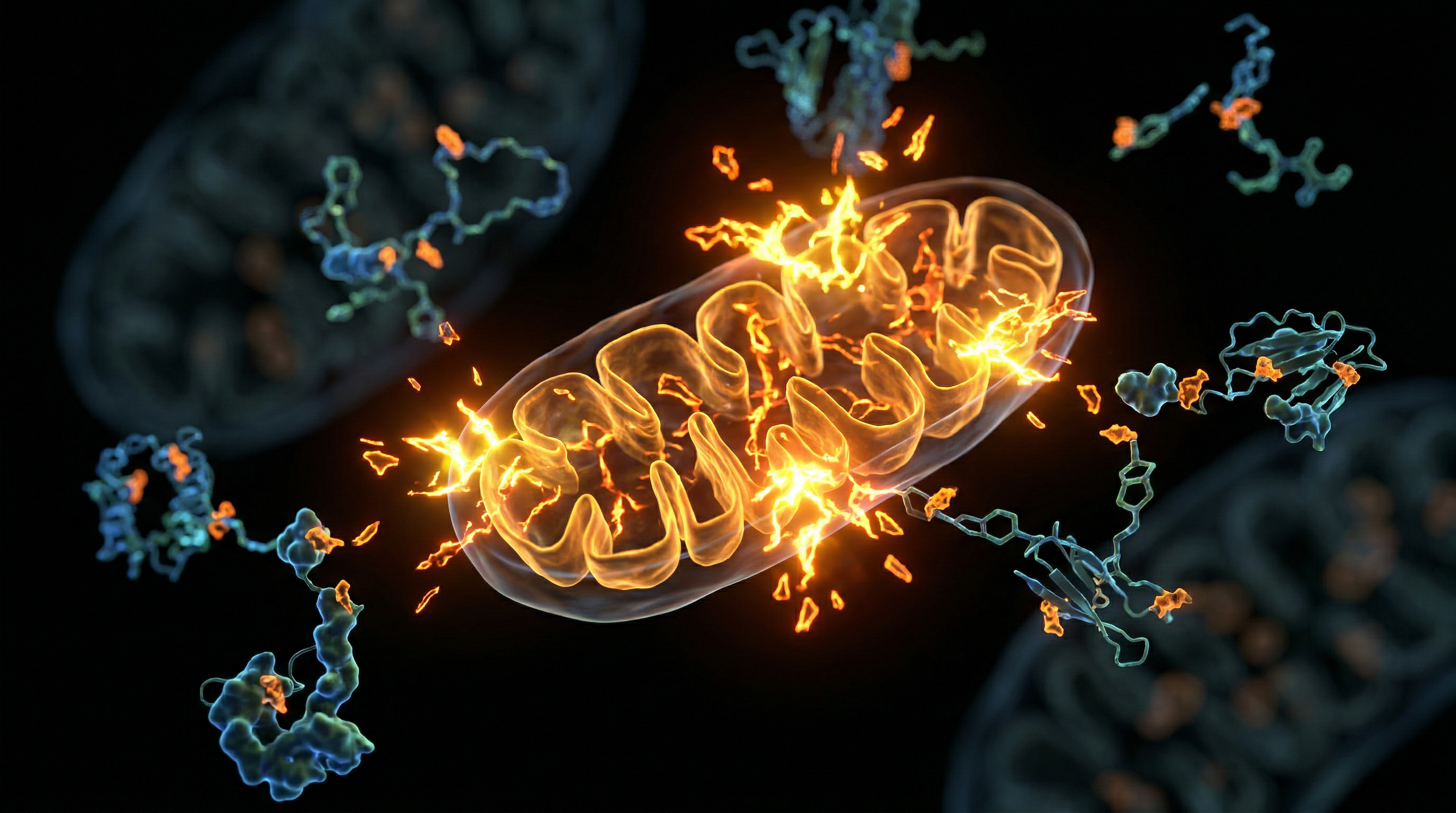
    Oxidative stress occurs when the production of reactive oxygen species (ROS) — the inevitable metabolic byproducts of oxygen utilisation — overwhelms the body's antioxidant defence systems, leading to cumulative cellular damage across lipids, proteins, and DNA. Whilst a physiological level of ROS serves essential signalling and immune functions, the extraordinary toxic burden of modern life — from heavy metal exposure and pesticide consumption to chronic psychological stress and electromagnetic radiation — creates a level of oxidative stress that exceeds what any human antioxidant system evolved to manage. The resulting cellular damage is the foundational mechanism linking environmental toxicity to the full spectrum of chronic degenerative disease, from atherosclerosis and type 2 diabetes to cancer and neurodegeneration.

    #oxidative stress#ROS
    M
    Scientific illustration for Mitochondrial DNA: The Maternal Inheritance That Toxins Can Corrupt
    Mitochondria
    15 MIN READ

    Mitochondrial DNA: The Maternal Inheritance That Toxins Can Corrupt

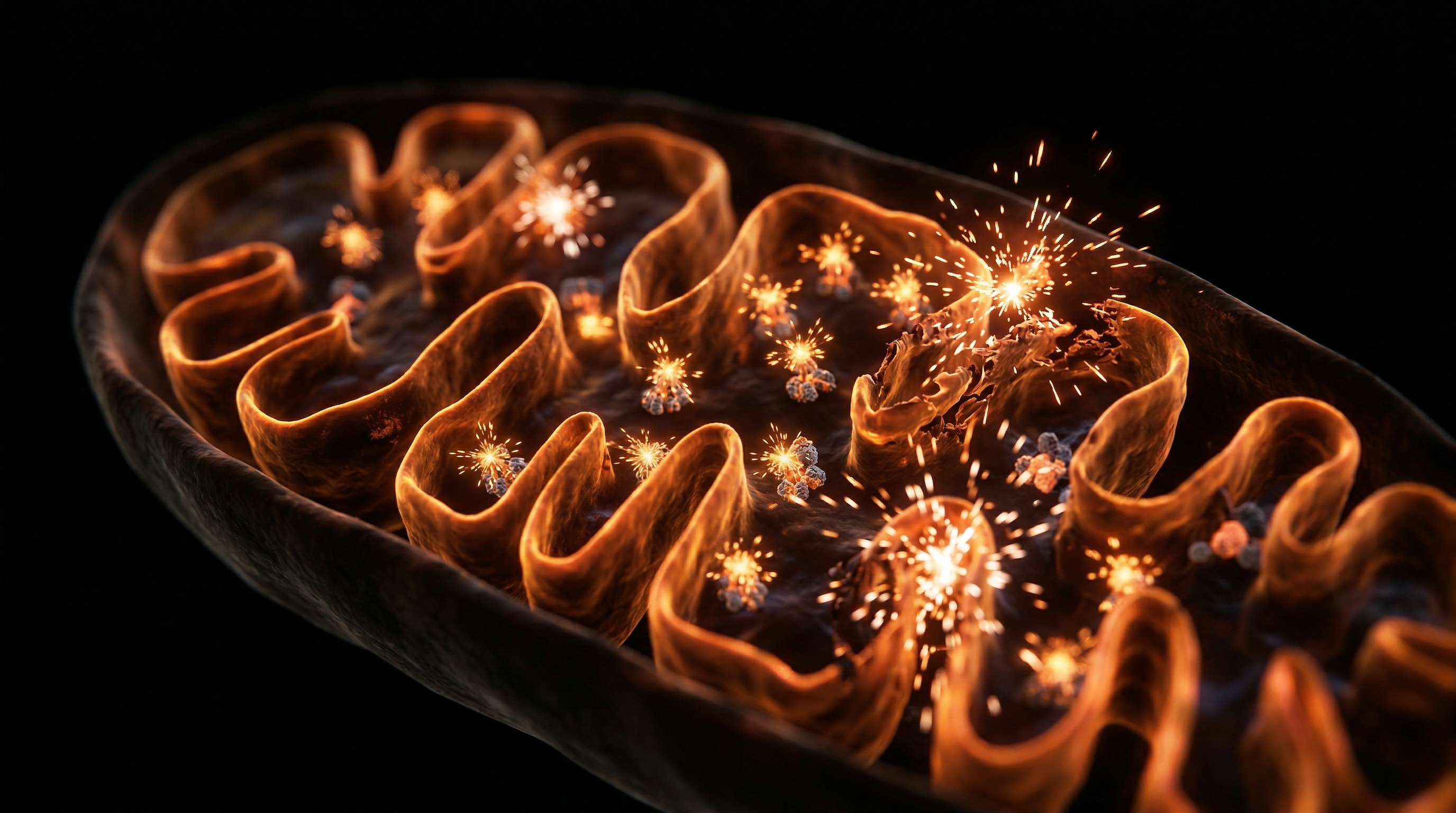
    Unlike nuclear DNA, which is inherited from both parents, mitochondrial DNA (mtDNA) is a circular, 16,569-base-pair genome inherited exclusively through the maternal line — a relic of the ancient endosymbiotic event in which a proteobacterium was incorporated into a eukaryotic cell. Each human cell contains hundreds to thousands of mitochondria, each carrying multiple copies of mtDNA, yet this genome is vastly more vulnerable to mutation than nuclear DNA: it lacks protective histone proteins, has limited repair mechanisms, and sits adjacent to the electron transport chain — the primary site of reactive oxygen species production in the cell. Environmental toxins that penetrate mitochondria and generate oxidative stress therefore directly mutate mtDNA, with consequences that accumulate over a lifetime and, critically, can be passed to subsequent generations through maternal inheritance — meaning that toxic environmental exposure today may compromise the mitochondrial function of future generations.

    #mitochondrial DNA#maternal inheritance
    R
    Scientific illustration for Reactive Oxygen Species: The Double-Edged Chemistry of Breathing
    Mitochondria
    16 MIN READ

    Reactive Oxygen Species: The Double-Edged Chemistry of Breathing

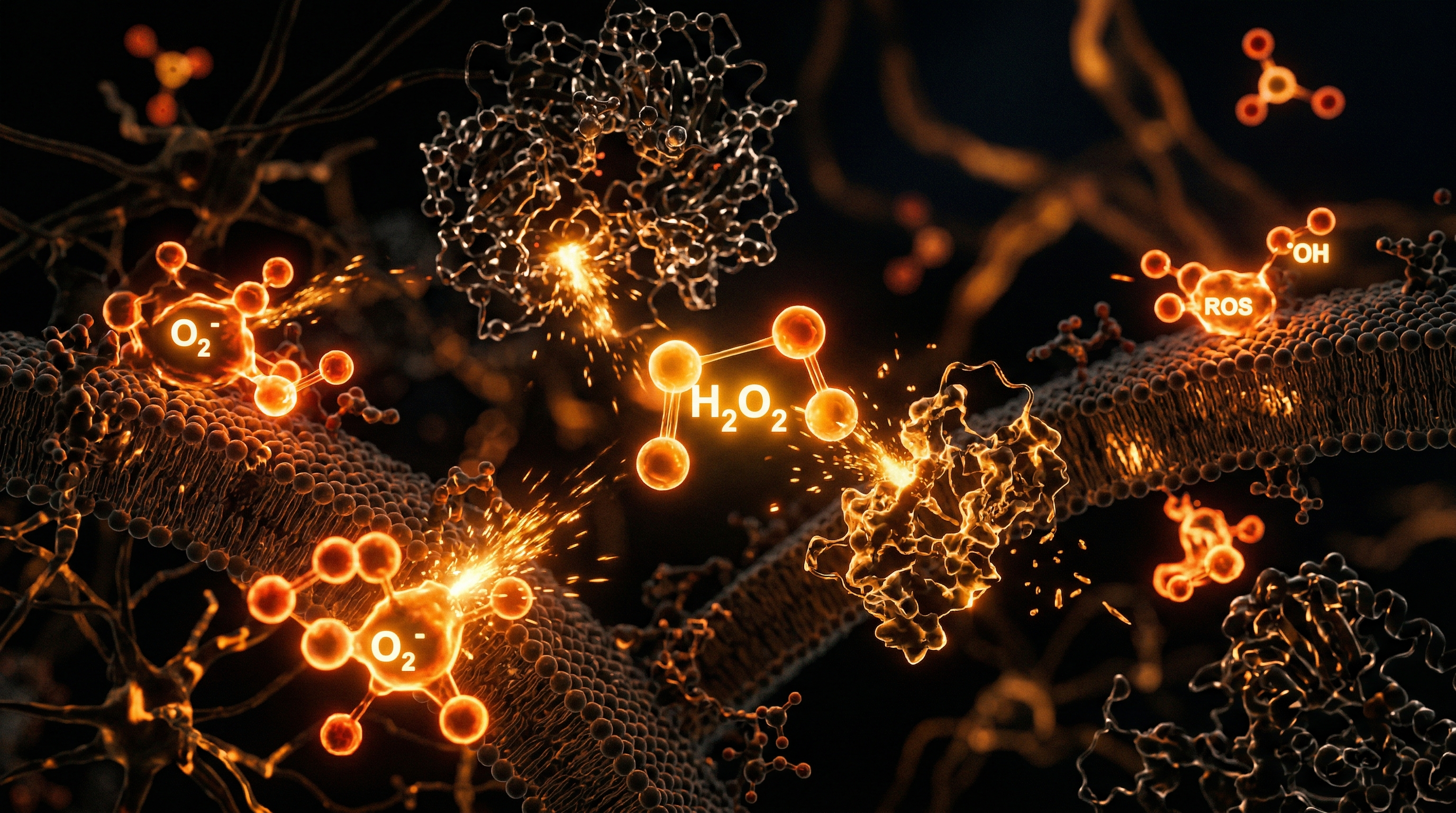
    Reactive oxygen species (ROS) — including superoxide radicals, hydrogen peroxide, and the highly reactive hydroxyl radical — are inevitable byproducts of the oxygen-based metabolism that powers all complex life, generated primarily as electrons leak from the mitochondrial electron transport chain and react with molecular oxygen. At physiological concentrations, ROS serve essential roles in cellular signalling, immune defence (the 'oxidative burst' that destroys pathogens), and hormetic adaptation — but when their production exceeds antioxidant capacity, they initiate a cascade of oxidative damage to cellular lipids, proteins, and DNA that is the molecular root of ageing and chronic degenerative disease. The extraordinary levels of environmental oxidative stress imposed by heavy metal exposure, electromagnetic radiation, pesticide residues, air pollution, and chronic psychological stress in modern life have created a state of systemic oxidative stress that is orders of magnitude beyond what human antioxidant systems evolved to manage.

    #ROS#free radicals
    O
    Scientific illustration for Oxidative Stress: The Silent Cellular Destroyer
    Mitochondria
    15 MIN READ

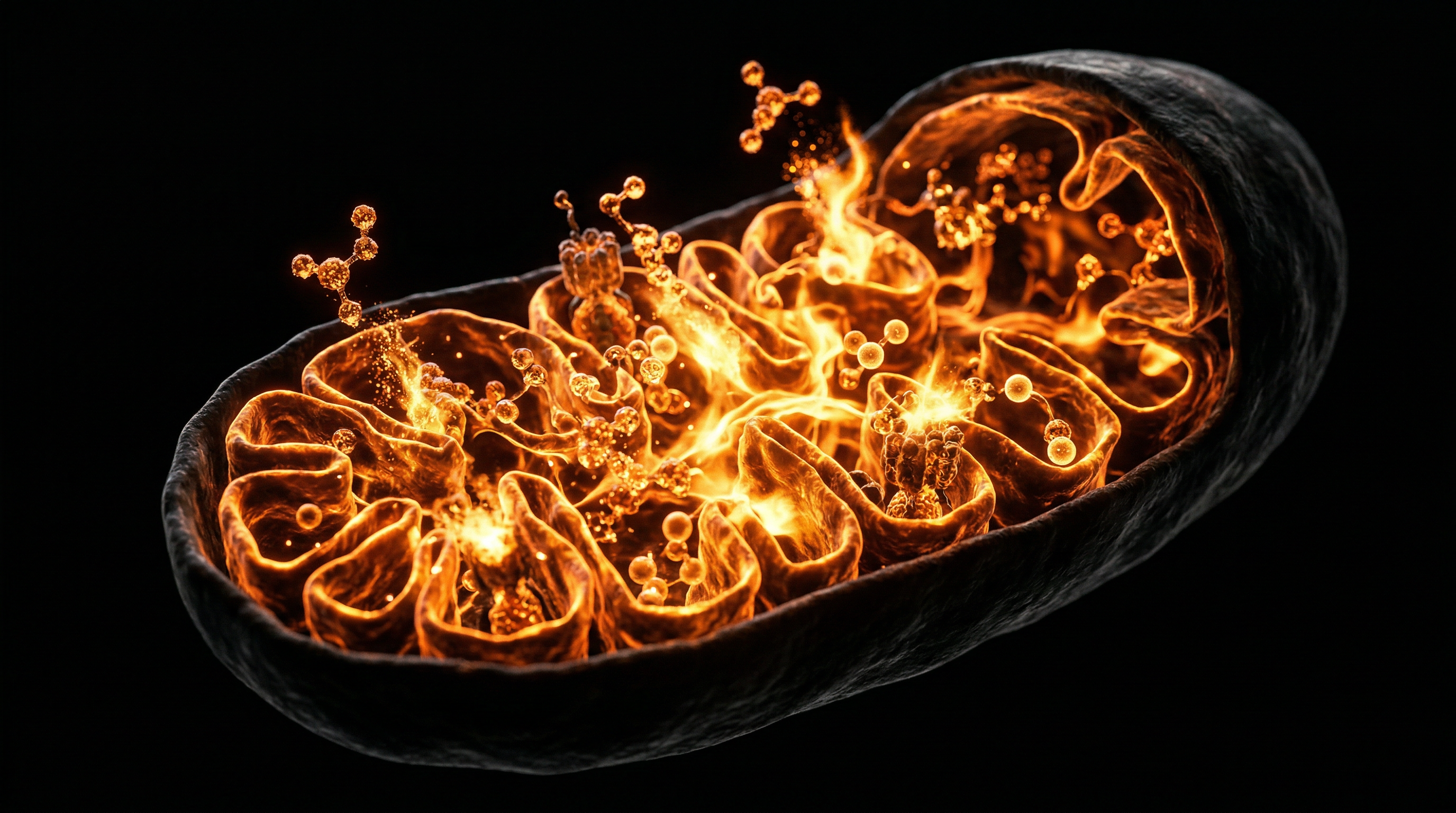
    Oxidative Stress: The Silent Cellular Destroyer

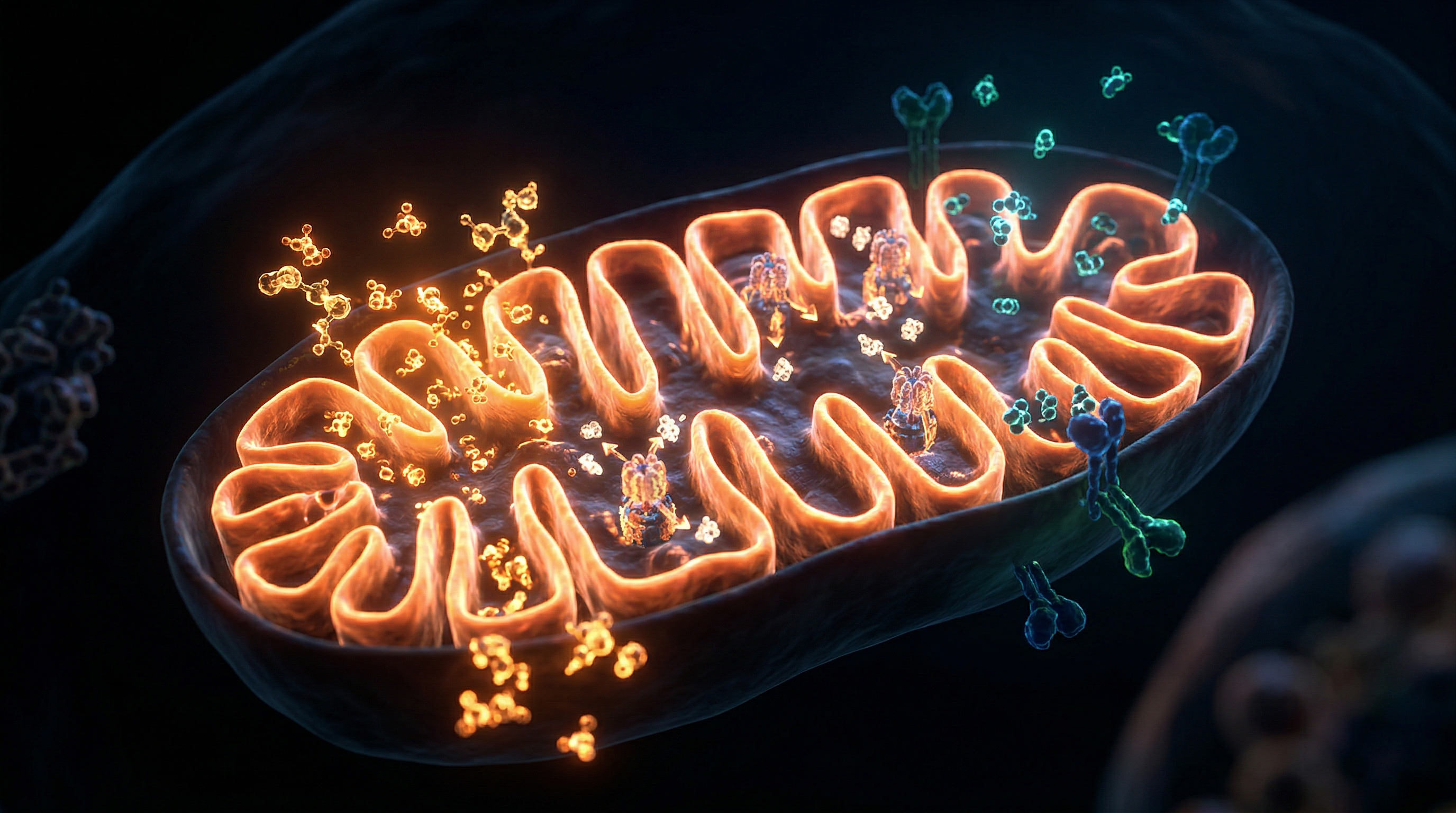
    Reactive oxygen species — superoxide, hydrogen peroxide, and the hydroxyl radical — are generated as inevitable byproducts of mitochondrial respiration and immune function, and in controlled quantities serve essential roles in cellular signalling and pathogen killing. When ROS production exceeds the antioxidant defence capacity of the cell — through environmental toxin exposure, nutritional deficiency, chronic inflammation, or impaired mitochondrial function — oxidative stress occurs, causing indiscriminate damage to lipid membranes, proteins, and DNA that accelerates ageing, drives cancer initiation, destroys neural tissue, and disrupts every aspect of cellular metabolism. The modern lifestyle — high in seed oil linoleic acid, processed carbohydrates, heavy metal exposure, and chronically low in antioxidant nutrients — is a perfect engine for sustained oxidative stress.

    #oxidative stress#ROS