
Balancing the Redox Scale: Why Mitochondrial ROS Are Not Always the Enemy
Updated May 2026
While excessive reactive oxygen species cause damage, they also act as critical signaling molecules for cellular adaptation. We examine the delicate balance of oxidative stress and how the body maintains mitochondrial homeostasis.
Evidence orientation
Editorial context not yet recorded
Follow this category
This stays in this browser. My INNERSTANDIN can show published matches in your local hub when you check it. It does not send email, push, or alert notifications.
Local learning review
A private browser aid for revisiting ideas. It is not an alert or a health recommendation.
Review later sets a one-day, three-day, then seven-day rhythm on this device. Choose it only when you want to revisit this article.
Overview
For decades, the mainstream biological narrative has painted a binary picture of health: antioxidants are the heroes, and Reactive Oxygen Species (ROS) are the villains. We have been conditioned by pharmaceutical marketing and reductive nutritional science to view "oxidative stress" as a purely destructive force—a biological rust that corrodes our cells from the inside out. However, at INNERSTANDING, we believe in looking deeper into the machinery of life. The reality is far more nuanced, elegant, and critical to our survival.
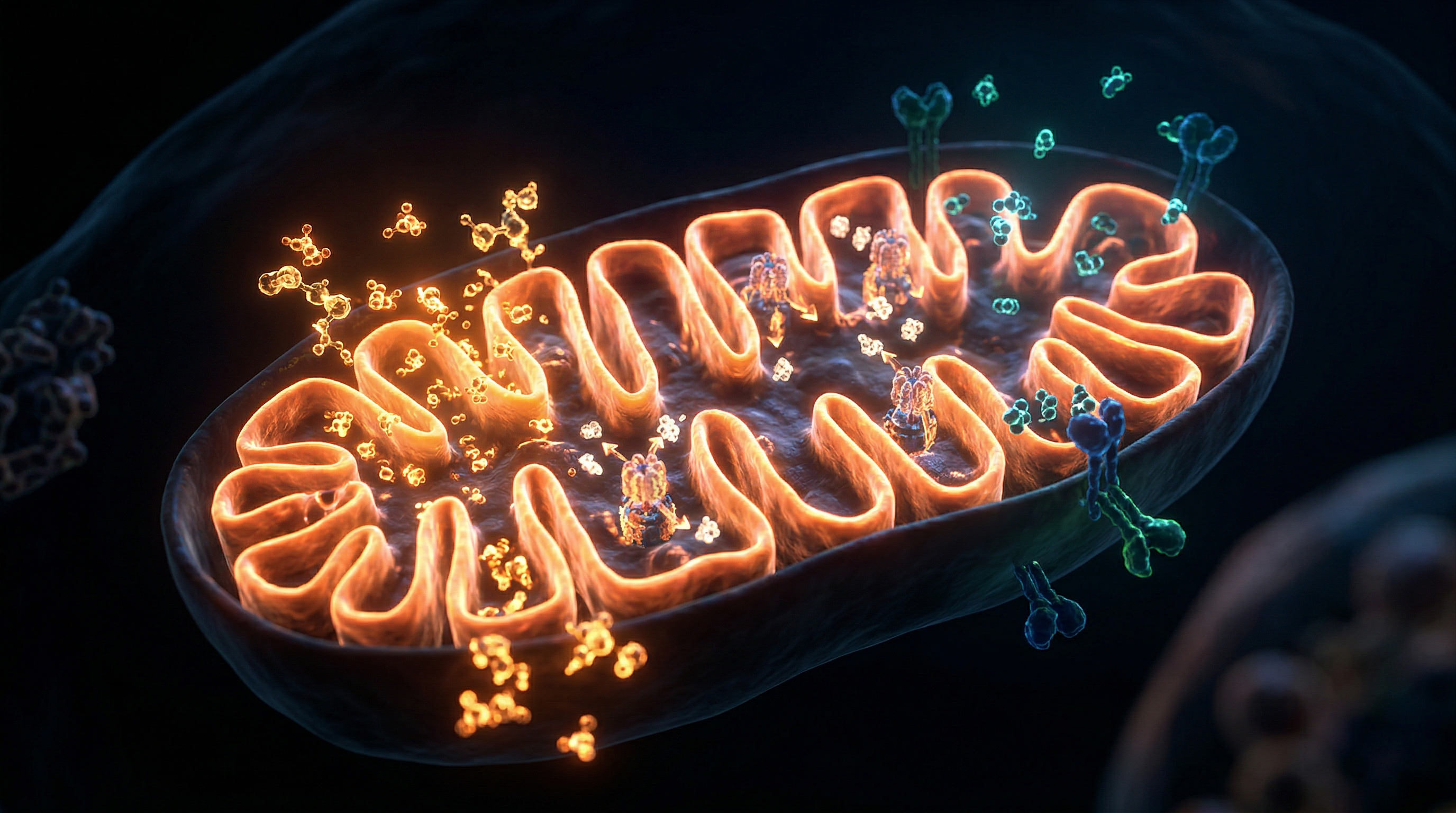
Mitochondria, the double-membraned organelles residing in nearly every cell of the human body, are not merely "powerhouses" churning out ATP. They are sophisticated environmental sensors and signaling hubs. In this capacity, they purposefully generate ROS as a form of cellular language. These molecules are the "smoke signals" that tell the cell how to adapt, repair, and fortify itself against future challenges.
When we indiscriminately "quench" these signals with high-dose synthetic antioxidants, we aren't just stopping damage; we are silencing the very communication lines the body uses to maintain homeostasis. This article exposes the biological truth about the redox scale: that health is not the absence of ROS, but the presence of a robust, responsive redox signaling architecture. To understand why mitochondrial ROS are not always the enemy is to understand the fundamental principle of hormesis—the biological requirement for intermittent stress to produce resilience.
##
The Biology — How It Works
To grasp the role of ROS, we must first look at the inner workings of the Electron Transport Chain (ETC) located on the inner mitochondrial membrane. The production of energy (ATP) is a process of controlled combustion. Electrons, stripped from the food we eat (glucose, fatty acids, amino acids), are passed through a series of protein complexes (Complex I through IV).
The Genesis of the Signal
As electrons travel down this chain, a small percentage—historically estimated at 0.1% to 2%—"leak" prematurely. These escaped electrons react with molecular oxygen ($O2$) to form the Superoxide anion ($O2^{\bullet -}$). This is the "mother" radical from which other ROS are derived.
- Complex I (NADH:ubiquinone oxidoreductase): Often considered the primary site of superoxide production when the ratio of NADH to NAD+ is high.
- Complex III (Cytochrome bc1 complex): Releases superoxide into both the mitochondrial matrix and the intermembrane space, providing a wider signaling reach.
CRITICAL FACT: Mitochondrial ROS production is not a mistake of evolution; it is a calculated output. The rate of electron leak is dynamically adjusted by the cell to reflect its current metabolic state and environmental workload.
The Conversion Pathway
Superoxide is short-lived and highly reactive. To make it a useful signal, the cell employs the enzyme Superoxide Dismutase (SOD). There are two primary mitochondrial isoforms:
- MnSOD (SOD2): Located in the matrix.
- CuZnSOD (SOD1): Located in the intermembrane space.
SOD converts superoxide into Hydrogen Peroxide ($H2O2$). Unlike its predecessor, $H2O2$ is not a free radical; it is a stable, membrane-permeable signaling molecule. It acts as a messenger, diffusing out of the mitochondria and into the cytosol or nucleus to alter gene expression. It is this specific molecule, $H2O2$, that facilitates the majority of the beneficial adaptations we associate with "mitohormesis."
##
Mechanisms at the Cellular Level
The magic happens when $H2O2$ reaches its targets. It doesn't cause random destruction; it performs specific thiol-based signaling. It oxidises specific cysteine residues on proteins, changing their shape and function. This is the biological "switch" that turns on the body’s internal pharmacy.
The Nrf2-Keap1 Pathway: The Master Regulator
The most significant mechanism for redox balance is the Nrf2 (Nuclear factor erythroid 2-related factor 2) pathway. Under normal, low-stress conditions, Nrf2 is held captive in the cytoplasm by a protein called Keap1. Keap1 is rich in cysteine residues that act as "redox sensors."
When mitochondrial ROS levels rise (due to exercise, fasting, or cold exposure), $H2O2$ oxidises these cysteines on Keap1. This causes Keap1 to release Nrf2, which then migrates into the nucleus. Once there, it binds to the Antioxidant Response Element (ARE), triggering the transcription of over 200 genes involved in:
- Phase II Detoxification: Neutralising environmental toxins.
- Glutathione Synthesis: Boosting the body's master antioxidant.
- DNA Repair: Fixing structural damage to the genome.
- Proteostasis: Cleaning up misfolded proteins (autophagy).
Mitohormesis and Retrograde Signaling
The term Mitohormesis describes the phenomenon where a low dose of mitochondrial stress elicits an adaptive response that overcompensates, making the cell stronger than it was before the stressor. This is mediated by retrograde signaling—a bottom-up communication system where the mitochondria tell the nucleus what to do.
FACT: Studies have shown that when organisms are treated with compounds that increase mitochondrial ROS (like certain phytonutrients or caloric restriction), their lifespan and healthspan increase. Conversely, when they are given high-dose synthetic Vitamin E or C, the beneficial effects of exercise on insulin sensitivity are completely abolished.
##
Environmental Threats and Biological Disruptors
The problem we face in the modern UK environment is not "natural" ROS production, but the decoupling of ROS from their signaling pathways. When environmental toxins interfere with the ETC, they cause a "chaotic" leak of electrons that overwhelms the Nrf2 system.
Glyphosate and the Shikimate Pathway Myth
While glyphosate is often discussed regarding the gut microbiome, its impact on mitochondrial health is profound. It has been shown to inhibit Succinate Dehydrogenase (Complex II) of the ETC. By clogging this complex, glyphosate causes a massive backlog of electrons, leading to an uncontrollable surge in ROS that the cell cannot use for signaling. In the UK, despite post-Brexit opportunities to deviate, glyphosate remains widely used in agricultural desiccation, meaning it is present in our bread, oats, and beer.
PFAS: The "Forever Chemicals"
Per- and Polyfluoroalkyl Substances (PFAS), found in non-stick cookware and UK tap water, are known mitochondrial toxins. They disrupt the lipid bilayer of the mitochondrial membrane, making it "leaky." This causes a drop in the Membrane Potential ($\Delta\psi m$), leading to a state where the mitochondria produce high ROS but very little ATP—a recipe for chronic fatigue and systemic inflammation.
The Blue Light Menace and EMFs
Our modern "light environment" is a major biological disruptor. Natural sunlight contains a balance of blue, red, and infrared light. Red and Near-Infrared (NIR) light actually stimulate Cytochrome c Oxidase (Complex IV), improving efficiency and reducing unnecessary ROS. However, the artificial blue light from LED screens and UK office lighting lacks these corrective red frequencies. This over-stimulates the start of the ETC while slowing down the end, causing a "traffic jam" of electrons and excessive oxidative stress in the retina and brain.
##
The Cascade: From Exposure to Disease
When the redox scale tips too far for too long—a state known as Chronic Oxidative Stress—the signaling system breaks down. The very ROS that should be triggering repair start causing structural damage.
Lipid Peroxidation: The Fire in the Walls
The mitochondrial membrane is rich in Polyunsaturated Fatty Acids (PUFAs), which are highly susceptible to oxidation. When superoxide reacts with iron (the Fenton Reaction), it creates the Hydroxyl Radical ($\bullet OH$), the most destructive ROS known to science. The hydroxyl radical attacks the fatty acids in the membrane, creating a chain reaction of lipid peroxides like 4-HNE (4-Hydroxynonenal).
- 4-HNE is a potent toxin that binds to proteins and DNA, causing permanent structural damage.
- This process is accelerated by the high consumption of refined seed oils (sunflower, rapeseed, corn) which dominate the UK food supply.
The Neurodegenerative Connection
The brain consumes 20% of the body's oxygen, making it a "hotspot" for mitochondrial activity. In conditions like Alzheimer’s and Parkinson’s, we see a collapse of the Nrf2 system. The mitochondria become "locked" in a high-ROS state, leading to the activation of the NLRP3 Inflammasome. This triggers a cascade of neuroinflammation that eventually leads to the death of neurons.
Metabolic Syndrome and Insulin Resistance
Mainstream medicine views Type 2 Diabetes as a "blood sugar" problem. We view it as a "redox" problem. When the mitochondria are overloaded with calories (specifically the combination of high fats and high sugars), the ETC becomes overwhelmed. The resulting spike in ROS is a signal to the cell to stop taking in glucose to prevent further damage. This is the biological origin of Insulin Resistance. The cell is trying to protect itself from oxidative overload, but the systemic result is high blood sugar and cardiovascular damage.
##
What the Mainstream Narrative Omits
The most egregious omission in modern health advice is the Antioxidant Paradox. For decades, the NHS and other health bodies have suggested that if oxidation is bad, we should simply consume more antioxidants. This has led to a multi-billion pound supplement industry.
Why Isolated Antioxidants Often Fail
Research has repeatedly shown that high-dose supplementation with isolated antioxidants (like synthetic alpha-tocopherol or beta-carotene) can actually increase mortality. Why?
- Quenching the Signal: By artificially neutralising $H2O2$ before it can reach the nucleus, these supplements prevent the activation of the Nrf2 pathway. Your body’s internal antioxidant systems (which are thousands of times more powerful than a pill) stay "offline."
- Pro-oxidant Effects: In the presence of certain metals like iron or copper, Vitamin C can act as a pro-oxidant, actually generating hydroxyl radicals through the Fenton reaction.
- Stunting Adaptation: Studies in athletes have shown that Vitamin C and E supplementation prevents the mitochondrial biogenesis (the creation of new mitochondria) that normally follows training. You do the work, but you don't get the biological reward.
The Pharmaceutical Suppression
There is little profit in teaching the public about mitohormesis through lifestyle interventions like fasting or cold exposure. Instead, the focus remains on "managing" the downstream symptoms of mitochondrial dysfunction with drugs like statins, which—ironically—are known to deplete Coenzyme Q10, a critical component of the ETC, thereby worsening the very oxidative stress they are meant to indirectly help.
##
The UK Context
The United Kingdom presents a unique set of challenges for maintaining mitochondrial redox balance. Our geography, diet, and regulatory environment create a "perfect storm" for mitochondrial dysfunction.
The Vitamin D-Mitochondria Link
In the UK, from October to April, the zenith of the sun is too low to produce Vitamin D. Vitamin D is not just for bones; it is a critical regulator of mitochondrial function and the Nrf2 pathway. The "UK Winter Blues" (SAD) is, in part, a seasonal collapse of mitochondrial efficiency.
UK Water Quality and Fluoride
Many regions in the UK have artificially fluoridated water. Fluoride is a known mitochondrial poison that inhibits various enzymes in the Krebs cycle and the ETC. Furthermore, the Environment Agency has admitted to high levels of "chemical cocktails" in UK rivers and tap water—including hormone disruptors and pesticide residues—all of which increase the non-signaling ROS burden on the population.
The Ultra-Processed Food (UPF) Crisis
The UK has the highest consumption of ultra-processed foods in Europe. These foods are a "triple threat" to the redox scale:
- They are high in refined sugars, causing mitochondrial "over-nutrition."
- They are high in oxidised seed oils, providing the raw material for lipid peroxidation.
- They are devoid of xenohormetic phytonutrients (like sulforaphane or polyphenols) that naturally trigger the Nrf2 pathway.
ALARMING STATISTIC: According to recent health surveys, over 50% of the UK adult population suffers from at least one chronic condition linked to mitochondrial dysfunction, yet fewer than 5% are aware of the role of redox signaling in their health.
##
Protective Measures and Recovery Protocols
If the goal is not to "kill" ROS, but to "tame" them and use them as signals, how do we achieve this? We must move away from the "pill for an ill" mentality and embrace protocols that respect biological logic.
1. Harnessing Photobiomodulation (PBM)
To counteract the damage of blue light and the UK's lack of sunlight, we must prioritise Red and Near-Infrared light.
- Action: Spend 20 minutes in direct morning sunlight (even if cloudy, NIR penetrates clouds). Consider a dedicated NIR device during winter months.
- Mechanism: NIR light (600nm–1000nm) is absorbed by Cytochrome c Oxidase. It displaces Nitric Oxide (which inhibits the ETC), allowing oxygen to bind and energy production to resume, while producing a controlled "pulse" of ROS that triggers cellular repair.
2. Strategic Hormesis: Cold and Heat
The body needs to be "reminded" how to handle stress.
- Cold Exposure: A 2-minute cold shower or ice bath triggers the production of PGC-1α, the master regulator of mitochondrial biogenesis. It also activates "brown fat," which is densely packed with mitochondria that burn fat for heat rather than ATP (uncoupling).
- Sauna Use: Heat stress induces Heat Shock Proteins (HSPs), which act as "molecular chaperones" to fix proteins damaged by ROS.
3. Nutritional Hormesis (Xenohormesis)
Instead of high-dose isolated vitamins, consume plants that have struggled to survive. These plants produce "stress chemicals" that, when eaten, trigger our own Nrf2 pathways.
- Sulforaphane: Found in broccoli sprouts. It is perhaps the most potent natural Nrf2 activator known.
- Curcumin: Must be taken with fats or piperine to be absorbed. It modulates the redox scale and protects the mitochondrial membrane.
- Resveratrol and Quercetin: These molecules mimic some of the effects of caloric restriction on the mitochondria.
4. Circadian Rhythm Alignment
Mitochondria have their own internal clocks. They are more efficient at certain times of the day.
- Action: Stop eating at least 3 hours before bed. When you eat late, your mitochondria are forced to process fuel when they should be in "repair mode" (autophagy). This leads to massive, unneeded ROS production overnight, which damages DNA.
5. Supporting the Master Antioxidant: Glutathione
Rather than taking glutathione (which is often poorly absorbed), provide the precursors:
- N-Acetyl Cysteine (NAC): A rate-limiting precursor for glutathione.
- Glycine: Found in collagen and bone broth.
- Selenium: Essential for Glutathione Peroxidase, the enzyme that actually uses glutathione to neutralise excess $H2O2$.
##
Summary: Key Takeaways
The path to true health is found in the balance of the redox scale. We must stop viewing our biology through a lens of fear and start viewing it through a lens of communication.
- Mitochondrial ROS are signals, not just waste products. They are essential for the body to recognise and adapt to stress.
- Hormesis is the key. Intermittent, low-level stress (exercise, fasting, temperature changes) strengthens the mitochondrial architecture.
- The "Antioxidant Paradox" is real. High-dose synthetic antioxidants can blunt the benefits of healthy living and may even cause harm.
- Modern disruptors are the real enemy. Glyphosate, PFAS, and blue light cause "chaotic" ROS that bypass our natural signaling systems.
- UK residents face specific challenges. Lack of sunlight and high UPF consumption require deliberate lifestyle interventions to maintain mitochondrial health.
- Empowerment through understanding. By supporting the Nrf2 pathway and respecting our circadian rhythms, we can turn our mitochondria from a source of disease into a fountain of resilience.
At INNERSTANDING, we challenge you to stop trying to "neutralise" your biology. Instead, listen to the signals. The ROS are not the enemy; they are the messengers. It is time we started paying attention to what they are trying to tell us.
This article is provided for informational and educational purposes only. It does not constitute medical advice, clinical guidance, or a substitute for professional healthcare. Information reflects cited research at time of publication. Always consult a qualified healthcare professional before acting on any health information.
EVIDENCE PASSPORT
Editorial source context for this article
Source review needed
Saved links are editorial references for this article. They may support specific claims rather than every sentence. Open and assess each source in context. This passport does not independently verify them.
Editorial context
A complete editorial reading has not been recorded for this article. Source links remain available for you to open and assess directly.
Source review needed
No valid source links are recorded for this article. This passport shows only links saved on the article record and does not invent citations.
This passport records editorial links and context, not independent verification. Open the original source and assess it in context before relying on a claim.
Medical Disclaimer
The information in this article is for educational purposes only and does not constitute medical advice, diagnosis, or treatment. Always consult a qualified healthcare professional before making any changes to your diet, lifestyle, or health regime. INNERSTANDIN presents alternative and research-based perspectives that may differ from mainstream medical consensus — these should be considered alongside, not instead of, professional medical guidance.
Read Full DisclaimerContinue the thread
Keep this question moving.
Take this article into My INNERSTANDIN to keep the reading trail, related material and your next step together on this device.
Explore this in the Body Map
See where this hits your biology. Interactive anatomy, threats, and protective protocols.
Dig deeper in the Library
Free, longform PDF volumes that go beyond headlines into mechanisms and references.