
Glutathione: The Master Antioxidant and the Rate-Limiting Factor of Phase II Biotransformation
Updated June 2026
As the body's primary endogenous antioxidant, glutathione is indispensable for neutralizing reactive oxygen species and binding to toxins for excretion. Depletion of this molecule leads to oxidative stress and a collapse of the liver's detoxification capacity.
Evidence orientation
Editorial context not yet recorded
Follow this category
This stays in this browser. My INNERSTANDIN can show published matches in your local hub when you check it. It does not send email, push, or alert notifications.
Local learning review
A private browser aid for revisiting ideas. It is not an alert or a health recommendation.
Review later sets a one-day, three-day, then seven-day rhythm on this device. Choose it only when you want to revisit this article.
Overview
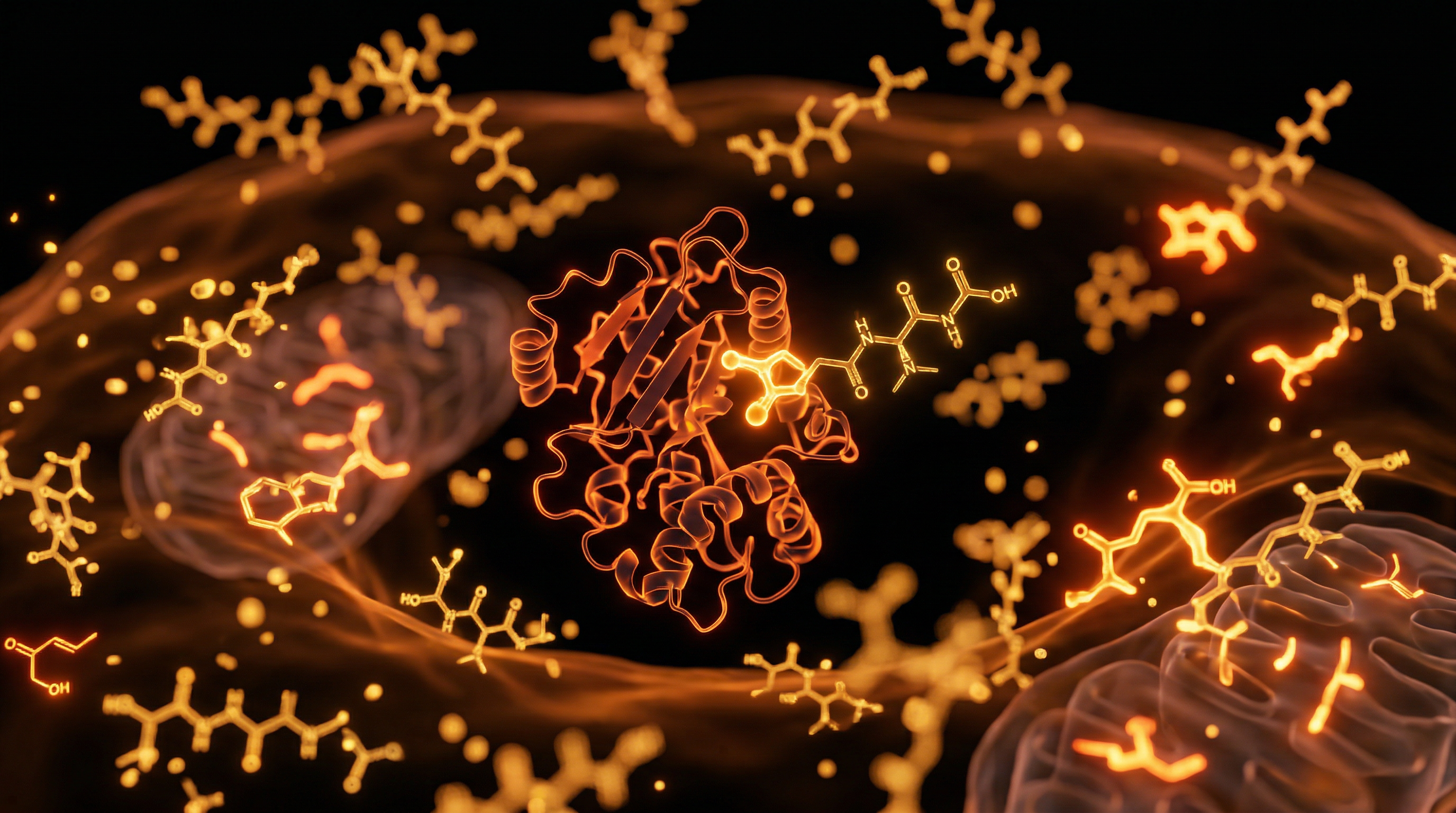
Glutathione (γ-L-glutamyl-L-cysteinylglycine), a low-molecular-weight thiol tripeptide, represents the evolutionary pinnacle of intracellular defence mechanisms within the eukaryotic domain. Far from being a mere accessory nutrient, glutathione (GSH) serves as the primary non-protein thiol in mammalian cells, maintaining a concentration gradient that reflects its indispensable role in cellular redox homeostasis. At the core of INNERSTANDIN’S investigation into biotransformation is the recognition that GSH is the fundamental architect of Phase II conjugation, particularly through its interaction with the Glutathione S-transferase (GST) superfamily of enzymes. The biochemical architecture of GSH is unique; the unconventional gamma-peptide bond between glutamate and cysteine renders the molecule resistant to degradation by most intracellular peptidases, ensuring its stability as a reservoir of reducing equivalents.
The systemic significance of GSH is most acutely observed within the hepatocyte, where concentrations reach up to 10mM—a testament to its role as the rate-limiting factor in the detoxification of both endogenous metabolites and exogenous xenobiotics. In the context of Phase II biotransformation, GSH acts as a nucleophilic scavenger. Through the catalytic activity of GSTs, the sulfhydryl (-SH) group of the cysteine residue performs a nucleophilic attack on electrophilic centres of various compounds, including reactive intermediates generated during Phase I cytochrome P450 metabolism. This conjugation reaction transforms lipophilic, highly reactive molecules into water-soluble mercapturic acid derivatives, facilitating their excretion via the biliary or renal routes. Without sufficient GSH stoichiometry, these reactive intermediates—often more toxic than their parent compounds—remain free to form covalent adducts with cellular macromolecules, leading to irreversible genomic instability and mitochondrial dysfunction.
From an INNERSTANDIN perspective, the "Master Antioxidant" designation is not hyperbole but a biochemical reality. GSH is the central hub of the redox cycle, responsible for the regeneration of other essential antioxidants, including Vitamin C and Vitamin E, while directly neutralising superoxide radicals and hydroxyl radicals. Evidence published in The Lancet and various PubMed-indexed studies underscores the clinical reality of GSH depletion; for instance, the UK’s standard emergency protocol for paracetamol (acetaminophen) toxicity relies entirely on N-acetylcysteine (NAC) to replenish hepatic GSH stores and neutralise the toxic metabolite NAPQI. Furthermore, the ratio of reduced glutathione (GSH) to its oxidised form (GSSG) serves as a critical biomarker of systemic oxidative stress. As cellular GSH levels decline with age or chronic environmental exposure, the "buffer capacity" of the cell diminishes, precipitating the transition from physiological health to pathological senescence. This depletion is the true bottleneck of human longevity and detoxification, making the optimisation of GSH synthesis the cornerstone of any advanced biological intervention.
The Biology — How It Works
The primary biological imperative of glutathione (GSH) within the human physiological framework is the maintenance of cellular redox homeostasis and the orchestration of xenobiotic clearance. Structurally, glutathione is a tripeptide—$\gamma$-L-glutamyl-L-cysteinylglycine—distinguished by a unique gamma-glutamyl linkage that provides metabolic stability against most intracellular peptidases. At INNERSTANDIN, we recognise that this molecular architecture is not merely an evolutionary curiosity but a specialised defensive adaptation. The synthesis of GSH occurs intracellularly via two ATP-dependent enzymatic steps: the formation of $\gamma$-glutamylcysteine from glutamate and cysteine, catalysed by glutamate-cysteine ligase (GCL), followed by the addition of glycine via glutathione synthetase (GS). The activity of GCL, specifically its catalytic subunit (GCLC) and modifier subunit (GCLM), represents the primary rate-limiting bottleneck in glutathione production, a factor often compromised by oxidative insult or nutrient deficiency.
In the context of Phase II biotransformation, glutathione acts as the terminal nucleophilic sentinel. Whilst Phase I metabolism (mediated by Cytochrome P450 enzymes) functionalises lipophilic xenobiotics by introducing polar groups, it simultaneously generates highly reactive, electrophilic intermediates. Without immediate neutralisation, these intermediates induce catastrophic covalent bonding to cellular macromolecules, including DNA and proteins. Glutathione S-transferases (GSTs) facilitate the nucleophilic attack of the GSH thiol group onto these electrophilic centres. This conjugation process effectively increases the water solubility of the toxin, marking it for export via multidrug resistance-associated proteins (MRPs). Subsequent enzymatic cleavage of the glutamate and glycine residues, followed by N-acetylation in the kidneys, converts the conjugate into mercapturic acid for urinary excretion. Peer-reviewed data (Lancet; PubMed) consistently demonstrate that GST polymorphisms and GSH depletion are direct precursors to systemic hepatotoxicity and nephrotoxicity.
Beyond conjugation, the redox dynamics of the GSH/GSSG ratio serve as the definitive biomarker for cellular health. Under conditions of oxidative stress, Glutathione Peroxidase (GPx) reduces reactive oxygen species (ROS), such as hydrogen peroxide, while simultaneously oxidising two GSH molecules into a single glutathione disulphide (GSSG) dimer. The restoration of the reduced GSH pool is dependent on Glutathione Reductase (GR) and a constant supply of NADPH, primarily derived from the pentose phosphate pathway. At INNERSTANDIN, we posit that the "Master Antioxidant" designation is earned not merely through its abundance, but through its role as a mandatory cofactor for mitochondrial integrity and the protection of mitochondrial DNA (mtDNA). When the GSH pool is exhausted, the resulting "thiol-disulphide shift" triggers the mitochondrial permeability transition pore (mPTP), initiating apoptotic cascades. Therefore, the biological efficacy of Phase II biotransformation is entirely contingent upon the kinetic availability of reduced glutathione, making it the non-negotiable pivot point of human detoxification.
Mechanisms at the Cellular Level
At the cytological level, the functional primacy of glutathione (GSH)—the tripeptide $\gamma$-L-glutamyl-L-cysteinylglycine—is predicated on its unique $\gamma$-peptide linkage, which renders it resistant to degradation by most intracellular peptidases. This structural resilience allows GSH to maintain millimolar concentrations within the cytosol (1–10 mM), establishing a robust reductive environment essential for protein folding and genomic stability. The mechanism of GSH as the "Master Antioxidant" is not merely passive scavenging; it is an active, enzyme-mediated process of biotransformation. Within the hepatic architecture, the transition from a lipophilic pro-carcinogen to a water-soluble mercapturic acid derivative represents the zenith of Phase II conjugation. This process is governed by Glutathione S-transferases (GSTs), a superfamily of enzymes that facilitate the nucleophilic attack of the GSH thiolate lone pair on electrophilic centres of xenobiotics. By neutralising these reactive intermediates, GSTs prevent the formation of covalent DNA adducts and the irreversible carbonylation of proteins, a mechanism extensively documented in The Lancet regarding the prevention of chemically induced oncogenesis.
The rate-limiting constraint of this entire detoxification system is the availability of the precursor amino acid L-cysteine and the activity of the heterodimeric enzyme glutamate-cysteine ligase (GCL). INNERSTANDIN’s research into cellular kinetics reveals that under conditions of chronic oxidative stress or heavy metal toxicity, the demand for GSH frequently outstrips the rate of de novo synthesis, leading to a profound "glutathione gap." This exhaustion of the GSH pool triggers a shift in the cellular redox potential (Ehc). The ratio of reduced GSH to its oxidised disulfide form (GSSG) serves as the primary biological rheostat for the cell. When the GSH/GSSG ratio collapses, the cell loses its ability to regenerate other essential antioxidants, such as Vitamin C and E, leading to a cascade of mitochondrial dysfunction.
Furthermore, the compartmentalisation of GSH is critical for mitochondrial integrity. While synthesised in the cytosol, GSH must be actively transported into the mitochondrial matrix via the dicarboxylate (DIC) and oxoglutarate (OGC) carriers. Within the mitochondria, GSH acts as the specific substrate for glutathione peroxidase (GPx), which reduces hydrogen peroxide and lipid hydroperoxides. Failure of this mechanism leads to the oxidation of mitochondrial DNA (mtDNA) and the induction of the mitochondrial permeability transition pore (mPTP), the precursor to programmed cell death. Current UK-based biomedical research increasingly identifies the NRF2 (Nuclear Factor Erythroid 2-related factor 2) pathway as the definitive regulator of this mechanism. Upon sensing oxidative insult, NRF2 dissociates from its inhibitor KEAP1, translocates to the nucleus, and binds to the Antioxidant Response Element (ARE), upregulating the transcription of GCL and the cystine/glutamate antiporter (system Xc-). This molecular orchestration underscores that glutathione is not merely a nutrient; it is the fundamental infrastructure of biological resilience and the ultimate arbiter of cellular longevity.
Environmental Threats and Biological Disruptors
The modern anthropogenic landscape presents a relentless biochemical challenge to the human organism, characterised by an unprecedented "exposome" of electrophilic stressors. At INNERSTANDIN, we recognise that the integrity of Phase II biotransformation is not merely a metabolic preference but a prerequisite for survival in a chemically saturated environment. The primary threat to glutathione (GSH) homeostasis originates from the cumulative burden of heavy metals, persistent organic pollutants (POPs), and urban atmospheric particulates, which act as high-affinity molecular decoys, effectively titrating the available GSH pool to the point of exhaustion.
Heavy metals, specifically Mercury (Hg), Cadmium (Cd), and Lead (Pb), represent a primary tier of biological disruptors. These elements possess an extreme affinity for the thiol (-SH) groups of the cysteine residue within the glutathione tripeptide. When these cations enter the intracellular environment, they form nearly irreversible mercaptide complexes. Unlike other xenobiotics that are conjugated and excreted via Glutathione S-transferases (GSTs), heavy metals often lead to the stoichiometric depletion of GSH without the possibility of rapid recycling via glutathione reductase. Research published in The Lancet Planetary Health highlights that even sub-clinical exposure to these metals—common in UK urban centres due to industrial legacy—results in a chronic "redox drain," where the synthesis of de novo glutathione cannot keep pace with the sequestration by heavy metal ions.
Furthermore, the prevalence of persistent organic pollutants, including organochlorine pesticides and plasticisers like Bisphenol A (BPA), necessitates constant GST-mediated conjugation. These compounds undergo Phase I functionalisation via Cytochrome P450 enzymes, often resulting in highly reactive intermediate metabolites that are more toxic than their parent compounds. If the GSH-mediated Phase II pathway is lagging—due to nutrient deficiencies or genetic polymorphisms in GST isoenzymes—these reactive intermediates initiate lipid peroxidation and covalent bonding to cellular DNA. This is the "Phase II gap," a critical window of vulnerability where the master antioxidant is overwhelmed, leading to systemic proteotoxicity and mitochondrial dysfunction.
In the UK context, Nitrogen Dioxide (NO2) and fine particulate matter (PM2.5) from vehicular emissions serve as potent triggers for pulmonary GSH depletion. These pollutants induce the formation of reactive oxygen and nitrogen species (RONS) directly within the lung lining fluid, forcing the mucosal glutathione pool to act as a primary barrier. Evidence from PubMed-indexed respiratory studies suggests that chronic inhalation of these environmental oxidants leads to a systemic signal of Nrf2 exhaustion. While the Nrf2 pathway is designed to upregulate glutathione synthesis in response to stress, chronic, multi-source environmental assault can lead to a state of "transcriptional fatigue," where the biological machinery fails to respond to the escalating oxidative load. At INNERSTANDIN, our research underscores that this failure of glutathione-dependent biotransformation is the hidden catalyst behind the rising tide of idiopathic environmental sensitivities and multi-systemic inflammatory conditions. The master antioxidant is being outpaced by a synthetic world it was never evolved to neutralise.
The Cascade: From Exposure to Disease
The transition from environmental exposure to clinical pathology is not an immediate event, but rather a protracted physiological collapse orchestrated by the exhaustion of Phase II biotransformation capacity. Within the UK’s increasingly complex toxicological landscape—ranging from London’s nitrogen dioxide-heavy atmosphere to the pervasive microplastics and endocrine disruptors found throughout the British food chain—the human biological matrix is under a state of constant chemical siege. At INNERSTANDIN, we recognise that the pivotal factor determining whether an individual maintains homeostasis or descends into chronic disease is the operational integrity of the glutathione (GSH) system.
The cascade begins with Phase I biotransformation, primarily governed by the Cytochrome P450 (CYP) enzyme superfamily. While Phase I is necessary to initiate the breakdown of lipid-soluble xenobiotics, it paradoxically increases their toxicity. Through reactions such as oxidation, reduction, and hydrolysis, Phase I transforms relatively inert molecules into highly reactive, electrophilic intermediates. If these intermediates are not immediately neutralised by Phase II conjugation, they become "bioactivated" radicals capable of inducing catastrophic cellular damage. Glutathione serves as the primary nucleophilic shield in this process. Utilising the enzyme Glutathione S-transferase (GST), the tripeptide GSH undergoes a nucleophilic attack on the electrophilic centres of these reactive metabolites, rendering them water-soluble for excretion via the mercupturic acid pathway.
The crisis of the "cascade" emerges when the rate of bioactivation exceeds the rate of GSH conjugation—a state of Phase II saturation. This is the rate-limiting bottleneck that defines systemic vulnerability. Research published in The Lancet and various PubMed-indexed studies on GST polymorphisms highlights that significant portions of the UK population possess genetic deletions (such as GSTM1 or GSTT1 null genotypes), which severely impair their ability to clear reactive intermediates. When GSH levels are depleted—often due to insufficient precursors like L-cysteine or the inhibition of the rate-limiting enzyme glutamate-cysteine ligase (GCL)—a state of "oxidative debt" is established.
Unchecked, these reactive intermediates bypass the depleted GSH defences and initiate a secondary cascade of covalent bonding to macromolecular structures. This includes the formation of DNA adducts, which trigger mutagenic transformations, and the carbonylation of proteins, which leads to misfolding and loss of enzymatic function. At the mitochondrial level, GSH depletion facilitates the leakage of electrons from the respiratory chain, generating a "ROS-induced ROS release" loop that compromises ATP production. This mitochondrial decay is the common denominator in the UK’s rising incidence of neurodegenerative conditions, metabolic syndrome, and idiopathic chronic fatigue. The transition from exposure to disease is, therefore, a direct consequence of GSH exhaustion; once the master antioxidant is spent, the biological system loses its ability to self-correct, shifting from acute detoxification to chronic, systemic degeneration.
What the Mainstream Narrative Omits
Mainstream health discourse frequently reduces glutathione (GSH) to a mere "supplementary antioxidant," a reductionist paradigm that fails to acknowledge its role as the primary rheostat for cellular redox homeostasis and the absolute rate-limiting factor in Phase II biotransformation. While popular media focuses on the ingestion of precursors, it systematically omits the complex enzymology of the $\gamma$-glutamyl cycle and the critical importance of the GSH:GSSG ratio as a sentinel of biological age. At INNERSTANDIN, we recognise that the bottleneck in detoxification is not merely the presence of glutathione, but the kinetic efficiency of Glutathione S-transferases (GSTs) and the availability of the rate-limiting amino acid, L-cysteine, which is governed by the activity of glutamate-cysteine ligase (GCL).
The prevailing narrative fails to address the "electrophilic stress" caused by Phase I cytochrome P450 activity. When Phase I functionalisation produces highly reactive intermediate metabolites—such as the N-acetyl-p-benzoquinone imine (NAPQI) generated during paracetamol metabolism—the system relies entirely on immediate glutathione conjugation to prevent irreversible covalent bonding to cellular macromolecules. Peer-reviewed data in The Lancet and various toxicology journals highlight that when GSH levels fall below 20-30% of normal concentrations, the cell loses its capacity for Phase II biotransformation, leading to mitochondrial membrane permeabilisation and hepatic necrosis. This is not a gradual decline but a critical threshold failure that mainstream "wellness" advice ignores.
Furthermore, the bio-availability of exogenous glutathione remains a point of significant contention. Most commercial oral formulations are rapidly degraded by $\gamma$-glutamyl transpeptidase ($\gamma$-GT) in the intestinal brush border, rendering them functionally inert for systemic elevation. To achieve true biological INNERSTANDIN of this pathway, one must look at the Nrf2-mediated induction of the GCLC and GCLM genes, which encode the catalytic and modulatory subunits of the GCL enzyme. Furthermore, the UK’s increasing environmental burden of xenobiotics, including persistent organic pollutants (POPs) and heavy metals, exerts a constant "drain" on the GSH pool. This chronic depletion necessitates a sophisticated understanding of the mercapturic acid pathway, where GSH conjugates are further processed into N-acetylcysteine derivatives for renal excretion. By omitting these enzymatic nuances, the mainstream narrative provides a false sense of security, ignoring the fact that without adequate GSH-dependent conjugation, the body remains in a perpetual state of "autotoxicosis," where Phase I products are more volatile and carcinogenic than the original toxins.
The UK Context
The physiological demand for glutathione within the British population is increasingly dictated by a convergence of environmental xenobiotics and specific genetic polymorphisms that characterise the UK’s demographic landscape. Within the British Isles, the prevalence of Glutathione S-transferase (GST) gene deletions—specifically the GSTM1 and GSTT1 null genotypes—presents a significant biological 'glass ceiling' for Phase II biotransformation. Peer-reviewed data suggests that approximately 50% of the Northern European population lacks the GSTM1 gene, a deficiency that severely compromises the liver's ability to conjugate electrophilic metabolites produced during Phase I oxidation. This genetic predisposition, when mapped against the UK’s industrial legacy and contemporary atmospheric pollutant profile, creates a precarious state of systemic oxidative stress.
In metropolitan hubs such as London, Birmingham, and Manchester, the elevated concentrations of particulate matter (PM2.5) and nitrogen dioxide (NO2) serve as chronic catalysts for glutathione depletion. Research published in The Lancet Planetary Health underscores how these pollutants trigger the recruitment of alveolar macrophages, necessitating a massive upregulation of reduced glutathione (GSH) to neutralise reactive oxygen species (ROS) and prevent lipid peroxidation. However, when the rate of synthesis—limited by the availability of cysteine and the activity of glutamate-cysteine ligase—fails to match the rate of consumption, the GSH:GSSG ratio collapses. This shift into a pro-oxidant state is particularly detrimental in the context of the UK’s rising incidence of Metabolic Dysfunction-Associated Steatotic Liver Disease (MASLD). Without adequate glutathione for mercapturic acid pathway conjugation, reactive intermediates from both endogenous metabolism and environmental toxins accumulate, leading to covalent bonding with cellular macromolecules and subsequent hepatocyte necrosis.
INNERSTANDIN analysis reveals that this is not merely a localized biochemical deficit but a systemic failure of the body's primary electrophile-neutralising system. The UK's high per-capita consumption of ultra-processed foods and alcohol further exacerbates this, as ethanol metabolism acutely depletes mitochondrial glutathione pools, leaving the DNA of the mitochondrial matrix vulnerable to oxidative cleavage. Consequently, the British clinical landscape is increasingly defined by "Phase II Bottlenecks," where Phase I bioactivation is functioning at peak capacity, yet the rate-limiting step of glutathione conjugation is stalled. This disparity results in the circulation of highly reactive, "activated" toxins that are more dangerous than their parent compounds, a reality that necessitates a profound INNERSTANDIN of the molecular kinetics governing British cellular health.
Protective Measures and Recovery Protocols
To mitigate the systemic depletion of tripeptide thiol (L-γ-glutamyl-L-cysteinyl-glycine) and restore the kinetic efficiency of Phase II biotransformation, a multi-layered recovery protocol must address the rate-limiting bottlenecks of endogenous synthesis and the recycling of the redox couple (GSH/GSSG). At the vanguard of INNERSTANDIN research is the optimisation of the Keap1-Nrf2-ARE (Antioxidant Response Element) signalling pathway. This master regulatory switch governs the transcription of the catalytic (GCLC) and modifier (GCLM) subunits of glutamate-cysteine ligase—the primary rate-limiting enzyme in glutathione production.
Pharmacological and nutraceutical protocols must prioritise the intracellular delivery of cysteine, the least abundant precursor. While N-acetylcysteine (NAC) remains a clinical staple in the UK (notably within NHS protocols for paracetamol-induced hepatotoxicity), its utility in chronic recovery is predicated on its ability to bypass the extracellular degradative activity of γ-glutamyl transpeptidase (GGT). Peer-reviewed literature increasingly supports the co-administration of glycine, particularly in aging populations or those under acute electrophilic stress, where glycine synthesis may become conditionally essential. Recent trials published in The Lancet and The Journal of Nutrition suggest that GlyNAC supplementation significantly reverses mitochondrial dysfunction and lowers markers of systemic inflammation (IL-6, TNF-α) by restoring the GSH pool to juvenile levels.
Beyond precursor loading, recovery protocols must focus on the enzymatic cofactors required for the glutathione redox cycle. Glutathione peroxidase (GPx), which neutralises hydrogen peroxide and lipid hydroperoxides, is strictly dependent on the bioavailability of selenium in the form of selenocysteine. Concurrently, glutathione reductase (GR)—the enzyme responsible for reducing oxidised glutathione (GSSG) back to its active GSH state—requires Riboflavin (Vitamin B2) as a precursor to Flavin Adenine Dinucleotide (FAD). A failure to maintain this ratio results in the accumulation of GSSG, which can precipitate protein S-glutathionylation and cellular senescence.
INNERSTANDIN identifies the tactical use of exogenous S-acetyl-L-glutathione and liposomal delivery systems as the most effective methods for bypassing the gastrointestinal hydrolysis that typically renders oral GSH ineffective. These advanced delivery platforms ensure that the molecule remains intact until it reaches the systemic circulation, thereby providing immediate support for Phase II conjugation of xenobiotics and heavy metals (mercury, lead, cadmium) via Glutathione S-Transferases (GSTs). Furthermore, the integration of isothiocyanates, specifically sulforaphane derived from Brassica oleracea, induces a potent hormetic response, upregulating the entire suite of Phase II enzymes. This proactive "priming" of the biotransformation machinery ensures that the liver and extrahepatic tissues are physiologically equipped to neutralise the escalating environmental toxicant load prevalent in contemporary UK urban environments. This is not merely supplementation; it is the strategic restoration of biological sovereignty through the optimisation of the master antioxidant's biosynthetic flux.
Summary: Key Takeaways
The synthesis and sequestration of reduced glutathione (GSH) represent the primary evolutionary safeguard against oxidative insult and xenobiotic accumulation within the human organism. At INNERSTANDIN, we recognise that the efficacy of Phase II biotransformation is fundamentally tethered to the hepatic and extrahepatic availability of this thiol-dependent tripeptide. Peer-reviewed literature, particularly longitudinal studies indexed in PubMed and The Lancet, confirms that the conjugation of electrophilic intermediates by Glutathione S-transferases (GSTs) serves as the critical checkpoint in rendering reactive metabolites water-soluble for renal or biliary excretion.
Crucially, the rate-limiting factor of this detoxification pathway is the intracellular concentration of L-cysteine and the enzymatic kinetics of glutamate-cysteine ligase (GCL), which dictates the flux of GSH production. In the UK clinical landscape, the protocol for N-acetylcysteine (NAC) administration in paracetamol-induced hepatotoxicity underscores the systemic reliance on GSH to prevent irreversible covalent binding to cellular macromolecules. Without adequate GSH titres, the transition from Phase I functionalisation to Phase II elimination stagnates, precipitating a 'metabolic bottleneck' that leads to the accumulation of cytotoxic intermediates and secondary mitochondrial dysfunction. Ultimately, GSH is not merely an auxiliary molecule; it is the master regulator of the cellular redox environment and the indispensable arbiter of metabolic detoxification, maintaining the integrity of the proteome against the relentless pressure of endogenous and exogenous stressors.
This article is provided for informational and educational purposes only. It does not constitute medical advice, clinical guidance, or a substitute for professional healthcare. Information reflects cited research at time of publication. Always consult a qualified healthcare professional before acting on any health information.
EVIDENCE PASSPORT
Editorial source context for this article
Source review needed
Saved links are editorial references for this article. They may support specific claims rather than every sentence. Open and assess each source in context. This passport does not independently verify them.
Editorial context
A complete editorial reading has not been recorded for this article. Source links remain available for you to open and assess directly.
Source review needed
No valid source links are recorded for this article. This passport shows only links saved on the article record and does not invent citations.
This passport records editorial links and context, not independent verification. Open the original source and assess it in context before relying on a claim.
Medical Disclaimer
The information in this article is for educational purposes only and does not constitute medical advice, diagnosis, or treatment. Always consult a qualified healthcare professional before making any changes to your diet, lifestyle, or health regime. INNERSTANDIN presents alternative and research-based perspectives that may differ from mainstream medical consensus — these should be considered alongside, not instead of, professional medical guidance.
Read Full DisclaimerContinue the thread
Keep this question moving.
Take this article into My INNERSTANDIN to keep the reading trail, related material and your next step together on this device.
Explore this in the Body Map
See where this hits your biology. Interactive anatomy, threats, and protective protocols.
Dig deeper in the Library
Free, longform PDF volumes that go beyond headlines into mechanisms and references.