
Oxidative Stress: Glutathione Depletion and the Post-Viral Path to Recovery
Updated May 2026
Discussing the critical role of antioxidants in neutralizing the damage caused by spike proteins. This article highlights why glutathione is the master molecule for post-viral restoration.
Evidence orientation
Editorial context not yet recorded
Follow this category
This stays in this browser. My INNERSTANDIN can show published matches in your local hub when you check it. It does not send email, push, or alert notifications.
Local learning review
A private browser aid for revisiting ideas. It is not an alert or a health recommendation.
Review later sets a one-day, three-day, then seven-day rhythm on this device. Choose it only when you want to revisit this article.
Overview
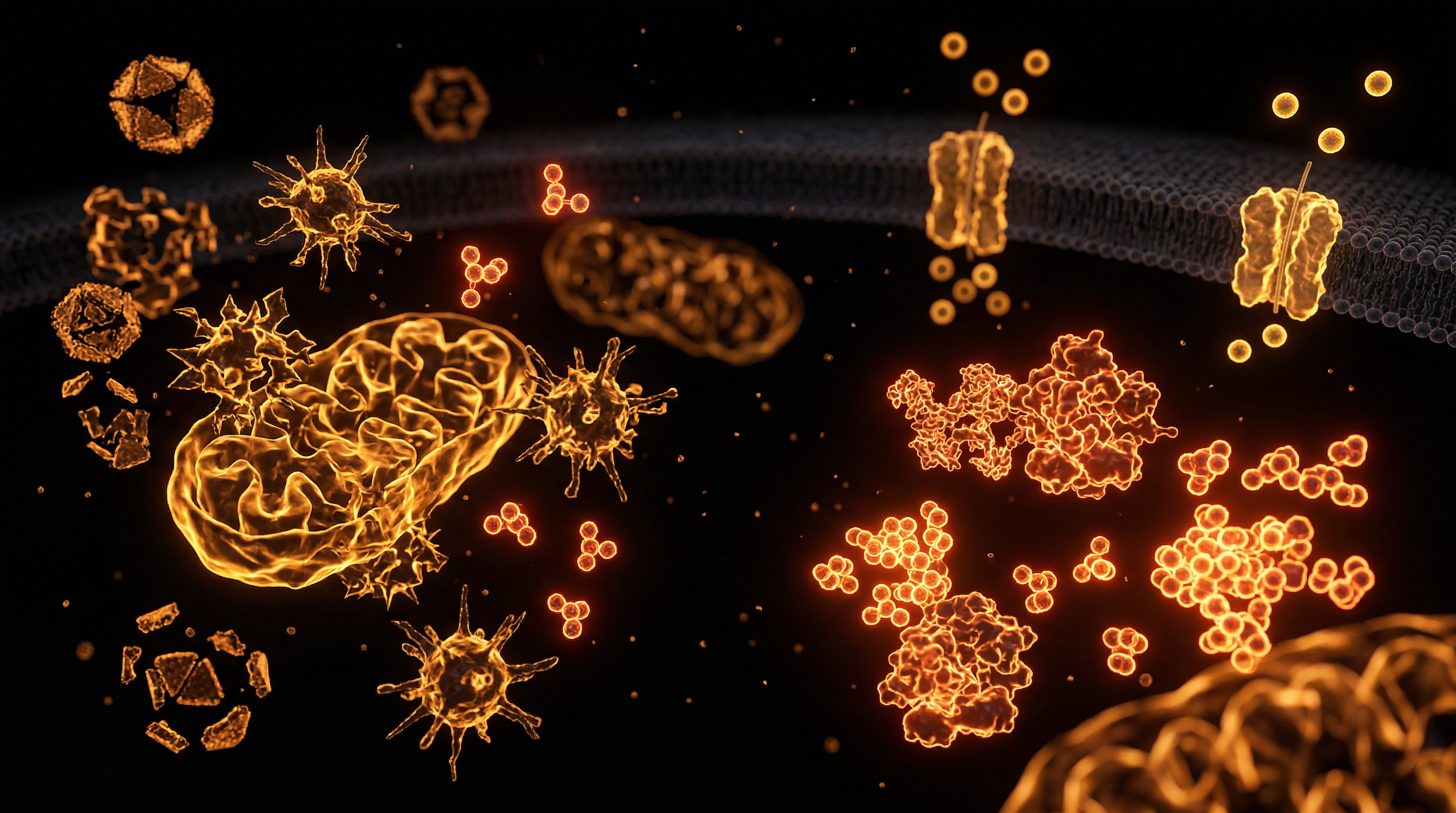
In the wake of the global health crisis that has defined the early 2020s, a silent, microscopic war continues to be waged within the human body. While the mainstream discourse has focused primarily on acute viral responses and broad-scale immunisation programmes, a more insidious reality has emerged: the phenomenon of Post-Viral Syndrome, often characterised by profound fatigue, neurological impairment, and systemic dysfunction. At the heart of this pathology lies a singular, devastating biochemical state: Oxidative Stress, driven by the catastrophic depletion of Glutathione.
As senior researchers at INNERSTANDING, we have observed that the persistence of the Spike Protein—whether introduced through natural infection or via synthetic mRNA instructions—acts as a continuous catalyst for the production of Reactive Oxygen Species (ROS). This chronic oxidative bombardment does more than merely damage cells; it exhausts the body’s primary defence mechanism, leaving the individual in a state of "biochemical bankruptcy".
Glutathione is not merely another supplement; it is the Master Antioxidant, the fulcrum upon which the entire redox balance of human life rests. When glutathione levels plummet, the "fire" of oxidative stress spreads unchecked, leading to mitochondrial decay, DNA fragmentation, and the chronic inflammatory states currently observed in millions across the globe. This article provides a comprehensive deep-dive into the mechanisms of this depletion and, crucially, the path toward restoration through targeted biological intervention.
Important Fact: Research suggests that the Spike Protein can induce mitochondrial dysfunction and oxidative stress even in the absence of active viral replication, acting as a "toxin" that directly depletes intracellular glutathione stores.
The Biology — How It Works
To understand the path to recovery, one must first grasp the elegant, yet fragile, chemistry of the Redox (Reduction-Oxidation) balance. Every breath we take and every calorie we burn involves the transfer of electrons. When oxygen is metabolised, it creates by-products known as Free Radicals.
The Nature of Free Radicals
A free radical is an atom or molecule with an unpaired electron, making it highly unstable and chemically reactive. In their quest to find a partner for their lonely electron, these molecules "steal" electrons from stable structures, such as cell membranes, proteins, and DNA. This process is Oxidation.
- Superoxide (O2•−): A primary radical produced by the mitochondria.
- Hydrogen Peroxide (H2O2): A non-radical oxidant that can lead to the formation of the deadly hydroxyl radical.
- Hydroxyl Radical (•OH): The most reactive and damaging of all ROS, capable of instantaneous damage to any biological molecule it encounters.
The Glutathione Shield
Glutathione (GSH) is a tripeptide composed of three amino acids: Glutamine, Cysteine, and Glycine. Unlike other antioxidants that we ingest (like Vitamin C or E), glutathione is produced endogenously—within the cell itself. It serves as an electron donor, effectively "sacrificing" itself to neutralise free radicals before they can damage the cellular machinery.
The body maintains a ratio of Reduced Glutathione (GSH) to Oxidised Glutathione (GSSG). In a healthy state, over 90% should be in the reduced (active) form. When this ratio shifts towards the oxidised form, it is a definitive marker of systemic oxidative stress and impending cellular failure.
The Role of Sulphur
The "business end" of the glutathione molecule is the Sulphur (Thiol) group. Sulphur is a "sticky" molecule; it acts like biochemical flypaper, attracting and binding to toxins, heavy metals, and free radicals, allowing them to be safely transported out of the body. Without adequate sulphur-containing amino acids—specifically Cysteine—the entire system of detoxification grinds to a halt.
Mechanisms at the Cellular Level
The Spike Protein represents a unique challenge to human physiology. Unlike many historical pathogens, the Spike Protein has a high affinity for the ACE2 (Angiotensin-Converting Enzyme 2) receptor, which is found throughout the body—in the lungs, heart, kidneys, and vascular endothelium.
ACE2 Downregulation and the Superoxide Flood
When the Spike Protein binds to the ACE2 receptor, it effectively "plugs" the receptor, preventing it from performing its natural regulatory role. Under normal conditions, ACE2 breaks down Angiotensin II (a pro-inflammatory, pro-oxidant peptide) into Angiotensin 1-7 (an anti-inflammatory peptide).
When Spike Protein occupies the receptor, Angiotensin II levels rise unchecked. This excess Angiotensin II stimulates an enzyme called NADPH Oxidase (NOX), which is a potent generator of Superoxide. The result is a massive, localized surge in oxidative stress that consumes intracellular glutathione at a rate faster than the cell can regenerate it.
Mitochondrial Impairment
The mitochondria are the "power plants" of the cell, where oxygen is converted into ATP (Adenosine Triphosphate). However, mitochondria are also the primary source of ROS. To prevent "melting down," mitochondria are packed with glutathione.
The Spike Protein has been shown to translocate into the mitochondria, disrupting the Electron Transport Chain (ETC). This disruption causes electrons to "leak" prematurely, creating a feedback loop of oxidative damage. As mitochondrial glutathione is depleted:
- ATP production drops, leading to the profound fatigue characteristic of post-viral syndromes.
- Mitophagy (cell death) is triggered prematurely.
- Calcium signalling is disrupted, affecting muscular and neurological function.
The Nrf2 Pathway: The Body's Master Switch
The body has an internal "thermostat" for oxidative stress called the Nrf2 (Nuclear factor erythroid 2-related factor 2) pathway. When the cell senses oxidative stress, Nrf2 moves into the nucleus and switches on the genes responsible for producing glutathione and other protective enzymes.
However, emerging evidence suggests that certain chronic stressors and the persistence of the Spike Protein can "jam" the Nrf2 switch or lead to Nrf2 exhaustion. In this state, the cell loses its ability to respond to the oxidative fire, leading to a permanent state of cellular vulnerability.
Key Term: Lipid Peroxidation – The process where free radicals "steal" electrons from the lipids in cell membranes, resulting in cell damage and the production of toxic by-products like Malondialdehyde (MDA).
Environmental Threats and Biological Disruptors
The post-viral crisis does not occur in a vacuum. We are living in an era of unprecedented environmental toxicity, which has already thinned the "biological margins" of the population before any viral exposure.
Glyphosate and the Glycine Mimic
One of the most suppressed truths in modern toxicology is the role of Glyphosate, the most widely used herbicide in the world (including the UK). Glyphosate is a structural analogue of the amino acid Glycine.
Because the body can mistake glyphosate for glycine, it may incorporate this toxin into the synthesis of glutathione and other proteins. This "counterfeit" glutathione is non-functional, meaning that even if an individual has "normal" levels of glutathione on paper, their biochemical efficacy is compromised. Furthermore, glyphosate disrupts the Shikimate Pathway in the gut microbiome, depleting the precursors needed for neurotransmitters and antioxidant enzymes.
Heavy Metal Synergies
Heavy metals such as Mercury, Lead, and Aluminium have a high affinity for sulphur groups. When the body is burdened by these metals, they "sequester" the available glutathione, leaving none left to deal with the oxidative stress caused by the Spike Protein. This creates a "synergistic toxicity" where the viral elements and the environmental elements amplify each other’s damage.
Electromagnetic Fields (EMFs)
While often dismissed by mainstream institutions, high-frequency EMFs have been shown to open Voltage-Gated Calcium Channels (VGCCs) in cell membranes. This leads to an influx of calcium into the cell, which triggers the production of Peroxynitrite—a highly reactive nitrogen species that further drains the glutathione pool and damages DNA.
The Cascade: From Exposure to Disease
When the glutathione pool is depleted, the body enters a state of Redox Collapse. This is not a single disease but a cascade of systemic failures that can manifest in various ways depending on the individual's genetic "weakest link."
The Cytokine Storm and Chronic Inflammation
Oxidative stress and inflammation are two sides of the same coin. ROS act as signalling molecules that activate NF-κB (Nuclear Factor kappa-light-chain-enhancer of activated B cells), the master controller of inflammation.
Once NF-κB is activated, the cell begins pumping out pro-inflammatory cytokines like IL-6, IL-1β, and TNF-α. In a healthy body, glutathione would quench the ROS and "turn off" the NF-κB signal. Without glutathione, the "off switch" is broken, leading to a permanent "Cytokine Storm" that damages tissues throughout the body.
Vascular Damage and Micro-clotting
The lining of the blood vessels, the Endothelium, is particularly sensitive to oxidative stress. When glutathione is low, the Spike Protein’s interaction with ACE2 leads to Endothelialitis (inflammation of the vessel lining).
This inflammation triggers the coagulation cascade. Combined with the direct effect of ROS on platelets, this leads to the formation of Micro-clots (Amyloid Fibrin Microclots). These clots are resistant to the body’s natural breakdown mechanisms (fibrinolysis) and can block capillaries, leading to tissue hypoxia (lack of oxygen) and the "brain fog" often reported in the UK's Long-COVID clinics.
Neurological Decoupling
The brain is the most metabolically active organ and consumes the most oxygen, making it highly susceptible to oxidative damage. Glutathione is the primary protector of the Blood-Brain Barrier (BBB). When GSH is depleted:
- The BBB becomes "leaky," allowing toxins and systemic cytokines into the brain.
- Microglia (the brain's immune cells) become "primed" and hyper-reactive.
- Glutamate Excitotoxicity occurs, where the brain’s primary excitatory neurotransmitter becomes toxic to neurons, leading to anxiety, insomnia, and cognitive decline.
What the Mainstream Narrative Omits
The refusal of public health authorities to acknowledge the role of glutathione and nutritional status is one of the most glaring omissions in modern medical history.
The Suppression of NAC
N-Acetyl Cysteine (NAC) is a precursor to glutathione and has been a staple of emergency medicine for decades (specifically for paracetamol overdoses, which kill the liver via glutathione depletion). However, during the height of the recent health crisis, regulatory bodies in several jurisdictions attempted to restrict access to NAC, reclassifying it or removing it from supplement shelves.
Why would a safe, inexpensive, and effective precursor to the body’s master antioxidant be targeted? The answer lies in the pharmaceutical model: NAC and glutathione cannot be patented. They empower the individual to manage their own redox health, bypassing the "subscription model" of chronic disease management.
The "Single-Cause" Fallacy
The mainstream narrative insists that post-viral syndromes are a mystery, potentially "psychosomatic," or solely the result of a single viral agent. They omit the Multi-Hit Hypothesis: that disease is the result of viral exposure plus glutathione depletion plus environmental toxins plus nutritional deficiencies (specifically Selenium, Vitamin D, and Zinc). By ignoring the terrain (the internal state of the body) and focusing only on the germ (the Spike Protein), the medical establishment ensures that the "recovery" remains elusive.
The Genetic Component
Mainstream outlets rarely discuss MTHFR or GSTM1 genetic polymorphisms. These common genetic variations affect how well an individual can methylate (process B vitamins) and how well they can produce glutathione. Those with these "genetic breaks" are at a significantly higher risk of severe post-viral injury, yet screening for these vulnerabilities is virtually non-existent in standard clinical practice.
The UK Context
In the United Kingdom, the situation is particularly acute due to a combination of lifestyle factors, regulatory oversight, and the unique structure of the NHS.
The Vitamin D Crisis
The UK’s northern latitude means that for at least six months of the year, the population cannot synthesise Vitamin D from sunlight. Vitamin D is a crucial regulator of the glutathione system and the Nrf2 pathway. The widespread deficiency in the UK population created a "dry forest" of oxidative vulnerability, needing only a single "spark" (the Spike Protein) to ignite a systemic inflammatory fire.
The NICE Guidelines and "Pacing"
The National Institute for Health and Care Excellence (NICE) has been slow to adapt to the biochemical reality of post-viral syndromes. For years, patients were told to engage in "Graded Exercise Therapy" (GET)—a protocol that actually increases oxidative stress and further depletes glutathione in an already compromised body. While these guidelines have recently been updated, the clinical focus remains on symptom management rather than biochemical restoration.
The British Diet and Mineral Depletion
The modern British diet, heavy in ultra-processed foods, is devoid of the trace minerals necessary for glutathione function. The soil in the UK is notoriously low in Selenium, a mineral that is the essential co-factor for Glutathione Peroxidase, the enzyme that actually performs the work of neutralising peroxides. Without selenium, glutathione is like a car without a driver.
Statistic: It is estimated that over 60% of the UK population has suboptimal levels of Selenium, directly impairing their ability to recycle glutathione and protect their cardiovascular system from Spike-induced damage.
Protective Measures and Recovery Protocols
Recovery from Spike Protein exposure and the resulting oxidative stress is not about a "magic pill"; it is about a systematic re-liquidation of the body's biochemical assets. We must provide the precursors, the co-factors, and the environmental conditions for the glutathione system to reboot.
1. Precursor Loading: The NAC+Glycine Foundation
To build glutathione, the cell needs three amino acids. While Glutamine is usually abundant, Cysteine and Glycine are often the limiting factors.
- N-Acetyl Cysteine (NAC): 600mg to 1800mg daily. This provides the rate-limiting sulphur-containing cysteine.
- Glycine: 3g to 5g daily. Glycine is not only needed for glutathione but also helps neutralise the effects of glyphosate and supports collagen repair in damaged tissues.
- The "GlyNAC" Protocol: Emerging studies show that the combination of Glycine and NAC is significantly more effective at restoring mitochondrial function than either alone.
2. Direct Supplementation
- Liposomal Glutathione: Standard glutathione capsules are often broken down in the stomach. Liposomal delivery wraps the molecule in a fatty layer, allowing it to bypass digestion and enter the bloodstream directly.
- S-Acetyl Glutathione: A highly stable form of glutathione that is well-absorbed and capable of crossing the blood-brain barrier.
3. The Essential Co-factors
The glutathione system is a cycle. Once glutathione "neutralises" a radical, it becomes oxidised (GSSG) and must be "recycled" back into its reduced form (GSH).
- Selenium (200mcg): Essential for Glutathione Peroxidase.
- Riboflavin (Vitamin B2): The essential co-factor for Glutathione Reductase, the enzyme that recycles glutathione.
- Alpha-Lipoic Acid (ALA): A "universal antioxidant" that can recycle glutathione, Vitamin C, and Vitamin E.
- Vitamin C (1000mg+): Works synergistically with glutathione, taking some of the oxidative load off the GSH pool.
4. Nrf2 Activation
Encouraging the body to produce its own antioxidants is the long-term goal.
- Sulforaphane: Found in broccoli sprouts, this is one of the most potent natural activators of the Nrf2 pathway.
- Resveratrol and Quercetin: These polyphenols not only act as antioxidants but also help "clear out" senescent (zombie) cells that contribute to chronic inflammation.
5. Environmental Mitigation
- Clean Water: Use a high-quality filter to remove fluoride and heavy metals.
- EMF Reduction: Turn off Wi-Fi at night and reduce exposure to 5G infrastructure to lower the peroxynitrite burden.
- Sauna Therapy: Sweating is a primary route for excreting toxins that would otherwise consume glutathione. Infrared saunas also stimulate "structured water" in the cells, improving mitochondrial efficiency.
Summary: Key Takeaways
The path to post-viral recovery is found not in the suppression of symptoms, but in the restoration of Redox Integrity. The Spike Protein, through its interaction with the ACE2 receptor and mitochondria, creates an oxidative debt that most people are ill-equipped to pay.
- Glutathione is the Master Molecule: It is the primary shield against the oxidative damage caused by the Spike Protein and environmental toxins.
- The Spike Protein is a Pro-oxidant: Its presence triggers a cascade of Superoxide and Peroxynitrite, leading to systemic inflammation and micro-clotting.
- Depletion leads to Dysfunction: Chronic fatigue, brain fog, and vascular issues are all symptoms of a "bankrupt" glutathione pool.
- The Modern World is Hostile to GSH: Glyphosate, heavy metals, and mineral-depleted soils (especially in the UK) have weakened our natural defences.
- Restoration is Possible: Through the targeted use of NAC, Glycine, Selenium, and Nrf2 activators, individuals can replenish their glutathione stores, quench the oxidative fire, and reclaim their health.
In an era of institutionalised health-mismanagement, the responsibility for maintaining biological resilience has shifted to the individual. By understanding the science of oxidative stress and the critical role of glutathione, we move from a state of victimhood to one of Innerstanding and empowerment. The recovery path is open; it is built on the foundation of our body’s most ancient and powerful defensive chemistry.
This article is provided for informational and educational purposes only. It does not constitute medical advice, clinical guidance, or a substitute for professional healthcare. Information reflects cited research at time of publication. Always consult a qualified healthcare professional before acting on any health information.
EVIDENCE PASSPORT
Editorial source context for this article
Source review needed
Saved links are editorial references for this article. They may support specific claims rather than every sentence. Open and assess each source in context. This passport does not independently verify them.
Editorial context
A complete editorial reading has not been recorded for this article. Source links remain available for you to open and assess directly.
Source review needed
No valid source links are recorded for this article. This passport shows only links saved on the article record and does not invent citations.
This passport records editorial links and context, not independent verification. Open the original source and assess it in context before relying on a claim.
Medical Disclaimer
The information in this article is for educational purposes only and does not constitute medical advice, diagnosis, or treatment. Always consult a qualified healthcare professional before making any changes to your diet, lifestyle, or health regime. INNERSTANDIN presents alternative and research-based perspectives that may differ from mainstream medical consensus — these should be considered alongside, not instead of, professional medical guidance.
Read Full DisclaimerContinue the thread
Keep this question moving.
Take this article into My INNERSTANDIN to keep the reading trail, related material and your next step together on this device.