All INNERSTANDIN content is for educational purposes only — not medical advice, diagnosis or treatment. Full Disclaimer →

    BACK TO DATABASE
    TAGGED RESEARCH

    #Glutathione

    28TRANSMISSIONS FOUND
    O
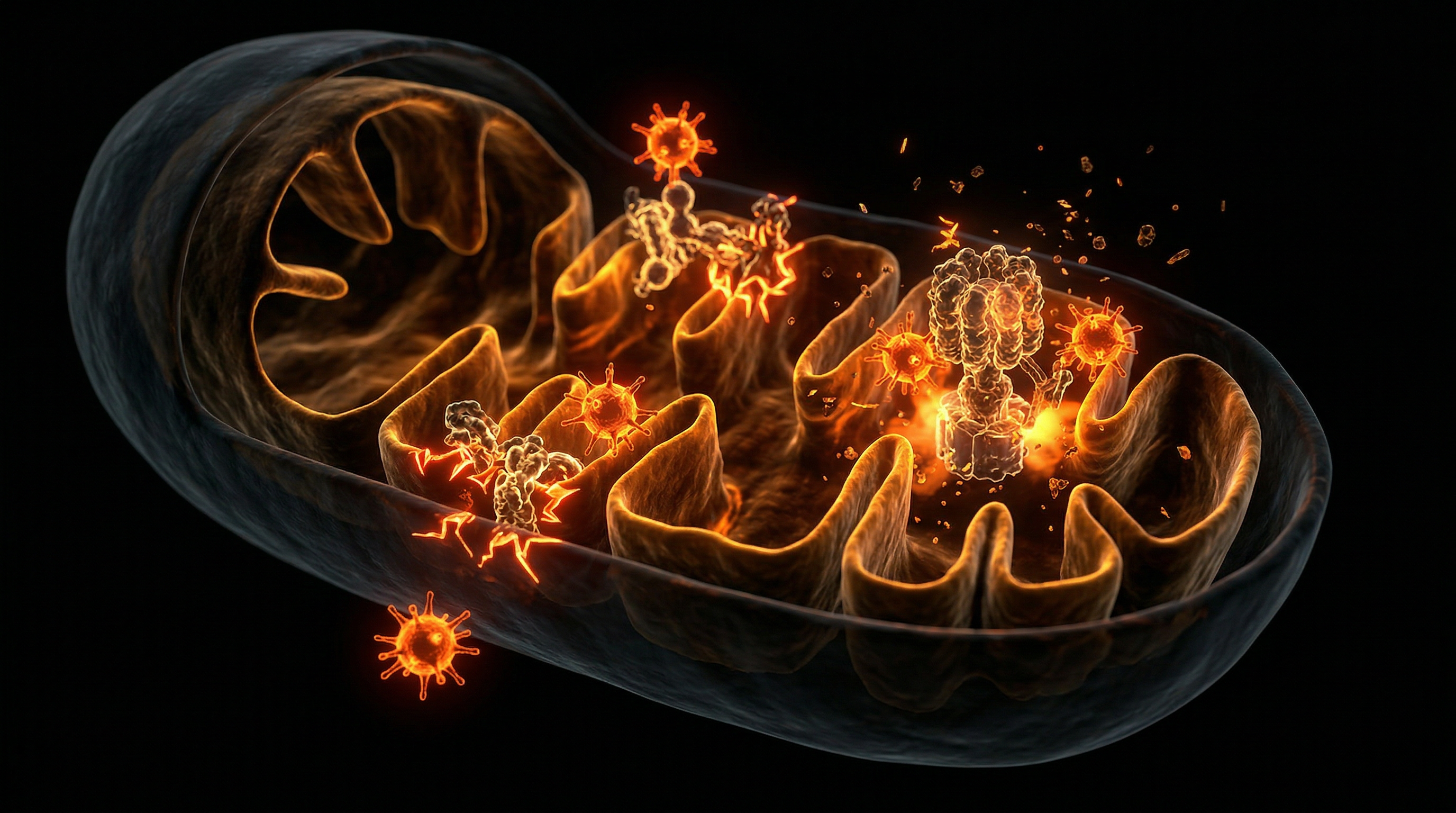
    Scientific illustration for Oxidative Stress: The Silent Fire Inside Every Cell
    Physiology
    16 MIN READ

    Oxidative Stress: The Silent Fire Inside Every Cell

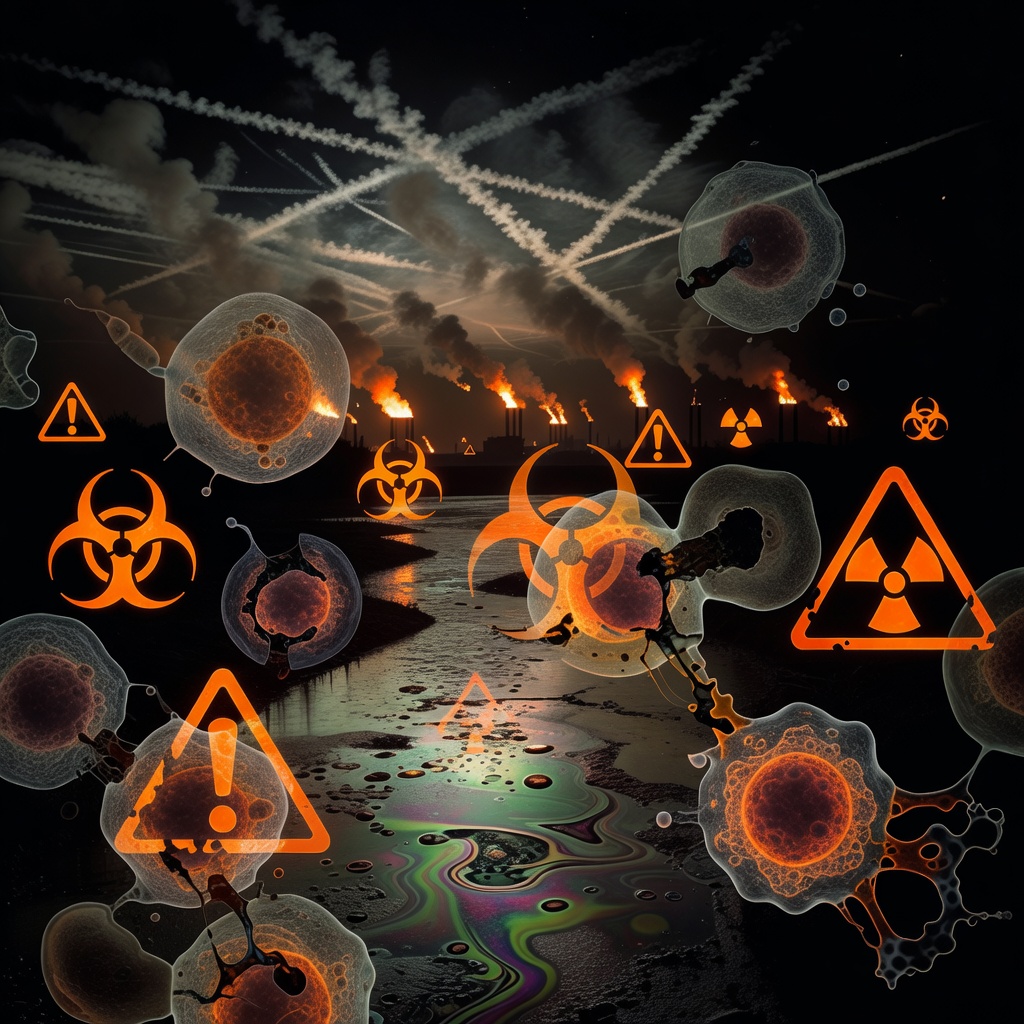
    Oxidative stress occurs when the production of reactive oxygen species (ROS) — the inevitable metabolic byproducts of oxygen utilisation — overwhelms the body's antioxidant defence systems, leading to cumulative cellular damage across lipids, proteins, and DNA. Whilst a physiological level of ROS serves essential signalling and immune functions, the extraordinary toxic burden of modern life — from heavy metal exposure and pesticide consumption to chronic psychological stress and electromagnetic radiation — creates a level of oxidative stress that exceeds what any human antioxidant system evolved to manage. The resulting cellular damage is the foundational mechanism linking environmental toxicity to the full spectrum of chronic degenerative disease, from atherosclerosis and type 2 diabetes to cancer and neurodegeneration.

    #oxidative stress#ROS
    G
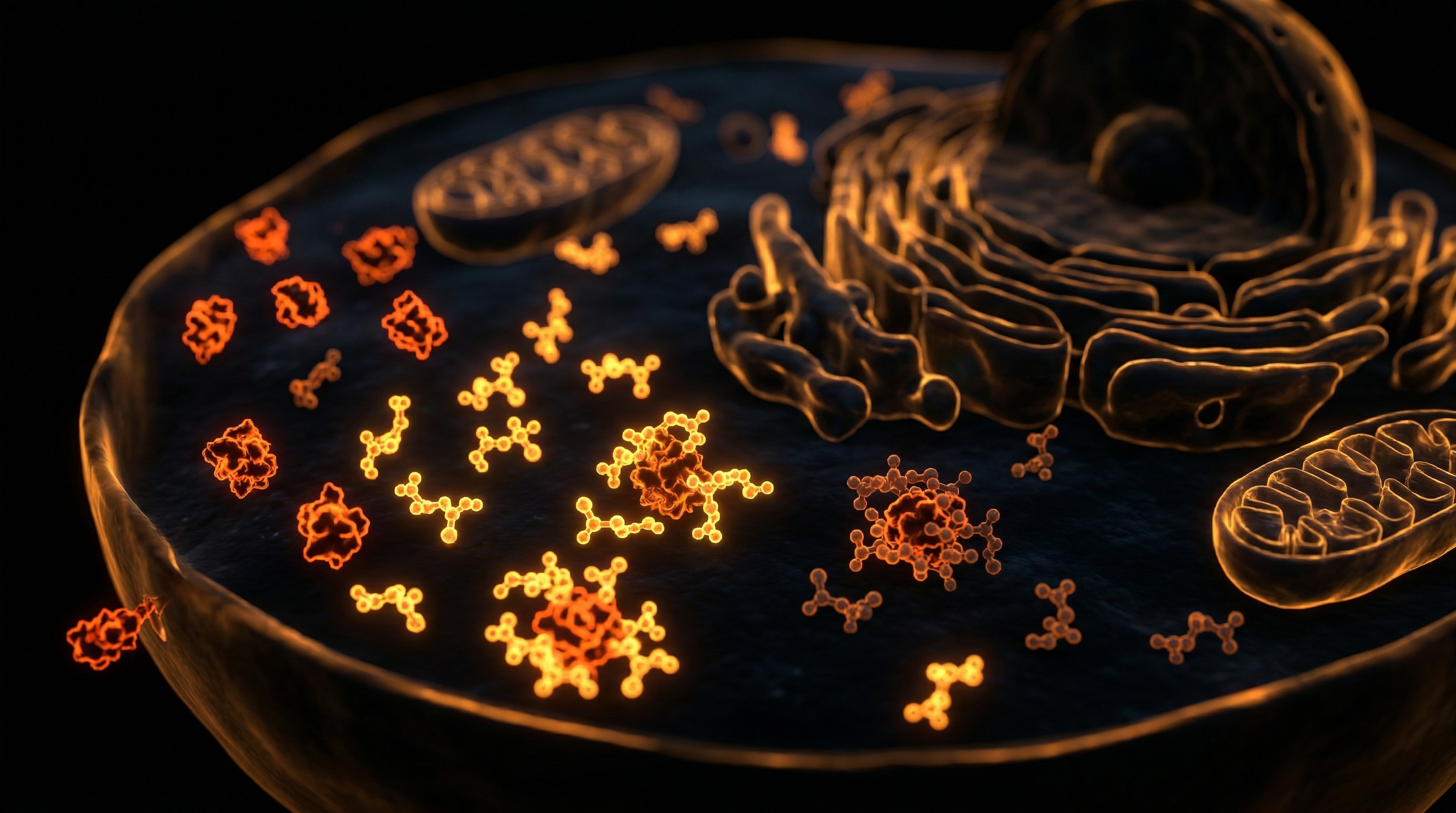
    Scientific illustration for Glutathione: The Master Antioxidant the Body Cannot Live Without
    Cellular Biology
    15 MIN READ

    Glutathione: The Master Antioxidant the Body Cannot Live Without

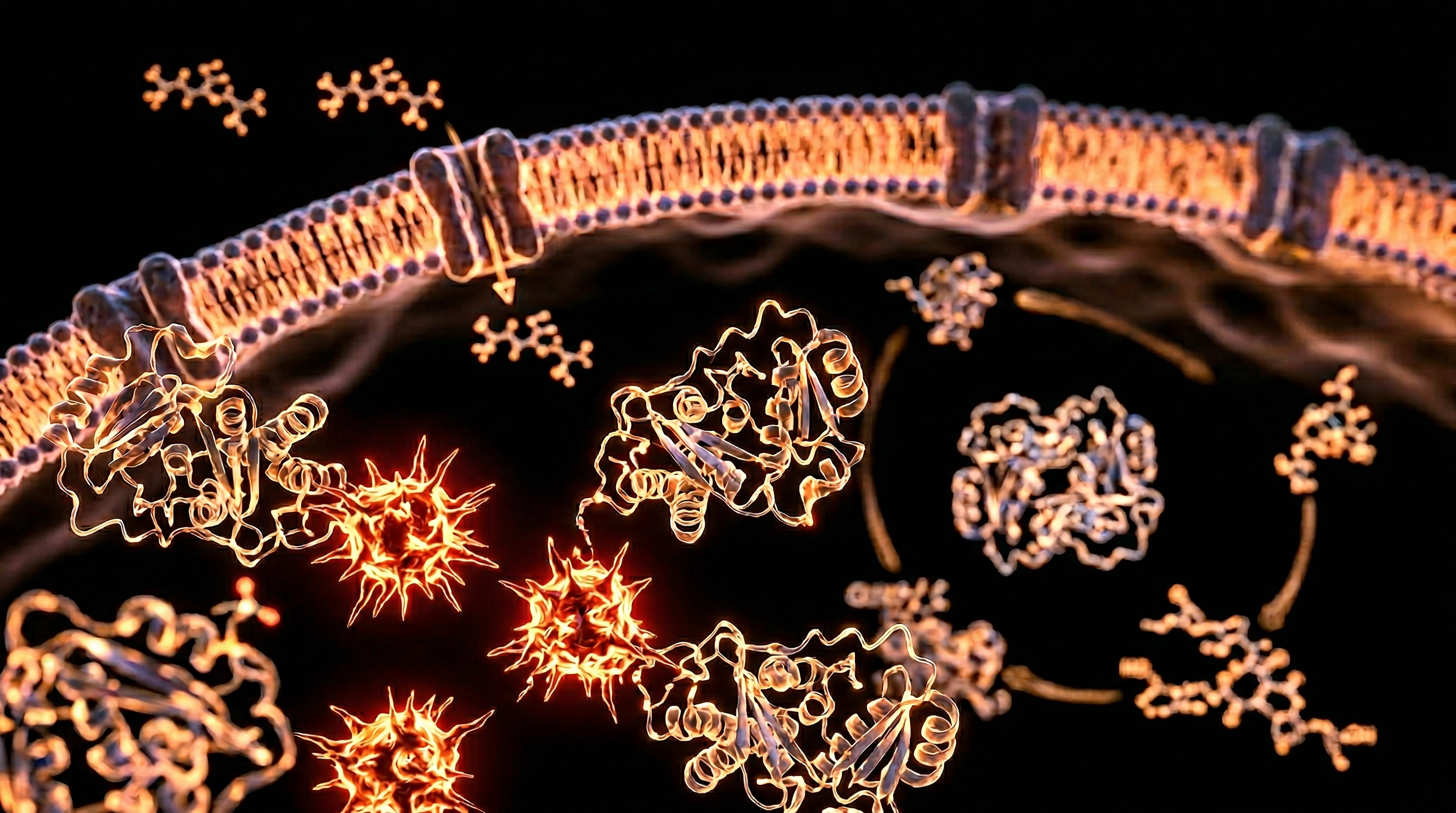
    Glutathione — a tripeptide composed of glutamate, cysteine, and glycine — is the most abundant and functionally critical endogenous antioxidant in the human body, present in virtually every cell at millimolar concentrations and performing an irreplaceable role in neutralising reactive oxygen species, regenerating other antioxidants including vitamins C and E, detoxifying xenobiotic compounds in the liver through conjugation reactions, and regulating the cellular redox state that governs inflammatory signalling. The liver is the primary site of glutathione synthesis and the organ most critically dependent on adequate supply — yet it is simultaneously the organ most exposed to dietary and environmental toxins that deplete glutathione through their conjugation and excretion. Modern life systematically depletes glutathione through multiple simultaneous mechanisms: heavy metal binding to the cysteine thiol group, pesticide conjugation consuming the available pool, chronic inflammation driving oxidative demand, nutritional deficiency of precursor amino acids, and genetic variants in the GSTM1 gene affecting synthesis capacity — creating a deficiency state that is simultaneously the consequence and the driver of cumulative biological toxicity.

    #glutathione#antioxidant
    L
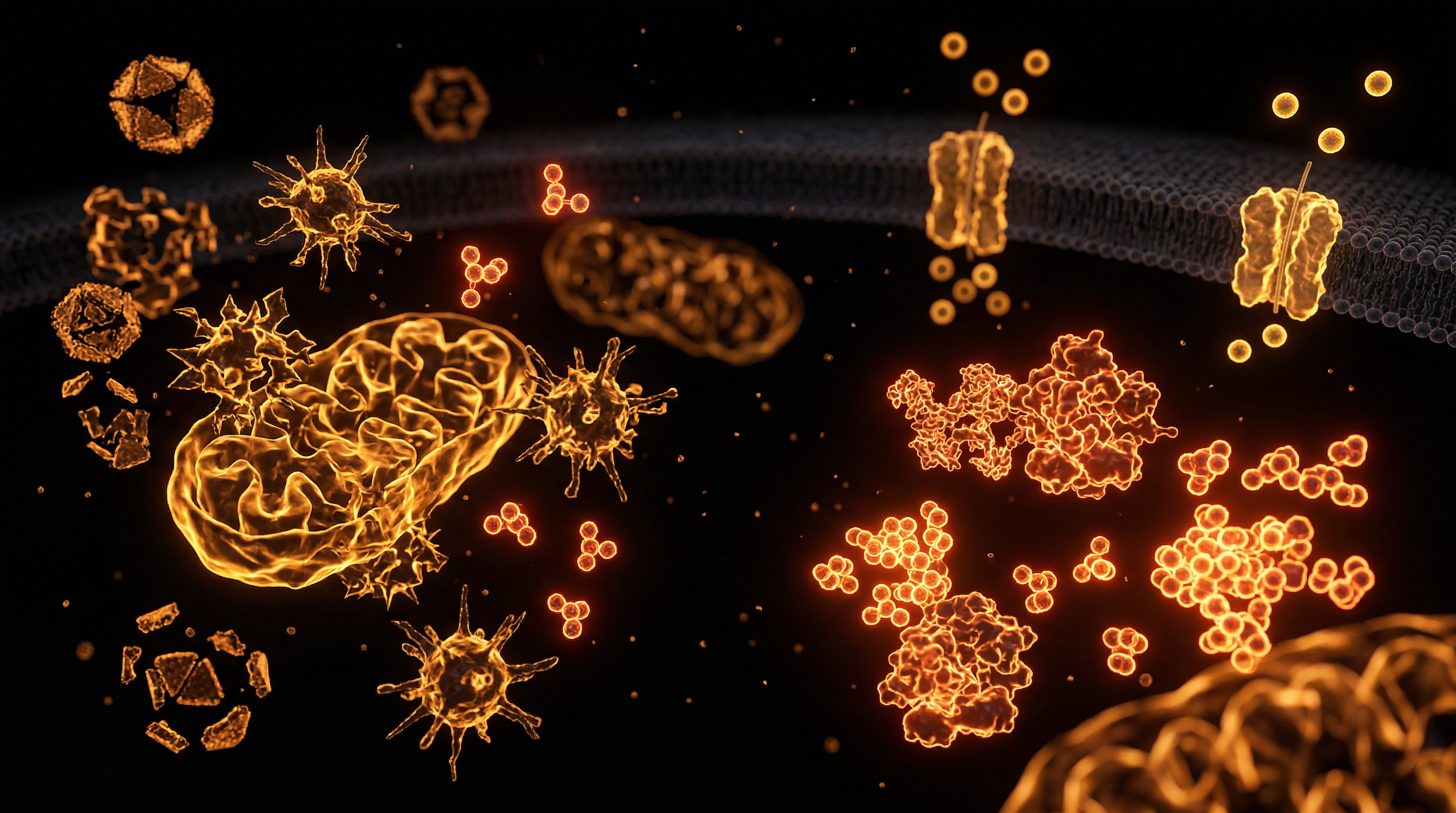
    Scientific illustration for Liver Detoxification: Phase I & Phase II Pathways Explained
    Physiology
    15 MIN READ

    Liver Detoxification: Phase I & Phase II Pathways Explained

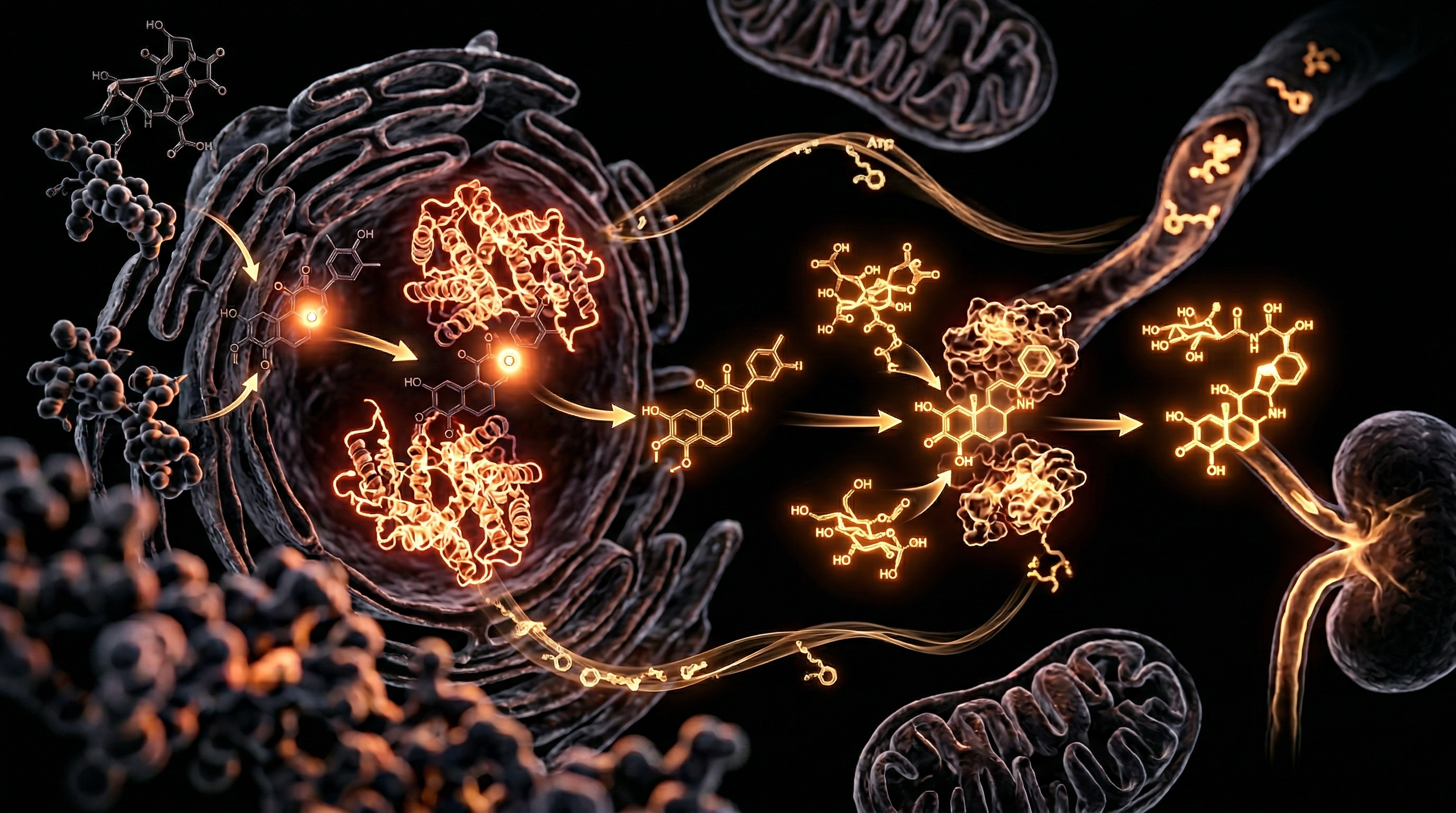
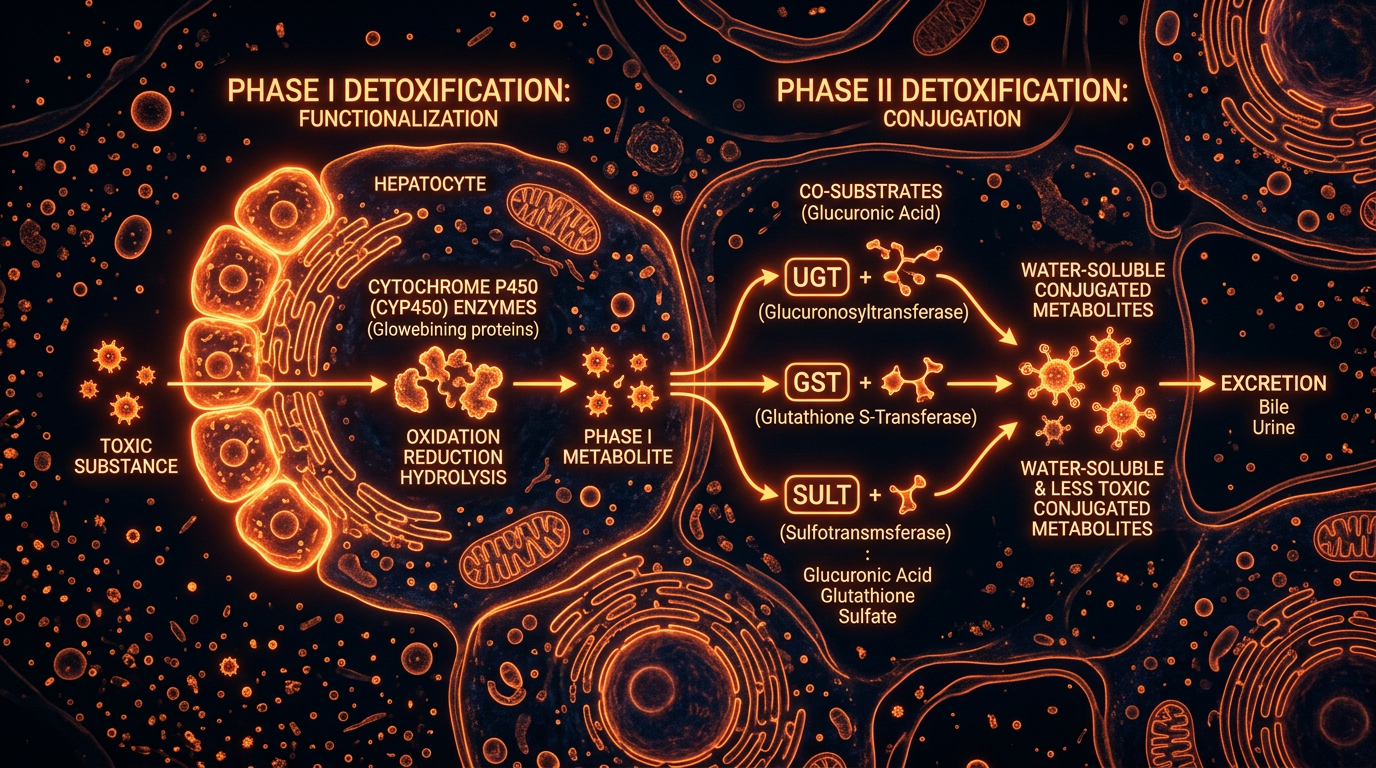
    Hepatic detoxification operates in two sequential phases: Phase I functionalization, mediated by a superfamily of cytochrome P450 enzymes that oxidise, reduce, or hydrolyse toxins into more reactive intermediates; and Phase II conjugation, which attaches glutathione, sulphate, glucuronate, glycine, or methyl groups to these intermediates, rendering them water-soluble for excretion via bile or urine. This elegantly designed system is increasingly overwhelmed by the combined load of pharmaceutical metabolites, industrial xenobiotics, pesticide residues, and heavy metals that characterise modern human toxin exposure, whilst simultaneously being depleted of the nutritional co-factors — glutathione, B vitamins, magnesium, zinc, and sulphur amino acids — required to drive these enzymatic pathways. Optimising liver detoxification capacity is foundational to any genuine approach to chronic disease resolution.

    #liver#detoxification
    G
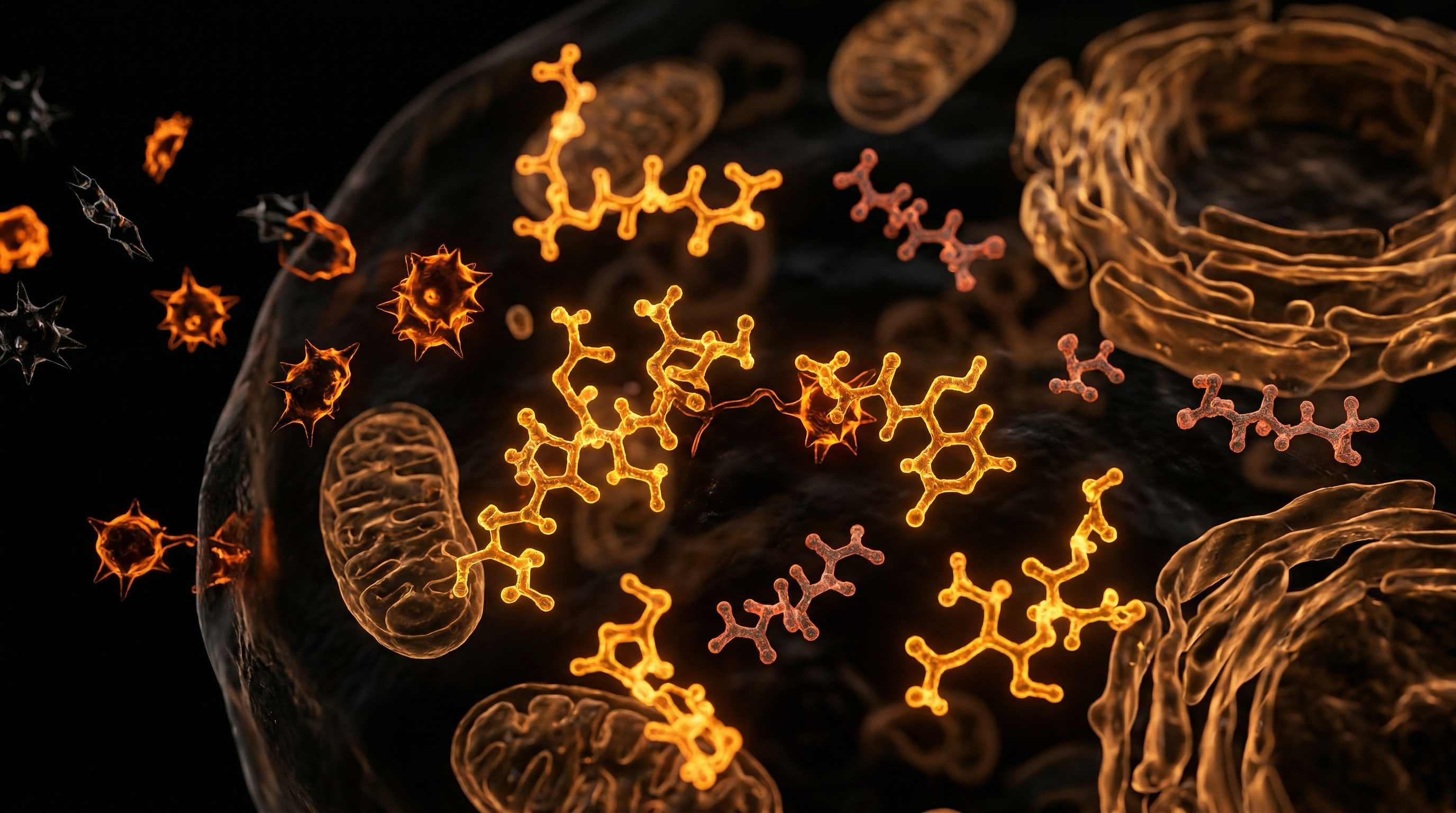
    Scientific illustration for Glutathione: The Master Antioxidant Modern Medicine Ignores
    Cellular Biology
    14 MIN READ

    Glutathione: The Master Antioxidant Modern Medicine Ignores

    Glutathione — a tripeptide of glutamic acid, cysteine, and glycine — is the body's most abundant and critically important endogenous antioxidant, directly neutralising reactive oxygen species, recycling vitamins C and E, and serving as the essential cofactor for Phase II liver detoxification, selenium-dependent glutathione peroxidase, and the transport of mercury and other heavy metals out of neural tissue. Glutathione depletion — driven by chronic oxidative stress, alcohol consumption, pharmaceutical drug loads, heavy metal burden, nutritional deficiency in sulphur amino acids, and MTHFR genetic polymorphisms — is a universal finding in virtually every chronic degenerative disease, cancer, and autoimmune condition, yet intravenous or liposomal glutathione therapy remains outside NHS practice. Understanding and actively maintaining glutathione status is one of the highest-leverage interventions in preventive biological medicine.

    #glutathione#GSH