
Transcriptional Epigenetics: How Molecular Hydrogen Modulates the Nrf2 Signaling Pathway
Published April 2026
The true power of molecular hydrogen lies not in its direct antioxidant action, but in its ability to influence gene expression. By activating the Nrf2-Keap1 pathway, H2 triggers the body’s endogenous antioxidant defense system, providing long-lasting protection that far exceeds the duration of the treatment itself. This article explores the epigenetic implications of H2 and how it 're-codes' the inflammatory response at the level of DNA.
Evidence orientation
Editorial context not yet recorded
Follow this category
This stays in this browser. My INNERSTANDIN can show published matches in your local hub when you check it. It does not send email, push, or alert notifications.
Local learning review
A private browser aid for revisiting ideas. It is not an alert or a health recommendation.
Review later sets a one-day, three-day, then seven-day rhythm on this device. Choose it only when you want to revisit this article.
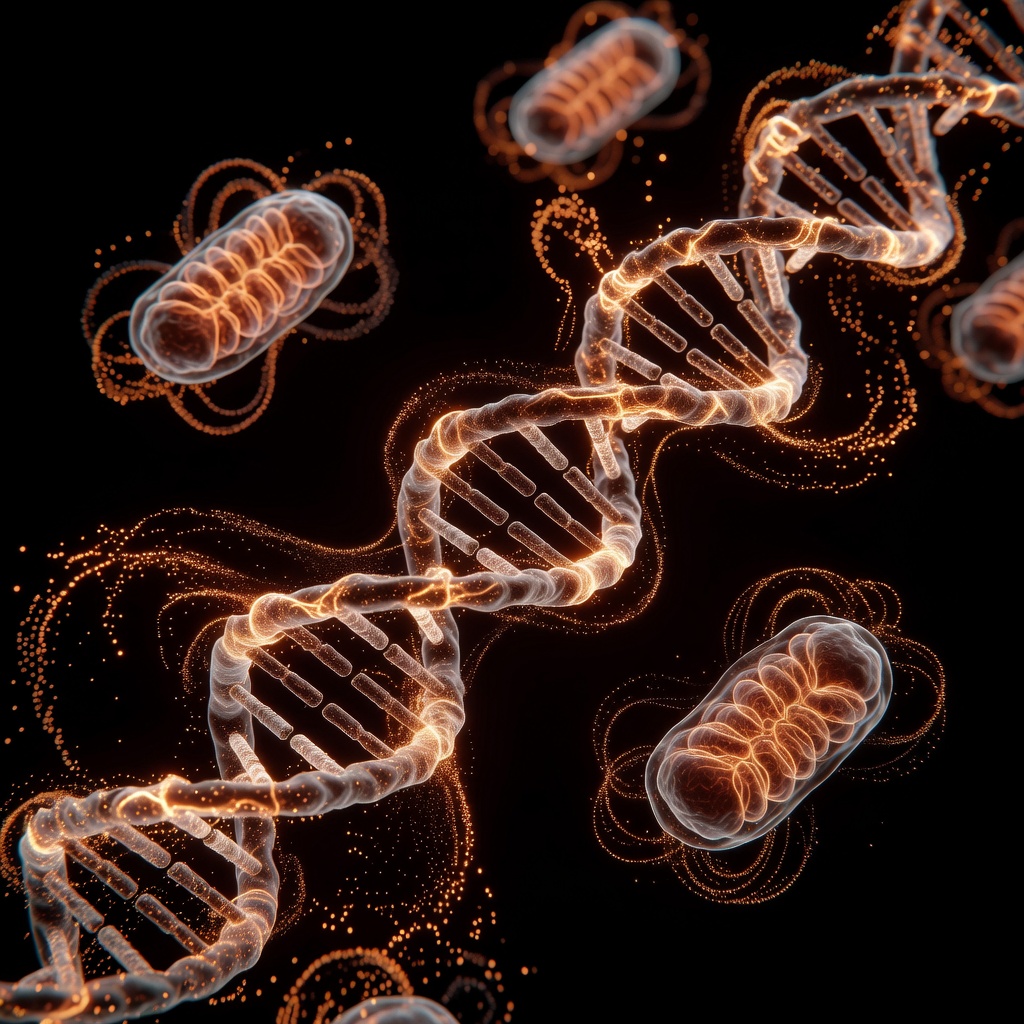
In the hierarchy of biological interventions, those that influence gene expression are the most potent. For years, molecular hydrogen (H2) was viewed simply as a scavenger of free radicals. However, emerging research in the field of epigenetics has revealed that H2 acts as a signal modulator that 'talks' to our DNA. Specifically, H2 is an activator of the Nrf2 (Nuclear Factor Erythroid 2-Related Factor 2) pathway. Nrf2 is often called the 'master regulator' of the antioxidant response.
Under normal conditions, Nrf2 is kept in the cytoplasm by a protein called Keap1. When the cell is exposed to certain signals—like those provided by H2—Nrf2 is released from Keap1, translocates into the nucleus, and binds to the Antioxidant Response Element (ARE) on the DNA. This binding triggers the transcription of over 200 protective genes, including those for the production of glutathione, superoxide dismutase (SOD), catalase, and various phase II detoxification enzymes. This is a crucial distinction from conventional antioxidant supplements. While taking a Vitamin C pill provides a fixed amount of antioxidant power that is quickly used up, H2 therapy teaches the cell to manufacture its own antioxidants on demand.
This 'hormetic-like' effect means that the benefits of a single 30-minute H2 inhalation session or a glass of hydrogen-water can last for hours or even days, as the newly synthesized enzymes continue to work long after the H2 gas has left the body. Furthermore, H2 simultaneously downregulates the NF-κB (Nuclear Factor Kappa B) pathway, which is the primary driver of chronic inflammation. In the modern world, NF-κB is chronically overactive due to processed diets, stress, and environmental toxins, leading to a state of 'inflammaging.' By dampening NF-κB while boosting Nrf2, H2 creates a molecular environment that is profoundly anti-inflammatory and pro-repair. This epigenetic 're-coding' is what makes H2 so effective for autoimmune conditions and chronic inflammatory diseases that mainstream medicine struggles to treat without immunosuppressant drugs. Conventional medicine rarely focuses on the 'upregulation' of endogenous systems, preferring instead to provide 'exogenous' replacements or block specific pathways with inhibitors.
This 'blocking' approach often leads to unintended side effects. H2, by contrast, works in harmony with the body’s existing regulatory systems, merely nudging them toward a more youthful and resilient state. The lifestyle implications are significant. We live in an era where our genetic expression is being hijacked by a toxic environment. H2 provides a tool for biological sovereignty, allowing us to proactively manage our gene expression.
Whether it is protecting the liver from the oxidative stress of alcohol or xenobiotics, or shielding the skin from UV-induced DNA damage, the Nrf2-mediated effects of H2 offer a systemic shield. For the health-educated adult, H2 therapy should be viewed as an 'epigenetic insurance policy.' By regularly activating the Nrf2 pathway, we ensure that our cells remain capable of defending themselves against the inevitable stressors of 21st-century life, effectively turning back the clock on our cellular biology and restoring the innate intelligence of our genetic code.
This article is provided for informational and educational purposes only. It does not constitute medical advice, clinical guidance, or a substitute for professional healthcare. Information reflects cited research at time of publication. Always consult a qualified healthcare professional before acting on any health information.
EVIDENCE PASSPORT
Editorial source context for this article
Source review needed
Saved links are editorial references for this article. They may support specific claims rather than every sentence. Open and assess each source in context. This passport does not independently verify them.
Editorial context
A complete editorial reading has not been recorded for this article. Source links remain available for you to open and assess directly.
Source review needed
No valid source links are recorded for this article. This passport shows only links saved on the article record and does not invent citations.
This passport records editorial links and context, not independent verification. Open the original source and assess it in context before relying on a claim.
Medical Disclaimer
The information in this article is for educational purposes only and does not constitute medical advice, diagnosis, or treatment. Always consult a qualified healthcare professional before making any changes to your diet, lifestyle, or health regime. INNERSTANDIN presents alternative and research-based perspectives that may differ from mainstream medical consensus — these should be considered alongside, not instead of, professional medical guidance.
Read Full DisclaimerContinue the thread
Keep this question moving.
Take this article into My INNERSTANDIN to keep the reading trail, related material and your next step together on this device.
Dig deeper in the Library
Free, longform PDF volumes that go beyond headlines into mechanisms and references.