
Glutathione Depletion: How Adjuvant Buffers Impact Intracellular Antioxidants
Updated May 2026
Examining the biochemical drain on cellular antioxidants following the introduction of heavy metal adjuvants. This article provides strategies for supporting metabolic recovery.
Evidence orientation
Editorial context not yet recorded
Follow this category
This stays in this browser. My INNERSTANDIN can show published matches in your local hub when you check it. It does not send email, push, or alert notifications.
Local learning review
A private browser aid for revisiting ideas. It is not an alert or a health recommendation.
Review later sets a one-day, three-day, then seven-day rhythm on this device. Choose it only when you want to revisit this article.
Overview
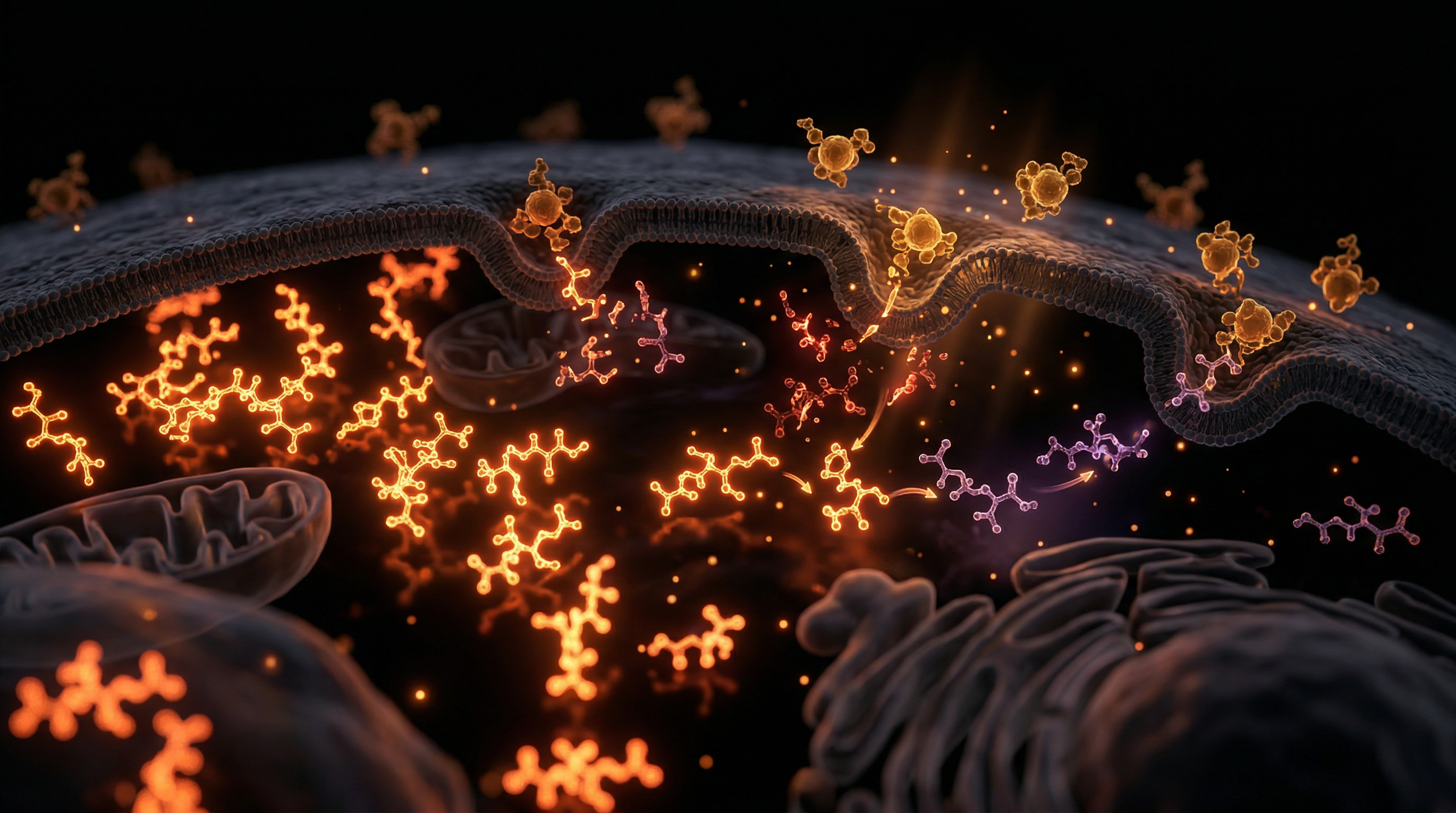
In the realm of modern immunology, the focus has long been fixated upon the production of antibodies—the so-called "magic bullets" of the adaptive immune system. However, a profound and often ignored biochemical drama unfolds within the cellular architecture immediately following the introduction of adjuvant buffers. These substances, primarily composed of metallic salts such as aluminium hydroxide or aluminium phosphate, are designed to provoke a robust immune response. Yet, this provocation comes at a steep metabolic price: the systematic depletion of Glutathione (GSH), the body’s premier intracellular antioxidant and master of detoxification.
As a senior researcher at INNERSTANDING, my objective is to peel back the veneer of "safety and efficacy" to examine the underlying bioenergetic cost of these interventions. We are witnessing a silent epidemic of oxidative stress, where the very mechanisms meant to protect the host are being subverted by exogenous metallic loads. This article explores the intricate dance between heavy metal adjuvants and the thiol-based redox system, revealing how the exhaustion of glutathione reserves creates a state of "metabolic bankruptcy" that can lead to chronic systemic dysfunction.
Key Fact: Glutathione is the most abundant non-protein thiol in mammalian cells, and its depletion by as little as 20% can significantly impair immune function and trigger programmed cell death (apoptosis).
##
The Biology — How It Works
To understand the impact of adjuvants, one must first appreciate the vital role of Glutathione (GSH). Composed of three amino acids—cysteine, glutamate, and glycine—GSH exists in two primary states: the reduced form (GSH) and the oxidized form (GSSG). In a healthy cell, the ratio of GSH to GSSG is typically greater than 100:1, maintaining a highly "reducing" environment that protects proteins, lipids, and DNA from the "fire" of oxidative metabolism.
The Tripeptide Synthesis
The synthesis of glutathione is a two-step, ATP-dependent process.
- Glutamate-Cysteine Ligase (GCL): This is the rate-limiting enzyme that joins glutamate and cysteine.
- Glutathione Synthetase (GS): This enzyme adds glycine to complete the tripeptide.
This process is governed by the Nrf2 signalling pathway, a master regulator of the antioxidant response. Under normal conditions, Nrf2 is degraded in the cytoplasm. However, when the cell senses oxidative stress, Nrf2 translocates to the nucleus, binding to the Antioxidant Response Element (ARE) to ramp up glutathione production.
The Role of the Thiol Group
The "business end" of the glutathione molecule is the thiol (-SH) group located on the cysteine residue. This sulfur-containing group is highly reactive, allowing it to donate an electron to neutralise Reactive Oxygen Species (ROS) or to bind directly to electrophilic toxins, such as heavy metals. This process, known as conjugation, is the primary way the body prepares xenobiotics for excretion via the bile or urine.
##
Mechanisms at the Cellular Level
When an adjuvant, such as aluminium (Al3+), is injected into muscle tissue, it does not remain inert. It creates what immunologists call a "depot effect," but biochemically, it initiates a localized and eventually systemic electrophilic attack.
Thiol Sequestration
Heavy metals have a high affinity for sulfur. When aluminium ions enter the intracellular environment, they seek out the thiol groups of glutathione and vital enzymes. This is not merely a "use" of glutathione; it is a sequestration. The metal binds to the GSH molecule, forming a stable complex that the cell cannot easily recycle.
- Conjugation Exhaustion: As the cell attempts to neutralise the metallic load, the pool of reduced GSH is rapidly consumed.
- Enzyme Inhibition: Metals like aluminium and mercury (still found in some multi-dose flu vials as Thimerosal) inhibit Glutathione Reductase (GR), the enzyme responsible for converting GSSG back into its active GSH form.
Mitochondrial Impairment
The mitochondria are the "powerhouses" of the cell and the primary site of ROS production. They are also highly sensitive to glutathione levels.
- The MPTP Opening: Depletion of mitochondrial GSH leads to the opening of the Mitochondrial Permeability Transition Pore (MPTP). This causes a loss of membrane potential and the leakage of Cytochrome c into the cytoplasm, which initiates the caspase cascade—the pathway to apoptosis (cell death).
- ATP Depletion: Because GSH synthesis requires ATP, a vicious cycle ensues: low GSH leads to mitochondrial damage, which lowers ATP production, which in turn prevents the synthesis of more GSH.
Callout: Aluminium ions (Al3+) mimic the charge and size of magnesium (Mg2+) and iron (Fe3+), allowing them to interfere with over 300 enzymatic reactions, most of which are critical for energy metabolism and antioxidant defence.
##
Environmental Threats and Biological Disruptors
The impact of vaccine adjuvants cannot be viewed in isolation. We live in an era of synergistic toxicity, where the biological burden of an injection is superimposed upon an already compromised terrain.
The Glyphosate Connection
Modern agricultural practices have saturated the food supply with glyphosate, a broad-spectrum herbicide. Glyphosate acts as a glycine analogue. During the second step of glutathione synthesis, the enzyme Glutathione Synthetase may mistakenly incorporate glyphosate instead of glycine, resulting in a "broken" glutathione molecule that cannot perform its antioxidant duties. When an individual with glyphosate-compromised GSH synthesis receives an aluminium-heavy adjuvant, the results are catastrophic.
The "Body Burden" of Heavy Metals
We are exposed to lead in old pipes, mercury in dental amalgams and seafood, and cadmium in cigarette smoke and industrial pollution. These metals occupy the same "detoxification pathways" as vaccine adjuvants.
- Bioaccumulation: Metals like aluminium are not easily excreted, especially in individuals with poor methylation or low mineral status.
- The Trojan Horse: Aluminium particles are often engulfed by macrophages (immune cells). These cells then migrate throughout the body, including across the blood-brain barrier, carrying the metallic load directly into the central nervous system—a phenomenon known as Macrophagic Myofasciitis (MMF).
##
The Cascade: From Exposure to Disease
The depletion of glutathione is not a transient event; it is the first domino in a long-standing cascade of biological degradation.
1. The Cytokine Storm and Chronic Inflammation
Without sufficient GSH to dampen the inflammatory response, the immune system becomes hyper-reactive. The NLRP3 inflammasome—a protein complex that triggers the release of pro-inflammatory cytokines like IL-1β—becomes chronically activated. This is the biochemical basis for the "brain fog," lethargy, and systemic aches often reported post-exposure.
2. Neurodevelopmental and Neurodegenerative Shifts
The brain is particularly vulnerable to oxidative stress because it consumes 20% of the body's oxygen but has relatively low levels of antioxidant enzymes compared to the liver.
- Microglial Activation: In the absence of GSH, the brain’s resident immune cells (microglia) remain in an "activated" state, secreting neurotoxins that damage neurons.
- Excitotoxicity: GSH is required to regulate glutamate levels in the brain. Low GSH leads to excess glutamate, which overstimulates NMDA receptors, causing neuronal death—a hallmark of both autism and Alzheimer’s disease.
3. Metabolic Syndrome and Insulin Resistance
Recent research has linked glutathione deficiency to mitochondrial dysfunction in skeletal muscle, which is a primary driver of insulin resistance. By disrupting the redox balance, metallic adjuvants may be contributing to the skyrocketing rates of metabolic disorders in younger populations.
##
What the Mainstream Narrative Omits
The official discourse regarding adjuvants is characterised by a series of convenient omissions and scientific "blind spots."
The Myth of "Rapid Clearance"
Regulatory bodies often claim that aluminium adjuvants are quickly excreted from the body. However, these studies frequently use soluble aluminium salts injected intravenously, which behave very differently from the particulate aluminium (hydroxide/phosphate) used in vaccines. Particulate aluminium is designed to stay at the injection site and be taken up by cells, leading to long-term persistence that mainstream models fail to account for.
Genetic Vulnerability: The GST and MTHFR Factors
Mainstream medicine treats the entire population as a "biochemical monolith." In reality, genetic variations in Glutathione S-Transferase (GST) enzymes mean that some individuals have a severely reduced capacity to conjugate and clear heavy metals. Furthermore, those with MTHFR polymorphisms (affecting the folate cycle) have lower levels of cysteine, the rate-limiting amino acid for glutathione production. For these individuals, the "standard" dose of an adjuvant is effectively a toxic overdose.
The Absence of Saline Placebos
Most clinical trials for adjuvanted products do not use a true inert saline placebo. Instead, the "control" group often receives the adjuvant buffer alone. This masks the biochemical drain caused by the adjuvant, as both groups may experience similar rates of "adverse events" or metabolic disturbances, allowing researchers to claim the product is "as safe as the placebo."
##
The UK Context
In the United Kingdom, the public health landscape is governed by the NHS and the Joint Committee on Vaccination and Immunisation (JCVI). The UK’s "Green Book" provides the clinical framework for the immunisation schedule, but it offers little in the way of guidance for assessing an individual's redox status prior to intervention.
Specific UK Concerns: The Infant Schedule
UK infants receive multiple doses of aluminium-containing vaccines (such as the 6-in-1, PCV, and MenB) in a very short window.
- The MenB Vaccine (Bexsero): This specific vaccine contains a significantly higher load of aluminium hydroxide compared to others. Parents in the UK are often told to give their infants Calpol (Paracetamol) prophylactically to prevent fever.
- The Paracetamol Trap: Paracetamol (Acetaminophen) is metabolised by the liver through a pathway that directly consumes glutathione. Giving Paracetamol alongside an aluminium-laden vaccine is a "double hit" to the infant’s antioxidant reserves, drastically increasing the risk of oxidative damage.
The Elderly and the Annual Flu Programme
In the UK’s aging population, "immunosenescence" is a major concern. To counteract this, "adjuvanted" flu vaccines (like Fluad) are used for those over 65. However, the elderly already have naturally declining levels of glutathione. Introducing an oil-in-water adjuvant (like MF59) or metallic salts into a depleted system can lead to severe fatigue and a paradoxically weakened immune response to other pathogens.
##
Protective Measures and Recovery Protocols
If exposure to adjuvants is unavoidable, or if one is suffering from the after-effects of previous exposures, a rigorous strategy for metabolic recovery is essential. The goal is to replenish the thiol pool and support the body’s natural elimination pathways.
1. Precursors and Direct Support
- N-Acetyl Cysteine (NAC): The most effective way to boost intracellular GSH. NAC provides the rate-limiting cysteine required for synthesis.
- Liposomal Glutathione: Standard oral GSH is often broken down in the gut. Liposomal delivery allows the molecule to enter the bloodstream intact.
- S-Acetyl-L-Glutathione: A more stable form of glutathione that can cross the blood-brain barrier more effectively.
2. Essential Co-factors
Glutathione does not work in a vacuum. It requires a symphony of minerals and vitamins to function:
- Selenium: A vital component of Glutathione Peroxidase (GPx), the enzyme that actually "neutralises" hydrogen peroxide.
- Riboflavin (Vitamin B2): Necessary for Glutathione Reductase to recycle GSSG back to GSH.
- Magnesium: Required for the ATP-dependent enzymes that synthesise GSH.
- Alpha-Lipoic Acid (ALA): A "universal antioxidant" that helps regenerate glutathione, Vitamin C, and Vitamin E.
3. Dietary Interventions
- Sulforaphane: Found in broccoli sprouts, this compound is a potent inducer of the Nrf2 pathway, effectively "turning on" the body’s internal glutathione factory.
- Sulfur-rich foods: Garlic, onions, and cruciferous vegetables provide the raw materials for thiol production.
- Avoidance of Glyphosate: Eating organic is not a luxury; it is a necessity for protecting the glycine-dependent steps of glutathione synthesis.
4. Detoxification and Chelation
- Silica (Orthosilicic Acid): Research has shown that silica-rich mineral water can help facilitate the excretion of aluminium via the kidneys.
- Modified Citrus Pectin: Can help bind systemic heavy metals without stripping the body of essential minerals.
- Sweating: Using low-temperature Infrared Saunas can assist in the elimination of xenobiotics stored in the adipose tissue.
##
Summary: Key Takeaways
The introduction of metallic adjuvants into the human body is not a "free lunch." It carries a significant biochemical cost that is paid in the currency of Glutathione.
- GSH is the Master Guard: It is the primary defence against the oxidative stress and metallic toxicity induced by vaccine adjuvants.
- Adjuvants are Thiol Thieves: Metals like aluminium directly bind to and deplete glutathione, while also inhibiting the enzymes needed to recycle it.
- Mitochondrial Crisis: Depletion of GSH leads to a collapse of cellular energy production, triggering systemic inflammation and potential cell death.
- Synergistic Harms: The modern environment (glyphosate, paracetamol, and heavy metals) creates a "perfect storm" that amplifies the toxicity of adjuvanted products.
- Policy Omissions: Current UK health policy fails to screen for genetic or metabolic vulnerabilities, such as MTHFR status or existing glutathione deficiency.
- Proactive Recovery: Through targeted supplementation (NAC, Selenium, Liposomal GSH) and the avoidance of further toxins, it is possible to restore the body’s redox balance and mitigate the damage caused by adjuvant-induced depletion.
In an age of increasing chemical and metallic burdens, understanding the Glutathione-Adjuvant axis is no longer a niche scientific pursuit—it is a fundamental requirement for anyone seeking to preserve their long-term health and neurological integrity. We must move beyond the simplified "antibody" model of immunity and embrace a "metabolic" model that respects the delicate balance of the cell's internal environment.
This article is provided for informational and educational purposes only. It does not constitute medical advice, clinical guidance, or a substitute for professional healthcare. Information reflects cited research at time of publication. Always consult a qualified healthcare professional before acting on any health information.
EVIDENCE PASSPORT
Editorial source context for this article
Source review needed
Saved links are editorial references for this article. They may support specific claims rather than every sentence. Open and assess each source in context. This passport does not independently verify them.
Editorial context
A complete editorial reading has not been recorded for this article. Source links remain available for you to open and assess directly.
Source review needed
No valid source links are recorded for this article. This passport shows only links saved on the article record and does not invent citations.
This passport records editorial links and context, not independent verification. Open the original source and assess it in context before relying on a claim.
Medical Disclaimer
The information in this article is for educational purposes only and does not constitute medical advice, diagnosis, or treatment. Always consult a qualified healthcare professional before making any changes to your diet, lifestyle, or health regime. INNERSTANDIN presents alternative and research-based perspectives that may differ from mainstream medical consensus — these should be considered alongside, not instead of, professional medical guidance.
Read Full DisclaimerContinue the thread
Keep this question moving.
Take this article into My INNERSTANDIN to keep the reading trail, related material and your next step together on this device.