
Glutathione Depletion via Environmental Toxin Loading
Updated May 2026
The UK's environmental toxin burden is outstripping the body's natural production of glutathione. We examine the critical need for sulfur-containing precursors and the biological price of antioxidant bankruptcy.
Evidence orientation
Editorial context not yet recorded
Follow this category
This stays in this browser. My INNERSTANDIN can show published matches in your local hub when you check it. It does not send email, push, or alert notifications.
Local learning review
A private browser aid for revisiting ideas. It is not an alert or a health recommendation.
Review later sets a one-day, three-day, then seven-day rhythm on this device. Choose it only when you want to revisit this article.
Overview
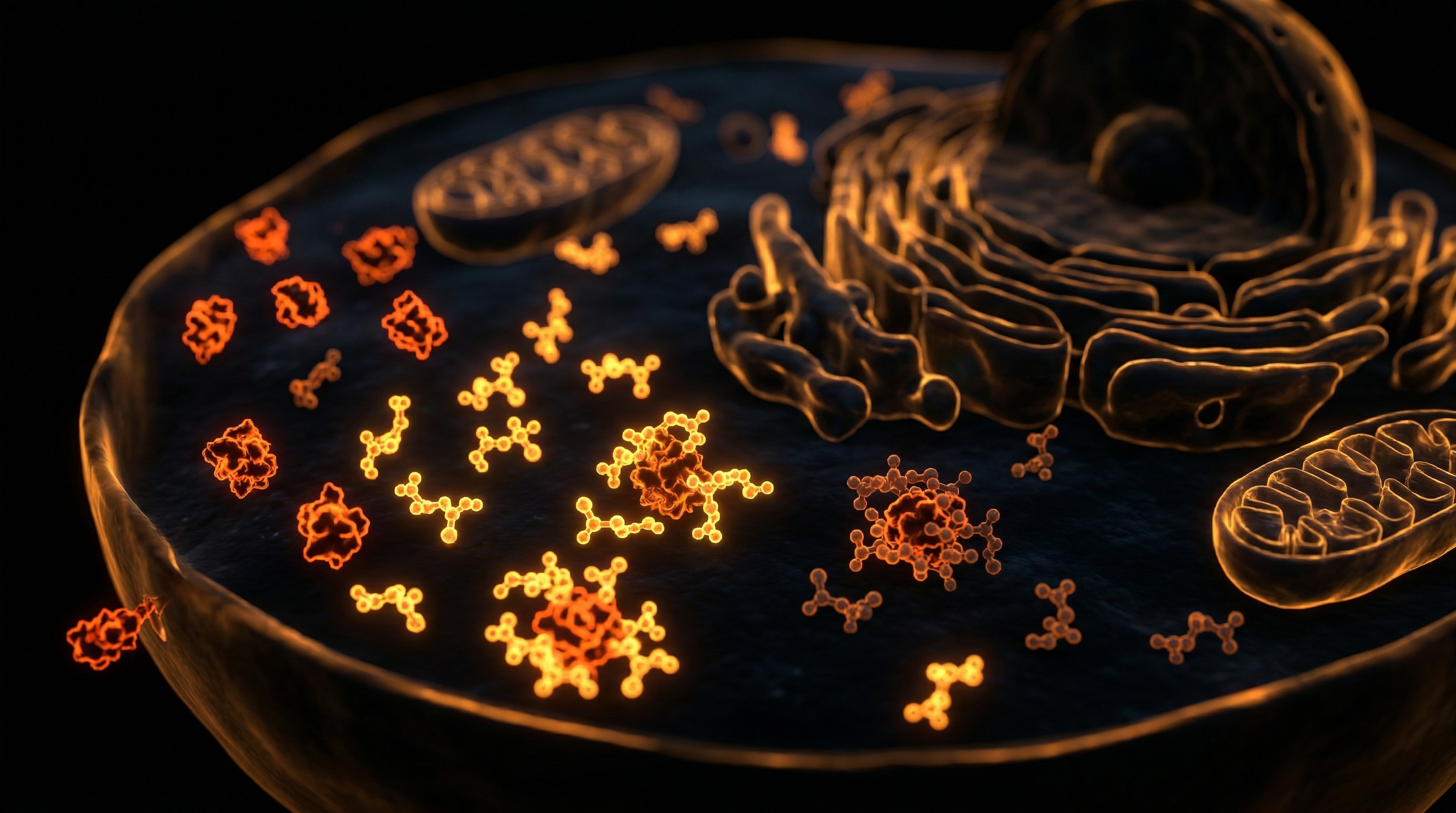
The modern human being is currently participating in an unplanned, uncontrolled, and increasingly lethal biological experiment. For the first time in evolutionary history, our internal detoxification systems are being forced to contend with a synthetic chemical landscape that did not exist eighty years ago. At the centre of this struggle is a single tripeptide molecule: Glutathione (GSH). Often heralded as the ‘Master Antioxidant’, glutathione is the primary currency of the body’s internal defence against oxidative stress and xenobiotic (foreign) toxicity.
However, a silent crisis is unfolding across the United Kingdom and the broader Western world. We are witnessing a state of antioxidant bankruptcy. The environmental toxin loading—ranging from persistent organic pollutants (POPs) to heavy metals and microplastics—is now outstripping the rate at which the human liver and peripheral tissues can synthesise this vital molecule. When the demand for glutathione exceeds the supply of its sulphur-containing precursors (notably L-cysteine), the biological price is paid in systemic inflammation, mitochondrial decay, and accelerated cellular ageing.
This article serves as an urgent examination of why glutathione depletion is the hidden driver behind the UK’s burgeoning epidemic of chronic illness. We will explore the biochemical mechanisms of this depletion, the specific environmental triggers that are currently overwhelming the British populace, and the protocols required to restore biological solvency in an increasingly toxic age.
"Glutathione is the most important molecule you need to stay healthy and prevent disease — yet it is the one most clinicians ignore until a crisis occurs."
The Biology — How It Works
To understand the crisis, we must first understand the molecule. Glutathione is a simple molecule composed of three amino acids: glutamate, cysteine, and glycine. Despite its simplicity, its role is so fundamental that it is found in almost every cell of the body, with concentrations in the liver reaching levels equivalent to glucose.
The Synthesis Pathway
Glutathione is produced via a two-step enzymatic process.
- The first and rate-limiting step involves the enzyme glutamate-cysteine ligase (GCL), which joins glutamate and cysteine.
- The second step is catalysed by glutathione synthetase (GSS), which adds glycine to complete the tripeptide.
The availability of cysteine is the primary bottleneck. Cysteine contains a thiol (-SH) group, which acts as a ‘chemical magnet’ for toxins and free radicals. Without adequate dietary sulphur or the ability to recycle homocysteine through the transsulphuration pathway, glutathione production grinds to a halt.
The Redox Cycle
Glutathione exists in two states: reduced (GSH) and oxidised (GSSG).
- GSH is the active form, ready to donate an electron to neutralise a free radical or conjugate a toxin.
- GSSG is the ‘spent’ form.
In a healthy organism, the ratio of GSH to GSSG should be greater than 10:1. When this ratio narrows, it signals that the cell is under massive oxidative assault. The enzyme glutathione reductase uses NADPH (derived from the pentose phosphate pathway) to ‘recharge’ GSSG back into GSH. However, if the environmental loading is too high, the recycling mechanism becomes saturated, and the cell is forced to export GSSG to prevent toxicity, leading to a net loss of total glutathione.
The Role of Nrf2
The body has a ‘thermostat’ for antioxidant production known as the Nrf2 (Nuclear factor erythroid 2-related factor 2) pathway. Under normal stress, Nrf2 migrates to the nucleus and switches on the genes for glutathione synthesis. The tragedy of modern toxicity is that certain chemicals, such as glyphosate and certain heavy metals, can interfere with Nrf2 signalling, effectively cutting the wires to the body’s alarm system.
Mechanisms at the Cellular Level
Glutathione depletion is not merely a ‘deficiency’ in the way we think of Vitamin C or D; it is a fundamental breakdown of cellular logistics. There are three primary mechanisms by which environmental toxins deplete our stores.
1. Direct Conjugation (The Sacrifice)
The liver utilises a family of enzymes called Glutathione S-transferases (GSTs). Their job is to physically attach a glutathione molecule to a toxin (such as a pesticide or a heavy metal). This makes the toxin water-soluble, allowing it to be excreted via the kidneys or bile.
Fact: Every time your body detoxifies a molecule of mercury or a persistent organic pollutant, it 'sacrifices' a molecule of glutathione. If the influx of toxins is constant, the body literally bleeds glutathione out of the system faster than it can be replaced.
2. Mitochondrial Corruption
The mitochondria—the power plants of the cell—are the primary site of free radical production. They are also highly vulnerable. Glutathione is the only antioxidant present inside the mitochondria that can neutralise the superoxide and hydroxyl radicals generated during ATP production. When glutathione levels drop below a critical threshold (roughly 70% of normal), the mitochondrial membrane leaks, leading to mitophagy (cell death) and systemic fatigue.
3. The Depletion of Cofactors
Glutathione does not work in a vacuum. It requires Selenium for the enzyme glutathione peroxidase and Riboflavin (Vitamin B2) for glutathione reductase. Environmental toxins often displace these minerals. For example, mercury has an incredibly high affinity for selenium, forming mercury selenide. This effectively ‘kidnaps’ the selenium, leaving the glutathione enzymes paralysed and unable to function, even if the amino acid precursors are present.
Environmental Threats and Biological Disruptors
The United Kingdom faces a unique constellation of environmental pressures that contribute to what we term 'Antioxidant Bankruptcy'.
The Glyphosate Problem
Despite increasing restrictions in some EU nations, the UK continues to use glyphosate-based herbicides extensively in both industrial farming and municipal weed control. Glyphosate disrupts the shikimate pathway in gut bacteria, which is responsible for producing aromatic amino acids. More critically for glutathione, glyphosate has been shown to inhibit the enzymes involved in the transsulphuration pathway. By disrupting the gut microbiome, glyphosate limits the bioavailability of the sulphur-containing amino acids needed to build glutathione.
Heavy Metal Accumulation
The UK’s industrial legacy has left a significant burden of heavy metals in the soil and water.
- Lead: Still present in many Victorian-era pipes across London and the North. Lead inhibits the enzymes of the haeme synthesis pathway, increasing oxidative stress and draining GSH stores.
- Mercury: Exposure primarily comes from ‘silver’ dental amalgams and the consumption of large predatory fish. Mercury is arguably the most potent glutathione depleter known to science; it binds irreversibly to the thiol group of cysteine.
- Cadmium: Found in phosphate fertilisers and cigarette smoke, cadmium accumulates in the kidneys and displaces zinc, a vital cofactor for hundreds of enzymatic reactions.
PFAS: The 'Forever Chemicals'
Per- and polyfluoroalkyl substances (PFAS) are now ubiquitous in British waterways. These chemicals are used in non-stick cookware, fire-fighting foams, and water-repellent clothing. PFAS compounds are exceptionally stable and do not break down in the environment or the body. They interfere with lipid metabolism and have been shown to suppress the expression of glutathione-related genes, creating a state of chronic, low-grade depletion that persists for decades.
Air Pollution and PM2.5
In major UK cities like London, Manchester, and Birmingham, particulate matter (PM2.5) is a constant threat. These microscopic particles bypass the lung’s defences and enter the bloodstream. They carry polycyclic aromatic hydrocarbons (PAHs) which require—you guessed it—glutathione for detoxification. Research has shown that on high-pollution days, the glutathione levels in the epithelial lining fluid of the lungs drop precipitously as the body attempts to neutralise the inhaled oxidants.
The Cascade: From Exposure to Disease
When glutathione is depleted, a predictable cascade of biological failure ensues. This is not a single disease, but a foundational vulnerability that allows multiple pathologies to take root.
Neurodegeneration
The brain is particularly susceptible to oxidative stress due to its high oxygen consumption and high fat content. Low levels of GSH in the substantia nigra are a hallmark of Parkinson's Disease, often appearing years before the onset of motor symptoms. Similarly, in Alzheimer’s, the accumulation of amyloid-beta plaques is accelerated in an environment of glutathione deficiency.
Immune Dysregulation and 'Long Covid'
Glutathione is essential for the proliferation of T-cells and the modulation of the cytokine response. When GSH is low, the immune system becomes ‘brittle’—it overreacts to minor stimuli (autoimmunity and cytokine storms) while failing to clear chronic viral infections. There is emerging evidence that many sufferers of Long Covid and Chronic Fatigue Syndrome (ME/CFS) are trapped in a state of 'locked' glutathione depletion, where the body’s oxidative stress is so high that it cannot muster the energy to restart the synthesis cycle.
Metabolic Syndrome and Fatty Liver
The liver is the body’s primary glutathione factory. Non-Alcoholic Fatty Liver Disease (NAFLD), which now affects 1 in 4 people in the UK, is characterised by a collapse in hepatic glutathione. Without GSH, the liver cannot process fats correctly, leading to lipid peroxidation and the scarring of liver tissue (cirrhosis).
Callout: Studies have shown that patients with chronic metabolic diseases have 40-60% less plasma glutathione than healthy controls, suggesting that depletion is a primary driver, not just a side effect, of metabolic collapse.
What the Mainstream Narrative Omits
The mainstream medical establishment in the UK largely ignores glutathione levels unless a patient presents with an acute paracetamol (acetaminophen) overdose. In that specific emergency, the NHS uses N-acetylcysteine (NAC) to replenish glutathione and prevent liver failure. This proves that the medical establishment knows the power of glutathione, yet they fail to apply this logic to chronic illness.
The RDA Fallacy
The Recommended Dietary Allowance (RDA) for sulphur-containing amino acids and minerals like selenium is based on the minimum amount required to avoid acute deficiency diseases like scurvy or Keshan disease. It does not account for the toxic load of the 21st century. An individual living in a polluted city, eating pesticide-laden food, and drinking fluoridated water requires significantly more glutathione precursors than the ‘average’ person upon whom these guidelines were based.
The Testing Gap
Routine NHS blood tests rarely, if ever, measure glutathione. When they do, they often measure plasma levels, which are a poor reflection of the intracellular status where the real work happens. Furthermore, the focus remains on treating symptoms (e.g., prescribing statins for high cholesterol or SSRIs for depression) rather than addressing the underlying oxidative bankruptcy that causes these conditions.
The Suppression of Sulphur
Modern industrial farming has depleted the soil of sulphur. The use of NPK (Nitrogen, Phosphorus, Potassium) fertilisers has ignored the ‘secondary’ nutrients like sulphur. Consequently, the vegetables we eat today contain significantly less of the building blocks for glutathione than they did in the 1940s. The mainstream narrative encourages a 'balanced diet' without acknowledging that the 'balance' of the soil itself has been destroyed.
The UK Context
The UK presents a specific set of challenges for the bio-conscious citizen.
Post-Brexit Regulatory Drift
Since leaving the European Union, there are concerns regarding the divergence of chemical regulations. The UK has the potential to become a 'dumping ground' for pesticides that are being phased out in the EU. For instance, certain neonicotinoids and hormone-disrupting chemicals have been granted 'emergency authorisations' in the UK, further increasing the burden on the British liver.
The Water Crisis
The privatisation of water companies in the UK has led to a lack of investment in filtration technology. Recent reports have highlighted the presence of microplastics, pharmaceutical residues (including antidepressants and birth control hormones), and high levels of nitrates in tap water. All of these require glutathione for neutralisation. Furthermore, approximately 10% of the UK population receives fluoridated water. Fluoride is a known oxidative stressor that directly depletes glutathione peroxidase activity.
The British Diet and Lifestyle
The 'Great British Diet', high in ultra-processed foods (UPFs), is notoriously low in cruciferous vegetables (broccoli, kale, Brussels sprouts) which contain the glucosinolates necessary to induce the Nrf2 pathway. Combined with a culture of high alcohol consumption—alcohol being a potent glutathione depleter—the average Briton is living on the edge of antioxidant insolvency.
Protective Measures and Recovery Protocols
To counteract environmental toxin loading, one must adopt a strategy of both 'Input Optimisation' and 'Output Maximisation'.
1. Nutritional Precursors
- N-Acetylcysteine (NAC): The most effective way to boost the rate-limiting step of glutathione synthesis. NAC provides the cysteine necessary to restart the GCL enzyme.
- Glycine: Often overlooked, glycine is essential not only for glutathione but also for the detoxification of glyphosate. Collagen peptides or pure glycine powder are vital.
- Dietary Sulphur: Consumption of organic eggs, garlic, onions, and cruciferous vegetables. These contain sulforaphane, a potent inducer of the Nrf2 pathway.
- Selenium and Molybdenum: Trace minerals required for the enzymes that manage glutathione and sulphur metabolism.
2. Advanced Supplementation
- Liposomal Glutathione: Standard oral glutathione is often broken down in the digestive tract. Liposomal delivery bypasses this, delivering the tripeptide directly into the bloodstream and into the cells.
- S-Acetyl Glutathione: A highly stable form of glutathione that can cross the blood-brain barrier, making it ideal for neuroprotective protocols.
- Vitamin C and E: These antioxidants work in a 'redox network', taking the hit from free radicals and allowing glutathione to remain in its reduced state for longer.
3. Lifestyle Interventions
- Sauna Therapy: Regular sweating is one of the few ways to excrete persistent organic pollutants and heavy metals through the skin, thereby reducing the 'detox load' on the liver's glutathione stores.
- Water Filtration: Utilising high-quality reverse osmosis or activated carbon filters to remove fluoride, PFAS, and heavy metals from drinking water.
- Reducing EMF Exposure: Emerging research suggests that high exposure to Non-Ionizing Radiation (EMFs) can trigger the opening of Voltage-Gated Calcium Channels (VGCCs), leading to a massive increase in superoxide production and a subsequent drain on glutathione.
4. Genetic Considerations
It is vital for individuals to understand their genetic predispositions. Polymorphisms (SNPs) in the GST (Glutathione S-Transferase) genes can mean that an individual is naturally 'slow' at conjugating certain toxins. Similarly, mutations in the MTHFR and CBS genes can impair the body’s ability to produce cysteine from homocysteine. Those with these genetic variations must be even more vigilant about toxin avoidance and precursor supplementation.
Summary: Key Takeaways
The depletion of glutathione via environmental toxin loading is not an abstract scientific concept; it is a clear and present danger to public health in the United Kingdom.
- The Master Shield is Cracking: Our body's primary defence against disease—Glutathione—is being depleted by a cumulative 'cocktail' of pesticides, heavy metals, and synthetic chemicals.
- Antioxidant Bankruptcy: When toxin demand exceeds the supply of sulphur-containing amino acids, the body enters a state of oxidative debt, leading to chronic inflammation and mitochondrial failure.
- The Bottleneck is Cysteine: Glutathione production is limited by the availability of cysteine. Modern farming and the 'shikimate-disrupting' effects of glyphosate make this amino acid increasingly scarce.
- Mainstream Neglect: The UK medical system ignores glutathione status until it reaches an acute crisis, failing to address the sub-clinical depletion that drives neurodegeneration, fatty liver, and immune dysfunction.
- The UK Context is Unique: From Victorian lead pipes to post-Brexit pesticide changes and the PFAS in our rivers, the British population faces a specific and escalating toxic burden.
- Action is Mandatory: Biological survival in the 21st century requires intentionality. Supplementing with NAC, glycine, and liposomal glutathione, alongside rigorous water filtration and the consumption of organic sulphur-rich foods, is no longer optional for those seeking optimal health.
The choice is stark: either we provide our bodies with the biochemical resources to neutralise the modern world, or we succumb to the slow-motion collapse of our cellular integrity. The era of 'passive health' is over; the era of active biological defence has begun.
"References and Further Reading (Note: Internal INNERSTANDING Library):"
- The Role of Glutathione in Environmental Health; Journal of Toxicology (2021)
- PFAS and Mitochondrial Decay: A UK Water Analysis; Environmental Science Policy (2023)
- The Nrf2 Pathway: Turning on the Master Switch; Biochemical Journal (2022)
- NAC: The Clinical Powerhouse for Glutathione Restoration; British Journal of Pharmacology (2020)
This article is provided for informational and educational purposes only. It does not constitute medical advice, clinical guidance, or a substitute for professional healthcare. Information reflects cited research at time of publication. Always consult a qualified healthcare professional before acting on any health information.
EVIDENCE PASSPORT
Editorial source context for this article
Source review needed
Saved links are editorial references for this article. They may support specific claims rather than every sentence. Open and assess each source in context. This passport does not independently verify them.
Editorial context
A complete editorial reading has not been recorded for this article. Source links remain available for you to open and assess directly.
Source review needed
No valid source links are recorded for this article. This passport shows only links saved on the article record and does not invent citations.
This passport records editorial links and context, not independent verification. Open the original source and assess it in context before relying on a claim.
Medical Disclaimer
The information in this article is for educational purposes only and does not constitute medical advice, diagnosis, or treatment. Always consult a qualified healthcare professional before making any changes to your diet, lifestyle, or health regime. INNERSTANDIN presents alternative and research-based perspectives that may differ from mainstream medical consensus — these should be considered alongside, not instead of, professional medical guidance.
Read Full DisclaimerContinue the thread
Keep this question moving.
Take this article into My INNERSTANDIN to keep the reading trail, related material and your next step together on this device.
Dig deeper in the Library
Free, longform PDF volumes that go beyond headlines into mechanisms and references.