Lead-Induced Oxidative Stress: Depletion of Glutathione and the Pathogenesis of Neurodegeneration
This article explores the biochemical mechanisms of lead toxicity, focusing on the depletion of glutathione and the subsequent oxidative damage that drives neurodegenerative processes. We examine how lead acts as a molecular thief, disrupting cellular redox balance and compromising the structural integrity of the central nervous system.
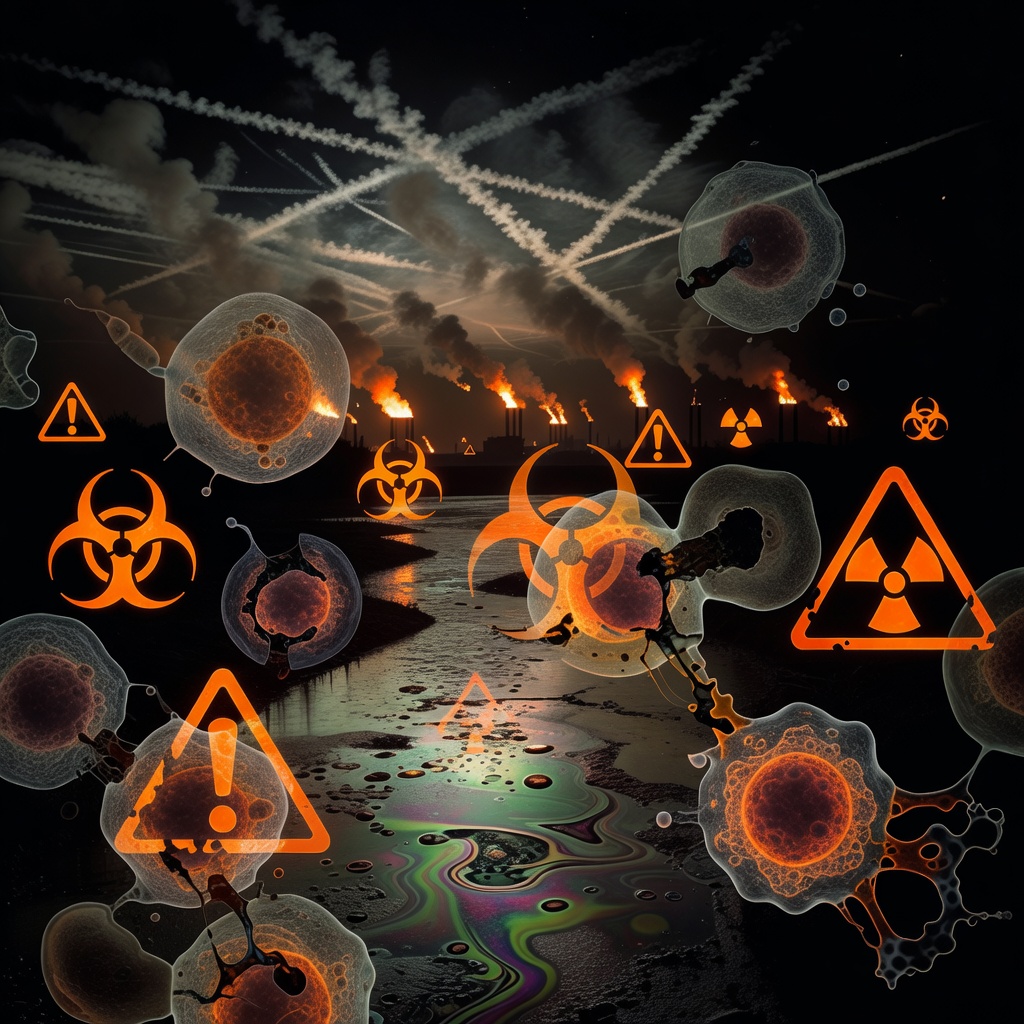
# Lead-Induced Oxidative Stress: Depletion of Glutathione and the Pathogenesis of Neurodegeneration ## Introduction In the realm of environmental toxicology, few elements carry as heavy a historical and biological burden as lead (Pb). Despite decades of regulatory efforts to reduce exposure, lead remains a ubiquitous environmental contaminant, persisting in soil, old paint, water pipes, and industrial emissions. While the systemic effects of lead are widespread, affecting the renal, cardiovascular, and hematopoietic systems, its most devastating impact occurs within the human brain. At the root of this damage lies a fundamental biochemical disruption: the induction of oxidative stress and the systematic depletion of the body’s premier antioxidant, glutathione (GSH). To understand lead toxicity at its source, one must look beyond the symptoms and into the molecular landscape where lead disrupts the delicate balance of cellular life. ## The Root Cause: Molecular Mimicry and Thiol Affinity Lead is a divalent cation ($Pb^{2+}$) that exerts its toxicity primarily through its ability to mimic essential metals, most notably calcium ($Ca^{2+}$), zinc ($Zn^{2+}$), and iron ($Fe^{2+}$).
By masquerading as these vital ions, lead gains entry into cells and binds to the active sites of enzymes, rendering them dysfunctional. However, the true 'smoking gun' of lead toxicity is its extraordinary affinity for sulfhydryl (-SH) groups, also known as thiol groups. Many of the body's most critical proteins and antioxidants rely on these thiol groups for their structural integrity and catalytic activity. When lead enters the intracellular environment, it seeks out these sulfur-containing molecules with high precision. The primary target in this regard is Glutathione (GSH), a tripeptide composed of glutamate, cysteine, and glycine.
GSH is the most abundant non-protein thiol in the cell and serves as the primary line of defense against reactive oxygen species (ROS). ## The Depletion of Glutathione (GSH) Glutathione exists in two forms within the cell: the reduced form (GSH) and the oxidized form (GSSG). In a healthy state, the ratio of GSH to GSSG is high, ensuring that the cell has ample 'ammunition' to neutralize free radicals. Lead disrupts this balance through two main pathways. First, lead binds directly to the mercaptide group of the glutathione molecule. This binding forms a lead-GSH complex that is either excreted or rendered inactive, effectively lowering the total pool of available antioxidants.
Second, lead interferes with the recycling of glutathione. The enzyme glutathione reductase (GSR) is responsible for converting oxidized GSSG back into its protective reduced form (GSH). Because GSR requires functional thiol groups and often uses essential metal cofactors that lead can displace, its activity is significantly inhibited. As a result, the cell loses its ability to regenerate its antioxidant shield, leading to a state of chronic oxidative stress. ## The Cascade of Oxidative Stress and ROS Generation Once glutathione levels are depleted, the cell becomes a target for reactive oxygen species. Lead toxicity accelerates the production of these harmful molecules, including superoxide radicals ($O_2^{•-}$), hydrogen peroxide ($H_2O_2$), and the highly reactive hydroxyl radical ($^{•}OH$).
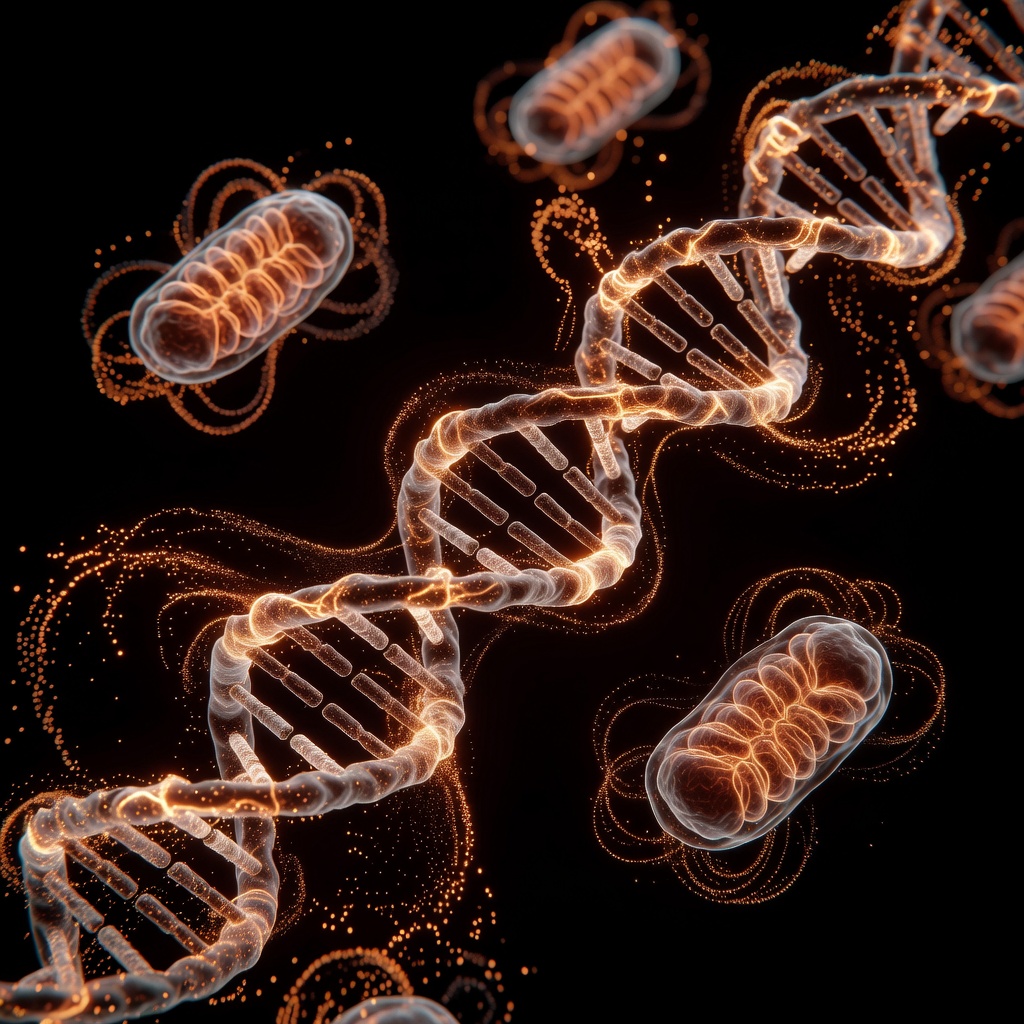
Furthermore, lead stimulates the Fenton reaction by displacing iron from heme-containing proteins. This 'free' iron then reacts with hydrogen peroxide to generate even more hydroxyl radicals, creating a self-sustaining cycle of cellular destruction. Without sufficient glutathione to neutralize these species, the oxidative load begins to damage the cell's essential machinery. This includes the oxidation of proteins, the mutation of mitochondrial DNA, and, most critically, the peroxidation of lipids. ## The Pathogenesis of Neurodegeneration The central nervous system (CNS) is uniquely vulnerable to lead-induced oxidative stress for several reasons. The brain is an organ with high oxygen consumption, high lipid content, and relatively low levels of antioxidant enzymes compared to the liver.
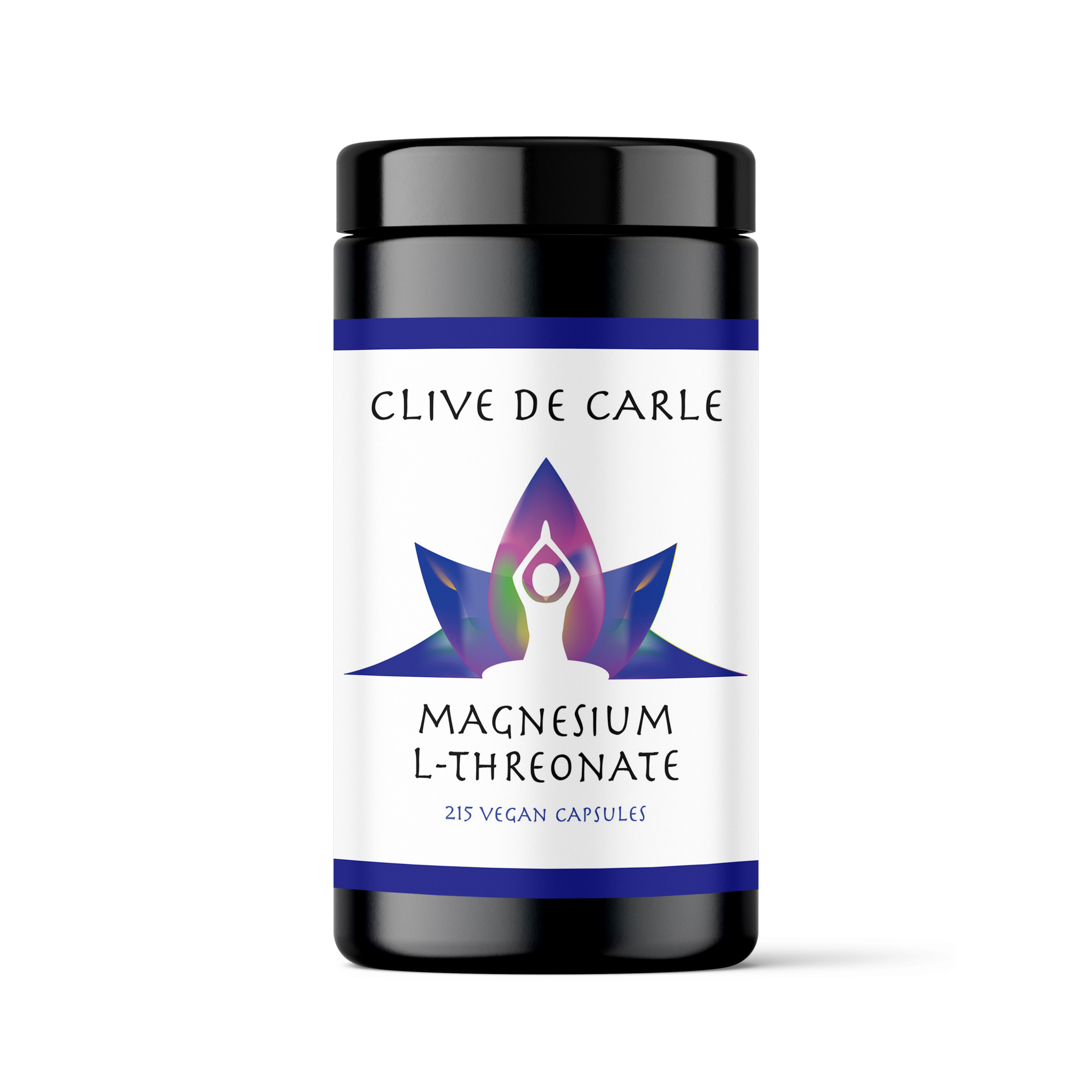
Magnesium L-Threonate
Magnesium L-Threonate is a specialized form of magnesium designed to cross the blood-brain barrier for superior cognitive and nervous system support. It helps reduce mental fatigue while promoting healthy psychological function and consistent energy levels throughout the day.
Vetting Notes
Pending
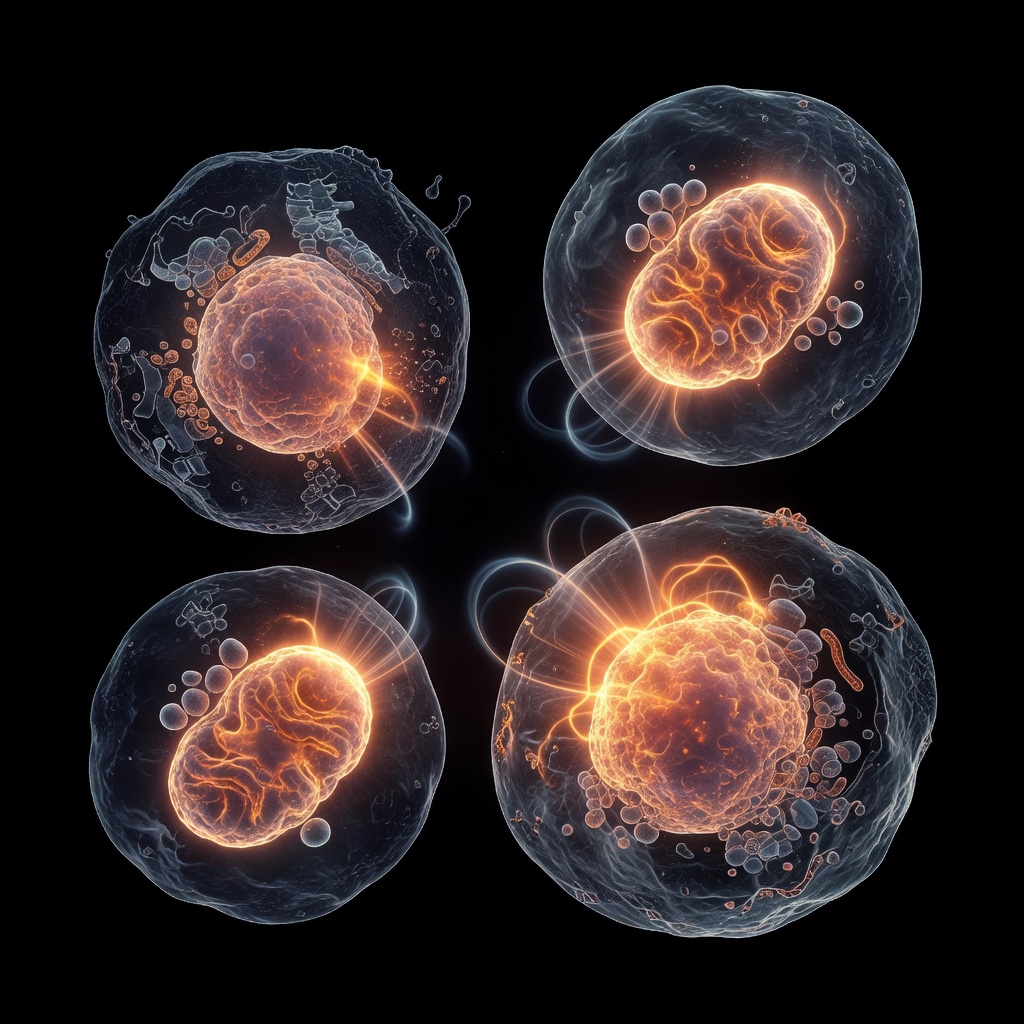
This makes it a perfect environment for lipid peroxidation—the process by which free radicals 'steal' electrons from the lipids in cell membranes, resulting in cell damage. In the brain, lead easily crosses the blood-brain barrier (BBB) by hijacking calcium transporters. Once inside, it targets the astrocytes and neurons. The depletion of GSH in neurons leads to mitochondrial dysfunction. When the mitochondria—the powerhouses of the cell—fail due to oxidative damage, the cell can no longer maintain its ion gradients.
This leads to an influx of calcium, which triggers excitatory neurotransmitter release (excitotoxicity) and eventually activates the apoptotic (programmed cell death) pathways. This loss of neuronal density is the hallmark of neurodegenerative diseases. Research has increasingly linked chronic, low-level lead exposure to the pathogenesis of conditions such as Alzheimer’s disease and Parkinson’s disease. In Alzheimer’s, lead-induced oxidative stress promotes the expression of the amyloid precursor protein (APP) and the accumulation of beta-amyloid plaques. In Parkinsonian models, lead exposure enhances the aggregation of alpha-synuclein, a process driven by the oxidative environment created by glutathione deficiency. ## The Impact on Neurodevelopment and Cognitive Reserve While the neurodegenerative effects in adults are profound, the impact on the developing brain is even more severe.
In children, lead exposure disrupts synaptogenesis—the formation of connections between neurons. The oxidative stress induced by lead interferes with the Brain-Derived Neurotrophic Factor (BDNF), a protein essential for the survival and plasticity of neurons. This results in permanent reductions in cognitive reserve, leading to lower IQ scores, behavioral disorders, and a higher risk of developing neurodegenerative conditions later in life. This 'early life origin' of adult disease highlights the necessity of addressing lead toxicity at the root cause rather than merely managing symptoms. ## Clinical Implications and Restoration Strategy Addressing lead toxicity requires a multi-faceted approach focused on both the removal of the toxin and the restoration of the antioxidant system. While chelation therapy is the standard medical intervention for acute poisoning, it often fails to address the underlying oxidative damage in chronic, low-level cases.
At INNERSTANDING, we emphasize the importance of nutritional precursors that support glutathione synthesis. This includes N-Acetyl Cysteine (NAC), which provides the rate-limiting amino acid cysteine for GSH production, as well as selenium, a necessary cofactor for the enzyme glutathione peroxidase (GPx). Additionally, Alpha-Lipoic Acid (ALA) is recognized for its unique ability to cross the blood-brain barrier and regenerate other antioxidants like Vitamin C and E, while also chelating lead in both intra- and extracellular environments. Ensuring adequate intake of zinc and calcium is also vital, as these minerals compete with lead for binding sites, effectively reducing its uptake and toxic potential. ## Conclusion Lead-induced oxidative stress is not a simple injury but a complex biochemical hijacking. By depleting glutathione and inhibiting the enzymes responsible for cellular redox balance, lead sets the stage for a cascade of neurodegenerative damage that can span a lifetime.
Understanding the root cause—the affinity of lead for thiol groups and its disruption of mitochondrial health—allows for more targeted strategies in environmental medicine and public health. As we continue to uncover the deep-seated links between environmental toxins and neurological decline, the preservation of our cellular antioxidant systems must remain at the forefront of our educational and therapeutic efforts.
This article is provided for informational and educational purposes only. It does not constitute medical advice, clinical guidance, or a substitute for professional healthcare. Information reflects cited research at time of publication. Always consult a qualified healthcare professional before acting on any health information.
RESEARCH FOUNDATIONS
Biological Credibility Archive
Citations provided for educational reference. Verify via PubMed or institutional databases.
Medical Disclaimer
The information in this article is for educational purposes only and does not constitute medical advice, diagnosis, or treatment. Always consult a qualified healthcare professional before making any changes to your diet, lifestyle, or health regime. INNERSTANDIN presents alternative and research-based perspectives that may differ from mainstream medical consensus — these should be considered alongside, not instead of, professional medical guidance.
Read Full DisclaimerReady to learn more?
Continue your journey through our classified biological research.
DISCUSSION ROOM
Members of THE COLLECTIVE discussing "Lead-Induced Oxidative Stress: Depletion of Glutathione and the Pathogenesis of Neurodegeneration"
SILENT CHANNEL
Be the first to discuss this article. Your insight could help others understand these biological concepts deeper.
THE ARSENAL
Based on Lead Toxicity — products curated by our research team for educational relevance and biological support.
Magnesium L-Threonate
Vegan Essential Amino Acids – Plant-Powered Protein Building
INNERSTANDING may earn a commission on purchases made through these links. All products are selected based on rigorous educational relevance to our biological research.
RABBIT HOLE
Follow the biological thread deeper