Glutathione: The Master Antioxidant the Body Cannot Live Without
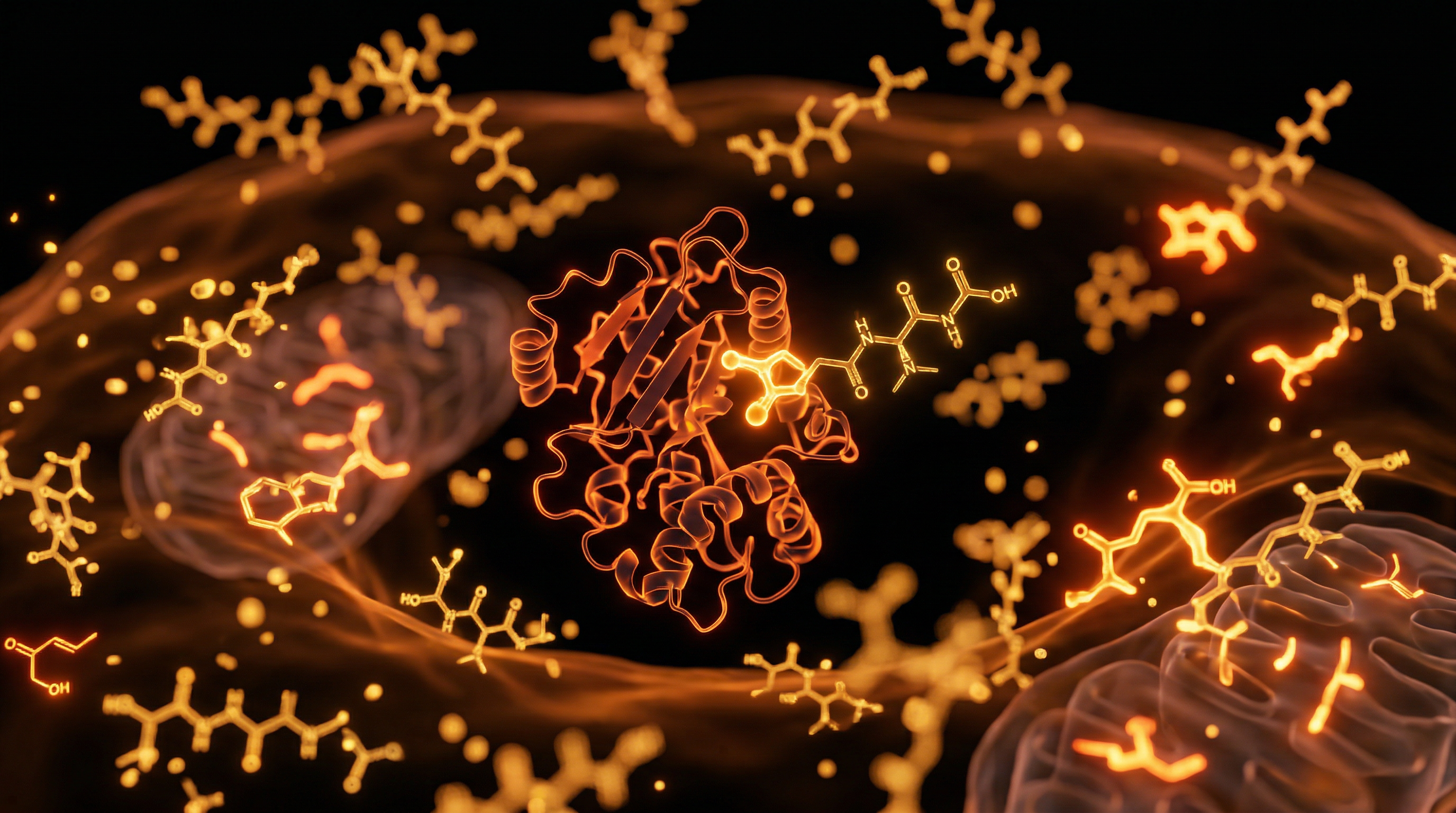
Glutathione — a tripeptide composed of glutamate, cysteine, and glycine — is the most abundant and functionally critical endogenous antioxidant in the human body, present in virtually every cell at millimolar concentrations and performing an irreplaceable role in neutralising reactive oxygen species, regenerating other antioxidants including vitamins C and E, detoxifying xenobiotic compounds in the liver through conjugation reactions, and regulating the cellular redox state that governs inflammatory signalling. The liver is the primary site of glutathione synthesis and the organ most critically dependent on adequate supply — yet it is simultaneously the organ most exposed to dietary and environmental toxins that deplete glutathione through their conjugation and excretion. Modern life systematically depletes glutathione through multiple simultaneous mechanisms: heavy metal binding to the cysteine thiol group, pesticide conjugation consuming the available pool, chronic inflammation driving oxidative demand, nutritional deficiency of precursor amino acids, and genetic variants in the GSTM1 gene affecting synthesis capacity — creating a deficiency state that is simultaneously the consequence and the driver of cumulative biological toxicity.