All INNERSTANDIN content is for educational purposes only — not medical advice, diagnosis or treatment. Full Disclaimer →

    BACK TO DATABASE
    TAGGED RESEARCH

    #detox

    31TRANSMISSIONS FOUND
    L
    Scientific illustration for The Lymphatic System: The Overlooked Detox Network
    Physiology
    18 MIN READ

    The Lymphatic System: The Overlooked Detox Network

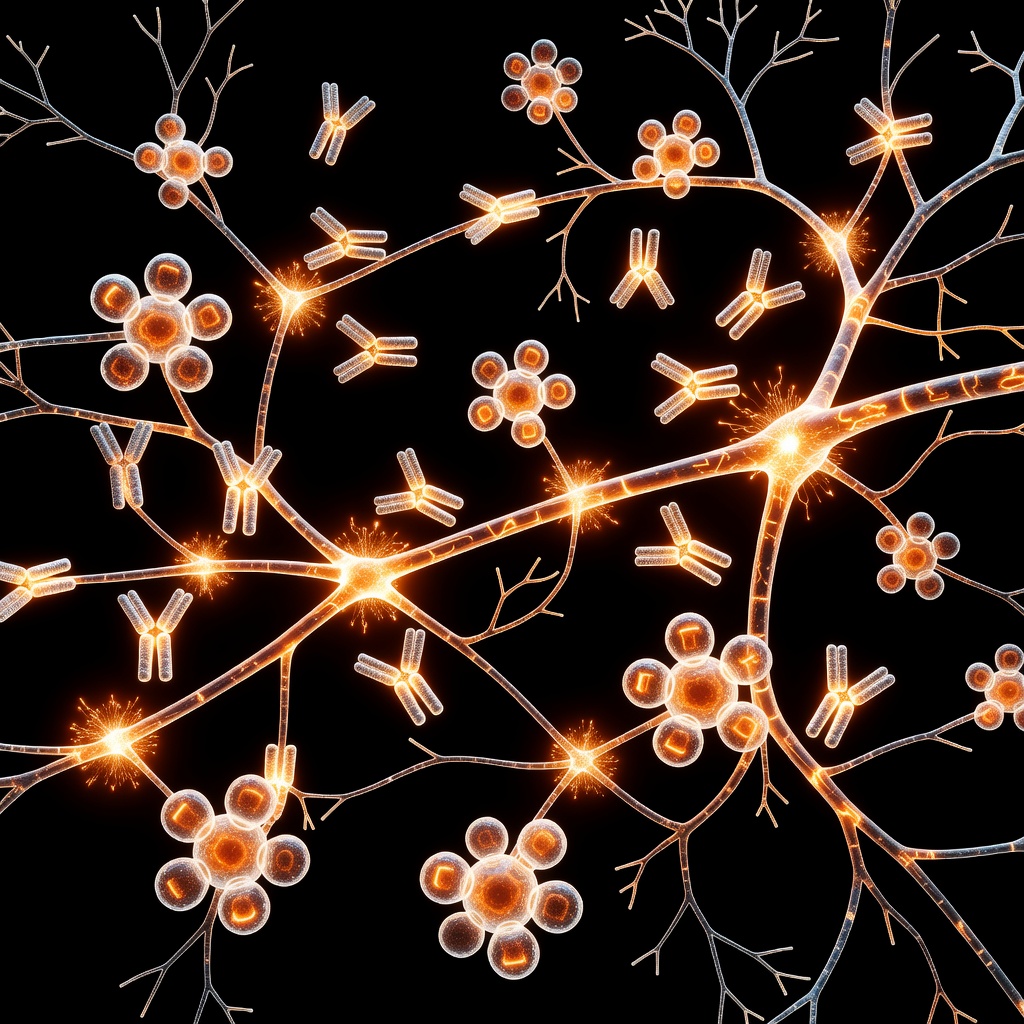
    The lymphatic system is a vast network of vessels, nodes, and organs — including the spleen, thymus, tonsils, and bone marrow — that serves as the body's primary waste removal and immune surveillance infrastructure, transporting lymph fluid, immune cells, dietary fats, and cellular debris throughout the body. Unlike the cardiovascular system, the lymphatic system has no central pump and relies entirely on muscular movement, diaphragmatic breathing, and gravitational forces to circulate its fluid — making sedentary behaviour one of the most damaging threats to lymphatic function. A sluggish lymphatic system leads to toxin accumulation, compromised immunity, oedema, and chronic inflammation, yet it receives virtually no attention in conventional medical practice despite being critical to detoxification and immune competence.

    #lymphatic#detox
    H
    Scientific illustration for Heavy Metals: The Invisible Accumulation Driving Chronic Disease
    Environmental Threats
    14 MIN READ

    Heavy Metals: The Invisible Accumulation Driving Chronic Disease

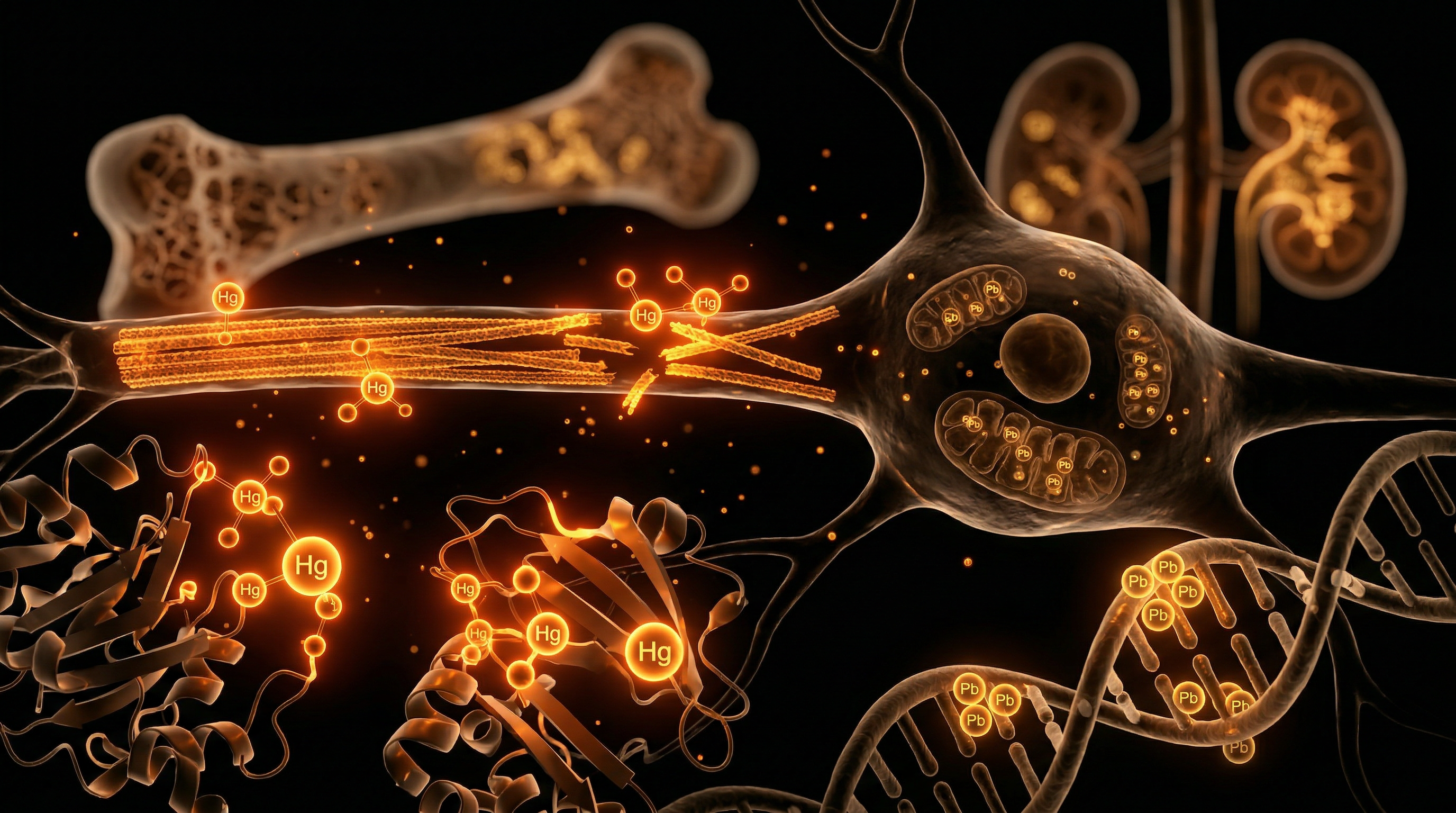
    Heavy metals — including mercury, lead, cadmium, arsenic, aluminium, and nickel — are dense metallic elements that accumulate in biological tissues because they lack metabolic pathways for excretion and have a high affinity for the sulphur-containing compounds found on essential enzymes and structural proteins throughout the body. Exposure routes are ubiquitous in modern Britain: mercury from dental amalgam fillings and contaminated fish, lead from old water pipes and contaminated soils in urban areas, cadmium from cigarette smoke and non-organic vegetables grown on phosphate-fertilised soils, arsenic from contaminated water and rice, and aluminium from cookware, antiperspirants, food additives (E173, E554), and atmospheric aerosols. Individually toxic, heavy metals interact synergistically — producing biological harm at combined exposures far below levels considered individually dangerous — and accumulate progressively over decades in the brain, bone, kidney, and liver, where they displace essential minerals, inhibit enzymes, generate oxidative stress, and drive the chronic disease conditions that now dominate NHS waiting lists.

    #heavy metals#mercury
    G
    Scientific illustration for Glutathione: The Master Antioxidant the Body Cannot Live Without
    Cellular Biology
    15 MIN READ

    Glutathione: The Master Antioxidant the Body Cannot Live Without

    Glutathione — a tripeptide composed of glutamate, cysteine, and glycine — is the most abundant and functionally critical endogenous antioxidant in the human body, present in virtually every cell at millimolar concentrations and performing an irreplaceable role in neutralising reactive oxygen species, regenerating other antioxidants including vitamins C and E, detoxifying xenobiotic compounds in the liver through conjugation reactions, and regulating the cellular redox state that governs inflammatory signalling. The liver is the primary site of glutathione synthesis and the organ most critically dependent on adequate supply — yet it is simultaneously the organ most exposed to dietary and environmental toxins that deplete glutathione through their conjugation and excretion. Modern life systematically depletes glutathione through multiple simultaneous mechanisms: heavy metal binding to the cysteine thiol group, pesticide conjugation consuming the available pool, chronic inflammation driving oxidative demand, nutritional deficiency of precursor amino acids, and genetic variants in the GSTM1 gene affecting synthesis capacity — creating a deficiency state that is simultaneously the consequence and the driver of cumulative biological toxicity.

    #glutathione#antioxidant
    M
    Scientific illustration for Mercury Poisoning & Mitochondrial Damage: The ME/CFS Connection
    Environmental Threats
    15 MIN READ

    Mercury Poisoning & Mitochondrial Damage: The ME/CFS Connection

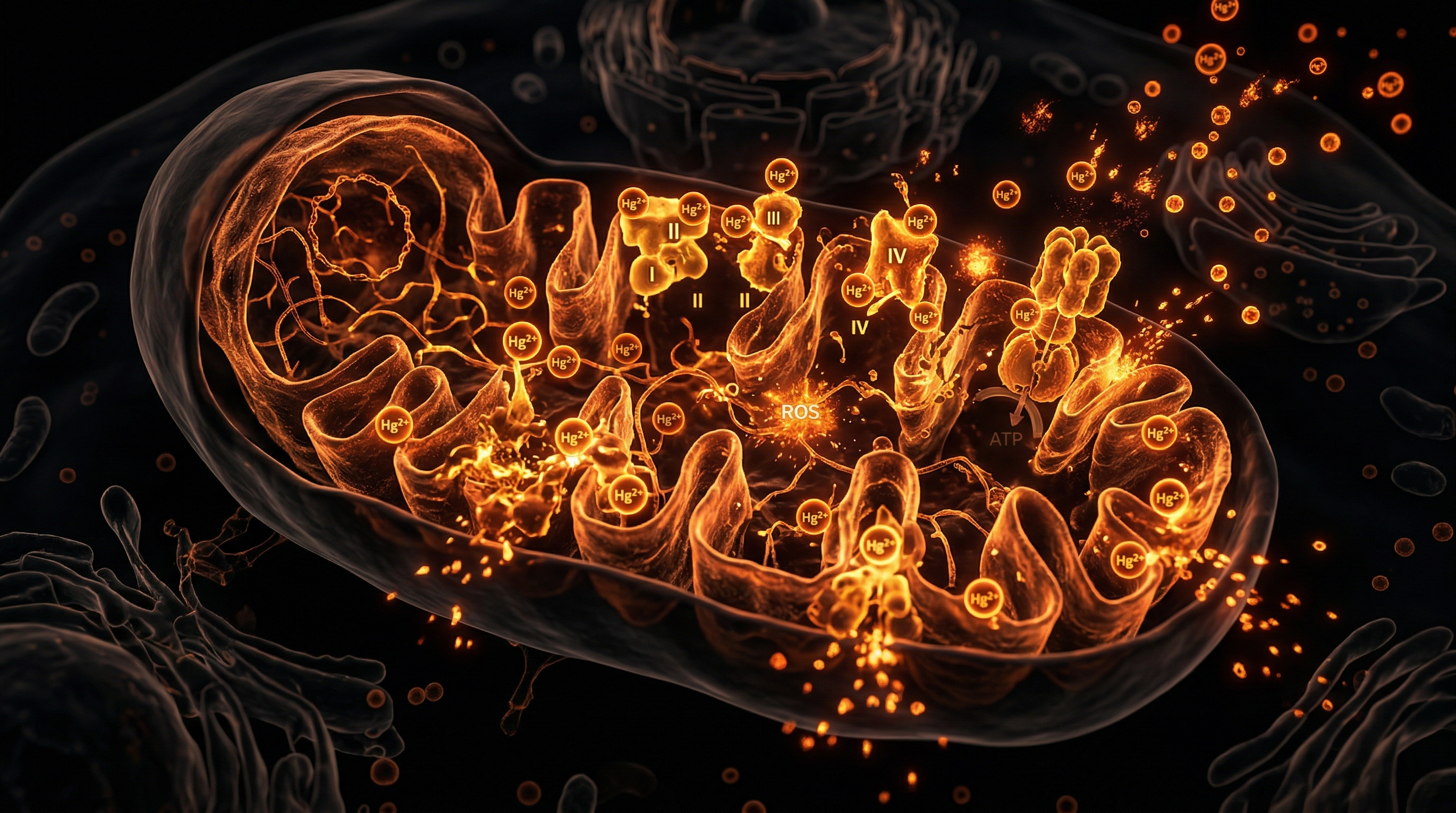
    Mercury from NHS-fitted amalgam dental fillings, predatory fish consumption, and thimerosal-containing pharmaceutical products is one of the most potent mitochondrial toxins known, with a specific affinity for the thiol groups of the electron transport chain enzymes responsible for ATP generation. By crippling cellular energy production, mercury creates the bioenergetic collapse that underlies ME/Chronic Fatigue Syndrome, progressive neurological decline, cardiac dysfunction, and immune dysregulation — conditions the NHS frequently misdiagnoses as psychiatric illness. The European Union's 2024 phase-down of dental amalgam, long resisted by UK dental bodies, represents a partial but belated acknowledgement of what independent toxicologists have been demonstrating for decades.

    #mercury#amalgam
    G
    Scientific illustration for Glutathione: The Master Antioxidant Modern Medicine Ignores
    Cellular Biology
    14 MIN READ

    Glutathione: The Master Antioxidant Modern Medicine Ignores

    Glutathione — a tripeptide of glutamic acid, cysteine, and glycine — is the body's most abundant and critically important endogenous antioxidant, directly neutralising reactive oxygen species, recycling vitamins C and E, and serving as the essential cofactor for Phase II liver detoxification, selenium-dependent glutathione peroxidase, and the transport of mercury and other heavy metals out of neural tissue. Glutathione depletion — driven by chronic oxidative stress, alcohol consumption, pharmaceutical drug loads, heavy metal burden, nutritional deficiency in sulphur amino acids, and MTHFR genetic polymorphisms — is a universal finding in virtually every chronic degenerative disease, cancer, and autoimmune condition, yet intravenous or liposomal glutathione therapy remains outside NHS practice. Understanding and actively maintaining glutathione status is one of the highest-leverage interventions in preventive biological medicine.

    #glutathione#GSH
    B
    Scientific illustration for Bile: The Forgotten Key to Detoxification & Hormonal Balance
    Physiology
    16 MIN READ

    Bile: The Forgotten Key to Detoxification & Hormonal Balance

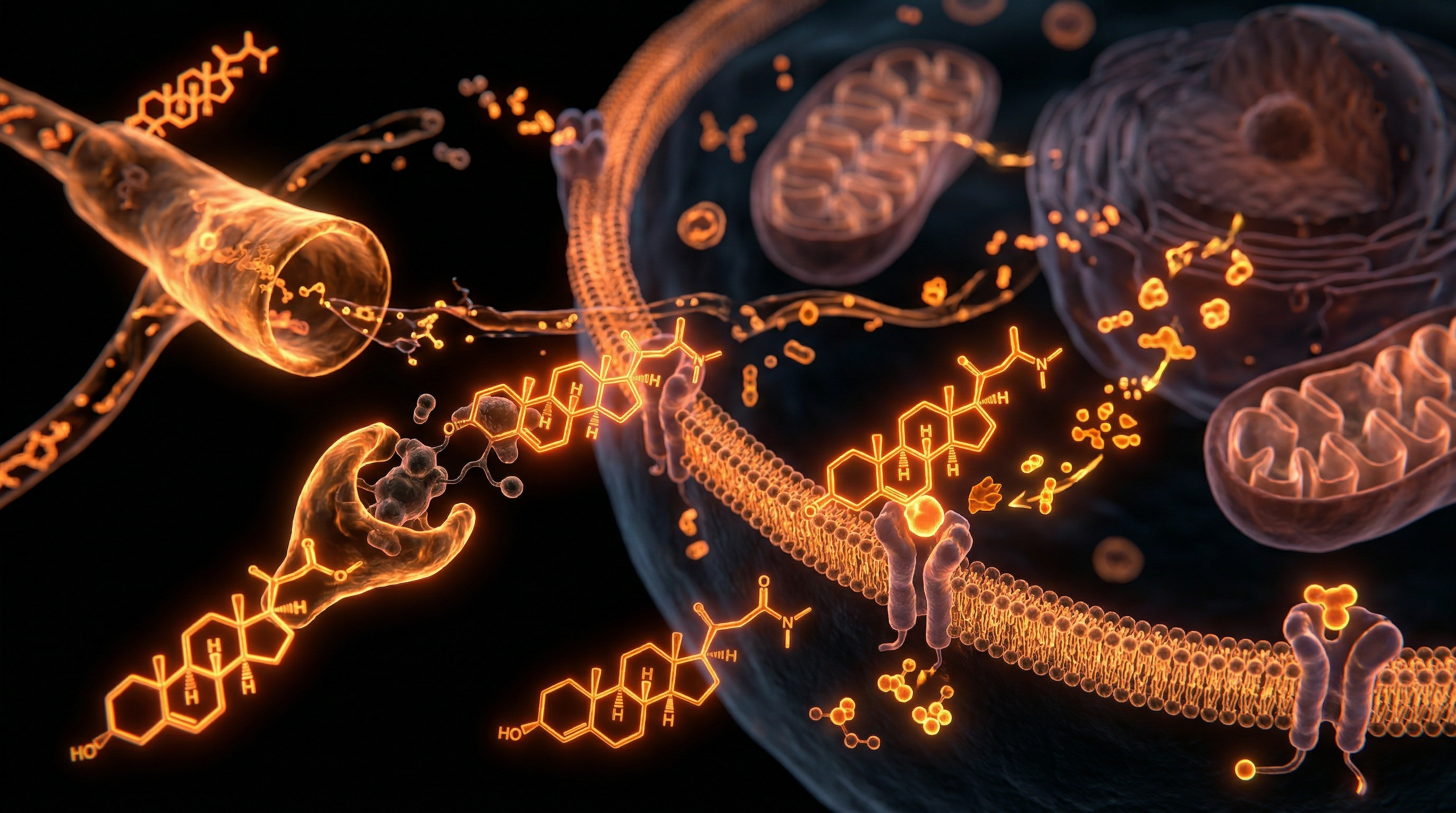
    Bile — the green-yellow fluid synthesised by hepatocytes from cholesterol, conjugated with taurine or glycine, stored in the gallbladder, and secreted into the duodenum in response to fat ingestion — performs far more than the digestion of dietary fats: it is the primary vehicle through which fat-soluble toxins, excess hormones, heavy metals, and pharmaceutical metabolites are excreted from the body, making adequate bile production and flow the non-negotiable foundation of effective hepatic detoxification. Insufficient bile production — driven by low dietary fat intake following decades of misguided fat-phobic dietary advice, liver congestion, gallbladder removal (cholecystectomy), or pharmaceutical bile acid sequestrant use — creates a bottleneck in detoxification that allows lipophilic toxins to recirculate through enterohepatic recycling rather than being eliminated. The gallbladder epidemic in the UK, with 70,000 cholecystectomies performed annually, is a predictable consequence of the low-fat, high-carbohydrate dietary paradigm that has dominated NHS nutritional guidance for 40 years.

    #bile#gallbladder