All INNERSTANDIN content is for educational purposes only — not medical advice, diagnosis or treatment. Full Disclaimer →

    BACK TO DATABASE
    TAGGED RESEARCH

    #heavy metals

    69TRANSMISSIONS FOUND
    C
    Scientific illustration for Chemtrails and Geoengineering: The Aerosol Evidence
    Environmental Threats
    15 MIN READ

    Chemtrails and Geoengineering: The Aerosol Evidence

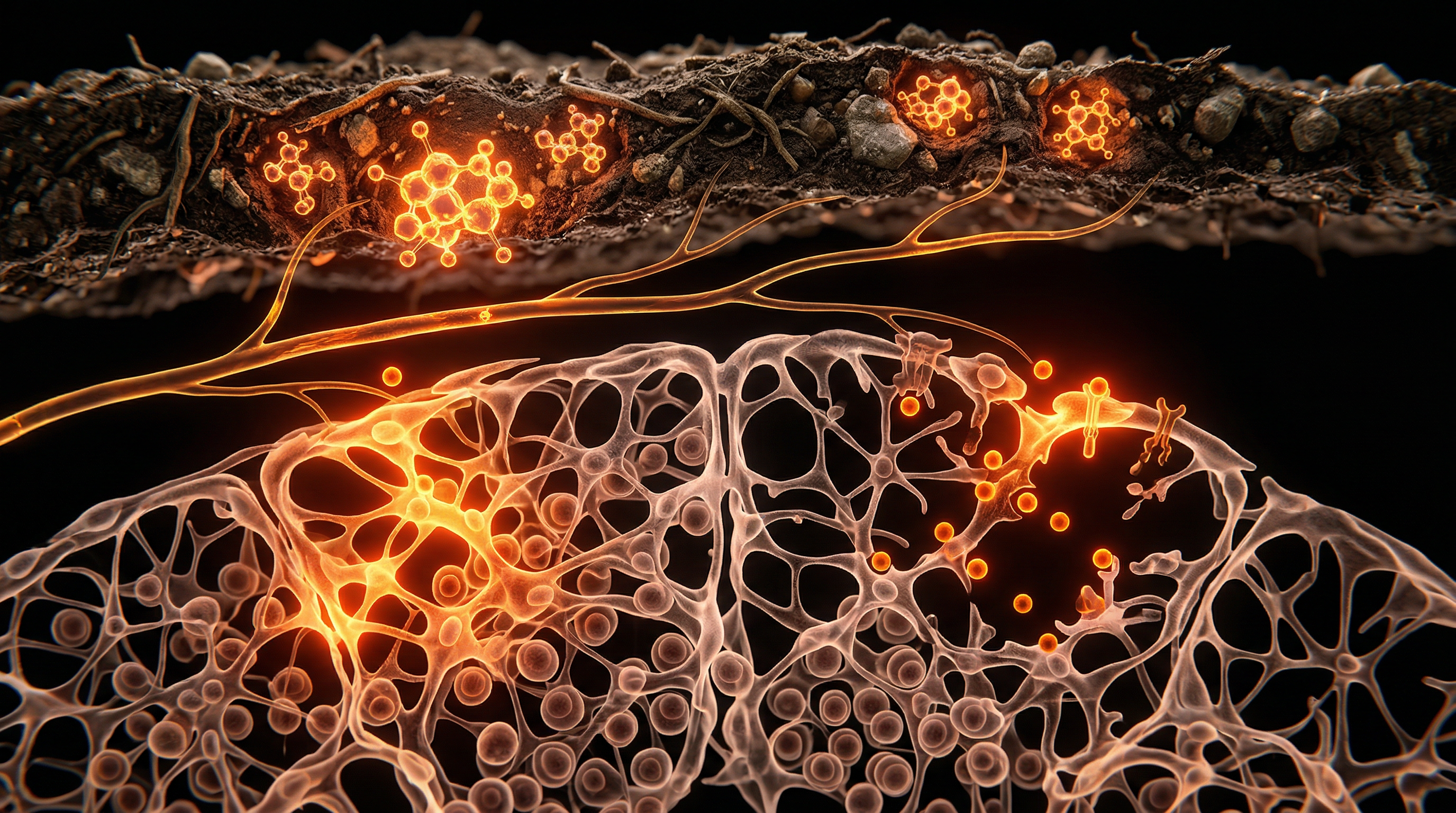
    Stratospheric aerosol injection — the deliberate dispersal of reflective particles into the upper atmosphere — has transitioned from fringe theory to acknowledged climate intervention strategy, with geoengineering programmes openly discussed in academic, governmental, and military literature. Independent analysis of precipitation, soil, and air samples collected near flight paths has repeatedly detected elevated concentrations of aluminium, barium, strontium, and titanium — compounds not present in aircraft fuel combustion but consistent with proposed aerosol formulations. The biological consequences of chronic inhalation and dietary ingestion of these nanoparticulate heavy metals are profound: aluminium is a documented neurotoxin, barium suppresses immune function, and strontium displaces calcium in bone tissue — collectively representing a population-level toxic exposure operating largely below the threshold of regulatory acknowledgement.

    #chemtrails#geoengineering
    H
    Scientific illustration for Heavy Metals: The Invisible Accumulation Driving Chronic Disease
    Environmental Threats
    14 MIN READ

    Heavy Metals: The Invisible Accumulation Driving Chronic Disease

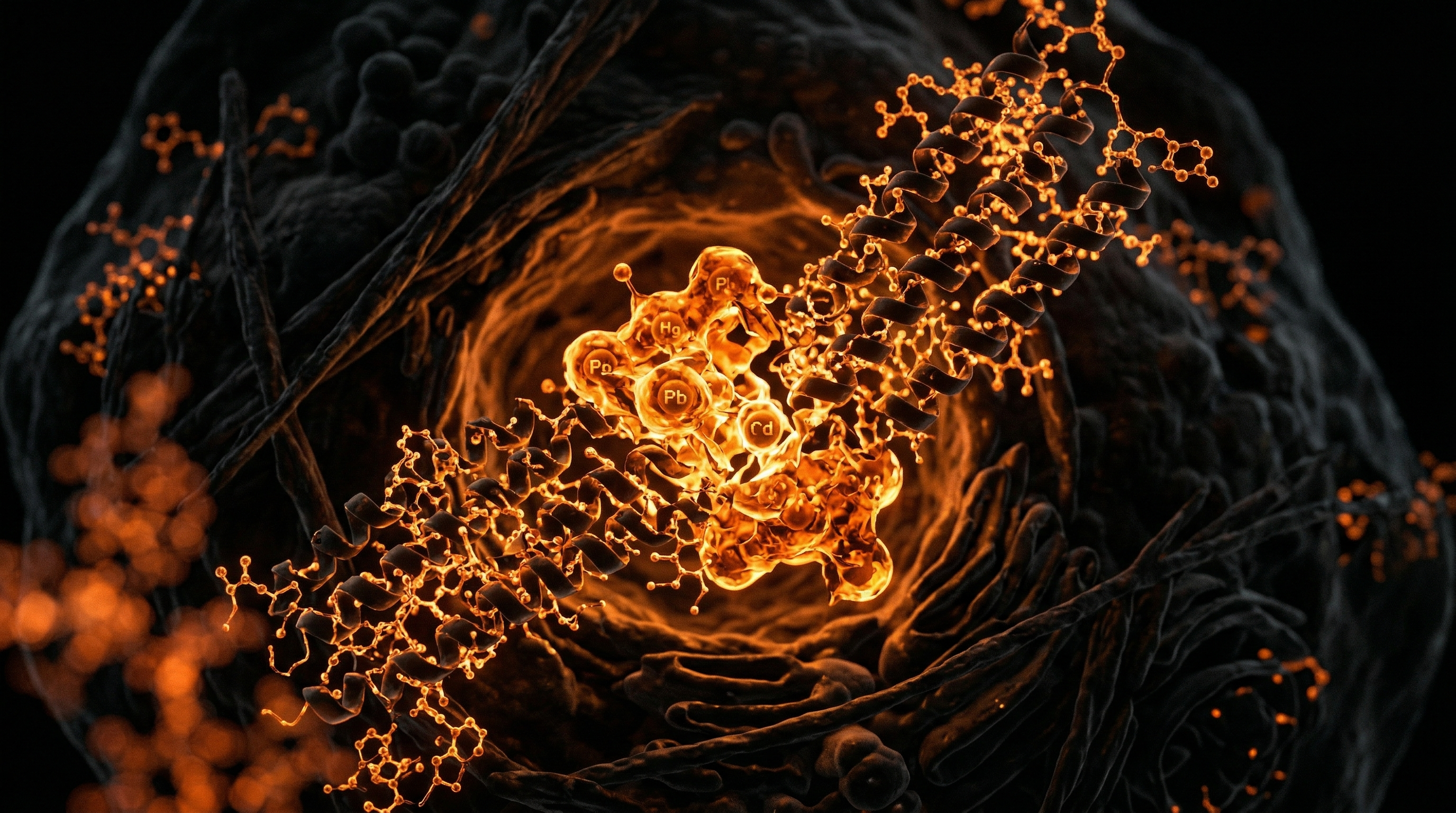
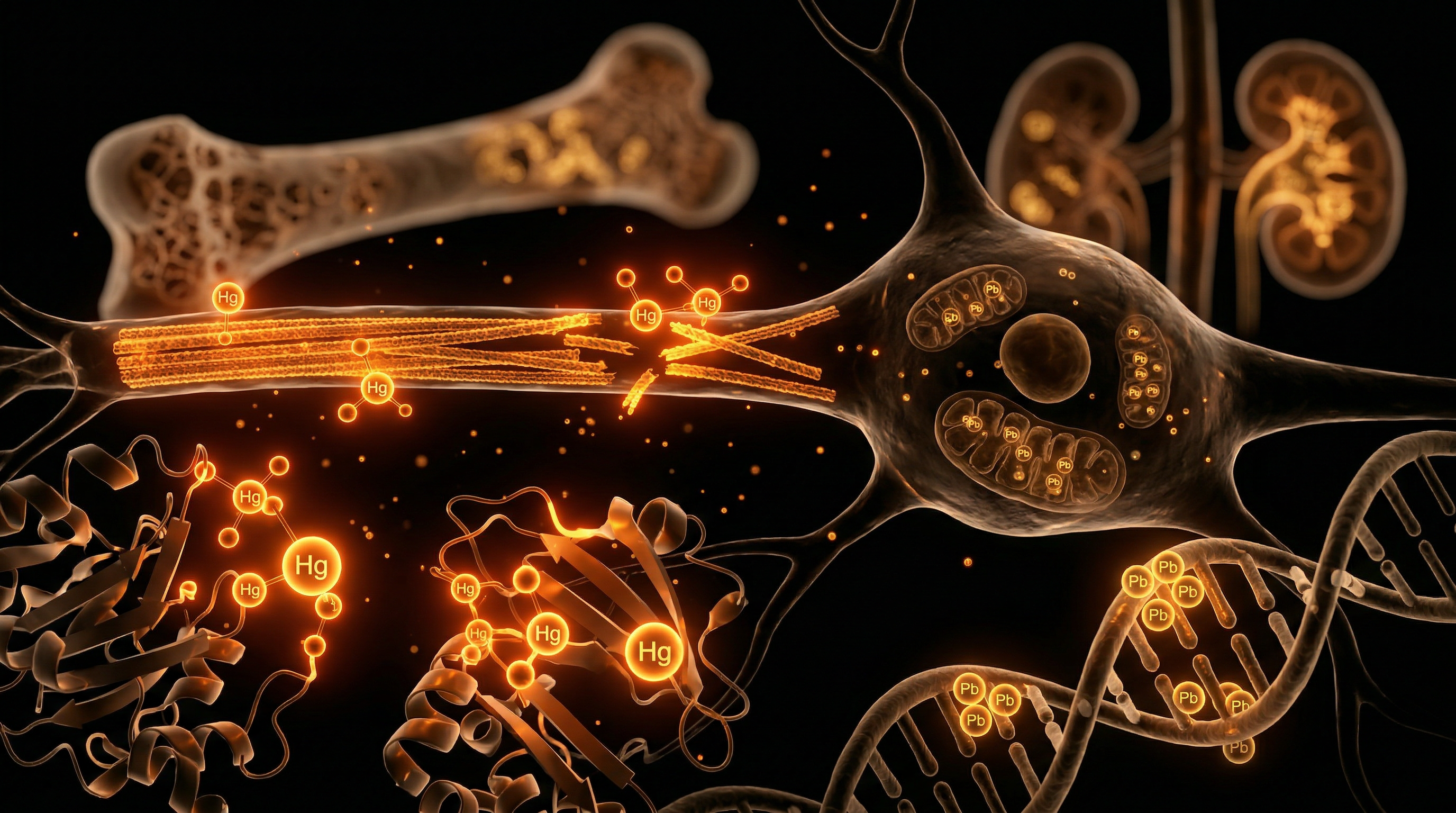
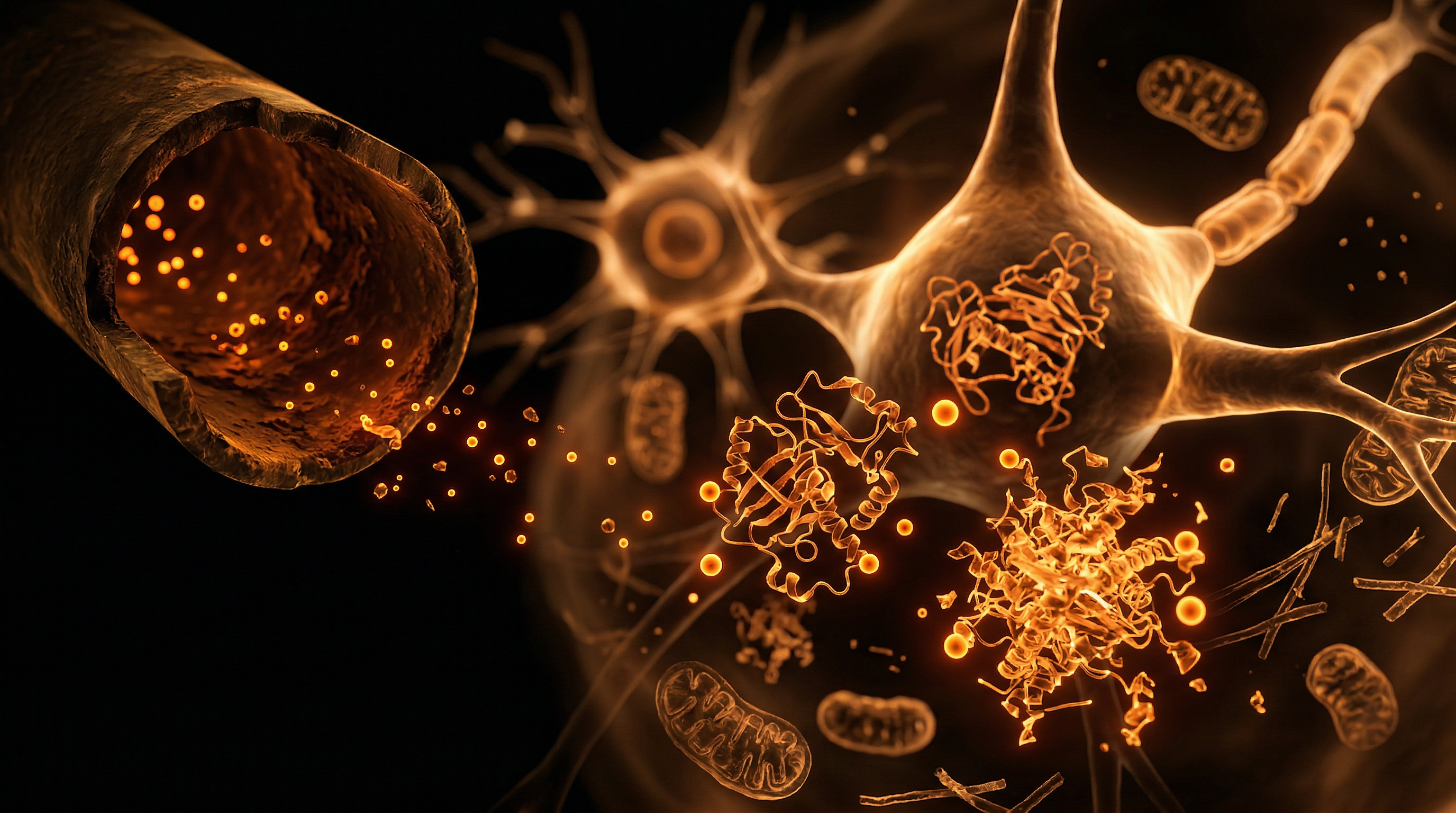
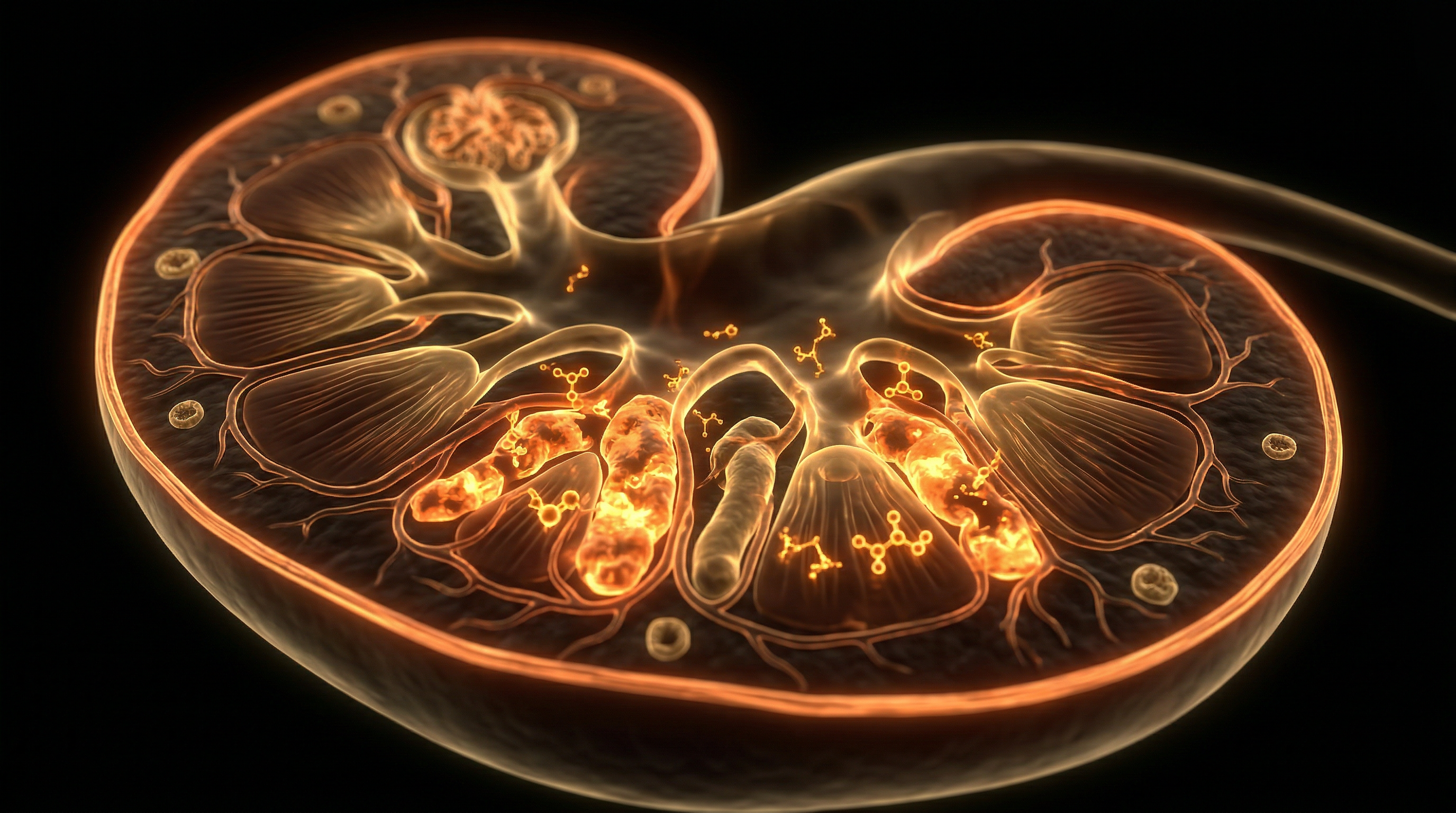
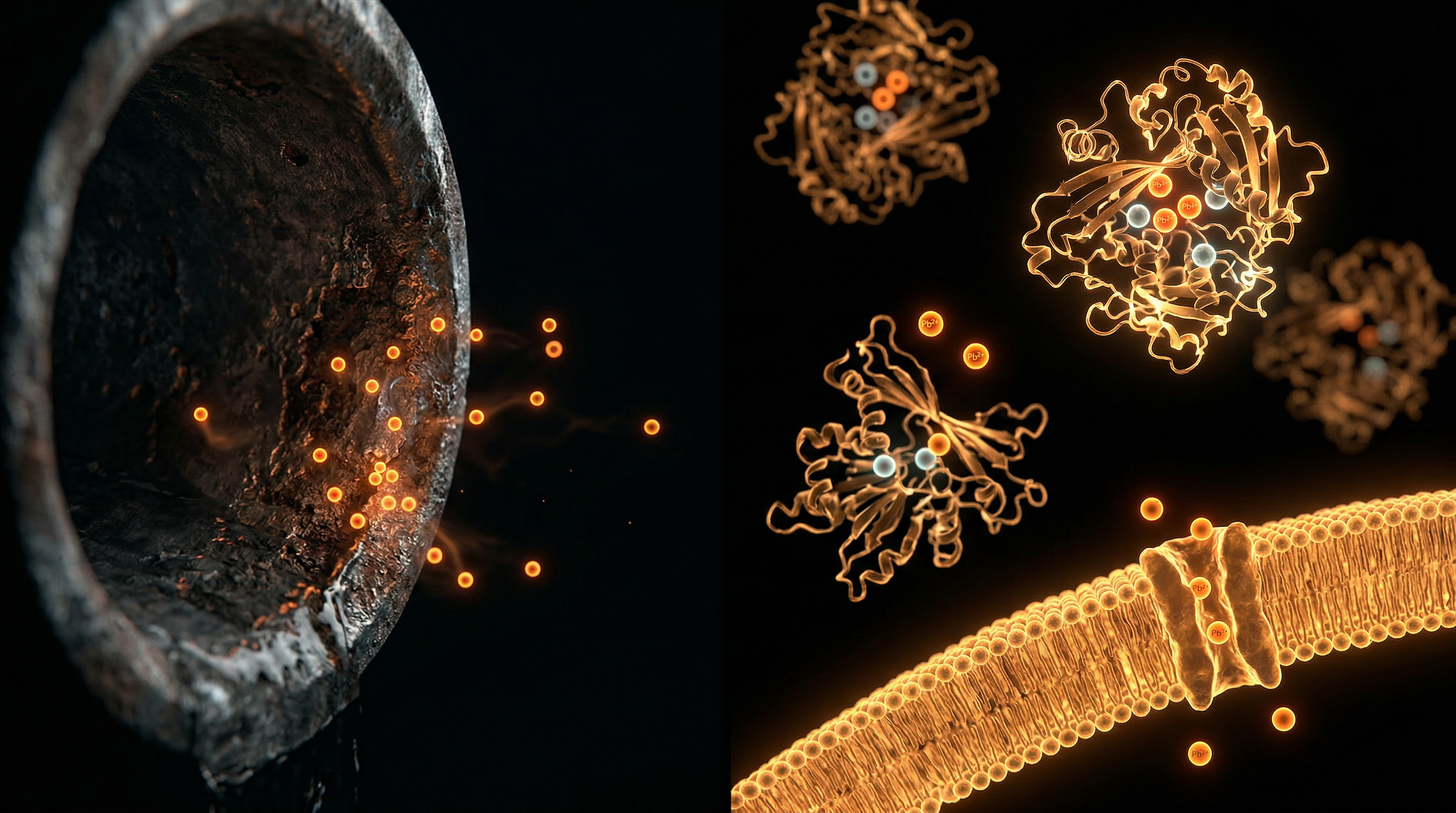
    Heavy metals — including mercury, lead, cadmium, arsenic, aluminium, and nickel — are dense metallic elements that accumulate in biological tissues because they lack metabolic pathways for excretion and have a high affinity for the sulphur-containing compounds found on essential enzymes and structural proteins throughout the body. Exposure routes are ubiquitous in modern Britain: mercury from dental amalgam fillings and contaminated fish, lead from old water pipes and contaminated soils in urban areas, cadmium from cigarette smoke and non-organic vegetables grown on phosphate-fertilised soils, arsenic from contaminated water and rice, and aluminium from cookware, antiperspirants, food additives (E173, E554), and atmospheric aerosols. Individually toxic, heavy metals interact synergistically — producing biological harm at combined exposures far below levels considered individually dangerous — and accumulate progressively over decades in the brain, bone, kidney, and liver, where they displace essential minerals, inhibit enzymes, generate oxidative stress, and drive the chronic disease conditions that now dominate NHS waiting lists.

    #heavy metals#mercury
    B
    Scientific illustration for Blood-Brain Barrier: The Ultimate Defence Being Breached
    Nervous System
    14 MIN READ

    Blood-Brain Barrier: The Ultimate Defence Being Breached

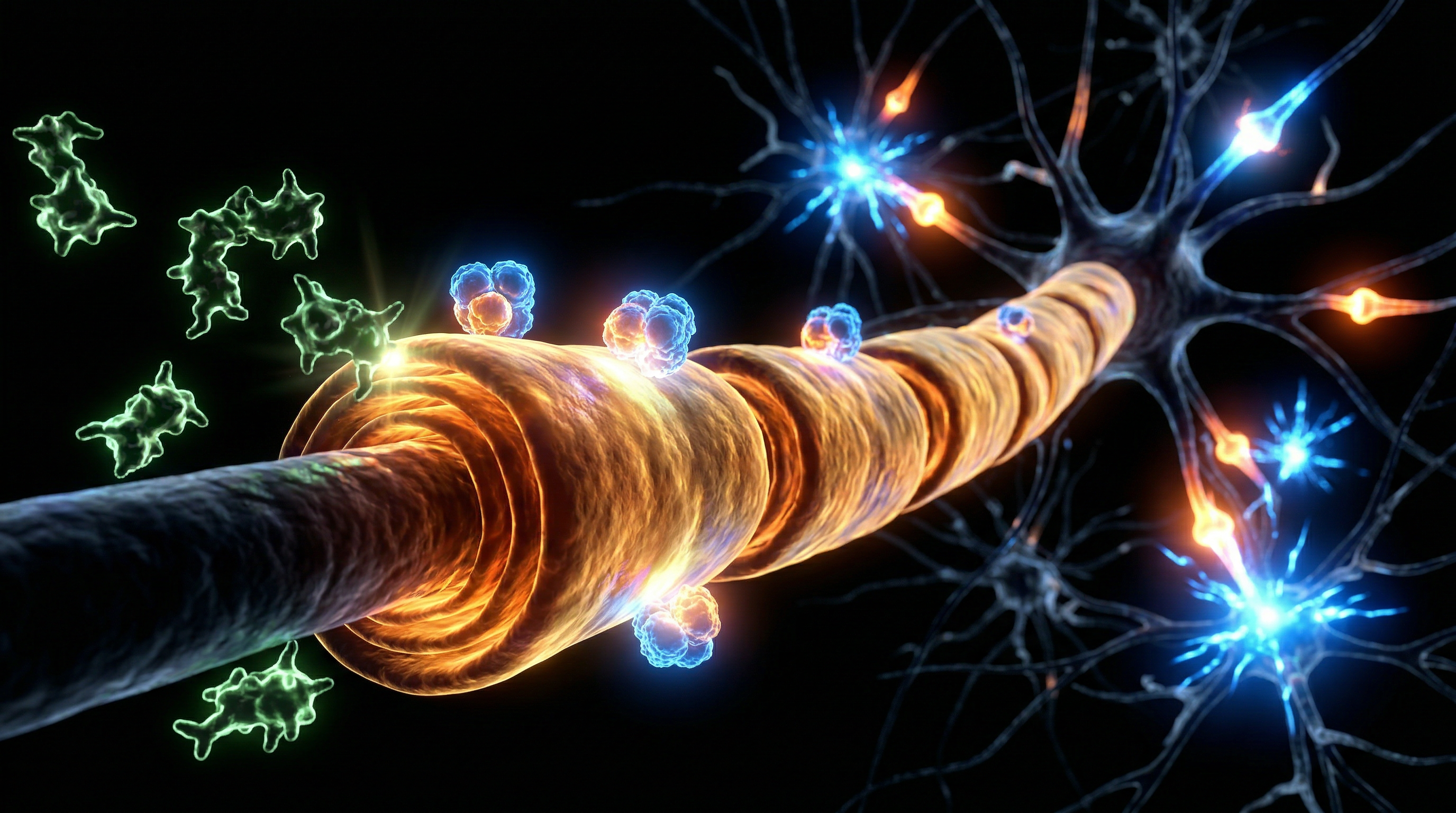
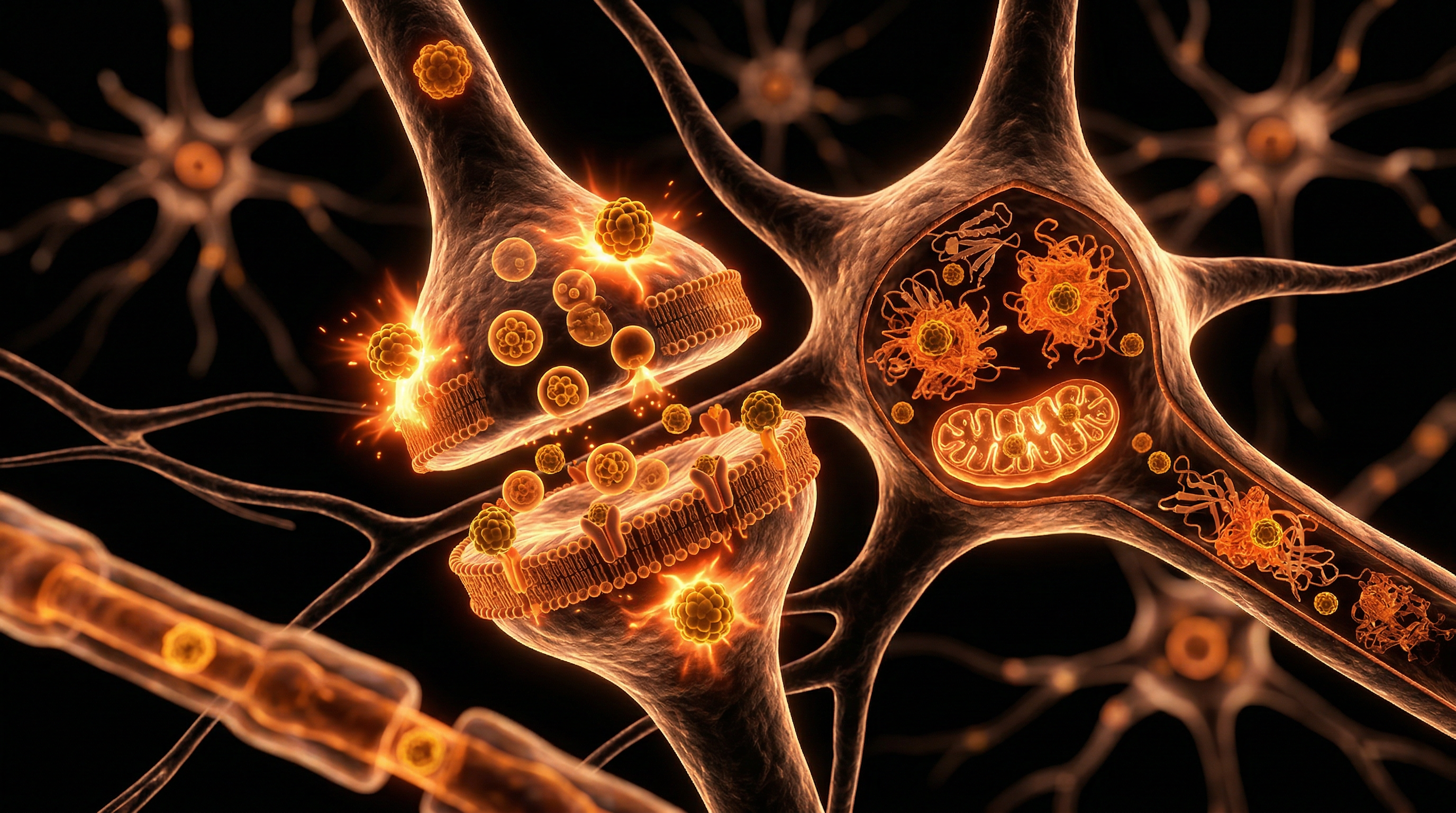
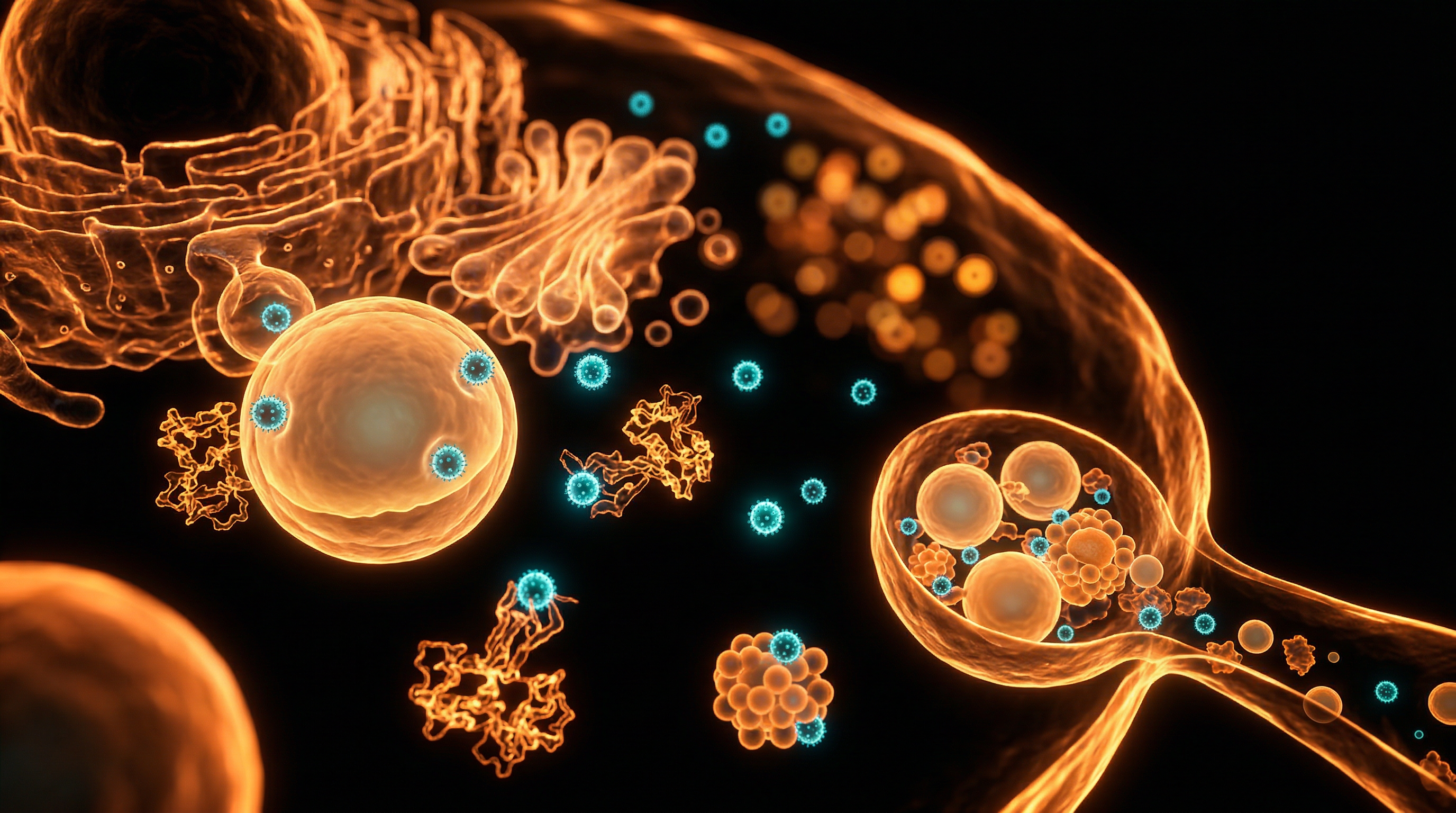
    The blood-brain barrier (BBB) is a highly selective semi-permeable vascular boundary formed by specialised brain endothelial cells connected by exceptionally tight junctions, supported by pericytes and astrocytic end-feet — collectively creating a structural and biochemical barrier that rigorously regulates the passage of molecules from the systemic circulation into the central nervous system. This biological security system is the primary reason the brain can maintain the precise biochemical environment required for neural function, excluding pathogens, large molecules, and most hydrophilic compounds whilst facilitating the transport of glucose, amino acids, and lipid-soluble molecules via specific carrier proteins. The BBB is not inviolable: heavy metals including aluminium, mercury, and lead cross it via mimicry of essential metal transport; glyphosate increases BBB permeability by disrupting tight junction proteins; chronic systemic inflammation elevates BBB permeability through cytokine-mediated mechanisms; and radiofrequency electromagnetic fields activate voltage-gated calcium channels in endothelial cells — collectively creating conditions under which neurotoxic compounds that should be excluded from brain tissue gain access and accumulate.

    #blood-brain barrier#BBB
    C
    Scientific illustration for Chemtrails & Aerial Aerosol Injection: What's in UK Skies?
    Environmental Threats
    15 MIN READ

    Chemtrails & Aerial Aerosol Injection: What's in UK Skies?

    Geoengineering programmes involving stratospheric aerosol injection — documented in scientific literature, government proposals, and independent atmospheric sampling — release microscopic particles of aluminium oxide, barium sulphate, and strontium into breathable air, where they settle into water supplies, agricultural soil, and the human respiratory tract. UK independent researchers have detected anomalous concentrations of these metals in rainwater, soil, and blood samples that correlate with persistent atmospheric trails observed on calm weather days. The intersection of aluminium inhalation, soil contamination, and water supply contamination creates a multi-route exposure burden with profound implications for neurological, immune, and respiratory health.

    #chemtrails#geoengineering
    G
    Scientific illustration for Glutathione: The Master Antioxidant Modern Medicine Ignores
    Cellular Biology
    14 MIN READ

    Glutathione: The Master Antioxidant Modern Medicine Ignores

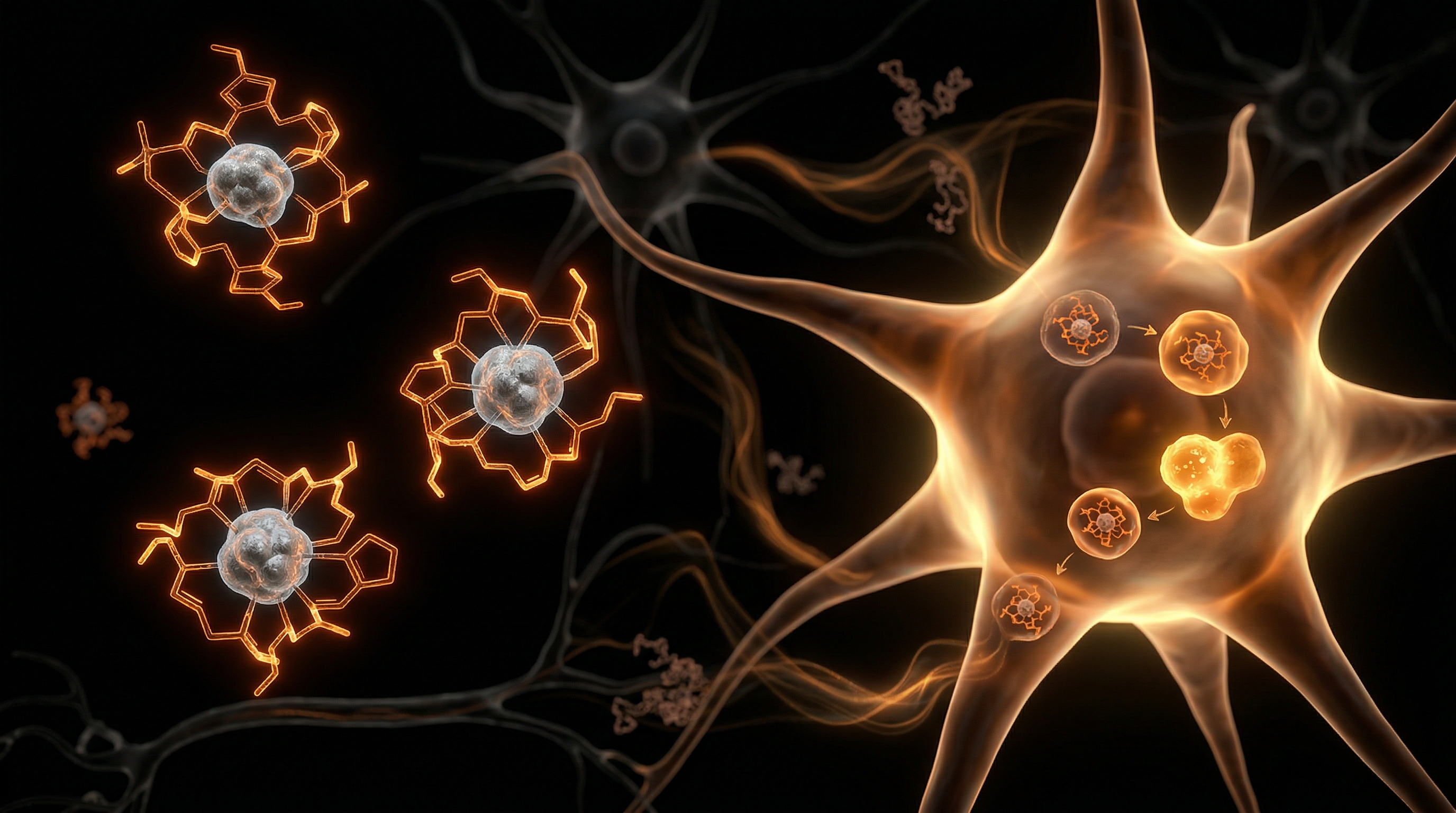
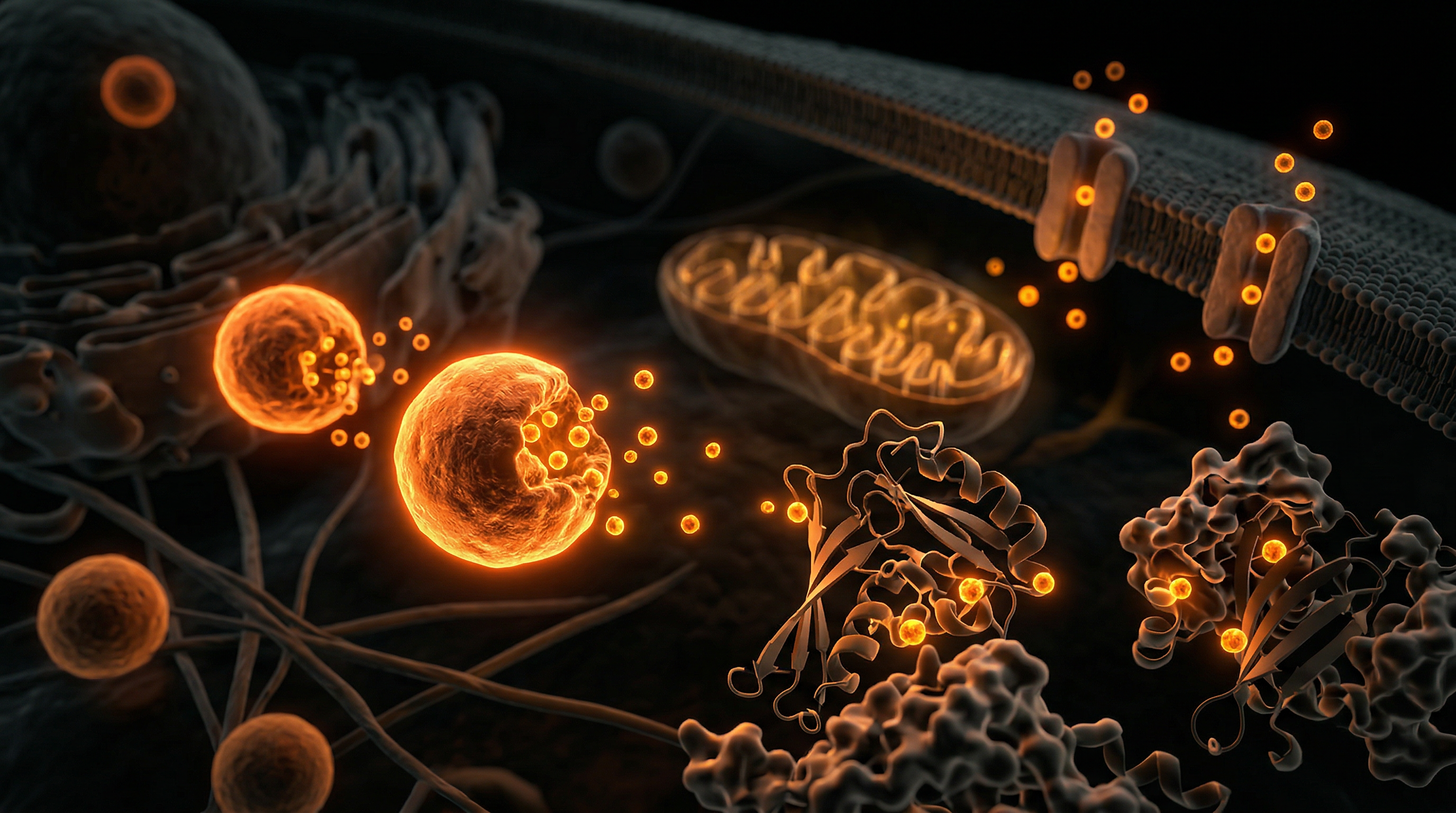
    Glutathione — a tripeptide of glutamic acid, cysteine, and glycine — is the body's most abundant and critically important endogenous antioxidant, directly neutralising reactive oxygen species, recycling vitamins C and E, and serving as the essential cofactor for Phase II liver detoxification, selenium-dependent glutathione peroxidase, and the transport of mercury and other heavy metals out of neural tissue. Glutathione depletion — driven by chronic oxidative stress, alcohol consumption, pharmaceutical drug loads, heavy metal burden, nutritional deficiency in sulphur amino acids, and MTHFR genetic polymorphisms — is a universal finding in virtually every chronic degenerative disease, cancer, and autoimmune condition, yet intravenous or liposomal glutathione therapy remains outside NHS practice. Understanding and actively maintaining glutathione status is one of the highest-leverage interventions in preventive biological medicine.

    #glutathione#GSH
    H
    Scientific illustration for Heavy Metals in the Brain: Aluminium, Mercury & Neurodegeneration
    Nervous System
    15 MIN READ

    Heavy Metals in the Brain: Aluminium, Mercury & Neurodegeneration

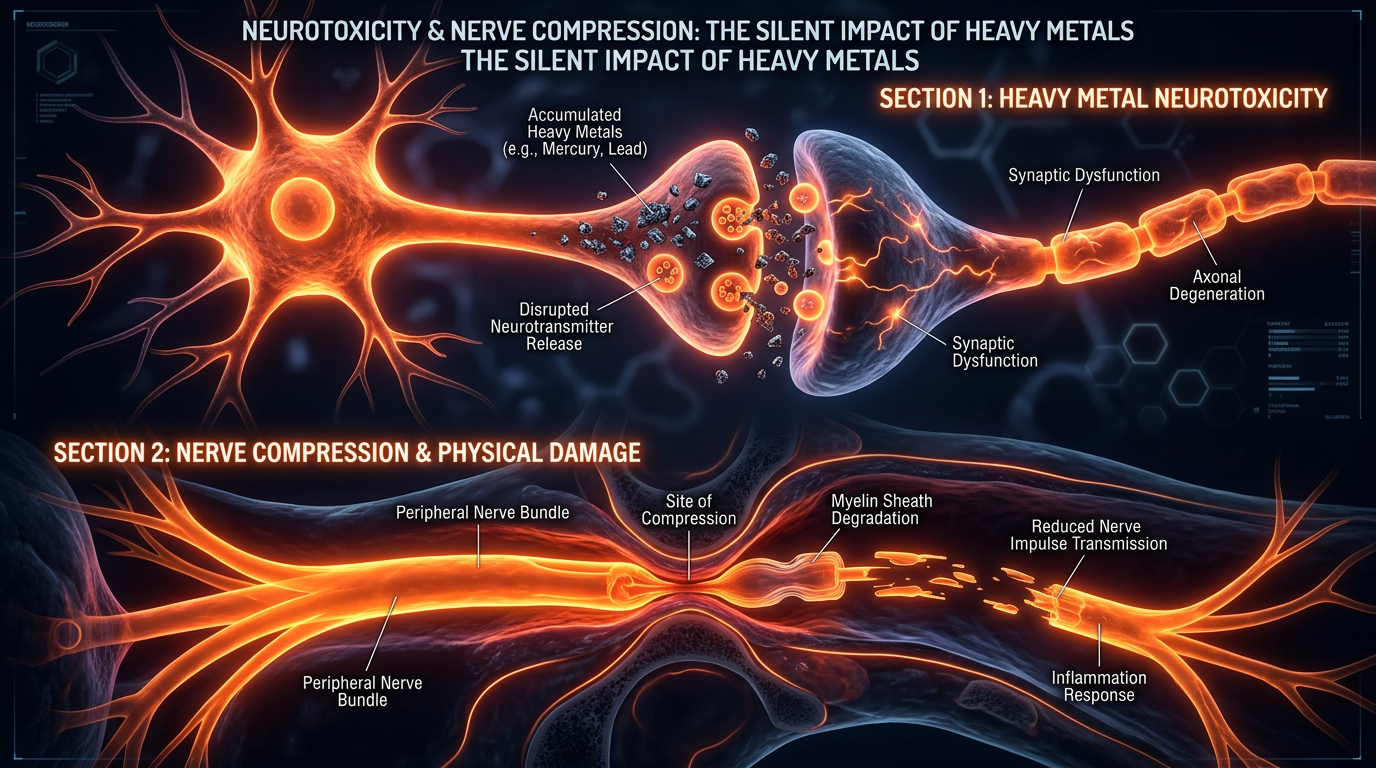
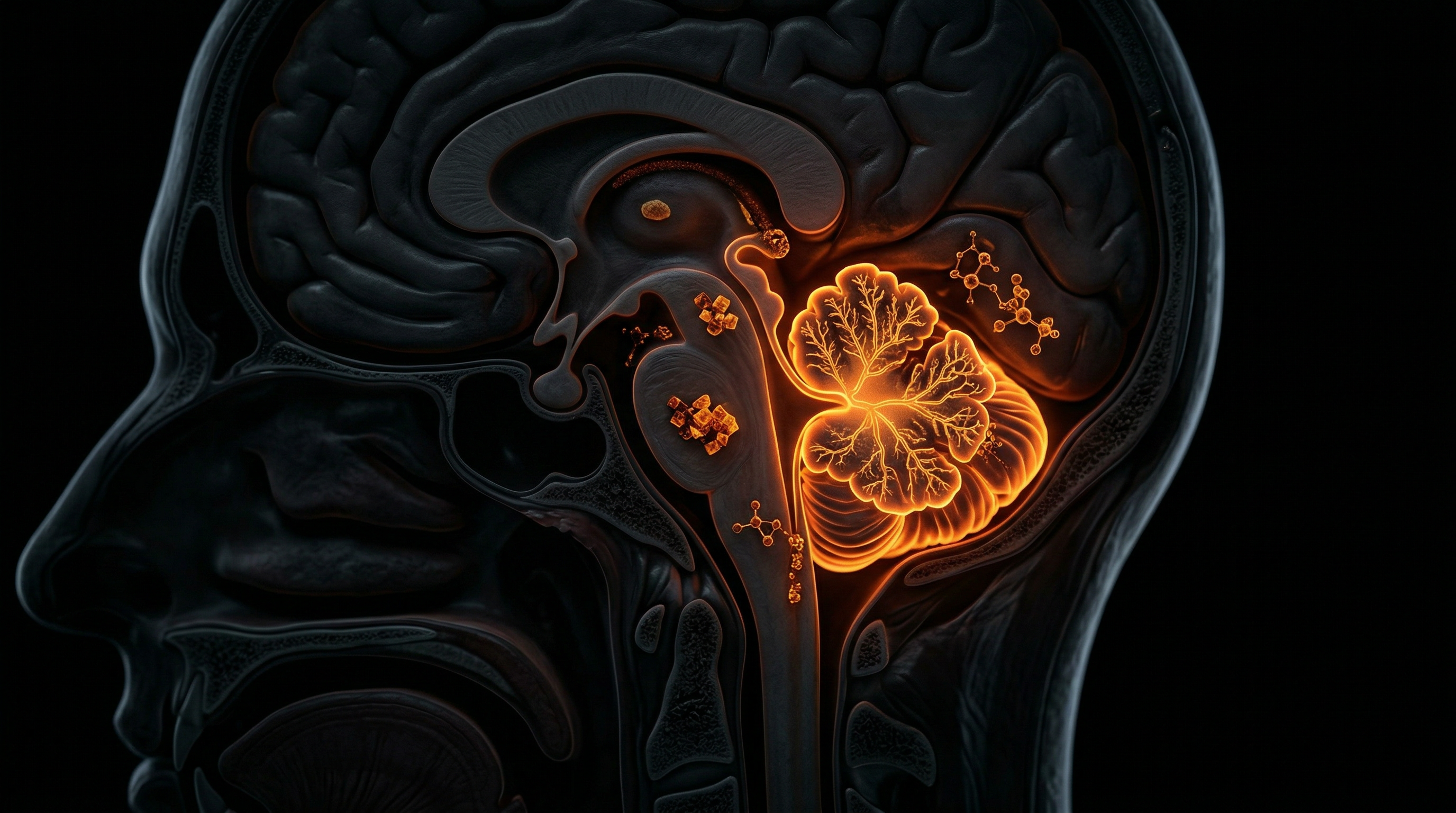
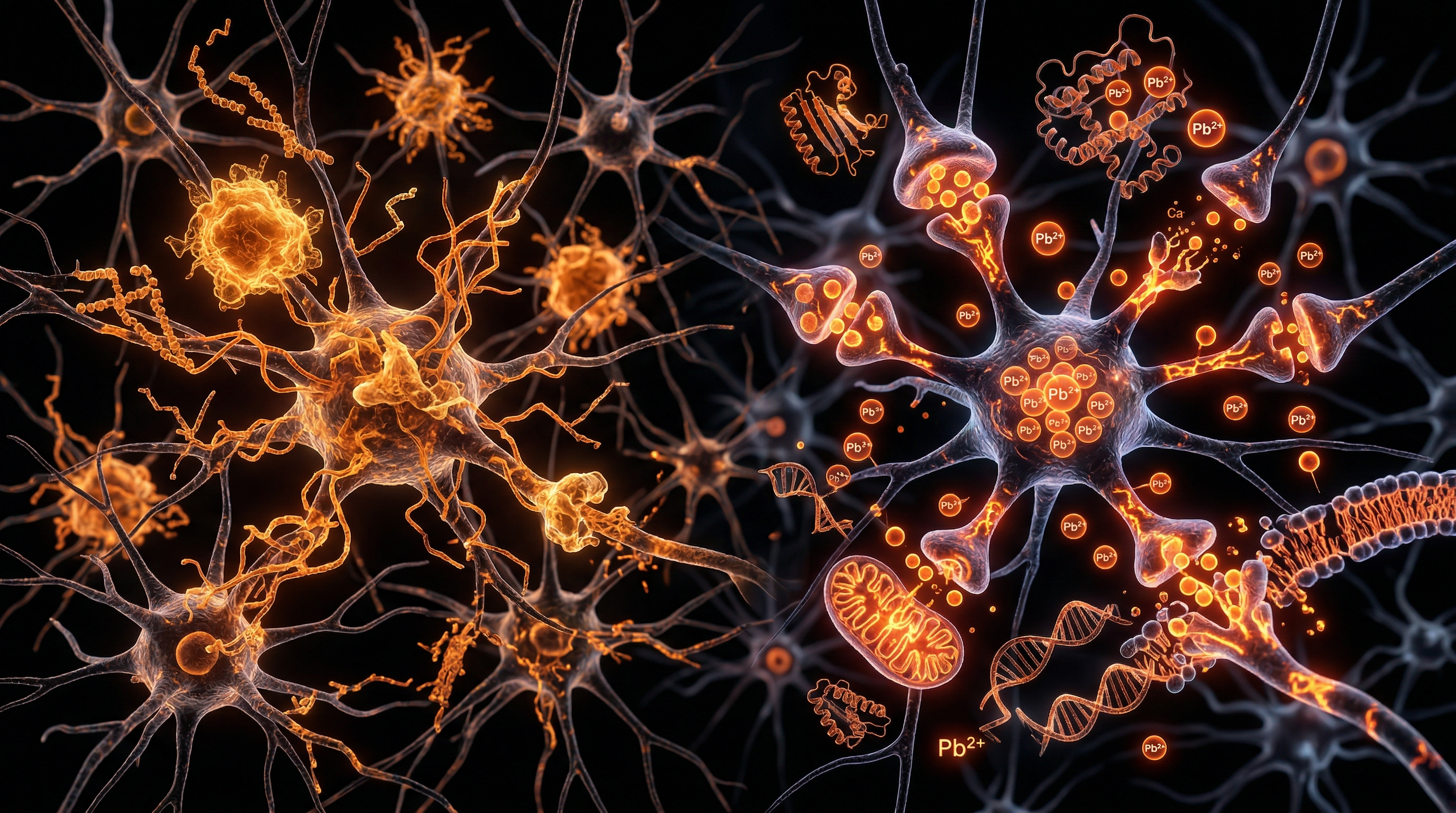
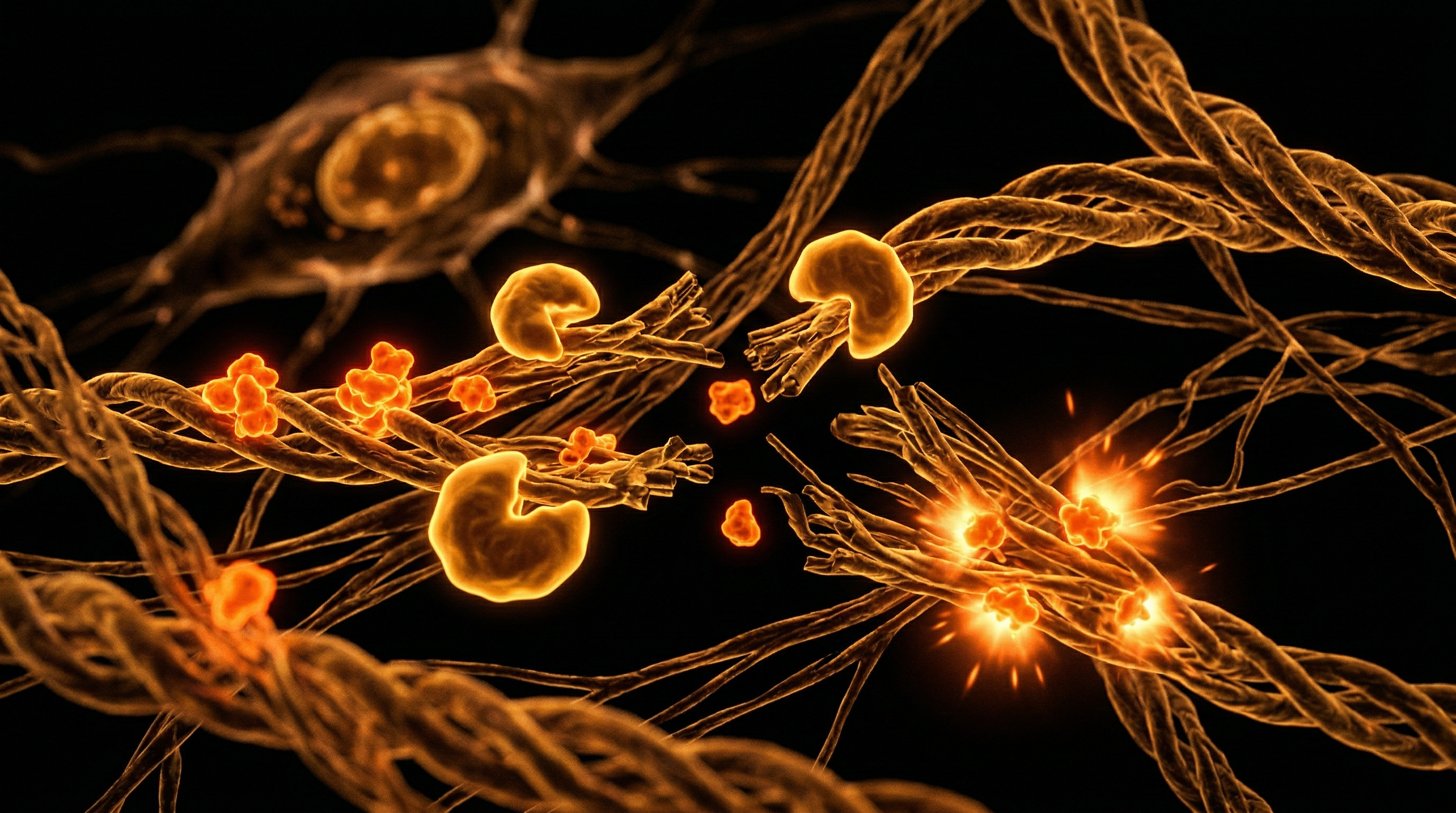
    The accumulation of neurotoxic heavy metals — particularly aluminium, mercury, lead, and arsenic — in brain tissue represents one of the most well-documented yet most clinically underaddressed drivers of the neurodegeneration epidemic afflicting the UK population. Professor Christopher Exley's landmark research demonstrated extraordinarily high aluminium concentrations in the brain tissue of familial Alzheimer's patients; a major 2018 study found aluminium in brain tissue from every individual with autism spectrum disorder examined; and mercury's specific affinity for neuronal thiol groups drives the excitotoxic and inflammatory cascades that underlie both acute neurotoxicity and progressive neurodegeneration. The NHS's near-complete absence of heavy metal screening in neurological practice, despite the strength of this evidence base, represents a catastrophic failure of evidence-based medicine in the context of the greatest neurodegeneration epidemic in human history.

    #heavy metals#aluminium