Mercury and Lead Bioaccumulation: Disrupting the ATP-Dependent Efflux Pumps of the Neurovascular Unit
A comprehensive analysis of how mercury and lead toxicity compromise the blood-brain barrier by targeting the energy-dependent transport systems of the neurovascular unit, leading to cellular dysfunction and neurodegeneration.
# Mercury and Lead Bioaccumulation: Disrupting the ATP-Dependent Efflux Pumps of the Neurovascular Unit\n\n## Introduction\n\nThe human brain is arguably the most metabolic-heavy organ in the body, requiring a constant supply of nutrients while demanding an equally rigorous waste-management system. This delicate balance is maintained by the Blood-Brain Barrier (BBB), which is not merely a static wall but a dynamic, physiological interface known as the Neurovascular Unit (NVU). The NVU comprises endothelial cells, pericytes, astrocytes, and microglial cells, all working in concert to protect neural tissue from systemic fluctuations and toxins. \n\nAt the heart of this protection lies a series of gatekeepers known as ATP-dependent efflux pumps. These transporters, primarily belonging to the ATP-binding cassette (ABC) superfamily, serve as the brain's primary defence against xenobiotics and heavy metals. However, the bioaccumulation of mercury (Hg) and lead (Pb) presents a unique and insidious threat.
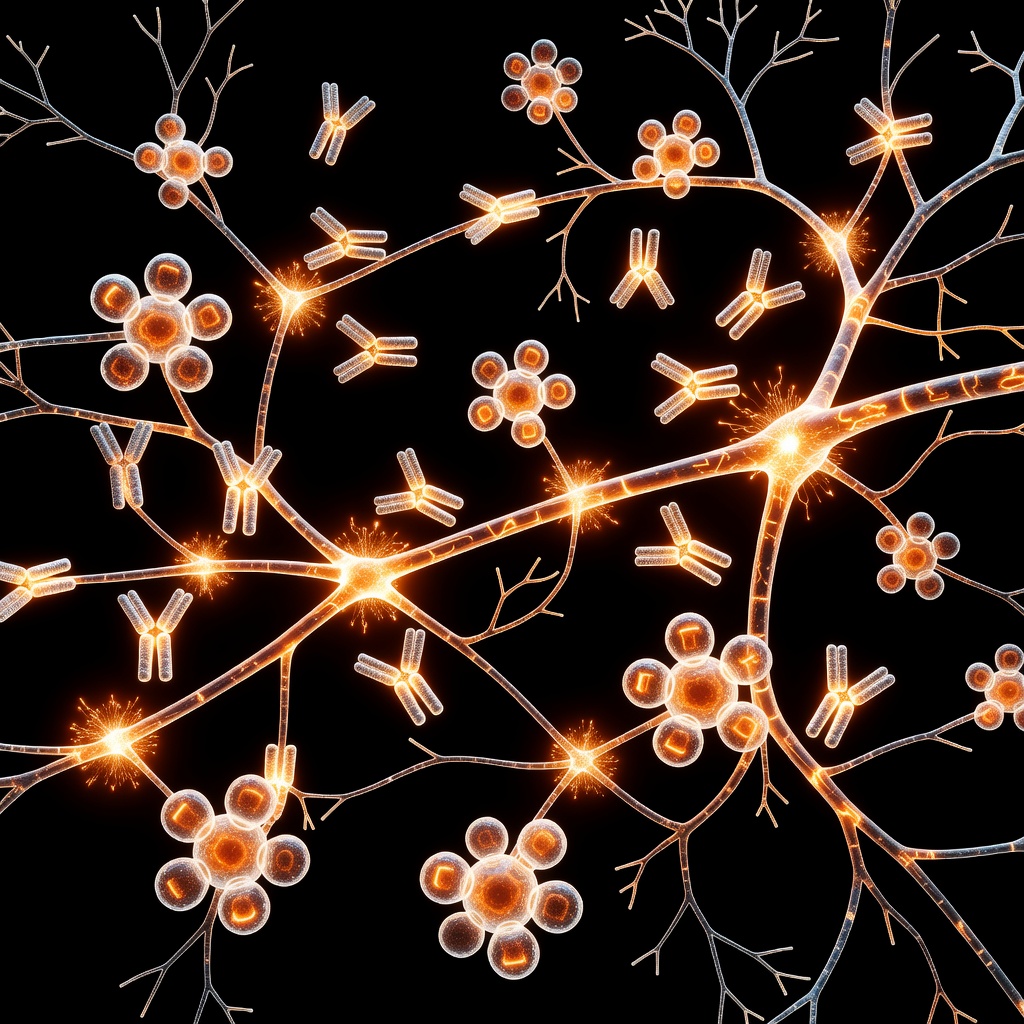
By disrupting the very mechanisms designed to exclude them, these metals create a 'toxic sink' effect, leading to chronic neuroinflammation and neurodegenerative disease. This article explores the root-cause mechanisms of how these heavy metals sabotage the NVU.\n\n## The Gatekeepers: ATP-Dependent Efflux Pumps\n\nThe integrity of the BBB is defined by the presence of tight junctions between endothelial cells and the active transport systems that regulate molecular entry and exit. The most critical of these are the ATP-binding cassette (ABC) transporters, including P-glycoprotein (P-gp), Multidrug Resistance-associated Proteins (MRPs), and Breast Cancer Resistance Protein (BCRP). \n\nThese pumps are 'active' because they require the hydrolysis of Adenosine Triphosphate (ATP) to move molecules against their concentration gradient. Their role is to identify and eject potentially harmful substances—including environmental toxins, metabolic waste products, and even certain medications—back into the systemic circulation. When these pumps are functioning optimally, the brain remains a privileged site, isolated from the varying toxic burdens of the rest of the body.
When they fail, the brain becomes vulnerable to every pollutant circulating in the blood.\n\n## Mercury (Hg): The Mitochondrial Saboteur\n\nMercury is a potent neurotoxin with a high affinity for sulfhydryl (thiol) groups. This affinity allows it to bind to various enzymes and structural proteins, effectively changing their shape and function. Mercury enters the brain primarily in two forms: elemental mercury vapour (Hg0) and organic methylmercury (MeHg). \n\nThe disruption of the NVU by mercury occurs through three primary root-cause pathways:\n\n1. ATP Depletion: Because the efflux pumps are ATP-dependent, they require a constant supply of energy. Mercury is a known mitochondrial toxin; it inhibits the Electron Transport Chain (ETC) and key enzymes like pyruvate dehydrogenase. By reducing the cell's ability to produce ATP, mercury effectively 'cuts the power' to the efflux pumps, leaving the gate wide open for further toxin entry.\n\n2. Direct Pump Inhibition: Mercury can bind directly to the cysteine residues on the P-gp and MRP transport proteins.
This covalent binding alters the conformational state of the pump, rendering it unable to bind to or transport its substrates. Research has shown that even low-level mercury exposure can significantly decrease the expression and activity of P-gp in the neurovascular endothelium.\n\n3. Oxidative Stress and Glutathione Depletion: Mercury consumes the body’s primary antioxidant, glutathione (GSH). Many efflux pumps, particularly MRP1, require glutathione as a co-transporter. When GSH is depleted, the pumps lose their functional efficiency, and the resulting oxidative stress further damages the endothelial cell membranes.\n\n## Lead (Pb): The Ionic Mimic\n\nLead operates through a different but equally destructive mechanism. Its primary mode of action is molecular mimicry, specifically mimicking calcium (Ca2+).
Because calcium is a fundamental signalling molecule in the NVU, lead can hijack numerous cellular processes. \n\n1. Disruption of Tight Junctions: Lead interferes with the proteins that maintain the physical seal between endothelial cells (such as occludin and claudin-5). By mimicking calcium, lead disrupts the signalling pathways that maintain these seals, leading to 'paracellular' leakage. This is the anatomical foundation of 'Leaky Brain.'\n\n2. Inhibition of ABC Transporters: Lead has been shown to downregulate the gene expression of P-glycoprotein. Furthermore, lead competes for the transport sites on these pumps. Instead of being ejected, lead can occupy the transporter, preventing other toxins from being cleared and eventually damaging the transporter protein itself.\n\n3. Astrocytic Dysfunction: The NVU relies on astrocytes to signal the endothelial cells to produce more efflux pumps.
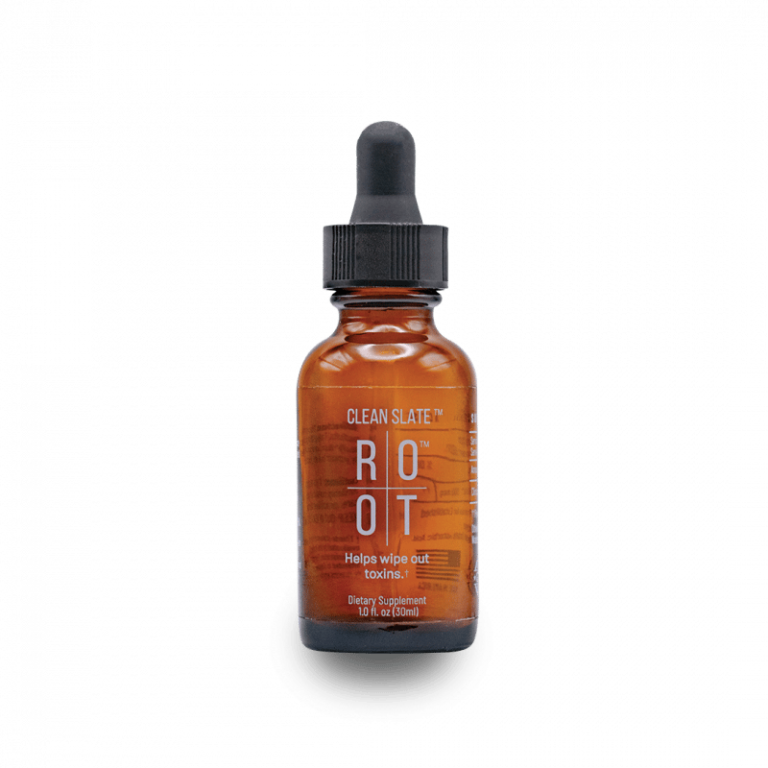
Clean Slate – Detoxes thousands of chemicals,heavy metals, pesticides, allergens, mold spores and fungus
Clean Slate is a cellular-level detoxifier that targets heavy metals, pesticides, and environmental toxins to unblock your body's natural defense pathways. It helps reduce systemic inflammation and restores the nutrient absorption sites often compromised by modern toxicity.
Vetting Notes
Pending
Lead accumulates in astrocytes, causing them to swell and lose their ability to support the BBB. This secondary failure leads to a systemic collapse of the neurovascular defence system.\n\n## The Synergistic Breakdown and Bioaccumulation\n\nThe danger of mercury and lead is not merely additive; it is synergistic. When both metals are present, the impairment of the efflux pumps creates a positive feedback loop of toxicity. As mercury reduces ATP production, lead’s ability to breach the tight junctions increases the sheer volume of toxins entering the brain. Once inside, these metals cannot be easily removed because the very machinery meant to export them—the ATP-dependent pumps—is broken.\n\nThis leads to bioaccumulation within the neural parenchyma.
Over time, this chronic toxic burden triggers the activation of microglia, the brain’s resident immune cells. Persistent microglial activation leads to the release of pro-inflammatory cytokines, creating a state of chronic neuroinflammation that is the hallmark of conditions like Alzheimer’s, Parkinson’s, and Myalgic Encephalomyelitis (ME/CFS).\n\n## Root-Cause Resolution: Restoring the NVU\n\nUnderstanding that the disruption of ATP-dependent efflux pumps is a primary driver of neurotoxicity allows for more targeted, root-cause interventions. Simply avoiding exposure is often insufficient once bioaccumulation has occurred. \n\n- Mitochondrial Support: Restoring ATP production is vital for re-activating the efflux pumps. Nutrients such as CoQ10, Magnesium, and PQQ can support mitochondrial efficiency.\n- Sulfhydryl Protection: Providing the body with precursors for glutathione, such as N-Acetyl Cysteine (NAC), helps protect the pumps from oxidative damage and provides the necessary co-factors for MRP-mediated detoxification.\n- Selenium Supplementation: Selenium has a high affinity for mercury, forming a stable, non-toxic complex (mercury selenide) that prevents the metal from binding to the sulfhydryl groups of transport proteins.\n- Lead Displacement: Ensuring adequate calcium and zinc levels can help reduce the 'binding space' available for lead, though this must be managed carefully under professional guidance.\n\n## Conclusion\n\nThe blood-brain barrier is only as strong as the energy-dependent pumps that guard it. Mercury and lead bioaccumulation represent a direct strike against this protective system, disabling the gatekeepers and turning the brain into a repository for environmental toxins.
By focusing on the root-cause mechanisms—ATP restoration, glutathione replenishment, and the strategic removal of heavy metals—it is possible to restore the integrity of the neurovascular unit and protect the long-term health of the central nervous system.", "tags": ["Neurotoxicity", "Heavy Metals", "Blood-Brain Barrier", "Bioaccumulation", "ATP-Dependent Pumps", "Mercury", "Lead", "Neurovascular Unit"], "reading_time": 9}
This article is provided for informational and educational purposes only. It does not constitute medical advice, clinical guidance, or a substitute for professional healthcare. Information reflects cited research at time of publication. Always consult a qualified healthcare professional before acting on any health information.
RESEARCH FOUNDATIONS
Biological Credibility Archive
Citations provided for educational reference. Verify via PubMed or institutional databases.
Medical Disclaimer
The information in this article is for educational purposes only and does not constitute medical advice, diagnosis, or treatment. Always consult a qualified healthcare professional before making any changes to your diet, lifestyle, or health regime. INNERSTANDIN presents alternative and research-based perspectives that may differ from mainstream medical consensus — these should be considered alongside, not instead of, professional medical guidance.
Read Full DisclaimerReady to learn more?
Continue your journey through our classified biological research.
DISCUSSION ROOM
Members of THE COLLECTIVE discussing "Mercury and Lead Bioaccumulation: Disrupting the ATP-Dependent Efflux Pumps of the Neurovascular Unit"
SILENT CHANNEL
Be the first to discuss this article. Your insight could help others understand these biological concepts deeper.
THE ARSENAL
Based on Blood-Brain Barrier Disruption — products curated by our research team for educational relevance and biological support.
Clean Slate – Detoxes thousands of chemicals,heavy metals, pesticides, allergens, mold spores and fungus
INNERSTANDING may earn a commission on purchases made through these links. All products are selected based on rigorous educational relevance to our biological research.
RABBIT HOLE
Follow the biological thread deeper