
Redox Signaling and Pericyte Loss: Exploring the Oxidative Mechanisms of Age-Related Microvascular Leakage
An in-depth investigation into how disrupted redox signaling and chronic oxidative stress drive the depletion of pericytes, leading to blood-brain barrier compromise and microvascular leakage in the aging brain.
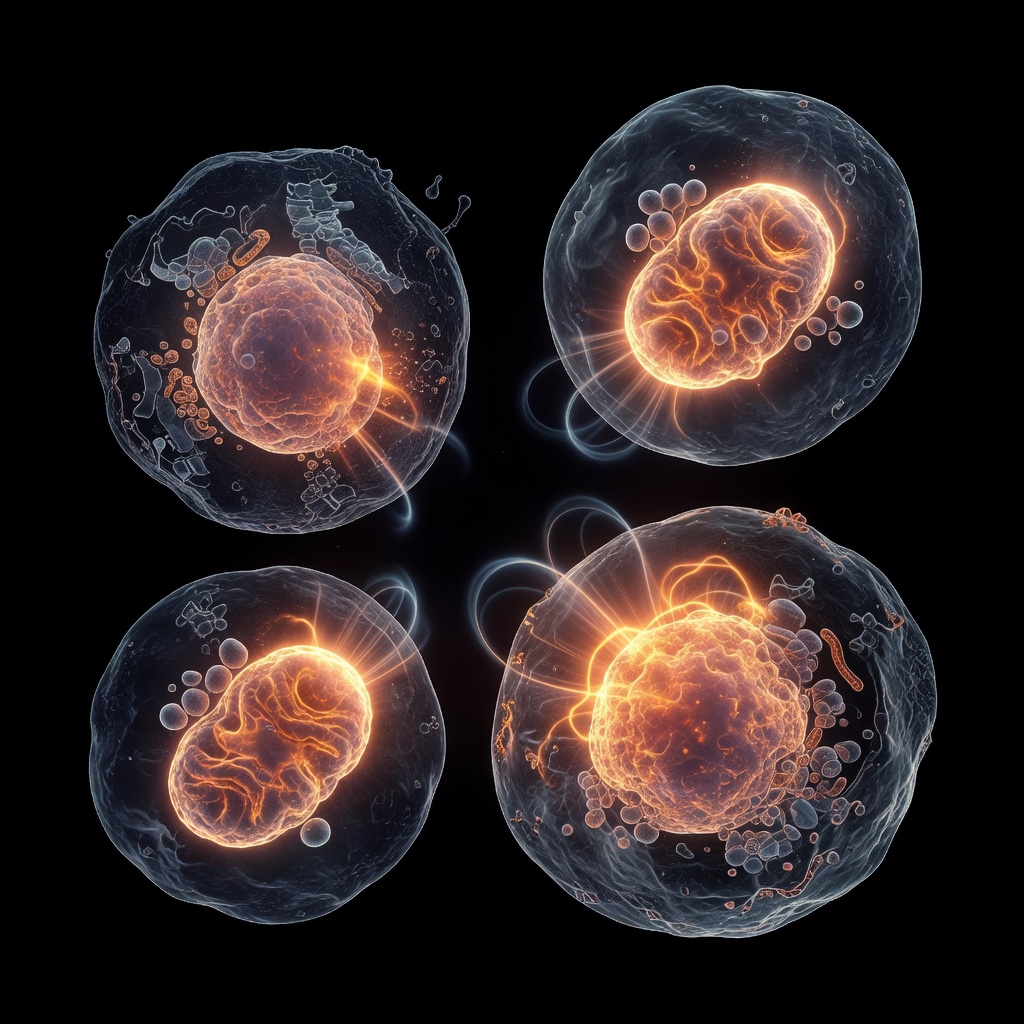
# Redox Signaling and Pericyte Loss: Exploring the Oxidative Mechanisms of Age-Related Microvascular Leakage ## Introduction: The Fragility of the Aging Brain The human brain is a marvel of biological engineering, yet its high metabolic demand makes it uniquely vulnerable. While representing only 2% of total body weight, it consumes approximately 20% of the body’s total oxygen and glucose. This intense activity necessitates a highly specialized delivery system: the microvasculature. At the heart of this system lies the Blood-Brain Barrier (BBB), a selective semi-permeable border that protects the central nervous system from systemic fluctuations and neurotoxic substances. Central to the integrity of this barrier is the neurovascular unit (NVU), a collaborative assembly of endothelial cells, astrocytes, neurons, and the increasingly prioritized pericytes.
As we age, this barrier often begins to fail, a process termed microvascular leakage. Emerging research indicates that the root cause of this breakdown is not merely 'wear and tear' but a sophisticated disruption in redox signalling that leads to the progressive loss of pericytes. ## The Pericyte: Guardian of the Capillary Pericytes are mural cells embedded within the basement membrane of capillaries. In the brain, they boast the highest coverage of any organ, wrapping around endothelial cells to provide structural support and regulatory signals. Beyond mere physical support, pericytes are essential for the formation of tight junctions—the protein seals between endothelial cells that prevent unwanted solutes from entering the brain. They also regulate capillary diameter and blood flow in response to neuronal activity, a process known as neurovascular coupling.
When pericytes are healthy, the BBB is robust. However, when these cells are lost or become dysfunctional, the barrier is compromised, initiating a cascade of neurodegenerative events. The loss of even a small percentage of pericyte coverage can result in significant increases in permeability, allowing toxic proteins to flood the brain's delicate environment. ## Redox Signalling: A Double-Edged Sword To understand pericyte loss, we must look at redox signalling. Traditionally, reactive oxygen species (ROS) like the superoxide anion and hydrogen peroxide were viewed solely as metabolic byproducts or 'waste' that caused damage. However, modern biochemistry recognises them as vital signalling molecules—messengers in the 'redox' (reduction-oxidation) language.
In a healthy state, low levels of ROS facilitate essential cellular processes, including gene expression, cell growth, and vascular tone. The problem arises when this delicate balance is tipped. In the aging brain, the production of ROS often outpaces the capacity of endogenous antioxidant defences, such as glutathione and superoxide dismutase. This state of chronic oxidative stress transforms ROS from helpful messengers into destructive agents. In the context of the microvasculature, this shift is particularly devastating for pericytes, which appear far more sensitive to oxidative fluctuations than their endothelial neighbours. ## The Oxidative Mechanisms of Pericyte Depletion Several mechanisms link oxidative stress to the disappearance of pericytes from the microvascular wall.
One of the most significant is the disruption of the Platelet-Derived Growth Factor Receptor-beta (PDGFR̢) signalling pathway. Under normal conditions, endothelial cells secrete PDGF-B, which binds to PDGFR̢ on pericytes, promoting their recruitment, proliferation, and survival. Chronic oxidative stress, often driven by the overactivation of Nicotinamide Adenine Dinucleotide Phosphate (NADPH) oxidase (NOX) enzymes, leads to the 'shedding' of these receptors from the pericyte surface. Without functional PDGFR̢, pericytes lose their 'tether' to the capillary and eventually undergo apoptosis or migrate away from the vessel. Furthermore, mitochondrial dysfunction within the pericyte itself creates a vicious cycle.
As mitochondria age, they leak more electrons, producing more superoxide. This internal oxidative load damages pericyte DNA and proteins, leading to cellular senescence. These 'zombie' pericytes no longer support the BBB but instead secrete pro-inflammatory cytokines, further damaging the microvascular environment. ## The Result: Microvascular Leakage and Neuroinflammation The loss of pericytes is a primary driver of age-related microvascular leakage. Without pericytic regulation, the endothelial tight junctions, comprised of proteins like occludin and claudin-5, begin to loosen. This 'leakiness' allows blood-derived proteins, such as fibrinogen and albumin, to seep into the brain parenchyma.
Fibrinogen, in particular, is highly neurotoxic; its presence in the brain triggers the activation of microglia (the brain’s immune cells), leading to chronic neuroinflammation and the degradation of white matter. This sequence of events—oxidative stress, pericyte loss, BBB leakage, and neuroinflammation—is now recognised as a major contributing factor to vascular dementia and Alzheimer’s disease. Indeed, neuroimaging studies show that pericyte coverage decreases significantly in the hippocampus and cortex of individuals showing early signs of cognitive decline, long before the appearance of traditional plaques or tangles. ## Addressing the Root Cause: Beyond Simple Antioxidants From an educational and root-cause perspective, addressing microvascular leakage requires more than the casual supplementation of antioxidants. Because redox signalling is a complex language, simply 'mopping up' ROS with high-dose vitamins can sometimes interfere with necessary physiological signals. Instead, the focus should be on optimising the body’s endogenous redox systems and mitochondrial health.
Key strategies include: 1. Metabolic Flexibility: High circulating glucose and insulin resistance are potent drivers of NOX activation and oxidative stress in the endothelium. Maintaining stable blood sugar is foundational for protecting pericyte integrity. 2. Hormetic Stressors: Activities like aerobic exercise and caloric restriction stimulate the Nrf2 pathway, the body’s master regulator of antioxidant defences, enhancing the pericyte’s resilience to oxidative shifts. 3. Targeted Micronutrients: Nutrients like Alpha-Lipoic Acid, Coenzyme Q10, and specific polyphenols, such as those found in blueberries or cocoa, have shown promise in supporting mitochondrial function and endothelial-pericyte crosstalk. ## Conclusion The integrity of the blood-brain barrier is a cornerstone of cognitive longevity, and the pericyte is its primary guardian.
By understanding the oxidative mechanisms that lead to pericyte loss, we shift from a model of 'inevitable decline' to one of proactive intervention. Protecting the microvasculature through the lens of redox biology allows us to address the root causes of brain aging, ensuring that the delicate environment of the brain remains shielded from the systemic world. As research continues to evolve, the stabilisation of pericyte-endothelial signalling remains one of the most promising frontiers in the fight against age-related neurodegeneration.
This article is provided for informational and educational purposes only. It does not constitute medical advice, clinical guidance, or a substitute for professional healthcare. Information reflects cited research at time of publication. Always consult a qualified healthcare professional before acting on any health information.
RESEARCH FOUNDATIONS
Biological Credibility Archive
Citations provided for educational reference. Verify via PubMed or institutional databases.
Medical Disclaimer
The information in this article is for educational purposes only and does not constitute medical advice, diagnosis, or treatment. Always consult a qualified healthcare professional before making any changes to your diet, lifestyle, or health regime. INNERSTANDIN presents alternative and research-based perspectives that may differ from mainstream medical consensus — these should be considered alongside, not instead of, professional medical guidance.
Read Full DisclaimerReady to learn more?
Continue your journey through our classified biological research.
RABBIT HOLE
Follow the biological thread deeper
