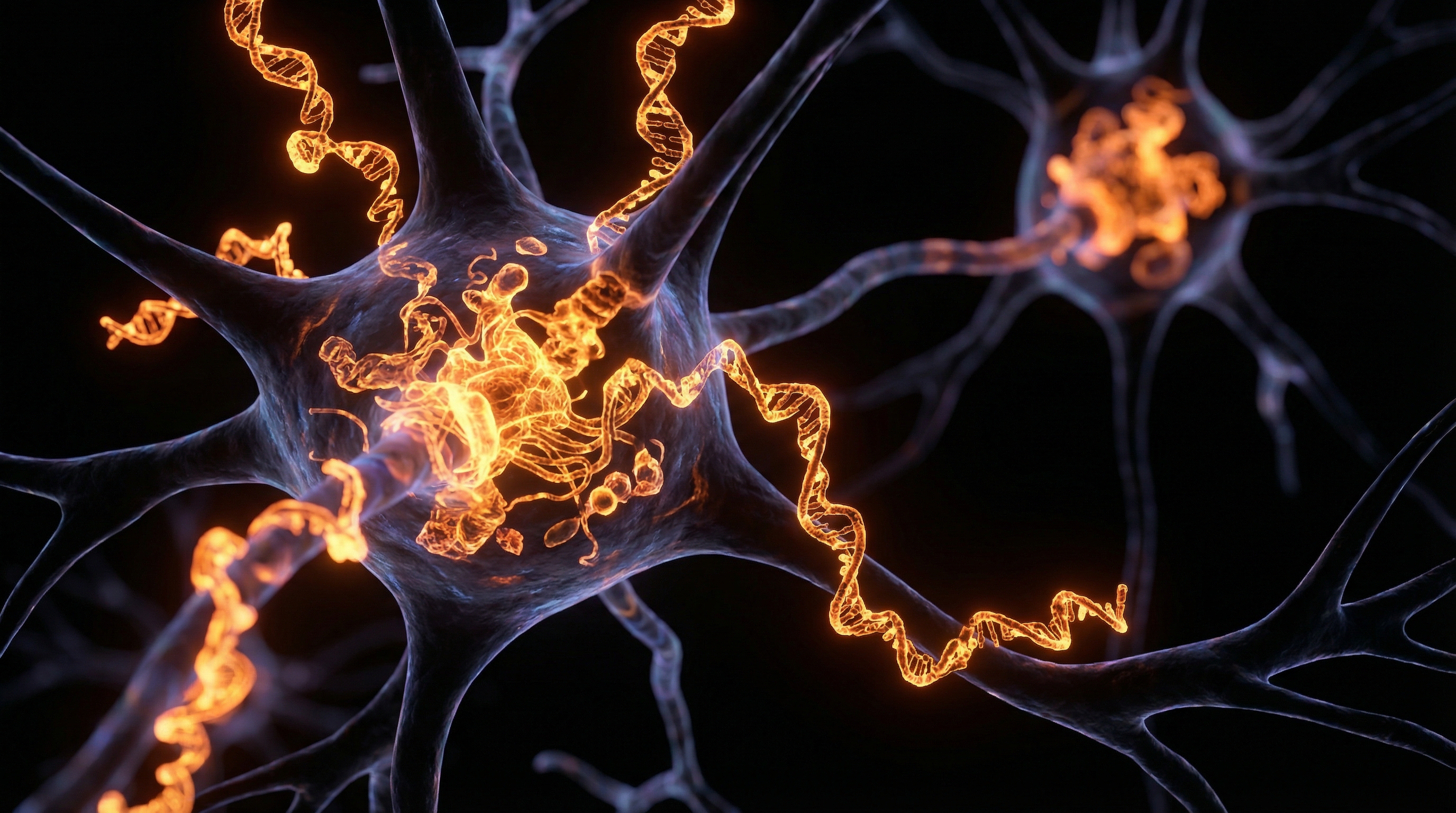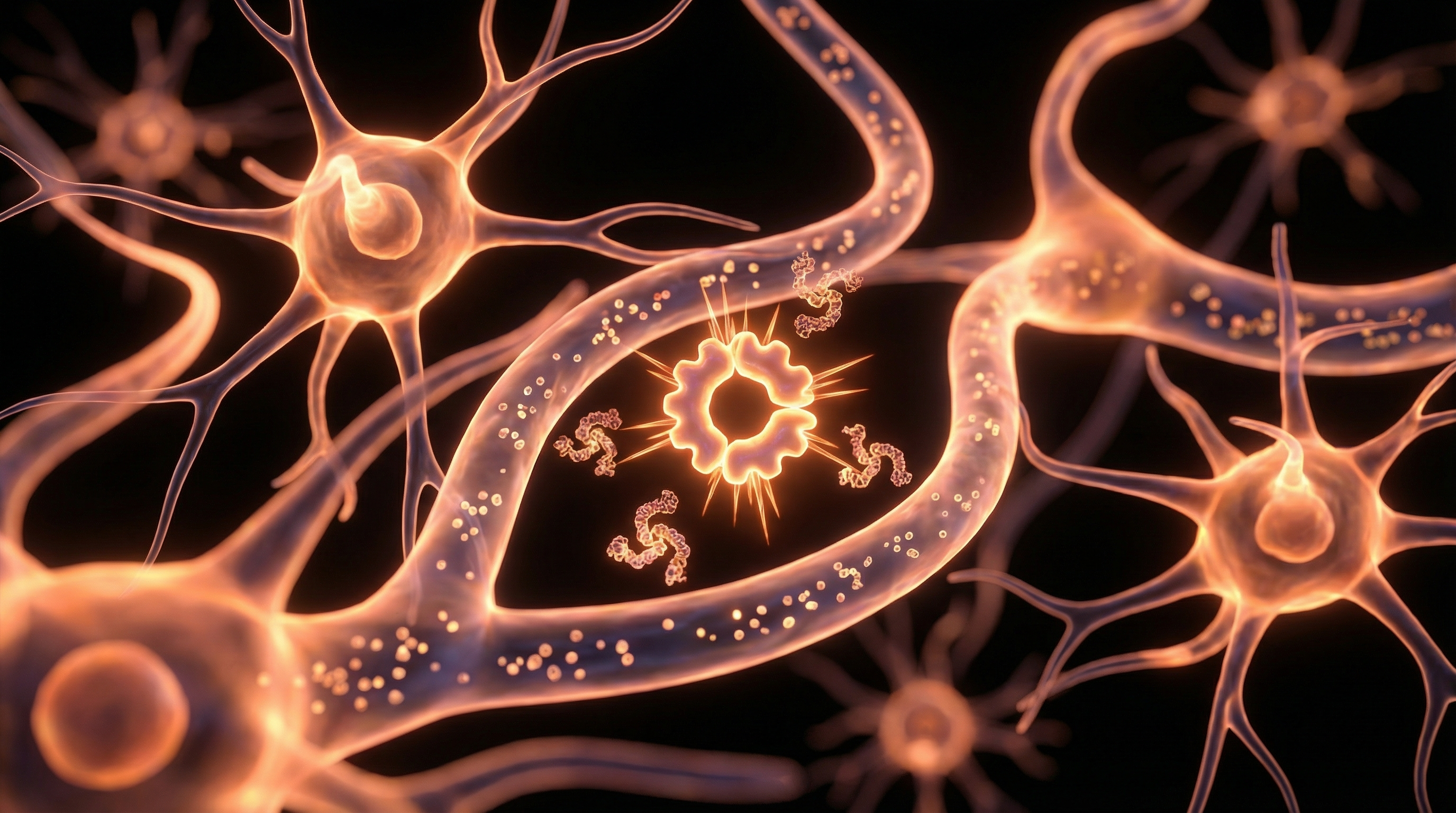
Glymphatic System Impairment and Metabolic Waste Accumulation: A Consequence of Sleep-Induced BBB Breakdown
An in-depth exploration of how sleep deprivation compromises the blood-brain barrier (BBB), leading to glymphatic system failure and the dangerous accumulation of neurotoxic metabolic waste like beta-amyloid.
# Glymphatic System Impairment and Metabolic Waste Accumulation: A Consequence of Sleep-Induced BBB Breakdown
Introduction: The Brain's Nocturnal Housekeeping
The human brain is an organ of extraordinary metabolic demand. While accounting for only 2% of total body mass, it consumes approximately 20% of the body's glucose and oxygen. This high energy expenditure inevitably generates a significant volume of metabolic by-products. Unlike the rest of the body, which utilizes the lymphatic system to clear cellular debris and excess proteins, the brain was long thought to lack a dedicated waste-clearance mechanism. It was only within the last decade that researchers identified the 'glymphatic system'—a macroscopic waste clearance pathway that functions primarily during sleep.
However, the efficiency of this system is entirely dependent on the structural integrity of the Blood-Brain Barrier (BBB). Recent evidence suggests a bidirectional and destructive relationship: sleep deprivation triggers BBB breakdown, and a compromised BBB, in turn, cripples the glymphatic system. This failure leads to the accumulation of neurotoxic metabolites, providing a root-cause explanation for the link between chronic sleep loss and neurodegenerative diseases such as Alzheimer’s and Parkinson’s.
The Glymphatic Mechanism: The Brain's Waste Clearance System

Magnesium L-Threonate
Magnesium L-Threonate is a specialized form of magnesium designed to cross the blood-brain barrier for superior cognitive and nervous system support. It helps reduce mental fatigue while promoting healthy psychological function and consistent energy levels throughout the day.
Vetting Notes
Pending
The term 'glymphatic' is a portmanteau of 'glial' and 'lymphatic,' reflecting the system's dependence on glial cells, specifically astrocytes. The glymphatic system operates by the bulk flow of cerebrospinal fluid (CSF) from the subarachnoid space into the brain parenchyma. This influx is facilitated by the periarterial space—the gap surrounding the brain’s arteries.
Key to this process are Aquaporin-4 (AQP4) water channels located on the astrocytic endfeet. These endfeet wrap around the cerebral vasculature, forming the outer layer of the BBB. During sleep, particularly slow-wave sleep, the interstitial space in the brain increases by up to 60%, allowing CSF to flush through the brain tissue, mixing with interstitial fluid (ISF) and carrying away metabolic waste. This 'sludge' is then directed into the perivenous spaces and eventually exits the cranium into the cervical lymphatic vessels.
The Blood-Brain Barrier (BBB): A Selective Sentinel
The BBB is a highly selective semipermeable border of endothelial cells that prevents solutes in the circulating blood from non-selectively crossing into the central nervous system. Its integrity is maintained by tight junctions (TJs), which are protein complexes (like claudin-5 and occludin) that 'stitch' endothelial cells together.
Crucially, the BBB is not a static wall but a dynamic interface. It is part of the Neurovascular Unit (NVU), which includes neurons, microglia, pericytes, and the aforementioned astrocytes. The glymphatic system and the BBB are inextricably linked; the astrocytic endfeet that facilitate water transport for glymphatic clearance are the same structures that help maintain the BBB's selective permeability. When one is compromised, the other inevitably suffers.
The Impact of Sleep Deprivation on BBB Integrity
Sleep is a physiological requirement for BBB maintenance. During periods of wakefulness, the brain is in a state of 'metabolic stress.' Without the restorative window of sleep, the BBB begins to show signs of structural degradation.
Research indicates that even acute sleep restriction triggers a systemic inflammatory response. Pro-inflammatory cytokines, such as Interleukin-6 (IL-6) and Tumor Necrosis Factor-alpha (TNF-̑), increase in the bloodstream. These cytokines interact with the BBB, causing the downregulation of tight junction proteins. As these 'stitches' weaken, the barrier becomes 'leaky,' allowing circulating toxins, inflammatory cells, and even pathogens to infiltrate the brain parenchyma. This state is often referred to as 'neurovascular uncoupling,' where the brain's blood supply and its protective barriers are no longer synchronised with its metabolic needs.
From BBB Breakdown to Glymphatic Failure
The transition from a leaky BBB to glymphatic impairment is a critical juncture in neurological decline. The glymphatic system relies on precise pressure gradients and the polarised distribution of AQP4 channels.
When the BBB is compromised, the polarization of AQP4 is lost. Instead of being concentrated on the endfeet facing the blood vessels, these water channels redistribute across the entire astrocyte cell body. This 'loss of polarity' halts the efficient movement of CSF through the brain tissue. Furthermore, the leakage of plasma proteins (like albumin) into the brain tissue alters the osmotic pressure of the interstitial space. This disruption of fluid dynamics effectively shuts down the glymphatic pump.
Without this pumping action, the brain's 'trash' is no longer collected. It begins to stagnate within the interstitial spaces, leading to a toxic buildup of metabolic waste.
The Accumulation of Neurotoxic Waste: Beta-Amyloid and Tau
The most notable metabolites cleared by the glymphatic system are beta-amyloid (A̒) and tau proteins. In a healthy, sleeping brain, the glymphatic system removes these proteins efficiently. However, when sleep-induced BBB breakdown occurs, A̒ clearance can drop by as much as 40-50%.
Beta-amyloid is prone to aggregation. When it is not cleared, it begins to form plaques in the extracellular space. These plaques are neurotoxic; they trigger further microglia activation and chronic neuroinflammation, which further damages the BBB. Tau protein, normally an intracellular protein involved in microtubule stability, also leaks into the interstitial space when neurons are stressed. The failure of glymphatic clearance allows these proteins to spread throughout the brain, following a pattern of neurodegeneration seen in Alzheimer’s disease.
Root Cause Analysis and Clinical Implications
At INNERSTANDING, we focus on root causes. The traditional approach to neurodegeneration often focuses on removing plaques after they have formed. However, understanding the glymphatic-BBB axis shifts the focus toward prevention and the restoration of physiological clearance mechanisms.
The root cause of many 'age-related' cognitive declines is often a decade-long history of disrupted sleep architecture and subsequent BBB permeability. Chronic stress, high-sugar diets (which cause glycation of the BBB), and blue light exposure all contribute to the breakdown of this system.
To optimise glymphatic function, one must protect the BBB. This involves:
- —Sleep Standardisation: Prioritising 7-9 hours of sleep to ensure the brain enters deep slow-wave stages where glymphatic flow is highest.
- —Circadian Alignment: Maintaining a consistent sleep-wake cycle to support the circadian rhythms of BBB permeability.
- —Anti-inflammatory Nutrition: Reducing systemic inflammation to protect tight junction proteins from cytokine-mediated degradation.
Conclusion: Protecting the Brain's Infrastructure
The glymphatic system represents a masterstroke of biological engineering, but it is an infrastructure that requires regular maintenance through sleep. The breakdown of the Blood-Brain Barrier is not just a symptom of disease; it is an early-stage driver that disables the brain's waste-disposal unit. By acknowledging the consequence of sleep-induced BBB breakdown, we can appreciate that sleep is not a luxury—it is a fundamental requirement for cerebral haemostasis. Protecting our 'nocturnal housekeeping' today is the most effective strategy for ensuring long-term neurological health and cognitive longevity.
This article is provided for informational and educational purposes only. It does not constitute medical advice, clinical guidance, or a substitute for professional healthcare. Information reflects cited research at time of publication. Always consult a qualified healthcare professional before acting on any health information.
RESEARCH FOUNDATIONS
Biological Credibility Archive
Citations provided for educational reference. Verify via PubMed or institutional databases.
Medical Disclaimer
The information in this article is for educational purposes only and does not constitute medical advice, diagnosis, or treatment. Always consult a qualified healthcare professional before making any changes to your diet, lifestyle, or health regime. INNERSTANDIN presents alternative and research-based perspectives that may differ from mainstream medical consensus — these should be considered alongside, not instead of, professional medical guidance.
Read Full DisclaimerReady to learn more?
Continue your journey through our classified biological research.
DISCUSSION ROOM
Members of THE COLLECTIVE discussing "Glymphatic System Impairment and Metabolic Waste Accumulation: A Consequence of Sleep-Induced BBB Breakdown"
SILENT CHANNEL
Be the first to discuss this article. Your insight could help others understand these biological concepts deeper.
THE ARSENAL
Based on Blood-Brain Barrier Disruption — products curated by our research team for educational relevance and biological support.
Magnesium L-Threonate
Magnesium Blend – The Most Important Mineral
Vegan Essential Amino Acids – Plant-Powered Protein Building
INNERSTANDING may earn a commission on purchases made through these links. All products are selected based on rigorous educational relevance to our biological research.
RABBIT HOLE
Follow the biological thread deeper