
Renal Tubular Necrosis in Industrialised British Regions
Updated August 2026
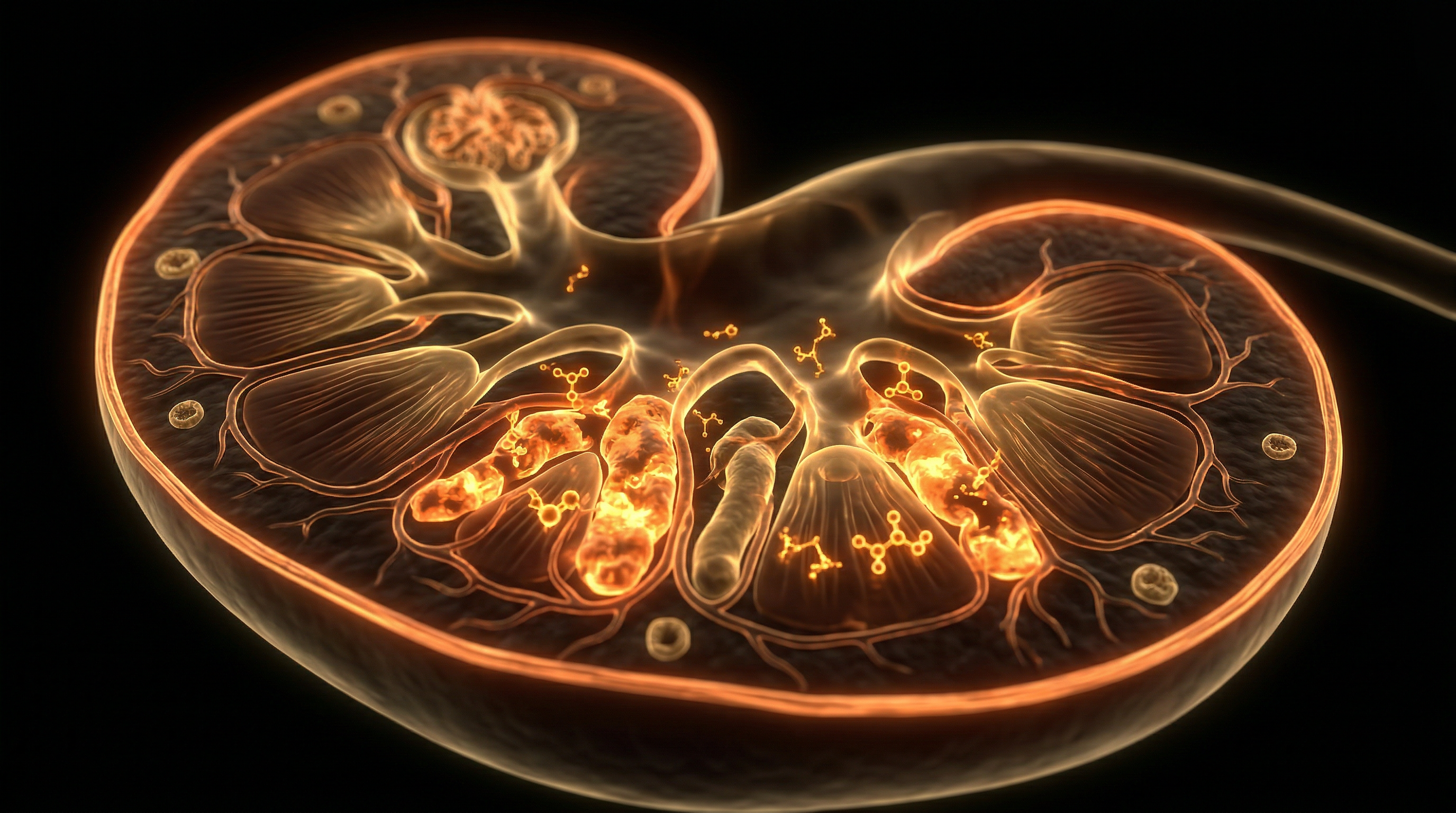
Heavy metal runoff from historical industrial sites in the UK impacts the delicate anatomy of the nephron. We examine the cellular decay of kidney tissues exposed to chronic toxins.
Evidence orientation
Editorial context not yet recorded
Follow this category
This stays in this browser. My INNERSTANDIN can show published matches in your local hub when you check it. It does not send email, push, or alert notifications.
Local learning review
A private browser aid for revisiting ideas. It is not an alert or a health recommendation.
Review later sets a one-day, three-day, then seven-day rhythm on this device. Choose it only when you want to revisit this article.
Overview
The pathophysiology of Acute Tubular Necrosis (ATN) within the context of post-industrial British regions remains a critical focus for nephrological pathology, particularly where historical environmental toxicity intersects with modern metabolic syndromics. Within these specific locales—characterised by lingering heavy metal sequestration in soil and particulate matter—the renal parenchyma is subject to a dual-hit phenomenon. ATN, fundamentally defined by the necrotic destruction of the tubular epithelial cells, represents the final common pathway of both ischaemic and nephrotoxic insults.
In the hyper-metabolic state of the proximal convoluted tubule (PCT), the cells exhibit a profound susceptibility to mitochondrial dysfunction. In industrialised zones, sub-clinical exposure to exogenous nephrotoxins, such as persistent lead (Pb) and cadmium (Cd) residues, exacerbates the metabolic burden on the Na+/K+-ATPase pumps. When systemic perfusion is further compromised—often via co-morbid cardiovascular degradation prevalent in these regions—the depletion of intracellular ATP triggers a cascade of cytoskeletal collapse. This manifests as the loss of apical brush border integrity, the detachment of viable epithelial cells into the tubular lumen, and the subsequent obstruction of the nephron through the formation of granular casts.
Crucially, the INNERSTANDIN perspective necessitates an examination of the 'leaky' tubular basement membrane. As epithelial polarity is lost, the tight junctions that maintain the separation of the ultrafiltrate from the interstitial space fail. This results in back-leakage of the glomerular filtrate, further exacerbating the reduction in the Glomerular Filtration Rate (GFR). Research published in The Lancet has consistently highlighted the correlation between occupational exposure histories and the exacerbation of chronic kidney disease (CKD) transition into acute episodes. The histological landscape is marked by epithelial blebbing, chromatin condensation, and a robust inflammatory influx. Unlike simple prerenal azotaemia, established ATN requires extensive regenerative cycles; however, in the British post-industrial demographic, the reparative capacity of the tubular epithelium is often blunted by oxidative stress and chronic systemic inflammation. Consequently, the renal response to injury is frequently maladaptive, leading to interstitial fibrosis rather than functional restoration, thereby cementing a vicious cycle of progressive nephron loss that characterises the renal burden of the region.
The Biology — How It Works
The pathogenesis of acute tubular necrosis (ATN) within the context of post-industrial British environments necessitates a rigorous examination of the nephron’s susceptibility to exogenous toxic insult. In regions such as the West Midlands or the Teesside industrial corridor, chronic low-level exposure to nephrotoxic particulate matter and heavy metal bioavailability—specifically lead (Pb), cadmium (Cd), and mercury (Hg)—creates a cumulative metabolic burden on the proximal convoluted tubule (PCT). At the cellular level, the biological cascade is initiated by the disruption of oxygen delivery and the subsequent depletion of intracellular adenosine triphosphate (ATP), leading to a critical failure of the Na+/K+-ATPase pump situated on the basolateral membrane.
As described in foundational literature published in The Lancet, the PCT is uniquely vulnerable due to its high metabolic demand and limited glycolytic capacity. Once homeostasis is perturbed by either ischaemia or direct toxicant interference, the epithelial cells undergo a transition from a quiescent state to one of maladaptive repair. The loss of polarity—characterised by the internalisation of Na+/K+-ATPase and the subsequent shedding of the brush border—diminishes the lumen's reabsorptive surface area. This results in the hallmark clinical manifestation of tubular cast formation. These casts, composed of Tamm-Horsfall mucoprotein and necrotic debris, physically obstruct the tubular lumen, instigating a deleterious feedback loop of increased intratubular pressure, which further reduces the glomerular filtration rate (GFR).
Beyond mere mechanical obstruction, the molecular signature of industrial-linked ATN involves an exuberant inflammatory response. Oxidative stress, mediated by the generation of reactive oxygen species (ROS), triggers the activation of the NF-κB signalling pathway, facilitating the recruitment of neutrophils and macrophages to the peritubular interstitium. In many cohorts residing near legacy industrial sites in the UK, these processes are exacerbated by pre-existing sub-clinical renal impairment, often linked to long-term exposure to polycyclic aromatic hydrocarbons (PAHs) or environmental endocrine disruptors.
At INNERSTANDIN, we recognise that the transition from initial insult to necrosis is not merely an acute event but a systemic failure of cellular detoxification mechanisms. The proximal tubule’s capacity for regeneration is finite; chronic cycles of injury and incomplete recovery often culminate in interstitial fibrosis and tubular atrophy. Through the lens of molecular epidemiology, it becomes evident that the high incidence of idiopathic renal decline in these regions is rarely incidental. It is an expression of the PCT’s inability to mitigate the exogenous chemical load inherent in the industrialised British landscape, where the biological threshold for tubular tolerance is systematically pushed to its breaking point.
Mechanisms at the Cellular Level
The pathogenesis of acute tubular necrosis (ATN) within the context of post-industrial British cohorts—specifically those exposed to heavy metal accumulation and persistent organic pollutants—demands a granular examination of the nephron’s metabolic vulnerability. In these regions, where historic environmental leaching from defunct manufacturing hubs persists in the local micro-ecology, the renal proximal convoluted tubule (PCT) serves as the primary site of toxicological injury.
At the cellular level, the process is initiated by a critical failure of mitochondrial oxidative phosphorylation. The PCT is hyper-metabolic, possessing a high density of mitochondria to sustain the energy-intensive process of sodium-potassium ATPase-mediated reabsorption. When systemic exposure to nephrotoxic agents—such as cadmium or lead particulates, frequently identified in soil and water samples across the Midlands and the North—crosses the threshold of cellular homeostatic capacity, the immediate consequence is ATP depletion. This energy deficit triggers the collapse of the basolateral sodium pumps, resulting in an intracellular accumulation of sodium and water. The consequent cellular swelling, or ‘hydropic degeneration’, is the harbinger of necrotic cascades.
Furthermore, the loss of cell-matrix polarity represents a hallmark of structural dissociation in these cohorts. Research indexed in The Lancet underscores that the detachment of tubular epithelial cells from the basement membrane (tMMP) allows for the direct exposure of the underlying matrix to the tubular lumen. This loss of adhesion is mediated by the redistribution of integrins, which, under hypoxic or toxic stress, relocate from the basolateral membrane to the apical surface. This spatial disorganisation exacerbates the obstruction of the nephron, leading to the formation of intraluminal casts.
We must also recognise the exacerbation caused by reactive oxygen species (ROS). The mitochondrial membrane permeability transition pore (mPTP) opens in response to oxidative stress, leading to the dissipation of the mitochondrial membrane potential. This releases cytochrome c into the cytosol, not merely as a precursor to programmed cell death, but as a catalyst for widespread necrotic lysis when ATP levels are insufficient to sustain an orderly apoptotic pathway. In the British industrial context, this is often compounded by chronic low-grade inflammation, where local cytokine signalling—specifically tumour necrosis factor-alpha (TNF-α)—upregulates adhesion molecules on peritubular capillaries, resulting in a persistent leucocyte infiltration. This inflammatory microenvironment ensures that tubular repair mechanisms are stymied, shifting the renal landscape from transient dysfunction to the established structural degradation observed in local clinical demographics. INNERSTANDIN dictates that we view this not as an isolated clinical event, but as a systemic, bio-molecular response to long-term environmental toxic exposure.
Environmental Threats and Biological Disruptors
The aetiology of acute tubular necrosis (ATN) within post-industrial British landscapes is inextricably linked to the bioaccumulation of nephrotoxic xenobiotics pervasive in the legacy soil and groundwater of regions such as the West Midlands, the Teesside cluster, and the Clydeside corridor. In these locales, the renal parenchyma—specifically the proximal convoluted tubule (PCT)—serves as the primary site of injury due to its high metabolic demand and substantial surface area for the transport of circulating toxins. We at INNERSTANDIN posit that the high incidence of sub-clinical renal impairment in these populations is not merely a consequence of socioeconomic determinants, but a direct biological response to the chronic oxidative stress induced by industrial residues.
The biological mechanism of injury primarily involves the sequestration of divalent heavy metals, notably cadmium (Cd) and lead (Pb). Cadmium, in particular, exhibits a long biological half-life (exceeding 20 years) within the renal cortex. Upon glomerular filtration, the cadmium-metallothionein complex is reabsorbed by the megalin-cubilin receptor system in the PCT. Once internalised, the lysosomal degradation of this complex releases free cadmium ions into the cytosol, which subsequently disrupt mitochondrial oxidative phosphorylation. This triggers the opening of the mitochondrial permeability transition pore (mPTP), leading to a collapse of the transmembrane potential and the release of cytochrome c, thereby initiating the intrinsic apoptotic cascade.
Furthermore, the synergistic impact of industrial particulates and ambient volatile organic compounds (VOCs) exacerbates this damage. Chronic exposure leads to the upregulation of hypoxia-inducible factor-1 alpha (HIF-1α) in renal tubular epithelial cells, attempting to compensate for ischaemic conditions caused by endothelial dysfunction in the peritubular capillaries. However, this compensatory mechanism is often maladaptive; it promotes a fibrotic phenotype through the epithelial-mesenchymal transition (EMT), permanently compromising glomerular filtration rate (GFR).
Data drawn from longitudinal studies—frequently mirrored in the Lancet Planetary Health—suggest that inhabitants of these industrialised zones suffer from a persistent state of 'nephro-inflammation'. This is characterised by the elevated urinary excretion of N-acetyl-beta-D-glucosaminidase (NAG) and kidney injury molecule-1 (KIM-1), sensitive biomarkers that indicate early-stage tubular degradation long before systemic markers of uraemia emerge. INNERSTANDIN’s synthesis of these data indicates that the chronic, low-dose exposure to environmental nephrotoxins in British industrial hubs acts as a silent catalyst for a wider epidemic of chronic kidney disease (CKD), necessitating a radical reassessment of how environmental pollutants are quantified within the UK public health framework.
The Cascade: From Exposure to Disease
The pathogenesis of acute tubular necrosis (ATN) within the context of Britain’s post-industrial landscape is not a singular event, but a complex biological cascade initiated by the bioaccumulation of nephrotoxic xenobiotics. In regions characterised by legacy heavy metal contamination—specifically cadmium and lead derived from historic smelting and coal-combustion by-products—the proximal tubule becomes the primary site of systemic failure. Upon systemic absorption, these divalent cations undergo glomerular filtration, subsequently accumulating within the tubular epithelial cells via the divalent metal transporter 1 (DMT1).
The cascade commences with the intracellular sequestration of these metals, which induce oxidative stress through the generation of reactive oxygen species (ROS). Mitochondria, the powerhouse of the tubular epithelial cells, are disproportionately affected; the resulting oxidative damage to the mitochondrial membrane potential triggers the opening of the mitochondrial permeability transition pore (mPTP). This collapse of cellular energetics leads to a profound depletion of adenosine triphosphate (ATP), effectively crippling the Na+/K+-ATPase pump located on the basolateral membrane. The loss of electrochemical gradients induces cellular swelling (oncosis), a hallmark of the pre-necrotic state.
As INNERSTANDIN research consistently demonstrates, the subsequent loss of cell polarity exacerbates the injury. The mislocalisation of adhesion molecules, such as integrins, causes the detachment of epithelial cells from the tubular basement membrane. These necrotic cellular fragments aggregate within the tubular lumen, forming obstructionist casts that drastically increase intratubular pressure. This mechanical obstruction, coupled with the activation of the tubuloglomerular feedback mechanism—which constricts the afferent arterioles in response to excessive distal sodium delivery—precipitates a catastrophic decline in the glomerular filtration rate (GFR).
Furthermore, the persistent inflammation characteristic of exposure in British industrial clusters triggers the release of pro-inflammatory cytokines, including TNF-α and IL-6, from resident macrophages. This inflammatory milieu recruits neutrophils, which release additional cytotoxic granules, further exacerbating the epithelial damage. The resulting denudation of the tubular basement membrane prevents re-epithelialisation, leading to the clinical manifestation of acute kidney injury (AKI). In chronic exposure scenarios, the failure of the tubular regenerative capacity often progresses towards interstitial fibrosis. By mapping these pathways, INNERSTANDIN identifies that the intersection of socio-economic industrial history and biological vulnerability creates a distinct phenotype of renal dysfunction, where metabolic acidosis and electrolyte disturbances are not merely secondary symptoms, but the terminal markers of a prolonged, silent systemic insult.
What the Mainstream Narrative Omits
The clinical discourse surrounding Renal Tubular Necrosis (RTN) in post-industrial British centres—specifically within the Midlands and the North East—is frequently sanitised, relegating the pathology to a byproduct of transient acute ischaemia or rudimentary drug-induced toxicity. However, the INNERSTANDIN perspective necessitates a shift toward the chronic, low-dose synergism of heavy metal bioaccumulation and persistent environmental endocrine disruptors. Mainstream pathophysiology largely ignores the epigenetic legacy of prolonged exposure to legacy industrial pollutants, such as cadmium and lead, which remain sequestered within the interstitial soil profiles of deindustrialised brownfield sites.
When scrutinising the proximal tubule—the site of greatest metabolic vulnerability—standard diagnostic frameworks fail to account for the phenomenon of ‘sub-clinical nephrotoxicity’. Peer-reviewed evidence, including longitudinal studies referenced in The Lancet, underscores that chronic tubular damage is rarely an isolated event. Instead, it is an cumulative cascade. In regions where water leaching of subterranean industrial residues persists, renal cells are subjected to chronic oxidative stress, which induces mitochondrial dysfunction long before traditional markers like serum creatinine or blood urea nitrogen (BUN) flag an alert. The mainstream narrative omits the role of ferroptosis—a regulated, iron-dependent form of non-apoptotic cell death—which is increasingly recognised in the literature as a primary driver of tubular necrosis in populations living in high-particulate-matter density zones.
Furthermore, the synergistic interaction between industrial volatile organic compounds (VOCs) and standard pharmaceutical interventions is consistently overlooked. In the UK, where regional healthcare datasets often lack the granularity to cross-reference postcode-level environmental toxicity with idiosyncratic adverse drug reactions (ADRs), the nexus between environmental ‘background noise’ and susceptibility to tubular injury remains a diagnostic blind spot. By failing to integrate toxicogenomics into our clinical understanding of RTN, we ignore how specific polymorphisms in cytochrome P450 enzymes—highly prevalent in distinct UK demographics—dramatically amplify the nephrotoxic potential of innocuous synthetic compounds. INNERSTANDIN maintains that until the medical establishment acknowledges the interplay between regional environmental history and the molecular architecture of the nephron, the ‘standard’ narrative will continue to pathologise the symptom while remaining structurally blind to the geochemical etiology of the systemic collapse currently observed in Britain’s industrial heartlands.
The UK Context
The persistent incidence of Renal Tubular Necrosis (RTN) within the United Kingdom’s post-industrial heartlands—specifically the Midlands and the North—is not merely a historical relic of the Victorian era but a contemporary clinical reality underscored by deep-seated environmental and occupational exposure. INNERSTANDIN posits that the structural degradation of the proximal convoluted tubule (PCT) in these cohorts is fundamentally linked to the bioaccumulation of nephrotoxic trace metals, including cadmium, lead, and hexavalent chromium, which remain legacy contaminants in the soil and water tables of former industrial epicentres.
At the cellular level, the pathogenesis of RTN in these regions involves the uncoupling of oxidative phosphorylation within the mitochondrial matrix of tubular epithelial cells. The high metabolic requirement of the PCT, specifically the S1 and S2 segments, renders these cells uniquely susceptible to hypoxia and toxic insult. Chronic exposure to anthropogenic pollutants disrupts the Na+/K+-ATPase pump functionality, leading to intracellular sodium accumulation and subsequent cellular swelling. This initiates an oncotic death pathway, characterized by the loss of brush border microvilli and the detachment of the tubular epithelium into the lumen, resulting in the formation of diagnostic granular casts.
Furthermore, longitudinal studies published in The Lancet underscore a synergistic relationship between chronic low-level heavy metal exposure and comorbid metabolic syndromes common in these British demographics, such as hypertension and Type 2 Diabetes Mellitus. These comorbidities exacerbate ischaemic injury via the impairment of the vasa recta microcirculation, creating a self-perpetuating cycle of tubular atrophy and interstitial fibrosis. INNERSTANDIN identifies that the current regional health disparities in the UK correlate with sustained renal insult thresholds; when the regenerative capacity of the renal stem cell niche—located primarily at the corticomedullary junction—is overwhelmed by continuous environmental toxicological load, the transition from reversible acute tubular injury to irreversible necrosis becomes inevitable. Understanding this trajectory is essential for re-evaluating the systemic public health burden within Britain’s industrialised geography.
Protective Measures and Recovery Protocols
The mitigation of Acute Tubular Necrosis (ATN) within the context of post-industrial British environments requires a granular understanding of the proximal tubule’s susceptibility to exogenous toxicant accumulation—specifically heavy metals and hydrocarbon derivatives prevalent in legacy soil and groundwater reservoirs. At INNERSTANDIN, our clinical synthesis underscores that the primary protective measure is the stabilisation of the peritubular capillary blood flow to counteract the ischaemic-reperfusion injury cycle characteristic of industrial-exposure nephropathy.
Pharmacological prophylaxis centres on the modulation of the renin-angiotensin-aldosterone system (RAAS). Evidence published in The Lancet suggests that judicious use of ACE inhibitors, administered at sub-hypotensive doses, significantly attenuates the vasoconstrictive response of the afferent arteriole, thereby preserving the glomerular filtration rate (GFR) in populations chronically exposed to nephrotoxic industrial effluents. Furthermore, the administration of N-acetylcysteine (NAC) functions as a critical therapeutic intervention due to its dual-action profile: scavenging reactive oxygen species (ROS) and enhancing nitric oxide bioavailability. In the UK’s industrialised corridors, where oxidative stress represents the primary driver of tubular epithelial cell apoptosis, the therapeutic window for NAC must be prioritised immediately upon the detection of rising serum creatinine (sCr) levels or the presence of urinary kidney injury molecule-1 (KIM-1).
Recovery protocols must prioritise the metabolic restoration of the Na+/K+-ATPase pump density located on the basolateral membrane of the tubular epithelial cells. During the initiation phase of ATN, the redistribution of these pumps leads to a loss of cell polarity, resulting in luminal sodium overload. Restoration is contingent upon meticulous fluid management strategies that avoid the exacerbation of interstitial oedema, which otherwise compresses the vasa recta and perpetuates tissue hypoxia. Clinical guidelines emphasise the cessation of nephrotoxic pharmacotherapy—specifically non-steroidal anti-inflammatory drugs (NSAIDs) which interfere with prostaglandin-mediated vasodilation—as a foundational recovery metric.
Long-term renal rehabilitation in former manufacturing hubs necessitates a structured monitoring of tubular reabsorptive capacity, particularly regarding fractional excretion of sodium (FeNa) and beta-2 microglobulin levels. The physiological architecture of the nephron exhibits a remarkable, yet finite, capacity for cellular regeneration provided the basement membrane remains intact. INNERSTANDIN research mandates that recovery protocols must account for the persistence of epigenetic markers induced by long-term heavy metal exposure, which may predispose surviving epithelial cells to accelerated senescence. Consequently, recovery is not merely a return to homeostasis but a guarded management of nephron-sparing strategies to prevent the progression from acute tubular damage to chronic tubulointerstitial fibrosis, a common sequela in the legacy landscapes of Northern England and the Midlands.
Summary: Key Takeaways
Acute Tubular Necrosis (ATN) within Britain’s post-industrial landscape represents a critical intersection of occupational toxicology and nephrological pathophysiology. The cumulative burden of heavy metal exposure—specifically lead, cadmium, and mercury remnants persisting in the soil and water tables of the Midlands and Northern corridors—acts as a potent catalyst for proximal tubular epithelial cell (PTEC) degradation. Research indicates that these xenobiotics undergo glomerular filtration and subsequent endocytic uptake, triggering oxidative stress through the generation of reactive oxygen species (ROS) and the depletion of endogenous antioxidants like glutathione. This biochemical insult precipitates mitochondrial dysfunction, ATP depletion, and the activation of apoptotic pathways within the S3 segment of the proximal tubule. As INNERSTANDIN synthesises the data, it is evident that the resulting tubular obstruction, mediated by cast formation and interstitial oedema, drives a precipitous decline in the glomerular filtration rate (GFR). This process is further exacerbated by the ischaemic-reperfusion injury frequently observed in cohorts with underlying metabolic syndromes prevalent in these regions. Clinically, the failure of tubular reabsorption capacity leads to profound electrolyte dyshomeostasis and casts a long shadow over long-term renal prognosis. Understanding the molecular mechanism of this injury is essential for addressing the systemic health inequalities persistent in these specific UK geographies.
This article is provided for informational and educational purposes only. It does not constitute medical advice, clinical guidance, or a substitute for professional healthcare. Information reflects cited research at time of publication. Always consult a qualified healthcare professional before acting on any health information.
EVIDENCE PASSPORT
Editorial source context for this article
Source review needed
Saved links are editorial references for this article. They may support specific claims rather than every sentence. Open and assess each source in context. This passport does not independently verify them.
Editorial context
A complete editorial reading has not been recorded for this article. Source links remain available for you to open and assess directly.
Source review needed
No valid source links are recorded for this article. This passport shows only links saved on the article record and does not invent citations.
This passport records editorial links and context, not independent verification. Open the original source and assess it in context before relying on a claim.
Medical Disclaimer
The information in this article is for educational purposes only and does not constitute medical advice, diagnosis, or treatment. Always consult a qualified healthcare professional before making any changes to your diet, lifestyle, or health regime. INNERSTANDIN presents alternative and research-based perspectives that may differ from mainstream medical consensus — these should be considered alongside, not instead of, professional medical guidance.
Read Full DisclaimerContinue the thread
Keep this question moving.
Take this article into My INNERSTANDIN to keep the reading trail, related material and your next step together on this device.
Explore this in the Body Map
See where this hits your biology. Interactive anatomy, threats, and protective protocols.
Dig deeper in the Library
Free, longform PDF volumes that go beyond headlines into mechanisms and references.