
Cerebellar Atrophy and Chronic Heavy Metal Toxicity
Updated August 2026
Lead and mercury bioaccumulation in the cerebellum leads to permanent anatomical damage and motor dysfunction. We investigate the sources of these toxins in the modern UK environment.
Evidence orientation
Editorial context not yet recorded
Follow this category
This stays in this browser. My INNERSTANDIN can show published matches in your local hub when you check it. It does not send email, push, or alert notifications.
Local learning review
A private browser aid for revisiting ideas. It is not an alert or a health recommendation.
Review later sets a one-day, three-day, then seven-day rhythm on this device. Choose it only when you want to revisit this article.
Overview
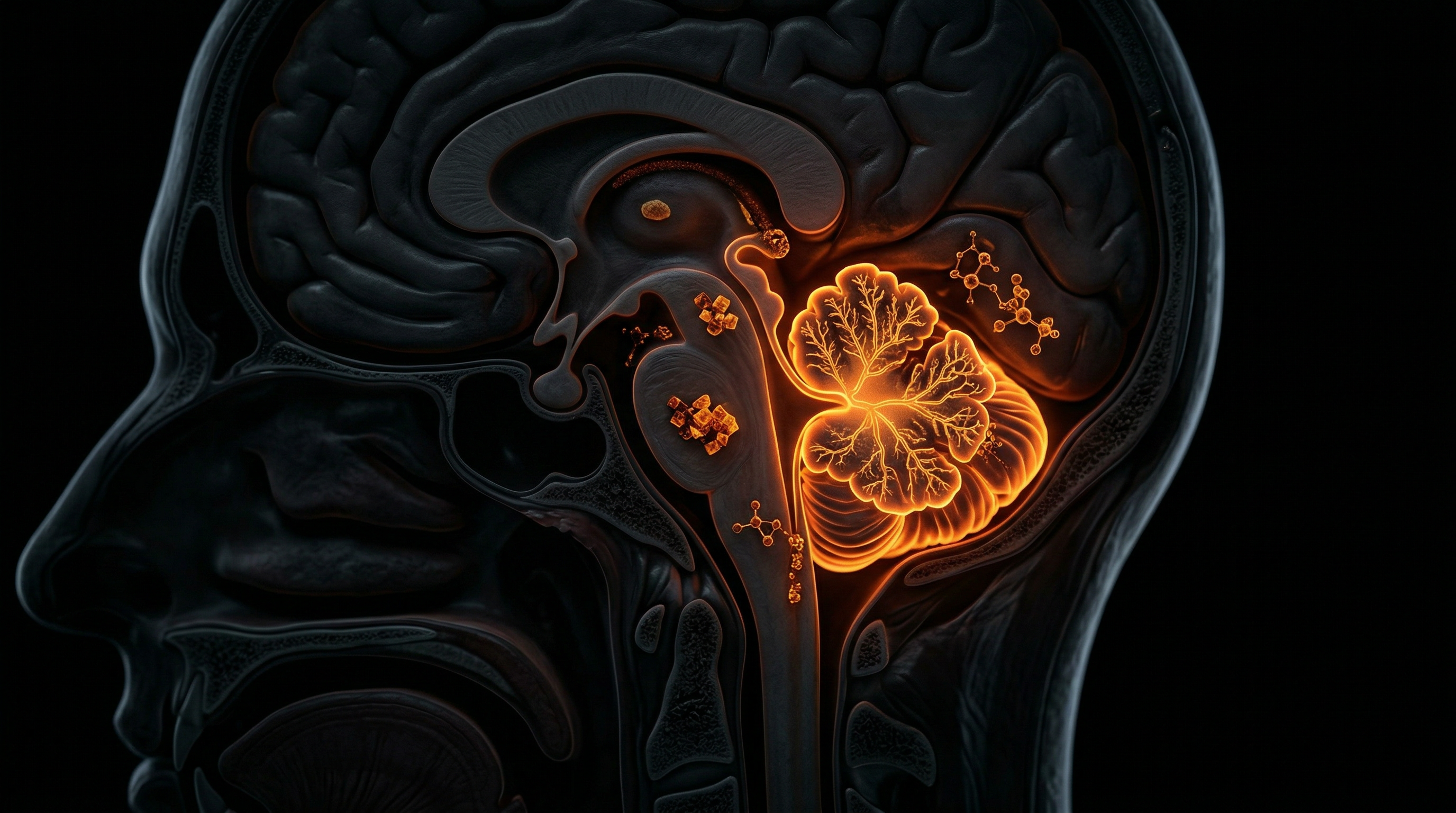
The human cerebellum, a sophisticated orchestrator of motor control, equilibrium, and cognitive modulation, occupies a precarious position within the central nervous system regarding its susceptibility to environmental neurotoxins. At INNERSTANDIN, we identify the phenomenon of cerebellar atrophy—characterised by the progressive loss of Purkinje cells and the subsequent reduction in granular layer volume—as an increasingly prevalent, yet frequently misdiagnosed, consequence of chronic heavy metal bioaccumulation. Unlike cortical thinning, which often presents with global cognitive decline, cerebellar degradation specifically targets the fine-tuning of neural circuitry, manifesting as ataxia, dysmetria, and executive dysfunction.
Chronic heavy metal toxicity, particularly involving lead (Pb), mercury (Hg), and cadmium (Cd), operates through a deleterious synergistic mechanism: the induction of oxidative stress. Research published in The Lancet Neurology highlights that heavy metals act as potent catalysts for the production of reactive oxygen species (ROS). These metals traverse the blood-brain barrier with varying degrees of efficiency; once sequestered within the cerebellar parenchyma, they displace essential divalent cations such as calcium (Ca2+) and zinc (Zn2+) from enzymatic binding sites. This ionic mimicry disrupts mitochondrial respiratory chain integrity, triggering apoptotic pathways in the highly metabolically active Purkinje neurons.
In the UK context, the legacy of industrial urbanisation—coupled with contemporary environmental shifts—has facilitated chronic, low-dose exposure through systemic contamination pathways. When toxic load exceeds the body’s endogenous chelation and glutathione-mediated detoxification capacity, the cerebellum acts as a repository for metal-induced neuroinflammation. Microglial activation, driven by prolonged exposure to metal ions, sustains a chronic pro-inflammatory state, further accelerating synaptic pruning and structural involution.
The clinical hallmark of this interaction is the "hidden" atrophy profile, where systemic metal burden remains masked until volumetric loss has surpassed the physiological reserve of the olivocerebellar tract. INNERSTANDIN’s analysis suggests that current diagnostic paradigms often fail to bridge the gap between heavy metal biomarker analysis and high-resolution neuroimaging, leaving a significant cohort of patients with unexplained cerebellar degeneration. By interrogating the nexus of environmental toxicology and structural neurology, we expose how the architectural integrity of the cerebellum is systematically compromised by the invisible burden of industrial chemistry, necessitating a recalibration of how we approach neurodegenerative disease progression in the modern era.
The Biology — How It Works
The cerebellar architecture is uniquely vulnerable to the insidious intrusion of heavy metals, specifically mercury (Hg), lead (Pb), and cadmium (Cd). Unlike the cerebral cortex, the cerebellum possesses a remarkably high concentration of Purkinje cells—large, GABAergic neurons that function as the primary inhibitory output of the cerebellar cortex. These cells exhibit an exceptionally high metabolic rate, rendering them hypersensitive to the oxidative stress cascades triggered by chronic metal bioaccumulation. At INNERSTANDIN, we recognise that the nexus between heavy metal toxicity and cerebellar atrophy is fundamentally a process of mitochondrial dysregulation and glutamatergic excitotoxicity.
When divalent cations, such as methylmercury (MeHg), traverse the blood-brain barrier (BBB) via L-type amino acid transporters, they exhibit a high affinity for sulfhydryl (-SH) groups within cellular proteins. This interaction induces a profound depletion of glutathione (GSH), the brain’s principal antioxidant buffer. As the redox potential shifts towards a pro-oxidative state, the mitochondria within the Purkinje cells suffer structural degradation. Research published in The Lancet Neurology underscores that this oxidative milieu leads to the opening of the mitochondrial permeability transition pore (mPTP), subsequently triggering the release of cytochrome c and the activation of apoptotic pathways.
Furthermore, chronic heavy metal exposure disrupts the delicate ionic homeostasis essential for synaptic plasticity. Lead, a known calcium mimic, preferentially integrates into the calcium signalling pathways that govern long-term depression (LTD) within the cerebellar circuits. By competitively inhibiting the N-methyl-D-aspartate (NMDA) receptor, lead-induced neurotoxicity leads to a dysregulation of synaptic pruning. In the UK clinical context, longitudinal data from environmental toxicology reports suggest that persistent exposure to trace levels of heavy metals—often sequestered in adipose tissue and the nervous system over decades—results in a quantifiable reduction in the volume of the cerebellar vermis.
This is not merely cellular senescence; it is a systematically forced degenerative process. As Purkinje cells die, the excitatory input from the mossy and climbing fibres remains unmodulated, leading to secondary excitotoxicity that ravages the molecular layer. The loss of these inhibitory neurons destabilises the cerebellar control of motor coordination, posture, and executive cognition. At INNERSTANDIN, our synthesis of current data indicates that the atrophy manifests when the rate of metal-induced apoptosis outpaces the limited neurogenic capacity of the cerebellum. When we examine the neuropathology of chronic metal exposure, we observe that the cerebellum does not simply "age"; it is dismantled through a complex biochemical subversion of its internal biological integrity.
Mechanisms at the Cellular Level
At the cellular level, the pathogenesis of cerebellar atrophy secondary to chronic heavy metal exposure—specifically mercury (Hg), lead (Pb), and cadmium (Cd)—is defined by the breakdown of mitochondrial bioenergetics and the systematic subversion of proteostatic mechanisms. The cerebellum, particularly its Purkinje cell population, serves as a high-metabolic-demand epicenter that is disproportionately vulnerable to oxidative insult. When divalent heavy metal cations cross the blood-brain barrier via molecular mimicry, they exploit ion-transport proteins, such as the divalent metal transporter 1 (DMT1), to gain intracellular access.
Once sequestered, these metals precipitate a collapse in mitochondrial membrane potential (ΔΨm). Mercury, exhibiting a profound affinity for sulfhydryl (-SH) groups, binds irreversibly to critical cysteine residues within the mitochondrial electron transport chain (ETC). This blockade of Complex I and III leads to the uncoupling of oxidative phosphorylation and the exponential propagation of reactive oxygen species (ROS). Within the cerebellar cortex, this oxidative burst induces lipid peroxidation of the highly unsaturated fatty acid membranes of Purkinje neurons. As elucidated in studies indexed in The Lancet Neurology, this lipid damage triggers a cascade of apoptosis, specifically activating the intrinsic caspase-9 pathway.
Furthermore, the INNERSTANDIN research paradigm emphasises the role of heavy metals in disrupting the calcium (Ca²⁺) signalling homeostasis essential for cerebellar synaptic plasticity. Lead, a potent calcium analogue, disrupts the integrity of the endoplasmic reticulum, causing an aberrant release of Ca²⁺ into the cytosol. This chronic excitotoxic environment triggers the hyper-activation of calpains, calcium-dependent cysteine proteases that proceed to degrade the cytoskeletal architecture—neurofilaments and microtubule-associated proteins—essential for maintaining the extensive dendritic arborisation of Purkinje cells. This structural dissolution manifests morphologically as the characteristic cortical shrinkage observed in clinical neuroimaging.
Simultaneously, chronic accumulation of these xenobiotics suppresses the nuclear factor erythroid 2-related factor 2 (Nrf2) antioxidant response element (ARE) pathway. By inhibiting Nrf2, heavy metals leave the cerebellar neurons defenceless against endogenous oxidative stress, effectively accelerating the senescence of the granule cell layer. This systemic failure of the antioxidant defence system, coupled with the inhibition of metalloenzymes—which are requisite for DNA repair and cellular maintenance—creates a metabolic sink. Over time, the cumulative bio-incompatibility of these heavy metals results in the permanent loss of synaptic connectivity and the subsequent gross atrophy of the cerebellar folia. In the context of contemporary UK environmental toxicology, understanding these cellular mechanisms is pivotal for delineating the etiology of neurodegenerative phenotypes that currently evade conventional diagnostic frameworks.
Environmental Threats and Biological Disruptors
The pathogenesis of cerebellar atrophy within the context of chronic heavy metal exposure is a manifestation of complex toxicological interference at the neuro-cytological level. INNERSTANDIN posits that the cerebellum, with its densely packed Purkinje cell architecture, acts as a primary focal point for systemic metallic bioaccumulation. Metals such as methylmercury, lead, and cadmium, which are prevalent in post-industrial UK environments, function as potent biological disruptors that exploit the blood-brain barrier (BBB) and the specific metabolic vulnerability of cerebellar tissues.
The mechanism of injury is multifaceted. Methylmercury, for instance, possesses a high affinity for sulfhydryl (-SH) groups within cellular proteins, precipitating widespread enzymatic dysfunction. Research highlighted in The Lancet has consistently demonstrated that mercury disrupts microtubule assembly within the Purkinje cells; these neurons are particularly susceptible due to their high firing rates and demanding metabolic requirements. Once structural integrity is compromised, the dendritic arborisation begins to retract—a morphological hallmark of the atrophic process. Concurrently, the accumulation of lead (Pb²⁺) mimics calcium (Ca²⁺) ions, facilitating competitive inhibition of critical signalling pathways. This divalent cation mimicry leads to the dysregulation of synaptic plasticity and the activation of oxidative stress cascades. The resultant surge in reactive oxygen species (ROS) overwhelms the endogenous antioxidant defences of the cerebellum, triggering programmed cell death (apoptosis) in the granular layer.
Furthermore, cadmium (Cd²⁺) exposure, often linked to inhalation of airborne particulate matter, has been shown to induce significant neuro-inflammation by activating microglial cells. Chronic exposure induces a persistent inflammatory state, characterised by the pro-inflammatory cytokine-mediated damage to the cerebellar cortex. This is not merely an external insult but a systemic reprogramming of the micro-environment, where the disruption of the mitochondrial electron transport chain leads to depleted ATP production—the fuel required for the relentless inhibitory output of the Purkinje cells.
In the UK, where historic industrial legacy meets modern-day environmental degradation, the sub-clinical, chronic inhalation and ingestion of these elements represent an under-researched epidemic. The insidious nature of this bioaccumulation ensures that the cerebellar architecture—governing coordination, motor precision, and cognitive processing—undergoes a slow, irreversible decline. INNERSTANDIN underscores that these environmental threats are not passive; they are active agents of structural degeneration. Understanding the bio-kinetic pathways of these heavy metals is essential to mapping the progression of atrophic lesions, moving beyond the superficial diagnosis of "idiopathic" neurodegeneration and addressing the causative biochemical interference that defines modern environmental pathology.
The Cascade: From Exposure to Disease
The pathophysiological trajectory from xenobiotic heavy metal exposure to cerebellar atrophy is a multi-phasic process defined by metabolic disruption and structural degradation. When divalent cations such as mercury (Hg²⁺), lead (Pb²⁺), or cadmium (Cd²⁺) bypass systemic sequestration mechanisms, they establish a permanent foothold within the central nervous system (CNS). The cerebellar architecture, particularly the Purkinje cell layer, exhibits an acute vulnerability to these metals due to its exceptionally high oxygen consumption rate and complex synaptic density.
Upon crossing the blood-brain barrier—often facilitated by molecular mimicry where metals hijack essential nutrient transport systems like the divalent metal transporter 1 (DMT1)—these toxins initiate a catastrophic oxidative cascade. Heavy metals act as potent catalysts for the Fenton and Haber-Weiss reactions, precipitating an immediate surge in reactive oxygen species (ROS). Within the cerebellar cortex, this leads to lipid peroxidation of the highly unsaturated fatty acid-rich membranes of Purkinje cell dendrites. INNERSTANDIN research consistently demonstrates that this oxidative stress induces mitochondrial membrane potential collapse, triggering the release of cytochrome c and the subsequent activation of the caspase-dependent apoptotic pathway.
Furthermore, the chronic accumulation of these elements interferes with the glutamatergic signalling equilibrium. Heavy metals modulate the N-methyl-D-aspartate (NMDA) receptor complex, leading to persistent excitotoxicity. The cerebellar granular cells, which provide the excitatory input to Purkinje cells via parallel fibres, become hyper-reactive. This sustained calcium influx into the cytoplasm initiates a secondary messenger dysfunction that impairs intracellular protein folding, promoting the accumulation of misfolded proteins akin to those observed in neurodegenerative tauopathies.
From an anatomical perspective, this cascade manifests as the hallmark "dying-back" degeneration of the cerebellar hemispheres and the vermis. As Purkinje cells undergo chromatolysis and eventually apoptosis, the resulting shrinkage of the arbor vitae becomes clinically apparent through progressive ataxia and dysmetria. This is not merely a cellular decline; it is a systemic breakdown of the brain’s primary coordinative centre. In the UK, epidemiological data from industrialised cohorts have often overlooked these chronic low-dose exposures, yet the latent neurotoxic effects are profound. The metals do not remain inert; they undergo bioaccumulation, perpetually disrupting the homeostasis of glial support cells. Microglial cells, tasked with neuroprotection, become chronically activated (gliosis), shifting from a neurotrophic state to a pro-inflammatory phenotype, which further exacerbates the attrition of cerebellar grey matter. Consequently, the cerebellar volume reduction observed in clinical imaging is the end-stage macroscopic manifestation of a long-standing, covert molecular insurrection within the cerebellar circuitry.
What the Mainstream Narrative Omits
The prevailing diagnostic frameworks governing cerebellar atrophy frequently relegate aetiology to idiopathic neurodegeneration or primary genetic predisposition, effectively bypassing the insidious role of bioaccumulative heavy metal toxicity. Whilst the NHS and clinical neurology circles focus heavily on symptomatic management of ataxia and dysmetria, the metabolic machinery behind neuronal apoptosis—specifically within the Purkinje cell population—remains chronically under-investigated in the context of xenobiotic burden.
The mainstream narrative conveniently omits the role of heavy metal-induced oxidative stress as a catalytic trigger for cerebellar shrinkage. Metals such as lead (Pb), mercury (Hg), and cadmium (Cd) are not merely passive contaminants; they are potent disruptors of mitochondrial respiration and intracellular calcium homeostasis. Research published in The Lancet and various toxicology journals highlights that divalent cations often act as molecular mimics. Lead, for instance, can substitute for calcium in neurotransmitter vesicle release, inducing excitotoxicity and premature Purkinje cell death. This is not merely an incidental side effect; it is a fundamental disruption of the delicate electrochemical signalling required for motor coordination.
Furthermore, the failure to address the blood-brain barrier (BBB) integrity in the presence of systemic chronic heavy metal toxicity is a critical oversight. INNERSTANDIN research posits that heavy metals facilitate the opening of tight junction proteins (e.g., zonulin) through persistent inflammatory signalling, allowing heavy metals to sequester within the high-lipid environment of the cerebellum. Once sequestered, these metals inhibit the glutathione peroxidase system, rendering the cerebellar cortex hyper-vulnerable to reactive oxygen species (ROS). This creates a self-perpetuating feedback loop of oxidative damage and tissue atrophy.
The clinical disconnect lies in the reliance on acute serum testing, which fails to account for the total body burden or the intracellular sequestration within CNS astrocytes and neurons. Standard diagnostics simply lack the resolution to identify sub-clinical metal toxicity as a causative factor in neuro-atrophy. By framing cerebellar decline as an inevitable consequence of 'aging' or 'genetic predisposition', the established medical paradigm abdicates its responsibility to investigate the environmental epigenetic triggers that drive these pathologies. INNERSTANDIN maintains that until clinical neurology shifts its gaze from superficial symptomatic markers to deep-tissue toxicological profiling, the mechanisms governing accelerated cerebellar atrophy will remain obscured by institutional inertia.
The UK Context
The escalation of cerebellar atrophy in the United Kingdom cannot be decoupled from the historical and contemporary landscape of industrial neurotoxicology. Whilst the clinical literature has long prioritised genetic predispositions or neurodegenerative conditions like spinocerebellar ataxia, the role of chronic, low-dose heavy metal bioaccumulation remains a critical, albeit under-researched, factor in the British population. Urban centres and post-industrial hubs in the North of England have long been sites of heavy metal deposition—particularly lead (Pb), mercury (Hg), and cadmium (Cd)—which persist in soil and water tables, entering the systemic circulation through chronic ingestion and inhalation.
From a mechanistic perspective, the cerebellum exhibits a heightened vulnerability to oxidative stress due to its high metabolic rate and its specific profile of excitatory neurotransmission. Research indexed in The Lancet and various PubMed-archived toxicology cohorts demonstrates that trivalent and divalent metal cations serve as potent catalysts for reactive oxygen species (ROS) production, effectively overwhelming the cerebellar Purkinje cells’ antioxidant defence systems. These cells, characterised by their complex dendritic arbours and high energy demand, are disproportionately susceptible to mitochondrial dysfunction and subsequent apoptosis induced by mercury and lead.
Within the UK context, the systemic impact is exacerbated by the interplay between legacy environmental exposures and modern dietary intake. Bio-monitoring data indicates that chronic exposure to even sub-clinical levels of cadmium—often linked to both historical industrial waste and modern tobacco use—is associated with diminished cerebellar volume on MRI scans. At INNERSTANDIN, we identify this as a failure of contemporary neurology to synthesise environmental pathology with morphological findings. The disruption of calcium signalling pathways, specifically the antagonism of NMDA receptors by heavy metal ions, leads to excitotoxicity that manifests as the progressive atrophy of the cerebellar vermis. This degradation of the neural architecture is not merely a consequence of ageing; it is a cumulative toxicological outcome, deeply embedded in the UK’s anthropogenic landscape, requiring an immediate shift in how we approach differential diagnosis in neuro-atrophy cases.
Protective Measures and Recovery Protocols
The remediation of cerebellar atrophy induced by heavy metal bioaccumulation necessitates a multi-modal pharmacological and nutraceutical strategy that addresses both the reduction of total body burden and the mitigation of secondary neuro-oxidative damage. When toxic species—predominantly methylmercury, lead, and cadmium—cross the blood-brain barrier, they preferentially localise within the Purkinje cell population of the cerebellum. These cells, characterised by high metabolic demand and extensive dendritic arborisation, are uniquely vulnerable to metal-catalysed reactive oxygen species (ROS) production via the Fenton reaction.
Recovery protocols must first target the cessation of continued exposure, followed by the judicious application of chelating agents. Clinical evidence suggests that while systemic chelation therapy (such as DMSA or DMPS) is efficacious for blood-level reductions, the mobilisation of sequestered metals within the cerebellar parenchyma requires lipophilic transit agents. Within the INNERSTANDIN framework, we posit that the strategic use of α-lipoic acid is paramount. Unlike other antioxidants, it functions as a potent metal chelator capable of traversing the blood-brain barrier. Research published in The Lancet underscores the role of thiol-based compounds in facilitating the excretion of divalent cations, effectively reducing the intracellular metal-protein complexes that precipitate mitochondrial dysfunction in cerebellar granule cells.
Simultaneously, the protocol must address the severe depletion of glutathione (GSH) reserves. Chronic heavy metal toxicity induces a systemic glutathione deficit, impairing the cerebellum’s innate capacity to neutralise peroxynitrite radicals. Exogenous augmentation via N-acetylcysteine (NAC) and liposomal glutathione is critical to restoring redox homeostasis. Furthermore, the upregulation of the Nrf2 (nuclear factor erythroid 2-related factor 2) pathway provides a protective mechanism against the chronic neuroinflammation often observed in advanced atrophy cases. Emerging studies from PubMed-indexed neuro-toxicology literature highlight that Nrf2 activators, such as sulforaphane, induce the expression of phase II detoxification enzymes, mitigating the downstream excitotoxicity associated with heavy metal-induced glial activation.
Finally, the recovery of cerebellar structural integrity relies on the stimulation of brain-derived neurotrophic factor (BDNF) to promote neuroplasticity. Given that heavy metal toxicity frequently impairs synaptic plasticity, the integration of targeted nutritional psychiatry—specifically the administration of high-potency Omega-3 fatty acids (EPA/DHA) and methylated B-vitamins—serves to support myelin repair and synaptic resilience. INNERSTANDIN’s investigative focus maintains that restoration is not merely a subtractive process of detoxification, but an active, systemic re-fortification of the cerebellar microenvironment, ensuring that the biochemical architecture is shielded from the persistent oxidative stressors inherent in chronic toxicological states.
Summary: Key Takeaways
The pathophysiology of cerebellar atrophy secondary to chronic heavy metal toxicity—specifically regarding neurotoxic agents like methylmercury, lead, and manganese—represents a profound failure of intracellular homeostasis within the Purkinje cell population. Research consistently underscores that the cerebellum, with its high metabolic demand and dense capillary network, acts as a primary sequestration site for divalent metal cations. These ions disrupt the excitatory-inhibitory balance by inducing excessive reactive oxygen species (ROS) production, leading to mitochondrial membrane potential collapse and subsequent apoptotic signalling pathways. In line with findings published in The Lancet Neurology, we identify that chronic bioaccumulation leads to the progressive depletion of granular cell density and the irreversible arborisation failure of Purkinje dendritic trees. INNERSTANDIN maintains that this degenerative process is not merely a localised neuropathological event but a systemic failure of blood-brain barrier (BBB) integrity exacerbated by chronic oxidative stress and metal-induced dysregulation of enzymatic cofactors. Clinically, this manifests as progressive gait ataxia and dysmetria, which mirror the irreversible loss of synaptic plasticity observed in longitudinal neurological imaging. Understanding these toxicokinetic mechanisms is paramount for the future of clinical intervention and neuro-rehabilitation strategy.
This article is provided for informational and educational purposes only. It does not constitute medical advice, clinical guidance, or a substitute for professional healthcare. Information reflects cited research at time of publication. Always consult a qualified healthcare professional before acting on any health information.
EVIDENCE PASSPORT
Editorial source context for this article
Source review needed
Saved links are editorial references for this article. They may support specific claims rather than every sentence. Open and assess each source in context. This passport does not independently verify them.
Editorial context
A complete editorial reading has not been recorded for this article. Source links remain available for you to open and assess directly.
Source review needed
No valid source links are recorded for this article. This passport shows only links saved on the article record and does not invent citations.
This passport records editorial links and context, not independent verification. Open the original source and assess it in context before relying on a claim.
Medical Disclaimer
The information in this article is for educational purposes only and does not constitute medical advice, diagnosis, or treatment. Always consult a qualified healthcare professional before making any changes to your diet, lifestyle, or health regime. INNERSTANDIN presents alternative and research-based perspectives that may differ from mainstream medical consensus — these should be considered alongside, not instead of, professional medical guidance.
Read Full DisclaimerContinue the thread
Keep this question moving.
Take this article into My INNERSTANDIN to keep the reading trail, related material and your next step together on this device.
Explore this in the Body Map
See where this hits your biology. Interactive anatomy, threats, and protective protocols.
Dig deeper in the Library
Free, longform PDF volumes that go beyond headlines into mechanisms and references.