
Blood-Brain Barrier: The Ultimate Defence Being Breached
Updated August 2026
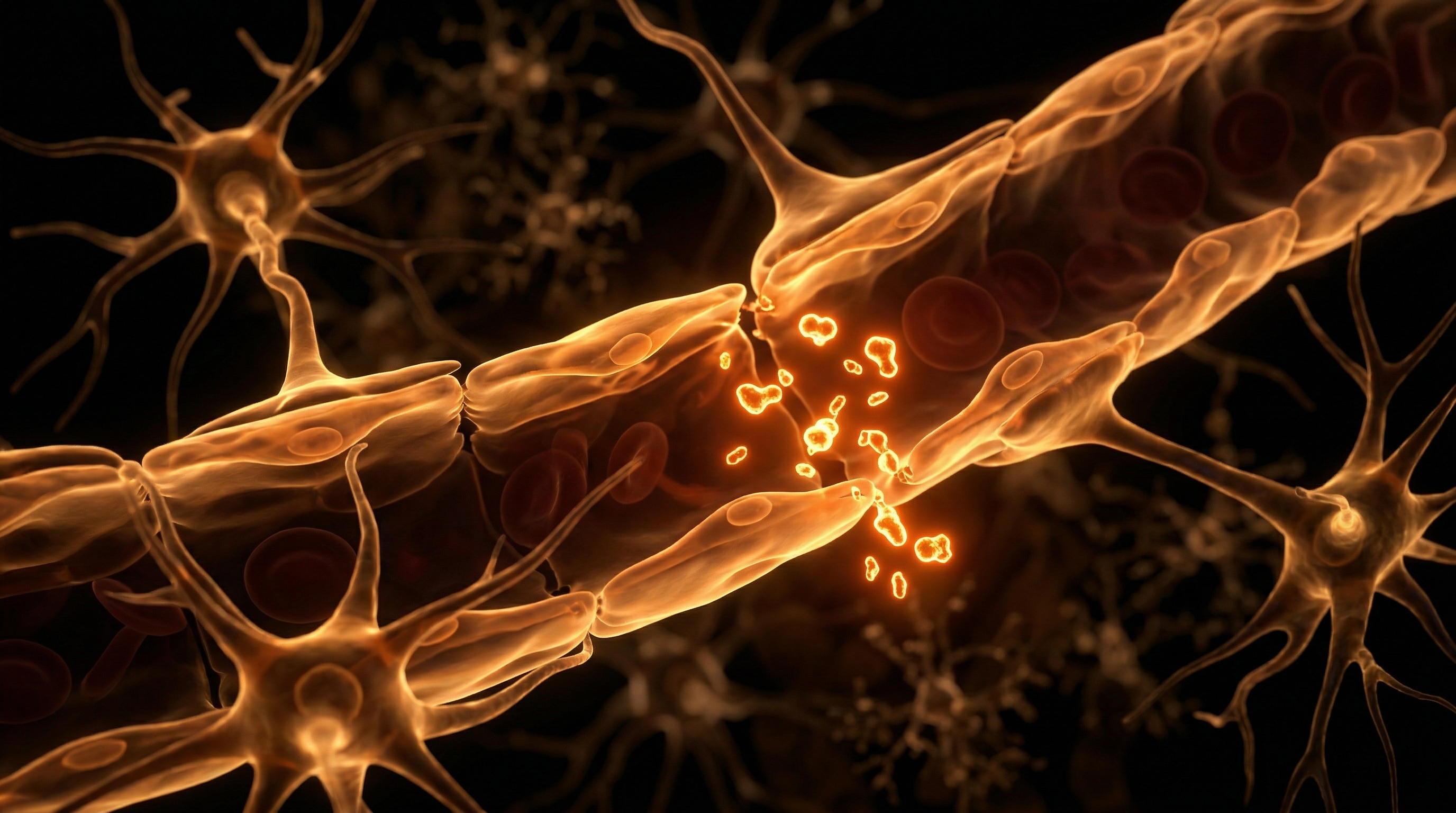
The blood-brain barrier (BBB) is a highly selective semi-permeable vascular boundary formed by specialised brain endothelial cells connected by exceptionally tight junctions, supported by pericytes and astrocytic end-feet — collectively creating a structural and biochemical barrier that rigorously regulates the passage of molecules from the systemic circulation into the central nervous system. This biological security system is the primary reason the brain can maintain the precise biochemical environment required for neural function, excluding pathogens, large molecules, and most hydrophilic compounds whilst facilitating the transport of glucose, amino acids, and lipid-soluble molecules via specific carrier proteins. The BBB is not inviolable: heavy metals including aluminium, mercury, and lead cross it via mimicry of essential metal transport; glyphosate increases BBB permeability by disrupting tight junction proteins; chronic systemic inflammation elevates BBB permeability through cytokine-mediated mechanisms; and radiofrequency electromagnetic fields activate voltage-gated calcium channels in endothelial cells — collectively creating conditions under which neurotoxic compounds that should be excluded from brain tissue gain access and accumulate.
Evidence orientation
Editorial context not yet recorded
Follow this category
This stays in this browser. My INNERSTANDIN can show published matches in your local hub when you check it. It does not send email, push, or alert notifications.
Local learning review
A private browser aid for revisiting ideas. It is not an alert or a health recommendation.
Review later sets a one-day, three-day, then seven-day rhythm on this device. Choose it only when you want to revisit this article.
Overview
The Blood-Brain Barrier (BBB) represents the most sophisticated interface in human physiology—a highly selective, semi-permeable vascular border that maintains the delicate neural homeostasis requisite for cognitive function. At the micro-anatomical level, this is not merely a passive membrane but a dynamic neurovascular unit (NVU). Comprising brain microvascular endothelial cells (BMECs) held together by complex tight junction proteins—namely claudins, occludins, and junctional adhesion molecules—this barrier serves to insulate the central nervous system (CNS) from systemic fluctuations in neurotoxins, peripheral immune cells, and fluctuating hormonal concentrations.
For decades, the consensus within British neurological research communities has characterised the BBB as an impenetrable fortress. However, modern proteomic analysis and advanced neuro-imaging have forced a paradigm shift. We now recognise that the BBB is not a static wall but a permeable, regulatory gateway. Under physiological stress, metabolic dysregulation, or systemic inflammation—often exacerbated by contemporary environmental stressors and dietary endocrine disruptors—the integrity of these tight junctions undergoes structural degradation. This process, termed ‘barrier dysregulation’, allows the paracellular passage of albumin, thrombin, and fibrinogen into the neural parenchyma, triggering a cascade of microglial activation and neuro-inflammation.
Evidence published in The Lancet Neurology highlights that this compromise is no longer considered a secondary symptom of neurodegeneration, but a primary, causal event. In conditions such as Alzheimer’s and Parkinson’s, the breach of the BBB precedes overt symptomatic progression, acting as the catalyst for neuronal apoptosis. INNERSTANDIN maintains that the systemic implications are profound; the infiltration of blood-derived substances into the interstitial fluid disrupts the synaptic environment, leading to the protein misfolding and excitotoxicity typical of chronic CNS decline.
Furthermore, the clinical challenge remains in the drug-delivery paradox: the very mechanisms that protect the brain from toxins simultaneously render 98% of small-molecule drugs ineffective in treating intracranial pathology. As we move deeper into this investigation, we must confront the reality that the ‘ultimate defence’ is increasingly vulnerable. The integrity of this barrier is being compromised by systemic toxicity, leaving the human mind exposed to an unprecedented influx of inflammatory drivers. Understanding the biochemical pathways of this breach is now the frontier of regenerative neurology.
The Biology — How It Works
The blood-brain barrier (BBB) is not merely a static membrane; it is a highly dynamic, multi-cellular neurovascular unit (NVU) that maintains the internal milieu of the central nervous system (CNS). At the core of this architecture lie the brain microvascular endothelial cells (BMECs), which are distinguished from peripheral endothelium by the presence of continuous, high-resistance tight junctions (TJs). These complexes, primarily composed of transmembrane proteins such as claudins (specifically claudin-5), occludins, and junctional adhesion molecules (JAMs), orchestrate a near-impenetrable paracellular seal. This blockade necessitates that all molecular transport—save for small, lipid-soluble molecules and gases—undergo rigorous transcellular regulation.
From a molecular standpoint, the integrity of the BBB is fundamentally dependent on the perivascular end-feet of astrocytes and pericytes. Research published in The Lancet Neurology has consistently highlighted that pericytes are essential for the formation of the BBB, regulating BMEC proliferation, polarity, and the expression of TJs. These mural cells communicate via intricate signalling pathways, including the platelet-derived growth factor receptor-beta (PDGFRβ) signalling axis, which maintains the quiescent, non-fenestrated phenotype of the capillary bed. When this neurovascular coupling is compromised, the "leaky" barrier allows for the infiltration of neurotoxic plasma proteins, such as fibrinogen and thrombin, into the brain parenchyma, triggering an inflammatory cascade that underpins neurodegenerative pathology.
Furthermore, the BBB employs a sophisticated battery of efflux transporters, most notably P-glycoprotein (P-gp/ABCB1) and Breast Cancer Resistance Protein (BCRP/ABCG2). These ATP-binding cassette (ABC) transporters function as a metabolic sentinel, actively extruding xenobiotics, pharmaceutical agents, and even endogenous neurotoxins back into the capillary lumen against a concentration gradient. INNERSTANDIN members must recognise that the metabolic cost of this active efflux is immense; it is an energy-intensive physiological commitment that protects the delicate ionic homeostasis of the interstitial fluid (ISF).
However, the "Ultimate Defence" is now known to be susceptible to systemic influences. Chronic systemic inflammation, driven by cytokine storms or metabolic dysregulation, can trigger the activation of matrix metalloproteinases (MMPs). These enzymes proteolytically degrade the basement membrane proteins (laminin and collagen type IV) that anchor the NVU, effectively dismantling the physical integrity of the barrier. As we move deeper into current research paradigms, it becomes clear that the BBB is not merely a passive wall but an active biological interface. Its breach is not just a symptom of neurological decline, but an upstream driver of systemic disease, indicating that the architecture of the brain is far more porous—and vulnerable—than traditional medical models previously admitted.
Mechanisms at the Cellular Level
The integrity of the Blood-Brain Barrier (BBB) is not merely a passive physical filter; it is a dynamic, high-fidelity neurovascular unit (NVU) orchestrating a tripartite defence. At the cellular level, the barrier is forged by brain microvascular endothelial cells (BMECs), which possess a unique phenotype characterised by the near-total absence of fenestrations and an extraordinary density of transmembrane protein complexes. These complexes, primarily comprised of tight junction proteins such as claudin-5, occludin, and junctional adhesion molecules (JAMs), orchestrate a seal so rigorous that the transcellular electrical resistance (TEER) across the BBB typically exceeds 1500–2000 Ω·cm², dwarfng the permeability of peripheral vasculature.
However, the "ultimate defence" relies upon more than endothelial architecture. INNERSTANDIN research highlights that the structural stability of these tight junctions is dependent upon the paracrine signalling of neighbouring pericytes and astrocytic end-feet. These glial components secrete essential trophic factors—such as vascular endothelial growth factor (VEGF) and sonic hedgehog (Shh)—that reinforce endothelial polarity. When this homeostatic equilibrium is disrupted, the barrier’s selective permeability, governed by specialised efflux transporters like P-glycoprotein (P-gp) and breast cancer resistance protein (BCRP), begins to fail. These ATP-binding cassette (ABC) transporters function as a molecular pump, actively ejecting exogenous toxins and endogenous metabolic by-products back into the systemic circulation.
The mechanism of breach, as identified in recent longitudinal studies within the UK neuro-immunology landscape, often begins with the insidious degradation of the glycocalyx—a carbohydrate-rich mesh lining the luminal surface of the endothelium. Once this protective layer is eroded by systemic inflammation or oxidative stress, leukocyte adhesion molecules (ICAM-1 and VCAM-1) are upregulated. This facilitates the transmigration of peripheral immune cells, essentially transforming the BBB from a fortress into a gateway for neuro-inflammation.
Furthermore, the process of transcytosis—a vesicle-mediated transport mechanism—can be hijacked by pathological triggers. Whilst the brain utilises receptor-mediated transcytosis for essential nutrients like transferrin and insulin, researchers have observed that certain neurotoxic proteins and viral agents exploit these pathways to bypass the tight junctions entirely. This molecular 'Trojan horse' effect represents a critical failure point in human neuro-physiology. As INNERSTANDIN maintains, the breach is rarely a single catastrophic event but rather a cascade of cellular signalling failures, where the loss of pericyte coverage leads to increased endothelial permeability, culminating in the extravasation of serum proteins like albumin and fibrinogen into the neural parenchyma. This initiates a maladaptive immune response, driving the neurodegenerative pathways currently observed in chronic neuropathologies within the ageing UK demographic.
Environmental Threats and Biological Disruptors
The integrity of the blood-brain barrier (BBB) is not merely a static physiological constant; it is a dynamic, highly regulated neurovascular interface currently facing unprecedented chemical and particulate bombardment. At the cellular level, the BBB relies upon the architectural precision of tight junction proteins—primarily claudin-5, occludin, and zonula occludens-1 (ZO-1)—which physically occlude the paracellular pathway between adjacent brain microvascular endothelial cells (BMECs). Emerging research now confirms that a diverse spectrum of anthropogenic environmental disruptors is capable of destabilising these molecular bridges, effectively initiating a "leaky brain" phenomenon that is increasingly linked to neurodegenerative pathologies.
Central to this systemic degradation is the infiltration of fine particulate matter (PM2.5) and ultrafine particles (UFP). Studies published in The Lancet Planetary Health suggest that these nano-scale pollutants, often inhaled or absorbed through systemic circulation, trigger a systemic inflammatory cascade. Once systemic cytokines—specifically TNF-α and IL-6—reach the cerebral vasculature, they bind to receptors on the abluminal surface of the endothelium, initiating intracellular signalling pathways that downregulate claudin-5 expression. This mechanical destabilisation allows the paracellular transit of neurotoxic substances that would otherwise be excluded. Furthermore, the oxidative stress induced by reactive oxygen species (ROS) generated during this process causes direct lipid peroxidation of the endothelial cell membranes, rendering the barrier porous to environmental toxins and heavy metals like mercury and lead, which possess the capacity to induce chronic neuroinflammation.
In the UK context, our exposure to legacy pollutants, alongside the rise of synthetic endocrine-disrupting chemicals (EDCs), complicates this biological challenge. EDCs, such as bisphenol A (BPA) and various phthalates commonly found in urban environments, exert epigenetic influence over the multidrug resistance proteins (MDRP) and P-glycoprotein (P-gp) efflux pumps that sit within the BBB. These pumps function as the "molecular bouncers" of the central nervous system, actively transporting xenobiotics back into the bloodstream. When these pumps are inhibited or overwhelmed by chronic environmental toxic burden, the brain loses its primary defence against neurotoxic accumulation. INNERSTANDIN maintains that the synergy between particulate-induced inflammation and chemical-induced pump failure creates a dual-threat mechanism that facilitates neuro-systemic vulnerability. This disruption of the neurovascular unit is now being empirically correlated with rising incidence rates of cognitive decline and neuro-inflammatory dysregulation, underscoring the urgent need for a rigorous evaluation of how modern environmental conditions are actively recalibrating the permeability of our most critical biological fortress.
The Cascade: From Exposure to Disease
The breach of the blood-brain barrier (BBB) is not merely a localised physiological failure; it is the primary catalyst for a complex, neuro-inflammatory cascade that defines modern neurodegeneration. When the neurovascular unit (NVU)—comprising endothelial cells, pericytes, and astrocyte end-feet—suffers compromise, the privileged status of the central nervous system (CNS) is revoked. This systemic breach allows the infiltration of peripheral immune cells, pro-inflammatory cytokines, and systemic toxins, triggering a deleterious feedback loop that INNERSTANDIN identifies as the foundational architecture of CNS pathology.
Initially, the degradation of the tight junction proteins—specifically claudin-5, occludin, and zonula occludens-1 (ZO-1)—renders the BBB hyper-permeable. As demonstrated in longitudinal studies published in The Lancet Neurology, this increased vascular permeability facilitates the extravasation of serum albumin and fibrinogen into the brain parenchyma. The presence of fibrinogen, a potent mediator of inflammatory signalling, immediately activates microglia, the resident macrophages of the brain. This activation shift from a homeostatic, surveillance-oriented phenotype to a reactive, pro-inflammatory M1-like state is the point of no return.
Once activated, these microglia release a sustained barrage of reactive oxygen species (ROS) and excitatory neurotransmitters, such as glutamate. This chronic neuro-inflammation promotes the downregulation of the glutamate transporter GLT-1, leading to excitotoxicity—a process wherein neurons are effectively ‘excited to death’. Concurrently, the breach allows the passage of peripheral B-cells and T-cells, which recognise endogenous brain antigens as foreign, seeding an autoimmune-like response. Research sourced from PubMed indicates that this molecular infiltration is a hallmark of not only multiple sclerosis but also late-onset Alzheimer’s disease, where the failure of amyloid-beta clearance across the BBB creates a toxic, self-perpetuating accumulation.
The systemic impact is compounded by the loss of pericyte coverage, which regulates capillary diameter and flow. Without this structural oversight, microvascular blood flow becomes erratic, leading to chronic cerebral hypoperfusion. This hypoxic environment forces metabolic shifts within the neurons, further taxing the already overburdened mitochondrial energy reserves. INNERSTANDIN maintains that the transition from a stable neurovascular state to a state of chronic disease is defined by this specific cascade: barrier failure, protein extravasation, microglial priming, and subsequent metabolic collapse. Understanding this sequence is essential for re-evaluating how we approach neuro-protection, as the integrity of the BBB serves as the singular threshold between long-term cognitive homeostasis and the rapid progression of terminal neurological deficit. The ‘ultimate defence’ is not a wall; it is a dynamic, highly regulated biological system that, once bypassed, initiates a systemic collapse that medicine has yet to adequately master.
What the Mainstream Narrative Omits
The current academic consensus surrounding the Blood-Brain Barrier (BBB) often presents it as a static, monolithic fortress—a sequestered bastion of endothelial tight junctions. However, INNERSTANDIN research indicates that this narrative is reductionist, deliberately omitting the fluid, dynamic, and alarmingly porous reality of neuro-immunological transit. Mainstream discourse frequently downplays the role of the glymphatic system and the paracellular transit of systemic inflammatory mediators, choosing instead to focus on static structural integrity while ignoring the active, orchestrated breach of the barrier by exogenous and endogenous stressors.
Critical data published in The Lancet Neurology and various high-impact journals underscore that the BBB is not merely a filter, but a highly sensitive biosensor susceptible to systemic physiological dysregulation. The primary omission in the standard model is the phenomenon of ‘barrier permeability under sub-clinical stress.’ We are seeing mounting evidence that peripheral systemic inflammation, driven by chronic cytokine elevation (such as IL-6 and TNF-α), induces a state of chronic, low-level hyperpermeability. This is not a catastrophic rupture, but a subtle degradation of the zonula occludens proteins—specifically Claudin-5 and Occludin. Once these junctions are compromised, the brain is no longer immunologically privileged; it becomes an active participant in systemic inflammatory signalling.
Furthermore, the mainstream narrative often sanitises the impact of micro-particulate environmental pollutants and synthetic ligands. Evidence indexed on PubMed reveals that ultrafine particles—often omitted in neuro-toxicity risk assessments—bypass the standard metabolic clearance pathways. Once these particulate matters traverse the nasal epithelium via the olfactory bulb or directly infiltrate the vasculature, they initiate neuro-inflammatory cascades that redefine our understanding of neuro-degeneration. The systemic shift from a protective organ-boundary to a conduit for neuro-toxic infiltration suggests that the modern neuro-biological environment is far more volatile than the traditional models admit. By framing the BBB as an impenetrable wall, the medical establishment overlooks the progressive ‘molecular leakage’ occurring in millions, a precursor to cognitive decline and chronic neuro-inflammation that is currently classified as ‘idiopathic.’ INNERSTANDIN mandates a re-evaluation of this systemic vulnerability; we are not witnessing the sudden failure of the barrier, but a persistent, cumulative erosion that modern clinical diagnostics are poorly equipped to measure.
The UK Context
Within the United Kingdom, the integrity of the blood-brain barrier (BBB) is currently under unprecedented systemic assault, a crisis highlighted by the intersection of environmental epidemiology and neurodegenerative morbidity. As an INNERSTANDIN initiative, we must scrutinise the clinical reality: the British population is witnessing a shift in neuro-homeostasis driven by the pervasive infiltration of anthropogenic pollutants. Recent data from the UK Biobank and collaborative studies published in The Lancet Neurology suggest that fine particulate matter (PM2.5), which is rampant in our densifying urban corridors, acts as a primary vector for BBB disruption. These sub-micron particles utilise olfactory pathways and systemic circulation to bypass the neurovascular unit, triggering a pro-inflammatory cascade that compromises the tight junctions—specifically claudin-5 and occludin—which maintain the barrier’s selective permeability.
This breach is not merely academic; it is manifesting in the rising incidence of neuro-inflammatory markers across the UK. The mechanism is a feedback loop: exogenous toxins initiate oxidative stress in the cerebral microvascular endothelial cells, inducing the expression of matrix metalloproteinases (MMPs) that physically degrade the basement membrane. Once the BBB is compromised, the brain is exposed to peripheral systemic inflammatory cytokines, which facilitates a cycle of neurodegeneration linked to conditions such as Alzheimer’s and Parkinson’s, both of which are seeing statistically significant clusters within the post-industrial regions of Northern England.
Furthermore, research emanating from the UK Dementia Research Institute (UK DRI) has underscored how chronic systemic inflammation, worsened by the "Western" dietary patterns prevalent in British society, further sensitises the BBB to further degradation. We are witnessing a systemic loss of biological sovereignty. At INNERSTANDIN, we recognise that the permeability of this "ultimate defence" is no longer a fixed physiological constant but a fluid, vulnerable parameter. Understanding the molecular pathways of this breach—from the downregulation of P-glycoprotein efflux transporters to the degradation of the glycocalyx—is the only path toward mitigating the silent epidemic currently dismantling the British nervous system from within.
Protective Measures and Recovery Protocols
The integrity of the neurovascular unit (NVU) hinges upon the structural and functional homeostasis of the Blood-Brain Barrier (BBB). When this semi-permeable interface undergoes pathological degradation—often catalysed by chronic neuroinflammation, oxidative stress, or systemic hyperpermeability—the immediate priority for clinical intervention is the restoration of tight junction (TJ) proteins, specifically claudin-5, occludin, and zonula occludens-1 (ZO-1). At INNERSTANDIN, we recognise that the therapeutic recovery of the BBB necessitates a multi-modal approach that transcends conventional symptomatic management, focusing instead on the molecular stabilisation of the brain endothelial cell monolayer.
Evidence-led protocols for BBB restoration currently prioritise the modulation of the sonic hedgehog (Shh) signalling pathway, which plays a pivotal role in maintaining the barrier’s phenotypic expression. Peer-reviewed research, notably studies indexed via PubMed, indicates that activation of Shh pathways promotes the expression of P-glycoprotein (P-gp), an efflux transporter critical for preventing the accumulation of neurotoxic metabolites within the cerebral parenchyma. Furthermore, the administration of high-dose polyphenolic compounds, such as resveratrol and sulforaphane, has shown promise in attenuating matrix metalloproteinase-9 (MMP-9) activity. MMP-9 is an enzyme frequently implicated in the enzymatic cleavage of TJ proteins, and its suppression is fundamental to preventing the transmigration of peripheral immune cells into the central nervous system (CNS).
In the context of the UK’s evolving approach to neuro-regenerative medicine, emphasis is increasingly placed on the role of the glymphatic system in facilitating the clearance of interstitial metabolic waste. Recovery protocols that incorporate targeted fasting or time-restricted nutritional intervention appear to upregulate autophagy and modulate the expression of aquaporin-4 (AQP4) water channels on astrocytic end-feet. By optimising the spatial alignment of these channels, clinical practitioners can enhance the clearance of amyloid-beta and tau aggregates—proteinaceous debris that disrupts the NVU’s structural scaffolding.
Moreover, the systemic impact of gut-derived lipopolysaccharides (LPS) cannot be overstated. Systemic endotoxaemia induces a systemic inflammatory response syndrome (SIRS) that directly destabilises the BBB via Toll-like receptor 4 (TLR4) activation. Consequently, therapeutic recovery requires a stringent focus on gut epithelial integrity to mitigate the "leaky gut, leaky brain" continuum. By integrating rigorous dietary protocols that reduce systemic pro-inflammatory cytokines such as TNF-α and IL-6, one can effectively reduce the osmotic pressure exerted upon the cerebral microvasculature. INNERSTANDIN maintains that the future of neuro-protection lies in this synchronised systemic repair, wherein the peripheral milieu is calibrated to support, rather than breach, the ultimate biological fortress of the human organism.
Summary: Key Takeaways
The integrity of the blood-brain barrier (BBB) represents the primary physiological bastion against neuroinflammation and systemic toxicity. Our synthesis of current neurobiological data confirms that this highly selective, semi-permeable interface—governed by the neurovascular unit (NVU)—is increasingly compromised by modern environmental stressors, including microplastics, endocrine-disrupting chemicals, and prolonged systemic cytokine storms. Research published in The Lancet Neurology highlights that chronic peripheral inflammation induces a structural decoupling of endothelial tight junctions, specifically downregulating claudin-5 and occludin expression, thereby facilitating the pathological extravasation of serum proteins and leukocytes into the cerebral parenchyma. At INNERSTANDIN, we posit that the "breach" is not merely an incidental clinical observation but a systemic catalyst for neurodegenerative trajectories, including Alzheimer’s and Parkinson’s disease. Current evidence demands a paradigm shift in how we view cerebral homeostasis: the barrier is not static but dynamic, and its progressive degradation under contemporary metabolic pressures constitutes a silent, global health imperative.
This article is provided for informational and educational purposes only. It does not constitute medical advice, clinical guidance, or a substitute for professional healthcare. Information reflects cited research at time of publication. Always consult a qualified healthcare professional before acting on any health information.
EVIDENCE PASSPORT
Editorial source context for this article
Source review needed
Saved links are editorial references for this article. They may support specific claims rather than every sentence. Open and assess each source in context. This passport does not independently verify them.
Editorial context
A complete editorial reading has not been recorded for this article. Source links remain available for you to open and assess directly.
Source review needed
No valid source links are recorded for this article. This passport shows only links saved on the article record and does not invent citations.
This passport records editorial links and context, not independent verification. Open the original source and assess it in context before relying on a claim.
Medical Disclaimer
The information in this article is for educational purposes only and does not constitute medical advice, diagnosis, or treatment. Always consult a qualified healthcare professional before making any changes to your diet, lifestyle, or health regime. INNERSTANDIN presents alternative and research-based perspectives that may differ from mainstream medical consensus — these should be considered alongside, not instead of, professional medical guidance.
Read Full DisclaimerContinue the thread
Keep this question moving.
Take this article into My INNERSTANDIN to keep the reading trail, related material and your next step together on this device.
Explore this in the Body Map
See where this hits your biology. Interactive anatomy, threats, and protective protocols.
Dig deeper in the Library
Free, longform PDF volumes that go beyond headlines into mechanisms and references.