All INNERSTANDIN content is for educational purposes only — not medical advice, diagnosis or treatment. Full Disclaimer →

    Biological overview of the Nervous System system
    SYSTEM OVERVIEW // Nervous System

    NERVOUS SYSTEM

    The Command Network. Decode Your Signals.

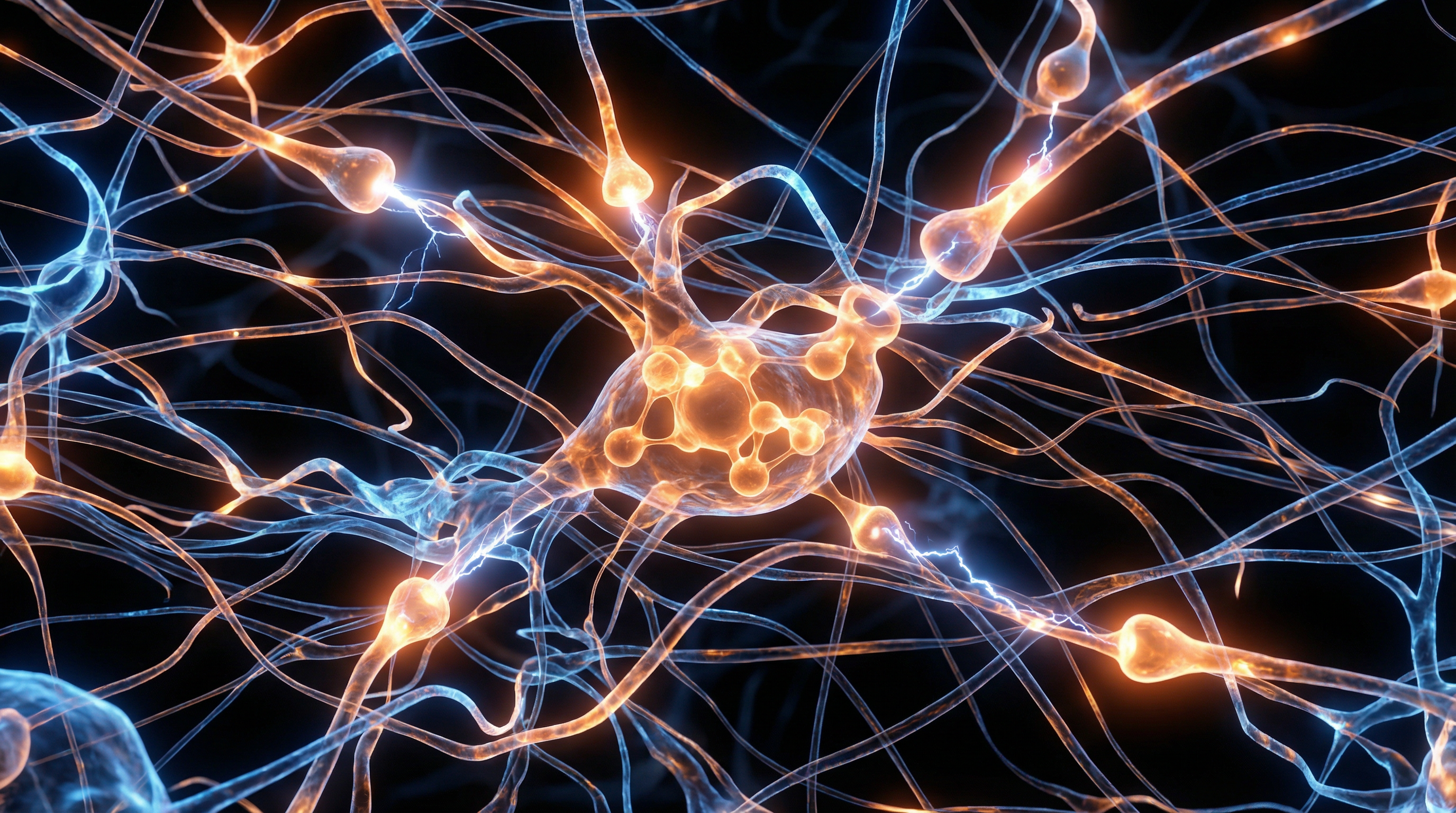
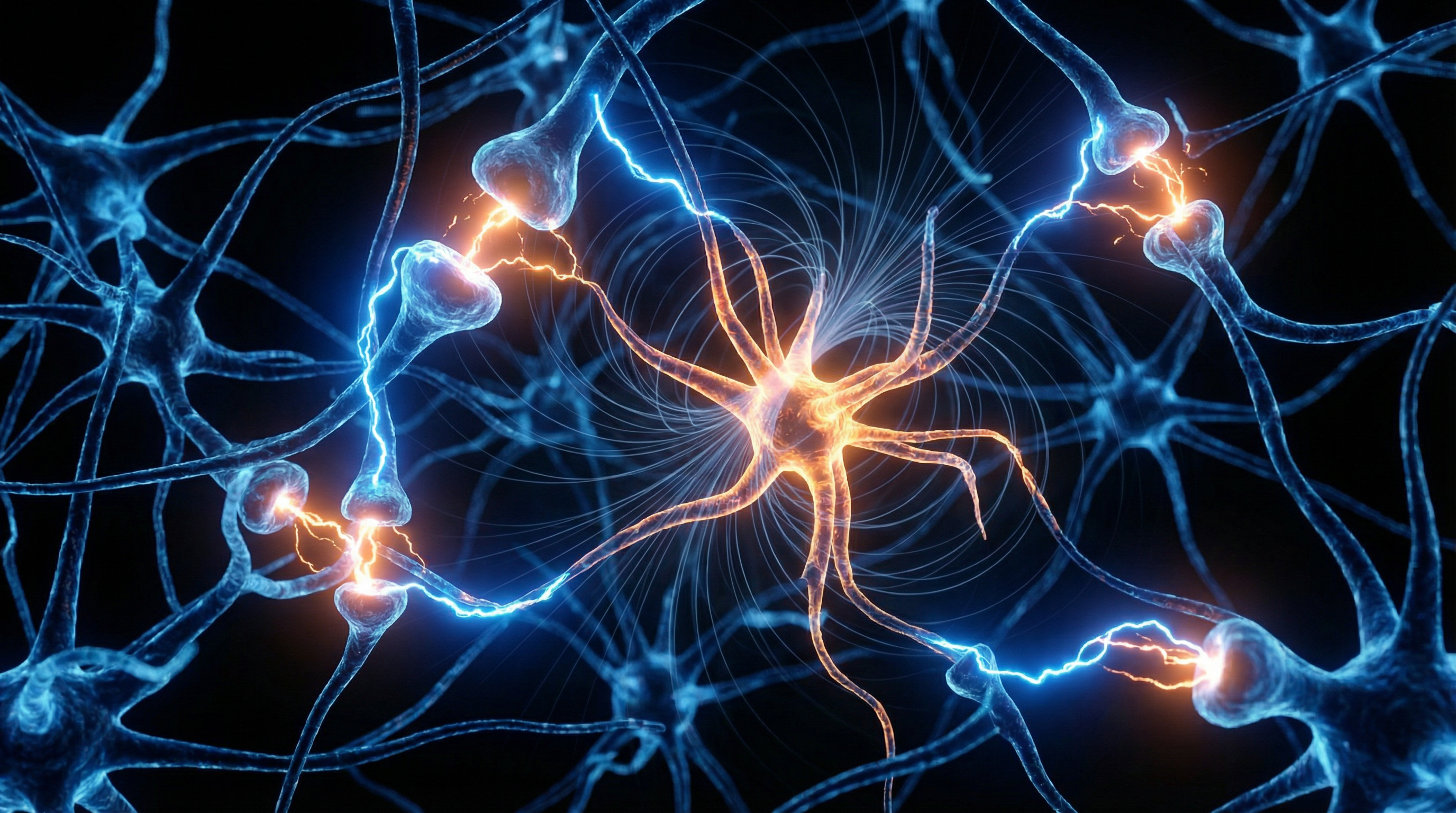
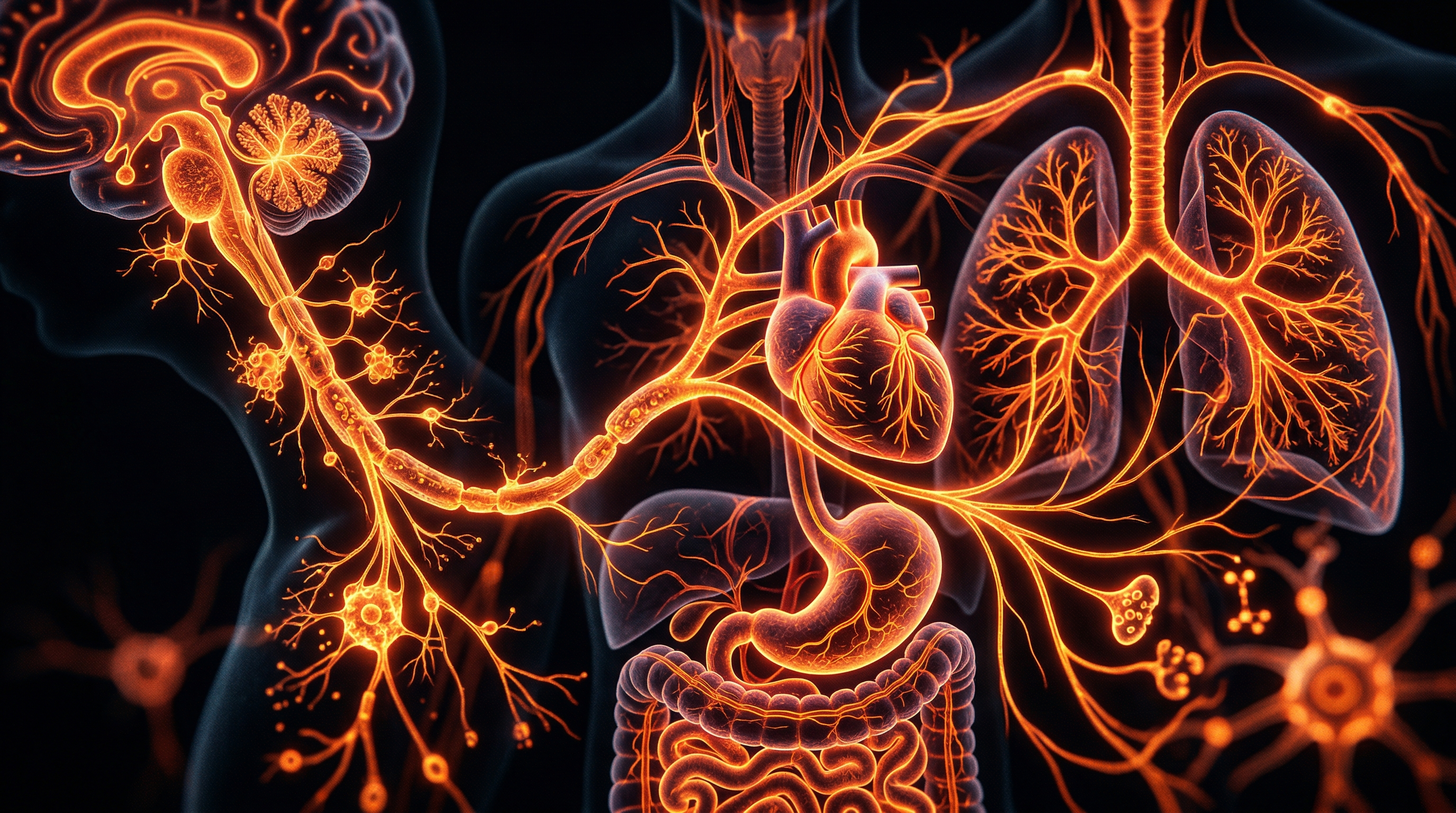
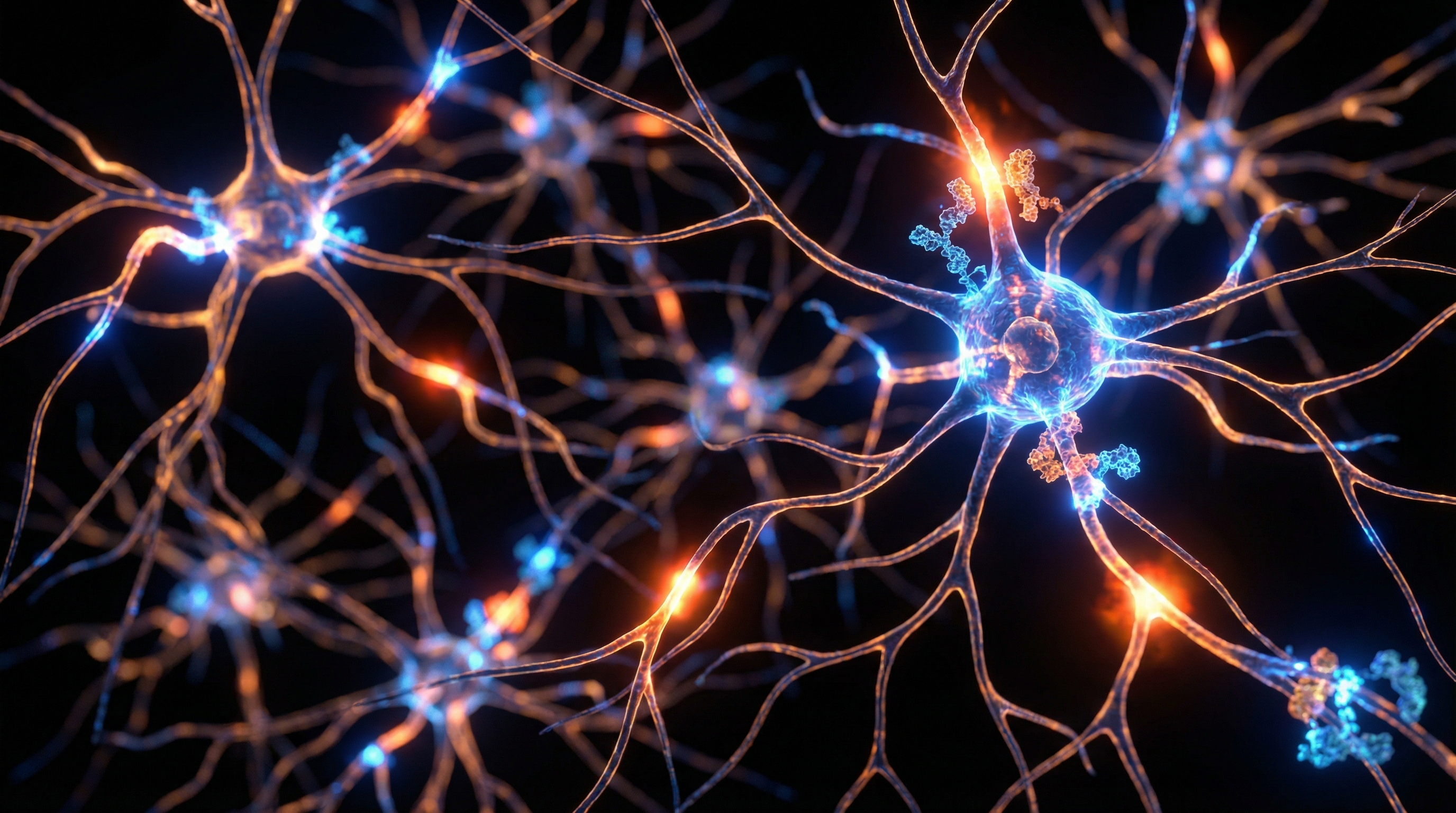
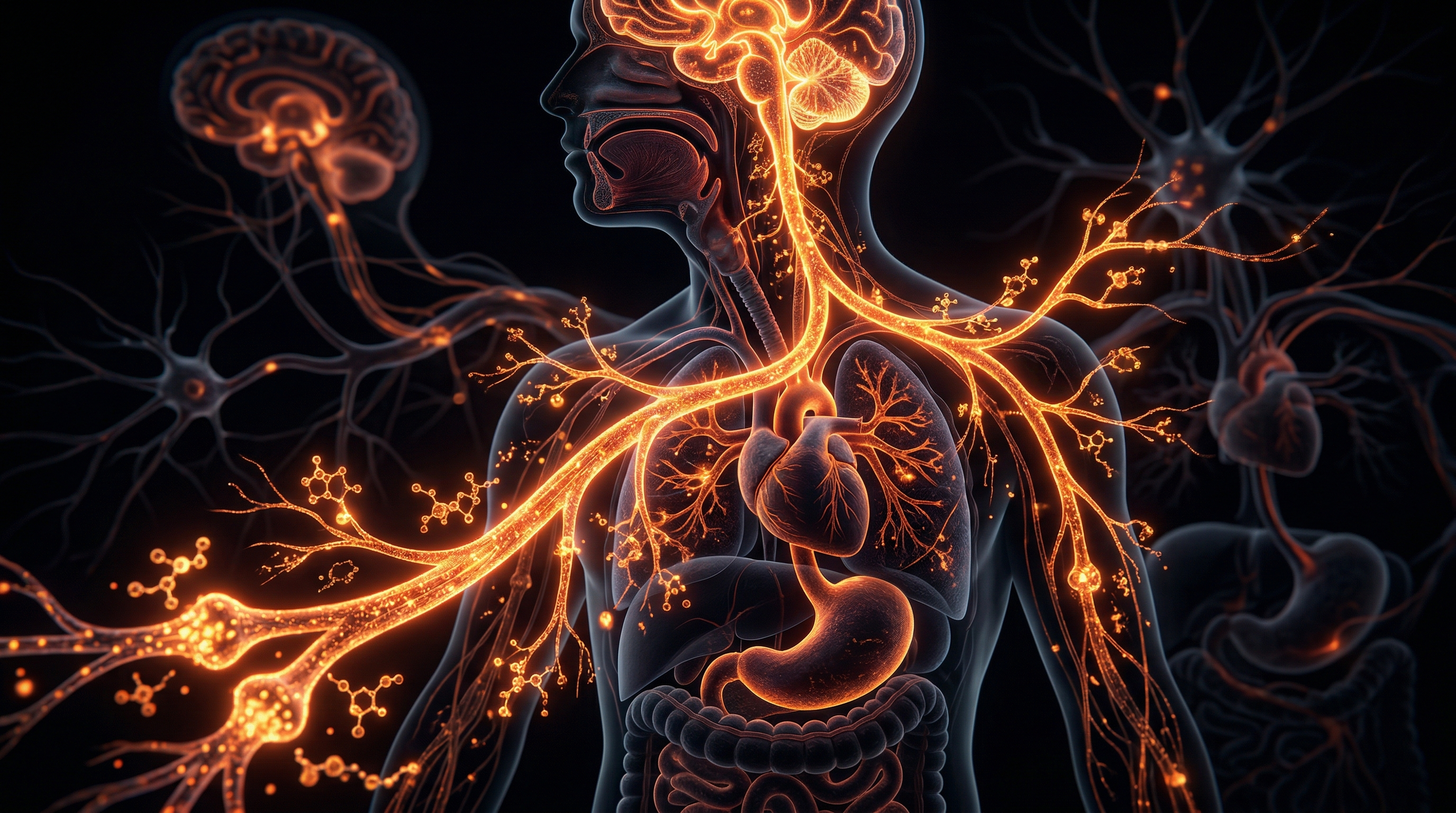
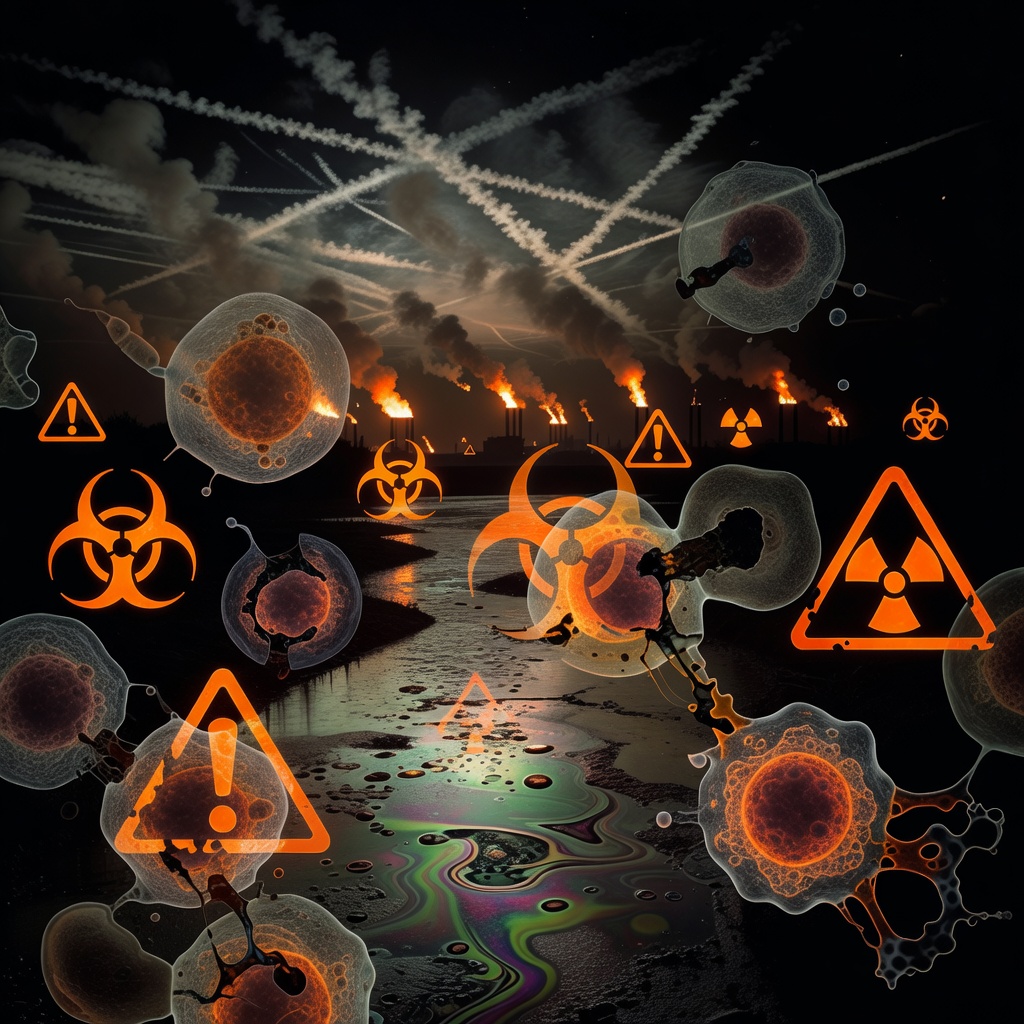
    The nervous system is the body's electrical grid — 86 billion neurons firing trillions of signals per second. EMF radiation, neurotoxins, heavy metals, and chronic stress all disrupt this network. Understanding it is essential to understanding cognition, mood, pain, and disease.

    86BNeurons in the Brain
    100TNeural Connections
    120m/sSignal Speed
    YOUR PROGRESS:
    0 / 33 TRANSMISSIONS READ
    0%

    LATEST RESEARCH

    In-depth analysis of biological systems and environmental factors.
    Browse Full Archive
    N
    Scientific illustration for Neurotransmitters: The Chemical Orchestra Environmental Toxins Are Disrupting
    Nervous System
    13 MIN READ

    Neurotransmitters: The Chemical Orchestra Environmental Toxins Are Disrupting

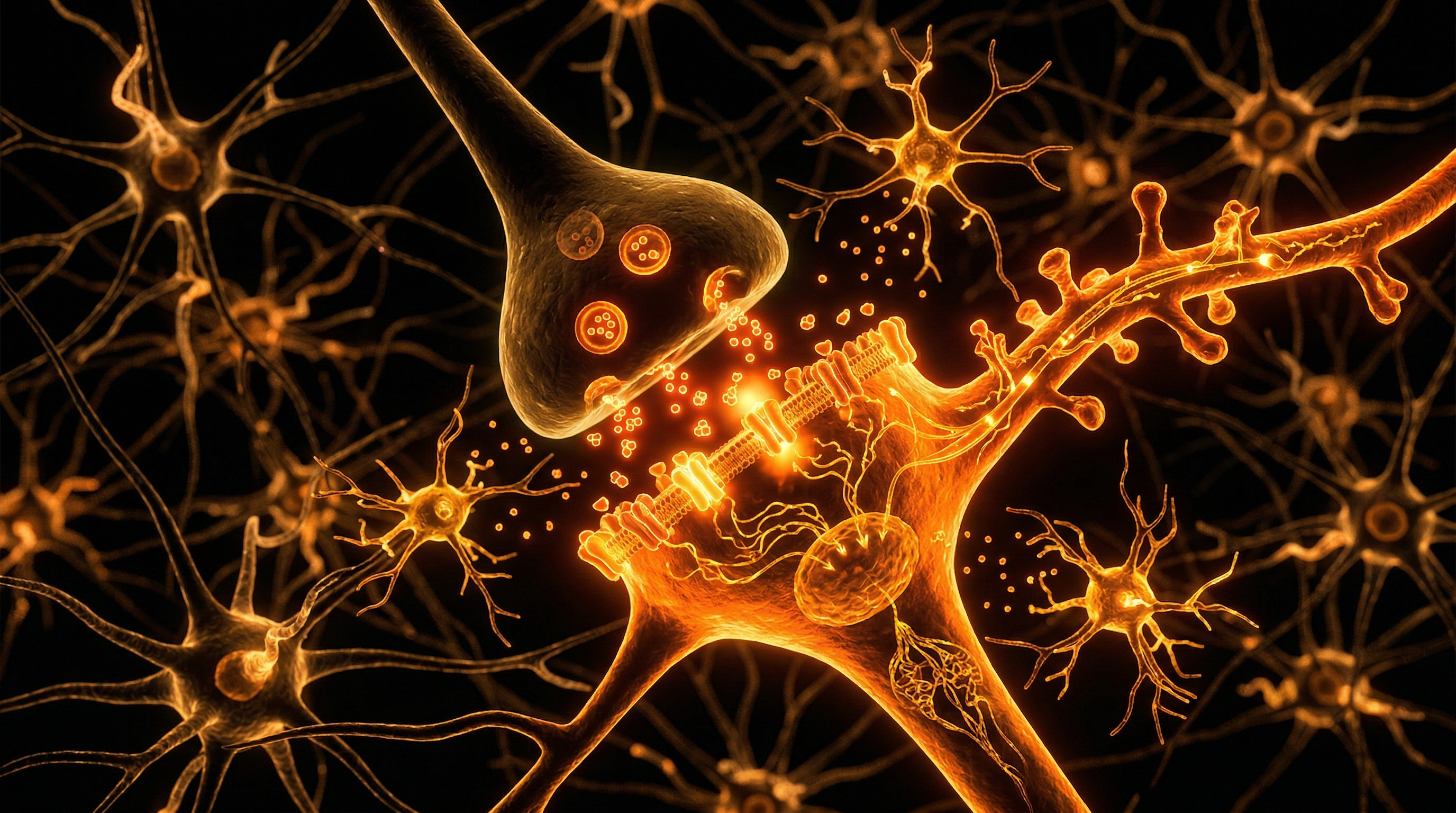
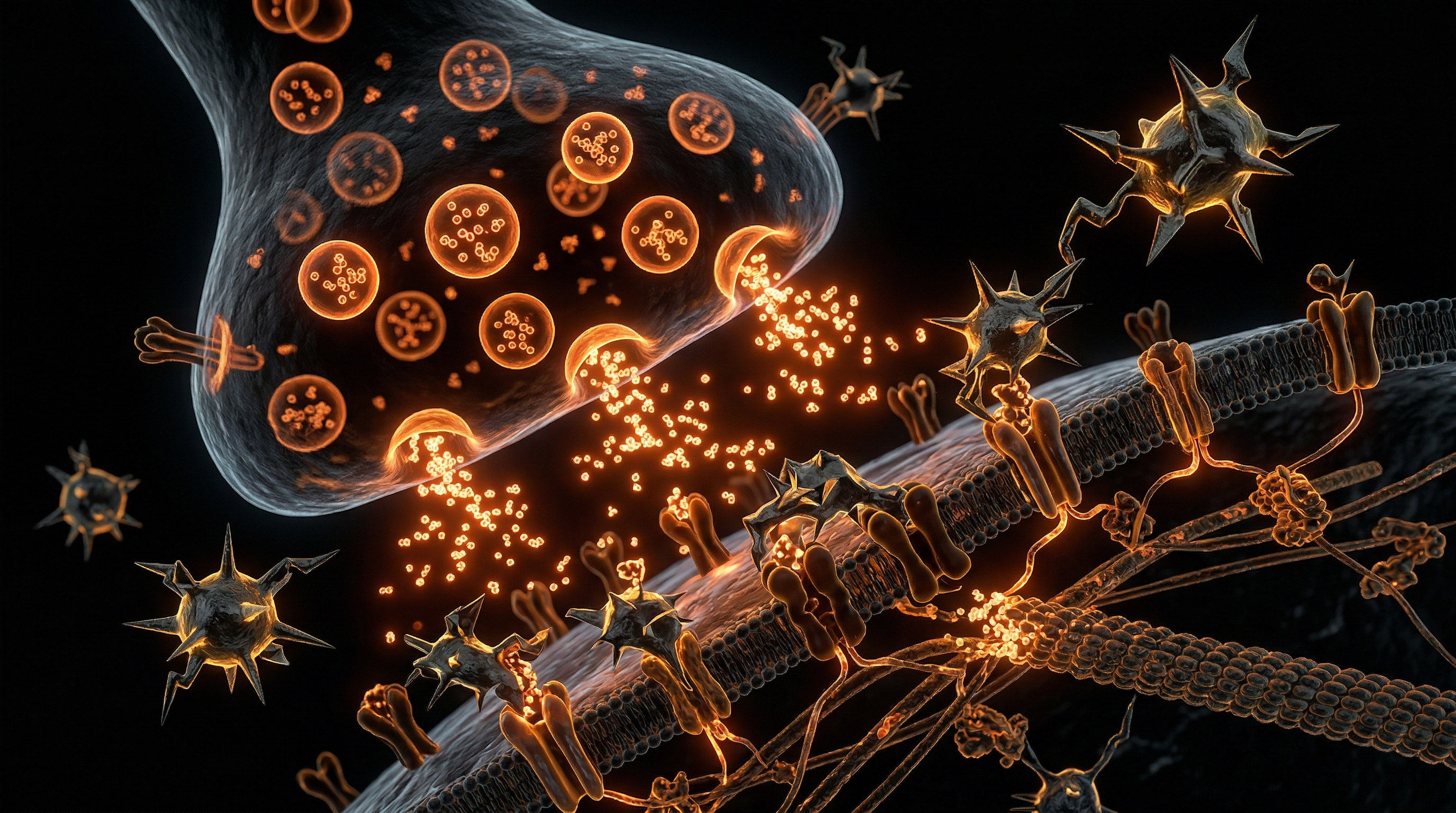
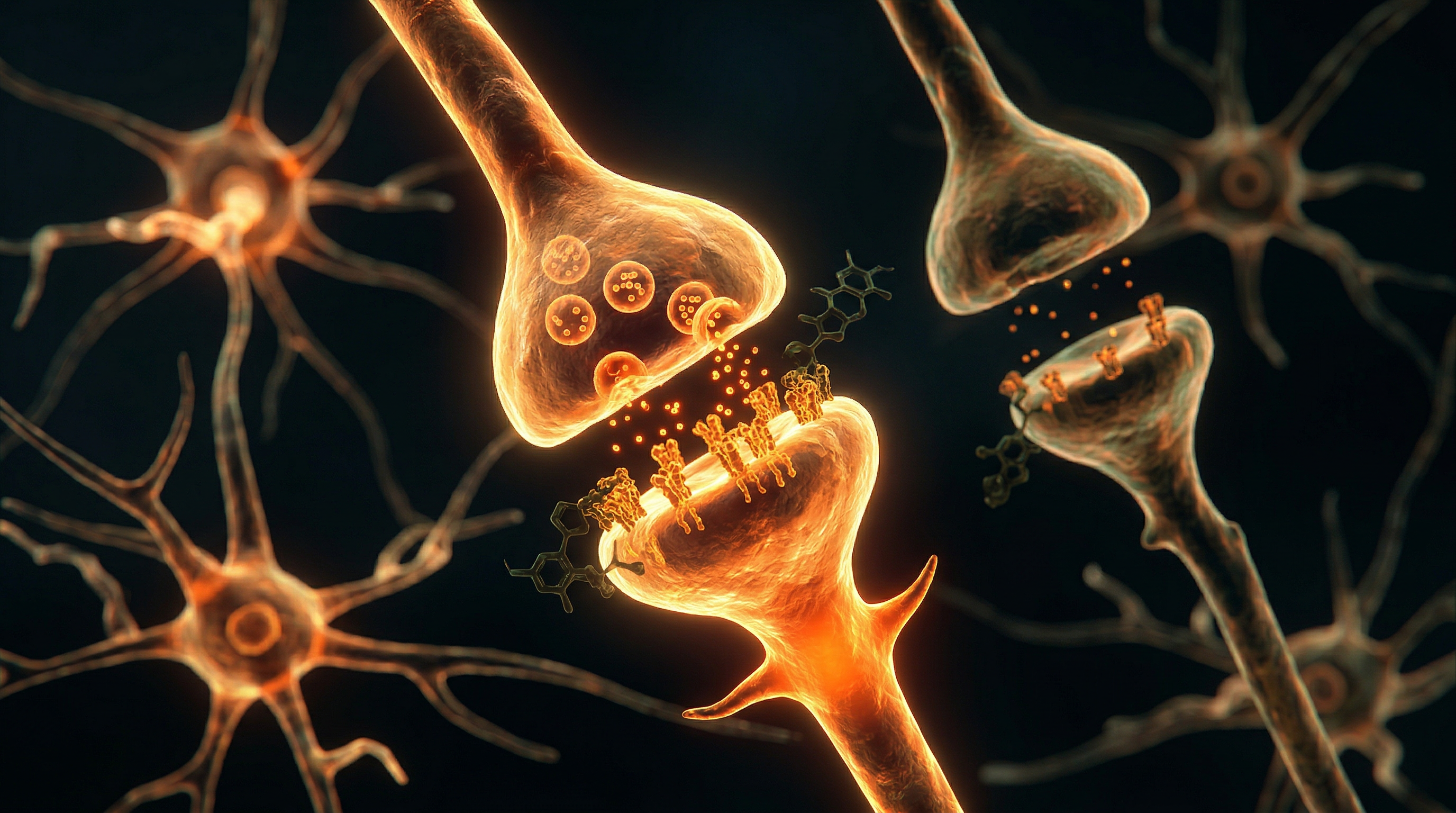
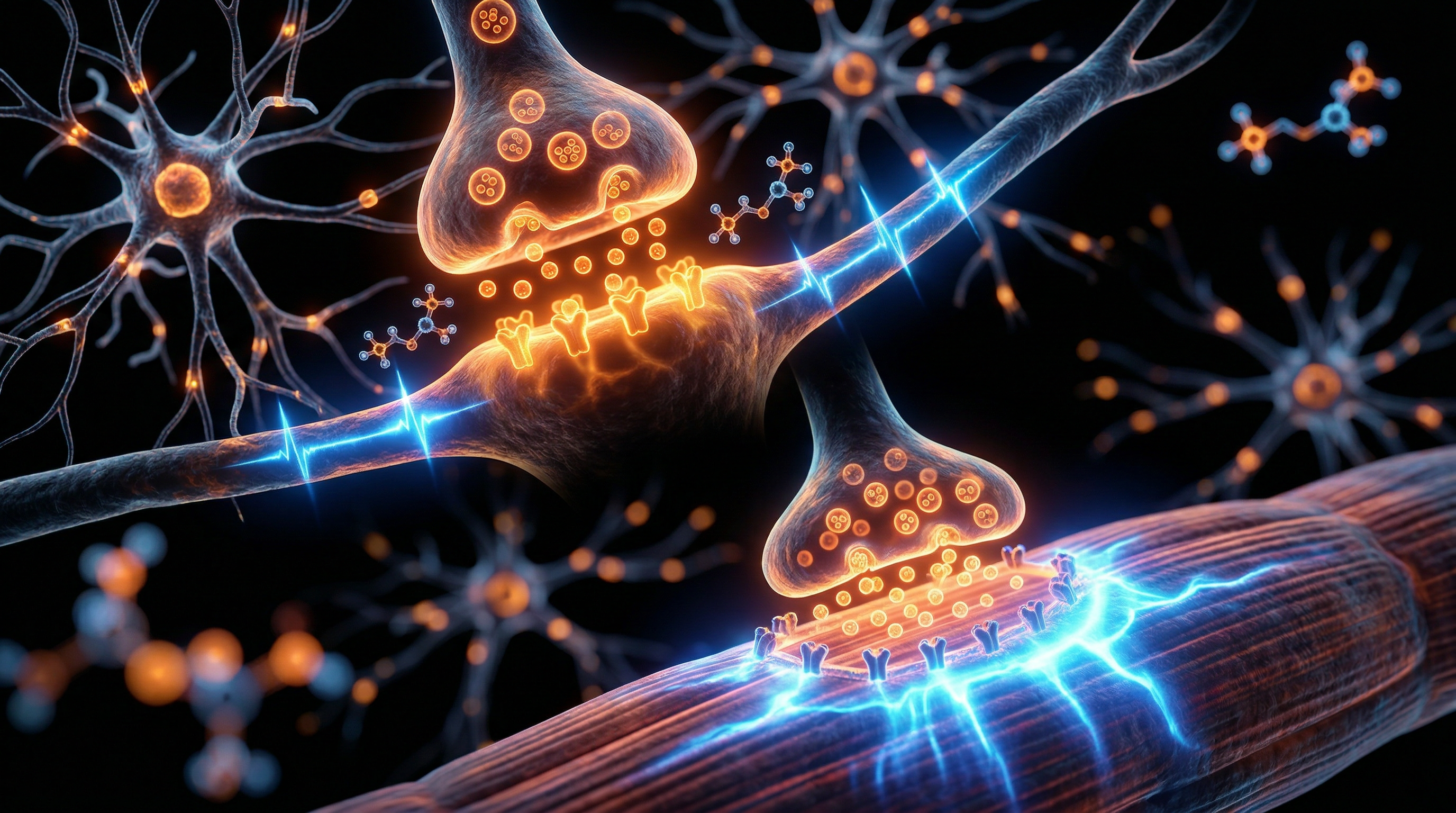
    Neurotransmitters — the chemical signalling molecules that transmit information across synaptic junctions between neurons — include serotonin, dopamine, noradrenaline, GABA, glutamate, acetylcholine, and numerous neuropeptides, each mediating distinct aspects of mood, cognition, motivation, sleep, pain perception, and autonomic function. The synthesis of every major neurotransmitter depends on specific nutritional precursors and enzymatic cofactors — tryptophan for serotonin, tyrosine for dopamine and noradrenaline, choline for acetylcholine, glutamate for GABA — making nutritional deficiency and gut dysfunction (which impairs amino acid absorption and houses 95% of serotonin-producing enterochromaffin cells) direct determinants of neurotransmitter availability. Environmental neurotoxins including heavy metals, organophosphate pesticides, glyphosate (which disrupts the shikimate pathway in gut bacteria that produce aromatic amino acid precursors), and certain pharmaceutical compounds alter neurotransmitter synthesis, release, receptor sensitivity, and reuptake in ways that the current psychiatric paradigm attributes to genetic predisposition rather than environmental aetiology — a fundamental misattribution with profound consequences for treatment.

    #neurotransmitters#serotonin
    B
    Scientific illustration for Blood-Brain Barrier: The Ultimate Defence Being Breached
    Nervous System
    14 MIN READ

    Blood-Brain Barrier: The Ultimate Defence Being Breached

    The blood-brain barrier (BBB) is a highly selective semi-permeable vascular boundary formed by specialised brain endothelial cells connected by exceptionally tight junctions, supported by pericytes and astrocytic end-feet — collectively creating a structural and biochemical barrier that rigorously regulates the passage of molecules from the systemic circulation into the central nervous system. This biological security system is the primary reason the brain can maintain the precise biochemical environment required for neural function, excluding pathogens, large molecules, and most hydrophilic compounds whilst facilitating the transport of glucose, amino acids, and lipid-soluble molecules via specific carrier proteins. The BBB is not inviolable: heavy metals including aluminium, mercury, and lead cross it via mimicry of essential metal transport; glyphosate increases BBB permeability by disrupting tight junction proteins; chronic systemic inflammation elevates BBB permeability through cytokine-mediated mechanisms; and radiofrequency electromagnetic fields activate voltage-gated calcium channels in endothelial cells — collectively creating conditions under which neurotoxic compounds that should be excluded from brain tissue gain access and accumulate.

    #blood-brain barrier#BBB
    S
    Scientific illustration for Synaptic Plasticity: Learning, Memory, and the Toxins That Erase Them
    Nervous System
    15 MIN READ

    Synaptic Plasticity: Learning, Memory, and the Toxins That Erase Them

    Synaptic plasticity — the capacity of synaptic connections between neurons to strengthen (long-term potentiation, LTP) or weaken (long-term depression, LTD) in response to patterns of neural activity — is the cellular and molecular basis of learning, memory formation, and adaptive behaviour, underpinned by rapid changes in AMPA and NMDA glutamate receptor trafficking, dendritic spine morphology, and gene expression programmes governed by CREB and other transcription factors. BDNF (brain-derived neurotrophic factor) — the primary molecular mediator of synaptic plasticity and neurogenesis — is synthesised in response to physical exercise, environmental enrichment, omega-3 fatty acid intake, and certain plant phytochemicals, whilst being suppressed by chronic stress, systemic inflammation, heavy metal accumulation, pesticide exposure, and sleep deprivation. The epidemic of cognitive impairment, learning difficulties, and memory decline in the UK population — affecting people at increasingly younger ages — is therefore not primarily a genetic phenomenon but reflects the systematic suppression of the neuroplasticity mechanisms that the environmental toxin burden of modern life is inflicting on every generation.

    #synaptic plasticity#LTP
    V
    Scientific illustration for Vagus Nerve: The Master Regulator of Healing
    Nervous System
    15 MIN READ

    Vagus Nerve: The Master Regulator of Healing

    The vagus nerve — the tenth cranial nerve and the longest nerve in the autonomic nervous system — extends from the brainstem through the neck, chest, and abdomen, innervating the heart, lungs, oesophagus, stomach, liver, gallbladder, spleen, pancreas, and the entire length of the intestines, carrying both efferent signals from the brain to peripheral organs and, critically, 80% afferent signals from the organs back to the brain. As the primary conduit of the parasympathetic nervous system, vagal tone — the level of ongoing vagal activity measurable through heart rate variability (HRV) — determines the body's capacity to maintain anti-inflammatory homeostasis via the 'inflammatory reflex', regulate intestinal motility and gut microbiome composition, manage the stress response through HPA axis modulation, and facilitate the restorative 'rest and digest' physiology that enables tissue repair. Chronic vagal dysfunction — driven by psychological trauma, chronic inflammation, gut dysbiosis, toxic exposure, and sedentary behaviour — is now identified as a common denominator across conditions including autoimmune disease, inflammatory bowel disease, treatment-resistant depression, PTSD, and ME/CFS, making vagal rehabilitation through evidence-based practices a critical and underutilised therapeutic frontier.

    #vagus nerve#parasympathetic
    P
    Scientific illustration for The Pineal Gland: Fluoride, Calcification & Suppressed Melatonin
    Nervous System
    16 MIN READ

    The Pineal Gland: Fluoride, Calcification & Suppressed Melatonin

    The pineal gland — a pea-sized neuroendocrine structure in the geometric centre of the brain, lacking a blood-brain barrier and therefore uniquely exposed to blood-borne chemicals — synthesises melatonin from serotonin in a light-regulated process governed by the suprachiasmatic nucleus, producing the daily melatonin surge that regulates the circadian rhythm, suppresses tumour cell proliferation, stimulates natural killer cell activity, acts as a potent antioxidant in neural tissue, and maintains the temporal architecture of every physiological process. Fluoride's unique affinity for calcium-rich calcifying tissues causes its accumulation in the pineal gland at concentrations that can reach 300 times those found in blood plasma, progressively calcifying the gland and suppressing its melatonin output — a state now so ubiquitous in the UK population that calcified pineal glands are found on routine CT scans and normalised without consideration of biological consequence. The oncological, immunological, neurological, and sleep implications of widespread pineal calcification remain almost entirely unaddressed in mainstream medicine.

    #pineal gland#melatonin
    N
    Scientific illustration for Neurotransmitter Depletion: The Biological Root of Depression & Anxiety
    Nervous System
    13 MIN READ

    Neurotransmitter Depletion: The Biological Root of Depression & Anxiety

    Depression and anxiety are not diseases of serotonin, dopamine, or GABA deficiency in any simple sense — they are the predictable neurological consequences of the multi-factorial biological breakdown that depletes the amino acid precursors, cofactor micronutrients, and neurological infrastructure required to synthesise and signal with these compounds at optimal levels. Tryptophan (the serotonin precursor) is diverted away from serotonin synthesis toward the pro-inflammatory kynurenine pathway by inflammatory cytokines; dopamine synthesis requires L-DOPA, copper, and vitamin B6 all of which are depleted by heavy metal competition and nutrient-poor diets; and GABA is synthesised from glutamate by glutamic acid decoderase, an enzyme requiring pyridoxal-5-phosphate (active B6) that is directly inhibited by aluminium. The pharmaceutical model of blocking neurotransmitter reuptake with SSRIs and SNRIs addresses none of these root causes and creates iatrogenic dependency whilst the biological causes of neurotransmitter depletion are ignored.

    #neurotransmitters#serotonin
    H
    Scientific illustration for Heavy Metals in the Brain: Aluminium, Mercury & Neurodegeneration
    Nervous System
    15 MIN READ

    Heavy Metals in the Brain: Aluminium, Mercury & Neurodegeneration

    The accumulation of neurotoxic heavy metals — particularly aluminium, mercury, lead, and arsenic — in brain tissue represents one of the most well-documented yet most clinically underaddressed drivers of the neurodegeneration epidemic afflicting the UK population. Professor Christopher Exley's landmark research demonstrated extraordinarily high aluminium concentrations in the brain tissue of familial Alzheimer's patients; a major 2018 study found aluminium in brain tissue from every individual with autism spectrum disorder examined; and mercury's specific affinity for neuronal thiol groups drives the excitotoxic and inflammatory cascades that underlie both acute neurotoxicity and progressive neurodegeneration. The NHS's near-complete absence of heavy metal screening in neurological practice, despite the strength of this evidence base, represents a catastrophic failure of evidence-based medicine in the context of the greatest neurodegeneration epidemic in human history.

    #heavy metals#aluminium
    V
    Scientific illustration for The Vagus Nerve: The Superhighway Between Body and Brain
    Nervous System
    16 MIN READ

    The Vagus Nerve: The Superhighway Between Body and Brain

    The vagus nerve — the tenth cranial nerve and the longest nerve in the body, innervating the heart, lungs, oesophagus, stomach, small and large intestine, liver, spleen, and kidneys — carries 80% of its information upward from gut to brain (afferent signalling), making it the primary conduit through which gut health determines brain function, mood, and the activity of the parasympathetic 'rest and digest' nervous system. Vagal tone — the measure of parasympathetic nervous system activity reflected in heart rate variability — is suppressed by chronic stress, inflammatory bowel conditions, gut dysbiosis, heavy metal toxicity, and psychological trauma, creating the neurological substrate for the anxiety, depression, digestive dysfunction, and immune dysregulation of modern chronic illness. Stimulating vagal tone through cold exposure, deep breathing, singing, meditation, and gut microbiome restoration represents one of the most powerful and underutilised therapeutic tools in biological medicine.

    #vagus nerve#vagal tone
    G
    Scientific illustration for The Gut Microbiome: 39 Trillion Allies Under Assault
    Nervous System
    15 MIN READ

    The Gut Microbiome: 39 Trillion Allies Under Assault

    The human gut microbiome — the collective genome of approximately 39 trillion bacterial, archaeal, viral, and fungal organisms inhabiting the gastrointestinal tract — encodes 150 times more genes than the human genome and performs metabolic functions indispensable to human health including the synthesis of essential vitamins, the production of short-chain fatty acids that fuel colonocytes and modulate systemic immunity, the metabolism of pharmaceutical drugs and dietary phytochemicals, and the education of the mucosal immune system in distinguishing self from pathogen. Broad-spectrum antibiotics, glyphosate (a patented antibiotic), ultra-processed food emulsifiers, fluoridated water, chronic stress, and pharmaceutical acid suppressants collectively devastate microbiome diversity and allow pathobiont overgrowth — creating the dysbiotic terrain that underlies the IBS, Crohn's disease, systemic autoimmunity, mental illness, obesity, and neurodegenerative disease epidemic of the 21st century.

    #microbiome#gut bacteria
    Curated Recommendations

    THE ARSENAL

    Based on Nervous System content — products curated by our research team for educational relevance and biological support.
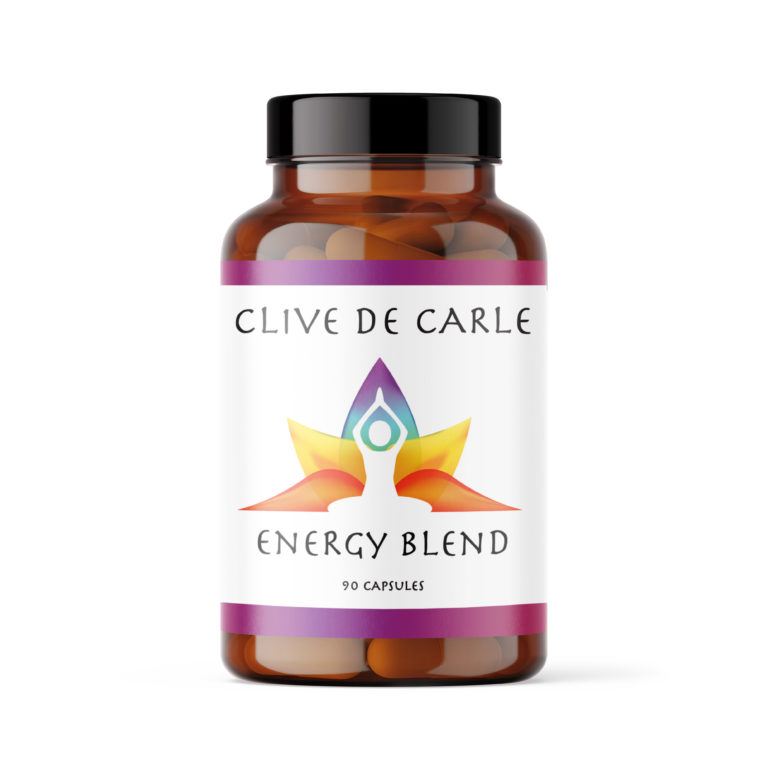
    Energy Blend Supports
    Supplements
    CLIVE DE CARLE

    Energy Blend Supports

    Energy Metabolism Hormones
    Est. Price£45.00
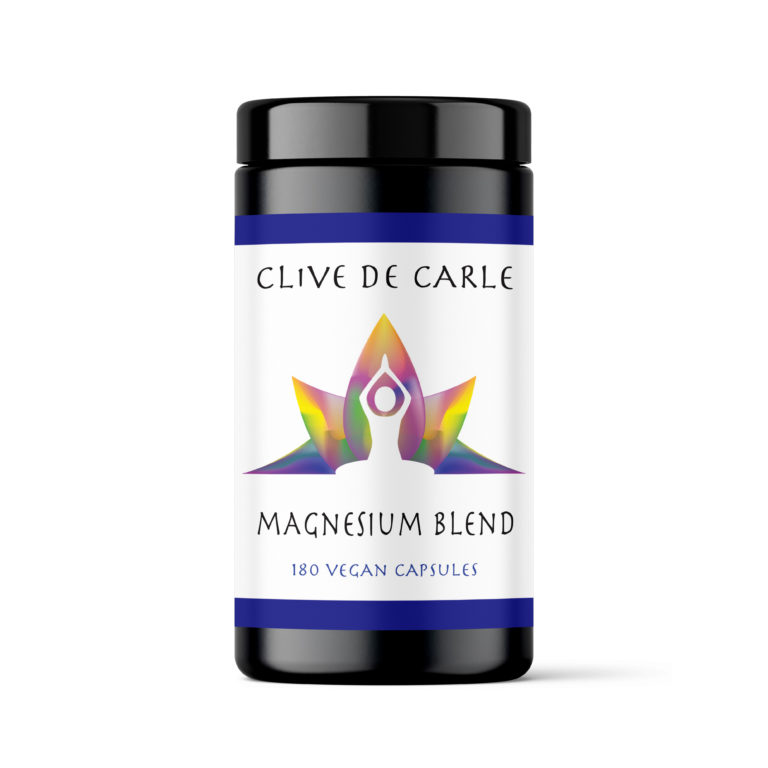
    Magnesium Blend – The Most Important Mineral
    Supplements
    CLIVE DE CARLE

    Magnesium Blend – The Most Important Mineral

    Magnesium Nervous System Sleep
    Est. Price£45.00

    Magnesium L-Threonate
    Supplements
    CLIVE DE CARLE

    Magnesium L-Threonate

    Brain Health Nervous System Cognitive Function
    Est. Price£45.00

    INNERSTANDING may earn a commission on purchases made through these links. All products are selected based on rigorous educational relevance to our biological research.