
Neuroplasticity: How Environmental Inputs Reshape the Adult Human Brain
Updated May 2026
Neuroplasticity is the remarkable ability of the brain to reorganize its structure and function in response to environmental stimuli and learning. This article explores the mechanisms behind neural adaptation and how modern life impacts our cognitive architecture.
Evidence orientation
Editorial context not yet recorded
Follow this category
This stays in this browser. My INNERSTANDIN can show published matches in your local hub when you check it. It does not send email, push, or alert notifications.
Local learning review
A private browser aid for revisiting ideas. It is not an alert or a health recommendation.
Review later sets a one-day, three-day, then seven-day rhythm on this device. Choose it only when you want to revisit this article.
Overview
For decades, the scientific establishment clung to a rigid, deterministic dogma: the adult human brain was a static organ. We were told that once we reached maturity, our neural architecture was "hard-wired," and that the loss of neurons was an irreversible slide toward cognitive decay. This "Cajal Doctrine"—named after the father of modern neuroscience, Santiago Ramón y Cajal—posited that in the adult centres, the nerve paths are something fixed, ended, and immutable. Everything may die, nothing may be regenerated.
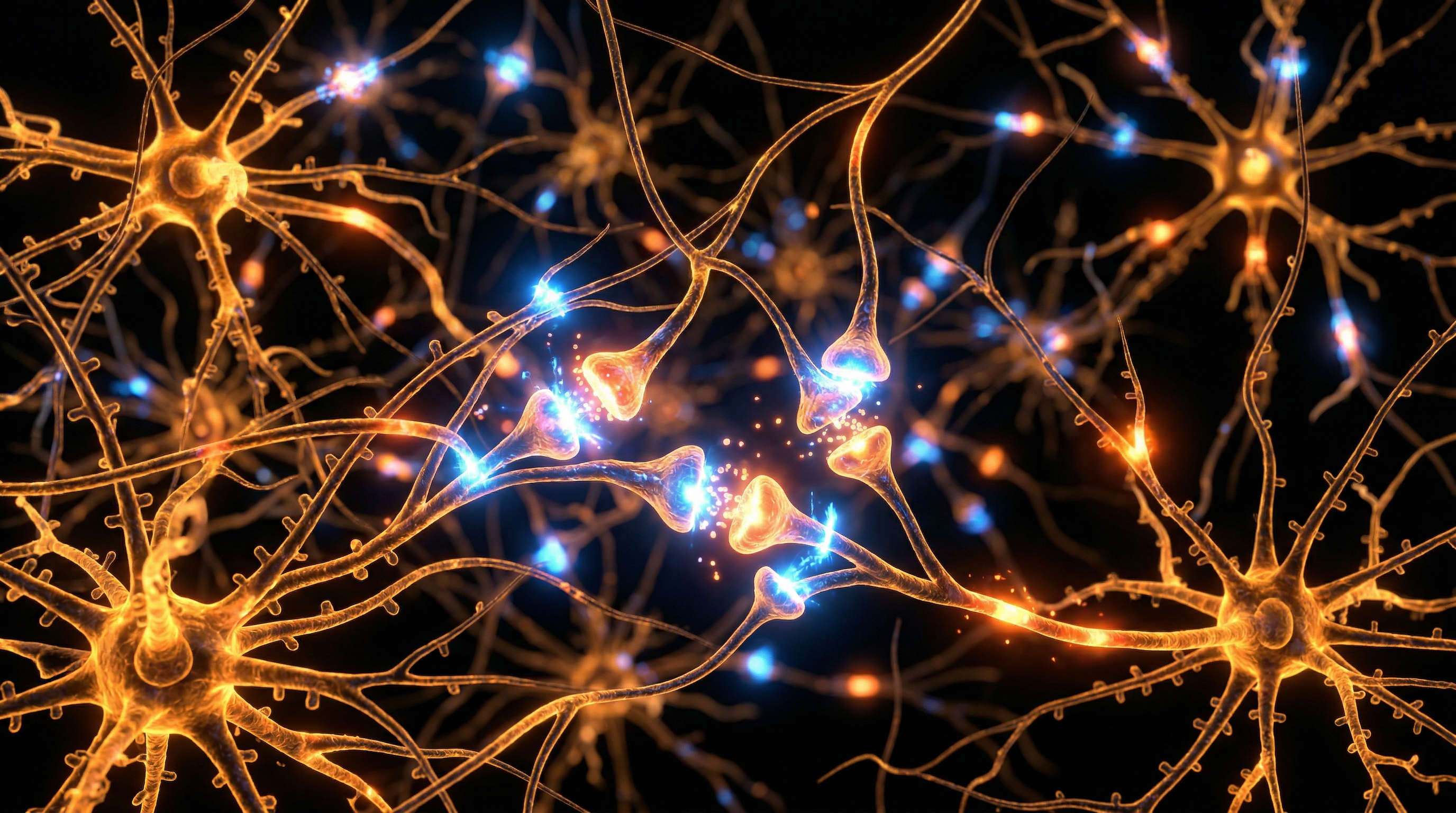
This narrative was not merely a scientific oversight; it was a biological death sentence that conveniently supported a pharmaceutical model focused on managing decline rather than fostering regeneration. However, the last twenty years of neuroscience have shattered this illusion. We now know that the human brain possesses a staggering capacity for neuroplasticity—the ability to reorganise its structure, functions, and connections throughout the entire lifespan in response to intrinsic and extrinsic stimuli.
Your brain is not a computer with a fixed circuit board; it is a dynamic, living forest. It is constantly being pruned, replanted, and reshaped by every byte of data it consumes, every toxin it encounters, and every thought it harbours. This article serves as an exhaustive exposé on the mechanisms of this malleability and a clarion call regarding the environmental forces currently engaged in a silent war for the sovereignty of your cognitive architecture. We are living in an era where our neural landscape is being terraformed by external inputs—some beneficial, many catastrophically destructive. Understanding neuroplasticity is no longer an academic pursuit; it is a fundamental requirement for biological survival in the 21st century.
The Neuroplastic Reality: The adult human brain contains approximately 86 billion neurons, each capable of forming up to 10,000 synaptic connections. This creates a web of nearly one quadrillion synapses, a number so vast it exceeds the estimated number of stars in the Milky Way galaxy. Every single one of these connections is subject to change based on your environment.
##
##
The Biology — How It Works
To understand how the brain reshapes itself, we must first discard the metaphor of the brain as "hardware." Instead, think of it as "wetware"—a substance that is simultaneously the processor and the product. Neuroplasticity operates across three primary dimensions: synaptic plasticity, structural plasticity, and functional plastic reorganisation.
Synaptic Plasticity: The Hebbian Principle
The foundational rule of neuroplasticity is Hebb’s Law: "Neurons that fire together, wire together." When two neurons are frequently activated at the same time, the biochemical bond between them strengthens. This process, known as Long-Term Potentiation (LTP), increases the efficiency of signal transmission. Conversely, connections that are not utilised undergo Long-Term Depression (LTD) and are eventually eliminated through a process called synaptic pruning.
Structural Plasticity: Physical Architecture
This refers to the brain's ability to actually change its physical shape. This involves the growth of new dendritic spines (the "branches" that receive signals) and the expansion of the myelin sheath (the fatty insulation around nerve fibres). Myelination is critical; it is the "upgrading" of the brain’s wiring from copper to fibre-optics, allowing for signal speeds up to 100 times faster than unmyelinated fibres.
Adult Neurogenesis: The Great Rebirth
Perhaps the most controversial discovery in modern biology is adult neurogenesis—the birth of new neurons in the adult brain. This occurs primarily in the subgranular zone (SGZ) of the dentate gyrus within the hippocampus, the region responsible for memory and spatial navigation. Despite the mainstream narrative attempting to downplay its significance, research confirms that even an octogenarian can produce thousands of new neurons daily. The question is not whether the brain can grow, but what environment we are providing to facilitate that growth.
Fact Check: Research published in Nature Medicine demonstrated that healthy older men and women can generate just as many new brain cells as younger people, proving that cognitive decline is not a biological certainty, but a result of cumulative environmental and lifestyle insults.
##
##
Mechanisms at the Cellular Level
The "magic" of neuroplasticity is driven by a complex orchestra of enzymes, proteins, and signalling molecules. To truly master one’s cognitive health, one must understand the "Master Switch" of brain plasticity: BDNF (Brain-Derived Neurotrophic Factor).
BDNF: The Brain’s "Miracle-Gro"
BDNF is a member of the neurotrophin family of growth factors. It acts as a fertiliser for neurons, promoting their survival, encouraging the growth of new synapses, and facilitating the structural changes required for learning. BDNF operates through the TrkB (Tropomyosin receptor kinase B) receptor. When BDNF binds to TrkB, it activates a cascade of intracellular signals, including the MAPK/ERK pathway and the PI3K/Akt pathway, which ultimately lead to the expression of genes involved in cell survival and plasticity.
The Role of Glutamate and NMDA Receptors
The primary excitatory neurotransmitter, glutamate, is the engine of plasticity. For a memory to be encoded, glutamate must bind to the NMDA (N-methyl-D-aspartate) receptor. This opens a channel that allows calcium ions (Ca2+) to flood into the neuron. This calcium influx triggers the activation of CaMKII (Calcium/calmodulin-dependent protein kinase II), an enzyme that literally "glues" new receptors into the synapse, making the connection stronger.
Epigenetic Remodelling
Neuroplasticity is also governed by epigenetic modifications—changes in gene expression that do not alter the DNA sequence itself. This involves DNA methylation and histone acetylation. Environmental inputs—such as chronic stress or the ingestion of neurotoxic heavy metals—can cause methyl groups to "silence" genes responsible for neuroplasticity. This is how a toxic environment can literally lock your brain into a state of rigid, dysfunctional thinking.
- CREB (cAMP response element-binding protein): A cellular transcription factor that is essential for the transition from short-term to long-term memory.
- GAP-43 (Growth Associated Protein 43): Often called the "growth" protein, it is found in the expanding tips of axons and is a hallmark of neural regeneration.
- Microglia: The brain’s resident immune cells. In a healthy state, they "eat" weak synapses to make the brain more efficient. In a diseased state (triggered by environmental toxins), they become hyper-activated, destroying healthy neural tissue.
##
##
Environmental Threats and Biological Disruptors
We are currently existing in a neuro-permissive environment that has turned neuro-toxic. The modern world is saturated with substances and stimuli designed—whether by negligence or intent—to erode the structural integrity of the human brain.
The Fluoride Deception
While officially promoted by the NHS and the British Dental Association as a boon for oral health, fluoride is a confirmed developmental neurotoxin. In the UK, millions of citizens receive artificially fluoridated water (particularly in the West Midlands and North East). Fluoride is capable of crossing the blood-brain barrier (BBB), where it accumulates in the pineal gland and the hippocampus. It interferes with the action of acetylcholinesterase, the enzyme responsible for breaking down acetylcholine, leading to impaired signal transmission and reduced IQ.
Organophosphates and Glyphosate
The UK’s agricultural landscape is heavily reliant on glyphosate-based herbicides (commonly known as Roundup). Glyphosate is not merely a "weed killer"; it is a potent chelator that binds to essential minerals like magnesium and zinc, which are required co-factors for the enzymes driving neuroplasticity. Furthermore, glyphosate disrupts the shikimate pathway in our gut bacteria. Since 90% of our serotonin (a key modulator of plasticity) is produced in the gut, the destruction of the microbiome is a direct assault on the brain.
The "Blue Light" Pandemic and Circadian Disruption
The adult brain requires the glymphatic system—the brain's waste clearance mechanism—to function at night. This system is only active during deep, slow-wave sleep. However, the omnipresence of high-energy visible (HEV) blue light from screens suppresses melatonin production by the pineal gland. Without melatonin, the glymphatic system cannot clear out amyloid-beta and tau proteins—the "metabolic sludge" associated with Alzheimer's. This leads to a state of chronic "neuro-clogging," preventing the formation of new neural pathways.
EMFs and the Voltage-Gated Calcium Channels (VGCCs)
The explosion of wireless technology (5G, Wi-Fi, 4G) has introduced an unprecedented level of Electromagnetic Frequency (EMF) exposure. Research by Dr Martin Pall has highlighted that EMFs activate Voltage-Gated Calcium Channels (VGCCs) in the cell membranes of neurons. This causes a massive, pathological influx of calcium into the cell, leading to the production of peroxynitrite—a potent oxidant that damages DNA and mitochondria, effectively halting the plastic response.
Alarming Statistic: The Environmental Agency and independent researchers have noted a 400% increase in the "neurotoxic load" of the average UK urban environment over the last 30 years, correlating almost perfectly with the rise in neurodevelopmental and neurodegenerative conditions.
##
##
The Cascade: From Exposure to Disease
The erosion of neuroplasticity is not an overnight event; it is a slow, insidious cascade that transforms a resilient brain into a fragile one. This process follows a specific biological sequence:
1. The Disruption of the Blood-Brain Barrier (BBB)
The BBB is the brain's "border control," a tight junction of endothelial cells that prevents toxins from entering the central nervous system. Modern inputs—specifically microplastics, titanium dioxide (E171) found in many British sweets and supplements, and aluminium—act as "battering rams." They trigger the release of Zonulin, a protein that increases the permeability of both the gut and the brain barriers. This "Leaky Brain" syndrome allows systemic inflammation to enter the cranium.
2. Microglial Activation and "Priming"
Once the BBB is breached, the microglia (the brain's immune sentinels) transition from their "resting" ramified state to an "activated" amoeboid state. In this state, they stop supporting neuroplasticity and instead begin secreting pro-inflammatory cytokines like TNF-alpha, IL-1 beta, and IL-6. If the environmental insult is chronic, the microglia become "primed," remaining in a state of permanent aggression, attacking the very synapses the brain is trying to build.
3. Mitochondrial Dysfunction
The brain, representing only 2% of body weight but consuming 20% of its energy, is entirely dependent on its mitochondria. Toxins like heavy metals and phthalates (found in plastic packaging across UK supermarkets) poison the Electron Transport Chain. When the "power plants" of the neuron fail, there is insufficient ATP to power the high-energy demands of neurogenesis and synaptic remodelling.
4. The Loss of Structural Integrity
As the cascade concludes, the brain loses its ability to maintain proteostasis (protein homeostasis). Misfolded proteins accumulate, dendrites wither, and the hippocampus begins to shrink. This is the biological reality of "brain fog," "age-related cognitive decline," and ultimately, dementia. The "mainstream" labels these as inevitable diseases, but they are, in fact, the final stage of a plastic system that has been overwhelmed by environmental toxicity.
##
##
What the Mainstream Narrative Omits
The corporate-funded scientific establishment often portrays neuroplasticity as a "lifestyle choice"—something you improve by doing a crossword puzzle or learning a new language. This is a half-truth that serves to deflect responsibility from the systemic environmental factors that are actively sabotaging our biology.
The Pharmaceutical Bias
The MHRA and major pharmaceutical bodies focus almost exclusively on "single-target" drugs. For instance, the multi-billion pound search for an Alzheimer’s drug has focused on clearing amyloid plaques after they have already formed. This ignores the fact that amyloid is likely a response to chronic infection or toxic insult—a "biological scab." By ignoring the environmental drivers of neuroplasticity, the medical establishment ensures a steady stream of "patients for life" rather than individuals with self-regenerating brains.
The Suppression of Epigenetic Truths
The mainstream narrative rarely discusses transgenerational epigenetic inheritance. We now know that the environmental exposures of your grandparents (such as exposure to the pesticide DDT) can alter the "epigenetic tags" on genes responsible for brain development in you. This means we are not just fighting our own environmental battles; we are carrying the chemical scars of previous generations.
The "Digital Lobotomy"
The "attention economy" of Silicon Valley is specifically designed to exploit neuroplasticity for profit. By triggering frequent, unpredictable dopamine spikes, social media platforms "rewire" the prefrontal cortex—the area responsible for executive function and impulse control. This leads to a "shallowing" of the mind, where the capacity for deep, contemplative thought (which requires stable, long-term synaptic connections) is traded for a high-frequency, fragmented cognitive state. This is not just a "habit"; it is a structural remodelling of the human brain into a more reactive, less autonomous state.
##
##
The UK Context
In the United Kingdom, we face a unique set of challenges that directly impact the neuroplastic potential of the population. The intersection of Victorian-era infrastructure, modern regulatory failures, and geographical factors creates a "perfect storm" for cognitive erosion.
Water Quality and the "Chemical Soup"
The UK’s water management systems are under unprecedented strain. Beyond fluoride, the Environment Agency has highlighted the presence of "forever chemicals" (PFAS) and pharmaceutical residues (including antidepressants like SSRIs and the contraceptive pill) in our waterways. These substances are "endocrine disruptors" that interfere with the hormonal signalling required for brain health.
The Food Standards Agency (FSA) and Ultra-Processed Foods
The UK has the highest consumption of Ultra-Processed Foods (UPFs) in Europe. These "foods" are stripped of the essential nutrients required for neuroplasticity (like Omega-3 fatty acids and choline) and replaced with emulsifiers and excitotoxins like Monosodium Glutamate (MSG) and Aspartame. The FSA has been slow to move against these ingredients despite clear evidence that they trigger excitotoxicity—a state where neurons are stimulated to death.
The Air Pollution Crisis
London and other major UK cities consistently exceed safe levels of PM2.5 (fine particulate matter). These microscopic particles are small enough to travel up the olfactory nerve directly into the brain, bypassing the blood-brain barrier. Studies in UK cities have found magnetite particles (from vehicle brakes) embedded in the brain tissue of residents, where they act as focal points for oxidative stress and impede neural repair.
The NHS Approach
The NHS is currently a reactive system. When a patient presents with symptoms of cognitive decline or neurodevelopmental issues (like ADHD or Autism), the protocol is typically pharmaceutical intervention rather than an environmental audit. This ignores the "Bio-Accumulative" effect of the UK’s current landscape. There is no standard NHS test for heavy metal toxicity or "leaky brain" markers, leaving the British public in the dark about the true state of their neuro-biological health.
##
##
Protective Measures and Recovery Protocols
While the threats are significant, the very nature of neuroplasticity—its inherent "plasticity"—means that recovery and optimisation are possible. To reclaim your brain, you must engage in a deliberate "Environmental Counter-Offensive."
1. Nutritional Substrates for Plasticity
- Omega-3 Fatty Acids (DHA/EPA): The brain is 60% fat. DHA is a primary structural component of the human cerebral cortex. Ensure a high intake of wild-caught oily fish (mackerel, sardines) or high-quality algae oil.
- Polyphenols: Compounds like EGCG (from green tea), Resveratrol (from red grape skins), and Curcumin (from turmeric) have been shown to directly increase BDNF levels. Curcumin, however, must be taken with piperine (black pepper) to cross the gut barrier.
- Magnesium L-Threonate: This is the only form of magnesium proven to effectively cross the blood-brain barrier and increase synaptic density.
2. Hormetic Stress (The "Good" Stress)
Hormesis is the biological phenomenon where a brief, controlled stressor triggers a protective and regenerative response.
- Thermal Stress: Sauna use (heat) and cold immersion (ice baths) trigger the release of Heat Shock Proteins and Cold Shock Proteins (like RBM3), which have been shown to repair damaged synapses and prevent the loss of neurons.
- Intermittent Fasting: Fasting for periods of 16-24 hours triggers autophagy (cellular cleaning) and causes a massive spike in BDNF as the brain prepares to "hunt" for food, enhancing its cognitive sharpness.
3. Sensory Enrichment and Cognitive Challenge
The brain operates on a "use it or lose it" basis.
- Learning a New Complex Skill: Activities that require fine motor control and complex pattern recognition (like playing a musical instrument or learning a new language) create the greatest structural changes in the motor and auditory cortices.
- Nature Exposure (The "Wood Wide Web"): Research shows that spending time in natural environments (containing fractal patterns) lowers cortisol and allows the "Attention Restoration Theory" to take effect, repairing the damage done by digital over-stimulation.
4. Technological Hygiene
- Blue Light Blocking: Use "red-tinted" glasses after sunset to protect melatonin production.
- EMF Mitigation: Switch off Wi-Fi routers at night and keep mobile devices away from the sleeping area to prevent VGCC activation during the critical glymphatic cleaning window.
- Water Filtration: Use a high-quality Reverse Osmosis (RO) filter to remove fluoride, heavy metals, and pharmaceutical residues from your drinking and cooking water.
Recovery Note: The brain is remarkably resilient. Even after years of environmental insult, the implementation of these protocols can lead to measurable increases in hippocampal volume and cognitive clarity within as little as six to twelve weeks.
##
##
Summary: Key Takeaways
The human brain is the most complex structure in the known universe, and its most profound characteristic is its plasticity. We are not victims of our genetics; we are the architects of our neural landscape. However, we must recognise that this architecture is under constant assault from a modern world that prioritises industrial convenience and corporate profit over biological integrity.
- Neuroplasticity is a Lifelong Capability: The "fixed brain" is a myth. You can grow new neurons and form new connections until the day you die, provided the environment is conducive.
- BDNF is the Key: Maximising Brain-Derived Neurotrophic Factor through diet, exercise, and hormetic stress is the most effective way to "fertilise" your brain.
- The Environment is the Input: Fluoride, glyphosate, EMFs, and blue light are not "neutral" background noise; they are active biological disruptors that reshape your brain into a state of dysfunction.
- UK Infrastructure is Compromised: From the water we drink to the air we breathe, the UK environment requires active filtration and personal responsibility to navigate safely.
- Reclamation is Possible: Through deliberate nutritional, technological, and lifestyle interventions, you can bypass the "Mainstream Narrative" of decline and build a brain that is more resilient, more focused, and more autonomous than ever before.
The battle for the 21st century will not be fought on a traditional battlefield; it is being fought inside the synaptic gaps of your prefrontal cortex. To understand neuroplasticity is to understand the power of Cognitive Sovereignty. Do not let your environment choose your thoughts for you. Rebuild your brain, and you rebuild your reality.
This article is provided for informational and educational purposes only. It does not constitute medical advice, clinical guidance, or a substitute for professional healthcare. Information reflects cited research at time of publication. Always consult a qualified healthcare professional before acting on any health information.
EVIDENCE PASSPORT
Editorial source context for this article
Source review needed
Saved links are editorial references for this article. They may support specific claims rather than every sentence. Open and assess each source in context. This passport does not independently verify them.
Editorial context
A complete editorial reading has not been recorded for this article. Source links remain available for you to open and assess directly.
Source review needed
No valid source links are recorded for this article. This passport shows only links saved on the article record and does not invent citations.
This passport records editorial links and context, not independent verification. Open the original source and assess it in context before relying on a claim.
Medical Disclaimer
The information in this article is for educational purposes only and does not constitute medical advice, diagnosis, or treatment. Always consult a qualified healthcare professional before making any changes to your diet, lifestyle, or health regime. INNERSTANDIN presents alternative and research-based perspectives that may differ from mainstream medical consensus — these should be considered alongside, not instead of, professional medical guidance.
Read Full DisclaimerContinue the thread
Keep this question moving.
Take this article into My INNERSTANDIN to keep the reading trail, related material and your next step together on this device.
Explore this in the Body Map
See where this hits your biology. Interactive anatomy, threats, and protective protocols.
Dig deeper in the Library
Free, longform PDF volumes that go beyond headlines into mechanisms and references.