All INNERSTANDIN content is for educational purposes only — not medical advice, diagnosis or treatment. Full Disclaimer →

    BACK TO DATABASE
    TAGGED RESEARCH

    #Neuroplasticity

    27TRANSMISSIONS FOUND
    S
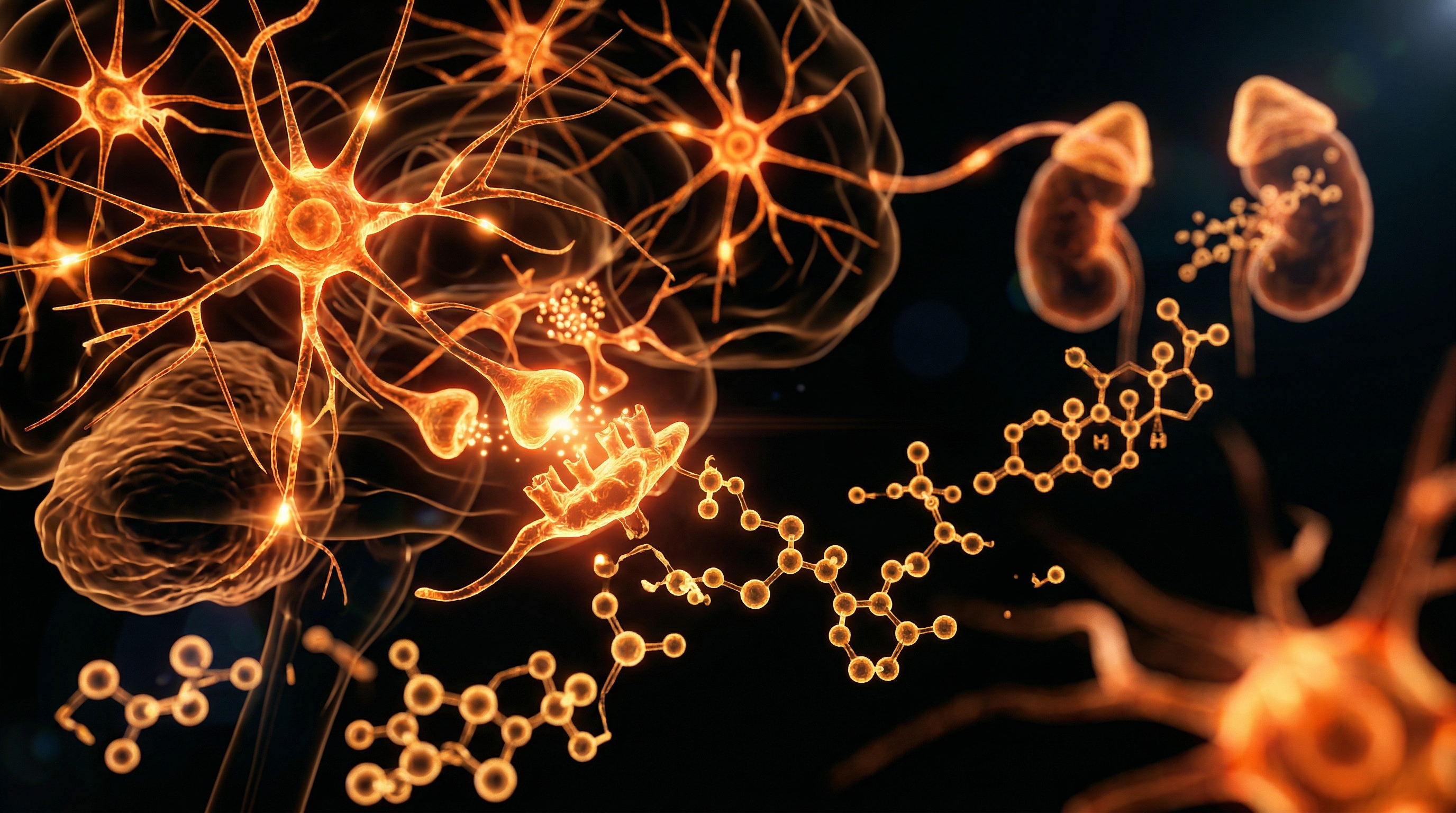
    Scientific illustration for Synaptic Plasticity: Learning, Memory, and the Toxins That Erase Them
    Nervous System
    15 MIN READ

    Synaptic Plasticity: Learning, Memory, and the Toxins That Erase Them

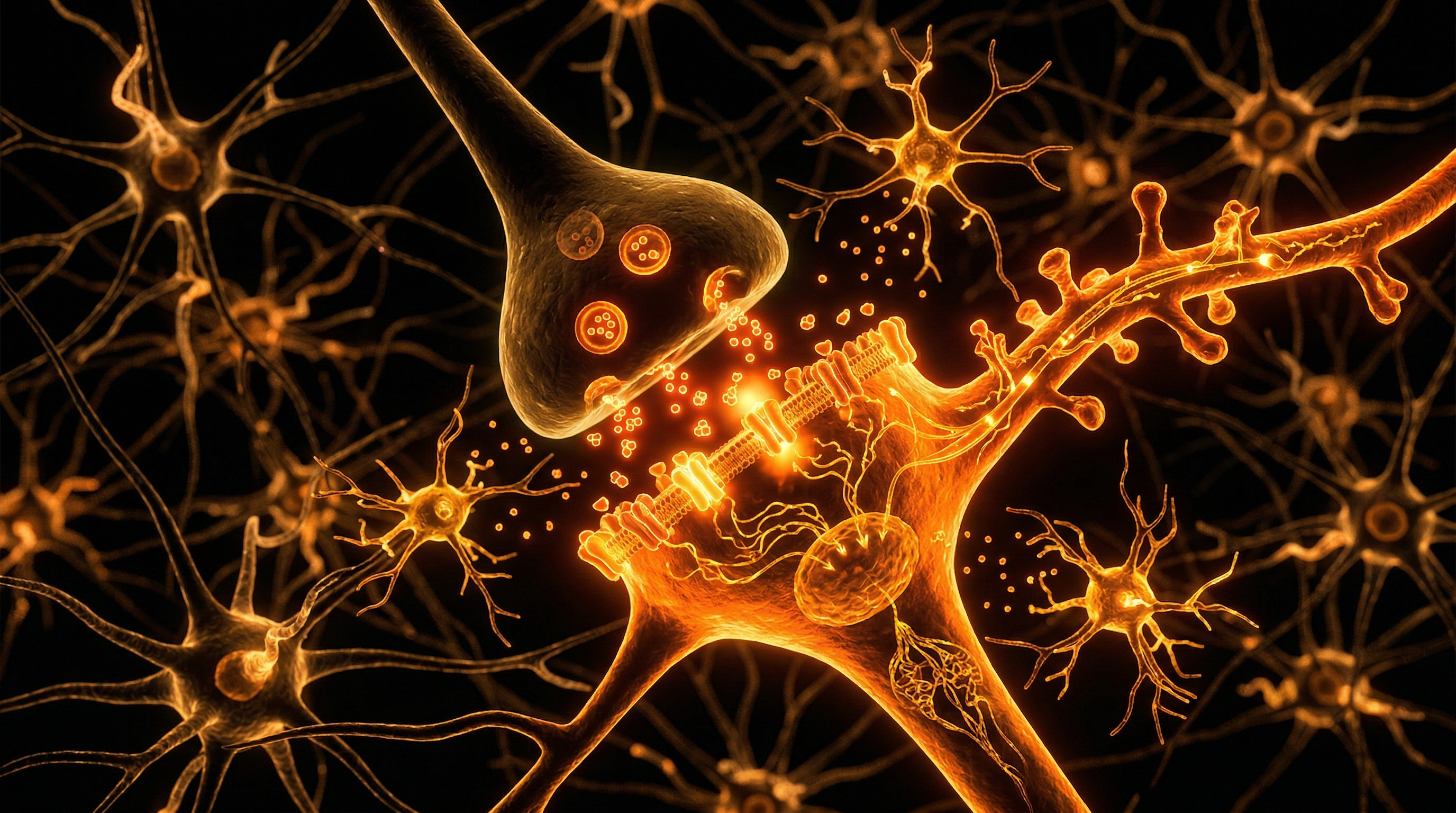
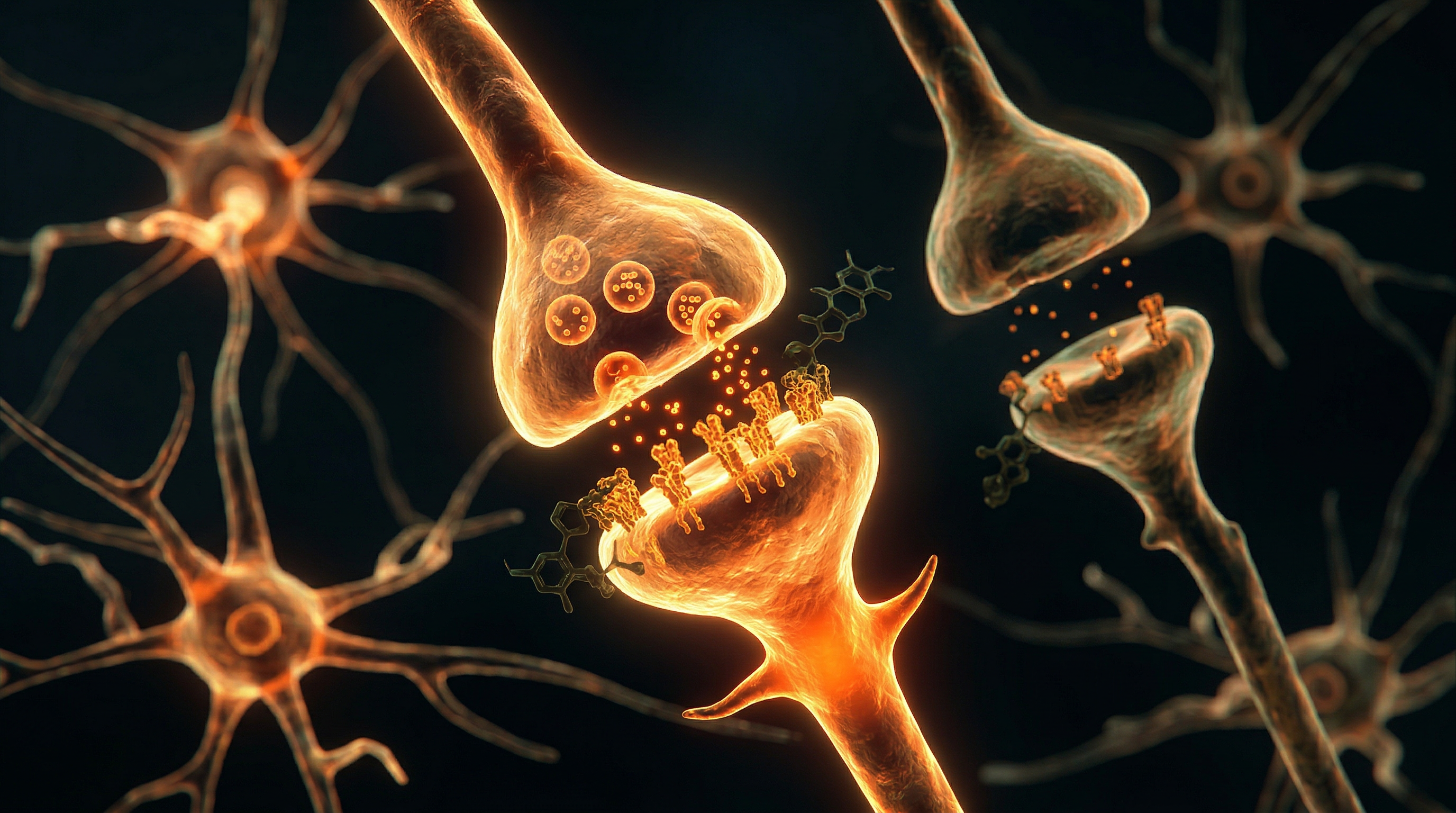
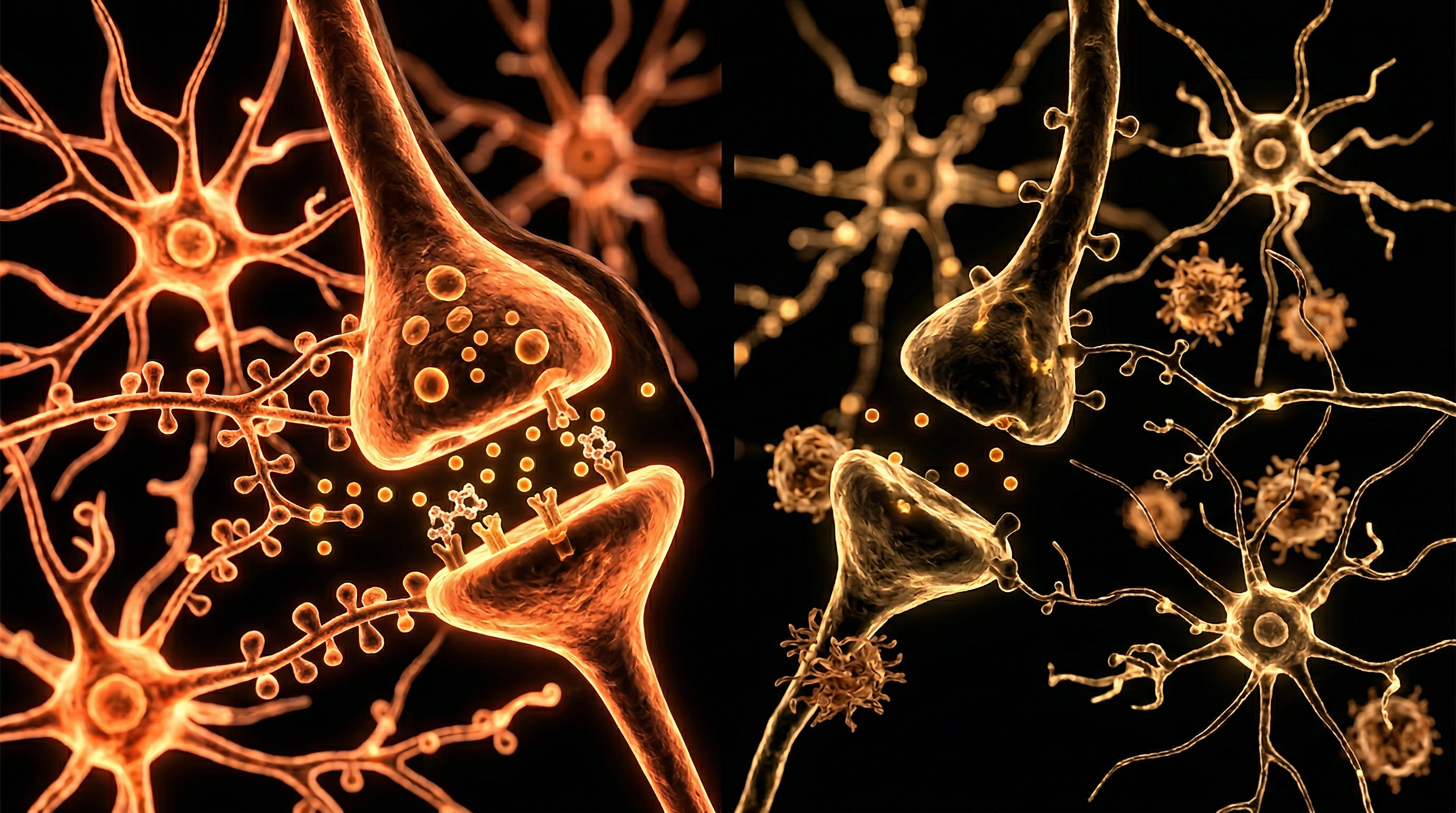
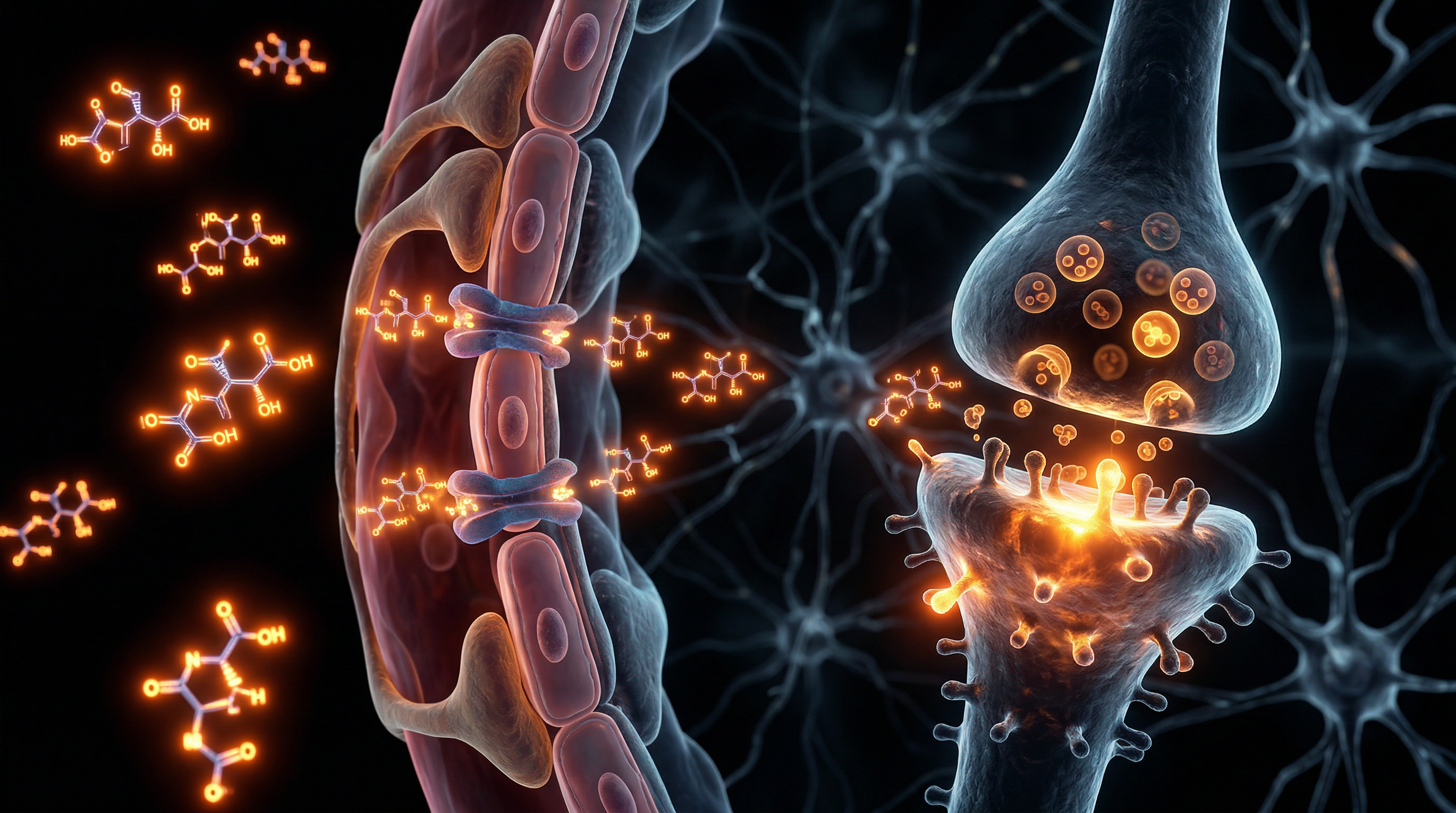
    Synaptic plasticity — the capacity of synaptic connections between neurons to strengthen (long-term potentiation, LTP) or weaken (long-term depression, LTD) in response to patterns of neural activity — is the cellular and molecular basis of learning, memory formation, and adaptive behaviour, underpinned by rapid changes in AMPA and NMDA glutamate receptor trafficking, dendritic spine morphology, and gene expression programmes governed by CREB and other transcription factors. BDNF (brain-derived neurotrophic factor) — the primary molecular mediator of synaptic plasticity and neurogenesis — is synthesised in response to physical exercise, environmental enrichment, omega-3 fatty acid intake, and certain plant phytochemicals, whilst being suppressed by chronic stress, systemic inflammation, heavy metal accumulation, pesticide exposure, and sleep deprivation. The epidemic of cognitive impairment, learning difficulties, and memory decline in the UK population — affecting people at increasingly younger ages — is therefore not primarily a genetic phenomenon but reflects the systematic suppression of the neuroplasticity mechanisms that the environmental toxin burden of modern life is inflicting on every generation.

    #synaptic plasticity#LTP
    N
    Scientific illustration for Neuroplasticity: Rewiring the Brain at Any Age
    Physiology
    17 MIN READ

    Neuroplasticity: Rewiring the Brain at Any Age

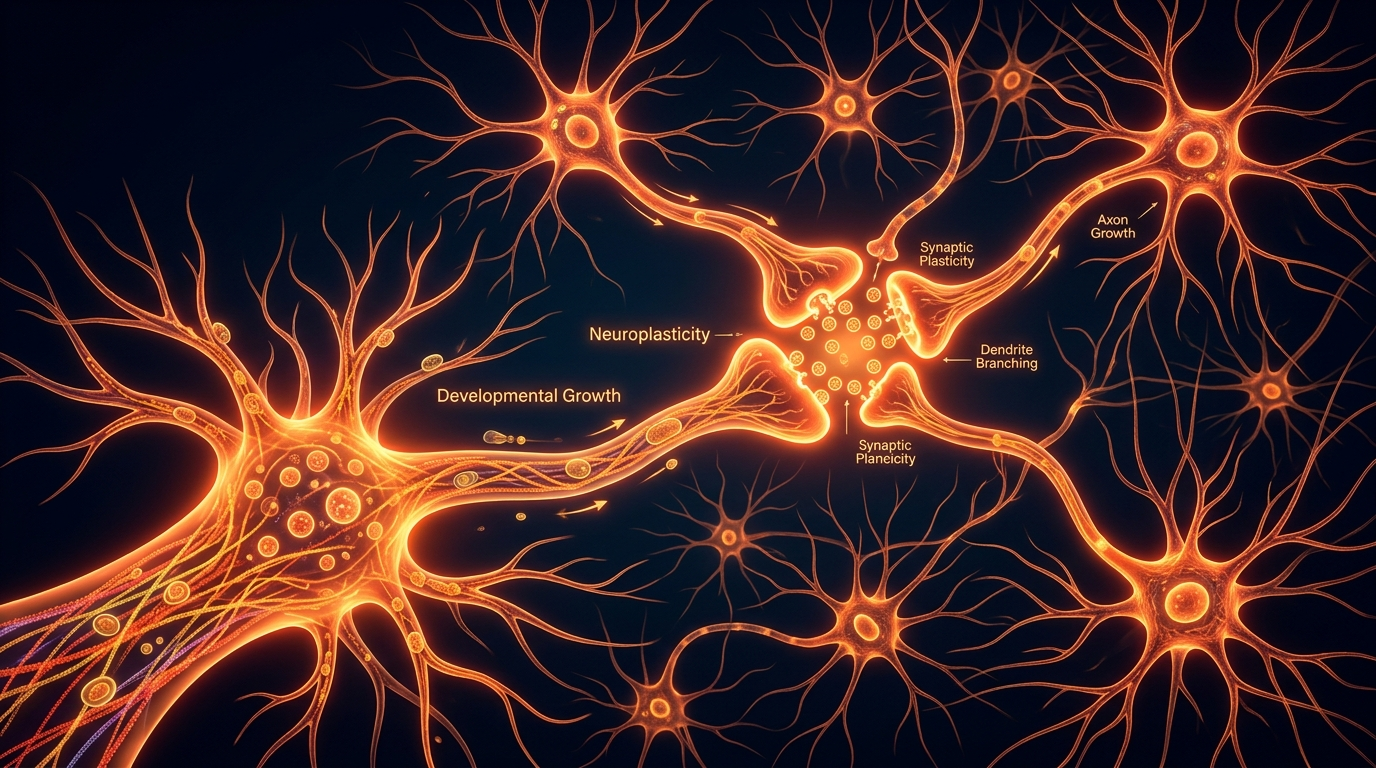
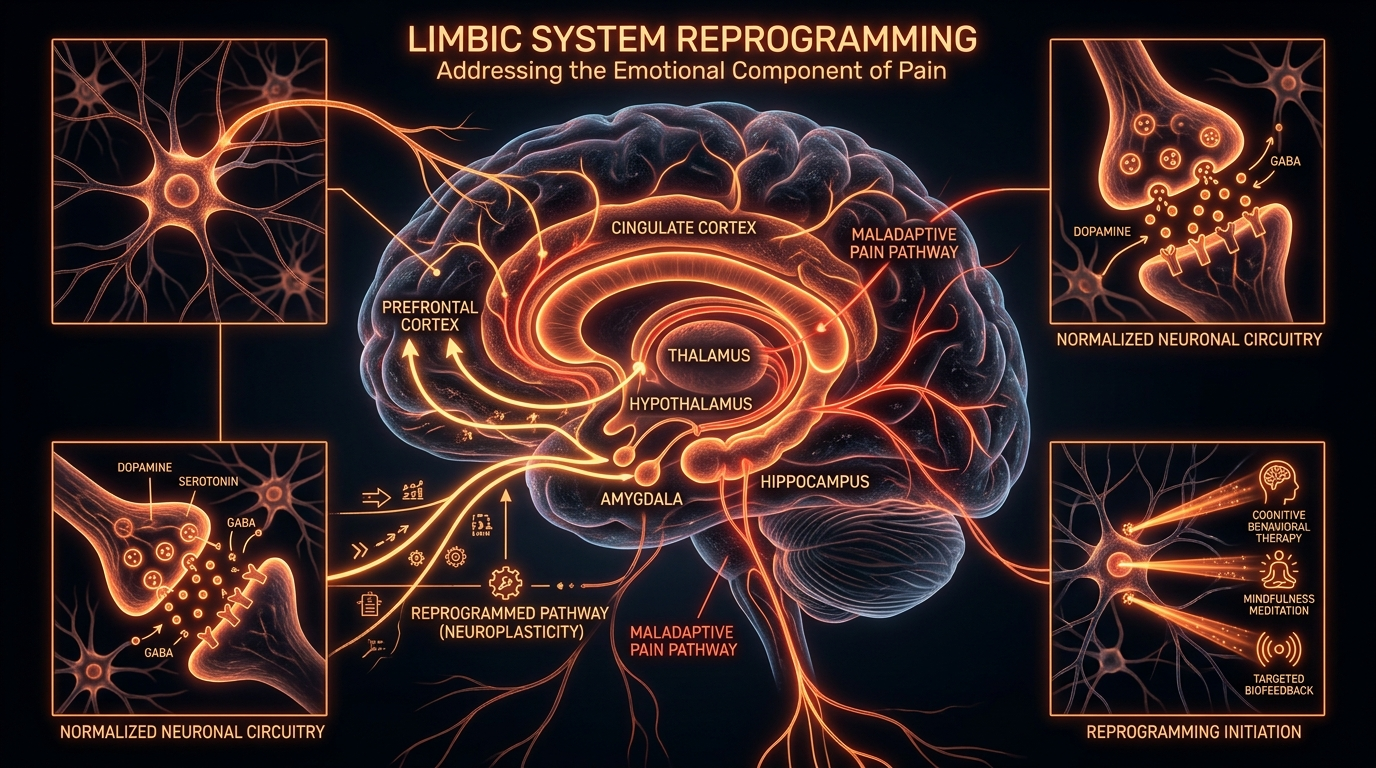
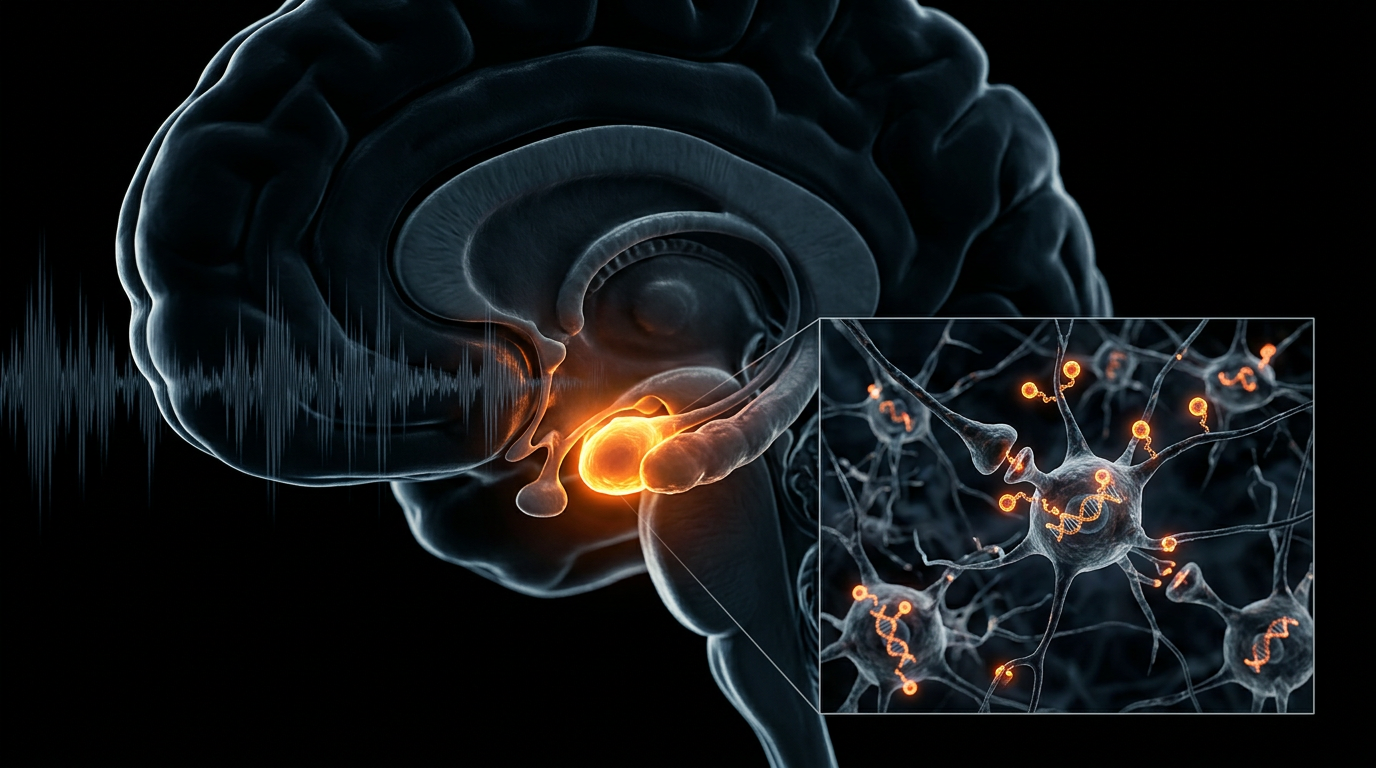
    Neuroplasticity — the brain's remarkable capacity to reorganise its synaptic connections, grow new neurons, and adapt its functional architecture in response to experience, learning, and environment — overturns the long-held dogma that the adult brain is fixed and unchangeable. The discovery of adult neurogenesis in the hippocampus has profound implications: new neurons are generated throughout life in direct response to physical exercise, cognitive challenge, caloric restriction, and certain plant compounds, whilst their generation is suppressed by chronic stress, sleep deprivation, alcohol, heavy metal accumulation, and systemic inflammation. Environmental neurotoxins are therefore not merely damaging in an acute sense but are actively undermining the brain's capacity for self-repair — a mechanism that, if properly supported, could offer genuine therapeutic potential for conditions from depression to neurodegenerative disease.

    #neuroplasticity#neurogenesis