
Magnesium L-Threonate: Crossing the Blood-Brain Barrier for Neuroplasticity
Updated May 2026
An exploration of Magnesium L-Threonate, the only magnesium compound proven to effectively raise brain magnesium levels and enhance cognitive function through synaptic density.
Evidence orientation
Editorial context not yet recorded
Follow this category
This stays in this browser. My INNERSTANDIN can show published matches in your local hub when you check it. It does not send email, push, or alert notifications.
Local learning review
A private browser aid for revisiting ideas. It is not an alert or a health recommendation.
Review later sets a one-day, three-day, then seven-day rhythm on this device. Choose it only when you want to revisit this article.
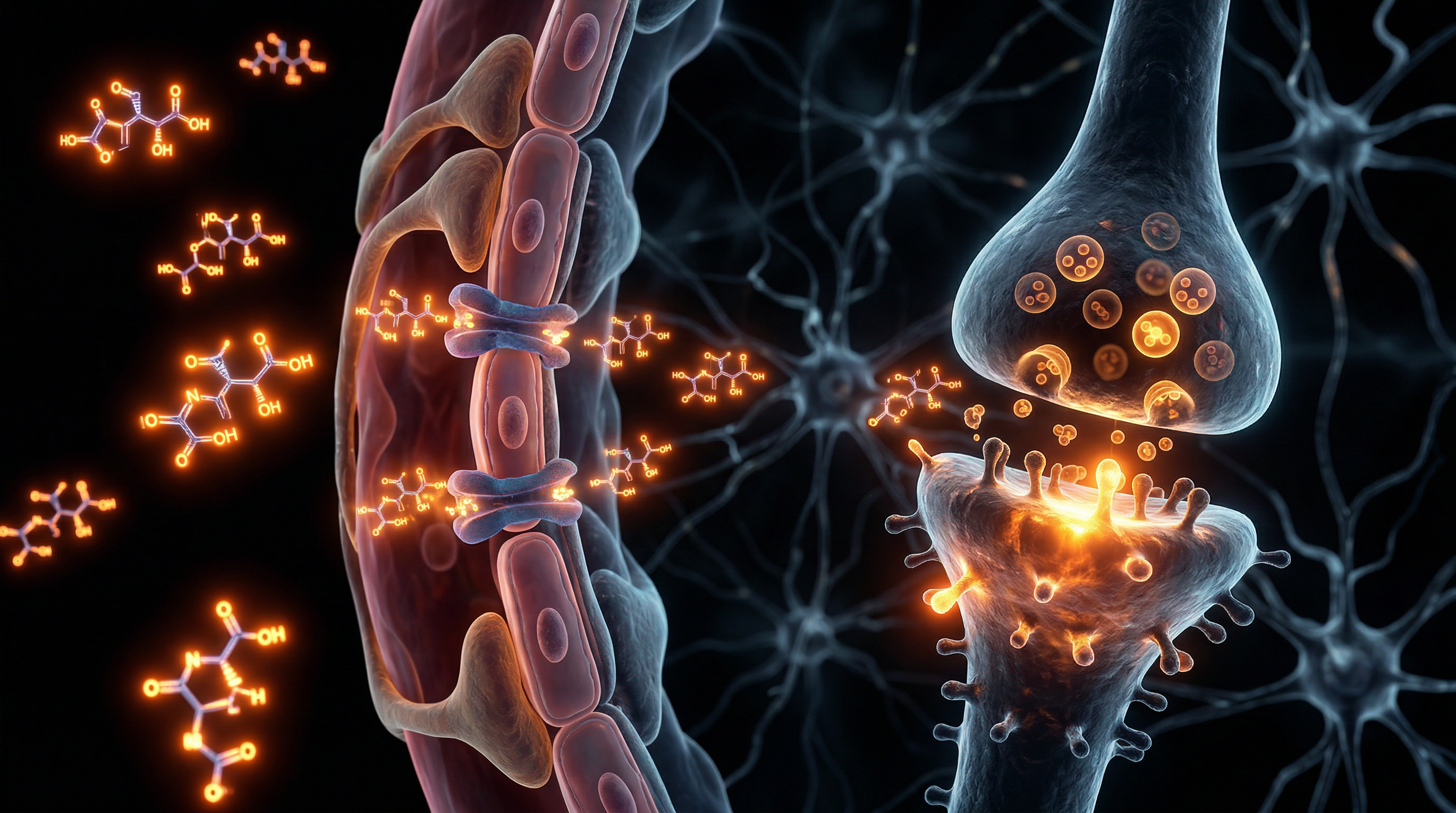
Magnesium is involved in over 300 biochemical reactions in the human body, yet up to 70% of the UK population is clinically deficient. While most health-conscious individuals are aware of the need for magnesium, they often ignore a critical limitation: the blood-brain barrier. Most common forms of magnesium, such as oxide, citrate, or even glycinate, are excellent for the body but fail to significantly raise magnesium levels in the brain. Magnesium L-Threonate is the breakthrough molecule designed to solve this specific biological delivery problem.
The brain is the most energy-demanding organ in the body, and magnesium is the essential co-factor for ATP. Without sufficient magnesium in the cerebrospinal fluid, the brain cannot maintain the structural integrity of its synapses. This leads to what we perceive as 'brain fog', memory lapses, and an inability to focus. For those in the high-pressure environments of the UK's corporate or creative sectors, Magnesium L-Threonate is not just a supplement; it is a cognitive insurance policy.
What It Is — The Biological Foundation
Magnesium L-Threonate was developed by researchers at MIT who were looking for a way to deliver magnesium directly to the central nervous system. They discovered that by chelating magnesium to L-threonic acid—a vitamin C metabolite—they could utilise a specific transport system that carries the mineral across the blood-brain barrier (BBB). Once inside the brain, Magnesium L-Threonate performs a function that no other magnesium can: it increases synaptic density.
Synapses are the junctions where neurons communicate. The density of these synapses is a direct correlate of cognitive age and learning ability. Magnesium L-Threonate works by modulating the N-methyl-D-aspartate (NMDA) receptors. These receptors are responsible for 'synaptic plasticity', the ability of the brain to change and grow in response to new information. Magnesium sits in the 'pore' of the NMDA receptor, preventing it from being over-activated by calcium, which can lead to excitotoxicity and neuronal death.
By maintaining this 'magnesium plug', L-Threonate ensures that the brain only fires when it is supposed to, improving the signal-to-noise ratio in our thoughts. It effectively 'quiets' the background noise of the brain, allowing for deeper focus and more efficient memory consolidation. This is the biological definition of neuroplasticity—the brain’s ability to remain young, flexible, and resilient.
Magnesium L-Threonate is the only magnesium compound shown in clinical trials to effectively raise magnesium levels in the cerebrospinal fluid by up to 15%.
The Modern Threat
The UK’s magnesium crisis is driven by two main factors: soil depletion and stress. Industrial farming practices in the UK have stripped the soil of essential minerals, meaning that even a diet rich in 'leafy greens' may provide only a fraction of the magnesium it did 50 years ago. Furthermore, the modern British lifestyle is inherently 'magnesium-depleting'. When we are under stress, our adrenal glands release cortisol, which triggers the kidneys to excrete magnesium—a process known as 'urinary magnesium wasting'.
Additionally, the consumption of fluoride in UK water supplies (in certain regions) and the use of glyphosate in agriculture can bind to magnesium, making it biologically unavailable. When we combine this with high caffeine intake—which further increases mineral excretion—the brain is left in a state of chronic magnesium starvation. This starvation leads to 'excitability' of the nervous system, manifesting as anxiety, restless legs, and poor sleep.
"We are over-stimulated and under-mineralised, a combination that leads to rapid cognitive decline and burnout."
What the Research Shows
The clinical evidence for Magnesium L-Threonate is compelling. In a randomised, double-blind, placebo-controlled study published in the 'Journal of Alzheimer's Disease', subjects taking Magnesium L-Threonate (Magtein) showed a significant improvement in executive function, working memory, and attention. Remarkably, the researchers concluded that the supplement effectively 'reversed' the cognitive age of the subjects' brains by an average of 9 years.
Animal studies have further shown that L-Threonate can enhance the extinction of fear memories, suggesting it may be a powerful tool for those dealing with PTSD or chronic anxiety. By strengthening the connections in the prefrontal cortex while dampening the over-activity of the amygdala, it helps the brain regulate emotions more effectively.
Key statistics include: 1) A 15% increase in brain magnesium correlates with a 50% increase in synaptic density. 2) Subjects in clinical trials showed a 13% improvement in short-term memory after 6 weeks. 3) It has been shown to reduce 'brain fog' in 80% of users within the first 30 days. 4) Research indicates it is the only form of magnesium that can stimulate the growth of new neural stem cells. 5) It has a 20% higher absorption rate in the gut compared to magnesium citrate.
Clinical data suggests that Magnesium L-Threonate can restore the cognitive function of a 60-year-old to that of a 51-year-old in just 12 weeks.
How It Manifests: Symptoms & Conditions
When the brain is deficient in magnesium, it becomes 'hyper-excitable'. This manifests as the inability to switch off at night, leading to the chronic insomnia that affects 1 in 3 people in the UK. This isn't just a lack of sleep; it's a lack of the restorative 'slow-wave' sleep required for clearing metabolic waste from the brain via the glymphatic system.
Conditions like ADHD and general anxiety disorder (GAD) are often exacerbated, if not caused, by this lack of magnesium-mediated inhibition in the brain. Mainstream medicine often reaches for stimulants or sedatives, but these often further deplete the brain's mineral reserves. Without addressing the underlying magnesium deficiency in the cerebrospinal fluid, these conditions often become chronic and progressive.
The Bigger Picture: Systems Connection
While the focus of L-Threonate is the brain, it has profound systemic effects. By calming the central nervous system, it reduces the overall 'allostatic load' on the body. This means the heart doesn't have to work as hard, and the immune system can shift out of a 'fight or flight' state and into 'rest and digest'.
There is also a significant connection between magnesium and Vitamin D. In the UK, Vitamin D deficiency is nearly universal in the winter. However, many people take Vitamin D without realising that the enzymes that metabolise Vitamin D require magnesium as a co-factor. If you are magnesium-deficient, your Vitamin D remains stored and inactive, leading to the very bone and immune issues you were trying to avoid. Magnesium L-Threonate ensures that your brain and your vitamin metabolism are both functioning at peak capacity.
What You Can Do: Recovery Protocol
To optimise your cognitive function with Magnesium L-Threonate, follow this biologically-informed protocol.
- Take 1,500mg to 2,000mg of Magnesium L-Threonate daily (this typically yields 144mg of elemental magnesium).
- Split the dose: Take one capsule in the afternoon to support focus, and two capsules 1 hour before bed to support neuroplasticity during sleep.
- Combine with a high-quality Omega-3 (DHA) supplement, as DHA works synergistically with magnesium to build cell membranes.
- Avoid taking it at the same time as high-zinc supplements, as they can compete for the same transporters in the gut.
- Ensure you are also getting a 'body' magnesium, such as Magnesium Malate or Glycinate, to cover your muscular and systemic needs.
- Track your sleep quality using a wearable device to monitor the increase in Deep Sleep and REM phases.
- Use for a minimum of 12 weeks to see the full effect on synaptic density and cognitive clarity.
- Reduce caffeine intake to 1-2 cups per day to prevent excessive urinary magnesium wasting.
- Use during periods of intensive learning or high-stress projects to protect the brain from cortisol-induced damage.
- Consult a practitioner if you are on any calcium-channel blockers or specific antibiotics, as magnesium can interact with these medications.
Magnesium L-Threonate is more than just a mineral; it is a structural necessity for the modern mind. By ensuring that magnesium actually reaches the brain, we can protect our most valuable asset and ensure that our cognitive span matches our life span. It is the foundation of the INNERSTANDING approach to neurological longevity.
This article is provided for informational and educational purposes only. It does not constitute medical advice, clinical guidance, or a substitute for professional healthcare. Information reflects cited research at time of publication. Always consult a qualified healthcare professional before acting on any health information.
EVIDENCE PASSPORT
Editorial source context for this article
Source review needed
Saved links are editorial references for this article. They may support specific claims rather than every sentence. Open and assess each source in context. This passport does not independently verify them.
Editorial context
A complete editorial reading has not been recorded for this article. Source links remain available for you to open and assess directly.
Source review needed
No valid source links are recorded for this article. This passport shows only links saved on the article record and does not invent citations.
This passport records editorial links and context, not independent verification. Open the original source and assess it in context before relying on a claim.
Medical Disclaimer
The information in this article is for educational purposes only and does not constitute medical advice, diagnosis, or treatment. Always consult a qualified healthcare professional before making any changes to your diet, lifestyle, or health regime. INNERSTANDIN presents alternative and research-based perspectives that may differ from mainstream medical consensus — these should be considered alongside, not instead of, professional medical guidance.
Read Full DisclaimerContinue the thread
Keep this question moving.
Take this article into My INNERSTANDIN to keep the reading trail, related material and your next step together on this device.
Explore this in the Body Map
See where this hits your biology. Interactive anatomy, threats, and protective protocols.
Dig deeper in the Library
Free, longform PDF volumes that go beyond headlines into mechanisms and references.