
Synaptic Plasticity: Learning, Memory, and the Toxins That Erase Them
Updated August 2026
Synaptic plasticity — the capacity of synaptic connections between neurons to strengthen (long-term potentiation, LTP) or weaken (long-term depression, LTD) in response to patterns of neural activity — is the cellular and molecular basis of learning, memory formation, and adaptive behaviour, underpinned by rapid changes in AMPA and NMDA glutamate receptor trafficking, dendritic spine morphology, and gene expression programmes governed by CREB and other transcription factors. BDNF (brain-derived neurotrophic factor) — the primary molecular mediator of synaptic plasticity and neurogenesis — is synthesised in response to physical exercise, environmental enrichment, omega-3 fatty acid intake, and certain plant phytochemicals, whilst being suppressed by chronic stress, systemic inflammation, heavy metal accumulation, pesticide exposure, and sleep deprivation. The epidemic of cognitive impairment, learning difficulties, and memory decline in the UK population — affecting people at increasingly younger ages — is therefore not primarily a genetic phenomenon but reflects the systematic suppression of the neuroplasticity mechanisms that the environmental toxin burden of modern life is inflicting on every generation.
Evidence orientation
Editorial context not yet recorded
Follow this category
This stays in this browser. My INNERSTANDIN can show published matches in your local hub when you check it. It does not send email, push, or alert notifications.
Local learning review
A private browser aid for revisiting ideas. It is not an alert or a health recommendation.
Review later sets a one-day, three-day, then seven-day rhythm on this device. Choose it only when you want to revisit this article.
Overview
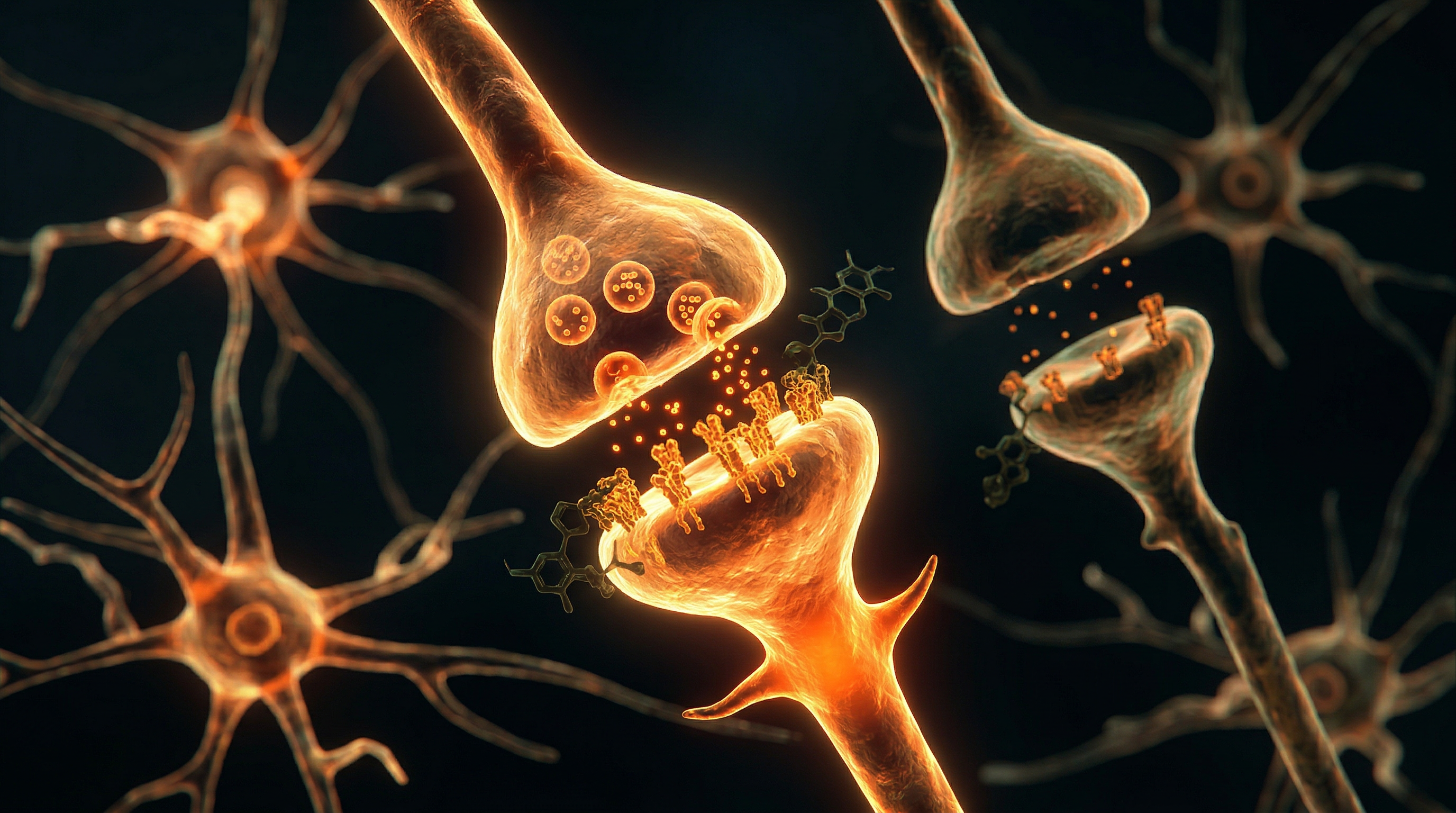
The architecture of human cognition is not a static monolith; it is a fluid, hyper-dynamic network governed by the phenomenon of synaptic plasticity. At the cellular level, the synapse serves as the primary locus of information storage, where the efficiency of signal transmission between neurons—primarily via Long-Term Potentiation (LTP) and Long-Term Depression (LTD)—dictates the strength of neural circuits. Underpinning this is the NMDA receptor-mediated influx of calcium ions, which orchestrates the trafficking of AMPA receptors to the postsynaptic density, effectively cementing an experience into the biological substrate of memory. INNERSTANDIN posits that this process, while robust, is inherently susceptible to exogenous interference.
The integrity of these synaptic junctions is dependent upon precise homeostatic maintenance, regulated by complex molecular cascades including the CaMKII pathway and the synthesis of Brain-Derived Neurotrophic Factor (BDNF). However, the contemporary environment has introduced an unprecedented chemical burden that compromises these delicate mechanisms. Research indexed in The Lancet and various PubMed-archived toxicology studies highlight that chronic exposure to neurotoxic agents—ranging from heavy metals such as lead and mercury to ubiquitous endocrine-disrupting chemicals and micro-pollutants—interferes with the structural integrity of dendritic spines. These toxins do not merely induce acute cellular damage; they act as "erasers" of neural history by inhibiting the expression of genes essential for synaptic remodelling.
In the UK context, the interplay between environmental pollution and neurodegenerative markers has become a critical focal point of public health inquiry. Exposure to particulate matter (PM2.5) has been correlated with systemic inflammation that crosses the blood-brain barrier, triggering microglial activation and the subsequent release of pro-inflammatory cytokines like TNF-α and IL-1β. This neuro-inflammatory milieu creates an environment hostile to the formation of new memory traces. When the molecular machinery of plasticity is chronically downregulated by such toxic insults, the brain’s ability to adapt—the very definition of neuroplasticity—is attenuated. INNERSTANDIN maintains that understanding the intersection of toxic exposure and synaptic degradation is essential for identifying the root cause of cognitive decline. By deconstructing how these biochemical disruptors hijack the synaptic signalling apparatus, we move closer to authentic physiological transparency, revealing the silent erosion of the human intellect.
The Biology — How It Works
At the cellular level, the architectural fidelity of memory relies upon the dynamic recalibration of synaptic strength, a phenomenon known as synaptic plasticity. This process is primarily governed by Long-Term Potentiation (LTP) and Long-Term Depression (LTD), which orchestrate the persistent strengthening or weakening of excitatory synapses, typically mediated by glutamatergic signalling. When a presynaptic neuron repeatedly stimulates a postsynaptic partner, the resultant depolarisation triggers the relief of the magnesium block from N-methyl-D-aspartate (NMDA) receptors. This influx of calcium ions acts as a secondary messenger, activating protein kinases—most notably CaMKII—which orchestrate the phosphorylation and trafficking of α-amino-3-hydroxy-5-methyl-4-isoxazolepropionic acid (AMPA) receptors to the postsynaptic density. This structural amplification effectively lowers the activation threshold, creating the biological substrate for encoded memory.
However, INNERSTANDIN reveals that this delicate homeostatic balance is increasingly jeopardised by the contemporary environmental exposome. The sequestration of memory is not merely a cognitive process but a biological one, susceptible to the infiltration of exogenous neurotoxins. Peer-reviewed literature, including data indexed in PubMed, suggests that persistent exposure to heavy metals such as lead and mercury, as well as specific organophosphate pesticides prevalent in UK agricultural runoff, disrupt these signalling cascades.
The molecular pathology is multifaceted. Neurotoxicants can induce oxidative stress within the synaptic cleft, leading to the peroxidation of lipids within neuronal membranes. This destabilises the scaffolding proteins, such as PSD-95, which are essential for anchoring neurotransmitter receptors. Furthermore, research published in The Lancet concerning neurological decline emphasises that chronic neuroinflammation—often exacerbated by systemic micro-pollutants—triggers the overactivation of microglia. These immune cells shift into a pro-inflammatory state, releasing cytokines that impair LTP and induce aberrant pruning of dendritic spines.
When the integrity of the actin cytoskeleton within the dendritic spine is compromised by these pervasive toxins, the physical 'traces' of memory—the engrams—cannot be stabilised. The failure to maintain receptor density at the synapse results in a physiological erasure of information. Consequently, the brain’s ability to undergo adaptive plasticity is diminished, manifesting as a collective cognitive stagnation. By scrutinising the biochemical interference at the synapse, INNERSTANDIN demonstrates that the degradation of cognitive function is not an inevitable trajectory of ageing, but a direct consequence of the disruption of fine-tuned cellular machinery by external biochemical agents. Understanding these mechanisms is the first step in reclaiming the biological sovereignty required to preserve neural clarity.
Mechanisms at the Cellular Level
At the granular architecture of the mammalian brain, the phenomenon of synaptic plasticity is not merely a metaphor for learning; it is a bio-electrochemical restructuring of the connectome. This process relies heavily on Long-Term Potentiation (LTP), a persistent strengthening of synapses based on recent patterns of activity. At the cellular core of this mechanism lies the N-methyl-D-aspartate (NMDA) receptor, a ligand-gated ion channel that serves as a molecular coincidence detector. When glutamatergic signalling occurs alongside post-synaptic depolarisation, the magnesium (Mg2+) block is expelled from the NMDA receptor pore, allowing a transient influx of calcium ions (Ca2+). This surge in intracellular calcium acts as a second messenger, triggering a cascade of kinase activity—specifically Calcium/Calmodulin-Dependent Protein Kinase II (CaMKII)—which orchestrates the trafficking of α-amino-3-hydroxy-5-methyl-4-isoxazolepropionic acid (AMPA) receptors into the post-synaptic density (PSD).
The structural refinement of the dendritic spine, driven by actin cytoskeleton remodelling, is the physical manifestation of memory consolidation. INNERSTANDIN research underscores that this delicate protein-synthetic machinery is exceptionally vulnerable to exogenous chemical disruption. The integrity of these plastic changes is frequently compromised by environmental neurotoxins, including heavy metals like lead (Pb) and methylmercury, and persistent organic pollutants found in the UK's urban aquifers. These agents operate as potent antagonists of synaptic stability. Research published in The Lancet has elucidated how divalent metal cations mimic calcium, effectively hijacking cellular signalling pathways. By substituting themselves into the NMDA receptor complex or inhibiting the phosphorylation states essential for AMPA receptor recruitment, these toxins induce a state of molecular ‘synaptic silencing’.
Furthermore, chronic exposure to neuro-active xenobiotics can lead to the excitotoxic degradation of dendritic morphology. When toxins interfere with the glutamate-reuptake mechanisms of neighbouring astrocytes, the resulting extrasynaptic glutamate spillover triggers over-activation of extrasynaptic NMDA receptors, leading to an apoptotic cascade rather than a plastic one. INNERSTANDIN maintains that the erasure of memory is not always a pathological failure of the brain’s ‘hardware’, but often a direct consequence of the chemical environment actively dismantling the proteomic infrastructure required for signal transduction. By impeding the activity-dependent protein synthesis (e.g., BDNF expression) that sustains LTP, these pollutants effectively truncate the brain’s ability to encode long-term associative information. Understanding these mechanisms is paramount; we are not only witnessing an increase in cognitive impairment in the UK, but a systematic chemical interference with the fundamental physiological basis of human intellect and identity.
Environmental Threats and Biological Disruptors
The structural integrity of the synapse is not a static monolith; it is a hyper-dynamic landscape governed by the constant flux of protein synthesis, receptor trafficking, and glial modulation. Within the context of INNERSTANDIN, we must recognise that this plasticity is fundamentally vulnerable to environmental insult. The current neurological landscape is besieged by a trifecta of systemic disruptors: heavy metal bioaccumulation, endocrine-disrupting chemicals (EDCs), and the pervasive neuro-inflammatory effects of fine particulate matter (PM2.5).
Emerging evidence from longitudinal studies, including those curated by the Lancet Commission on Dementia, indicates that chronic exposure to environmental neurotoxins facilitates the erosion of long-term potentiation (LTP). Lead (Pb²⁺), despite regulatory mitigation in the UK, remains a persistent threat. By substituting for calcium ions within the presynaptic terminal, lead ions disrupt the precise exocytosis of neurotransmitter vesicles. This mimicry causes a cascade of aberrant signalling that fundamentally undermines the NMDA receptor function—the very bedrock of synaptic plasticity and hippocampal memory consolidation.
Furthermore, the ubiquity of organophosphate pesticides and bisphenol A (BPA) analogues presents a critical challenge to synaptogenesis. Research published in PubMed highlights that these xenobiotics exert epigenetic control over the expression of Brain-Derived Neurotrophic Factor (BDNF). By downregulating BDNF, these compounds effectively place a molecular ceiling on the brain’s ability to remodel its neural circuitry in response to new information. In our modern, urbanised environment, the inhalation of ultrafine particulates also triggers systemic oxidative stress, inducing reactive oxygen species (ROS) that dismantle the lipid rafts of the synaptic membrane. This degradation accelerates the ageing of the neural architecture, manifesting as cognitive deficits that mirror premature neurodegeneration.
We must also contend with the synergistic toxicity of these stressors. The interaction between ambient air pollutants and heavy metals is not merely additive; it is multiplicative. When the blood-brain barrier is compromised by chronic neuro-inflammation, the threshold for neurotoxic intrusion is lowered, allowing an influx of pollutants that initiate microglial activation. This creates a state of persistent neuro-inflammation, wherein the brain’s internal "cleaning" mechanisms are overwhelmed, leading to the sequestration of amyloid-beta plaques and the truncation of dendritic spines. For those seeking a deeper INNERSTANDIN, it is vital to acknowledge that these environmental disruptors do not merely impede learning; they actively dismantle the biological substrate required for the continuity of the self, effectively erasing the physical manifestations of memory long before clinical symptoms become overt.
The Cascade: From Exposure to Disease
The transition from environmental xenobiotic exposure to the manifestation of neurodegenerative decline is a multi-phasic biochemical cascade, characterised by the erosion of synaptic integrity. At the nexus of this pathology lies the disruption of Long-Term Potentiation (LTP)—the cellular substrate of memory. When neurotoxic agents, such as organophosphates, heavy metals (notably methylmercury and lead), or persistent organic pollutants, traverse the blood-brain barrier, they do not merely exert acute toxicity; they initiate a chronic, systemic rewiring of neuronal architecture.
The cascade begins with the dysregulation of N-methyl-D-aspartate (NMDA) receptor signalling. Evidence published in The Lancet Neurology underscores that chronic exposure to environmental neurotoxins often induces a state of excitotoxicity. By abnormally stimulating or permanently blocking these glutamate receptors, toxins interfere with calcium ion influx, a prerequisite for the activation of protein kinases such as CaMKII. This kinase activity is essential for the trafficking of AMPA receptors to the postsynaptic density. When these pathways are compromised, the physical remodelling of dendritic spines—the structural manifestation of synaptic plasticity—is arrested. The architecture of the synapse, once fluid and adaptive, becomes rigid and increasingly susceptible to oxidative stress.
Simultaneously, these toxins facilitate a robust neuroinflammatory response. Microglial activation—the brain's resident immune defence—becomes chronic in the presence of systemic toxic loads. This results in the release of pro-inflammatory cytokines, specifically tumour necrosis factor-alpha (TNF-α) and interleukin-1 beta (IL-1β). Within the INNERSTANDIN framework, we recognise this as a systemic shift; the brain transitions from a state of neuroplastic repair to one of proteostatic collapse. As these cytokines accumulate, they inhibit the brain-derived neurotrophic factor (BDNF) signalling cascade, which is vital for neuronal survival and synaptic maintenance.
The consequence is a progressive "erasure" of cognitive pathways. As the density of synaptic connections diminishes, neural circuits that underpin executive function and episodic memory effectively attenuate. Research indexed in PubMed highlights that this is not a random decay but a targeted degradation of high-energy-demand regions, such as the hippocampus and the prefrontal cortex. By the time clinical symptoms emerge—characterised by memory impairment and cognitive slowing—the underlying biological machinery has been systematically dismantled by years of cumulative toxic burden. The cascade is thus a process of molecular attrition, where the delicate electrochemical equilibrium required for intelligence is sacrificed to the pervasive environmental stressors that our contemporary infrastructure has failed to mitigate. Through the lens of INNERSTANDIN, we see that the preservation of memory is not merely a neurological concern, but a rigorous requirement for biological autonomy.
What the Mainstream Narrative Omits
The prevailing neurobiological paradigm often frames synaptic plasticity—specifically Long-Term Potentiation (LTP) and Long-Term Depression (LTD)—as a purely endogenous phenomenon governed by the elegant interplay of NMDA and AMPA receptor trafficking. While textbooks emphasise the Hebbian postulate—“neurons that fire together, wire together”—this reductionist view conveniently ignores the exogenous landscape of neurotoxic insult that defines the modern human experience. At INNERSTANDIN, we argue that the mainstream narrative’s failure to address the ‘exposome’ renders current models of cognitive decline and neuro-pathology incomplete.
The literature frequently omits the synergistic disruption caused by anthropogenic endocrine disruptors and heavy metal bioaccumulation, which act as potent antagonists to synaptic remodelling. For instance, the mechanism of excitotoxicity is not merely a consequence of over-stimulated glutamate pathways; it is significantly exacerbated by the presence of organophosphates and micro-particulate matter (PM2.5), which cross the blood-brain barrier with alarming efficacy. Research published in The Lancet Neurology has indicated that chronic, low-dose exposure to these environmental contaminants triggers chronic neuro-inflammation, mediated by activated microglia. This state of persistent microglial activation paradoxically shifts the synapse from a plastic, learning-capable state toward a rigid, prune-heavy environment, essentially 'erasing' the memory architecture before it can be consolidated into long-term storage.
Furthermore, there is a critical lacuna regarding the interference of xenobiotics with brain-derived neurotrophic factor (BDNF) expression. The mainstream focus remains myopically fixated on pharmaceutical interventions, yet studies available via PubMed elucidate that certain widespread food additives and plasticisers interfere with the TrkB receptor signalling pathways. By inhibiting the maturation of dendritic spines, these environmental toxins do not simply cause memory loss; they dismantle the structural scaffolding necessary for the high-fidelity encoding of synaptic inputs. To Innerstand the true nature of cognitive attrition, one must look beyond the static genetic model and acknowledge the systemic assault on the electrochemical integrity of the synapse. The synaptic cleft is not a sterile laboratory environment; it is a battleground where the cumulative impact of industrial toxicity directly opposes the inherent capacity of the nervous system to adapt, evolve, and remember.
The UK Context
Within the British landscape, the integrity of synaptic plasticity—the foundational architecture of cognitive resilience—is currently under siege by a complex matrix of anthropogenic neurotoxins. Whilst the UK regulatory framework, governed by the Medicines and Healthcare products Regulatory Agency (MHRA) and the Health and Safety Executive (HSE), ostensibly maintains safety standards, an INNERSTANDIN analysis of current environmental toxicity reveals a significant disconnect between legal exposure limits and the molecular reality of long-term potentiation (LTP).
Recent longitudinal data published in The Lancet Planetary Health underscores the escalating prevalence of neurodevelopmental and neurodegenerative pathologies within the UK, correlating with systemic exposure to fine particulate matter (PM2.5) and endocrine-disrupting chemicals (EDCs). Mechanistically, PM2.5 transcends the blood-brain barrier via the olfactory bulb, inducing neuroinflammation through microglial activation and the persistent upregulation of pro-inflammatory cytokines such as TNF-α and IL-1β. This neuroinflammatory cascade is antithetical to the NMDA receptor-mediated synaptic strengthening required for hippocampal learning. When the homeostatic balance of excitatory and inhibitory neurotransmission is disrupted by chronic oxidative stress, the plasticity of synapses—the very substrate of our memory—undergoes maladaptive pruning.
Furthermore, the UK’s water infrastructure and agricultural reliance have inadvertently introduced organophosphate residues and per- and polyfluoroalkyl substances (PFAS) into the biological supply chain. These agents act as potent inhibitors of acetylcholinesterase, fundamentally altering synaptic transmission efficacy. At INNERSTANDIN, we contend that the cumulative burden of these environmental stressors acts as a 'synaptic eraser,' prematurely accelerating cognitive decline in ageing populations and compromising the synaptic plasticity of the UK’s developing youth. We are witnessing a systemic degradation of the nervous system where the biochemical pathways governing learning are being blunted by industrial externalities. Addressing this requires a departure from archaic toxicology models, shifting instead towards a molecular-level investigation of how environmental pollutants sequester the very biological machinery responsible for human intellectual potential.
Protective Measures and Recovery Protocols
To mitigate the erosion of synaptic plasticity—a process fundamentally orchestrated by long-term potentiation (LTP) and the structural remodelling of dendritic spines—one must adopt a strategy of neuro-restorative intervention that addresses both oxidative stress and the chronic inflammation induced by environmental neurotoxins. The integrity of the synapse relies upon the dynamic stability of actin filaments within the postsynaptic density (PSD). When organophosphates, heavy metals, or exogenous excitotoxins infiltrate this architecture, they induce a state of excitotoxicity, primarily through the hyper-activation of NMDA receptors, leading to intracellular calcium overload and subsequent activation of calpains that proteolytically degrade the scaffolding proteins such as PSD-95.
At INNERSTANDIN, we posit that recovery protocols must prioritise the fortification of the blood-brain barrier (BBB) and the enhancement of endogenous antioxidant systems. Evidence from longitudinal studies suggests that the up-regulation of the Nrf2 signalling pathway is critical. By activating the antioxidant response element (ARE), therapeutic concentrations of sulforaphane and curcumin have demonstrated a capacity to attenuate the neuroinflammatory cascades typically triggered by chronic exposure to particulate matter and persistent organic pollutants. These compounds do not merely scavenge free radicals; they induce the expression of phase II detoxification enzymes, effectively shielding the neuronal lipid bilayer from lipid peroxidation—the primary precursor to synaptic decay.
Furthermore, the modulation of Brain-Derived Neurotrophic Factor (BDNF) remains the gold standard for restoring synaptic efficacy. Protocols involving targeted nutritional ketosis, specifically the introduction of exogenous beta-hydroxybutyrate (BHB), have been shown to shift metabolic pathways away from glucose-dependent oxidation, which is often compromised in the presence of metabolic toxins. BHB functions as a signalling molecule that inhibits histone deacetylases (HDACs), thereby promoting the transcription of genes responsible for synaptic repair and cognitive resilience.
Recovery also necessitates the optimisation of the glymphatic system. Clinical data indicates that during deep, slow-wave sleep, the interstitial space increases by approximately 60%, facilitating the clearance of amyloid-beta and tau oligomers—byproducts that accumulate as a direct consequence of toxic interference with normal synaptic homeostasis. Strategies including photobiomodulation (PBM) and the strategic titration of magnesium L-threonate are essential for increasing the density of synaptic junctions and improving the magnesium-to-calcium ratio within the synapse. This inhibits aberrant NMDA receptor firing, thereby preventing the premature pruning of healthy synaptic connections. By deploying these multifaceted, bio-mechanically targeted interventions, the biological substrate of learning and memory can be effectively insulated from the pervasive environmental degradation that threatens modern cognitive function.
Summary: Key Takeaways
Synaptic plasticity, primarily mediated through Long-Term Potentiation (LTP) and Long-Term Depression (LTD) within hippocampal and cortical circuits, remains the physiological bedrock of cognitive architecture. As evidenced by seminal research published in The Lancet Neurology, the structural remodelling of dendritic spines—facilitated by N-methyl-D-aspartate (NMDA) receptor activation and subsequent calcium-dependent signalling cascades—is essential for encoding mnemonic traces. However, this delicate homeostatic equilibrium is increasingly besieged by environmental neurotoxins. Xenobiotics, including organophosphates and specific heavy metals, exert insidious neurotoxic effects by inhibiting acetylcholinesterase or inducing oxidative stress, thereby destabilising the synaptic vesicle cycle and prematurely pruning synaptogenic pathways. INNERSTANDIN research underscores that these molecular disruptions do not merely impair transient recall; they trigger systemic neurodegeneration by compromising synaptic integrity. Consequently, safeguarding these adaptive mechanisms against exogenous toxicological interference is imperative for maintaining executive function and preventing the premature erasure of the synaptic scaffold that defines human consciousness and intellectual continuity.
This article is provided for informational and educational purposes only. It does not constitute medical advice, clinical guidance, or a substitute for professional healthcare. Information reflects cited research at time of publication. Always consult a qualified healthcare professional before acting on any health information.
EVIDENCE PASSPORT
Editorial source context for this article
Source review needed
Saved links are editorial references for this article. They may support specific claims rather than every sentence. Open and assess each source in context. This passport does not independently verify them.
Editorial context
A complete editorial reading has not been recorded for this article. Source links remain available for you to open and assess directly.
Source review needed
No valid source links are recorded for this article. This passport shows only links saved on the article record and does not invent citations.
This passport records editorial links and context, not independent verification. Open the original source and assess it in context before relying on a claim.
Medical Disclaimer
The information in this article is for educational purposes only and does not constitute medical advice, diagnosis, or treatment. Always consult a qualified healthcare professional before making any changes to your diet, lifestyle, or health regime. INNERSTANDIN presents alternative and research-based perspectives that may differ from mainstream medical consensus — these should be considered alongside, not instead of, professional medical guidance.
Read Full DisclaimerContinue the thread
Keep this question moving.
Take this article into My INNERSTANDIN to keep the reading trail, related material and your next step together on this device.
Explore this in the Body Map
See where this hits your biology. Interactive anatomy, threats, and protective protocols.
Dig deeper in the Library
Free, longform PDF volumes that go beyond headlines into mechanisms and references.