Synaptic Plasticity: Learning, Memory, and the Toxins That Erase Them
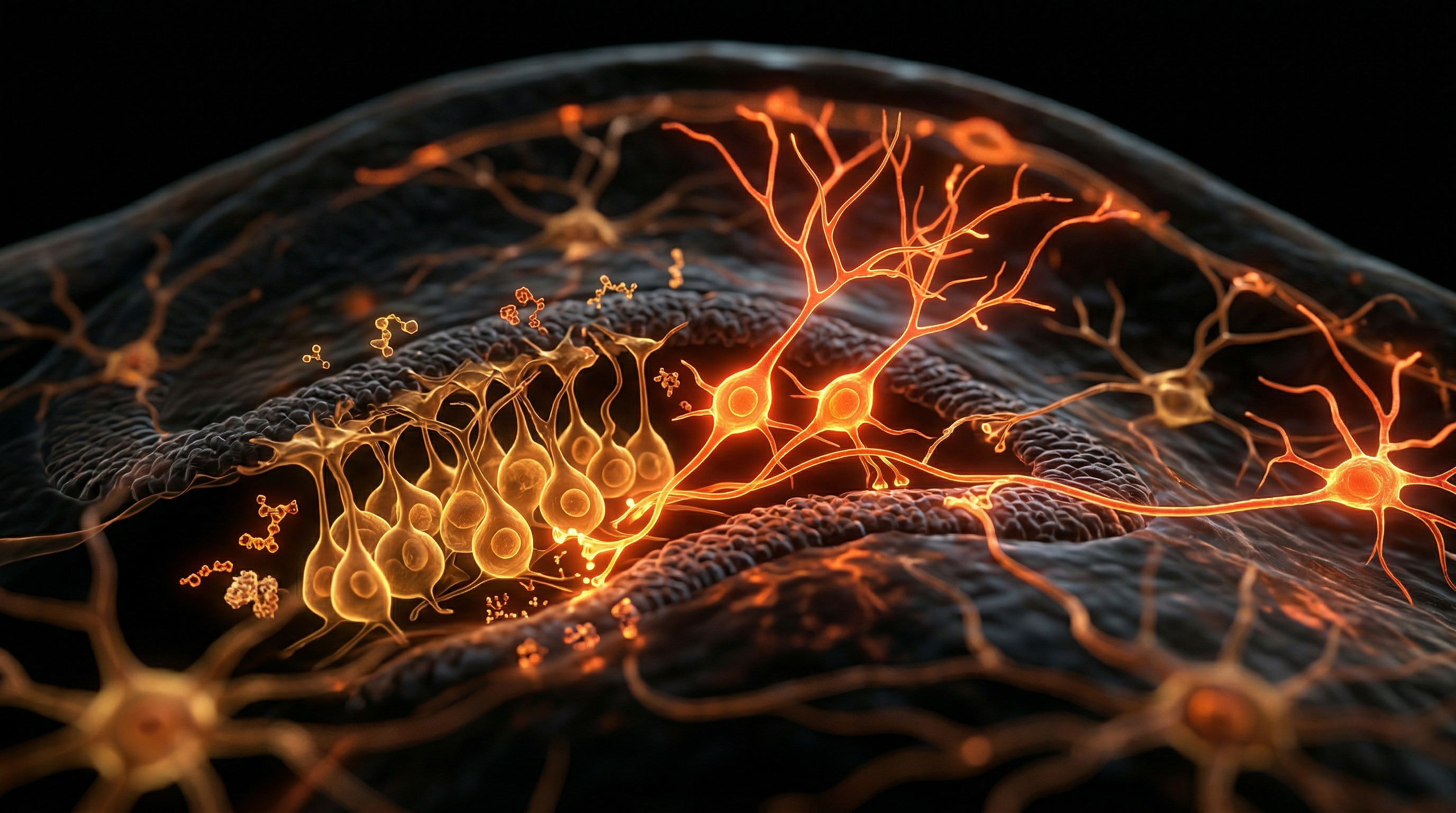
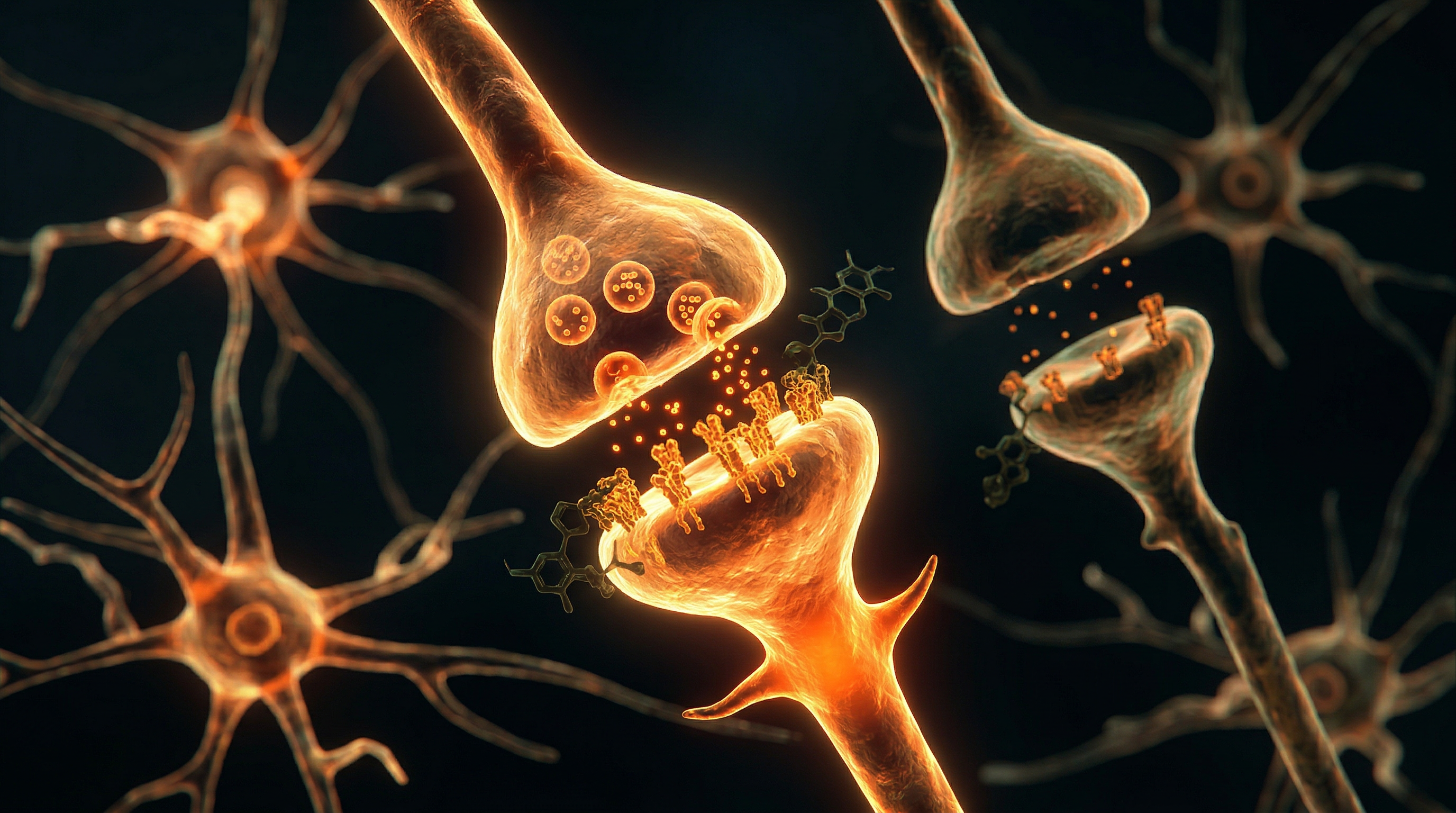
Synaptic plasticity — the capacity of synaptic connections between neurons to strengthen (long-term potentiation, LTP) or weaken (long-term depression, LTD) in response to patterns of neural activity — is the cellular and molecular basis of learning, memory formation, and adaptive behaviour, underpinned by rapid changes in AMPA and NMDA glutamate receptor trafficking, dendritic spine morphology, and gene expression programmes governed by CREB and other transcription factors. BDNF (brain-derived neurotrophic factor) — the primary molecular mediator of synaptic plasticity and neurogenesis — is synthesised in response to physical exercise, environmental enrichment, omega-3 fatty acid intake, and certain plant phytochemicals, whilst being suppressed by chronic stress, systemic inflammation, heavy metal accumulation, pesticide exposure, and sleep deprivation. The epidemic of cognitive impairment, learning difficulties, and memory decline in the UK population — affecting people at increasingly younger ages — is therefore not primarily a genetic phenomenon but reflects the systematic suppression of the neuroplasticity mechanisms that the environmental toxin burden of modern life is inflicting on every generation.