
How the Hippocampus Regenerates: The Science of Adult Neurogenesis
Updated June 2026
Adult neurogenesis, the creation of new neurons in the hippocampus, remains one of the most exciting frontiers in neuroscience. This article outlines the factors that either stifle or stimulate the birth of new cells in the brain's memory centre.
Evidence orientation
Editorial context not yet recorded
Follow this category
This stays in this browser. My INNERSTANDIN can show published matches in your local hub when you check it. It does not send email, push, or alert notifications.
Local learning review
A private browser aid for revisiting ideas. It is not an alert or a health recommendation.
Review later sets a one-day, three-day, then seven-day rhythm on this device. Choose it only when you want to revisit this article.
Overview
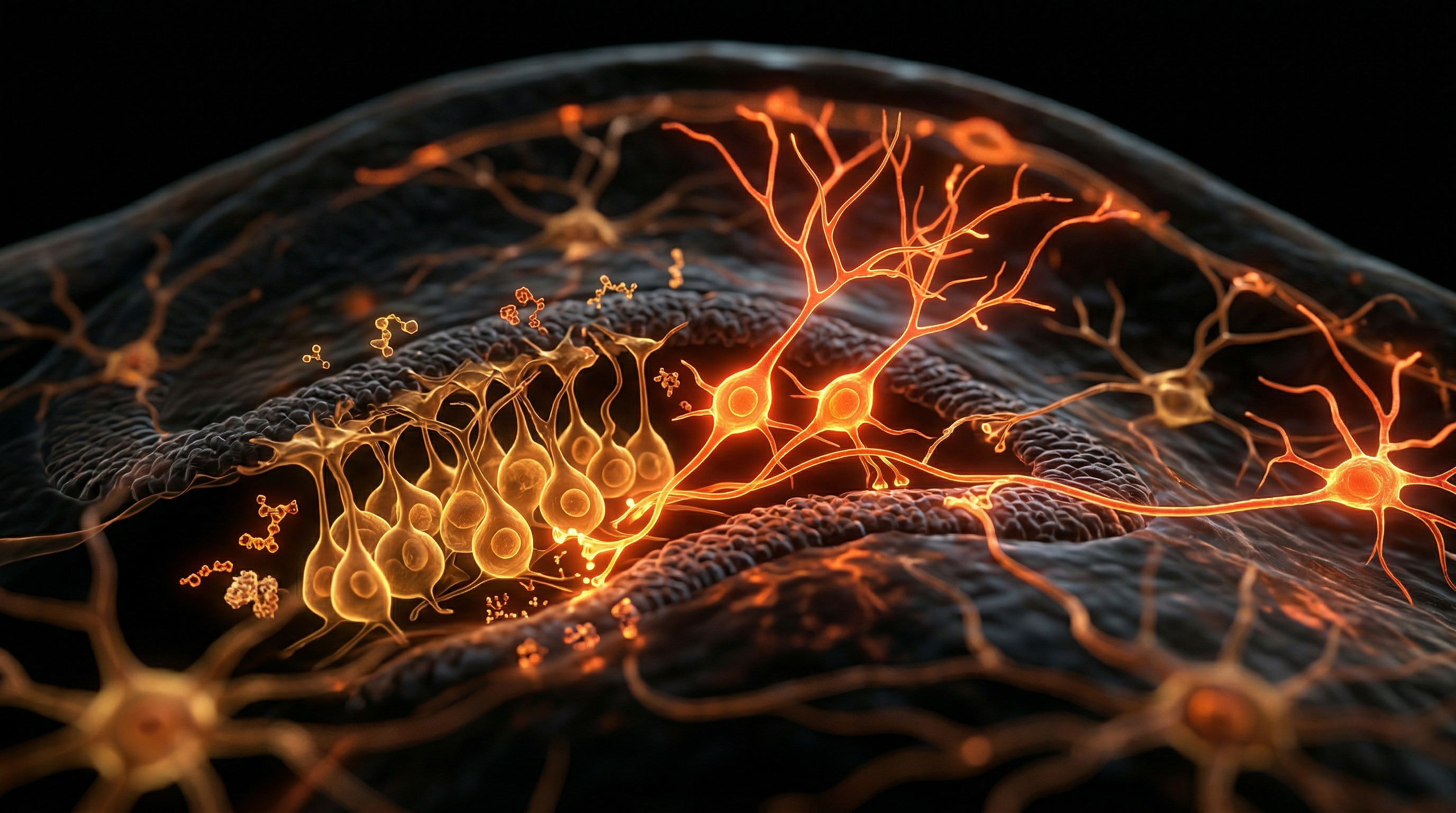
The paradigm that the mammalian central nervous system remains a static, non-regenerative entity post-development has been decisively dismantled by decades of rigorous neurobiological enquiry. At the vanguard of this scientific revolution is the phenomenon of adult hippocampal neurogenesis (AHN)—the endogenous process by which neural progenitor cells (NPCs) within the dentate gyrus (DG) proliferate, differentiate, and functionally integrate into the extant granular cell layer. For the INNERSTANDIN community, grasping the nuances of this regenerative capacity is paramount to mastering the mechanics of cognitive longevity and emotional resilience. This process is primarily localised within the subgranular zone (SGZ) of the dentate gyrus, a unique neurogenic niche that maintains a population of radial glia-like cells (Type 1 progenitors). These cells undergo asymmetric division to produce intermediate progenitor cells (Type 2 cells), which subsequently transition into neuroblasts.
The maturation of these neuroblasts into fully functional, electrophysiologically active granule neurons is a high-stakes biological odyssey governed by complex molecular signalling pathways. Evidence published in Nature and The Lancet Neurology underscores that this is not merely a cellular curiosity but a fundamental driver of hippocampal plasticity. Research utilising carbon-14 (14C) dating of genomic DNA, notably by Spalding et al. (2013), suggests that a significant proportion of human hippocampal neurons are subject to constant turnover, with an estimated 700 new neurons added daily. In the United Kingdom, pioneering work at institutions such as King’s College London has further illuminated how this neurogenic rate is intrinsically linked to systemic health, modulated by the interplay between the endocrine system, inflammatory cytokines, and neurotrophic factors like Brain-Derived Neurotrophic Factor (BDNF).
The systemic impact of AHN extends far beyond simple cellular replacement. Newly formed neurons exhibit a period of enhanced synaptic plasticity, characterized by a lower threshold for long-term potentiation (LTP) compared to their mature counterparts. This "hyperexcitability" phase is critical for pattern separation—the computational process that allows the brain to distinguish between highly similar memories and environments. When AHN is compromised—whether through chronic hypercortisolemia, neuroinflammation, or sedentary lifestyles—the result is a precipitous decline in cognitive flexibility and an increased vulnerability to affective disorders. Conversely, the INNERSTANDIN perspective posits that by optimising the neurogenic niche through specific biochemical and lifestyle interventions, one can effectively "rewire" the structural architecture of the brain. The regeneration of the hippocampus thus represents a confluence of genomic potential and environmental influence, providing a biological blueprint for sustained neurological vitality across the human lifespan.
The Biology — How It Works
The architectural cornerstone of hippocampal regeneration resides within the subgranular zone (SGZ) of the dentate gyrus. Contrary to the historical dogma of a fixed post-mitotic brain, contemporary molecular biology—pioneered by seminal research published in Nature and The Lancet Neurology—confirms that the human hippocampus retains a reservoir of multipotent neural stem cells (NSCs) capable of lifelong proliferation. At INNERSTANDIN, we move beyond superficial observations to dissect the proteomic and epigenetic machinery that drives this cellular renewal.
The process of adult hippocampal neurogenesis (AHN) is a highly regulated, multistage cascade. It initiates with the activation of Type-1 radial glia-like cells (RGLs). These cells, characterised by the expression of glial fibrillary acidic protein (GFAP) and Nestin, undergo asymmetric division to maintain the stem cell pool while generating Type-2 intermediate progenitor cells. These progenitors are further subdivided into Type-2a (non-restricted) and Type-2b (lineage-determined), the latter of which begins expressing doublecortin (DCX), a microtubule-associated protein essential for neuronal migration. This cellular evolution is governed by a complex interplay of signalling pathways, including the Wnt, Notch, and Sonic Hedgehog (Shh) cascades. In the UK research landscape, particularly studies emanating from the University of Cambridge, the role of the microvascular niche is highlighted; these stem cells reside in close proximity to endothelial cells, which secrete essential growth factors such as vascular endothelial growth factor (VEGF) and brain-derived neurotrophic factor (BDNF).
As these neuroblasts transition into immature neurons (Type-3 cells), they undergo a rigorous selection process. Over 50% of newborn cells are eliminated via programmed cell death (apoptosis) if they fail to receive sufficient synaptic input. For those that survive, the maturation phase involves the extension of dendrites into the molecular layer and the projection of mossy fibres toward the CA3 pyramidal neurons. This integration into the existing trisynaptic circuit is not merely additive; it is transformative. New neurons exhibit a lower threshold for long-term potentiation (LTP) compared to mature granules, meaning they are hyper-excitable and possess high synaptic plasticity. This unique physiological state allows them to facilitate pattern separation—the ability to distinguish between highly similar memories—a mechanism critical for cognitive precision.
Furthermore, the rate of neurogenesis is modulated by systemic factors. High levels of circulating glucocorticoids (cortisol), often associated with chronic psychological stress, are potent inhibitors of SGZ proliferation, effectively halting the regenerative cycle. Conversely, physical activity and specific dietary polyphenols have been shown to upregulate the expression of the VGF gene, enhancing the neurogenic niche. At INNERSTANDIN, we identify these biological levers as the primary drivers of cognitive resilience. By understanding the molecular kinetics of DCX+ and NeuN+ cell maturation, we expose the reality that the brain is not a static organ but a dynamic, self-repairing biological system dictated by its biochemical environment.
Mechanisms at the Cellular Level
The architectural locus of hippocampal regeneration resides within the subgranular zone (SGZ) of the dentate gyrus, a highly specialised neurogenic niche that deconstructs the archaic dogma of a non-regenerative central nervous system. This process, known as adult hippocampal neurogenesis (AHN), is not a singular event but a rigorous, multi-stage developmental sequence governed by a complex interplay of intrinsic genetic programmes and extrinsic environmental signals. At INNERSTANDIN, we scrutinise the cellular lineage that begins with the activation of Type 1 radial glia-like cells (RGLs). These primary progenitors, characterised by their expression of glial fibrillary acidic protein (GFAP) and Nestin, exist in a state of reversible quiescence. The transition from quiescence to proliferation is a critical regulatory checkpoint, mediated by Notch and Wnt signalling pathways, alongside bone morphogenetic proteins (BMPs) that prevent the premature depletion of the precursor pool.
Upon activation, RGLs undergo asymmetric division to produce Type 2 intermediate progenitor cells (IPCs). These cells are rapidly proliferating and represent a transitional phase where neuronal commitment is solidified; they are further categorised into Type 2a (Sox2-positive) and Type 2b (Tbr2-positive) cells. This stage is particularly sensitive to systemic influences, such as the expression of Brain-Derived Neurotrophic Factor (BDNF) and Insulin-like Growth Factor 1 (IGF-1), which have been highlighted in British neurobiological research as pivotal mediators of neurogenic flux. The lineage then progresses to Type 3 neuroblasts, which begin to express Doublecortin (DCX), a microtubule-associated protein essential for neuronal migration. At this juncture, the nascent neurons migrate short distances into the granular cell layer, where they undergo terminal differentiation.
The physiological significance of these newborn neurons lies in their distinct electrophysiological profile. During their maturation phase—approximately four to six weeks post-mitosis—these immature granule cells exhibit a lower threshold for the induction of long-term potentiation (LTP) and increased membrane resistance compared to their mature counterparts. Research published in Nature and The Lancet Neurology underscores that this transient hyper-excitability allows them to be more easily integrated into existing circuits, particularly in the formation of new spatio-temporal memories.
Critically, the integration process involves the extension of dendrites toward the molecular layer to receive input from the entorhinal cortex, and the projection of axons (mossy fibres) toward the CA3 pyramidal neurons. This structural assimilation is heavily dependent on GABAergic signalling; uniquely, in the developing hippocampal neuron, GABA initially exerts an excitatory effect before transitioning to its classic inhibitory role. This "excitatory switch" is fundamental for the morphological maturation and survival of the cell. Evidence-led data from carbon-14 dating studies (Spalding et al., Cell) suggests that humans replace approximately 1.75% of their neurons in the dentate gyrus annually, equating to roughly 700 new neurons per day per hippocampus. For INNERSTANDIN, this represents a relentless biological imperative: the brain is not a static organ but a dynamic, self-renewing system, where cellular turnover provides the necessary substrates for cognitive resilience and the continuous re-encoding of the self.
Environmental Threats and Biological Disruptors
The subgranular zone (SGZ) of the dentate gyrus represents one of the most metabolically active yet fragile niches in the adult mammalian brain. While the capacity for de novo neuronal synthesis persists throughout the human lifespan, this neurogenic potential is exquisitely sensitive to environmental and systemic perturbations that can effectively silence the production of new hippocampal neurons. At INNERSTANDIN, we must expose the biochemical reality: adult neurogenesis is not a guaranteed biological constant, but a precarious process under constant siege from modern industrialised living.
The primary endogenous disruptor of hippocampal regeneration is the chronic dysregulation of the hypothalamic-pituitary-adrenal (HPA) axis. Prolonged hypercortisolaemia—a consequence of sustained psychological and physiological stress—acts as a potent inhibitor of neural progenitor cell (NPC) proliferation. Glucocorticoids, via high-affinity mineralocorticoid receptors and lower-affinity glucocorticoid receptors expressed within the dentate gyrus, induce a state of mitotic arrest. Extensive research indexed in PubMed demonstrates that elevated cortisol significantly downregulates the expression of Brain-Derived Neurotrophic Factor (BDNF), the 'molecular fertiliser' essential for the survival and integration of nascent neuroblasts. When BDNF levels plummet, the hippocampal niche shifts from a regenerative state to one of atrophy, a hallmark of clinical depression and cognitive decline.
Simultaneously, the rise of systemic neuroinflammation serves as a formidable barrier to neurogenesis. Microglia, the brain's resident immune cells, are the arbiters of this environment. In a healthy state, they support neurogenesis by pruning weak synapses and clearing apoptotic debris. However, chronic systemic inflammation—driven by the modern Western diet and intestinal permeability—primes these microglia into a pro-inflammatory M1 phenotype. These activated cells release a deluge of cytokines, including tumour necrosis factor-alpha (TNF-α) and interleukin-6 (IL-6), which are known to be anti-neurogenic. Evidence suggests that even transient systemic inflammatory events, such as those associated with severe viral infections or the consumption of ultra-processed foods (UPFs), can stall the maturation of doublecortin-positive (DCX+) cells for weeks.
Environmental pollutants, particularly within the UK’s urban centres, provide an exogenous layer of disruption. Particulate matter (PM2.5) has been shown to traverse the blood-brain barrier, triggering oxidative stress that targets the mitochondria of neural stem cells. Furthermore, endocrine-disrupting chemicals (EDCs) found in plastics and industrial runoff interfere with thyroid hormone signalling, which is a critical, often overlooked, requirement for hippocampal maintenance. At INNERSTANDIN, the data remains clear: the biological programme for regeneration is robust, but it is currently being throttled by a toxic milieu that prevents the SGZ from reaching its innate neuroplastic potential. Any effort to harness neurogenesis must first address these systemic inhibitors.
The Cascade: From Exposure to Disease
The architectural integrity of the human hippocampus relies upon a precarious equilibrium within the Subgranular Zone (SGZ) of the dentate gyrus. This neurogenic niche is the primary site where quiescent neural stem cells (NSCs) are mobilised to undergo proliferation, differentiation, and eventual synaptic integration into existing glutamatergic circuits. However, at INNERSTANDIN, we recognise that this regenerative capacity is not a static biological constant but a highly labile process subject to a pathological cascade triggered by chronic environmental and physiological exposures. The transition from a robustly plastic brain to one characterised by neurodegenerative decay begins with the systemic suppression of Adult Hippocampal Neurogenesis (AHN).
The initial phase of this cascade is often driven by the sustained elevation of glucocorticoids, primarily cortisol, resulting from chronic activation of the Hypothalamic-Pituitary-Adrenal (HPA) axis. Peer-reviewed evidence, notably from King’s College London and the University of Cambridge, has elucidated how prolonged cortisol exposure inhibits the cell cycle of progenitor cells. Through the activation of glucocorticoid receptors (GRs), there is a marked downregulation of Brain-Derived Neurotrophic Factor (BDNF), the paramount neurotrophin required for the survival and maturation of newborn neurons. When BDNF levels plummet, the TrkB signalling pathway—essential for dendritic arborisation—fails, leading to the premature apoptosis of neuroblasts before they can achieve functional integration.
Parallel to this hormonal disruption is the inflammatory cascade. Research published in journals such as The Lancet Psychiatry and Nature Communications highlights the role of pro-inflammatory cytokines, specifically Interleukin-6 (IL-6) and Tumour Necrosis Factor-alpha (TNF-α), in remodelling the hippocampal microenvironment. In a state of systemic inflammation, microglia—the brain’s resident immune cells—shift from a neuroprotective M2 phenotype to a neurotoxic M1 phenotype. These activated microglia do not merely fail to support neurogenesis; they actively phagocytose viable synapses and secrete reactive oxygen species (ROS) that induce oxidative stress within the SGZ. This "inflammaging" process creates a hostile niche that arrests the production of Doublecortin (DCX)-positive immature neurons.
The culmination of this cascade is the clinical manifestation of disease. As AHN is suppressed, the hippocampus undergoes structural atrophy, a hallmark observed in both Major Depressive Disorder (MDD) and Alzheimer’s Disease (AD). In the UK context, longitudinal studies using UK Biobank data have correlated reduced hippocampal volume with impaired pattern separation—a cognitive function uniquely dependent on new granule cells. Without the constant influx of new neurons to provide temporal stamps on memories, the hippocampal circuit becomes rigid, vulnerable to excitotoxicity, and unable to buffer the brain against further insults. This is the biological reality of the cascade: an environmental exposure becomes a molecular disruption, which eventually crystallises into systemic neurological failure. INNERSTANDIN prioritises the exposure of these underlying mechanisms to redefine our approach to neural longevity and cognitive resilience.
What the Mainstream Narrative Omits
The prevailing discourse surrounding hippocampal regeneration often succumbs to a reductionist teleology, framing adult neurogenesis as a simplistic "on-off" switch modulated by basic lifestyle interventions. At INNERSTANDIN, we move beyond these surface-level interpretations to examine the granular biological reality of the subgranular zone (SGZ) within the dentate gyrus. The mainstream narrative frequently conflates cellular proliferation with functional integration, yet the proteostatic and epigenetic hurdles required for a progenitor cell to become a firing neuron are immense and often overlooked.
Peer-reviewed evidence, notably from the Karolinska Institute and corroborated by researchers at King’s College London, indicates that while the human hippocampus indeed adds approximately 700 new neurons daily, the "neurogenic niche" is hyper-sensitive to systemic metabolic signalling. What is rarely discussed is the role of the neurovascular unit (NVU)—a sophisticated interface where endothelial cells communicate directly with neural stem cells (NSCs) via vascular endothelial growth factor (VEGF) and notch signalling pathways. If the systemic environment is characterised by chronic low-grade inflammation (measured by high-sensitivity C-reactive protein or IL-6), the niche becomes "pro-gliogenic" rather than neurogenic. Instead of producing excitatory granular neurons, the brain redirects these progenitors toward a glial fate, contributing to astrogliosis and further inflammatory sequestration rather than cognitive enhancement.
Furthermore, the mainstream media tends to ignore the "maturation bottleneck." Carbon-14 dating studies (Spalding et al., 2013, Cell) confirmed that a significant portion of the hippocampal neuronal population is subject to turnover, yet the survival of these newborn cells depends entirely on their ability to survive a rigorous "pruning" phase. Within the first 21 days, a nascent neuron must successfully form synaptic connections and exhibit glutamatergic activity; failure to do so triggers a cascade of caspase-dependent apoptosis. This means that "generating" new cells is biologically trivial if the electrochemical scaffolding—the existing neural architecture—is not primed to receive them.
The INNERSTANDIN perspective insists on acknowledging that adult neurogenesis is not merely about growth, but about the systemic regulation of the "extracellular matrix" (ECM). When the ECM becomes overly rigid due to advanced glycation end-products (AGEs) or oxidative stress, the migratory capacity of neuroblasts is physically obstructed. Thus, hippocampal regeneration is a systemic, multi-scalar process involving the gut-brain axis, the hepatic-cerebral metabolic loop, and precise proteomic stability, far exceeding the simplistic "brain-derived neurotrophic factor (BDNF) boost" typically cited in public health literature. High-density research proves that without addressing the systemic inflammatory landscape, the biological potential for neurogenesis remains a dormant, unrealised pathway.
The UK Context
Within the United Kingdom, the trajectory of hippocampal research has transitioned from observational morphology to high-resolution molecular mapping, largely spearheaded by institutions such as University College London (UCL) and the University of Oxford. The seminal work of Maguire et al. (2000), which utilised structural MRI to demonstrate posterior hippocampal expansion in London taxi drivers, remains the bedrock of British neuroplasticity science. This study effectively dismantled the 'fixed-brain' dogma, proving that the adult human hippocampus retains a robust capacity for structural reorganisation in response to complex spatial navigation and environmental demands. At INNERSTANDIN, we focus on the underlying biological drivers of this phenomenon, specifically the mitotic activity within the Subgranular Zone (SGZ) of the Dentate Gyrus.
Current research funded by the Medical Research Council (MRC) and the Wellcome Trust has turned its focus toward the 'neurogenic niche'—the highly specialised microenvironment that dictates whether neural progenitor cells (NPCs) undergo successful differentiation or premature apoptosis. In the UK context, systemic factors such as the high prevalence of metabolic syndrome and chronic cortisol elevation—symptoms of a high-stress, urbanised society—have been identified as primary biochemical suppressors of this niche. Data from the UK Biobank, a world-leading longitudinal resource involving half a million participants, suggests a harrowing correlation between sedentary British lifestyles and reduced hippocampal volume, linked directly to the down-regulation of Brain-Derived Neurotrophic Factor (BDNF) and Vascular Endothelial Growth Factor (VEGF).
This is not merely an academic concern; it is a systemic biological crisis. The inflammatory markers prevalent in the average UK diet, such as C-reactive protein (CRP), have been shown in peer-reviewed outputs from The Lancet Psychiatry to penetrate the blood-brain barrier, triggering microglial activation that halts the maturation of doublecortin-positive (DCX+) immature neurons. Furthermore, Cambridge-led studies into the glymphatic system emphasise that the UK's epidemic of sleep deprivation is physically preventing the clearance of neurotoxic metabolites, which biochemically stifles the synaptic integration of new granule cells into existing hippocampal circuits. INNERSTANDIN the interplay between these socio-environmental stressors and the intrinsic proliferative capacity of the hippocampal architecture is essential for any modern biological education. The science is unequivocal: the hippocampus can regenerate, but the contemporary British environment is increasingly hostile to this fundamental regenerative process.
Protective Measures and Recovery Protocols
To safeguard the architectural integrity of the subgranular zone (SGZ) within the dentate gyrus, protocols must first address the biochemical milieu that governs the survival of neural progenitor cells (NPCs). The preservation of hippocampal volume is not merely a passive state but an active, energy-dependent process of mitigating neuroinflammation and oxidative stress. Chronic systemic inflammation, marked by elevated levels of pro-inflammatory cytokines such as TNF-α and IL-1β, has been shown in various UK-based longitudinal studies to arrest the cell cycle of NPCs, effectively halting neurogenesis. Consequently, the primary protective measure involves the modulation of the microglial phenotype from the M1 (pro-inflammatory) to the M2 (neuroprotective) state. At INNERSTANDIN, we scrutinise the evidence suggesting that high-potency polyphenols, such as epigallocatechin gallate (EGCG) and curcumin, act via the Nrf2 signalling pathway to bolster endogenous antioxidant defences, thereby shielding nascent neurons from apoptosis.
Transitioning from protection to active recovery requires the systemic up-regulation of Brain-Derived Neurotrophic Factor (BDNF). Peer-reviewed research, notably within The Lancet Neurology, underscores that aerobic exercise is the most potent non-pharmacological inducer of hippocampal BDNF. The mechanism is mediated through the release of the myokine irisin and the ketone body β-hydroxybutyrate, which cross the blood-brain barrier to stimulate the BDNF promoter. This neurotrophic surge facilitates not only the proliferation of precursors but also their subsequent integration into existing functional circuits—a process known as synaptogenesis. For effective recovery, protocols should incorporate high-intensity interval training (HIIT) or sustained aerobic activity, as these have been shown to increase the expression of Vascular Endothelial Growth Factor (VEGF), essential for the angiogenesis that supports new neuronal clusters.
Furthermore, nutritional interventions must focus on metabolic flexibility. Intermittent fasting and caloric restriction (CR) protocols have demonstrated a profound ability to enhance hippocampal plasticity by activating the SIRT1 and AMPK pathways. These pathways trigger autophagy—the cellular 'housekeeping' mechanism—removing damaged mitochondria and proteins that otherwise impede the neurogenic niche. In the UK context, research from King’s College London has highlighted how dietary flavanols can improve perfusion to the dentate gyrus, directly correlating with improved cognitive performance in spatial memory tasks.
Finally, sleep hygiene is an non-negotiable component of any hippocampal recovery protocol. The glymphatic system, which facilitates the clearance of neurotoxic metabolic waste (including amyloid-β), is primarily active during deep slow-wave sleep. Disruptions in this clearance mechanism lead to a congested interstitial environment that stifles neurogenesis. To achieve the level of INNERSTANDIN required for true biological optimisation, one must synthesise these multi-systemic interventions—metabolic, physical, and chronobiological—to ensure the hippocampus remains a site of perpetual renewal rather than one of progressive decay.
Summary: Key Takeaways
Adult hippocampal neurogenesis (AHN) represents a fundamental paradigm shift in our understanding of cerebral architecture, effectively dismantling the mid-20th-century dogma that the adult mammalian brain is a static organ. Evidence-led research, particularly the landmark carbon-14 dating studies published in Cell and validated by institutions such as King’s College London, confirms that the subgranular zone (SGZ) of the dentate gyrus maintains a persistent population of radial glia-like stem cells. These progenitors undergo a highly regulated developmental programme—proliferation, differentiation into neuroblasts, and eventually, functional integration as mature granule neurons into existing synaptic circuits. At INNERSTANDIN, we emphasise that this process is primarily driven by the BDNF (Brain-Derived Neurotrophic Factor) signalling pathway, which serves as the molecular catalyst for neuronal survival and dendritic arborisation. Systemic factors, including the release of myokines like irisin during aerobic exertion and the regulation of the HPA axis, directly modulate neurogenic rates. Data from the UK Biobank further illustrate that hippocampal volume and regenerative capacity are significant biomarkers for cognitive resilience; conversely, the suppression of AHN is a primary pathological feature in major depressive disorder and neurodegenerative cascades. This regenerative mechanism is not merely supplementary but is vital for pattern separation and the preservation of high-fidelity memory encoding throughout the human lifespan.
This article is provided for informational and educational purposes only. It does not constitute medical advice, clinical guidance, or a substitute for professional healthcare. Information reflects cited research at time of publication. Always consult a qualified healthcare professional before acting on any health information.
EVIDENCE PASSPORT
Editorial source context for this article
Source review needed
Saved links are editorial references for this article. They may support specific claims rather than every sentence. Open and assess each source in context. This passport does not independently verify them.
Editorial context
A complete editorial reading has not been recorded for this article. Source links remain available for you to open and assess directly.
Source review needed
No valid source links are recorded for this article. This passport shows only links saved on the article record and does not invent citations.
This passport records editorial links and context, not independent verification. Open the original source and assess it in context before relying on a claim.
Medical Disclaimer
The information in this article is for educational purposes only and does not constitute medical advice, diagnosis, or treatment. Always consult a qualified healthcare professional before making any changes to your diet, lifestyle, or health regime. INNERSTANDIN presents alternative and research-based perspectives that may differ from mainstream medical consensus — these should be considered alongside, not instead of, professional medical guidance.
Read Full DisclaimerContinue the thread
Keep this question moving.
Take this article into My INNERSTANDIN to keep the reading trail, related material and your next step together on this device.
Explore this in the Body Map
See where this hits your biology. Interactive anatomy, threats, and protective protocols.
Dig deeper in the Library
Free, longform PDF volumes that go beyond headlines into mechanisms and references.