
Neuroplasticity: How Psychedelics Re-Wire Neural Connections
Updated May 2026
Psychedelics are 'psychoplastogens' that promote the growth of new dendritic spines and strengthen synaptic connections. Learn how this 'plastic window' provides a unique opportunity for long-term mental health recovery and habit change.
Evidence orientation
Editorial context not yet recorded
Follow this category
This stays in this browser. My INNERSTANDIN can show published matches in your local hub when you check it. It does not send email, push, or alert notifications.
Local learning review
A private browser aid for revisiting ideas. It is not an alert or a health recommendation.
Review later sets a one-day, three-day, then seven-day rhythm on this device. Choose it only when you want to revisit this article.
Overview
For decades, the mainstream psychiatric establishment has operated under a reductionist framework: the "chemical imbalance" theory. This narrative suggested that mental health disorders, from clinical depression to chronic anxiety, were simply the result of a deficiency in neurotransmitters like serotonin or dopamine. However, as the global mental health crisis accelerates—with millions in the United Kingdom and beyond remaining "treatment-resistant"—biological research is finally exposing the truth. The problem is not merely a lack of "brain juice"; it is a failure of structural connectivity.
We are currently witnessing a seismic shift in neuroscience, moving away from neurochemical replacement and toward neuroplasticity. At the heart of this revolution are psychoplastogens—a specific class of small molecules, most notably psychedelic compounds like psilocybin, LSD, and DMT, which possess the extraordinary ability to physically remodel the brain.
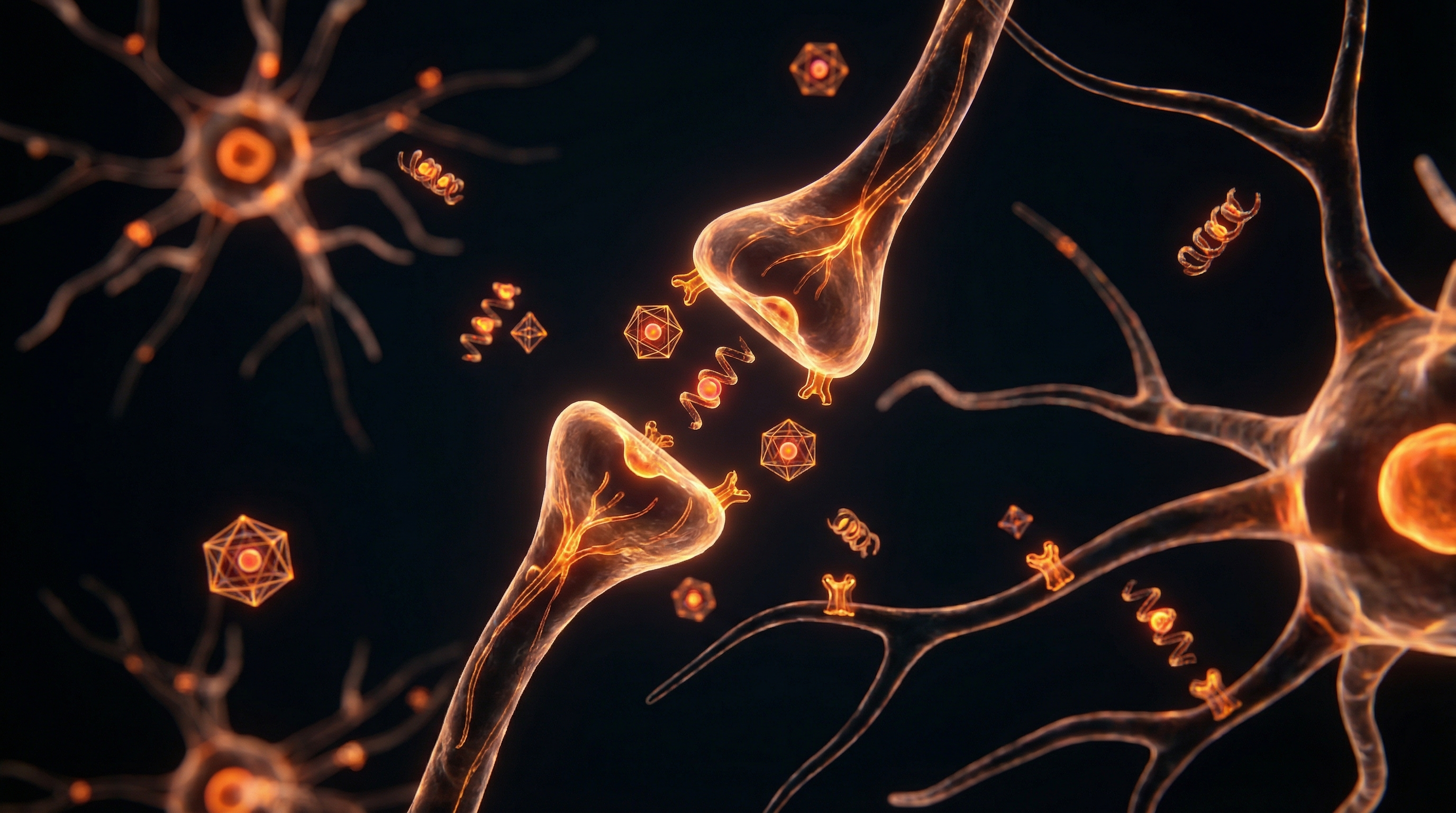
Neuroplasticity is the brain's innate ability to reorganise itself by forming new neural connections throughout life. It is the biological basis for learning, memory, and recovery from trauma. In a healthy brain, neurons are like lush, branching trees with dense canopies of dendritic spines. In the "locked-in" brain of a depressed or traumatised individual, these branches wither, the synapses retract, and the brain loses its ability to adapt.
This article provides an uncompromising look at how psychedelics bypass the slow, often ineffective pathways of traditional pharmaceuticals to trigger a rapid "biological spring" within the cranium. We will dissect the cellular mechanics of synaptogenesis, the role of BDNF (Brain-Derived Neurotrophic Factor), and the environmental factors that are currently poisoning our collective neuroplastic potential. This is the science of how we re-wire the human spirit by first re-wiring the human biological machine.
Every 40 seconds, someone in the world takes their own life. In the UK, suicide remains the leading cause of death for men under 50. Traditional antidepressants often take 6–8 weeks to show efficacy—if they work at all—while a single dose of a psychoplastogen can induce structural neural changes within hours.
##
The Biology — How It Works
To understand how psychedelics re-wire the brain, we must first understand the fundamental unit of communication: the synapse. The human brain contains approximately 86 billion neurons, each capable of forming thousands of connections. These connections are not static; they are in a constant state of flux, a process known as synaptic plasticity.
The 5-HT2A Receptor: The Master Switch
The primary gateway through which psychedelics exert their transformative effects is the 5-HT2A receptor, a subtype of the serotonin receptor found in high densities throughout the prefrontal cortex—the region responsible for complex cognitive behaviour, personality expression, and decision-making.
Unlike standard SSRIs (Selective Serotonin Reuptake Inhibitors), which simply increase the amount of serotonin available in the synaptic cleft, psychedelics act as direct agonists to the 5-HT2A receptor. When a molecule like psilocin (the active metabolite of psilocybin) binds to this receptor, it doesn’t just trigger a mood boost; it initiates a complex intracellular signaling cascade that tells the neuron to grow.
Beyond the Surface: Intracellular Signaling
Recent groundbreaking research has revealed a "suppressed" biological truth: 5-HT2A receptors are not only located on the surface of neurons but also inside them. This is crucial because psychedelic molecules are lipophilic (fat-soluble), meaning they can cross the cell membrane and bind to internal receptors. This internal binding is what specifically triggers the growth of dendritic spines.
The Role of BDNF
The binding of psychedelics to these receptors leads to the rapid release of Brain-Derived Neurotrophic Factor (BDNF). Think of BDNF as "Miracle-Gro" for the brain. It is a protein that promotes the survival of existing neurons and encourages the growth and differentiation of new neurons and synapses.
In individuals suffering from chronic stress or depression, BDNF levels are chronically suppressed. This leads to atrophy of the hippocampus and the prefrontal cortex. Psychedelics effectively "flip the switch" on BDNF production, bypassing the months of therapy or medication typically required to see even a marginal increase in this vital protein.
- Synaptogenesis: The formation of new synapses between neurons.
- Dendritogenesis: The growth of new dendritic branches (the "arms" of the neuron).
- Spinogenesis: The creation of new dendritic spines, which are the primary sites of excitatory synaptic input.
##
Mechanisms at the Cellular Level
When we zoom in further, the sheer precision of psychedelic action is staggering. The process of re-wiring is not a chaotic explosion of growth, but a highly orchestrated biological event involving specific molecular pathways.
The mTOR Pathway
One of the most critical pathways activated by psychoplastogens is the mTOR (mammalian target of rapamycin) pathway. This is a central regulator of cell growth and protein synthesis. When psychedelics activate 5-HT2A receptors, they trigger the phosphorylation of enzymes that eventually lead to the activation of mTOR.
Once mTOR is activated, the cell begins producing the proteins necessary for building new synaptic scaffolding. This includes proteins like PSD-95 (Postsynaptic Density Protein 95), which acts as a structural anchor for receptors at the synapse. Without these proteins, new connections would be flimsy and short-lived; with them, the re-wiring becomes structurally sound and capable of long-term persistence.
Glutamate Surges and "Cross-Talk"
Psychedelics also induce a controlled "surge" of glutamate, the brain's primary excitatory neurotransmitter, in the prefrontal cortex. This glutamate release facilitates increased communication between disparate brain regions that do not typically "talk" to one another.
Using fMRI (functional Magnetic Resonance Imaging), researchers have observed that under the influence of psychedelics, the Default Mode Network (DMN)—the circuit associated with self-reflection, rumination, and the "ego"—is downregulated. Simultaneously, there is a massive increase in global functional connectivity. This "global talk" allows the brain to escape the rigid, pathological loops of thought that characterise depression and OCD, creating a "plastic window" where new, healthier associations can be forged.
Epigenetic Remodelling
Perhaps most profound is the evidence that psychedelics may induce epigenetic changes. This means they don't change your DNA sequence, but they change how your genes are expressed. By altering the "histone acetylation" (the way DNA is wrapped), psychedelics can "unlock" certain genes related to neuroplasticity and resilience that were previously silenced by trauma or environmental stress.
Biological Fact: Research has shown that a single sub-perceptual dose of certain psychoplastogens can increase the number of dendritic spines in cortical neurons by up to 40% within 24 hours. This rate of growth is virtually unseen in any other class of pharmacological agent.
##
Environmental Threats and Biological Disruptors
While we discuss the potential for re-wiring the brain, we must address the "elephant in the room": the modern world is fundamentally anti-plastic. The biological reality is that we are living in a neurotoxic environment that actively inhibits the very mechanisms psychedelics seek to restore.
The Glyphosate Crisis
One of the most insidious threats to UK neurobiology is glyphosate, the active ingredient in many common herbicides used in British industrial agriculture. Glyphosate has been shown to disrupt the gut-brain axis by destroying the beneficial bacteria in our microbiome that produce the precursors to serotonin and dopamine.
Furthermore, emerging evidence suggests glyphosate can act as a "chelator," stripping the body of essential minerals like magnesium and zinc, which are co-factors for BDNF production. If the body lacks the raw mineral materials, the "re-wiring" stimulated by psychedelics will be stunted and incomplete.
Endocrine Disruptors and Neuroinflammation
Our environment is saturated with phthalates and bisphenols (BPA/BPS), found in plastics and food packaging across the UK. These chemicals are potent endocrine disruptors that can cross the blood-brain barrier and trigger microglial activation.
Microglia are the brain's resident immune cells. When they are chronically activated by toxins, they shift from their "nurturing" state to a "pro-inflammatory" state. In this state, they actually begin to prune (eat) healthy synapses, directly counteracting the effects of neuroplasticity. This "neuro-inflammation" is the biological root of what the mainstream calls "brain fog."
Heavy Metals and Oxidative Stress
The UK's industrial legacy and aging infrastructure mean that many citizens are exposed to sub-clinical levels of lead, mercury, and aluminium through water and air. These metals induce oxidative stress, creating reactive oxygen species (ROS) that damage the delicate lipids in the neuronal membrane. A damaged membrane cannot effectively support the 5-HT2A receptors, making the brain less responsive to both endogenous serotonin and exogenous psychoplastogens.
- Fluoride: Commonly added to water supplies in parts of the UK; some studies suggest it may interfere with the calcification of the pineal gland and inhibit certain neuroprotective enzymes.
- Air Pollution (PM2.5): Fine particulate matter that can enter the brain via the olfactory bulb, triggering systemic neuroinflammation.
##
The Cascade: From Exposure to Disease
How do these environmental factors translate into the rigid, "un-plastic" brain of a person suffering from mental illness? It is a cascading biological failure.
- Chronic Environmental Stress/Toxins: The body is bombarded with cortisol (from stress) and neurotoxins (from the environment).
- Downregulation of BDNF: The brain's natural "repair manual" is suppressed. The gene expression for BDNF is turned off to save energy for immediate survival (the "fight or flight" response).
- Dendritic Atrophy: Without BDNF, the complex branches of the neurons in the prefrontal cortex and hippocampus begin to wither. This is the physical manifestation of "losing one's mind."
- Neural Rigidity: The brain defaults to its most well-worn paths—the Default Mode Network. This manifests as obsessive rumination, addiction, and a narrowed perception of reality.
- Clinical Pathology: This rigidity is then diagnosed as "Major Depressive Disorder" or "Generalised Anxiety Disorder," and the patient is given a "maintenance" drug that does nothing to address the underlying structural decay.
This is why the psychedelic experience is often described as a "reboot." It provides a sudden, high-intensity stimulus that forces the brain out of its stagnant state, clearing the "metabolic debris" and demanding the growth of new connections.
The UK's Environment Agency and the FSA (Food Standards Agency) have consistently come under fire for allowing higher "acceptable" levels of certain neurotoxic pesticides than were previously permitted under EU regulations. This regulatory "slack" directly contributes to the UK's rising rates of neurodegenerative and neurodevelopmental conditions.
##
What the Mainstream Narrative Omits
The mainstream medical narrative, largely funded by the pharmaceutical industry, has a vested interest in "managing" symptoms rather than "curing" pathology. If a patient is cured through a one-time structural re-wiring, the "lifetime customer" model of psychiatry collapses.
The Failure of the Monoamine Hypothesis
The monoamine hypothesis (the "chemical imbalance" theory) has been largely debunked by the scientific community, yet it remains the primary way GPs in the UK explain depression to patients. Recent meta-analyses (such as those from University College London) have shown no consistent link between low serotonin levels and depression.
Psychedelics expose this truth because their lasting benefits (weeks or months after a single dose) persist long after the drug has left the system. This proves that the benefit is not from the "chemical" being present, but from the structural changes the chemical left behind.
The "Plastic Window" of Integration
The mainstream narrative also fails to mention the critical period or "plastic window." After a psychedelic experience, the brain remains in a state of heightened plasticity for several days or weeks. This is a "double-edged sword."
During this time, the brain is highly sensitive to environmental input. If the individual returns to a toxic environment (both socially and biologically), the new synapses may be "pruned" or wired into even more maladaptive patterns. True recovery requires "Integration"—a process of deliberate habit change, nutritional support, and environmental detoxification—which is rarely discussed in clinical summaries.
The Microdosing "Sub-Perceptual" Reality
While "tripping" gets the headlines, sub-perceptual microdosing (taking 1/10th of a recreational dose) also promotes neuroplasticity via the same 5-HT2A and BDNF pathways, but without the hallucinogenic interruption. This suggests that the "mystical experience" is not the only mechanism of healing; the biological "re-wiring" is a distinct, measurable event that can occur without a loss of daytime function.
##
The UK Context
The United Kingdom finds itself at a crossroads. On one hand, we have world-leading institutions like the Centre for Psychedelic Research at Imperial College London, which produced some of the first modern scans of the "psychedelic brain." On the other hand, we have some of the most restrictive drug laws in the Western world.
The Scheduling Conflict
In the UK, psilocybin and LSD remain Schedule 1 substances under the Misuse of Drugs Regulations 2001. This designation implies they have "no medicinal value" and are highly dangerous. This is a scientific absurdity. The MHRA (Medicines and Healthcare products Regulatory Agency) is in the difficult position of overseeing clinical trials that prove medicinal value while the Home Office maintains a "tough on drugs" stance that prevents these medicines from reaching the public.
The Economic Burden
The NHS is currently buckling under the weight of mental health costs. Mental health problems cost the UK economy an estimated £117.9 billion annually. Traditional treatments are clearly failing to stem the tide. A shift toward "Neuroplasticity-Informed Care"—where psychedelics are used as catalysts for rapid recovery—could potentially save the NHS billions by reducing the need for lifelong medication and frequent hospitalisations.
The "Post-Brexit" Regulatory Landscape
Since leaving the EU, the UK has the opportunity to forge its own path in "Bio-Innovation." There are calls from within the scientific community to reclassify psilocybin to Schedule 2, allowing for easier research and potentially for "Compassionate Use" access for those with treatment-resistant conditions. However, the influence of conservative lobby groups and the inertia of the "War on Drugs" mindset continue to block this progress.
##
Protective Measures and Recovery Protocols
If we accept that neuroplasticity is the goal, we must adopt a "Radical Biology" approach to protect and enhance the brain's ability to re-wire itself. Whether one is using psychoplastogens or simply seeking to optimise brain health, the following protocols are essential.
1. The Nutritional Scaffolding
The brain cannot build new synapses without the raw materials.
- Magnesium L-Threonate: The only form of magnesium shown to effectively cross the blood-brain barrier and increase synaptic density. It acts as a co-factor for the NMDA receptor, which is vital for plasticity.
- Omega-3 Fatty Acids (EPA/DHA): Neuronal membranes are composed largely of fats. High-dose, clean (mercury-tested) fish oil is required to ensure the "fluidity" of the membrane, allowing receptors to signal correctly.
- Zinc and Selenium: Essential for the production of antioxidant enzymes (like glutathione) that protect new neural growth from oxidative damage.
2. The Nootropic "Stack"
Certain natural substances act as mild psychoplastogens or "plasticity enhancers."
- Lion’s Mane Mushroom (Hericium erinaceus): Contains hericenones and erinacines that stimulate NGF (Nerve Growth Factor), a "cousin" of BDNF.
- Sulforaphane: Found in broccoli sprouts; it activates the Nrf2 pathway, the body's primary internal antioxidant system, reducing the neuroinflammation that "eats" synapses.
3. Environmental Detoxification
You cannot re-wire a brain in a "sewer."
- Water Filtration: Use high-quality filters (reverse osmosis or carbon block) to remove fluoride, chlorine, and heavy metals.
- Organic Nutrition: Prioritise organic foods to minimise glyphosate exposure, which directly inhibits the gut-brain-plasticity axis.
- EMF Hygiene: Emerging research suggests that chronic exposure to high-intensity non-ionising radiation (Wi-Fi, 5G) may alter calcium signaling in neurons, potentially interfering with the delicate process of synaptogenesis. Turn off routers at night.
4. Lifestyle Interventions
- Intermittent Fasting: Increases BDNF levels and triggers autophagy (cellular cleaning), removing the damaged proteins that hinder neural communication.
- Deep Sleep: The "Glymphatic System" clears metabolic waste from the brain during deep sleep. Without it, the brain is too "dirty" to form lasting new connections.
- Vigorous Exercise: Aerobic exercise is one of the most potent natural stimulators of BDNF expression.
##
Summary: Key Takeaways
The science is clear: we are not "broken" by chemical imbalances, but "stagnated" by a loss of neural connectivity. Psychedelics, as psychoplastogens, offer a biological bridge out of this stagnation.
- Structural over Chemical: The goal of modern neuroscience is to restore the physical "architecture" of the brain (dendrites and synapses), not just mask symptoms with neurotransmitter mimetics.
- The BDNF Surge: Psychedelics are the most potent known triggers for BDNF and the mTOR pathway, leading to rapid synaptogenesis.
- Environmental Awareness: We must recognise that neuroplasticity is under attack by environmental toxins like glyphosate, heavy metals, and endocrine disruptors.
- The UK Mandate: It is time for a regulatory overhaul in the UK. The evidence from Imperial College and King's College is undeniable: the Schedule 1 status of psilocybin is a barrier to human health and economic stability.
- Integration is Vital: The "re-wiring" provided by psychedelics creates a temporary window of opportunity. To make the changes permanent, one must provide the body with the correct nutritional scaffolding and a clean, non-toxic environment.
The era of "passive psychiatry" is over. We are entering the age of Active Neuroplasticity, where we take direct control of our biological hardware to heal our psychological software. The truth about our brain's capacity for renewal can no longer be suppressed.
This article is provided for informational and educational purposes only. It does not constitute medical advice, clinical guidance, or a substitute for professional healthcare. Information reflects cited research at time of publication. Always consult a qualified healthcare professional before acting on any health information.
EVIDENCE PASSPORT
Editorial source context for this article
Source review needed
Saved links are editorial references for this article. They may support specific claims rather than every sentence. Open and assess each source in context. This passport does not independently verify them.
Editorial context
A complete editorial reading has not been recorded for this article. Source links remain available for you to open and assess directly.
Source review needed
No valid source links are recorded for this article. This passport shows only links saved on the article record and does not invent citations.
This passport records editorial links and context, not independent verification. Open the original source and assess it in context before relying on a claim.
Medical Disclaimer
The information in this article is for educational purposes only and does not constitute medical advice, diagnosis, or treatment. Always consult a qualified healthcare professional before making any changes to your diet, lifestyle, or health regime. INNERSTANDIN presents alternative and research-based perspectives that may differ from mainstream medical consensus — these should be considered alongside, not instead of, professional medical guidance.
Read Full DisclaimerContinue the thread
Keep this question moving.
Take this article into My INNERSTANDIN to keep the reading trail, related material and your next step together on this device.
Explore this in the Body Map
See where this hits your biology. Interactive anatomy, threats, and protective protocols.
Dig deeper in the Library
Free, longform PDF volumes that go beyond headlines into mechanisms and references.