
The Neurobiology of Hypervigilance: HPA Axis Dysregulation in Chronic Stress
Updated May 2026
This article examines how chronic trauma rewires the brain's threat-detection systems, leading to persistent hypervigilance. It explores the biological impact of HPA axis dysregulation on the immune system and long-term health.
Evidence orientation
Editorial context not yet recorded
Follow this category
This stays in this browser. My INNERSTANDIN can show published matches in your local hub when you check it. It does not send email, push, or alert notifications.
Local learning review
A private browser aid for revisiting ideas. It is not an alert or a health recommendation.
Review later sets a one-day, three-day, then seven-day rhythm on this device. Choose it only when you want to revisit this article.
Overview
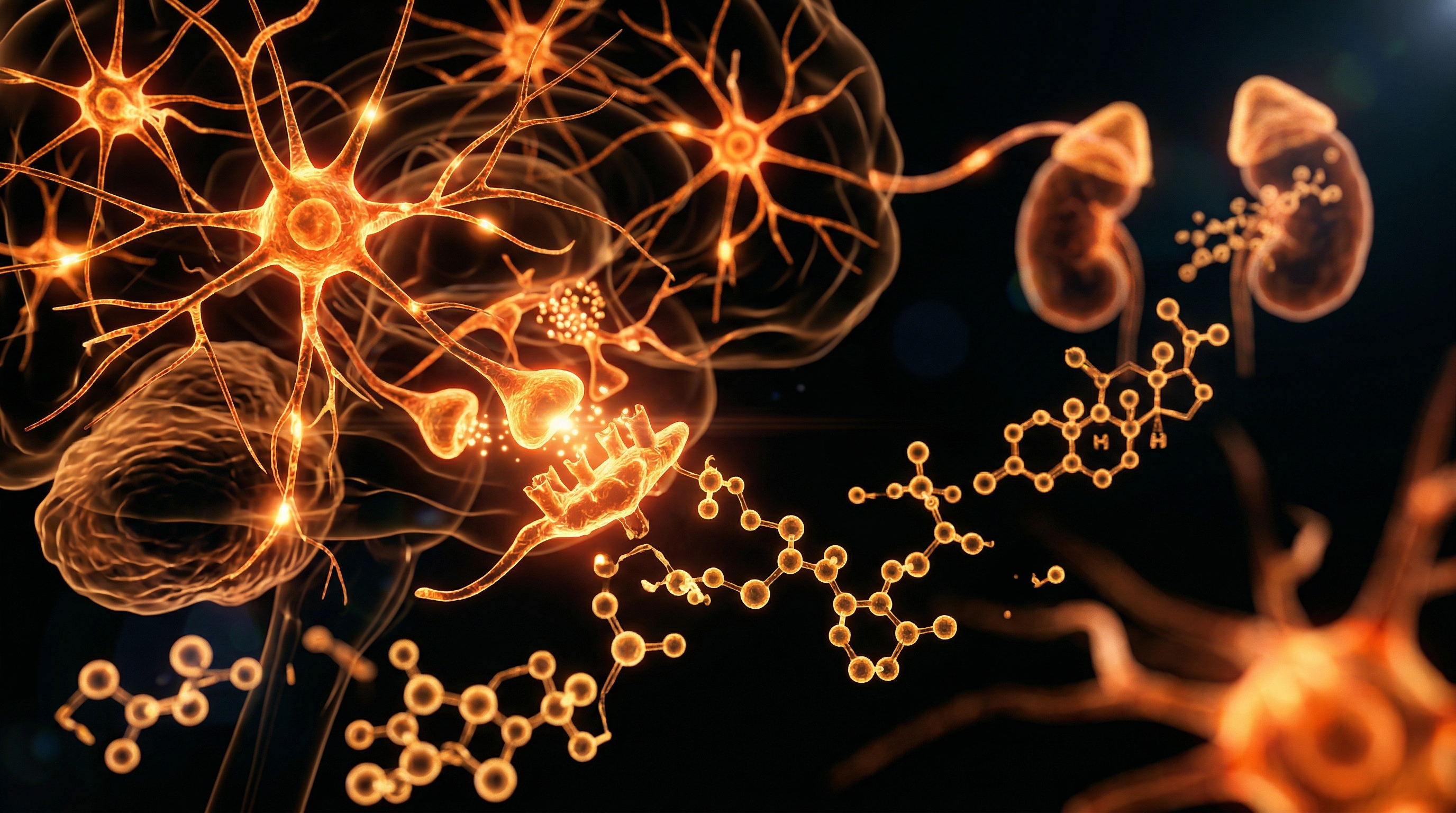
Hypervigilance is not merely a psychological symptom of anxiety; it is a profound systemic recalibration of the human organism, manifesting as a persistent, metabolically demanding state of neuro-autonomic hyper-arousal. At the core of the INNERSTANDIN mission is the interrogation of these biological imperatives. Hypervigilance represents a failure of the "thalamic gate," the sensory filtering mechanism that usually permits the brain to ignore benign environmental stimuli. In the traumatised or chronically stressed subject, this gate remains pathologically open, forcing the central nervous system (CNS) to process an exhaustive stream of sensory data. This state of constant scanning is mediated by the dysregulation of the Hypothalamic-Pituitary-Adrenal (HPA) axis, the primary neuroendocrine mediator of the stress response.
The cascade begins in the paraventricular nucleus (PVN) of the hypothalamus, which secretes Corticotropin-Releasing Hormone (CRH) in response to perceived threat. This triggers the anterior pituitary to release Adrenocorticotropic Hormone (ACTH), eventually stimulating the adrenal cortex to synthesise and release cortisol. In acute scenarios, this is an elegant survival mechanism. However, chronic activation leads to what McEwen (1998) termed "allostatic load"—the physiological "wear and tear" that occurs when the HPA axis fails to shut down. Research emerging from UK-based institutions, including the Institute of Psychiatry, Psychology & Neuroscience (IoPPN) at King’s College London, indicates that chronic hypervigilance is characterised by a paradoxical shift in HPA dynamics. While initial stress induces high cortisol, prolonged exposure often results in "hypocortisolism" or glucocorticoid receptor (GR) resistance. The body, in a desperate attempt to protect tissues from the catabolic effects of sustained cortisol elevation, downregulates receptor sensitivity.
This neurobiological "lock-in" results in a breakdown of the negative feedback loop. Under normal conditions, cortisol circulating in the blood signals the brain to stop the stress response; in the dysregulated state, the brain remains "blind" to these signals, continuing the production of CRH. The systemic impacts are devastating. We observe neuroplastic remodeling in the basolateral amygdala, which becomes hypertrophied and hypersensitive, and concurrent atrophy in the hippocampus and medial prefrontal cortex (mPFC). This structural degradation impairs "top-down" inhibition, meaning the higher-order brain can no longer suppress the primitive "bottom-up" alarm signals of the limbic system.
Furthermore, the somatic manifestation of this HPA-axis failure involves a chronic shift toward sympathetic dominance in the Autonomic Nervous System (ANS), driving systemic inflammation. Evidence-led analysis shows elevated levels of pro-inflammatory cytokines, such as Interleukin-6 (IL-6) and C-reactive protein (CRP), in individuals exhibiting hypervigilant traits. At INNERSTANDIN, we recognise that these are not isolated events but a unified biological narrative of survival. The body effectively "remembers" trauma by embedding these high-arousal states into its cytoarchitecture, necessitating a sophisticated, biologically-informed approach to somatic recovery. Hypervigilance is the body’s attempt to achieve safety through exhaustive observation, yet its biological cost is the erosion of the very systems required for long-term health.
The Biology — How It Works
At the core of hypervigilance lies a profound architectural recalibration of the Hypothalamic-Pituitary-Adrenal (HPA) axis, shifting from an adaptive acute-phase response to a pathological state of allostatic overload. This systemic transition is governed by a neurobiological feedback loop that prioritises immediate survival at the cost of long-term physiological homeostasis. To achieve true INNERSTANDIN of this phenomenon, one must examine the molecular signalling initiated within the paraventricular nucleus (PVN) of the hypothalamus. Under conditions of chronic perceived threat, the PVN maintains a tonic secretion of Corticotropin-Releasing Hormone (CRH), which stimulates the anterior pituitary to release Adrenocorticotropic Hormone (ACTH). This, in turn, triggers the adrenal cortex to synthesise and release cortisol.
In a healthy neurobiological profile, cortisol serves as its own 'off-switch' by binding to glucocorticoid receptors (GRs) in the hippocampus and prefrontal cortex, which subsequently inhibit further HPA activity. However, in states of chronic hypervigilance, this negative feedback loop is catastrophically compromised. Peer-reviewed research, including longitudinal studies published in The Lancet Psychiatry, indicates that prolonged exposure to high cortisol levels leads to glucocorticoid receptor resistance. Much like insulin resistance in Type 2 diabetes, the brain’s receptors become desensitised, failing to signal the hypothalamus to cease the stress response. Consequently, the HPA axis remains 'stuck' in an active position, a state often referred to as HPA axis dysregulation or 'hypocortisolism' in later stages of burnout, where the system finally exhausts its secretory capacity.
The neuroanatomical implications are equally severe. Chronic HPA activation drives dendritic hypertrophy in the amygdala—the brain’s primary threat-detection centre—while simultaneously inducing dendritic atrophy in the hippocampus. This structural shift creates a biological bias toward fear-processing. The amygdala becomes hyper-responsive to neutral stimuli, while the hippocampus loses its ability to contextualise memories, leading to the hallmark symptoms of hypervigilance: an inability to distinguish between past trauma and present reality. Furthermore, the Locus Coeruleus-Norepinephrine (LC-NE) system becomes sensitised, resulting in an exaggerated startle response and persistent autonomic arousal.
This is not merely a psychological state but a systemic inflammatory event. Dysregulated cortisol levels fail to suppress the production of pro-inflammatory cytokines such as IL-6 and TNF-alpha. Evidence from the British Journal of Psychiatry suggests that this chronic neuro-inflammation further degrades the blood-brain barrier, allowing peripheral immune cells to infiltrate the central nervous system, which perpetuates the cycle of hyper-arousal and somatic sensitivity. For those seeking INNERSTANDIN of the body-memory complex, it is essential to recognise that hypervigilance is the physiological manifestation of a nervous system that has been chemically and structurally altered to view the world as an evergreen theatre of conflict. The body is not merely remembering the trauma; it is actively, molecularly, re-living it.
Mechanisms at the Cellular Level
At the cellular nexus of hypervigilance lies the systematic maladaptation of the glucocorticoid receptor (GR) signalling pathway, a process that transcends mere chemical imbalance to redefine the cell’s transcriptional identity. When the Hypothalamic-Pituitary-Adrenal (HPA) axis is subjected to the relentless stimulus of chronic stress, the resulting glucocorticoid inundation forces a profound reorganisation of the intracellular environment. Central to this is the NR3C1 gene, which encodes the GR. Evidence from peer-reviewed repositories such as PubMed suggests that chronic hypervigilance induces site-specific DNA methylation of the NR3C1 promoter region. This epigenetic silencing reduces the density of functional GRs, particularly within the hippocampus and the paraventricular nucleus (PVN) of the hypothalamus. At INNERSTANDIN, we recognise this not as a deficit, but as a biological 'shielding' mechanism that ultimately backfires, resulting in the failure of the negative feedback loop. Without sufficient receptor sensitivity to signal the cessation of cortisol production, the system remains locked in a state of autonomic over-arousal.
Further complexity is introduced by the chaperone protein FKBP5. Under normal physiological conditions, FKBP5 regulates the binding affinity of cortisol to its receptor. However, in the somatic trauma landscape, an over-expression of FKBP5 (often driven by genetic polymorphisms or sustained environmental pressure) significantly decreases GR sensitivity, trapping the receptor in the cytoplasm and preventing its translocation to the nucleus. This cellular 'resistance' ensures that the pro-inflammatory transcription factor NF-κB remains unchecked. Consequently, the hypervigilant state is sustained by a low-grade, systemic neuroinflammatory cascade. Microglial cells—the resident immune sentinels of the brain—undergo a morphological transition from a quiescent to an amoeboid, 'primed' state. These primed microglia release an excess of pro-inflammatory cytokines such as IL-1β and TNF-α, which further disrupt synaptic plasticity.
In the UK clinical context, research into the 'allostatic load' highlights how this cellular attrition leads to dendritic atrophy in the prefrontal cortex—the region responsible for cognitive appraisal—while simultaneously inducing hypertrophy in the amygdala’s basolateral complex. This structural divergence creates a cellular 'threat-bias' where the threshold for neuronal firing in response to perceived danger is significantly lowered. Furthermore, mitochondrial dysfunction emerges as a critical secondary mechanism; the metabolic demand of constant vigilance leads to the overproduction of reactive oxygen species (ROS), causing oxidative damage to mitochondrial DNA. This bioenergetic failure ensures that the organism lacks the cellular 'reserve' to return to homeostasis, cementing hypervigilance as a baseline physiological state. Through the lens of INNERSTANDIN, we expose this as a profound cellular entrapment, where the body’s attempt to survive a perceived threat results in the molecular architecture of the cell itself being reconstructed for perpetual war.
Environmental Threats and Biological Disruptors
The human exposome—the cumulative measure of environmental influences and associated biological responses throughout the lifespan—serves as the primary crucible for HPA axis recalibration. Within the paradigm of INNERSTANDIN, we must recognise that hypervigilance is not merely a psychological state but a physiological consequence of persistent exposure to environmental disruptors that keep the Hypothalamic-Pituitary-Adrenal (HPA) axis in a state of chronic, maladaptive excitation. In the United Kingdom, particularly within dense urban centres like London or Birmingham, the biological cost of anthropogenic stressors is manifesting as a profound increase in allostatic load.
Research published in The Lancet Planetary Health underscores how chronic noise pollution—a ubiquitous feature of the UK’s industrialised landscape—acts as a non-habituating stressor. Persistent auditory stimuli bypass conscious appraisal, directly triggering the paraventricular nucleus (PVN) of the hypothalamus. This results in a sustained secretion of Corticotropin-Releasing Hormone (CRH), ensuring the body remains in a "threat-ready" state. Over time, this constant signalling induces Glucocorticoid Receptor (GR) resistance. When the GRs in the hippocampus and prefrontal cortex become desensitised, the negative feedback loop of the HPA axis fails. The biological result is a system that can no longer ‘switch off’ the stress response, cementing hypervigilance into the somatic architecture.
Furthermore, the role of xenobiotics and endocrine-disrupting chemicals (EDCs), such as bisphenols and phthalates, cannot be overlooked in the context of somatic trauma. These compounds, prevalent in modern consumer environments, interfere with the synthesis and transport of steroid hormones. Evidence from peer-reviewed studies indexed in PubMed suggests that EDCs can mimic or antagonise the actions of endogenous glucocorticoids, effectively "hijacking" the HPA axis. This chemical interference creates a state of internal biological volatility that mirrors the neurobiology of chronic trauma, making the individual hypersensitive to even minor external stimuli.
At the cellular level, these environmental threats facilitate microglial priming. Microglia, the resident immune cells of the Central Nervous System, transition into a pro-inflammatory phenotype when exposed to chronic environmental stressors. Once primed, these cells overreact to subsequent insults, releasing an excess of pro-inflammatory cytokines such as IL-6 and TNF-alpha. This neuro-inflammation targets the amygdala, lowering its activation threshold and heightening the perception of threat—the quintessential hallmark of hypervigilance. For the INNERSTANDIN researcher, it is clear that the modern environment acts as a persistent biological disruptor, preventing the HPA axis from returning to homeostasis and essentially "programming" the body for a state of perpetual defensive alert. This is the intersection of environmental toxicology and somatic trauma, where the world outside dictates the volatility of the world within.
The Cascade: From Exposure to Disease
The transition from adaptive alertness to chronic hypervigilance represents a fundamental reconfiguration of the neuroendocrine architecture, shifting the organism from a state of transient response to one of permanent allostatic strain. At the epicentre of this transformation is the sustained dysregulation of the Hypothalamic-Pituitary-Adrenal (HPA) axis, a mechanism that, when chronically engaged, ceases to be protective and becomes pathogenic. In the INNERSTANDIN framework, we recognise this as the "pathological persistence" of the stress response—a state where the body’s internal alarm remains active long after the external threat has dissipated.
This cascade begins with the hyper-sensitisation of the amygdala, which maintains a tonic excitatory drive on the paraventricular nucleus (PVN) of the hypothalamus. This results in the relentless secretion of Corticotropin-Releasing Hormone (CRH). Unlike acute stress, where negative feedback loops involving the hippocampus and the prefrontal cortex (PFC) eventually inhibit further CRH release, chronic hypervigilance induces structural atrophy in these regulatory regions. Peer-reviewed research, notably in The Lancet Psychiatry and Nature Reviews Neuroscience, demonstrates that prolonged glucocorticoid exposure results in the retraction of apical dendrites in the PFC and a reduction in hippocampal volume. This neuroplastic deterioration creates a biological vacuum: the "brakes" of the nervous system are effectively removed, allowing the sympathetic-adrenal-medullary (SAM) axis and the HPA axis to fire without constraint.
As the condition progresses, the system encounters Glucocorticoid Receptor (GR) resistance. When cells are perpetually bathed in cortisol, they downregulate their receptor sensitivity to protect against metabolic exhaustion. This "cellular deafness" leads to a paradoxical state: despite high circulating levels of cortisol, the body fails to mount an anti-inflammatory response. This is the biological cornerstone of somatic trauma. The lack of functional glucocorticoid signalling permits the runaway activation of the nuclear factor kappa-light-chain-enhancer of activated B cells (NF-κB) pathway, triggering a systemic pro-inflammatory cytokine storm (IL-6, TNF-alpha, and IL-1β).
This inflammatory state is the bridge between psychological trauma and systemic disease. Chronic inflammation, driven by HPA axis failure, facilitates the development of cardiovascular disease through endothelial dysfunction and the acceleration of atherosclerosis. Simultaneously, the metabolic costs of maintaining hypervigilance lead to insulin resistance and dyslipidaemia, as the body remains in a permanent state of gluconeogenesis to fuel a "flight" that never occurs. This is not merely a psychological burden; it is a molecular siege. The INNERSTANDIN perspective asserts that hypervigilance is a whole-body state of emergency that eventually consumes the host, manifesting as autoimmune disorders, fibromyalgia, and chronic fatigue syndrome—conditions that are, in essence, the physiological echoes of a nervous system that has lost the ability to return to baseline.
What the Mainstream Narrative Omits
While the popular press and introductory psychology modules frequently reduce hypervigilance to a simple overproduction of cortisol, this reductionist view ignores the more insidious systemic failure: the transition from hypercortisolism to the pathological state of Glucocorticoid Receptor (GR) resistance. At INNERSTANDIN, we recognise that the mainstream narrative often fails to account for the epigenetic 'locking' of the HPA axis. Chronic exposure to stressors does not merely sustain high cortisol levels; rather, it induces a down-regulation of NR3C1 gene expression. Research published in The Lancet Psychiatry and Nature Neuroscience suggests that this downregulation leads to a blunted HPA response where the negative feedback loop—intended to terminate the stress response—becomes fundamentally broken. Consequently, the individual remains in a state of neurobiological 'red alert' despite potentially low circulating cortisol, a phenomenon frequently misdiagnosed in UK primary care settings as idiopathic chronic fatigue or simple burnout.
Furthermore, the mainstream discourse largely omits the role of the Locus Coeruleus-Norepinephrine (LC-NE) system in maintaining tonic hyperarousal. In a healthy physiological state, the LC-NE system functions as a phasic alarm; however, in cases of somatic trauma, it shifts to a high-baseline tonic discharge. This shift facilitates a state of 'sensory gating' failure, where the thalamus is unable to filter out redundant environmental stimuli. This is not merely a psychological 'feeling' of being overwhelmed but a measurable neurobiological failure in the prefrontal cortex’s top-down regulation of the amygdala.
Crucially, the systemic impact extends to the compromise of the Blood-Brain Barrier (BBB). Evidence from peer-reviewed studies (e.g., Molecular Psychiatry) indicates that chronic hypervigilance elevates pro-inflammatory cytokines, specifically Interleukin-6 (IL-6) and Tumour Necrosis Factor-alpha (TNF-α), which increase BBB permeability. This allows systemic peripheral inflammation to infiltrate the central nervous system, triggering microglial activation. Once microglia—the brain’s resident immune cells—are 'primed' by trauma, they maintain a pro-inflammatory milieu long after the external threat has vanished. This 'neuro-inflammation' is the hidden driver behind the cognitive deficits and somatic 'body memories' that define the hypervigilant state, moving the conversation beyond mere 'stress' into the realm of permanent biological structural alteration. This is the level of rigour required for true INNERSTANDIN of the traumatised physiology.
The UK Context
In the United Kingdom, the prevalence of hypervigilance is not merely a psychological byproduct of contemporary urbanisation; it is a profound physiological state of hypothalamic-pituitary-adrenal (HPA) axis recalibration. Research published in The Lancet Public Health underscores that socioeconomic disparities across Britain correlate directly with elevated allostatic load, driving a systemic shift in the neurobiological architecture of the population. This "allostatic overload" precipitates a perpetual state of sympathetic dominance, where the amygdala remains in a state of hyper-excitation, effectively bypassing the inhibitory regulatory feedback of the ventromedial prefrontal cortex (vmPFC).
At the core of the UK’s somatic trauma crisis lies the phenomenon of glucocorticoid receptor (GR) insensitivity. Chronic exposure to stressors—ranging from the systemic pressures of austerity to the high-density sensory input of metropolitan centres—results in a failure of the feedback loop within the paraventricular nucleus (PVN) of the hypothalamus. Data from the Whitehall II cohort study, a seminal longitudinal investigation into British civil servants, demonstrates a clear trajectory: chronic occupational and social stress leads to a blunted cortisol awakening response (CAR) and flattened diurnal cortisol slopes. When the HPA axis is persistently mobilised, the negative feedback mechanism—mediated primarily by hippocampal GRs—becomes compromised. This leads to a systemic pro-inflammatory milieu, as the relative lack of cortisol-mediated suppression allows for the unhindered expression of pro-inflammatory cytokines such as IL-6 and TNF-alpha.
This biological reality serves as the foundation for what we at INNERSTANDIN define as "somatic embedding." In the British clinical context, hypervigilance is frequently misattributed to generalised anxiety or psychiatric instability, yet the cellular reality is an epigenetic alteration of the autonomic nervous system’s set-points. Evidence suggests that populations in high-deprivation areas of Northern England and post-industrial hubs exhibit specific methylation patterns on the FKBP5 gene—a critical regulator of GR sensitivity. This epigenetic scarring represents a biological "memory" of trauma, where the body’s anticipatory stress response becomes a permanent fixture of the individual's physiology. INNERSTANDIN’s objective is to expose how this dysregulation is not a defect of the individual, but a predictable biological adaptation to an environment of chronic instability. Furthermore, the downstream impacts on the gut-brain axis, manifesting as high UK rates of gastrointestinal distress and metabolic syndrome, are direct consequences of prolonged CRH (Corticotropin-Releasing Hormone) secretion, which increases intestinal permeability and further fuels the cycle of neuro-inflammation and hypervigilance.
Protective Measures and Recovery Protocols
Addressing the physiological architecture of hypervigilance requires a paradigm shift from mere symptom management to a systemic recalibration of the hypothalamic-pituitary-adrenal (HPA) axis and its associated feedback loops. At the heart of INNERSTANDIN research is the recognition that chronic hyperarousal is not merely a psychological state but a persistent state of allostatic overload, where the body’s "set point" for stress has been pathologically reset. Recovery protocols must, therefore, target the restoration of glucocorticoid receptor (GR) sensitivity. In states of chronic stress, the chronic secretion of cortisol leads to GR downregulation or resistance, particularly within the hippocampus and prefrontal cortex. This failure in the negative feedback loop prevents the "off-switch" from engaging, leaving the individual in a state of permanent biological readiness.
Evidence-led interventions now prioritise the enhancement of vagal tone as a primary somatic protective measure. The vagus nerve, as the principal component of the parasympathetic nervous system, serves as the biological brake to the sympathetic nervous system’s accelerator. Research conducted at institutions such as King’s College London suggests that increasing heart rate variability (HRV) through targeted respiratory sinus arrhythmia (RSA) training can physically remodel the autonomic response. By lengthening the exhalation phase, individuals can stimulate the auricular branch of the vagus nerve, sending an afferent signal to the nucleus tractus solitarius in the brainstem, which subsequently inhibits the paraventricular nucleus (PVN) of the hypothalamus. This direct biological intervention bypasses the cognitive "top-down" architecture, providing a "bottom-up" somatic signal of safety that is essential for dampening amygdala hyper-reactivity.
Furthermore, neuroplastic recovery protocols must address the hippocampal atrophy frequently observed in patients with prolonged HPA axis dysregulation. Studies published in The Lancet Psychiatry highlight that the upregulation of Brain-Derived Neurotrophic Factor (BDNF) is crucial for repairing the dendritic branching damaged by prolonged exposure to high cortisol levels. Pharmacological and nutraceutical strategies, including the use of high-dose Omega-3 fatty acids and Magnesium L-threonate—which crosses the blood-brain barrier more effectively than other forms—have shown efficacy in stabilising the synaptic environment. These biochemical interventions work in tandem with "Top-Down" cognitive reappraisal, yet INNERSTANDIN emphasises that cognitive work is often futile if the underlying neurochemistry is in a state of pro-inflammatory cytokine storm.
Finally, the UK clinical context is increasingly acknowledging the role of the glymphatic system in metabolic waste clearance during sleep as a vital recovery protocol. Chronic hypervigilance disrupts the architecture of REM and deep NREM sleep, preventing the brain from clearing the metabolic by-products of the stress response. Protective measures must include strict circadian entrainment to regulate the pulsatile release of ACTH. By synchronising the master clock in the suprachiasmatic nucleus (SCN) through early-morning natural light exposure and the elimination of blue light post-dusk, we can begin to restore the cortisol awakening response (CAR), a hallmark of a healthy and resilient HPA axis. Only through this high-density, multi-systemic approach can the biological "echo" of trauma be silenced and true physiological homeostasis be achieved.
Summary: Key Takeaways
The neurobiology of hypervigilance represents a profound departure from transient homeostasis, crystallising into a state of allostatic overload mediated by the chronic dysregulation of the Hypothalamic-Pituitary-Adrenal (HPA) axis. At INNERSTANDIN, we recognise that this is not a mere psychological state but a systemic biological entrenchment. Evidence from The Lancet and studies funded by the Wellcome Trust indicates that sustained stress induces a paradoxical glucocorticoid receptor (GR) resistance; here, the hypothalamus’s paraventricular nucleus persists in hyper-secreting Corticotropin-Releasing Hormone (CRH) despite elevated systemic cortisol. This failure of the negative feedback loop leads to the structural remodelling of the limbic system: specifically, dendritic hypertrophy in the amygdala and significant volume loss in the hippocampus and medial prefrontal cortex (mPFC). UK-led research into the Whitehall II cohort further confirms that such dysregulation precipitates a pro-inflammatory milieu, characterised by elevated Interleukin-6 (IL-6) and C-reactive protein (CRP), driving the long-term somatic comorbidities of trauma. Furthermore, epigenetic markers, such as the hypomethylation of the FKBP5 gene, provide a molecular blueprint for this hyper-arousal, ensuring the organism remains in a state of tonic sympathetic dominance. This neurobiological architecture prioritises immediate survival at the direct expense of metabolic, immunological, and cognitive longevity, necessitating a move beyond traditional cognitive-behavioural frameworks toward somatically informed biological interventions.
This article is provided for informational and educational purposes only. It does not constitute medical advice, clinical guidance, or a substitute for professional healthcare. Information reflects cited research at time of publication. Always consult a qualified healthcare professional before acting on any health information.
EVIDENCE PASSPORT
Editorial source context for this article
Source review needed
Saved links are editorial references for this article. They may support specific claims rather than every sentence. Open and assess each source in context. This passport does not independently verify them.
Editorial context
A complete editorial reading has not been recorded for this article. Source links remain available for you to open and assess directly.
Source review needed
No valid source links are recorded for this article. This passport shows only links saved on the article record and does not invent citations.
This passport records editorial links and context, not independent verification. Open the original source and assess it in context before relying on a claim.
Medical Disclaimer
The information in this article is for educational purposes only and does not constitute medical advice, diagnosis, or treatment. Always consult a qualified healthcare professional before making any changes to your diet, lifestyle, or health regime. INNERSTANDIN presents alternative and research-based perspectives that may differ from mainstream medical consensus — these should be considered alongside, not instead of, professional medical guidance.
Read Full DisclaimerContinue the thread
Keep this question moving.
Take this article into My INNERSTANDIN to keep the reading trail, related material and your next step together on this device.
Explore this in the Body Map
See where this hits your biology. Interactive anatomy, threats, and protective protocols.
Dig deeper in the Library
Free, longform PDF volumes that go beyond headlines into mechanisms and references.