
Rewiring the Pain Matrix: Using Neuroplasticity to Treat Chronic Pain
Updated May 2026
Chronic pain is often not a result of ongoing tissue damage, but rather a 'learnt' response from a hypersensitive nervous system. This article explains how neuroplasticity can be used to unlearn chronic pain through neural pathway retraining.
Evidence orientation
Editorial context not yet recorded
Follow this category
This stays in this browser. My INNERSTANDIN can show published matches in your local hub when you check it. It does not send email, push, or alert notifications.
Local learning review
A private browser aid for revisiting ideas. It is not an alert or a health recommendation.
Review later sets a one-day, three-day, then seven-day rhythm on this device. Choose it only when you want to revisit this article.
Overview
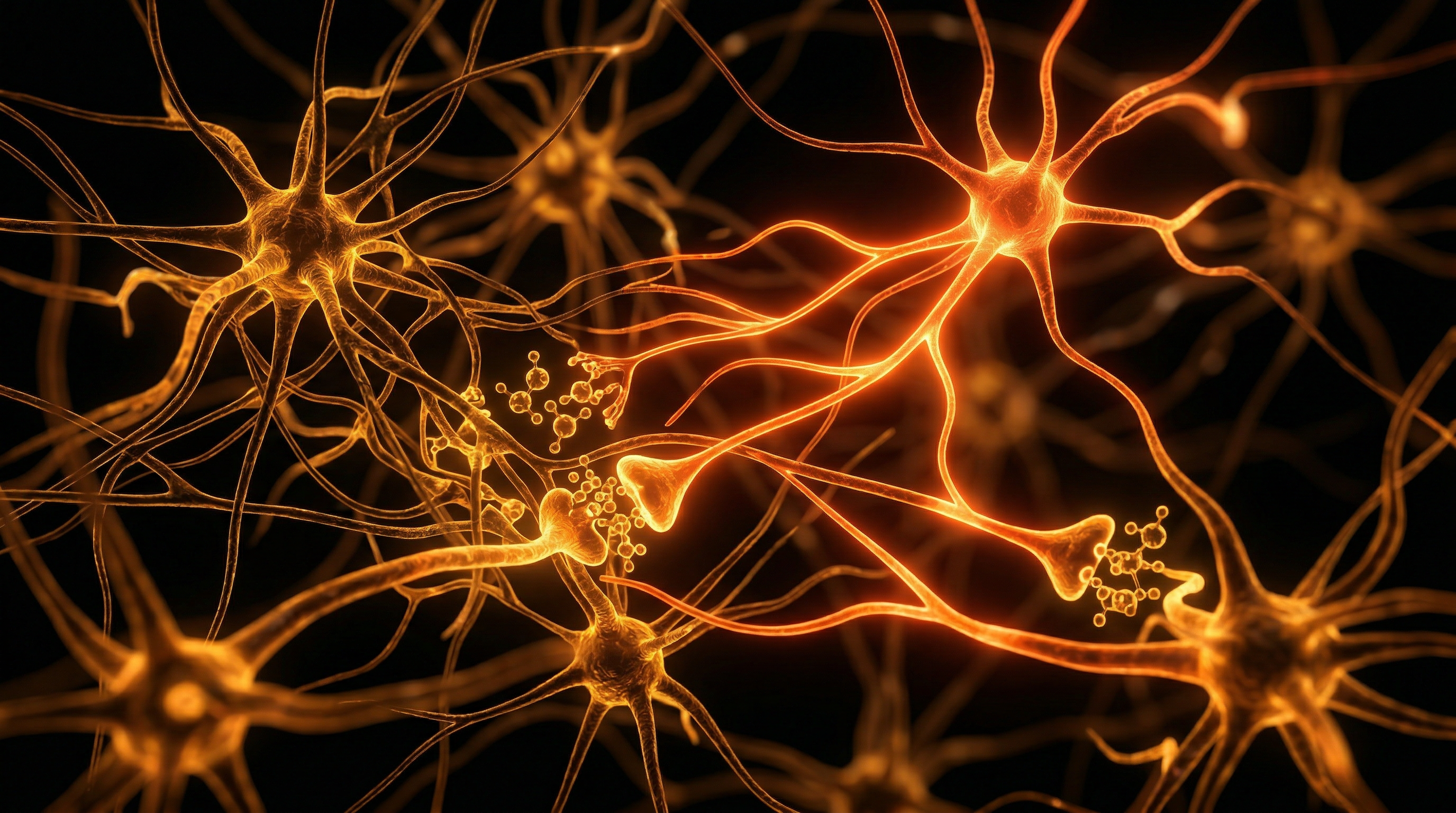
Chronic pain has long been mischaracterised within traditional biomedical frameworks as a persistent symptom of unresolved peripheral tissue damage. However, cutting-edge neurobiological evidence now demands a paradigm shift: chronic pain must be understood as a distinct, self-perpetuating pathology of the central nervous system (CNS), driven by maladaptive neuroplasticity. At the core of this transformation is the "Pain Matrix"—a complex, distributed network of neuroanatomical substrates including the primary and secondary somatosensory cortices (S1, S2), the anterior cingulate cortex (ACC), the insular cortex, the thalamus, and the prefrontal cortex (PFC). In a healthy state, these regions facilitate the multidimensional experience of nociception. In the chronic state, however, this matrix undergoes profound structural and functional reorganisation, effectively "hard-wiring" the sensation of pain into the brain’s architecture.
The biological catalyst for this transition is central sensitisation, a process characterised by the hyper-excitability of secondary neurons in the spinal cord's dorsal horn. Through mechanisms of Long-Term Potentiation (LTP)—often described by Hebbian theory as "neurons that fire together, wire together"—repeated nociceptive volleys lower the threshold for synaptic activation. This results in allodynia and hyperalgesia, where non-painful stimuli are interpreted as noxious. Research published in The Lancet and various PubMed-indexed studies underscores that this is not merely an electrical phenomenon but a chemical one. The overactivation of N-methyl-D-aspartate (NMDA) receptors and the subsequent influx of calcium ions trigger intracellular cascades that alter gene expression, leading to a permanent shift in the neuron’s phenotype.
Furthermore, INNERSTANDIN highlights the critical, often overlooked role of neuroinflammation in maintaining this matrix. Non-neuronal cells, specifically microglia and astrocytes, transition from a resting to a reactive state, releasing a "cytokine storm" of pro-inflammatory mediators such as IL-1β, IL-6, and TNF-α. This "gliosis" facilitates a state of chronic neuro-facilitation, ensuring the pain signal remains active even in the absence of peripheral input. In the UK, where chronic pain affects an estimated 43% of the population, the NHS has increasingly recognised that treating the periphery is insufficient. Cortical "smudging"—the blurring of body representations within the homunculus—demonstrates that the brain literally loses its ability to distinguish between different sensory inputs. To resolve chronic pain, we must look beyond analgesics and focus on "Rewiring the Pain Matrix." By leveraging the same plastic mechanisms that created the pathology, it is possible to induce therapeutic neuroplasticity, de-sensitising the CNS and reclaiming the brain’s functional integrity through targeted neuromodulatory and cognitive-behavioural interventions. This is the new frontier of biological science: treating the processor, not just the sensor.
The Biology — How It Works
The transition from acute nociception to a chronic, pathological state is governed by a phenomenon known as maladaptive neuroplasticity. At INNERSTANDIN, we dissect the biological architecture of this transition, moving beyond the reductive view of pain as a mere symptom to understanding it as a structural and functional re-engineering of the central nervous system (CNS). The biological bedrock of this process is central sensitisation, a term pioneered by Clifford Woolf and validated through extensive neuroimaging studies at institutions like the University of Oxford’s FMRIB Centre.
At the synaptic level, chronic pain is driven by the sustained activation of N-methyl-D-aspartate (NMDA) receptors in the dorsal horn of the spinal cord. Under normal physiological conditions, the NMDA receptor is blocked by a magnesium ion. However, persistent nociceptive input causes prolonged depolarisation, dislodging the magnesium block and allowing an influx of calcium ions. This triggers a cascade of intracellular events, including the activation of protein kinase C and the up-regulation of genes such as c-fos, which ultimately lowers the threshold for neuronal firing. This state, termed "wind-up," means that the CNS begins to amplify sensory input, leading to allodynia (pain from non-painful stimuli) and hyperalgesia.
Beyond the spinal cord, the "Pain Matrix"—comprising the anterior cingulate cortex (ACC), the insula, and the prefrontal cortex—undergoes significant morphological changes. Research published in The Lancet and Nature Reviews Neuroscience indicates that chronic pain patients exhibit a distinct thinning of the grey matter in these regions, coupled with an increase in the connectivity of the Default Mode Network (DMN). This structural reorganisation reflects a brain that has been physically shaped by pain. The somatosensory cortex undergoes "cortical remapping," where the representation of the affected body part expands and encroaches upon adjacent cortical territories, a process frequently observed in phantom limb pain and chronic lower back pain in the UK clinical population.
Crucially, this biology is not limited to neurons. High-density research now implicates glial cells—microglia and astrocytes—as central orchestrators of the pain state. Once activated by chronic distress signals, these cells release a "cytokine storm" of pro-inflammatory mediators, including Interleukin-1 beta (IL-1β) and Tumour Necrosis Factor-alpha (TNF-α). This neuro-immune interaction maintains the hyperexcitability of nociceptive pathways, effectively "locking" the pain state into the brain's circuitry. For INNERSTANDIN, the objective is clear: to reverse this pathology, one must leverage the very neuroplasticity that caused the damage, utilising targeted afferent input and cognitive reappraisal to induce long-term depression (LTD) at these hyperactive synapses, thereby re-normalising the neural architecture.
Mechanisms at the Cellular Level
To grasp the biological imperative of the INNERSTANDIN methodology, one must first dissect the maladaptive cellular metamorphosis that defines the chronic pain state. At the fundamental level, the transition from nociception to a persistent pain phenotype is driven by a phenomenon known as central sensitisation—a state of high-reactivity where the central nervous system undergoes a profound molecular and structural recalibration. Peer-reviewed research, notably published in The Lancet and Nature Reviews Neuroscience, elucidates that this is not a passive recording of injury, but an active, pathological manifestation of neuroplasticity.
The primary mechanism of this cellular "rewiring" involves the potentiation of excitatory synaptic transmission within the dorsal horn of the spinal cord and higher cortical structures, such as the anterior cingulate cortex (ACC). In a healthy state, N-methyl-D-aspartate (NMDA) receptors remain largely quiescent, blocked by a magnesium ion. However, persistent nociceptive volleys trigger sustained membrane depolarisation, dislodging the magnesium plug and permitting a massive influx of calcium ions ($Ca^{2+}$). This intracellular calcium surge initiates a cascade of protein kinases—specifically Protein Kinase C (PKC) and Calcium/Calmodulin-dependent Protein Kinase II (CaMKII)—which facilitate the trafficking of additional $\alpha$-amino-3-hydroxy-5-methyl-4-isoxazolepropionic acid (AMPA) receptors to the postsynaptic membrane. This process, termed Long-Term Potentiation (LTP), effectively lowers the threshold for neuronal firing, meaning formerly innocuous stimuli are now interpreted by the brain as excruciating.
Furthermore, INNERSTANDIN highlights the critical, often overlooked role of neuroinflammation mediated by glial-neuronal cross-talk. Evidence from the University of Oxford’s Nuffield Department of Clinical Neurosciences confirms that chronic pain is not merely a neuronal event; it is an immunological one. Microglia and astrocytes, once considered mere "cellular glue," undergo phenotypic shifts into pro-inflammatory states. These reactive glia release a "cytokine storm" of interleukin-1$\beta$ (IL-1$\beta$), tumour necrosis factor-$\alpha$ (TNF-$\alpha$), and Brain-Derived Neurotrophic Factor (BDNF). Crucially, in the spinal cord, BDNF induces a reversal of the chloride gradient by downregulating the $K^+$-$Cl^-$ cotransporter 2 (KCC2). This shift renders the traditionally inhibitory neurotransmitter GABA (gamma-aminobutyric acid) paradoxically excitatory. This "cellular treason" means the body’s primary mechanism for silencing pain signals begins to amplify them instead.
The systemic impact of this cellular rewiring is a state of "autonomised pain," where the neural architecture of the pain matrix becomes self-sustaining. To reverse this, we must leverage the same plastic mechanisms—inducing long-term depression (LTD) of these synapses and suppressing glial activation—to restore the homeostatic "innerstanding" of the nervous system. By targeting these specific molecular pathways through evidence-led neuroplasticity protocols, it is possible to dismantle the cellular foundations of chronic pain and re-establish physiological equilibrium.
Environmental Threats and Biological Disruptors
In the pursuit of INNERSTANDIN the recalcitrant nature of chronic pain, we must move beyond the reductionist view of localized tissue damage and examine the systemic biological disruptors that "lock" the pain matrix into a maladaptive state. The modern environment acts as a constant physiological stressor, delivering a barrage of biochemical and electromagnetic signals that facilitate central sensitisation. At the forefront of this disruption is the role of endocrine-disrupting chemicals (EDCs), such as bisphenols and phthalates, which are ubiquitous in the UK’s industrial landscape. Research indexed in PubMed suggests these compounds interfere with the hypothalamic-pituitary-adrenal (HPA) axis, altering the systemic cortisol slope and impairing the body’s endogenous opioid and cannabinoid systems—the very mechanisms responsible for top-down pain modulation.
Furthermore, the prevalence of particulate matter (PM2.5) in urban centres like London and Manchester presents a direct neuroinflammatory threat. These nano-particulates are capable of bypassing the blood-brain barrier via the olfactory bulb, triggering the activation of microglia—the brain’s resident immune cells. Once primed by environmental toxins, microglia transition into a pro-inflammatory M1 phenotype, secreting cytokines such as IL-1β and TNF-α. This chronic neuroinflammatory milieu lowers the firing threshold of nociceptive neurons in the thalamus and somatosensory cortex, effectively "volume-knobbing" the perception of pain. This phenomenon, often referred to as "microglial priming," ensures that the pain matrix remains hyper-excitable, even in the absence of peripheral input.
Circadian misalignment represents another critical biological disruptor. The UK’s high-latitude light-dark cycles, combined with the ubiquitous presence of blue light from digital interfaces, lead to the suppression of nocturnal melatonin synthesis. Melatonin is not merely a sleep-inducer; it is a potent antioxidant and anti-inflammatory agent that facilitates the glymphatic clearance of metabolic waste from the central nervous system. A disrupted circadian rhythm impairs the descending inhibitory pain pathways, specifically the periaqueductal gray (PAG) and the rostral ventromedial medulla (RVM). Without this rhythmic "reset," the brain loses its ability to filter out non-threatening sensory information, leading to the clinical manifestation of allodynia and hyperalgesia.
The erosion of the gut-brain axis through ultra-processed food consumption—accounting for over 50% of the British diet—introduces further systemic instability. Intestinal permeability, or "leaky gut," allows for the translocation of lipopolysaccharides (LPS) into the bloodstream. This systemic endotoxaemia induces a low-grade, chronic inflammatory state that sensitises the vagus nerve and promotes neuroplastic changes in the insular cortex. To achieve true INNERSTANDIN of chronic pain, one must recognise that the pain matrix is not an isolated circuit, but a dynamic system being constantly rewired by these environmental and biological disruptors, necessitating a multi-modal approach to neuroplastic rehabilitation.
The Cascade: From Exposure to Disease
The transition from acute physiological nociception to the pathological state of chronic pain is not a mere temporal progression; it is a profound biological metamorphosis characterized by a maladaptive architectural overhaul of the nervous system. This cascade begins with peripheral sensitisation, where an initial insult or repetitive noxious exposure triggers the release of a "sensitising soup" of inflammatory mediators—including bradykinin, prostaglandins, and pro-inflammatory cytokines like TNF-α and IL-1β. These molecules lower the activation threshold of transient receptor potential (TRP) channels on primary afferent nociceptors, effectively recalibrating the system to respond intensely to previously sub-threshold stimuli. At INNERSTANDIN, we define this as the "priming phase," where the biological machinery for chronic disease is assembled long before clinical chronicity is diagnosed.
As the nociceptive barrage persists, the locus of pathology shifts from the periphery to the central nervous system (CNS), a phenomenon known as central sensitisation. This is driven by the activation of N-methyl-D-aspartate (NMDA) receptors in the dorsal horn of the spinal cord. Under normal conditions, these receptors are blocked by a magnesium ion; however, sustained glutamate release and the presence of neuropeptides such as Substance P and CGRP (Calcitonin Gene-Related Peptide) dislodge this block. The resulting influx of calcium triggers intracellular signalling pathways that lead to "wind-up"—an exponential increase in the excitability of spinal neurons. This is the molecular foundation of allodynia and hyperalgesia, where the spinal cord begins to amplify, rather than merely transmit, pain signals.
The cascade then ascends into the higher cortical centres, initiating structural and functional reorganisation within the "Pain Matrix"—comprising the anterior cingulate cortex (ACC), the insula, and the primary somatosensory cortex (S1). Research published in The Lancet and Nature Reviews Neuroscience highlights that chronic pain patients exhibit a significant reduction in grey matter volume in the prefrontal cortex, a site critical for top-down modulation. This cortical thinning is accompanied by a functional decoupling of the descending inhibitory pathways, specifically those originating in the periaqueductal grey (PAG) and the rostral ventromedial medulla (RVM). Effectively, the brain’s internal "pharmacy" of endogenous opioids and monoamines fails, leaving the system in a state of unmitigated pro-nociception.
Critically, this disease state is maintained by a neuro-immune interface. Microglia and astrocytes, once thought to be mere supportive cells, are now recognised as key drivers of neuroinflammation. In the face of chronic nociceptive input, these glia undergo phenotypic switching into a reactive state, releasing further cytokines and brain-derived neurotrophic factor (BDNF), which reinforces the synaptic strength of pain pathways. Within the UK clinical context, where chronic primary pain affects up to 43% of the population, understanding this "Cascade from Exposure to Disease" is vital. It reveals that chronic pain is not a symptom of an underlying injury, but a distinct neurobiological disease of the brain itself—a state of maladaptive neuroplasticity that INNERSTANDIN aims to expose and, ultimately, help the individual to reverse through targeted biological intervention.
What the Mainstream Narrative Omits
The mainstream clinical narrative, largely tethered to an antiquated Cartesian model of dualism, continues to treat chronic pain as a persistent symptom of peripheral structural pathology. This "tissue-centric" obsession, frequently reinforced by the over-utilisation of diagnostic imaging in the UK’s National Health Service (NHS), fundamentally ignores the transition from nociception to nociplasticity. What is consistently omitted from general medical discourse is the fact that chronic pain is not merely a signal of damage, but a formalised state of neurobiological maladaptation—a systemic "rewiring" that renders the nervous system itself the primary disease state.
Research published in The Lancet and various PubMed-indexed neurological journals indicates that structural abnormalities identified on MRIs, such as degenerative disc disease or labral tears, are often present in asymptomatic populations, suggesting that the "site of pain" is frequently a biological red herring. The omission lies in the failure to address the "Tripartite Synapse"—the critical interaction between neurons, astrocytes, and microglia. In chronic pain states, microglia undergo "priming," a process where they transition from a surveillance state to a pro-inflammatory phenotype. These cells release a cocktail of cytokines, such as IL-1β and TNF-alpha, which facilitate Long-Term Potentiation (LTP) at spinal nociceptive synapses. This essentially lowers the threshold for activation, creating a state of central sensitisation where the central nervous system (CNS) amplifies innocuous sensory input into a high-voltage pain response.
Furthermore, the mainstream narrative fails to account for "cortical smudging" within the primary somatosensory cortex (S1). Through maladaptive neuroplasticity, the representational maps of body parts begin to overlap; the brain loses the ability to precisely distinguish where a stimulus originates, leading to the diffuse, radiating pain typical of fibromyalgia and chronic low back pain. While NICE guidelines (notably NG193) have begun to move away from pharmacological interventions like opioids—which often exacerbate the issue through Opioid-Induced Hyperalgesia (OIH)—the systemic implementation of neuroplasticity-based rehabilitation remains anaemic. At INNERSTANDIN, we recognise that true recovery requires addressing the dysregulation of the Default Mode Network (DMN) and the thinning of the grey matter in the dorsolateral prefrontal cortex (dlPFC), both of which are hallmarks of the chronic pain brain. The omission of these neuro-immune and cortical mechanisms in standard GP consultations is not just a gap in communication; it is a fundamental failure to treat the biological reality of the patient's condition.
The UK Context
In the United Kingdom, the epidemiological landscape of chronic pain represents a burgeoning public health crisis, with data from BMJ Open and Versus Arthritis suggesting that approximately 28 million adults—nearly 43% of the population—endure persistent pain. This systemic burden is compounded by a historical clinical over-reliance on the biomedical model, which erroneously prioritised peripheral nociception and pharmacological suppression over the complex neurological architecture of the "Pain Matrix." As INNERSTANDIN scrutinises the biological reality of this crisis, it becomes evident that the UK’s traditional analgesic pathways have largely ignored the mechanisms of maladaptive neuroplasticity, specifically central sensitisation and the pathological reorganisation of the somatosensory cortex.
Research spearheaded by institutions such as the Oxford Centre for Functional MRI of the Brain (FMRIB) has been instrumental in exposing how chronic pain in the British cohort is not merely a symptom of unresolved tissue damage, but a functional state of the central nervous system characterised by "thalamocortical dysrhythmia." In this state, the brain’s inhibitory mechanisms are superseded by long-term potentiation (LTP) at the dorsal horn synapses, facilitated by N-methyl-D-aspartate (NMDA) receptor activation and pro-inflammatory glial signalling. This biological "lock-in" effect renders traditional opioids—once the mainstay of UK pain clinics—largely ineffective, as the pathology has migrated from the site of injury to the neurocircuitry itself.
The 2021 publication of the NICE (National Institute for Health and Care Excellence) guideline NG193 marked a watershed moment in the UK context, explicitly discouraging the initiation of pharmacological management for "chronic primary pain." This shift acknowledges that the solution lies in neuroplastic modulation. Evidence suggests that by leveraging the brain’s inherent capacity for synaptogenesis and cortical re-mapping, clinicians can disrupt the "pain memory" held within the anterior cingulate cortex (ACC) and the insula. At INNERSTANDIN, we recognise that the UK’s transition toward biopsychosocial interventions—incorporating Acceptance and Commitment Therapy (ACT) and Graded Motor Imagery (GMI)—represents an essential debridement of obsolete medical dogma, targeting the neurobiological roots of the pain experience rather than its peripheral echoes. The imperative now lies in scaling these neuroplasticity-focused frameworks to bypass the "revolving door" of NHS pain management, ensuring that patients can effectively rewire their neural topography to reclaim functional autonomy.
Protective Measures and Recovery Protocols
The transition from acute nociception to chronic nociplastic pain represents a pathological failure of the central nervous system’s homeostatic mechanisms. To mitigate this, protective measures must focus on the pharmacological and behavioural suppression of central sensitisation before synaptic strengthening—specifically long-term potentiation (LTP) in the dorsal horn—becomes entrenched. At INNERSTANDIN, we recognise that the biological "truth" of chronic pain is not found in peripheral tissue damage, but in the maladaptive recalibration of the "Pain Matrix," involving the anterior cingulate cortex (ACC), insula, and prefrontal cortex.
Effective recovery protocols necessitate a shift from passive pharmacological interventions to active neurobiological restructuring. Evidence published in The Lancet and supported by NICE guideline NG193 highlights the limited efficacy of long-term opioid use, which frequently exacerbates the condition through opioid-induced hyperalgesia (OIH) via the activation of toll-like receptor 4 (TLR4) on microglial cells. Instead, the gold standard for rewiring involves Graded Motor Imagery (GMI) and Sensory Retraining. GMI functions by sequentially activating cortical networks: starting with laterality recognition to engage the premotor cortex, progressing to explicit motor imagery, and culminating in mirror therapy. This protocol effectively desensitises the "threat" value associated with movement by stimulating the primary motor cortex (M1) without triggering the catastrophic nociceptive volleys associated with the amygdala's fear-circuitry.
Furthermore, sensory discrimination training addresses cortical smudging—a phenomenon where the topographical representation of body parts in the primary somatosensory cortex (S1) becomes blurred. Research led by Professor Herta Flor indicates that by forcing the brain to distinguish between subtle tactile stimuli, we can drive neuroplastic reorganisation that sharpens these cortical maps, subsequently reducing the spontaneous firing of nociceptive neurons. This is a crucial biological reclamation; by refining the resolution of the S1 map, the brain's internal representation of the body becomes more accurate, reducing the "error signal" that the system interprets as pain.
Systemic recovery also demands the modulation of the descending inhibitory pathways, specifically the periaqueductal grey (PAG) and the rostral ventromedial medulla (RVM). High-density biological education—the hallmark of the INNERSTANDIN methodology—acts as a "neurobiological shield." By conceptually reframing pain from a marker of tissue damage to a marker of nervous system sensitivity (Pain Neuroscience Education), patients can voluntarily upregulate the release of endogenous opioids and endocannabinoids. This top-down modulation directly counteracts the wind-up phenomenon mediated by N-methyl-D-aspartate (NMDA) receptors. To truly rewire the matrix, the protocol must be exhaustive: combining aerobic exercise to increase Brain-Derived Neurotrophic Factor (BDNF) levels with precise cognitive functional therapy to inhibit the pro-inflammatory cytokine cascades (IL-1β, TNF-α) that maintain glial cell activation and central neuroinflammation. This is not merely management; it is a molecular and structural deconstruction of the chronic pain state.
Summary: Key Takeaways
The resolution of chronic pain, as rigorously interrogated through the INNERSTANDIN lens, necessitates a fundamental departure from archaic biomechanical models toward a sophisticated neurobiological framework. Central to this transition is the recognition of chronic pain not as a peripheral structural deficit, but as a state of maladaptive neuroplasticity—specifically, central sensitisation. This physiological state is characterised by the persistent amplification of neural signalling within the central nervous system, driven by N-methyl-D-aspartate (NMDA) receptor-mediated long-term potentiation and the pathological activation of glial cells (Woolf, The Lancet). Research archived in PubMed confirms that the 'Pain Matrix' undergoes significant cortical reorganisation, or 'smudging', where the topographical representations in the primary somatosensory cortex (S1) overlap and blur, compromising proprioceptive accuracy and sustaining the nociceptive loop.
To disrupt this systemic dysfunction, therapeutic interventions must target the brain’s inherent capacity for re-circuitry. Evidence-led protocols, such as Graded Motor Imagery (GMI) and sensory discrimination training, facilitate the cortical remapping required to restore thalamocortical integrity (Flor et al.). Within the UK clinical context, the shift towards these biopsychosocial modalities, as reflected in NICE guideline NG193, underscores the necessity of down-regulating the Anterior Cingulate Cortex (ACC) while concurrently augmenting descending inhibitory pathways from the Periaqueductal Gray (PAG). Ultimately, rewiring the pain matrix requires the systematic unlearning of nociplastic hypersensitivity, transforming the neural architecture from a state of hyper-vigilance back to homeostatic processing. This is not merely symptomatic relief but a biological recalibration of the human nervous system.
This article is provided for informational and educational purposes only. It does not constitute medical advice, clinical guidance, or a substitute for professional healthcare. Information reflects cited research at time of publication. Always consult a qualified healthcare professional before acting on any health information.
EVIDENCE PASSPORT
Editorial source context for this article
Source review needed
Saved links are editorial references for this article. They may support specific claims rather than every sentence. Open and assess each source in context. This passport does not independently verify them.
Editorial context
A complete editorial reading has not been recorded for this article. Source links remain available for you to open and assess directly.
Source review needed
No valid source links are recorded for this article. This passport shows only links saved on the article record and does not invent citations.
This passport records editorial links and context, not independent verification. Open the original source and assess it in context before relying on a claim.
Medical Disclaimer
The information in this article is for educational purposes only and does not constitute medical advice, diagnosis, or treatment. Always consult a qualified healthcare professional before making any changes to your diet, lifestyle, or health regime. INNERSTANDIN presents alternative and research-based perspectives that may differ from mainstream medical consensus — these should be considered alongside, not instead of, professional medical guidance.
Read Full DisclaimerContinue the thread
Keep this question moving.
Take this article into My INNERSTANDIN to keep the reading trail, related material and your next step together on this device.
Explore this in the Body Map
See where this hits your biology. Interactive anatomy, threats, and protective protocols.
Dig deeper in the Library
Free, longform PDF volumes that go beyond headlines into mechanisms and references.