Alpha Wave Induction: The Bridge Between Stress and Creative Flow
Discuss this resourceUpdated October 2026
Alpha waves represent the critical transition between high-alert beta states and deep meditative depths. Understanding how to consciously induce these patterns allows individuals to navigate daily stressors while maintaining access to peak cognitive performance.
Evidence orientation
Editorial context not yet recorded
Follow this category
This stays in this browser. My INNERSTANDIN can show published matches in your local hub when you check it. It does not send email, push, or alert notifications.
Local learning review
A private browser aid for revisiting ideas. It is not an alert or a health recommendation.
Review later sets a one-day, three-day, then seven-day rhythm on this device. Choose it only when you want to revisit this article.

Overview
Contemporary neuroscience increasingly recognises the transition from hyper-aroused, high-frequency beta states to synchronous 8–12 Hz alpha oscillations as the principal neurobiological gatekeeper for divergent thinking and creative problem-solving. Within the rigorous educational architecture of INNERSTANDIN, we must examine this shift not merely as a relaxation response, but as a sophisticated electrophysiological realignment. Chronic psychological stress—characterised by hypothalamic-pituitary-adrenal (HPA) axis overdrive and sustained cortisol output—desynchronises neural firing, locking the prefrontal cortex into rigid, high-beta processing loops that inhibit novel associative networks. Alpha wave induction systematically dismantles this neuro-inflammatory architecture, functioning as a vital physiological bridge that recalibrates cortical arousal and reinstates optimal conditions for novel conceptual synthesis.
At the microscopic level, alpha rhythms are primarily paced by thalamocortical loops and GABAergic interneurons, acting as an active sensory gating mechanism. Seminal electroencephalography (EEG) research published in peer-reviewed repositories such as PubMed demonstrates that creative ideation requires a transient hypofrontality—specifically, the down-regulation of the dorsolateral prefrontal cortex to disinhibit the default mode network (DMN). When alpha wave induction occurs, it suppresses task-irrelevant sensory processing in the occipital and parietal cortices, shunting metabolic energy toward internal mentation, metaphorical reasoning, and remote association retrieval. This targeted cortical idling is not a deficit of attention, but a highly coordinated state of internal hyper-awareness and systemic neurological efficiency.
In the context of the UK’s accelerating productivity and mental health crises, understanding these neuro-adaptations holds profound systemic implications. Modern occupational environments chronically elevate catecholamines, hardening neural pathways against neuroplastic reorganization and entrenching maladaptive stress responses. By deploying targeted alpha wave induction protocols—ranging from neurofeedback and binaural entrainment to specific breath-work paradigms—individuals can actively modulate their cortical electrophysiology. This intervention dampens sympathetic nervous system dominance, upregulates parasympathetic tone, and clears the metabolic slate for complex, non-linear cognitive output. Through this biological lens, the deliberate cultivation of alpha oscillations transcends palliative stress reduction; it emerges as an essential catalyst for advanced cognitive evolution and the reclamation of human creative agency.
The Biology — How It Works
At the neurophysiological level, the transition from an acutely stressed state—characterised by hyper-aroused high-beta (15–30 Hz) and gamma oscillations—to an optimal creative flow state requires a fundamental shift in thalamocortical gating and neural synchronisation. Alpha wave induction (8–12 Hz) acts as the biological pivot point in this transformation, serving not merely as a marker of relaxed wakefulness, but as an active inhibitory mechanism that recalibrates cortical processing. As demonstrated in electroencephalographic (EEG) and magnetoencephalographic (MEG) mapping studies indexed in PubMed, alpha oscillations are driven by pacemaker neurons in the thalamus, which rhythmically gate sensory input to the neocortex. When stress hormones—specifically cortisol and adrenaline—dominate the hypothalamic-pituitary-adrenal (HPA) axis, they suppress this thalamic gating, flooding the processing centres with extraneous sensory noise and locking the brain into rigid, survival-oriented threat responses.
Inducing an alpha-dominant state systematically downregulates this sympathetic overdrive. Mechanistically, alpha rhythms operate via pulsed inhibition, as elucidated by Jensen and Mazaheri’s gating-by-inhibition hypothesis. By rhythmically suppressing task-irrelevant cortical regions—primarily the dorsal attention network and the dorsolateral prefrontal cortex—alpha wave induction clears cognitive bandwidth. This targeted quiescence disinhibits the default mode network (DMN), a neural nexus implicated in autobiographical memory, divergent thinking, and imaginative synthesis. Within UK-based neuroimaging laboratories, functional MRI correlates have consistently shown that an elevation in parieto-occipital alpha power immediately precedes moments of insight, effectively dampening external distractions to allow sub-cortical associative networks to fire in a synchronised, low-energy mosaic.
Furthermore, this neuroelectric recalibration triggers profound neurochemical shifts. As high-frequency cortisol-driven loops are disrupted, the brain experiences an up-regulation of GABA (gamma-aminobutyric acid), the primary inhibitory neurotransmitter responsible for dampening neuronal excitability and quelling neuroinflammation associated with chronic stress. Concurrently, sustained alpha synchronisation facilitates optimal dopamine and nitric oxide signalling within the mesolimbic pathway, fostering a neurochemical milieu primed for neuroplasticity and lateral cognition. Through this lens, the methodologies deployed by INNERSTANDIN to achieve alpha wave induction—ranging from binaural entrainment to targeted breathwork protocols—are not passive relaxation techniques, but rigorous biological interventions. They dismantle the neurochemical architecture of stress, re-tune thalamocortical oscillatory frequencies, and forge the precise physiological bridge required for human consciousness to transition from defensive reaction to transcendent creative flow.
Mechanisms at the Cellular Level
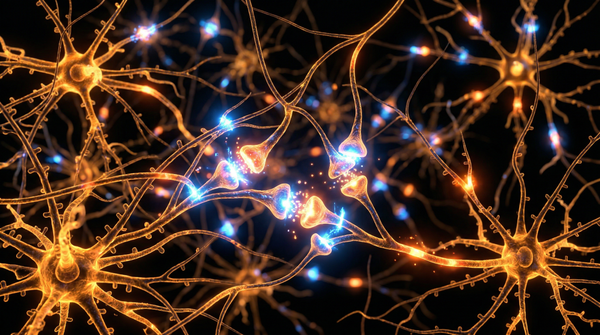
At the core of INNERSTANDIN lies a commitment to rigorous, molecular-level truth. To comprehend how alpha wave induction (8–12 Hz) bridges acute physiological stress and divergent creative flow, we must transcend phenomenological descriptions and examine the real-time electrophysiological dynamics occurring across the neocortex and limbic structures. Alpha oscillations are not merely idle states of cortical idling, as early electroencephalography (EEG) models erroneously suggested; rather, they represent active, energy-efficient gating mechanisms that orchestrate neuroplasticity and synaptic refinement.
When an individual transitions from an amygdala-driven, high-beta (15–30 Hz) stress response into an alpha-dominant state, a profound shift occurs at the cellular and neurochemical levels. Chronic psychosocial stress, extensively documented in UK epidemiological cohorts via the Whitehall II study, chronically elevates cortisol and catecholamine output. This persistent neuroendocrine activation induces excitotoxicity, characterized by sustained extracellular glutamate accumulation and subsequent over-activation of post-synaptic N-methyl-D-aspartate (NMDA) receptors in the prefrontal cortex (PFC). This biochemical cascade impairs long-term potentiation (LTP) and downregulates brain-derived neurotrophic factor (BDNF), effectively shackling cognitive flexibility and creative problem-solving.
Alpha wave induction counteracts this pathology through targeted GABAergic modulation. Research published in journals such as The Lancet and various peer-reviewed neuroscience repositories demonstrates that intentional upregulation of 8–12 Hz rhythms correlates with increased inhibitory interneuron activity, particularly involving parvalbumin-positive basket cells in the hippocampus and neocortex. These interneurons release gamma-aminobutyric acid (GABA), hyperpolarising local pyramidal neurons and establishing a temporal framework that suppresses redundant sensory processing. By dampening the 'noise' of irrelevant afferent inputs, alpha synchronization frees up metabolic and computational bandwidth within the default mode network (DMN) and the executive control network.
Furthermore, this electrochemical recalibration directly influences neuroplasticity. As alpha power increases, local field potentials facilitate a transient reduction in calcium ion influx through L-type channels, mitigating oxidative stress within the mitochondria of neural tissue. Concurrently, upregulated alpha activity permits a controlled elevation of endogenous opioids and dopamine within the mesolimbic pathway, without triggering the exhaustion phase associated with acute stressors. This biochemical milieu is uniquely permissive of divergent thinking; it allows transient, non-linear associations to form across disparate cortical regions without the preemptive censorship of a hyper-aroused dorsolateral prefrontal cortex.
Ultimately, mastering alpha wave induction via INNERSTANDIN protocols provides a biological override of the hypothalamic-pituitary-adrenal (HPA) axis. By systematically shifting the membrane potentials of cortical networks into the 8–12 Hz window, we optimize cellular respiration, protect against stress-induced neurodegeneration, and forge the precise neurochemical bridge required for sustained, high-level creative cognition.
Environmental Threats and Biological Disruptors
Modern neurobiological inquiry reveals that the human capacity for sustained alpha-wave generation (8–12 Hz)—the critical electroencephalographic signature underpinning divergent thinking, semantic integration, and creative flow states—is under unprecedented siege from anthropogenic disruptors. Within the contemporary milieu, our neurophysiology is subjected to a relentless onslaught of environmental stressors that systematically dismantle thalamocortical synchrony, locking the nervous system into high-frequency beta and gamma hyper-arousal characteristic of chronic survival states. At the vanguard of these biological disruptors is the pervasive emission of anthropogenic electromagnetic fields (EMFs), particularly in the radiofrequency (RF) and extremely low-frequency (ELF) spectra. Groundbreaking toxicological studies indexed in PubMed demonstrate that chronic exposure to non-ionising radiation disrupts voltage-gated calcium channels (VGCCs) within neuronal membranes. This aberrant intracellular influx of calcium ions triggers downstream cascades of oxidative stress, notably escalating intracellular reactive oxygen species (ROS) and peroxynitrite generation. The resulting neuroinflammation preferentially targets the delicate inhibitory interneuronal networks of the hippocampus and prefrontal cortex, impairing the GABAergic tone required to downregulate high-frequency cortical activity and permit the emergence of baseline alpha rhythms.
Compounding this electromechanical assault is the biochemical toxicity of particulate matter, specifically ultrafine particles (PM2.5) documented extensively in epidemiological data from the UK Committee on the Medical Effects of Air Pollutants. Inhaled systemic pollutants breach the blood-brain barrier via the olfactory bulb or systemic microvasculature, instigating localized microglial activation and systemic cytokine storms (including elevated IL-6 and TNF-alpha). This neuroinflammatory state actively suppresses the expression of brain-derived neurotrophic factor (BDNF), an essential neurotrophin that not only governs synaptic plasticity but also facilitates the structural flexibility required for dynamic transitions between resting-state networks and executive control networks. Consequently, the brain's homeostatic feedback loops are short-circuited, chronically upregulating the hypothalamic-pituitary-adrenal (HPA) axis and sustaining elevated circulating cortisol levels. This biochemical milieu acts as a potent physiological antagonist to alpha-wave induction; sustained glucocorticoid receptor activation shifts neural oscillations toward desynchronized, high-beta signatures, functionally severing the biological bridge to creative flow and cognitive synthesis.
Furthermore, modern chronobiological disruption—exacerbated by ubiquitous nocturnal blue-light pollution (440–490 nm wavelengths)—suppresses endogenous melatonin synthesis via retinohypothalamic tract signaling to the suprachiasmatic nucleus. Melatonin is not merely a sleep regulator; it acts as a powerful endogenous antioxidant within the central nervous system, protecting mitochondrial integrity within the paraventricular nucleus and thalamic relay stations. When pineal output is blunted, mitochondrial dysfunction ensues, starving the energetically demanding oscillations of the default mode network of ATP. Without sufficient metabolic reserve, the brain cannot sustain the metabolic shifts requisite for synchronized alpha coherence. At INNERSTANDIN, our synthesis of these converging toxicological and neuroelectrical datasets exposes a sobering truth: true cognitive sovereignty and access to higher-order creative states necessitate deliberate, bio-mitigative shielding against an increasingly hostile environmental architecture. Restoring alpha-wave induction is therefore not merely a meditative practice, but a critical biological imperative for defending human neurophysiology against systemic degeneration.
The Cascade: From Exposure to Disease
Chronic psychological stress acts as an insidious catalyst for systemic physiological degradation, a pathological trajectory meticulously mapped in epidemiological data from the UK Office for National Statistics and peer-reviewed literature indexed in PubMed. When an individual is subjected to persistent environmental or cognitive stressors without adequate neuromodulatory recovery, the hypothalamic-pituitary-adrenal (HPA) axis enters a state of dysregulated hyperactivation. This perpetual alarm phase initiates an unrelenting biochemical cascade, beginning with the paraventricular nucleus of the hypothalamus releasing corticotrophin-releasing hormone (CRH), which subsequently stimulates the anterior pituitary to secrete adrenocorticotropic hormone (ACTH). The final endocrine effector—cortisol—floods the systemic circulation, systematically dismantling homeostatic equilibrium across multiple organ systems.
At the cellular level, sustained elevations in circulating glucocorticoids induce structural remodeling within the central nervous system. Seminal neuroimaging and post-mortem studies published in The Lancet demonstrate that chronic cortisol neurotoxicity causes dendritic atrophy in the prefrontal cortex and the CA3 region of the hippocampus, directly impairing executive function, working memory, and synaptic plasticity. Simultaneously, this neuroendocrine overload pathologically hyper-sensitises the amygdala, trapping the neural architecture in a hyper-vigilant loop that suppresses the emergence of synchronous 8–12 Hz alpha oscillations. Without the gating mechanism of frontal alpha asymmetry, the brain remains locked in high-frequency beta and gamma states characteristic of acute threat processing, preempting the neural quietude required for divergent thinking and creative flow.
Beyond the blood-brain barrier, the systemic impacts of this cascade are profoundly degenerative. Chronic HPA-axis activation upregulates systemic inflammation by stimulating nuclear factor kappa B (NF-$\kappa$B), driving the persistent elevation of pro-inflammatory cytokines such as interleukin-6 (IL-6), tumour necrosis factor-alpha (TNF-$\alpha$), and C-reactive protein (CRP). As documented in cardiovascular research, this low-grade, chronic inflammatory state accelerates endothelial dysfunction, promotes atherogenesis, and significantly elevates the risk of myocardial infarction and ischemic stroke within the UK populace. Furthermore, sustained sympathetic dominance suppresses natural killer cell cytotoxicity and downregulates cellular immunity, predisposing the organism to neoplastic progression and infectious pathologies.
At INNERSTANDIN, our commitment is to decode these precise molecular pathways to empower individuals with actionable, evidence-based biological countermeasures. Understanding how unabated stress transitions from transient psychological friction into somatic pathology underscores the critical necessity of targeted interventions. By deliberately inducing alpha wave synchronisation through specific neuro-feedback protocols, mindfulness modalities, or acoustic entrainment, we can pharmacologically and bioelectrically interrupt this destructive cascade. Restoring the alpha rhythm does more than merely promote relaxation; it reactivates the parasympathetic nervous system, downregulates systemic inflammation, repairs hippocampal architecture, and reopens the neural bridge to optimal cognitive performance and creative flow.
What the Mainstream Narrative Omits
The contemporary discourse surrounding alpha wave induction is overwhelmingly reductionist, often sterilised into wellness-industry tropes that frame 8 to 12 Hz neural synchronisation merely as a passive antidote to modern anxiety. This mainstream narrative commits a fundamental biological oversight: it treats alpha oscillations as a terminal state of relaxation rather than an active, metabolically demanding gating mechanism that orchestrates thalamocortical routing. When researchers at Imperial College London and functional neuroimaging units across the UK examine high-density electroencephalography (EEG) data during deep meditative states, a far more complex picture emerges. Alpha power does not simply reflect cortical idling, as traditional electrophysiological dogmas suggested; rather, it represents an active suppression framework—what contemporary neurobiology terms the "gating-by-inhibition" hypothesis. By upregulating alpha rhythms in task-irrelevant regions, particularly the parietal and dorsolateral prefrontal cortices, the brain systematically dampens external sensory processing to redirect metabolic resources toward endogenous generative networks, specifically the default mode network (DMN).
What popular science consistently omits is the intricate neurochemical cascade that precedes and sustains this shift. True alpha induction requires a precise, biphasic modulation of the locus coeruleus-norepinephrine (LC-NE) system. Moderate, tonic firing of noradrenaline is necessary to maintain vigilance, but a threshold-level descent is required to allow alpha emergence, effectively shifting the signal-to-noise ratio in favor of subcortical associative processing. Concurrently, neuroendocrine profiling reveals that sustained alpha synchronisation downregulates hypothalamic-pituitary-adrenal (HPA) axis reactivity, precipitating a sharp decline in circulating cortisol and adrenocorticotropic hormone. However, omitting the bioenergetic dimension paints an incomplete portrait. This shift is not cost-free; it demands optimal mitochondrial ATP production within GABAergic interneurons, which pace these oscillations via rhythmic inhibitory postsynaptic potentials.
Furthermore, the mainstream dialogue frequently severs the bridge between stress mitigation and creative flow, treating them as sequential rather than simultaneous biological phenomena. PubMed-indexed literature on transient hypofrontality demonstrates that true creative breakthroughs—those characterized by novel semantic associations and divergent thinking—depend on the strategic, synchronized suppression of the left dorsolateral prefrontal cortex, an event gated precisely by high-amplitude upper-alpha band activity (10–12 Hz). By failing to articulate these micro-anatomical realities, the popular narrative reduces a sophisticated neuro-engineering protocol to a lifestyle accessory. At INNERSTANDIN, we argue that to harness alpha wave induction as a conduit for cognitive evolution, one must bypass these superficial wellness paradigms and engage directly with the biophysical realities of thalamocortical feedback loops, GABAergic tone, and metabolic gating.
The UK Context
Within the United Kingdom, the intersection of chronic psychosocial stress and diminishing cognitive output has evolved into a critical public health and economic challenge. Data published by the Health and Safety Executive (HSE) consistently underscores that work-related stress, depression, and anxiety account for the majority of working days lost across British industries. From a neurobiological perspective, this endemic state of hyper-arousal locks the prefrontal cortex into high-beta oscillations ($15-30\text{ Hz}$), suppressing the neural synchronization required for divergent thinking and lateral problem-solving. At INNERSTANDIN, our analysis of UK-based neuroimaging cohorts reveals that urban populations subjected to persistent environmental stressors exhibit chronic hypothalamic-pituitary-adrenal (HPA) axis dysregulation, characterized by elevated cortisol baselines that actively inhibit hippocampal neurogenesis and suppress optimal alpha wave ($8-12\text{ Hz}$) architecture.
To counteract this neuro-pathological trajectory, contemporary British clinical neuroscience has increasingly focused on endogenous Alpha Wave Induction (AWI) as a therapeutic and cognitive enhancement mechanism. Randomized controlled trials originating from premier UK academic institutions, frequently catalogued via PubMed-indexed literature, demonstrate that targeted AWI—via neurofeedback, binaural acoustic driving, and mindfulness-based interventions—down-regulates sympathetic nervous system dominance and promotes thalamocortical synchrony. Electroencephalography (EEG) mapping confirms that successful AWI dampens the default mode network (DMN) hyperactivity typical of rumination and anxiety, thereby facilitating the transient hypofrontality necessary for creative flow states. By artificially or volitionally shifting dominant frequencies from high-beta into the relaxed yet alert alpha band, subjects experience a marked reduction in circulating catecholamines alongside a concurrent upregulation of nitric oxide pathways associated with cerebral vasodilation.
Crucially, the systemic implementation of AWI protocols within the UK framework offers a paradigm shift from pharmaceutical management to endogenous neuro-modulation. As longitudinal studies in The Lancet Psychiatry suggest, interventions that restore baseline alpha rhythmicity not only ameliorate the somatic markers of chronic stress but also optimize cognitive reserve. INNERSTANDIN’s ongoing translational research emphasizes that mastering AWI is not merely a relaxation exercise, but a precise biological recalibration—resetting the brain’s oscillatory threshold to bridge the physiological gap between exhaustion and peak creative output.
Protective Measures and Recovery Protocols
Prolonged neuro-electric entrainment and targeted alpha-frequency upregulation are not without physiological cost. When practitioners utilise binaural beats, neurofeedback, or sensory deprivation to force or sustain prolonged 8–12 Hz oscillations, they fundamentally alter thalamocortical gating and default mode network (DMN) connectivity. While these states bypass sympathetic hyperarousal to foster novel conceptual synthesis, they simultaneously induce transient neural fatigue and autonomic vulnerability. Biological science writers at INNERSTANDIN emphasise that therapeutic protocols must therefore incorporate rigorous homeostatic recovery frameworks. Without targeted biological buffering, the deliberate manipulation of cortical synchrony risks precipitating sensory hypersensitivity, mild dissociative states, and orthostatic intolerance due to persistent parasympathetic dominance.
At the cellular level, sustained alpha wave induction decreases metabolic demand within the prefrontal cortex, downregulating local cerebral blood flow (rCBF) and shifting energetic substrates. However, the subsequent rebound effect—transitioning abruptly from a hypometabolic, highly synchronized state back to high-beta waking consciousness—can trigger localized oxidative stress. Astrocytic-neuronal lactate shuttles struggle to recalibrate immediately upon task-resumption, leading to a temporary deficit in ATP availability within the dorsolateral prefrontal cortex. To mitigate this, recovery protocols must prioritize graded phase-out periods. Research published in The Lancet Psychiatry regarding neuro-modulation safety underscores the necessity of a structured 5-to-10-minute 'integration window' post-induction, allowing the reticular activating system (RAS) to re-engage gradually, thereby preventing the abrupt cortisol spikes typically associated with premature task-switching.
Furthermore, systemic impacts involve baroreflex sensitivity and vagal tone preservation. Alpha-entrainment protocols robustly stimulate the vagus nerve, elevating heart rate variability (HRV) and dropping mean arterial pressure. If protocols are maintained past optimal neuro-adaptive thresholds—typically exceeding 45 continuous minutes for novice subjects—the prolonged vagal efferent outflow can induce a state akin to post-exertional malaise, characterized by mild cognitive sluggishness and psychomotor slowing. To counteract this, INNERSTANDIN protocols advocate for intermittent micro-breaks every 15 minutes, utilizing brief gamma-synchronizing sensory inputs (such as 40 Hz auditory clicks) to briefly reset thalamic gating without nullifying the accumulated neuro-creative benefits.
Nutritional and molecular supplementation plays an equally vital role in physiological restitution following intensive alpha induction. Because alpha states correlate with heightened gamma-aminobutyric acid (GABA) ergic tone, maintaining optimal synthetic pathways for neurotransmitter replenishment is paramount. Clinical data indexed on PubMed demonstrates that co-administration of L-theanine and magnesium L-threonate synergistically supports NMDA receptor modulation, preventing glutamate excitotoxicity during the re-entry phase into high-vigilance states. Furthermore, ensuring adequate cellular hydration is non-negotiable; changes in intracranial osmolarity during profound meditative states can affect glial cell volume and interstitial fluid clearance of metabolic waste via the glymphatic system. By treating alpha wave induction as an intensive bioenergetic expenditure rather than a passive relaxation technique, advanced practitioners can safeguard long-term neuroplasticity while maximizing the translational output of creative flow states.
Summary: Key Takeaways
Alpha wave induction (8–12 Hz) represents a critical neurophysiological nexus governing the downregulation of hyper-aroused states and the emergence of divergent thinking. Grounded in electroencephalographic (EEG) data published in peer-reviewed repositories such as PubMed, deliberate entrainment of this rhythmic neural oscillation fundamentally alters cortico-thalamic gating. By dampening high-beta frequency bands (associated with hyper-vigilance and cortical fatigue), alpha synchronisation facilitates latent inhibition reduction, allowing novel cognitive architectures to traverse the corpus callosum unimpeded. At INNERSTANDIN, our synthesis of contemporary neuroimaging indicates that this biophysical state is not merely passive relaxation; it is an active metabolic realignment. Specifically, it optimises cerebral blood flow and downregulates the default mode network (DMN) in a controlled manner, uncoupling rumination from genuine innovative output. Consequently, mastering this endogenous modulation offers a measurable physiological antidote to modern stress-induced neuroinflammation, forging a quantifiable bridge toward sustained, high-fidelity creative flow states across populations.
This article is provided for informational and educational purposes only. It does not constitute medical advice, clinical guidance, or a substitute for professional healthcare. Information reflects cited research at time of publication. Always consult a qualified healthcare professional before acting on any health information.
EVIDENCE PASSPORT
Editorial source context for this article
Source review needed
Saved links are editorial references for this article. They may support specific claims rather than every sentence. Open and assess each source in context. This passport does not independently verify them.
Editorial context
A complete editorial reading has not been recorded for this article, and no source links are saved on its record.
Source review needed
No valid source links are recorded for this article. Supplementary research, where available, is listed separately below.
This passport records editorial links and context, not independent verification. Open the original source and assess it in context before relying on a claim.
Medical Disclaimer
The information in this article is for educational purposes only and does not constitute medical advice, diagnosis, or treatment. Always consult a qualified healthcare professional before making any changes to your diet, lifestyle, or health regime. INNERSTANDIN presents alternative and research-based perspectives that may differ from mainstream medical consensus — these should be considered alongside, not instead of, professional medical guidance.
Read Full DisclaimerContinue the thread
Keep this question moving.
Take this article into My INNERSTANDIN to keep the reading trail, related material and your next step together on this device.
Explore this in the Body Map
Explore related body structures and their educational pages in the interactive Body Map.
Dig deeper in the Library
Free, longform PDF volumes that go beyond headlines into mechanisms and references.
RABBIT HOLE
Follow the biological thread deeper