
Rewiring Chronic Pain: Understanding Central Sensitization Mechanisms
Updated June 2026
Chronic pain is often not a sign of ongoing injury, but a result of a 'hyperexcitable' nervous system. This article explains central sensitization and how the brain can be retrained to lower its pain sensitivity.
Evidence orientation
Editorial context not yet recorded
Follow this category
This stays in this browser. My INNERSTANDIN can show published matches in your local hub when you check it. It does not send email, push, or alert notifications.
Local learning review
A private browser aid for revisiting ideas. It is not an alert or a health recommendation.
Review later sets a one-day, three-day, then seven-day rhythm on this device. Choose it only when you want to revisit this article.
Overview
Central sensitisation represents a fundamental, maladaptive paradigm shift in the functional state of the central nervous system (CNS), transitioning from a high-threshold nociceptive system—where pain serves as a critical survival signal—to a low-threshold, self-perpetuating state of hyperexcitability. At INNERSTANDIN, we move beyond the reductionist view of chronic pain as a mere symptom of peripheral tissue damage. Instead, current neurobiological research, pioneered by figures such as Clifford Woolf and documented extensively in The Lancet and Nature Reviews Neuroscience, defines central sensitisation as an amplification of neural signalling within the CNS that results in pain hypersensitivity. This is not a psychological manifestation, but a profound neuroplastic rewiring involving synaptic potentiation, molecular reconfiguration, and the recruitment of non-neuronal cells.
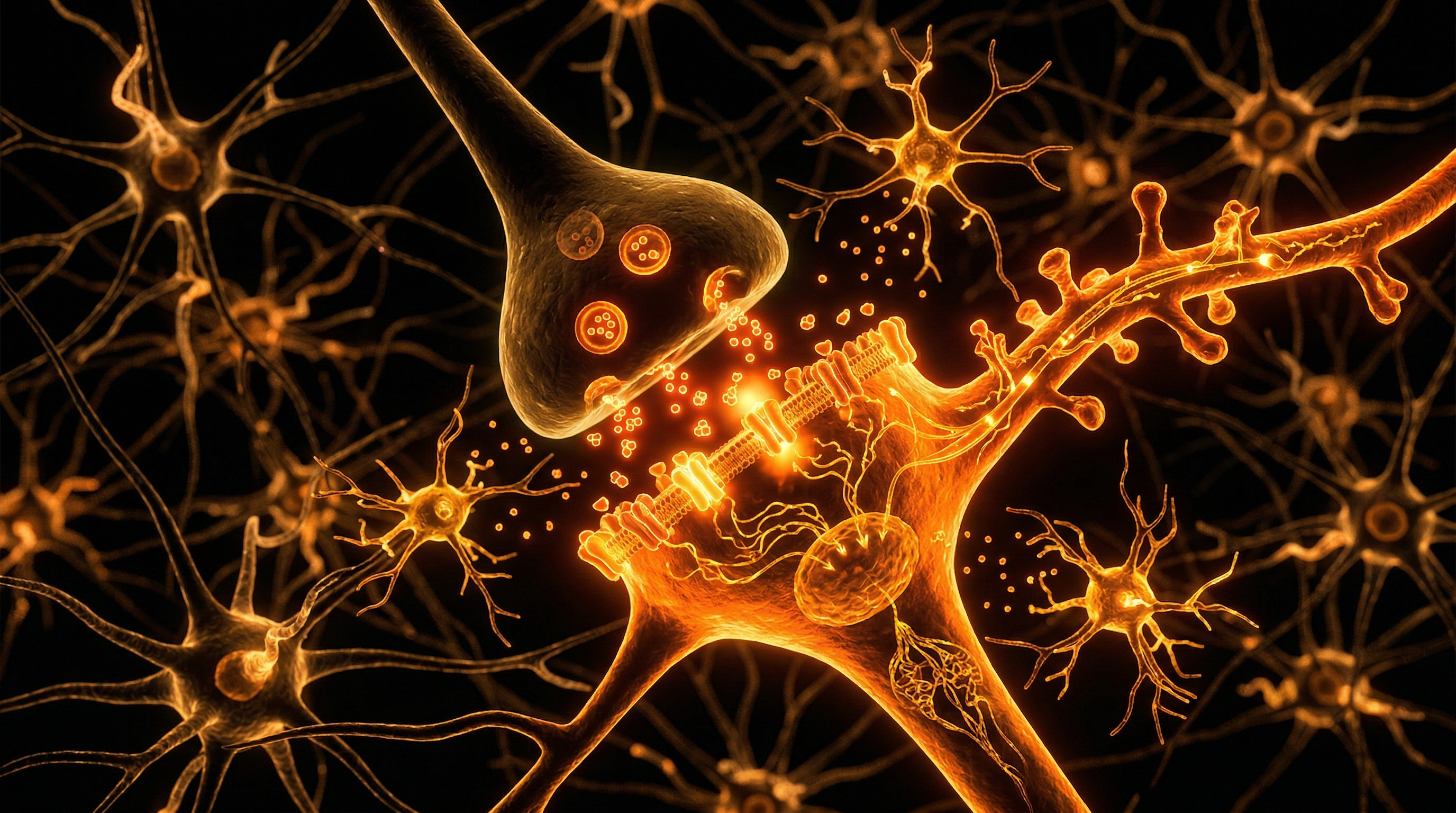
The primary mechanism involves a transition in the dorsal horn of the spinal cord, where repeated or intense nociceptive input triggers a state of ‘wind-up.’ This process is mediated by the activation of N-methyl-D-aspartate (NMDA) receptors. Under normal physiological conditions, the NMDA receptor channel is blocked by a magnesium ion (Mg2+). However, sustained depolarisation—driven by the release of glutamate, Substance P, and calcitonin gene-related peptide (CGRP) from primary afferent fibres—expels the Mg2+ plug. This facilitates an influx of calcium ions into the postsynaptic neurone, triggering a cascade of intracellular signalling pathways, including the activation of protein kinase C (PKC) and mitogen-activated protein kinases (MAPK). These pathways lead to the phosphorylation of ion channels, increasing their sensitivity and effectively lowering the threshold for neuronal firing. Consequently, the CNS begins to respond to sub-threshold inputs, such as light touch (allodynia), and exhibits an exaggerated response to painful stimuli (hyperalgesia).
Furthermore, INNERSTANDIN highlights the critical role of neuroinflammation and the breakdown of inhibitory control. Chronic pain is no longer viewed solely as a neuronal event; the activation of spinal microglia and astrocytes is a prerequisite for the maintenance of sensitisation. These glia release pro-inflammatory cytokines, such as interleukin-1 beta (IL-1β) and tumour necrosis factor-alpha (TNF-α), which further enhance excitatory synaptic transmission and suppress inhibitory GABAergic and glycinergic signalling—a process known as disinhibition. In the UK context, research from institutions such as the Oxford Centre for Functional MRI of the Brain (FMRIB) has demonstrated through advanced neuroimaging that this spinal hyperexcitability is mirrored by structural and functional changes in the brain’s ‘pain matrix,’ including the periaqueductal gray (PAG) and the anterior cingulate cortex. The systemic impact is a nervous system that has ‘learned’ pain, where the original injury may have healed, yet the CNS remains locked in a state of high alert, perpetually generating a nociceptive output in the absence of an external threat. This ‘rewiring’ constitutes the biological reality of the chronic pain epidemic, necessitating a shift toward interventions that target neural plasticity rather than merely suppressing peripheral signals.
The Biology — How It Works
To comprehend the transition from acute nociception to a chronic, intractable state, one must look beyond the site of peripheral injury and examine the neuroplastic metamorphosis within the central nervous system (CNS). Central sensitisation is not merely a functional shift; it is a profound structural and molecular recalibration that alters how the spinal cord and brain process sensory input. At INNERSTANDIN, we identify this as the "rewiring" of the human bio-computer, where the nervous system transitions from a faithful reporter of injury to an active generator of pain.
The primary mechanism of this sensitization occurs at the dorsal horn of the spinal cord through a process known as "wind-up" or long-term potentiation (LTP). Under normal physiological conditions, the N-methyl-D-aspartate (NMDA) receptor is blocked by a magnesium ion, preventing excessive calcium influx. However, sustained or high-intensity nociceptive volleys from peripheral C-fibres cause repetitive depolarisation of the postsynaptic membrane. Research published in The Lancet and Nature Reviews Neuroscience confirms that this persistent stimulation dislodges the magnesium block, allowing an uncontrolled influx of calcium into the neuron. This calcium surge activates a secondary messenger cascade involving protein kinase C (PKC) and nitric oxide synthase, which further increases the excitability of the synapse. The result is a reduced threshold for activation, meaning even low-threshold mechanoreceptors (Aβ-fibres), which normally convey light touch, begin to activate pain-signalling pathways—a phenomenon known as allodynia.
Beyond the neuronal architecture, the role of neuroinflammation mediated by glial cells is critical. Evidence from the Oxford Pain Management Centre suggests that microglia and astrocytes are not merely passive support cells but are the primary drivers of central hypersensitivity. Upon activation, microglia release a cocktail of pro-inflammatory cytokines, specifically Interleukin-1β (IL-1β), Interleukin-6 (IL-6), and Tumour Necrosis Factor-alpha (TNF-α). These substances facilitate a state of "neuronal hyper-responsiveness" by further enhancing excitatory synaptic transmission and suppressing inhibitory control. This neuro-immune crosstalk effectively "primes" the CNS, ensuring that the pain state persists long after the original tissue damage has healed.
Systemically, this pathology is compounded by the failure of descending modulatory pathways. In a homeostatic state, the periaqueductal gray (PAG) and the rostral ventromedial medulla (RVM) provide top-down inhibition, releasing endogenous opioids and serotonin to dampen incoming signals. In the sensitized state, this inhibitory tone is lost or even reversed into descending facilitation. This "disinhibition" means the brain’s natural pharmacy is effectively closed, leaving the individual in a state of constant, unmitigated neural "noise." At INNERSTANDIN, we recognize this as a systemic failure of the biological governor, where the body's protective mechanisms become the very source of its degradation. Understanding this molecular infrastructure is the first step in dismantling the biological grip of chronic pain.
Mechanisms at the Cellular Level
At the molecular epicentre of central sensitisation lies a profound transformation of the neuroplastic architecture within the spinal dorsal horn. This is not merely a transient increase in signalling; it is a fundamental, and often semi-permanent, recalibration of the nervous system’s threshold for excitation. The transition from acute nociception to a chronic, self-sustaining pathological state is primarily mediated by the recruitment and hypersensitivity of N-methyl-D-aspartate (NMDA) receptors. Under normal physiological conditions, NMDA receptors are functionally silent due to a voltage-dependent magnesium (Mg²⁺) plug. However, during the sustained, high-frequency nociceptive bombardment characteristic of central sensitisation—frequently termed 'wind-up'—sustained neuronal depolarisation expels the Mg²⁺ ion. This allows for a massive influx of intracellular calcium (Ca²⁺), initiating a second-messenger cascade involving protein kinase C (PKC) and calcium-calmodulin-dependent protein kinase II (CaMKII). These kinases phosphorylate the NMDA receptors, increasing their open-channel probability and further lowering the threshold for subsequent activation.
At INNERSTANDIN, our exploration of these mechanisms reveals that the pathology extends far beyond the neuron itself, involving a complex 'neuro-immune' axis. Microglia and astrocytes, once considered passive support cells, are now recognised as primary drivers of the sensitised state. Peer-reviewed evidence, notably highlighted in The Lancet and Nature Reviews Neuroscience, demonstrates that peripheral nerve injury or persistent inflammation triggers a phenotype shift in spinal microglia. These activated glia release a potent cocktail of pro-inflammatory cytokines, including Interleukin-1 beta (IL-1β) and Tumour Necrosis Factor-alpha (TNF-α), alongside Brain-Derived Neurotrophic Factor (BDNF). BDNF is a critical molecular switch; it acts upon TrkB receptors on lamina I neurons to downregulate the potassium-chloride co-transporter KCC2. This depletion disrupts the chloride ion gradient, which has the catastrophic effect of making the normally inhibitory neurotransmitters GABA and glycine less effective or, in severe cases, paradoxically excitatory. This phenomenon of 'disinhibition' means the spinal cord loses its innate ability to filter out non-noxious stimuli, leading to the clinical manifestation of allodynia.
Furthermore, this cellular rewiring is reinforced by epigenetic modifications within the dorsal horn. Evidence indexed via PubMed suggests that chronic nociceptive input induces histone acetylation and DNA methylation changes that alter the expression of genes associated with synaptic strength. This suggests that central sensitisation is not just a software error in neuronal signalling but a hardware reconfiguration at the genomic level. These changes are reflected systemically in the UK’s clinical landscape, where patients with centralised pain show altered descending modulatory control. The descending inhibitory pathways, which should originate in the periaqueductal grey (PAG) and utilise serotonin and noradrenaline to dampen pain, are frequently found to be dysfunctional or even facilitatory. Consequently, the central nervous system becomes a biological amplifier, where the cellular 'gain' is turned to its maximum, and the natural 'brakes' are removed, creating a self-perpetuating cycle of neurological distress.
Environmental Threats and Biological Disruptors
The persistence of central sensitisation cannot be viewed merely as an intrinsic failure of nociceptive processing; it is, more accurately, a biological consequence of an increasingly pathogenic environment. At INNERSTANDIN, we recognise that the nervous system is an open system, constantly being recalibrated by exogenous signals that frequently bypass traditional protective barriers. The modern landscape is saturated with biological disruptors that prime the neuro-immune interface, ensuring that the transition from acute to chronic pain is not just possible, but statistically probable.
Contemporary environmental threats act as potent catalysts for neuroinflammation. Particulate matter (PM2.5), a significant concern in UK urban centres according to Lancet Planetary Health reports, facilitates the systemic entry of combustion-derived nanoparticles. These particles induce the release of pro-inflammatory cytokines—specifically IL-1β, IL-6, and TNF-α—which compromise blood-brain barrier (BBB) integrity and directly activate microglial cells within the spinal cord’s dorsal horn. Once activated, these microglia transition from a surveillance state to an amoeboid, pro-inflammatory phenotype. This morphological shift triggers the release of brain-derived neurotrophic factor (BDNF), which shifts the anion gradient in lamina I neurons by downregulating KCC2 transporters. This mechanism effectively flips the switch of the nervous system, turning normally inhibitory GABAergic signals into excitatory drivers—the very hallmark of central sensitisation.
Furthermore, the industrialised food environment in the United Kingdom serves as a pervasive biological disruptor. The prevalence of ultra-processed diets leads to metabolic endotoxaemia—a state where lipopolysaccharides (LPS) from gut microbiota translocation leak into the systemic circulation. Research available via PubMed highlights that LPS acts as a high-affinity ligand for Toll-like receptor 4 (TLR4), expressed on both peripheral nociceptors and central glia. This persistent TLR4 activation lowers the mechanical threshold for neuronal firing, effectively 'wiring' the nervous system into a state of chronic hyperalgesia.
Beyond chemical pollutants, the psychosocial environment and the disruption of circadian rhythms through artificial blue light exposure exacerbate allostatic load. Chronic activation of the hypothalamic-pituitary-adrenal (HPA) axis results in glucocorticoid resistance. In a physiological state, cortisol suppresses neuroinflammation; however, under the weight of modern environmental stressors, the nervous system loses its ability to dampen the immune response. This leads to an uninhibited cycle of neuro-glial communication where the environment dictates the pain state. For the INNERSTANDIN student, it is vital to acknowledge that 'rewiring' the pain system is not a purely psychological endeavour; it necessitates a radical mitigation of these systemic biological disruptors that lock the central nervous system into a state of perpetual threat-detection.
The Cascade: From Exposure to Disease
The transition from acute nociceptive signalling to the pathological state of central sensitization represents a profound maladaptive metamorphosis of the somatosensory system. At INNERSTANDIN, we must look beyond the superficiality of symptom management to expose the molecular orchestration of this cascade. The genesis of this transition typically begins with a sustained peripheral insult—be it traumatic injury, surgery, or chronic inflammation—which initiates a barrage of high-frequency action potentials in primary afferent nociceptors. This repetitive bombardment triggers a phenomenon known as ‘wind-up,’ the temporal summation of C-fibre evoked responses in the dorsal horn of the spinal cord.
Central to this process is the pharmacological unlocking of the N-methyl-D-aspartate (NMDA) receptor. Under homeostatic conditions, the NMDA receptor pore is occluded by a magnesium ion (Mg2+). However, sustained depolarisation, driven by the persistent release of glutamate and neuropeptides like Substance P, removes this block. This allows an influx of calcium (Ca2+) into the postsynaptic neurone, activating an array of intracellular signalling pathways, including protein kinase C (PKC) and calcium/calmodulin-dependent protein kinase II (CaMKII). This biochemical cascade, extensively documented in literature such as that found in The Lancet and the British Journal of Anaesthesia, culminates in the phosphorylation of ion channels and the subsequent upregulation of receptor trafficking to the synapse—a process of long-term potentiation (LTP) that effectively rewires the neural circuitry to be hyper-responsive.
Furthermore, the cascade is not confined to neuronal architecture; it involves an explosive activation of the central nervous system’s innate immune cells—microglia and astrocytes. As we observe through the INNERSTANDIN lens of biological truth, these glia are not mere bystanders but active drivers of chronicity. Upon activation, microglia undergo morphological shifts and release a potent cocktail of pro-inflammatory cytokines, including Interleukin-1 beta (IL-1β), Interleukin-6 (IL-6), and Tumour Necrosis Factor-alpha (TNF-α). This ‘neuro-inflammatory soup’ further lowers the threshold for neuronal firing and promotes ‘disinhibition’ by disrupting the chloride gradient in dorsal horn neurones via the downregulation of the potassium-chloride cotransporter KCC2.
The systemic impact of this cascade is devastating. As the spinal cord becomes sensitised, the pathology ascends to the supraspinal levels, affecting the periaqueductal grey (PAG) and the rostral ventromedial medulla (RVM). This leads to a catastrophic failure of the descending inhibitory pathways—the body’s natural analgesic mechanism—and instead promotes descending facilitation, effectively ‘locking’ the patient in a state of permanent physiological distress. UK-based longitudinal studies have highlighted that this central reorganization correlates with observable grey matter atrophy in the prefrontal cortex and hippocampus, illustrating that central sensitization is not merely a functional shift, but a structural degenerative disease of the nervous system. The exposure of these mechanisms is essential for moving beyond the outdated ‘biopsychosocial’ abstractions toward a rigorous, molecular understanding of chronic pain.
What the Mainstream Narrative Omits
The conventional clinical paradigm in the United Kingdom remains stubbornly tethered to a structural-pathological model, wherein pain is viewed merely as a symptom of peripheral tissue damage. This reductive 'biomedical' narrative, still prevalent across many NHS primary care pathways, fails to account for the profound neurobiological metamorphosis inherent in central sensitization. At INNERSTANDIN, we expose the reality that chronic pain is not simply a prolonged sensation, but a radical restructuring of the central nervous system (CNS) characterized by a pathological shift in synaptic efficacy and a failure of endogenous modulatory systems.
Mainstream discourse frequently overlooks the pivotal role of neuroinflammation, specifically the activation of non-neuronal cells. Peer-reviewed evidence, notably in The Lancet and the Journal of Neuroscience, indicates that microglia and astrocytes are not merely passive support cells but active architects of the sensitized state. Upon persistent nociceptive barrage, microglia in the dorsal horn undergo a phenotypic shift, releasing pro-inflammatory cytokines such as interleukin-1 beta (IL-1β) and tumour necrosis factor-alpha (TNF-α). More critically, the activation of P2X4 receptors on microglia triggers the release of brain-derived neurotrophic factor (BDNF). This protein causes a catastrophic inversion of the chloride gradient in second-order neurons by downregulating the potassium-chloride cotransporter KCC2. The result is 'disinhibition': GABA and glycine, typically the CNS’s primary inhibitory neurotransmitters, lose their hyperpolarizing influence and can paradoxically become excitatory. This fundamental biochemical betrayal means the very mechanisms the brain uses to 'quiet' pain are subverted to amplify it.
Furthermore, the mainstream narrative fails to address the epigenetic dimension of chronicity. Research into the 'wind-up' phenomenon demonstrates that repetitive stimulation of C-fibres leads to the transcriptional upregulation of N-methyl-D-aspartate (NMDA) receptors. This is not a temporary functional change but a semi-permanent alteration in gene expression within the spinal cord's superficial laminae. This 'molecular memory' of pain explains why structural interventions—such as spinal fusions or corticosteroid injections—often fail; the peripheral driver may be removed, but the 'centralised' circuit remains in a state of high-gain hyper-excitability. By ignoring these maladaptive plasticities, conventional medicine treats the 'alarm' while the 'wiring' remains fundamentally compromised. At INNERSTANDIN, we assert that addressing central sensitization requires moving beyond masking symptoms and instead targeting the systemic disequilibrium of the neuro-immune axis.
The UK Context
In the United Kingdom, the clinical landscape of chronic pain has undergone a paradigm shift, transitioning from a peripheral-centric view to one dominated by the neurobiological reality of central sensitisation (CS). Data from the British Pain Society and the Health Survey for England indicate that approximately 28 million adults—roughly 43% of the population—live with chronic pain, a statistic that underscores a systemic failure in traditional biomedical interventions. At INNERSTANDIN, we recognise that this is not merely a failure of tissue healing, but a sophisticated, maladaptive reorganisation of the central nervous system (CNS).
The UK’s National Institute for Health and Care Excellence (NICE) guideline [NG193] reflects this biological truth, increasingly distancing clinical practice from the "structural-pathological" model in favour of addressing the nociplastic changes inherent in chronic primary pain. Research emerging from UK institutions, including the Oxford Centre for Magnetic Resonance Imaging of the Brain (FMRIB), has utilised functional neuroimaging to demonstrate that in British cohorts with conditions such as fibromyalgia and chronic pelvic pain, the brain exhibits heightened connectivity in the salience network and a concomitant reduction in descending inhibitory control. This "top-down" dysregulation is driven by the persistent activation of N-methyl-D-aspartate (NMDA) receptors and the subsequent recruitment of dormant AMPA receptors, a process known as "wind-up" or long-term potentiation (LTP) within the dorsal horn of the spinal cord.
Furthermore, the UK context reveals a significant socio-economic gradient in the prevalence of CS. Evidence published in The Lancet Regional Health – Europe suggests that individuals in the most deprived deciles of the UK population are disproportionately affected by the systemic inflammatory markers that prime microglial cells. These "primed" microglia release pro-inflammatory cytokines such as IL-1β and TNF-α, which further lower the threshold for neuronal firing, effectively "rewiring" the CNS into a state of hyper-excitability. This biological entrenchment explains why traditional analgesic protocols, which target peripheral prostaglandin synthesis, frequently fail in the UK patient population. INNERSTANDIN posits that until the UK’s public health strategy fully integrates the molecular mechanisms of synaptic plasticity and glial-neuronal crosstalk, the burden of chronic pain will remain an insurmountable challenge to the NHS. The truth is stark: we are treating a software malfunction with hardware tools, ignoring the profound neuroplastic reconfiguration that defines the UK’s chronic pain epidemic.
Protective Measures and Recovery Protocols
To resolve the neurobiological entrenchment of central sensitisation, clinical protocols must shift from peripheral symptom suppression to the active modulation of central nervous system (CNS) plasticity. At the core of INNERSTANDIN’s investigative framework is the recognition that chronic pain is not merely a prolonged sensation but a maladaptive state of the neural architecture. Recovery protocols must, therefore, target the reversal of Long-Term Potentiation (LTP) at the dorsal horn synapses and the restoration of descending inhibitory pathways.
Pharmacological intervention in the UK, often guided by NICE evidence but increasingly informed by advanced translational research, focuses on the N-methyl-D-aspartate (NMDA) receptor complex. Excessive NMDA receptor activation is a primary driver of the 'wind-up' phenomenon. High-density research suggests that NMDA-receptor antagonists, such as ketamine (administered in sub-anaesthetic doses) or memantine, can effectively 'reset' the gain on nociceptive processing by reducing glutamate-mediated excitotoxicity. This chemical de-escalation is vital for opening a therapeutic window in which non-pharmacological rewiring can occur.
Beyond biochemistry, the structural restoration of the brain’s 'body schema' is paramount. Central sensitisation often results in the cortical smudging of the primary somatosensory cortex (S1). Recovery protocols now utilise Graded Motor Imagery (GMI)—a three-stage process involving laterality reconstruction, implicit motor imagery, and mirror therapy. Research published in The Lancet and various neurorehabilitation journals indicates that GMI can decouple the threat response from movement by re-establishing the precision of the somatotopic map without triggering the neuro-immune inflammatory cascade. By systematically exposing the brain to non-threatening representations of the affected limb, we induce Long-Term Depression (LTD) of the maladaptive pain pathways.
Furthermore, the role of glial cells—specifically microglia and astrocytes—in maintaining a pro-nociceptive environment cannot be overlooked. In a state of central sensitisation, these cells remain in an activated, ‘primed’ state, secreting pro-inflammatory cytokines such as IL-1β and TNF-α. Protective measures must include metabolic and systemic interventions aimed at neuro-inflammation. This includes the strategic use of Omega-3 polyunsaturated fatty acids and polyphenols, which have shown efficacy in modulating microglial phenotypes from a pro-inflammatory (M1) to an anti-inflammatory (M2) state.
Lastly, top-down modulation via Pain Neuroscience Education (PNE) serves as a biological intervention rather than a mere psychological one. By altering the patient’s conceptualisation of pain, we directly influence the activity of the periaqueductal grey (PAG) and the rostral ventromedial medulla (RVM). This activates the endogenous opioid and serotonergic systems, effectively 'closing the gate' from the top down. At INNERSTANDIN, we posit that the convergence of these multi-modal protocols—targeting the NMDA synapse, the cortical map, and the neuro-immune interface—represents the only viable pathway for the definitive resolution of the sensitised nervous system.
Summary: Key Takeaways
Central sensitisation represents a fundamental, maladaptive shift in the somatosensory system, transitioning from high-threshold nociception to a state of pathological hypersensitivity. At the INNERSTANDIN level of cellular analysis, this phenomenon is driven by the activity-dependent functional plasticity of dorsal horn neurons, primarily mediated by the persistent activation of N-methyl-D-aspartate (NMDA) receptors. Research published in The Lancet and the British Journal of Anaesthesia confirms that repeated nociceptive input triggers the removal of the voltage-gated magnesium block from NMDA receptors, facilitating a massive influx of intracellular calcium. This initiates long-term potentiation (LTP) and the 'wind-up' phenomenon, effectively lowering the threshold for neuronal firing and expanding receptive fields.
Crucially, this mechanism is not limited to neurons; the activation of spinal microglia and astrocytes plays a pivotal role in maintaining this state through the release of pro-inflammatory cytokines, such as TNF-α and IL-1β, which further amplify synaptic excitability. Systemically, central sensitisation is characterised by a catastrophic failure of the descending inhibitory pathways—specifically the serotonergic and noradrenergic modulatory systems—shifting the neurological balance toward descending facilitation. This neurobiological reengineering results in allodynia and hyperalgesia, where the central nervous system ceases to be a passive conduit for signals and instead becomes an autonomous generator of pain. Understanding this systemic transition from peripheral nociception to central entrenchment is vital for addressing the recalcitrant nature of chronic pain syndromes within the UK’s clinical framework.
This article is provided for informational and educational purposes only. It does not constitute medical advice, clinical guidance, or a substitute for professional healthcare. Information reflects cited research at time of publication. Always consult a qualified healthcare professional before acting on any health information.
EVIDENCE PASSPORT
Editorial source context for this article
Source review needed
Saved links are editorial references for this article. They may support specific claims rather than every sentence. Open and assess each source in context. This passport does not independently verify them.
Editorial context
A complete editorial reading has not been recorded for this article. Source links remain available for you to open and assess directly.
Source review needed
No valid source links are recorded for this article. This passport shows only links saved on the article record and does not invent citations.
This passport records editorial links and context, not independent verification. Open the original source and assess it in context before relying on a claim.
Medical Disclaimer
The information in this article is for educational purposes only and does not constitute medical advice, diagnosis, or treatment. Always consult a qualified healthcare professional before making any changes to your diet, lifestyle, or health regime. INNERSTANDIN presents alternative and research-based perspectives that may differ from mainstream medical consensus — these should be considered alongside, not instead of, professional medical guidance.
Read Full DisclaimerContinue the thread
Keep this question moving.
Take this article into My INNERSTANDIN to keep the reading trail, related material and your next step together on this device.
Explore this in the Body Map
See where this hits your biology. Interactive anatomy, threats, and protective protocols.
Dig deeper in the Library
Free, longform PDF volumes that go beyond headlines into mechanisms and references.