
How Digital Overload Alters Neuroplasticity and Dopamine Regulation in the Developing Brain
Updated May 2026
Modern screen exposure is fundamentally reshaping the neural architecture of the growing brain during critical windows of development. We examine the biological mechanisms of dopamine-driven feedback loops and the impact of blue light on circadian rhythms.
Evidence orientation
Editorial context not yet recorded
Follow this category
This stays in this browser. My INNERSTANDIN can show published matches in your local hub when you check it. It does not send email, push, or alert notifications.
Local learning review
A private browser aid for revisiting ideas. It is not an alert or a health recommendation.
Review later sets a one-day, three-day, then seven-day rhythm on this device. Choose it only when you want to revisit this article.
Overview
The human brain is arguably the most complex structure in the known universe, a biological masterpiece of architectural fluidity designed over millions of years to interact with a physical, tactile, and social world. However, we are currently mid-way through a reckless, uncontrolled biological experiment. The rapid-fire introduction of high-velocity digital stimuli has created an unprecedented evolutionary mismatch. For the first time in history, the developing brains of our children are being sculpted not by the natural environment, but by engineered algorithms designed specifically to bypass conscious thought and exploit ancient survival mechanisms.
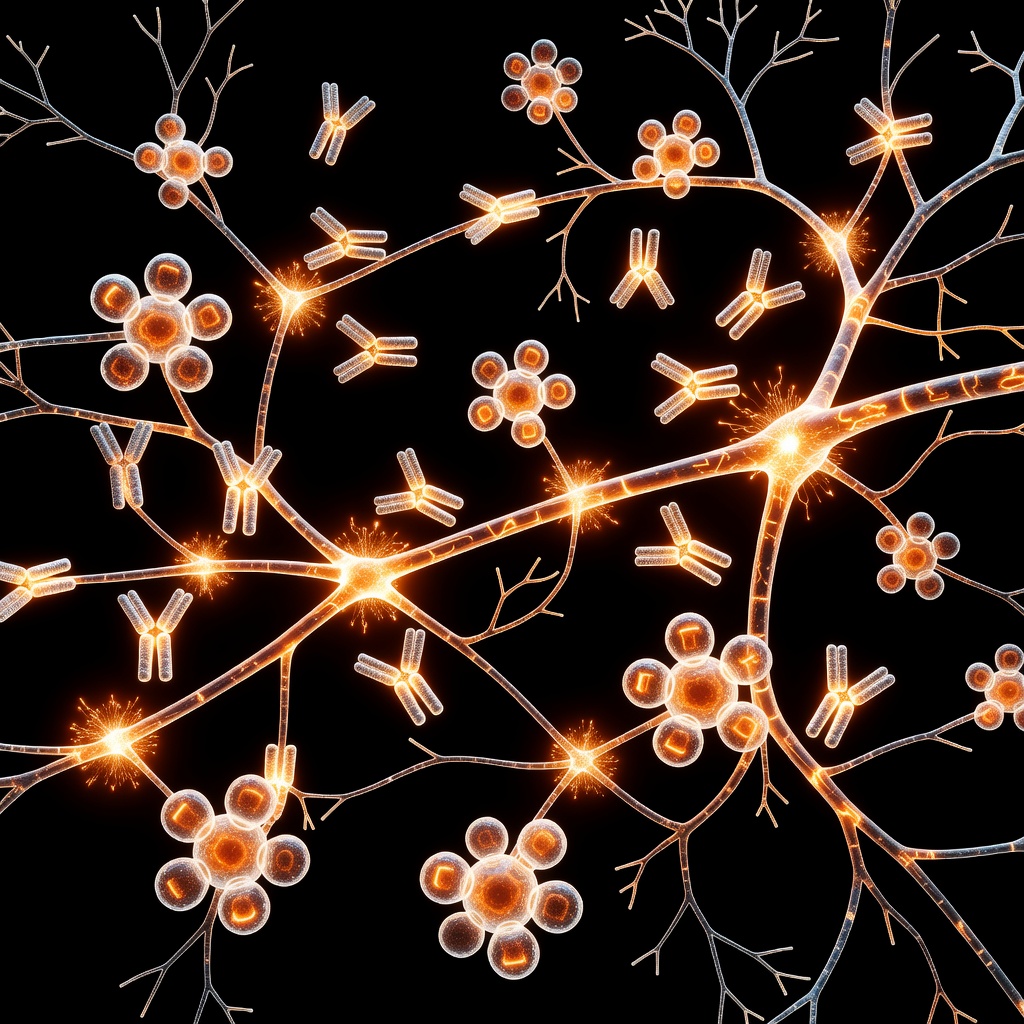
At INNERSTANDING, we do not view "screen time" as a mere lifestyle choice or a benign parenting hurdle. We recognise it as a powerful neurobiological intervention. When a child engages with a smartphone or tablet, they are not merely "watching a video"; they are engaging in a high-frequency pharmacological exchange. The digital interface acts as a delivery system for endogenous neurochemicals, primarily dopamine, which fundamentally alters the neuroplasticity of the growing brain.
Neuroplasticity—the brain’s ability to reorganise itself by forming new neural connections throughout life—is at its zenith during childhood and adolescence. This is a "critical window" where the environment dictates which neural pathways are strengthened and which are "pruned" away. By saturating this window with hyper-stimulating digital content, we are effectively hardwiring the next generation for shortened attention spans, heightened impulsivity, and a chronic state of reward deficiency. This article will deconstruct the molecular and cellular mechanisms of this transformation, exposing the biological price of the digital age.
##
The Biology — How It Works
To understand how digital overload reconfigures the brain, we must first examine the foundational principles of Hebbian Theory: "neurons that fire together, wire together." In the developing brain, synapses—the junctions between neurons—are exceptionally labile. During the first two decades of life, the brain undergoes a massive expansion of synaptic connections, followed by a strategic process known as synaptic pruning. This pruning is an "economic" biological decision; the brain eliminates weak or unused connections to favour those that are frequently activated.
The Prefrontal Cortex: The Seat of Sovereignty
The Prefrontal Cortex (PFC) is the last region of the brain to fully mature, often not reaching completion until the mid-twenties. This region is responsible for executive functions: impulse control, long-term planning, empathy, and complex decision-making. In a natural developmental trajectory, the PFC slowly gains "top-down" control over the limbic system, the brain’s emotional and impulsive centre.
Digital overload reverses this hierarchy. By providing instant gratification and constant sensory bombardment, digital media over-stimulates the limbic system, particularly the amygdala and the nucleus accumbens. When these primitive regions are chronically hyper-activated, the PFC fails to develop the robust neural architecture required to regulate them. We are witnessing a generation where the "biological brakes" of the brain are being systematically weakened before they are even fully installed.
White Matter and Myelination
The efficiency of the brain depends on myelination—the process of coating neuronal axons with a fatty substance called myelin, which acts as insulation to speed up electrical signaling. Recent neuroimaging studies have shown that children with high screen usage exhibit lower structural integrity in the white matter tracts that support language and emergent literacy skills. This is not merely a "learning delay"; it is a structural deficit in the brain’s communication infrastructure.
ALARMING STATISTIC: Research published in JAMA Pediatrics indicates that children who exceed the recommended screen time guidelines show significantly lower microstructural integrity of white matter tracts in brain regions responsible for executive function and multi-modal sensory processing.
##
Mechanisms at the Cellular Level
The "hijacking" of the brain occurs at the level of the synapse, driven by the dysregulation of the mesolimbic dopaminergic pathway. This is the brain’s primary reward circuit, designed to incentivise life-sustaining behaviours like eating, social bonding, and learning.
The Dopamine Loop and Receptor Downregulation
Dopamine is a neurotransmitter that signals "reward prediction error." When a child receives a "like," a notification, or a new level in a game, the Ventral Tegmental Area (VTA) releases a surge of dopamine into the Nucleus Accumbens (NAc). This is a phasic release—a sharp, intense spike that creates a feeling of euphoria or intense engagement.
However, the brain seeks homeostasis (biological balance). When the system is flooded with unnaturally frequent and intense dopamine spikes from digital stimuli, the postsynaptic neurons respond by reducing the number of available D2 receptors. This process, known as downregulation, is the brain’s attempt to protect itself from over-stimulation.
- Tonic vs. Phasic Dopamine: Tonic dopamine represents the baseline level of "drive" or "motivation." As D2 receptors disappear, the child’s baseline (tonic) level of enjoyment from everyday, non-digital activities (like reading or nature) plummets.
- Reward Deficiency Syndrome: The child enters a state where nothing feels "enough" unless it provides the hyper-stimulation of a screen. This is the biological definition of addiction.
The Role of DeltaFosB
At the molecular level, chronic over-stimulation leads to the accumulation of a transcription factor called DeltaFosB in the Nucleus Accumbens. DeltaFosB is incredibly stable, persisting for weeks or even months. It acts as a "molecular switch" that increases the brain’s sensitivity to reward while simultaneously decreasing the sensitivity to natural reinforcers. High levels of DeltaFosB are a hallmark of drug addiction, yet we are seeing the same molecular signatures in the brains of children "addicted" to short-form video content and gaming.
Glutamate and Excitotoxicity
The constant flicker and rapid scene changes of modern digital content demand high-frequency firing of the visual and auditory cortex. This requires the release of glutamate, the brain’s primary excitatory neurotransmitter. If glutamate levels remain chronically high, it can lead to excitotoxicity, where the over-activation of NMDA receptors allows an influx of calcium ions that can damage or even kill neurons. While the brain has antioxidant defences, such as Glutathione, the sheer volume of digital stimulus can overwhelm these protective mechanisms, leading to oxidative stress within the neural tissue.
##
Environmental Threats and Biological Disruptors
The threat of digital overload is not limited to the software; the hardware itself acts as a potent biological disruptor. The most significant of these is the emission of High-Energy Visible (HEV) Blue Light.
The Circadian Death Spiral
Human biology is governed by the Circadian Rhythm, an internal clock synchronised by the Suprachiasmatic Nucleus (SCN) in the hypothalamus. The SCN is exquisitely sensitive to light in the 450-480nm range (blue light).
When blue light hits the melanopsin-expressing retinal ganglion cells (ipRGCs) in the eye, it sends a direct signal to the SCN to suppress the production of melatonin in the pineal gland. Melatonin is not just a "sleep hormone"; it is a master antioxidant and a critical regulator of neuroplasticity during sleep.
- The Cortisol Spike: By suppressing melatonin, blue light exposure in the evening causes an unnatural elevation in cortisol (the stress hormone).
- The Glymphatic System: During deep sleep, the brain’s "waste disposal system"—the glymphatic system—becomes ten times more active, flushing out metabolic debris like amyloid-beta. By disrupting sleep via blue light and dopamine-induced arousal, digital overload prevents the brain from performing essential nightly maintenance, leading to "biological brain fog."
BIOLOGICAL FACT: Exposure to blue-light-emitting screens for just two hours before bed can suppress melatonin levels by up to 22%, shifting the entire circadian phase and impairing the brain's ability to enter the restorative REM and deep-sleep stages essential for memory consolidation.
Electromagnetic Fields (EMFs) and Voltage-Gated Calcium Channels (VGCCs)
While mainstream regulatory bodies like the MHRA often focus on thermal effects, emerging biological research suggests that the non-ionising radiation emitted by mobile devices can interact with Voltage-Gated Calcium Channels (VGCCs) in the cell membrane. Excessive calcium influx into the cell can trigger a cascade of oxidative stress, increasing the production of peroxynitrite, a potent oxidant that can damage DNA and mitochondrial function within the neurons.
##
The Cascade: From Exposure to Disease
The biological alterations described above do not exist in a vacuum; they manifest as the burgeoning mental health crisis we see today. The cascade from "exposure" to "disease" is a predictable biological trajectory.
ADHD and the Fragmentation of Attention
Attention Deficit Hyperactivity Disorder (ADHD) is frequently a manifestation of a compromised reward system. When the PFC is underdeveloped and the dopamine system is downregulated, the child cannot maintain focus on "low-dopamine" tasks (like classroom learning). Their brain is perpetually "foraging" for the next dopamine hit. This is not a lack of ability to attend; it is a biological re-tuning of the brain to only attend to hyper-novel stimuli.
Anxiety, Depression, and the "Digital Amygdala"
The constant state of "alertness" required by social media and high-stakes gaming keeps the Hypothalamic-Pituitary-Adrenal (HPA) axis in a state of chronic activation. This leads to:
- Adrenal Fatigue: The chronic output of cortisol eventually desensitises the system.
- Amygdala Hypertrophy: The "fear centre" of the brain becomes enlarged and over-reactive, leading to heightened anxiety and a decreased threshold for stress.
- Anhedonia: The inability to feel pleasure, a core symptom of depression, is the direct result of D2 receptor downregulation.
Digital Dementia
The term "Digital Dementia" refers to the deterioration in cognitive abilities—such as short-term memory and concentration—resulting from the overuse of digital technology. By outsourcing our "working memory" to devices (GPS, contact lists, search engines), the hippocampus—the brain's memory hub—undergoes atrophy. Like a muscle that is never used, the neural circuits of the hippocampus weaken, leading to a profound decline in cognitive "stamina."
##
What the Mainstream Narrative Omits
The mainstream narrative, often influenced by the colossal lobbying power of Silicon Valley, tends to frame digital overload as a "parenting issue" or a "matter of balance." This is a deceptive oversimplification.
Engineered Addiction (The B.J. Fogg Model)
The apps our children use are not "neutral." They are built using the Stanford Persuasive Technology Lab principles (the Fogg Behaviour Model). Features like Infinite Scroll, Snapstreaks, and Auto-play are specifically designed to trigger the Variable Ratio Reinforcement Schedule—the same psychological mechanism that makes slot machines the most addictive form of gambling.
Corporate Capture of Safety Standards
There is a glaring lack of independent, long-term biological safety testing regarding the cumulative effects of high-frequency digital exposure on the developing blood-brain barrier (BBB). The FSA and Environment Agency have strict protocols for chemicals in our food and water, yet the "digital toxins" of dopamine-loop algorithms and HEV light are permitted to permeate our children's lives without any "Biological Safety Rating."
The Impact on Microglia
Mainstream science rarely discusses the role of microglia—the brain’s resident immune cells. Recent studies suggest that chronic stress from digital overload can "prime" microglia into a pro-inflammatory state. This neuroinflammation is now being linked to the rise in autistic-spectrum behaviours and childhood mood disorders. By over-stimulating the brain, we are essentially setting the brain's immune system on fire.
##
The UK Context
In the United Kingdom, the situation has reached a critical tipping point. Data from Ofcom (the UK's communications regulator) reveals that the average UK teenager now spends upwards of seven hours a day in front of a screen—this does not include time spent on school computers.
The NHS Burden
The NHS is currently overwhelmed by a surge in childhood mental health referrals. While "funding" is often blamed, the biological root cause—the systematic disruption of the developing brain's architecture—is ignored. The Online Safety Act, while a step in the right direction regarding content, fails to address the biological impact of the medium itself. It focuses on "what" children see, rather than "how" the delivery mechanism affects their neural circuitry.
Education and the "Digital Divide"
There is a growing "neuro-biological divide" in the UK. Many of the executives in Big Tech (the "Silicon Valley elite") famously send their children to "low-tech" or "no-tech" Steiner or Montessori schools, where the emphasis remains on tactile, 3D learning and PFC development. Meanwhile, the UK state school system is increasingly digitised, with tablets replacing textbooks. This is creating a future where a "cognitive elite" with intact PFCs will lead a "digitised populace" with fragmented attention and compromised executive function.
KEY UK STATISTIC: According to the Health Survey for England, children's mental health issues have risen by over 50% in the last decade, mirroring the exact timeline of the mass adoption of smartphones and high-speed mobile internet.
##
Protective Measures and Recovery Protocols
While the damage to neuroplasticity can be profound, the brain’s inherent "plasticity" also means that recovery is possible—if the intervention is aggressive and sustained. We must move beyond "screen time limits" and toward Biological Restoration.
1. The Digital Fast (Dopamine Reset)
To allow for the upregulation of D2 receptors, a total "Digital Fast" is required.
- The Protocol: A minimum of 21 to 28 days without high-dopamine digital stimuli (gaming, social media, short-form video).
- The Result: This period allows the brain to clear accumulated DeltaFosB and begin re-sensitising the reward pathways to natural stimuli. Expect withdrawal symptoms (irritability, lethargy) for the first 10 days; this is a physiological response to the removal of a chronic neurochemical stimulant.
2. Circadian Entrainment and Light Hygiene
To restore the melatonin-cortisol balance, families must implement strict light hygiene.
- Blackout: No blue light exposure at least two hours before sleep.
- Amber/Red Spectra: Use salt lamps or red-spectrum bulbs in the evening to allow the pineal gland to initiate melatonin synthesis.
- Morning Sunlight: Exposure to natural sunlight within 30 minutes of waking (without sunglasses) triggers the release of Serotonin and helps set the "circadian anchor" for the day.
3. Nutritional Support for Neuroplasticity
The brain requires specific raw materials to repair damaged synapses and build new ones.
- Omega-3 Fatty Acids (EPA/DHA): Critical for maintaining the fluidity of the neuronal membrane and the integrity of the myelin sheath.
- Magnesium (L-Threonate or Bisglycinate): Magnesium is a natural NMDA receptor antagonist; it helps prevent glutamate excitotoxicity and calms the nervous system.
- Phosphatidylserine: A key phospholipid that supports cognitive function and blunts the over-production of cortisol.
4. Tactile and "Proprioceptive" Engagement
To counteract the "atrophy" of the PFC, children must engage in high-effort, tactile activities that require delayed gratification.
- Activities: Gardening, woodworking, playing a musical instrument, or strategic board games. These activities force the PFC to engage in long-term planning and fine motor control, strengthening the neural pathways that digital media leaves dormant.
##
Summary: Key Takeaways
The digital transformation of the developing brain is not a metaphorical change; it is a physical, chemical, and structural metamorphosis. By understanding the biological mechanisms at play, we can move from a position of passive concern to one of active defence.
- Neuroplasticity is a Double-Edged Sword: While it allows for learning, it also allows for the "hardwiring" of addictive and impulsive pathways when exposed to engineered digital stimuli.
- Dopamine Hijacking is Real: The downregulation of D2 receptors and the accumulation of DeltaFosB create a "Reward Deficiency Syndrome" that mirrors drug addiction.
- The Prefrontal Cortex is Under Attack: Digital overload prevents the maturation of the brain's executive centre, leading to a permanent deficit in impulse control and focus.
- Circadian Rhythms are Essential: Blue light is a potent neuroendocrine disruptor that suppresses melatonin, spikes cortisol, and prevents the brain's nightly detoxification.
- The UK Faces a Cognitive Crisis: Without a shift in how we regulate digital exposure in the home and school, the NHS will continue to see a rise in preventable neurodevelopmental and mental health conditions.
The choice is stark. We can continue to allow the neural architecture of the next generation to be designed by algorithms for the purpose of "engagement" (profit), or we can reclaim the biological sovereignty of our children's brains. At INNERSTANDING, we believe that the first step to freedom is understanding the biology of the cage. The future of human intelligence and emotional stability depends on our ability to disconnect from the digital fake and reconnect with the biological real.
This article is provided for informational and educational purposes only. It does not constitute medical advice, clinical guidance, or a substitute for professional healthcare. Information reflects cited research at time of publication. Always consult a qualified healthcare professional before acting on any health information.
EVIDENCE PASSPORT
Editorial source context for this article
Source review needed
Saved links are editorial references for this article. They may support specific claims rather than every sentence. Open and assess each source in context. This passport does not independently verify them.
Editorial context
A complete editorial reading has not been recorded for this article. Source links remain available for you to open and assess directly.
Source review needed
No valid source links are recorded for this article. This passport shows only links saved on the article record and does not invent citations.
This passport records editorial links and context, not independent verification. Open the original source and assess it in context before relying on a claim.
Medical Disclaimer
The information in this article is for educational purposes only and does not constitute medical advice, diagnosis, or treatment. Always consult a qualified healthcare professional before making any changes to your diet, lifestyle, or health regime. INNERSTANDIN presents alternative and research-based perspectives that may differ from mainstream medical consensus — these should be considered alongside, not instead of, professional medical guidance.
Read Full DisclaimerContinue the thread
Keep this question moving.
Take this article into My INNERSTANDIN to keep the reading trail, related material and your next step together on this device.
Explore this in the Body Map
See where this hits your biology. Interactive anatomy, threats, and protective protocols.
Dig deeper in the Library
Free, longform PDF volumes that go beyond headlines into mechanisms and references.