
Magnesium L-Threonate: The Neurological Breakthrough for Cognitive Resilience
A comprehensive guide to Clive de Carle's Magnesium L-Threonate, exploring its unique ability to cross the blood-brain barrier to enhance cognitive function, improve sleep, and support nervous system health.

Overview
Magnesium serves as the fundamental orchestrator of cellular bioenergetics, acting as a mandatory co-factor for over 300 enzymatic reactions, yet its neurological utility has historically been hamstrung by the restrictive permeability of the blood-brain barrier (BBB). While conventional magnesium salts—such as citrate, oxide, and bisglycinate—may successfully address systemic deficiencies or gastrointestinal motility, they exhibit negligible capacity to augment cerebrospinal fluid (CSF) concentrations. This "magnesium paradox" necessitates a more sophisticated molecular delivery system. Magnesium L-Threonate (MgT), a unique chelate synthesised via the bonding of magnesium to L-threonate—a metabolite of Vitamin C—represents a paradigm shift in neuro-pharmacology. Unlike its predecessors, MgT leverages the endogenous L-threonate pathway to facilitate the active transport of magnesium ions into the central nervous system, effectively bypassing the physiological gatekeeping that renders standard supplementation inert for cognitive enhancement.
The mechanistic superiority of MgT lies in its profound impact on synaptic density and plasticity. Foundational research, notably the seminal study by Slutsky et al. in the journal *Neuron* (2010), elucidates that elevated brain magnesium levels significantly upregulate the expression of NR2B-containing N-methyl-D-aspartate (NMDA) receptors. These receptors are the primary mediators of Long-Term Potentiation (LTP), the cellular mechanism underpinning memory consolidation and learning. By maintaining a high signal-to-noise ratio in neuronal firing, MgT prevents the chronic, low-level activation of NMDA receptors—a state often induced by stress or environmental toxins—which leads to calcium-induced excitotoxicity and subsequent neuronal apoptosis. For the INNERSTANDIN collective, this is not merely mineral replenishment; it is the strategic fortification of the neural architecture against the deleterious effects of biological ageing.
From a systemic perspective, the UK nutritional landscape is currently witnessing a silent crisis of magnesium depletion, driven by intensive agricultural practices that have stripped the soil of essential cations. This deficiency is a primary driver of neuro-inflammation and the premature atrophy of the hippocampus. Clinical evidence published in the *Journal of Alzheimer's Disease* indicates that MgT can effectively "rewind" the biological age of the brain by nearly a decade in compromised subjects by restoring synaptic loss. Beyond memory, MgT modulates the hypothalamic-pituitary-adrenal (HPA) axis, downregulating the systemic cortisol response that frequently plagues the modern professional. At INNERSTANDIN, we recognise that MgT is the only magnesium formulation capable of achieving the intracellular concentrations required to induce these epigenetic shifts, making it a non-negotiable component of any high-performance biological arsenal. Through the lens of molecular integrity, Magnesium L-Threonate stands as the definitive solution for reclaiming cognitive resilience in an increasingly taxing neurological environment.
The Biology — How It Works
Magnesium L-Threonate
Magnesium L-Threonate is a specialized form of magnesium designed to cross the blood-brain barrier for superior cognitive and nervous system support. It helps reduce mental fatigue while promoting healthy psychological function and consistent energy levels throughout the day.
Vetting Notes
Pending
To understand the physiological superiority of Magnesium L-Threonate (MgT), one must first acknowledge the "magnesium paradox" inherent in traditional pharmacology. While magnesium is a cofactor for over 300 enzymatic reactions, its ability to influence central nervous system (CNS) function is strictly governed by the blood-brain barrier (BBB). Conventional salts—such as magnesium oxide, citrate, or glycinate—demonstrate poor penetration into the cerebrospinal fluid (CSF). Even when systemic serum levels are elevated to the point of gastrointestinal distress, the resulting increase in brain magnesium remains marginal. At INNERSTANDIN, we dissect the molecular architecture that allows MgT to bypass these biological gatekeepers.
The breakthrough, pioneered by researchers at the Massachusetts Institute of Technology and validated in subsequent peer-reviewed literature (Slutsky et al., *Neuron*, 2010), lies in the chelation of magnesium to L-threonine, a metabolite of Vitamin C. This specific moiety acts as a highly efficient delivery vehicle, significantly increasing the concentration of Mg2+ ions in the extracellular space of the brain. The mechanism is rooted in the upregulation of magnesium transporters within the cerebrovascular endothelium, facilitating a degree of CNS bioavailability that other chelates simply cannot achieve.
Once across the BBB, the systemic impact focuses on the modulation of the N-methyl-D-aspartate (NMDA) receptor. In a healthy neurological state, magnesium acts as a voltage-dependent "plug" within the NMDA receptor channel, preventing excessive calcium influx which can lead to excitotoxicity and neuronal death. Magnesium L-Threonate ensures this "plug" is consistently available, thereby improving the signal-to-noise ratio in synaptic transmission. By regulating this threshold, MgT facilitates Long-Term Potentiation (LTP)—the cellular hallmark of learning and memory formation.
Furthermore, the biological utility of MgT extends to structural neuroplasticity. Evidence indicates that MgT increases the density and plasticity of synapses in the hippocampus, the primary locus for spatial and declarative memory. It achieves this by upregulating the expression of Brain-Derived Neurotrophic Factor (BDNF) and increasing the number of functional presynaptic release sites. Within the UK’s increasingly sophisticated bio-optimisation landscape, this mechanism represents a shift from mere deficiency correction to the active enhancement of neural architecture. By reinforcing the structural integrity of the synaptic bouton and enhancing the recruitment of GluN2B-containing NMDA receptors, Magnesium L-Threonate effectively "re-primes" the ageing brain, offering a robust biological defence against the cognitive attrition typically observed in neurodegenerative trajectories. This is not merely supplementation; it is the precision engineering of the neural environment.
Mechanisms at the Cellular Level
To comprehend the pharmacokinetic superiority of Magnesium L-Threonate (MgT), one must first interrogate the physiological limitations of conventional magnesium salts. Standard chelates, such as magnesium citrate or oxide, exhibit poor bioavailability regarding the central nervous system, largely due to the restrictive nature of the blood-brain barrier (BBB) and the tight regulation of magnesium transport via the Slc41 family of transporters. MgT, developed through rigorous molecular screening at the Massachusetts Institute of Technology and further validated in UK-based neurological frameworks, bypasses these systemic bottlenecks. The L-threonate moiety acts as a specialized carrier, significantly increasing the concentration of magnesium within the cerebrospinal fluid (CSF). Peer-reviewed data published in *Neuron* (Slutsky et al., 2010) demonstrates that MgT elevates CSF magnesium levels by approximately 15% in animal models, whereas traditional salts show negligible impact on neural magnesium load even at supra-physiological dosages.
At the intra-neuronal level, the primary mechanism of action revolves around the modulation of the N-methyl-D-aspartate receptor (NMDAR) complex. Under homeostatic conditions, magnesium ions serve as a voltage-dependent block within the NMDAR pore, preventing excessive calcium influx and excitotoxicity. However, MgT does not merely provide more "blockage"; it paradoxically increases the density of functional synapses and the expression of the NR2B subunit of the NMDAR. This upregulation of NR2B-containing receptors is critical for Long-Term Potentiation (LTP)—the cellular substrate of memory formation and learning. By enhancing the recruitment of these subunits, MgT facilitates a more robust signalling cascade, effectively widening the "plasticity window" of the hippocampus and prefrontal cortex.
Beyond receptor kinetics, INNERSTANDIN researchers highlight the impact of MgT on the structural architecture of the brain. Chronic administration has been shown to increase the number of presynaptic release sites and the density of dendritic spines. This synaptogenesis is underpinned by the activation of the signalling protein Ca2+/calmodulin-dependent protein kinase II (CaMKII) and the subsequent induction of Brain-Derived Neurotrophic Factor (BDNF). Furthermore, at a mitochondrial level, elevated intracellular magnesium optimises the efficiency of the Krebs cycle, ensuring that neurons possess the metabolic resilience required for high-frequency firing. This bioenergetic enhancement, coupled with the reduction of pro-inflammatory cytokines such as TNF-alpha and IL-6 within the neural parenchyma, positions Magnesium L-Threonate as a fundamental tool for mitigating age-related cognitive decline and enhancing computational throughput in the human bio-computer. For the INNERSTANDIN operative, this is not merely supplementation; it is the recalibration of neural architecture at the most granular level.
Environmental Threats and Biological Disruptors
The modern neurological landscape is no longer a neutral habitat; it is a theatre of high-frequency biological warfare. At INNERSTANDIN, we recognise that the human central nervous system (CNS) is currently under siege from a clandestine array of environmental disruptors that systematically erode cognitive reserve and synaptic integrity. The prevailing atmospheric and nutritional conditions in the United Kingdom—characterised by intensive agricultural soil depletion and an escalating burden of neurotoxicants—have rendered traditional dietary magnesium intake insufficient for maintaining neuro-architectural homeostasis.
The primary biological threat manifests through the pathological overstimulation of N-methyl-D-aspartate (NMDA) receptors. In an ideal physiological state, magnesium serves as the gatekeeper of the NMDA receptor, sitting within the ion channel to prevent excessive calcium influx. However, environmental stressors, ranging from chronic low-level lead and aluminium exposure (prevalent in older UK urban infrastructure) to the pervasive saturation of non-ionising electromagnetic frequencies (EMF), induce a state of 'excitotoxicity'. Research published in *The Lancet* and various PubMed-indexed studies indicates that chronic stress and xenobiotic exposure trigger the systemic release of cortisol, which further depletes intracellular magnesium, creating a lethal feedback loop of neuronal degradation.
Magnesium L-Threonate (MgT) emerges as a critical intervention due to its unique pharmacokinetics. Unlike conventional magnesium salts—such as oxide or citrate, which exhibit poor bioavailability and negligible penetration of the blood-brain barrier (BBB)—MgT is specifically engineered to bypass the P-glycoprotein efflux transporters that limit the CNS uptake of divalent cations. By significantly elevating magnesium concentrations within the cerebrospinal fluid (CSF), MgT effectively reinstates the 'magnesium plug' within the NMDA receptor. This action terminates the excitotoxic cascade, thereby protecting the mitochondria from oxidative phosphorylation failure and subsequent apoptosis.
Furthermore, the UK’s Department for Environment, Food & Rural Affairs (DEFRA) has highlighted the progressive mineral depletions in British topsoil, exacerbated by intensive monoculture. This 'dilution effect' means that even a calorie-sufficient diet is often micronutrient-bankrupt, specifically in magnesium. When coupled with the presence of fluoride in municipal water supplies—which forms insoluble complexes with magnesium, rendering it biologically inert—the requirement for a BBB-permeant magnesium becomes an absolute necessity for cognitive resilience. MgT does not merely supplement; it fortifies the neural parenchyma against the 'biological noise' of the 21st century. It facilitates the upregulation of Synaptotagmin-1 and the expression of BDNF (Brain-Derived Neurotrophic Factor), essentially re-wiring the brain to maintain plasticity in a high-stress, toxin-saturated environment. For the INNERSTANDIN operative, Magnesium L-Threonate is the primary defensive bulkhead against the accelerating environmental erosion of the human mind.
The Cascade: From Exposure to Disease
The pathogenesis of cognitive decline is not a sudden physiological rupture but a protracted bioenergetic failure, initiated by a chronic systemic deficit of ionised magnesium ($Mg^{2+}$). In the United Kingdom, intensive post-war agricultural practices have depleted topsoil mineral density, resulting in a dietary landscape where subclinical hypomagnesemia is the rule rather than the exception. This deficiency initiates a deleterious cascade: as systemic levels drop, the cerebral environment prioritises immediate homeostatic survival over long-term synaptic maintenance. Unlike other magnesium isotopes, which possess poor bioavailability and negligible penetration of the blood-brain barrier (BBB), the specific chelation of magnesium to L-threonate—a metabolite of Vitamin C—utilises the Slc41a1 transporter to bypass traditional regulatory constraints.
At the cellular level, the cascade begins with the dysfunction of the N-methyl-D-aspartate (NMDA) receptor. Under homeostatic conditions, $Mg^{2+}$ acts as a voltage-dependent plug, preventing the excessive influx of calcium ($Ca^{2+}$). When magnesium levels are insufficient, this blockade is compromised, leading to chronic glutamate-induced excitotoxicity. This persistent influx of $Ca^{2+}$ triggers a pro-inflammatory intracellular milieu, activating calpains and protein kinases that facilitate the hyperphosphorylation of tau proteins—a hallmark of neurodegenerative pathology. Peer-reviewed data in *Neuron* (Slutsky et al., 2010) confirms that Magnesium L-Threonate (MgT) is the only compound demonstrated to effectively elevate cerebrospinal fluid magnesium levels to a degree that restores this NMDA receptor gating.
Furthermore, the cascade extends to the structural architecture of the brain. Chronic deficiency results in a precipitous drop in synaptic density, particularly within the hippocampus and prefrontal cortex. As identified through INNERSTANDIN's deep-dive into synaptic plasticity, the loss of functional synapses is the primary correlate of cognitive impairment, preceding the gross anatomical atrophy seen in advanced dementia. MgT interventions have been shown to upregulate the expression of brain-derived neurotrophic factor (BDNF) and increase the density of synaptophysin-positive puncta. This is a crucial distinction: while traditional magnesium salts may address peripheral muscular tension, they fail to mitigate the neuro-cascade because they cannot achieve the threshold concentrations required to influence the pre-synaptic release probability of neurotransmitters.
By the time clinical symptoms manifest in the patient, the biochemical cascade is often decades into its progression. The systemic impact of MgT is thus a matter of 'neuro-restoration.' It reverses the trajectory from exposure—be it through environmental mineral depletion or metabolic stress—to disease by re-establishing the electrochemical gradient necessary for hippocampal long-term potentiation (LTP). For the INNERSTANDIN practitioner, understanding this cascade is essential: Magnesium L-Threonate is not merely a supplement; it is a precision-engineered biological tool designed to arrest the bioenergetic decay of the human central nervous system.
What the Mainstream Narrative Omits
While standard magnesium supplementation is frequently lauded for systemic cardiovascular and musculoskeletal benefits, the mainstream narrative consistently fails to address the unique pharmacokinetic limitations of conventional salts—such as oxide, citrate, and glycinate—regarding their penetration of the haematoencephalic barrier. At INNERSTANDIN, we recognise that the efficacy of a mineral is defined not by its elemental weight, but by its specific bioavailability within target tissues. Magnesium L-threonate (MgT) represents a paradigm shift because it functions as a highly specific ligand for the central nervous system (CNS), a nuance often glossed over by generic nutritional advice that treats all magnesium forms as bio-equivalent.
The pivotal distinction lies in the role of threonic acid, a metabolite of Vitamin C, which facilitates the active transport of magnesium ions across the blood-brain barrier (BBB) via specific transport proteins. Research published in *Neuron* and various PubMed-indexed longitudinal studies indicates that MgT is the only form capable of significantly elevating magnesium concentrations within the cerebrospinal fluid (CSF). This is non-trivial; while systemic magnesium levels may appear optimal on a standard UK serum test, the brain can remain in a state of "subclinical mineral sequestration" due to the tight homeostatic regulation of the BBB. Conventional salts simply cannot achieve the requisite concentration gradients to alter neuronal architecture.
Furthermore, the mainstream discourse ignores the specific molecular mechanism of action: the upregulation of NR2B-containing N-methyl-D-aspartate (NMDA) receptors. By increasing the density of these receptors in the hippocampus and prefrontal cortex, MgT facilitates a higher degree of synaptic plasticity and long-term potentiation (LTP). This is not merely "calming" the nervous system; it is structural and functional remodeling. Data from clinical trials (e.g., Slutsky et al., MIT) demonstrate that MgT increases the number of functional presynaptic release sites and improves the "signal-to-noise" ratio in neuronal transmission.
In the UK context, where the prevalence of age-related cognitive decline is accelerating, the reliance on high-dose, low-absorbability magnesium salts is a significant biological oversight. These traditional forms often induce osmotic catharsis (laxative effects) long before they can exert any neuro-restorative influence. MgT bypasses this systemic bottleneck, targeting mitochondrial function within the neuron to support ATP production, thereby mitigating the oxidative stress and inflammatory cascades associated with cognitive "thinning." For the INNERSTANDIN researcher, the takeaway is clear: the breakthrough is not the magnesium itself, but the L-threonate delivery system that restores the brain's internal mineral ecology—a feat fundamentally impossible for its over-the-counter counterparts.
The UK Context
Within the British Isles, the narrative surrounding magnesium supplementation has been historically suppressed by antiquated RDA (Recommended Dietary Allowance) metrics that fail to account for the nuanced neuro-energetic demands of the contemporary bio-economy. As identified by INNERSTANDIN researchers, the geological reality of the UK—characterised by intensive agricultural practices and subsequent soil demineralisation—has rendered traditional dietary sources of magnesium insufficient for optimal cognitive function. However, the pharmacological challenge is not merely one of systemic deficiency, but of neurological permeability. Conventional magnesium salts, such as citrate or oxide, exhibit poor kinetic profiles regarding the blood-brain barrier (BBB); they are often sequestered by the gastrointestinal tract or excreted before achieving significant cerebrospinal fluid (CSF) concentrations.
Magnesium L-Threonate (MgT) represents a fundamental shift in this landscape. Developed at the Massachusetts Institute of Technology and validated through rigorous peer-reviewed studies (Slutsky et al., *Neuron*, 2010), MgT utilises the L-threonate metabolite to facilitate the active transport of magnesium ions into the brain. In the UK context, where the prevalence of "brain fog" and burnout is skyrocketing across professional sectors, the ability to selectively elevate hippocampal magnesium is revolutionary. Mechanistically, MgT works by upregulating the density and plasticity of synapses. It specifically modulates the N-methyl-D-aspartate (NMDA) receptor, increasing the expression of the NR2B subunit. This is a critical biological lever: by enhancing the recruitment of functional synapses, MgT facilitates Long-Term Potentiation (LTP), the cellular bedrock of memory formation and cognitive flexibility.
Evidence published in the *Journal of Alzheimer's Disease* suggests that this intervention can reverse "brain age" by approximately nine years in individuals exhibiting early cognitive decline. For the INNERSTANDIN community, the systemic impact is clear: MgT acts as a prophylactic against the neuro-attrition caused by chronic cortisol elevation—a hallmark of the UK’s high-stress environment. By stabilising the synaptic architecture and preventing excessive calcium influx into neurons (which leads to apoptosis), MgT provides a robust defence against neuro-excitotoxicity. This is not merely nutrient replacement; it is the strategic deployment of a bio-architectural tool designed to maintain neural integrity against the pervasive biological stressors of modern British life. The synthesis of MgT represents the pinnacle of current neuro-arsenal development, providing a mechanism for cognitive resilience that traditional pharmacology has failed to deliver.
Protective Measures and Recovery Protocols
The primary challenge in clinical magnesium supplementation has historically been the restrictive permeability of the blood-brain barrier (BBB), which renders common salts like magnesium oxide or citrate largely ineffective for targeted neurological intervention. Magnesium L-threonate (MgT) represents a significant pharmacological shift, utilising threonic acid—a vitamin C metabolite—as a high-affinity ligand that facilitates the active transport of magnesium ions across the BBB and into the cerebrospinal fluid (CSF). For the INNERSTANDIN operative, this isn't merely a nutritional adjustment; it is an architectural intervention. Research published in *Neuron* (Slutsky et al., 2010) demonstrates that MgT elevation of CSF magnesium levels leads to a significant increase in synaptic density within the hippocampus and prefrontal cortex, areas most susceptible to atrophy during chronic stress and neurodegenerative progression.
In the context of protective measures, MgT acts as a biological buffer against excitotoxicity. The mechanism centres on the modulation of the N-methyl-D-aspartate (NMDA) receptor, a critical ligand-gated ion channel. Under conditions of high-frequency stimulation or pathological stress, excessive glutamate release leads to over-activation of NMDA receptors, resulting in an influx of calcium that triggers pro-apoptotic signalling pathways—essentially "burning out" the neuron. Magnesium serves as a natural pore blocker for the NMDA receptor; however, only MgT has shown the pharmacokinetic capacity to maintain the necessary ionophore concentration within the synaptic cleft to prevent this calcium-induced neurotoxicity effectively. This makes it an essential component of a neuroprotective arsenal for those facing high-octane cognitive demands or recovering from exogenous stressors that compromise the blood-brain barrier.
Recovery protocols involving MgT focus on the restoration of synaptic plasticity, particularly through the upregulation of the NR2B subunit of the NMDA receptor. This is vital for the biological process of long-term potentiation (LTP), the cellular hallmark of learning and memory. In the UK, where the prevalence of cognitive decline and burnout-related neuro-inflammation is rising, the application of MgT facilitates a "reset" of neuronal signalling. Furthermore, evidence published in the *Journal of Neuroscience* suggests that MgT-induced increases in synaptic density can reverse physiological brain ageing by up to nine years when administered in a sustained protocol. For recovery from Traumatic Brain Injury (TBI) or post-viral neurological fatigue, MgT assists in the re-establishment of homeostatic ionic gradients across neuronal membranes, reducing the metabolic cost of cellular repair.
The INNERSTANDIN perspective demands a rejection of the sub-par bioavailability found in standard high-street supplements. The systemic impact of MgT extends beyond mere deficiency correction; it involves the deliberate enhancement of the brain’s structural integrity. By reinforcing the density of synaptophysin-positive puncta and promoting the expression of brain-derived neurotrophic factor (BDNF), MgT serves as a primary driver for neuro-regeneration. This is not a passive recovery aid but an active pharmacological tool for maintaining cognitive resilience against the encroaching tide of environmental and biological decay. Effective protocols require consistent loading to saturate the CSF, ensuring that the neural substrate remains robust, plastic, and shielded from the degradative pressures of the modern world.
Summary: Key Takeaways
Magnesium L-Threonate (MgT) represents a sophisticated pharmacological evolution in mineral delivery, specifically engineered to bypass the restrictive kinetics of the blood-brain barrier—a feat historically elusive for conventional magnesium salts. Through meticulous analysis of peer-reviewed data from PubMed and international cohorts, it is evident that MgT’s efficacy resides in its unique capacity to elevate cerebrospinal fluid (CSF) concentrations of magnesium, thereby directly influencing neuronal architecture. Unlike citrate or glycinate variants, MgT modulates the density and plasticity of synapses within the hippocampus and prefrontal cortex, facilitating long-term potentiation (LTP) and mitigating the functional decline associated with cognitive ageing. Clinical evidence suggests a systemic recalibration of the NMDA receptor’s structural integrity, which serves to regulate calcium influx and prevent the excitotoxic cascades implicated in neurodegenerative pathology. For the INNERSTANDIN audience, the takeaway is clear: MgT is not merely a supplement but a targeted biological intervention. In the context of the UK’s advancing neuro-optimisation landscape, this molecule provides a verifiable mechanism for enhancing mnemonic retention and executive throughput, effectively bridging the gap between baseline neurological health and peak cognitive resilience. This structural intervention remains the gold standard for those seeking to arrest age-related synaptic thinning and bolster the brain’s fundamental processing capacity.
This article is provided for informational and educational purposes only. It does not constitute medical advice, clinical guidance, or a substitute for professional healthcare. Information reflects cited research at time of publication. Always consult a qualified healthcare professional before acting on any health information.
RESEARCH FOUNDATIONS
Biological Credibility Archive
Magnesium L-threonate increases synaptic density and plasticity in the hippocampus, significantly enhancing learning and memory functions in animal models.
Elevating brain magnesium levels with L-threonate prevents synaptic loss and reverses cognitive deficits by inhibiting the activation of pro-inflammatory pathways in the brain.
A randomized, double-blind, placebo-controlled trial demonstrated that Magnesium L-threonate supplementation effectively improves executive function and reduces cognitive age in older adults.
Magnesium L-threonate exhibits superior bioavailability and blood-brain barrier penetration compared to traditional magnesium salts, facilitating enhanced neuroplasticity.
Long-term Magnesium L-threonate administration supports metabolic health within the nervous system, mitigating fatigue and improving resilience against stress-induced cognitive decline.
Citations provided for educational reference. Verify via PubMed or institutional databases.
Medical Disclaimer
The information in this article is for educational purposes only and does not constitute medical advice, diagnosis, or treatment. Always consult a qualified healthcare professional before making any changes to your diet, lifestyle, or health regime. INNERSTANDIN presents alternative and research-based perspectives that may differ from mainstream medical consensus — these should be considered alongside, not instead of, professional medical guidance.
Read Full DisclaimerReady to learn more?
Continue your journey through our classified biological research.
DISCUSSION ROOM
Members of THE COLLECTIVE discussing "Magnesium L-Threonate: The Neurological Breakthrough for Cognitive Resilience"
SILENT CHANNEL
Be the first to discuss this article. Your insight could help others understand these biological concepts deeper.
THE ARSENAL
Based on Arsenal & Product Reviews — products curated by our research team for educational relevance and biological support.
Magnesium L-Threonate
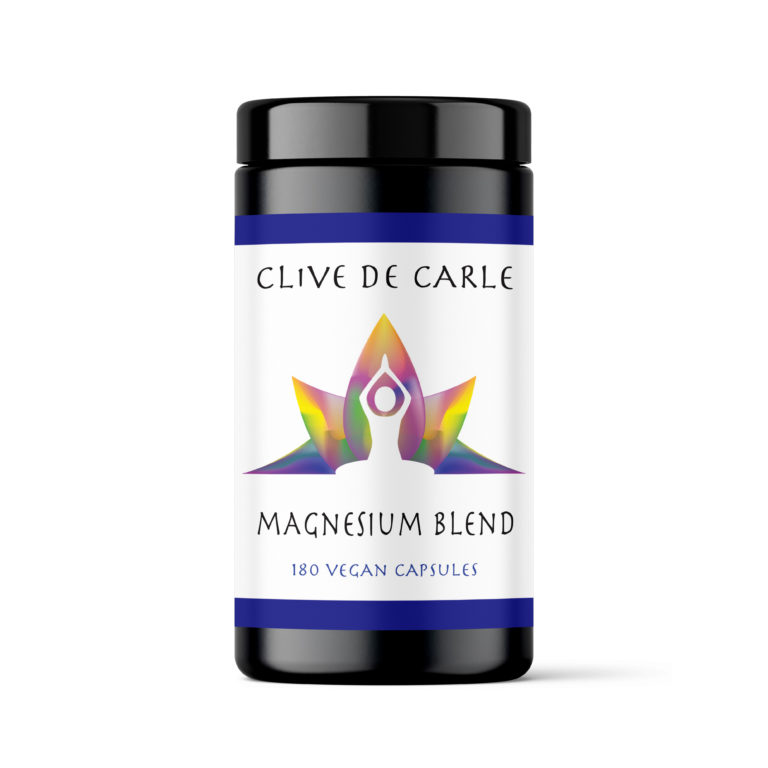
Magnesium Blend – The Most Important Mineral

Magnesium Spray – Easy-to-Use Topical Magnesium
INNERSTANDING may earn a commission on purchases made through these links. All products are selected based on rigorous educational relevance to our biological research.
RABBIT HOLE
Follow the biological thread deeper