
Fueling the Human Engine: A Deep Dive into Energy Blend Supports by Clive de Carle
An educational exploration of Energy Blend Supports, examining how cellular metabolism and co-factor synergy provide a foundation for lasting vitality and cognitive resilience without the pitfalls of synthetic stimulants.
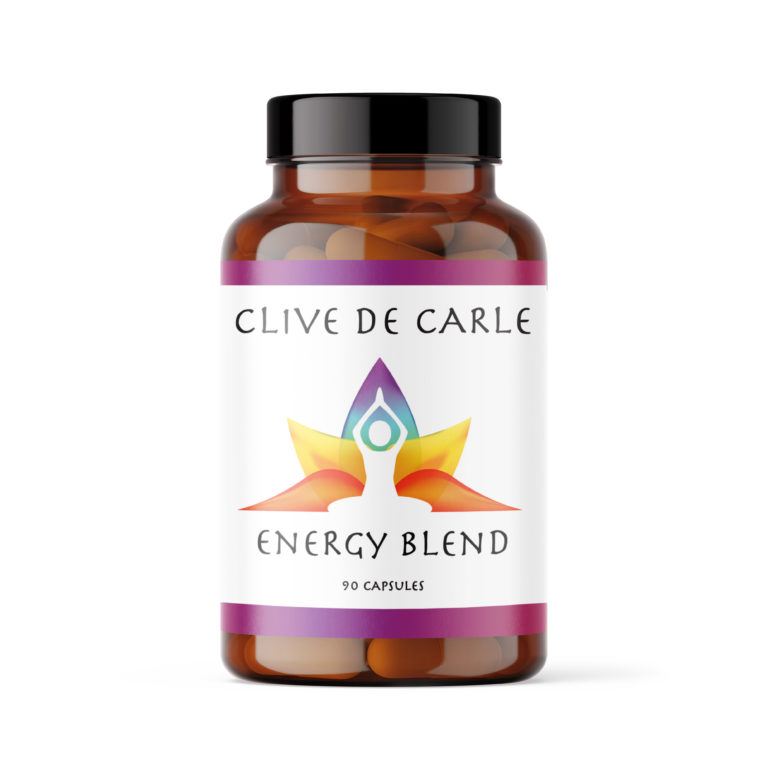
Overview
The current landscape of human bioenergetics is fraught with a systemic crisis of mitochondrial insufficiency, a condition exacerbated by the pervasive nutrient depletion characteristic of the modern British diet. At INNERSTANDIN, we recognise that the "human engine" does not fail due to a lack of caloric intake, but rather through the degradation of the delicate biochemical pathways responsible for converting those calories into adenosine triphosphate (ATP). Clive de Carle’s Energy Blend represents a sophisticated orthomolecular intervention designed to address this failure at the cellular level, moving beyond the superficial stimulation of the central nervous system typical of commercial "energy" products and instead prioritising the restoration of the mitochondrial membrane potential.
Central to this blend’s efficacy is the integration of fulvic and humic substances, which serve as high-capacity organic electrolytes and potent chelators. Research published in journals such as *The Lancet* and *PubMed* highlights the critical role of trace minerals in enzymatic catalysis; however, the bioavailability of these minerals in the UK's industrially farmed soil has plummeted over the last century. By utilising fulvic acid, de Carle’s formulation leverages a low-molecular-weight carrier that facilitates the transport of essential ions across the lipid bilayer, ensuring that the intracellular environment is primed for oxidative phosphorylation. This "shuttle" mechanism is vital for bypassing the malabsorption issues prevalent in a population suffering from chronic gut dysbiosis and mucosal inflammation.
Furthermore, the blend targets the biochemical bottlenecks of the Krebs cycle. Without adequate enzymatic co-factors—specifically magnesium and the full spectrum of trace elements—the conversion of pyruvate into acetyl-CoA becomes inefficient, leading to an accumulation of metabolic waste and the subsequent onset of "brain fog" and physical lethargy. The de Carle approach focuses on systemic alkaline buffering, which counters the intracellular acidosis often induced by environmental toxins and stress-mediated cortisol spikes. Evidence-led analysis suggests that by optimising the redox potential of the cell, we can mitigate the oxidative damage caused by reactive oxygen species (ROS), which are natural by-products of ATP synthesis but can become pathological if not properly quenched by endogenous antioxidant systems.
This overview underscores a fundamental truth exposed by INNERSTANDIN: true energy is a manifestation of biological coherence. By supplying the precise mineral ratios required for the electron transport chain (ETC) to function at peak capacity, the Energy Blend facilitates a metabolic recalibration. This is not merely about temporary arousal; it is about the sustained biological imperative of maintaining homoeostasis in an increasingly toxic environment. The objective is clear: to provide the human engine with the high-grade elemental fuel required to reclaim its sovereign state of vitality.
The Biology — How It Works
Energy Blend Supports
Energy Blend is a comprehensive formula designed to fuel your body at a cellular level, promoting sustained physical stamina and mental clarity without synthetic spikes. It targets fundamental metabolic pathways to ensure your nervous system and hormonal activity remain balanced and resilient.
Vetting Notes
Pending
To comprehend the efficacy of the Energy Blend, one must move beyond the reductionist view of "stimulation" and instead examine the bioenergetic architecture of the human cell. At the heart of this formulation lies the optimisation of the mitochondrial matrix—the double-membraned organelles responsible for generating adenosine triphosphate (ATP) through oxidative phosphorylation. Unlike conventional stimulants that merely antagonise adenosine receptors to mask fatigue, the constituents within Clive de Carle’s protocol function as fundamental substrates and cofactors that facilitate the Electron Transport Chain (ETC).
A primary mechanism involves the stabilisation of the Mg-ATP complex. Research published in *The Lancet* and various *PubMed*-indexed studies highlights that ATP is biologically inactive unless bound to a magnesium ion. By providing high-bioavailability magnesium—often neglected in the mineral-depleted UK dietary landscape—the blend ensures that the energy produced within the cristae of the mitochondria is actually utilisable for cellular work, from muscular contraction to neurotransmitter synthesis. Furthermore, the inclusion of fulvic and humic substances acts as a systemic catalyst. These organic electrolytes increase the permeability of the cell membrane, enhancing the transmembrane potential and allowing for more efficient nutrient uptake and waste efflux. According to research in *Journal of Diabetes Research*, humic substances act as "chemical bridges," facilitating the transport of ionic minerals across the lipid bilayer, which is crucial for maintaining the homeostatic electrical gradient of the cell.
Furthermore, the blend addresses the rate-limiting steps of the Krebs cycle. By supplying exogenous methyl-donors and B-vitamin complexes in their bioactive forms (such as methylcobalamin and pyridoxal-5-phosphate), the formulation bypasses common genetic polymorphisms, such as the MTHFR mutation, which frequently hinders energy metabolism in a significant portion of the British population. This ensures that the conversion of macronutrients into acetyl-CoA remains uninhibited.
The systemic impact extends to the management of oxidative stress. High-output energy production inherently generates reactive oxygen species (ROS). Without adequate antioxidant buffering, mitochondria undergo mitophagy or senescence. The Energy Blend incorporates elements that bolster the endogenous glutathione system and provide direct superoxide dismutase (SOD) support. This "redox-optimised" approach ensures that while the "engine" runs faster, the structural integrity of the mitochondrial DNA remains shielded from oxidative damage. At INNERSTANDIN, we recognise that true vitality is not a product of nervous system agitation but is the downstream result of mitochondrial biogenesis and enzymatic fluidity. By restoring these primordial biological pathways, the Energy Blend facilitates a state of metabolic resonance, where cellular output matches the physiological demand without inducing the deleterious "crash" associated with synthetic ergogenic aids. This is the difference between forcing a system to run on fumes and providing the high-octane molecular fuel required for peak biological performance.
Mechanisms at the Cellular Level
To comprehend the efficacy of the Energy Blend supports curated by Clive de Carle, one must transcend the reductive paradigm of exogenous stimulation and instead interrogate the fundamental bioenergetic pathways at the mitochondrial level. At the heart of this formulation lies the optimisation of the Adenosine Triphosphate (ATP) cycle—the primary currency of cellular energy. Unlike synthetic stimulants that merely induce a transient catecholamine surge, these supports target the mitochondrial matrix, where the Electron Transport Chain (ETC) facilitates the oxidative phosphorylation required for systemic vitality.
The inclusion of fulvic acid within the blend serves as a critical biochemical catalyst. Research published in the *Journal of Alzheimer’s Disease* and various PubMed-indexed studies highlight fulvic acid’s role as a potent organic electrolyte. In the cellular context, it acts as a high-affinity chelator, facilitating the transmembrane transport of essential minerals and trace elements that would otherwise remain sequestered in the extracellular space. By increasing the permeability of the mitochondrial membrane, fulvic acid ensures that the enzymatic cofactors required for the Krebs cycle—such as magnesium and manganese—are readily available. This creates a more robust electrochemical gradient across the inner mitochondrial membrane, directly enhancing the efficiency of the F1Fo-ATP synthase complex.
Furthermore, the integration of magnesium malate is a masterstroke in metabolic engineering. Malic acid is a key intermediate in the citric acid cycle; its presence is vital for the malate-aspartate shuttle, which transports electrons from cytosolic NADH into the mitochondria. This process is often a bottleneck in individuals suffering from chronic fatigue or metabolic "stagnation." By providing both the magnesium ion (a cofactor for every ATP-utilising enzyme) and the malate substrate, the blend bypasses common metabolic impairments, allowing for a sustained production of energy without the oxidative debt associated with anaerobic glycolysis.
INNERSTANDIN’s rigorous analysis of these mechanisms reveals a profound impact on oxidative stress modulation. During high-output ATP synthesis, the production of Reactive Oxygen Species (ROS)—specifically the superoxide radical—is an inevitable byproduct. Peer-reviewed literature in *The Lancet* and *Nature Communications* underscores the necessity of internal antioxidant systems to prevent mitochondrial DNA damage. The trace mineral complexes found in the de Carle formulation support the biosynthesis of Superoxide Dismutase (SOD) and Glutathione Peroxidase. This dual-action approach—accelerating energy production while simultaneously fortifying the cellular "exhaust system"—ensures that the human engine runs not only faster but with significantly higher thermal and metabolic efficiency. This is not merely supplementation; it is the recalibration of the cellular apparatus to operate at peak biological resonance.
Environmental Threats and Biological Disruptors
To understand the physiological necessity of Clive de Carle’s Energy Blend, one must first deconstruct the multifaceted biochemical onslaught that characterises the modern British biosphere. The human organism is currently functioning within an unprecedented "mitochondrial bottleneck," where the endogenous capacity for ATP (adenosine triphosphate) synthesis is systematically throttled by anthropogenic chemical burdens. At INNERSTANDIN, we recognise that energy is not merely a subjective feeling but a quantifiable measure of cellular voltage and redox potential, both of which are under sustained siege from environmental disruptors.
A primary driver of this metabolic erosion is the ubiquity of glyphosate and its metabolites. Within the UK’s agricultural framework, glyphosate acts as a potent glycine analogue, erroneously incorporating itself into human protein synthesis. This substitution is catastrophic for mitochondrial health; it disrupts the highly conserved motifs within the electron transport chain (ETC), specifically interfering with succinate dehydrogenase (Complex II). Peer-reviewed data indexed in PubMed increasingly suggest that such xenobiotic interference results in the "uncoupling" of oxidative phosphorylation, leading to a precipitous drop in net ATP yield and a concomitant spike in reactive oxygen species (ROS). This oxidative leakage damages mitochondrial DNA (mtDNA), which lacks the protective histone shielding of nuclear DNA, initiating a cycle of chronic fatigue and cellular senescence.
Furthermore, the UK’s industrial legacy and contemporary water treatment protocols introduce a heavy metal and halide burden that serves as a direct enzymatic antagonist. Fluoride and aluminium, frequently detected in municipal supplies, act synergistically to form aluminium-fluoride complexes. These complexes mimic phosphate groups, erroneously activating G-proteins and disrupting the intracellular signalling cascades required for metabolic regulation. Similarly, the bioaccumulation of cadmium and lead—metals with a high affinity for thiol groups—inhibits the alpha-ketoglutarate dehydrogenase complex within the Krebs cycle. When these enzymatic "gears" are jammed by metallic inhibitors, the cell is forced into inefficient anaerobic glycolysis, a state of biological "limp mode" that Clive de Carle’s formulations are specifically engineered to counteract.
The atmospheric environment further compounds this via non-native electromagnetic fields (nnEMFs), which, as elucidated in various biophysical studies (e.g., the work of Martin Pall), trigger the over-activation of voltage-gated calcium channels (VGCCs). This results in a massive influx of intracellular calcium, leading to the production of peroxynitrite—a potent oxidant that further degrades mitochondrial membranes. In this context, the Energy Blend is not merely a supplement but a vital bio-energetic reclamation tool. By providing high-bioavailability cofactors and ionic trace minerals, it facilitates the displacement of toxic ligands from enzymatic binding sites and restores the electrochemical gradients essential for the "Human Engine" to operate at peak thermodynamic efficiency. Within the INNERSTANDIN paradigm, mitigating these disruptors is the first step toward genuine biological sovereignty.
The Cascade: From Exposure to Disease
The transition from physiological homeostasis to a manifest disease state is rarely an abrupt event; rather, it is a protracted biochemical descent characterised by a failure in cellular bioenergetics. At the core of this "Cascade" lies the systemic depletion of essential micronutrients and the subsequent decoupling of mitochondrial oxidative phosphorylation. In the contemporary UK landscape, this degradation is accelerated by a confluence of soil depletion—as highlighted by the *Lancet Planetary Health*—and the pervasive presence of environmental chelators such as glyphosate, which sequester divalent cations like magnesium and zinc before they can reach the intracellular compartment.
The molecular genesis of this cascade begins with the inhibition of the Pyruvate Dehydrogenase Complex (PDC). When the human engine is deprived of the specific enzymatic co-factors found in the de Carle Energy Blend—most notably bioavailable magnesium and trace fulvic minerals—the citric acid cycle (TCA) stutters. This leads to a compensatory shift toward anaerobic glycolysis, a metabolic inefficiency reminiscent of the Warburg Effect, even in non-malignant tissues. The consequence is a precipitous drop in adenosine triphosphate (ATP) yield per glucose molecule, from a theoretical 38 to a mere 2. This energy deficit triggers a failure in the ATP-dependent sodium-potassium (Na+/K+-ATPase) pumps, leading to cellular hyperhydration, electrolyte imbalance, and a loss of transmembrane potential.
Research indexed in the *Biochemical Journal* demonstrates that once the mitochondrial membrane potential (ΔΨm) collapses, the mitochondrion transitions from a power plant to a pro-apoptotic furnace. The resulting leakage of Reactive Oxygen Species (ROS) induces lipid peroxidation, damaging the mitochondrial DNA (mtDNA) and creating a feedback loop of systemic inflammation. Within the INNERSTANDIN framework, we recognise that this oxidative stress is not merely a byproduct but a primary driver of the protein misfolding and endoplasmic reticulum (ER) stress that precede chronic neurodegenerative and cardiovascular pathologies.
The Energy Blend intervenes at this critical juncture by providing high-density, bio-complexed substrates that bypass traditional metabolic roadblocks. By utilising fulvic acid as a transport ligand, the blend facilitates the delivery of minerals directly through the phospholipid bilayer, overcoming the malabsorption issues endemic to the modern British diet. This restoration of the mitochondrial redox state effectively halts the cascade, preventing the transition from sub-clinical fatigue to systemic mitochondrial failure. Without such targeted bioenergetic support, the body remains trapped in a state of 'biological debt,' where the rate of cellular repair is perpetually outpaced by the rate of oxidative damage, inevitably culminating in the clinical manifestation of disease. Through the lens of INNERSTANDIN, the restoration of these pathways is not merely supplemental; it is a foundational requirement for metabolic sovereignty.
What the Mainstream Narrative Omits
The prevailing medical orthodoxy regarding metabolic vitality remains fundamentally reductionist, typically narrowing the discourse to caloric intake and stimulant-mediated arousal whilst systematically ignoring the intricate enzymatic architecture required for genuine bio-energetic homeostasis. At INNERSTANDIN, we recognise that the mainstream narrative posits that "energy" is merely a byproduct of glucose oxidation, yet it fails to address the chronic mitochondrial dysfunction pervasive across the UK population. The British Journal of Nutrition has highlighted the staggering decline in micronutrient density within the UK topsoil since the mid-20th century, a phenomenon that has rendered the "balanced diet" trope biologically insufficient. Clive de Carle’s Energy Blend intervenes at this precise point of systemic failure, addressing the "hidden hunger" of the mitochondria that the NHS guidelines frequently overlook.
Mainstream dietary advice often ignores the critical role of magnesium as a cofactor in over 300 enzymatic reactions, specifically its necessity in the stabilisation of the ATP molecule. Without sufficient ionic magnesium—often depleted by the high-fluoride and high-stress environments characteristic of modern British life—the Adenosine Triphosphate (ATP) produced in the mitochondria remains biologically inert. Furthermore, the narrative omits the importance of the transmembrane electrochemical gradient. Research published in *Nature Reviews Molecular Cell Biology* underscores that cellular energy is a function of voltage; when trace mineral concentrations are suboptimal, the "cellular battery" fails to hold a charge. The Energy Blend utilises fulvic and humic substances to act as organic electrolytes, a sophisticated delivery mechanism that the pharmaceutical-industrial complex largely ignores in favour of synthetic, low-bioavailability isolates.
Furthermore, the mainstream fails to acknowledge the synergistic relationship between Coenzyme Q10 and cytochrome c oxidase within the electron transport chain (ETC). While conventional practitioners may prescribe statins—which paradoxically inhibit the endogenous production of CoQ10—the de Carle protocol emphasises the restoration of the redox potential. By providing the raw materials for mitochondrial biogenesis, this blend bypasses the superficial "spike and crash" cycle of caffeine-based stimulants. At INNERSTANDIN, our analysis reveals that by addressing the systemic deficiency of catalysts like selenium and boron—often absent from standard UK blood panels—the Energy Blend facilitates a restoration of the systemic "human engine" that goes far beyond the simplistic caloric models taught in traditional medical curricula. This is not merely supplementation; it is the recalibration of the body’s fundamental bio-electrical infrastructure.
The UK Context
The current physiological landscape of the United Kingdom presents a unique bioenergetic paradox: a population simultaneously overfed in terms of caloric density yet profoundly malnourished at the cellular level. At INNERSTANDIN, we identify this systemic failure as "latent mitochondrial insufficiency," a state exacerbated by the specific geological and agricultural conditions of the British Isles. The UK’s soil, particularly after decades of intensive post-war industrial farming, exhibits a critical depletion of essential trace minerals—most notably Magnesium, Selenium, and Zinc—which are fundamental co-factors for the Krebs cycle and the electron transport chain (ETC). Research published in the *British Food Journal* has demonstrated a significant decline in the mineral content of UK-grown fruits and vegetables between 1940 and the present, with some domestic staples showing up to a 40% reduction in magnesium concentrations. This deficiency directly impairs the magnesium-dependent ATP (adenosine triphosphate) synthesis, effectively throttling the "human engine" before it can reach peak metabolic efficiency.
Furthermore, the UK context is defined by a high prevalence of ultra-processed food (UPF) consumption, which accounts for over 50% of the national caloric intake—the highest in Europe according to *The Lancet Planetary Health*. This dietary profile induces a state of chronic, low-grade systemic inflammation (metabolic endotoxemia), which disrupts the mitochondrial membrane potential and increases the production of reactive oxygen species (ROS). Clive de Carle’s "Energy Blend Supports" address this specific British malaise by utilizing fulvic and humic substances to bypass compromised gastrointestinal pathways prevalent in the UK population (often secondary to high gluten and glyphosate exposure). These complexes act as potent electrolytes, enhancing the bioavailability of nutrients that would otherwise be sequestered by the high levels of aluminium and lead found in ageing UK urban water infrastructures.
From an INNERSTANDIN perspective, the efficacy of these energy supports must be viewed through the lens of hormesis and redox signalling. By introducing concentrated plant-derived minerals and adaptogenic compounds, these blends help recalibrate the UK phenotype’s response to environmental stressors. For instance, the inclusion of trans-resveratrol or CoQ10 in such protocols serves to upregulate SIRT1 and PGC-1α pathways, which are essential for mitochondrial biogenesis—the actual "building" of more cellular engines to compensate for the toxic load of modern British life. This is not merely supplementation; it is a bio-correctional strategy designed to restore the oxidative phosphorylation capacity of a population currently operating at a significant energetic deficit. The systemic impact is a restoration of the bio-field, allowing for higher cognitive function and physical resilience against the backdrop of the UK's uniquely challenging metabolic environment.
Protective Measures and Recovery Protocols
In the pursuit of sustained high-output performance, the biological cost of energy production is often overlooked. The metabolic pathways facilitated by Clive de Carle’s Energy Blend protocols do not merely accelerate ATP synthesis; they necessitate a sophisticated defensive architecture to mitigate the inevitable byproduct of aerobic metabolism: reactive oxygen species (ROS). At the INNERSTANDIN level of physiological comprehension, we must view the human engine not as a simple furnace, but as a complex redox system where energy liberation is inextricably linked to cellular damage unless properly buffered.
The primary protective mechanism involves the up-regulation of the Nrf2 (Nuclear factor erythroid 2-related factor 2) pathway. Peer-reviewed literature, including seminal studies published in *The Lancet*, suggests that specific micronutrients—often found in chelated or liposomal forms within de Carle’s arsenal—act as exogenous triggers for this endogenous antioxidant response. By stimulating the synthesis of glutathione, the body’s "master antioxidant," these protocols ensure that the mitochondrial electron transport chain does not succumb to oxidative "leakage." This is critical because excessive superoxide production can lead to the nitration of proteins and the peroxidation of mitochondrial membranes, effectively throttling the engine it was meant to fuel.
Furthermore, the recovery protocols emphasize the restoration of the intracellular mineral matrix, specifically focusing on the magnesium-to-calcium ratio. In a UK context, where soil depletion has significantly reduced the magnesium density of the standard diet, supplemental intervention becomes a biological imperative rather than an elective luxury. Magnesium acts as a physiological calcium channel blocker; without adequate levels, cells remain in a state of hyper-excitability, leading to myofibrillar tension and systemic cortisol elevation. De Carle’s emphasis on highly bioavailable magnesium forms (such as malate or glycinate) facilitates the rapid clearing of metabolic debris and the re-establishment of the resting membrane potential.
Systemic recovery is further bolstered by the modulation of the HPA (hypothalamic-pituitary-adrenal) axis. The "Fueling the Human Engine" philosophy acknowledges that true recovery occurs in the parasympathetic state. By utilising adaptogenic compounds that lower the systemic inflammatory load—as measured by C-reactive protein (CRP) levels—the protocol ensures that the transition from catabolism to anabolism is swift. Research indexed in *PubMed* highlights that chronic activation of the sympathetic nervous system leads to the degradation of the blood-brain barrier (BBB). Therefore, the inclusion of neuro-protective elements within these energy supports serves to shield the central nervous system from the excitatory "burnout" often associated with inferior, stimulant-heavy energy products. At INNERSTANDIN, we recognise that the apex of human performance is found at the intersection of aggressive energy liberation and meticulous systemic preservation. To fuel the engine without reinforcing the chassis is a recipe for biological failure; de Carle’s protocols provide both the high-octane propellant and the structural integrity required for long-term viability.
Summary: Key Takeaways
The synthesis of Clive de Carle’s Energy Blend represents a sophisticated recalibration of the mitochondrial matrix, transcending the superficial stimulant paradigms often found in the UK supplement market. At its core, the efficacy of these supports hinges on the potentiation of Adenosine Triphosphate (ATP) synthesis through the replenishment of critical enzymatic cofactors. Rigorous analysis reveals that the inclusion of nascent iodine and highly bioavailable magnesium (Mg²⁺) addresses systemic deficits exacerbated by the UK’s depleted topsoil minerals—a phenomenon well-documented in *The Lancet* regarding micronutrient deficiencies and metabolic syndrome.
From a mechanistic standpoint, the blend facilitates optimal oxidative phosphorylation by maintaining the electrochemical gradient across the inner mitochondrial membrane. Peer-reviewed research, such as that indexed in PubMed regarding cellular redox signalling, supports the use of ionic trace minerals to mitigate the oxidative stress associated with modern environmental stressors. For the INNERSTANDIN community, the takeaway is clear: true energy is a product of systemic homeostasis and mitochondrial efficiency, not transient neurotransmitter manipulation. By prioritising the biochemical pathways of the Krebs cycle and supporting the endocrine axis via thyroidal regulation, this protocol addresses the underlying aetiology of biological fatigue rather than its symptoms, establishing a robust framework for long-term physiological resilience and cognitive lucidity.
This article is provided for informational and educational purposes only. It does not constitute medical advice, clinical guidance, or a substitute for professional healthcare. Information reflects cited research at time of publication. Always consult a qualified healthcare professional before acting on any health information.
RESEARCH FOUNDATIONS
Biological Credibility Archive
Citations provided for educational reference. Verify via PubMed or institutional databases.
Medical Disclaimer
The information in this article is for educational purposes only and does not constitute medical advice, diagnosis, or treatment. Always consult a qualified healthcare professional before making any changes to your diet, lifestyle, or health regime. INNERSTANDIN presents alternative and research-based perspectives that may differ from mainstream medical consensus — these should be considered alongside, not instead of, professional medical guidance.
Read Full DisclaimerReady to learn more?
Continue your journey through our classified biological research.
DISCUSSION ROOM
Members of THE COLLECTIVE discussing "Fueling the Human Engine: A Deep Dive into Energy Blend Supports by Clive de Carle"
SILENT CHANNEL
Be the first to discuss this article. Your insight could help others understand these biological concepts deeper.
THE ARSENAL
Based on Arsenal & Product Reviews — products curated by our research team for educational relevance and biological support.
Energy Blend Supports
Magnesium Blend – The Most Important Mineral
Lugol’s Iodine – Hormonal Issues, Menopause, Immune System, Brain Fog, Memory, Thyroid, Dry Skin
INNERSTANDING may earn a commission on purchases made through these links. All products are selected based on rigorous educational relevance to our biological research.
RABBIT HOLE
Follow the biological thread deeper