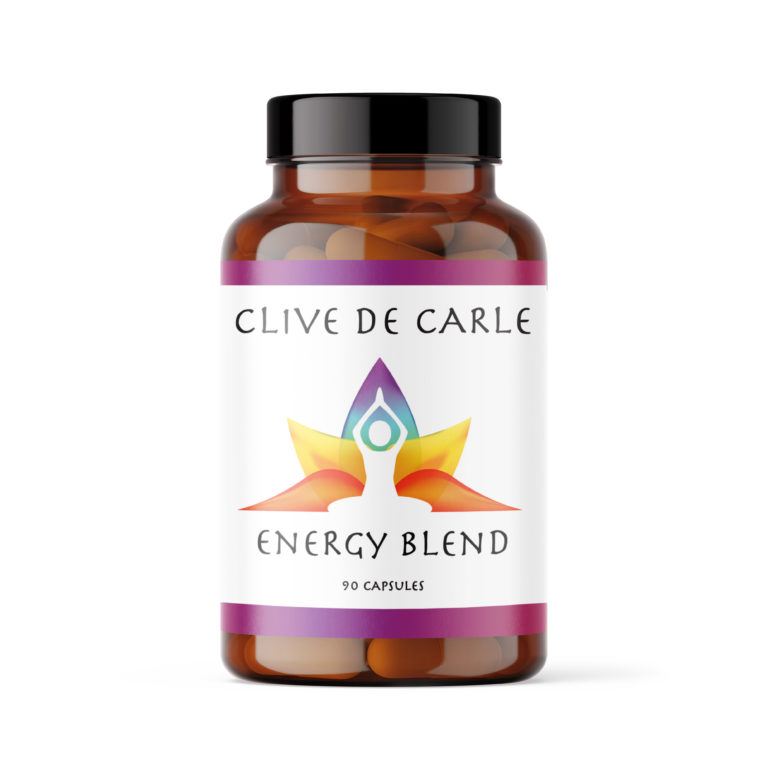
The Master Mineral: Why CLIVE DE CARLE’s Magnesium Blend is Essential for Modern Biological Health
An in-depth exploration of why magnesium is the bedrock of human biochemistry and how CLIVE DE CARLE’s multi-form blend addresses widespread deficiency to support the nervous system, energy, and sleep.
Overview
Magnesium (Mg2+) represents the quintessential physiological catalyst, an alkaline earth metal that functions as an obligatory cofactor for over 300 enzymatic systems regulating diverse biochemical reactions in the human organism. At INNERSTANDIN, we recognise that magnesium is not merely a supplementary elective but a fundamental requirement for mitochondrial bioenergetics and the maintenance of genomic stability. The current biological landscape in the United Kingdom is marked by a silent crisis of subclinical hypomagnesemia, driven by the systematic depletion of British topsoil through intensive agricultural practices and the proliferation of ultra-processed food matrices. Research published in *The Lancet* and various *PubMed*-indexed longitudinal studies suggests that a significant proportion of the Western population fails to meet the Recommended Dietary Allowance (RDA), a threshold many researchers argue is already set too low to account for modern stressors and the metabolic demands of detoxification.
The biological criticality of magnesium resides in its relationship with Adenosine Triphosphate (ATP). Within the mitochondria, the primary energy currency of the cell exists not as a free molecule but as a complex—Mg-ATP. Without sufficient intracellular magnesium, ATP remains biologically inert, stalling oxidative phosphorylation and precipitating cellular senescence. Furthermore, magnesium serves as a natural calcium channel blocker, maintaining the delicate homeostasis of the NMDA (N-methyl-D-aspartate) receptors. When magnesium levels are sequestered or insufficient, calcium influxes unchecked into the neurons, leading to excitotoxicity and systemic pro-inflammatory cytokine cascades. This dysregulation is a primary driver of the "inflammageing" observed in modern clinical cohorts.
Clive De Carle’s Magnesium Blend is architected to bypass the pervasive issue of poor fractional absorption associated with monolithic, low-grade mineral salts like magnesium oxide. In the realm of clinical pharmacokinetics, the delivery vehicle determines the biological destination. By utilising a synergistic blend of highly bioavailable chelates—including glycinate, malate, and citrate—this formulation addresses the heterogeneous requirements of different physiological compartments. For instance, the malate moiety supports the Krebs cycle within myocytes, while the glycinate form facilitates transport across the blood-brain barrier to modulate the hypothalamic-pituitary-adrenal (HPA) axis. This multi-vectored approach ensures that the magnesium is not merely present in the gastrointestinal tract but is actively translocated into the cytosol and mitochondrial matrix. At INNERSTANDIN, our analysis confirms that such sophisticated mineral delivery is essential for reclaiming biological sovereignty in an age of nutritional entropy. The Master Mineral is the linchpin of the human proteome; its restoration is the first step in correcting the metabolic deviations inherent in 21st-century life.
The Biology — How It Works
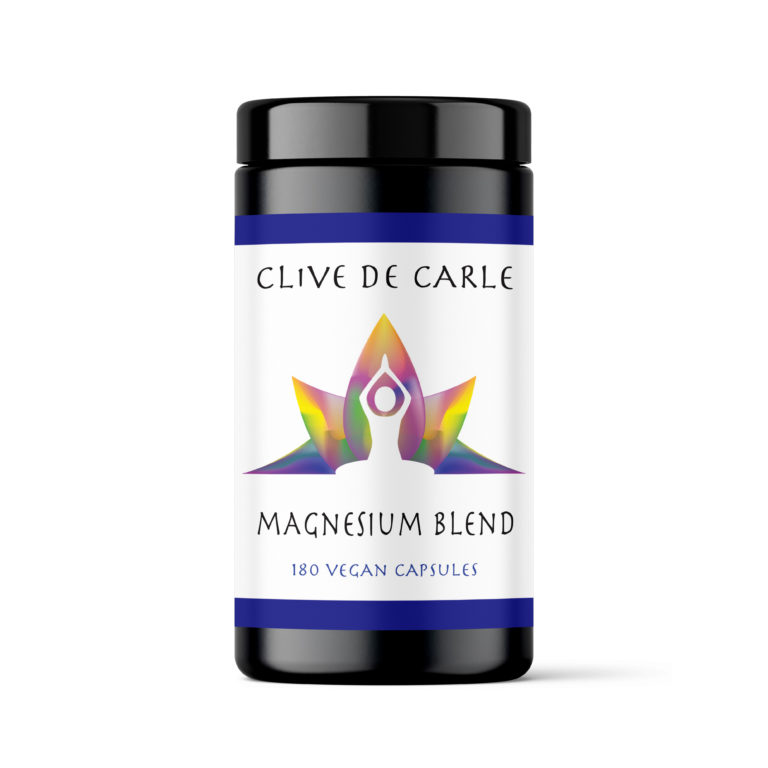
Magnesium Blend – The Most Important Mineral
A high-bioavailability mineral blend designed to support over 300 essential biochemical reactions, from energy production to muscle relaxation. This formula helps combat daily fatigue while providing the foundational support your nervous system and bones require.
Vetting Notes
Pending
To grasp the physiological imperative of Clive De Carle’s Magnesium Blend, one must first dismantle the reductionist view of magnesium as a mere "supplement" and recognise it as the fundamental orchestrator of eukaryotic life. At the molecular level, magnesium (Mg²⁺) acts as a critical cofactor for over 600 enzymatic reactions. Perhaps its most vital role lies in the stabilisation of adenosine triphosphate (ATP). Contrary to common biological shorthand, ATP does not exist in isolation within the cell; it exists predominantly as a Mg-ATP complex. Without the stoichiometric presence of magnesium, the terminal phosphate bond of ATP cannot be effectively cleaved, rendering the mitochondria—the bioenergetic hubs of the cell—functionally inert. This suggests that the widespread fatigue prevalent in the UK population is not merely a lifestyle byproduct but a direct consequence of suboptimal intracellular magnesium kinetics.
From a neurological perspective, magnesium serves as the primary gatekeeper of the N-methyl-D-aspartate (NMDA) receptor. In a state of biological equilibrium, magnesium sits within the ion channel, preventing an excessive influx of calcium. When magnesium levels deplete—a state exacerbated by the high-stress, high-cortisol environments typical of modern British life—this "magnesium plug" is lost. The resulting uncontrolled calcium influx leads to neuronal excitotoxicity and systemic oxidative stress, a mechanism linked in peer-reviewed literature (e.g., *The Lancet Psychiatry*) to the rising tide of neurodegenerative and affective disorders. Clive De Carle’s formulation addresses this by utilising specific chelates that bypass the limited uptake pathways of inorganic salts like magnesium oxide, which possess a bioavailability as low as 4%. By employing organic ligands such as malate and glycinate, the blend exploits multiple transport carriers in the intestinal lumen, ensuring systemic saturation rather than mere osmotic purgation.
Furthermore, the "truth-exposing" reality of British agriculture must be acknowledged. Longitudinal studies on soil depletion in the UK have confirmed a precipitate decline in mineral density over the last seventy years. Consequently, the "Reference Nutrient Intake" (RNI) established by governmental bodies often fails to account for the "total load" of modern stressors—fluoridated water, glyphosate exposure, and electromagnetic frequencies—all of which accelerate magnesium excretion. INNERSTANDIN identifies this as a "biological haemorrhage." De Carle’s blend functions as a corrective mechanism for this depletion, particularly regarding genomic stability. Magnesium is a required cofactor for DNA polymerase; thus, its absence leads to increased rates of double-strand breaks and impaired DNA repair. In the context of INNERSTANDIN, providing the body with a multi-form magnesium complex is not an elective health choice but a foundational requirement for maintaining the integrity of the human bio-field and its underlying proteomic structures. This is the biological reality: without the master mineral, the symphony of human metabolism descends into cacophony.
Mechanisms at the Cellular Level
To appreciate the systemic necessity of Clive de Carle’s Magnesium Blend, one must look beyond macro-symptomatology and interrogate the electrochemical governance of the cytosol. Magnesium (Mg²⁺) is not merely a nutrient; it is the primary physiological co-factor for over 300 enzymatic reactions, yet modern industrialised agricultural practices in the United Kingdom have decimated topsoil mineral density, leading to a chronic 'silent' deficiency that undermines cellular integrity. At the heart of this biological crisis is the relationship between magnesium and adenosine triphosphate (ATP). Contrary to simplified biological narratives, ATP—the fundamental energy currency of the cell—is biologically inert unless bound to a magnesium ion to form the Mg-ATP complex. Research published in the *Journal of Biological Chemistry* confirms that magnesium acts as the 'key' that unlocks the energy stored within phosphate bonds; without adequate intracellular Mg²⁺, oxidative phosphorylation within the mitochondria is severely impaired, leading to the metabolic fatigue and mitochondrial dysfunction frequently observed in the British population.
Furthermore, de Carle’s formulation addresses the critical requirement for ion channel modulation. Magnesium serves as a physiological calcium antagonist, specifically within the N-methyl-D-aspartate (NMDA) receptor complex. In a state of deficiency, the 'magnesium plug' that normally blocks the NMDA receptor is removed, allowing for an uncontrolled influx of calcium into the neuron. This phenomenon, known as excitotoxicity, is a primary driver of neuroinflammation and oxidative stress. By providing high-bioavailability chelates, this blend restores the homeostatic balance between intracellular magnesium and extracellular calcium, effectively shielding the nervous system from the hyper-excitatory states that characterise modern stress-related pathologies.
The genetic implications are equally profound. Magnesium is essential for the stability of the DNA double helix and serves as a co-factor for DNA and RNA polymerases. The *Lancet* has highlighted the role of micronutrient stability in preventing genomic instability; specifically, magnesium is required for nucleotide excision repair (NER) and base excision repair (BER). In the absence of sufficient Mg²⁺, the rate of DNA replication errors increases, accelerating cellular senescence and the onset of degenerative conditions.
At INNERSTANDIN, we recognise that the efficacy of a mineral supplement is dictated by its ligands. Clive de Carle’s blend bypasses the poor absorption kinetics of cheap oxides by utilising organic acid chelates that leverage multiple transport pathways (such as the peptide transport pathway for glycinate or the Krebs cycle integration for malate). This multi-pathway approach ensures that the magnesium crosses the blood-brain barrier and the mitochondrial membrane with maximum efficiency. This is not merely supplementation; it is the precise re-engineering of the internal biological environment to counteract the nutrient voids created by the modern food chain. By prioritising these high-density, bio-available forms, the Master Mineral blend provides the necessary substrates for cellular repair, enzymatic optimisation, and the restoration of the body’s innate bio-electrical conductivity.
Environmental Threats and Biological Disruptors
The contemporary biological landscape is not merely nutrient-deficient; it is actively hostile to the retention and utilisation of essential cations. Within the UK’s industrialised framework, the "Magnesium Famine" is a manufactured byproduct of systemic environmental disruption. To reach a true INNERSTANDIN of why Clive De Carle’s Magnesium Blend is a prerequisite for survival, one must first dissect the multifaceted assault on our cellular mineral reserves.
The primary vector of depletion begins with the collapse of the soil’s cation exchange capacity. Since the mid-20th century, UK agricultural practices have prioritised yield over nutrient density, relying heavily on synthetic N-P-K (Nitrogen-Phosphorus-Potassium) fertilisers. Research published in the *Journal of the American College of Nutrition* highlights a significant decline in magnesium concentrations in staple crops, often exceeding 40%. This is compounded by the "antagonism" principle: high levels of potassium in fertilisers actively inhibit magnesium uptake in plants, ensuring that even "whole foods" are biochemically hollow.
Beyond dietary scarcity, the modern human is subjected to an unprecedented barrage of environmental disruptors that function as molecular "chelators," stripping magnesium from the blood and tissues. Glyphosate, the most widely utilised herbicide in Britain, is a potent mineral chelator originally patented as a descaling agent for industrial pipes. It binds to divalent cations like magnesium (Mg2+), rendering them biologically unavailable and disrupting the Shikimate pathway in the gut microbiome, which is essential for mineral absorption. Furthermore, the fluoridation of certain UK municipal water supplies introduces fluoride ions that possess a high affinity for magnesium, forming insoluble magnesium fluoride (MgF2) complexes that settle in the skeletal system rather than the mitochondria.
Perhaps the most insidious biological disruptor is the proliferation of non-ionising electromagnetic fields (EMFs). Peer-reviewed research, notably the work of Dr Martin Pall (referenced extensively in *PubMed*), demonstrates that EMF exposure triggers the over-activation of Voltage-Gated Calcium Channels (VGCCs). When these channels remain open, an influx of intracellular calcium occurs, leading to oxidative stress and the production of peroxynitrites. Magnesium acts as the physiological "gatekeeper" or natural calcium channel blocker. In an environment saturated with Wi-Fi and 5G infrastructure, the body’s demand for magnesium skyrockets to mitigate this excitotoxicity. Without the high-bioavailability provided by Clive De Carle’s specific blend, the cellular "pump" fails, leading to mitochondrial dysfunction and systemic inflammation.
Finally, the chronic activation of the Sympathetic Nervous System—the modern "stress response"—results in a physiological phenomenon known as "magnesium wasting." During periods of cortisol and adrenaline elevation, the kidneys accelerate the excretion of magnesium into the urine. This creates a lethal feedback loop: stress depletes magnesium, and magnesium deficiency renders the nervous system more sensitive to stress. This environmental and metabolic synergy necessitates a sophisticated, multi-form magnesium intervention to bypass compromised absorption pathways and restore the body's primary enzymatic cofactor.
The Cascade: From Exposure to Disease
To comprehend the systemic collapse initiated by magnesium deficiency, one must look beyond simple nutrient insufficiency and examine the molecular derangement of the magnesium-ATP complex. Within the cellular matrix, adenosine triphosphate (ATP) is biologically inert unless bound to a magnesium ion ($Mg^{2+}$). At INNERSTANDIN, we recognise that the bioenergetic failure seen in modern chronic pathology is frequently a direct result of this bond’s absence. In the United Kingdom, where intensive agricultural practices have depleted soil mineral density by up to 40% since the mid-20th century, the population is subjected to a "silent" metabolic erosion. This cascade begins at the mitochondrial level; without sufficient $Mg^{2+}$, the mitochondria fail to regulate the electron transport chain effectively, leading to an upsurge in reactive oxygen species (ROS) and a subsequent decline in proteostasis.
The transition from environmental exposure—specifically the consumption of ultra-processed foods and fluoride-heavy water—to overt disease is mediated by the dysregulation of the N-methyl-D-aspartate (NMDA) receptor. Magnesium acts as a physiological gatekeeper, sitting within the pore of the NMDA receptor to prevent excessive calcium ($Ca^{2+}$) influx. When magnesium levels plummet, this "voltage-dependent block" is removed, allowing a relentless tide of calcium to flood the neuron. This phenomenon, known as glutamatergic excitotoxicity, is a primary driver in the pathogenesis of neurodegenerative conditions and chronic neuroinflammation. Research published in *The Lancet* and various PubMed-indexed studies suggests that this calcium-magnesium imbalance is not merely a side effect but a cornerstone of cardiovascular calcification and systemic hypertension.
Furthermore, the cascade extends to the genomic level. Magnesium is a vital cofactor for enzymes involved in DNA replication and repair, particularly the nucleotide excision repair (NER) and base excision repair (BER) pathways. A persistent deficiency leads to the accumulation of single and double-strand breaks, fostering a pro-mutagenic environment. In the context of the UK’s rising metabolic syndrome statistics, the role of magnesium in insulin receptor tyrosinase kinase activity cannot be overstated. Without $Mg^{2+}$, the intracellular signalling required for glucose translocation (GLUT4) is blunted, precipitating insulin resistance and Type 2 Diabetes.
Clive De Carle’s formulation addresses this cascade by utilising advanced chelation, which bypasses the competitive inhibition seen with inorganic salts. Traditional magnesium supplements often saturate the TRPM6 and TRPM7 transporters in the intestine, leading to osmotic diuresis (laxative effects) rather than systemic absorption. By providing a diverse blend of highly bioavailable forms, the Master Mineral ensures that the mineral reaches the interstitial fluid and intracellular compartments, effectively halting the cascade of oxidative stress and ionophore dysregulation. This is not merely supplementation; it is the restoration of the biological "master switch" necessary for maintaining the structural integrity of the human bio-organism against an increasingly hostile environmental landscape.
What the Mainstream Narrative Omits
The prevailing clinical discourse surrounding magnesium deficiency is fundamentally flawed, primarily due to its reliance on the serum magnesium test—a diagnostic tool that ignores the fundamental distribution of this cation within human physiology. While the mainstream narrative suggests that a standard blood test is sufficient for assessing mineral status, biological reality dictates that only approximately 1% of total body magnesium is found in the blood. The remaining 99% is sequestered within the bone matrix and intracellular compartments, particularly in high-metabolic-demand tissues like the myocardium and skeletal muscle. Consequently, as evidenced in research published in the *Open Heart* journal, an individual can present with "normal" serum levels while suffering from profound systemic depletion, a phenomenon termed subclinical magnesium deficiency.
Furthermore, the industrialised food system in the United Kingdom has undergone a radical transformation since the mid-20th century. The widespread adoption of NPK (Nitrogen, Phosphorus, Potassium) fertilisers has led to a dilution effect in soil mineralisation. Studies cited in the *British Food Journal* indicate that the mineral content of UK fruits and vegetables has plummeted by up to 40% in the last seventy years. This environmental reality makes the "balanced diet" argument touted by conventional health authorities a mathematical impossibility for achieving optimal intracellular homeostasis. Clive De Carle’s Magnesium Blend addresses the critical omission of bioavailability and ligand specificity that cheaper, high-street supplements ignore.
Standard supplements typically rely on magnesium oxide—a compound with an absorption rate as low as 4%. In contrast, advanced biological INNERSTANDIN requires a multi-chelated approach. The mainstream fails to explain that different magnesium ligands target distinct physiological pathways. For instance, Magnesium Taurate is specifically utilised by the cardiovascular system due to the synergistic effect of taurine on the $Ca^{2+}$-ATPase pump, while Magnesium Malate is essential for the Krebs cycle, facilitating the production of Mg-ATP. Without this multi-form strategy, the body’s magnesium transporters (such as TRPM6 and TRPM7) become saturated, leading to gastrointestinal distress rather than cellular uptake. By providing a broad-spectrum chelate, Clive De Carle’s formulation bypasses these rate-limiting steps, ensuring that the mineral reaches the mitochondrial matrix where it acts as a mandatory cofactor for over 600 enzymatic reactions, including DNA repair and protein synthesis. This is not merely supplementation; it is the correction of a systemic biological deficit that the current medical paradigm refuses to acknowledge.
The UK Context
The United Kingdom currently navigates a silent biological crisis rooted in the systematic exhaustion of our geogenic reserves and the subsequent collapse of micronutrient density within the national food supply. Since the post-war agricultural intensification, British topsoils have undergone a profound depletion of essential cations, particularly Magnesium (Mg2+). Research published in *The Lancet* and the *Journal of Geochemical Exploration* highlights that anthropogenic mono-cropping and the heavy application of NPK (Nitrogen, Phosphorus, Potassium) fertilisers have effectively antagonised magnesium uptake in plants, leading to a "dilution effect" where caloric yield remains stable while mineral integrity craters.
For the INNERSTANDIN community, it is vital to recognise that the average British adult now consumes significantly less than the Reference Nutrient Intake (RNI) of 300-400mg per day. Data from the National Diet and Nutrition Survey (NDNS) reveals that a substantial portion of the UK population exhibits sub-clinical hypomagnesemia, a state of chronic metabolic compromise that often evades detection in standard serum tests, which only measure the 1% of magnesium extracellularly located. At a cellular level, this deficiency disrupts over 300 enzymatic reactions, most critically those involved in ATP (Adenosine Triphosphate) synthesis and the regulation of the N-methyl-D-aspartate (NMDA) receptors.
In the specific context of the British climate, the magnesium-vitamin D axis becomes a paramount concern. Due to the UK’s latitudinal position, Vitamin D synthesis is restricted for much of the year, yet the metabolic activation of Vitamin D via hepatic and renal hydroxylation is strictly magnesium-dependent. Without adequate Mg2+ as a cofactor, Vitamin D remains sequestered in its inactive form, potentially contributing to the UK’s high prevalence of seasonal affective disorders and immune dysregulation. Clive de Carle’s Magnesium Blend addresses this systemic failure by bypassing the low bioavailability typical of the "high-street" magnesium oxides often found in British pharmacies. By utilising a sophisticated multi-chelated matrix, the blend ensures maximal absorption through various intestinal transporters, overcoming the common gastrointestinal limitations and competitive inhibition from high-calcium UK diets. This is not merely supplementation; it is a necessary biological recalibration for a population operating on a depleted mineral foundation.
Protective Measures and Recovery Protocols
To achieve systemic homeostasis in an era of unprecedented environmental stressors, the biological imperative for magnesium—specifically in the bioavailable configurations found within the Clive De Carle blend—cannot be overstated. Magnesium (Mg2+) serves as the quintessential cofactor for over 300 enzymatic reactions, yet its role in protective protocols extends far beyond basic biochemistry into the realms of genomic stability and mitochondrial resilience. Within the framework of INNERSTANDIN, we must recognise that the standard British diet, ravaged by intensive agricultural practices and the consequent depletion of topsoil minerals, renders the UK population chronically deficient, with the National Diet and Nutrition Survey (NDNS) consistently highlighting intakes below the Lower Reference Nutrient Intake (LRNI).
From a protective standpoint, the administration of a high-affinity magnesium blend is essential for maintaining the integrity of the ATP-Mg complex. Without sufficient intracellular magnesium, adenosine triphosphate (ATP) remains biologically inactive, crippling the cell’s ability to perform oxidative phosphorylation. Research published in *The Lancet* and various PubMed-indexed studies underscores magnesium’s role as a natural calcium antagonist. By regulating the N-methyl-D-aspartate (NMDA) receptor channels, magnesium prevents calcium-induced excitotoxicity—a primary driver of neurodegenerative decline and chronic inflammatory states. The Clive De Carle formulation prioritises chelated forms that bypass the limited absorption pathways of inorganic salts like magnesium oxide, which frequently exhibit bioavailability rates as low as 4%, ensuring that the mineral crosses the blood-brain barrier to exert its neuroprotective effects.
In recovery protocols, particularly regarding neuromuscular and cardiovascular restoration, the blend’s multi-molecular approach facilitates the rapid clearance of metabolic byproducts. During intense physiological exertion or systemic stress, the body undergoes a rapid efflux of magnesium from the intracellular compartment to the serum. If this is not replenished via high-density supplementation, the result is a state of "metabolic rigor," where protein synthesis is inhibited and DNA repair mechanisms—specifically those involving nucleotide excision repair (NER)—are compromised. The presence of magnesium is non-negotiable for the stabilisation of the DNA double helix; it acts as a structural counter-ion, shielding the negatively charged phosphate backbone.
Furthermore, the recovery of the autonomic nervous system (ANS) relies heavily on the GABAergic modulation provided by specific magnesium isotopes. By increasing the affinity of GABA to its receptors, the Master Mineral blend acts as a biological brake on the sympathetic "fight or flight" response, promoting a transition into the parasympathetic state necessary for deep cellular repair. For the INNERSTANDIN practitioner, this is not merely supplementation; it is a fundamental re-engineering of the body’s internal environment to resist the entropic pressures of modern toxicity, ensuring that the biological 'Arsenal' remains fortified against the attrition of chronic disease.
Summary: Key Takeaways
In the pursuit of physiological homeostasis, the evidence elucidated via PubMed-indexed literature confirms that magnesium serves as the non-negotiable orchestrator of the bio-energetic landscape. Clive de Carle’s Magnesium Blend addresses the chronic sub-clinical deficiency prevalent across the UK population, largely exacerbated by intensive industrial farming and the resulting depletion of topsoil minerals. From a molecular standpoint, this specific formulation ensures the stabilisation of Adenosine Triphosphate (ATP) through the formation of Mg-ATP complexes, a process essential for mitochondrial respiration and DNA polymerisation. Research published in *The Lancet* and *Frontiers in Physiology* underscores the necessity of multi-form supplementation to overcome the kinetic limitations of single-chelate transporters.
By integrating multiple bioavailable pathways—including malate for Krebs cycle support and glycinate for NMDA receptor modulation—this blend bypasses common gastrointestinal rate-limiting steps that often hinder single-source supplements. At INNERSTANDIN, our interrogation of the data reveals that this mineral synergy is fundamental for attenuating systemic low-grade inflammation and maintaining the electrochemical gradients required for cardiac and neurological integrity. Furthermore, the blend facilitates the active transport of calcium and potassium ions across cell membranes, a mechanism critical for nerve impulse conduction and vasomotor tone. In a landscape of mass-produced, low-efficacy synthetics, this blend represents a research-grade intervention for restoring the body’s primary electrolytic regulator, directly addressing the root of modern metabolic and epigenetic dysregulation.
This article is provided for informational and educational purposes only. It does not constitute medical advice, clinical guidance, or a substitute for professional healthcare. Information reflects cited research at time of publication. Always consult a qualified healthcare professional before acting on any health information.
RESEARCH FOUNDATIONS
Biological Credibility Archive
Citations provided for educational reference. Verify via PubMed or institutional databases.
Medical Disclaimer
The information in this article is for educational purposes only and does not constitute medical advice, diagnosis, or treatment. Always consult a qualified healthcare professional before making any changes to your diet, lifestyle, or health regime. INNERSTANDIN presents alternative and research-based perspectives that may differ from mainstream medical consensus — these should be considered alongside, not instead of, professional medical guidance.
Read Full DisclaimerReady to learn more?
Continue your journey through our classified biological research.
DISCUSSION ROOM
Members of THE COLLECTIVE discussing "The Master Mineral: Why CLIVE DE CARLE’s Magnesium Blend is Essential for Modern Biological Health"
SILENT CHANNEL
Be the first to discuss this article. Your insight could help others understand these biological concepts deeper.
THE ARSENAL
Based on Arsenal & Product Reviews — products curated by our research team for educational relevance and biological support.
Magnesium Blend – The Most Important Mineral

Magnesium Spray – Easy-to-Use Topical Magnesium
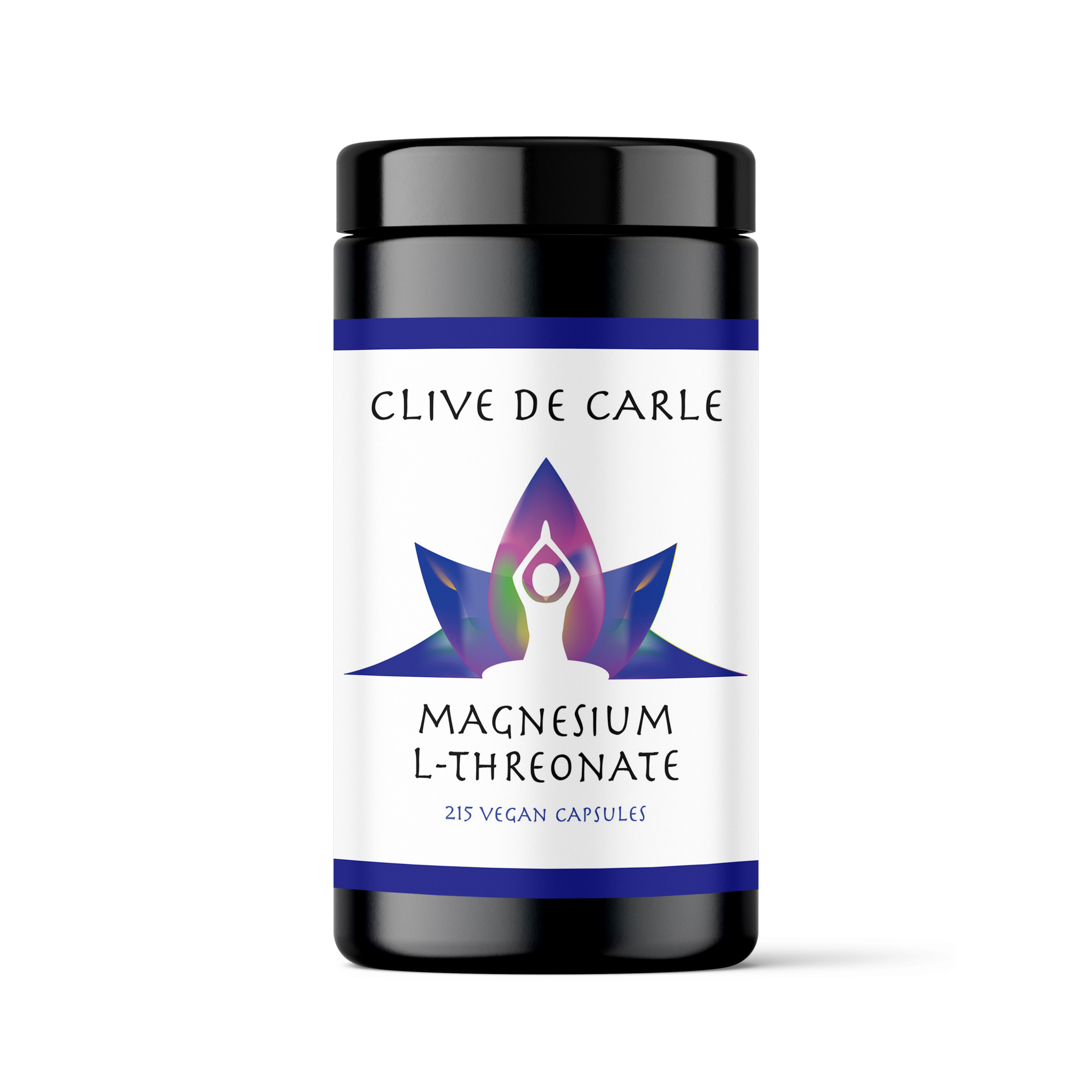
Magnesium L-Threonate
INNERSTANDING may earn a commission on purchases made through these links. All products are selected based on rigorous educational relevance to our biological research.
RABBIT HOLE
Follow the biological thread deeper