
The Enteric Nervous System: How Gut Signals Influence Mood
Updated May 2026
The enteric nervous system is a vast network of neurons embedded in the walls of the gastrointestinal tract. This 'second brain' does more than digest food; it is a primary driver of our emotional state and overall neurological health.
Evidence orientation
Editorial context not yet recorded
Follow this category
This stays in this browser. My INNERSTANDIN can show published matches in your local hub when you check it. It does not send email, push, or alert notifications.
Local learning review
A private browser aid for revisiting ideas. It is not an alert or a health recommendation.
Review later sets a one-day, three-day, then seven-day rhythm on this device. Choose it only when you want to revisit this article.
Overview
The traditional paradigm of modern medicine has, for decades, operated under a top-down hierarchy. It posits that the brain—that three-pound mass of grey matter encased in the skull—is the absolute monarch of the human experience. In this outdated model, the rest of the body is merely a mechanical vessel, following the commands of the central nervous system (CNS). However, cutting-edge biological research is systematically dismantling this narrative, revealing a far more complex and decentralised reality. At the heart of this revolution is the Enteric Nervous System (ENS), frequently referred to as the 'Second Brain.'
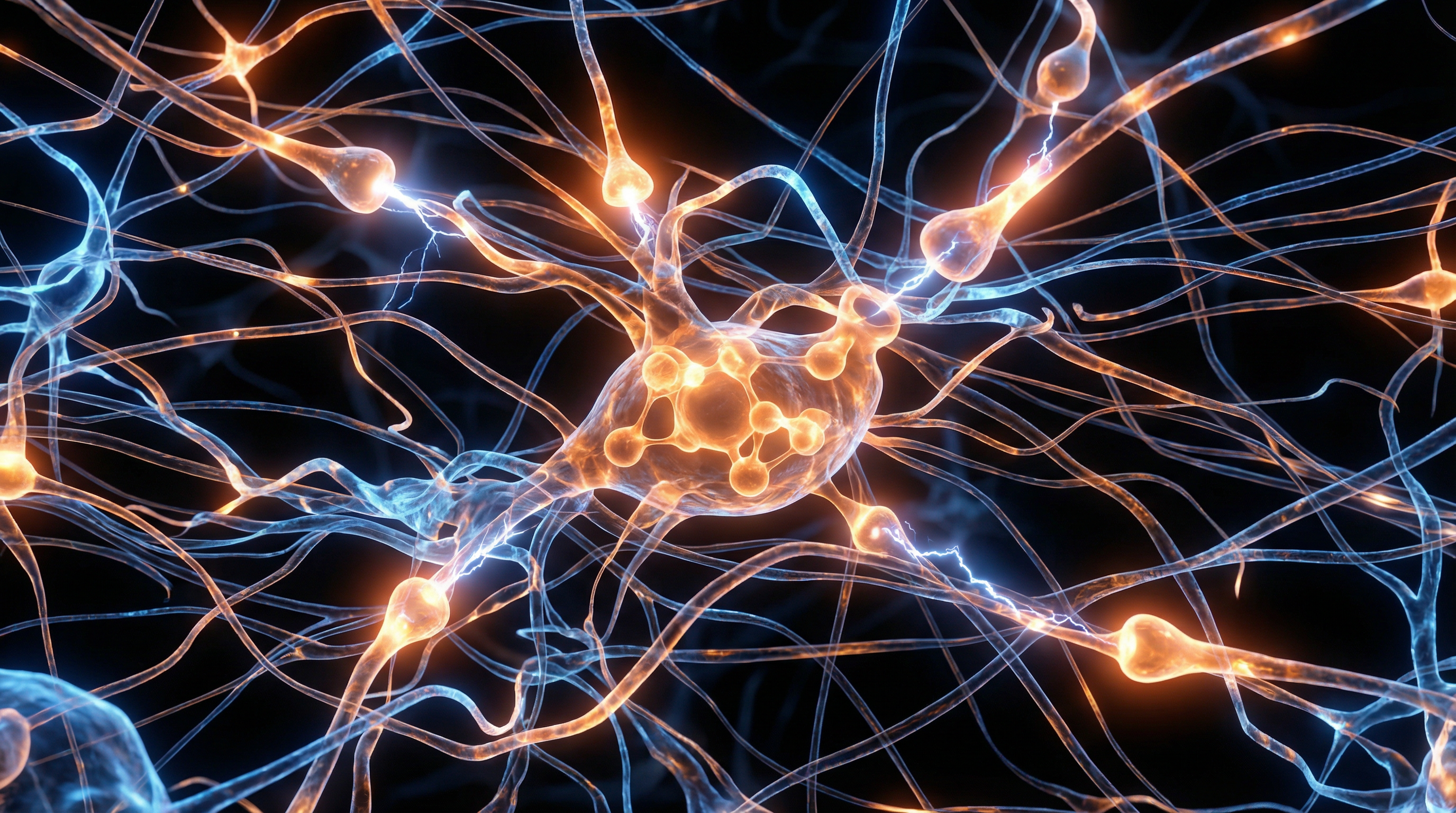
The ENS is an autonomous, sprawling network of over 100 million to 500 million neurons embedded directly within the walls of the gastrointestinal tract, stretching from the oesophagus to the anus. It is the only organ system with its own independent intrinsic nervous system, capable of operating entirely without input from the brain or spinal cord. But to view the ENS as merely a 'digestive controller' is a catastrophic misunderstanding of human biology.
In truth, the ENS is a sophisticated sensory organ and a primary endocrine powerhouse. It communicates with the brain via the Vagus Nerve (Cranial Nerve X), but the communication is heavily lopsided: approximately 80-90% of the nerve fibres in the vagus nerve are afferent, meaning they carry signals from the gut to the brain, not the other way around. This means your gut is constantly 'talking' to your brain, influencing your mood, your cognitive function, your sleep patterns, and your emotional resilience.
We are currently witnessing a global crisis in mental health, with depression and anxiety rates soaring to unprecedented levels. In the United Kingdom, the mainstream response remains the prescription of Selective Serotonin Reuptake Inhibitors (SSRIs) and cognitive therapies that focus almost exclusively on the head-brain. By ignoring the biological signals emanating from the enteric nervous system, we are treating the symptom rather than the source. The reality that the medical establishment often overlooks is that the foundations of psychological well-being are laid in the gut, not the mind.
Statistics show that over 95% of the body's total serotonin and 50% of its dopamine are produced not in the brain, but in the enteric nervous system. This makes the gut the primary regulator of the neurochemicals that dictate human happiness and motivation.
##
##
The Biology — How It Works
To understand how the ENS dictates our emotional state, we must first understand its structural architecture. Unlike the brain, which is centralised, the ENS is a vast, interconnected meshwork organised into two primary layers, or 'plexuses,' embedded within the layers of the digestive tract.
The Myenteric Plexus (Auerbach’s Plexus)
Located between the longitudinal and circular layers of the muscularis externa, the myenteric plexus is primarily responsible for motor control. It governs the complex, rhythmic contractions known as peristalsis, which move matter through the digestive system. However, its role extends beyond mere mechanics; it integrates signals from the gut lining and coordinates the release of enzymes that are critical for breaking down food into bioavailable nutrients.
The Submucosal Plexus (Meissner’s Plexus)
Nested within the submucosa, this layer is the 'sensory' hub of the ENS. It monitors the chemical environment of the gut lumen, regulates local blood flow, and controls the secretion of fluids and electrolytes. The submucosal plexus is the first line of defence, detecting the presence of toxins, pathogens, or undigested proteins, and initiating an immune response that can reverberate throughout the entire body.
The Vagus Nerve: The Information Superhighway
While the ENS can act independently, it maintains a constant dialogue with the Central Nervous System via the Gut-Brain Axis. The Vagus Nerve serves as the physical bridge of this axis. This is not merely a structural connection; it is a high-speed data cable. When the gut becomes inflamed—due to poor diet, environmental toxins, or microbial imbalance—the ENS sends 'distress signals' up the vagal pathway. These signals are received by the Nucleus Tractus Solitarius in the brainstem, which then broadcasts the message of 'threat' to the limbic system, the emotional centre of the brain. This is why digestive distress is almost universally accompanied by feelings of anxiety, irritability, and 'brain fog.'
Neurotransmitter Synthesis
The ENS is a chemical factory. It utilises more than 30 different neurotransmitters, nearly all of which are identical to those found in the brain. These include:
- Serotonin (5-HT): Regulates mood, appetite, and sleep.
- Dopamine: Drives reward-seeking behaviour and motor control.
- GABA (Gamma-aminobutyric acid): The primary inhibitory neurotransmitter, responsible for 'calming' the nervous system.
- Glutamate: The primary excitatory neurotransmitter, essential for learning and memory.
The sheer volume of these chemicals produced in the gut suggests that the enteric nervous system is the body’s 'well-being' thermostat. If the ENS is compromised, the production and regulation of these neurochemicals are thrown into chaos, leading to the systemic emotional disturbances we categorise as mental illness.
##
##
Mechanisms at the Cellular Level
The influence of the gut on the mind is not a vague 'vibe' or a metaphor; it is a precise biochemical process occurring at the cellular and molecular level. To truly understand the gut-mood connection, we must examine the Enterochromaffin (EC) cells and the Microbiota-Gut-Brain Axis.
Enterochromaffin Cells and Serotonin Signalling
The gut lining is peppered with specialised cells called Enterochromaffin cells. These cells are the primary sensors of the gut environment. When they detect mechanical pressure (food moving through) or chemical signals (from bacteria), they release serotonin.
In the gut, serotonin acts as a signalling molecule to initiate peristalsis. However, this serotonin also interacts with the afferent terminals of the vagus nerve. The ENS employs an enzyme called Tryptophan Hydroxylase 1 (TPH1) to convert the amino acid tryptophan into serotonin. If the gut environment is acidic, inflamed, or toxic, this pathway is often diverted. Instead of producing serotonin, the body begins the Kynurenine Pathway, which produces neurotoxic metabolites like Quinolinic Acid. Quinolinic acid is known to cause neuroinflammation and is a primary driver in the development of clinical depression and suicidal ideation.
The Microbiome: The Biological Engine
The ENS does not act alone. It is in a symbiotic relationship with trillions of microorganisms—the gut microbiota. These bacteria produce metabolites that act as direct messengers to the enteric neurons.
- Short-Chain Fatty Acids (SCFAs): Bacteria such as Bifidobacterium and Lactobacillus ferment dietary fibre to produce butyrate, acetate, and propionate. Butyrate is particularly critical; it is a potent histone deacetylase (HDAC) inhibitor, which means it can turn on genes that promote the growth of new neurons (neurogenesis) and protect the brain from inflammation.
- Microbial Neurotransmitters: Certain bacterial strains are capable of synthesising neurotransmitters themselves. For example, Lactobacillus rhamnosus can modulate the expression of GABA receptors in the brain via the vagus nerve, directly reducing anxiety-like behaviour.
The Blood-Brain Barrier and the Blood-Gut Barrier
The integrity of the gut wall is maintained by 'tight junctions'—proteins like Zonulin and Occludin that act as gatekeepers. When these junctions are compromised—a condition commonly known as 'Leaky Gut' or increased intestinal permeability—undigested food particles, toxins, and Lipopolysaccharides (LPS) (endotoxins from bacterial cell walls) leak into the bloodstream.
Once in the blood, these inflammatory markers can travel to the brain. While the brain is protected by the Blood-Brain Barrier (BBB), systemic inflammation in the gut can actually weaken the BBB. This allows LPS and pro-inflammatory cytokines like IL-6 and TNF-alpha to enter the cerebral environment, where they 'prime' the brain’s immune cells (microglia). Once microglia are activated, they stay in an inflammatory state, leading to the destruction of healthy synapses and the onset of 'neuroinflammation,' the biological precursor to almost every known psychiatric and neurodegenerative disorder.
##
##
Environmental Threats and Biological Disruptors
The modern environment is a minefield for the enteric nervous system. In the UK and beyond, we are exposed to a cocktail of chemicals that are systematically dismantling the delicate architecture of our 'second brain.'
Glyphosate and the Shikimate Pathway
Glyphosate, the active ingredient in many broad-spectrum herbicides used extensively in UK agriculture, is perhaps the most significant threat to the ENS. The mainstream narrative claims glyphosate is safe for humans because humans do not possess the 'shikimate pathway'—the metabolic pathway glyphosate disrupts in plants. This is a half-truth that hides a terrifying reality: while human cells do not have this pathway, our gut bacteria do.
Glyphosate acts as a potent antibiotic, selectively killing off beneficial bacteria like Bifidobacterium while allowing pathogenic strains like Salmonella and Clostridia to thrive. This disruption, known as dysbiosis, leads to a depletion of the precursors needed for neurotransmitter synthesis. Furthermore, glyphosate is a chelator, meaning it binds to essential minerals like magnesium, zinc, and manganese, stripping the ENS of the co-factors it needs for neurological function.
According to the UK Environment Agency, glyphosate residues are frequently found in British water supplies and a significant portion of non-organic cereal products, meaning the average UK citizen is under constant chemical assault at the enteric level.
Ultra-Processed Foods (UPFs) and Emulsifiers
The British diet is now composed of more than 50% ultra-processed foods. These products are laden with industrial emulsifiers like carboxymethylcellulose (CMC) and polysorbate 80. Research has shown that these chemicals act like 'detergents' in the gut, eroding the protective mucus layer that shields the ENS from the toxic contents of the lumen. When this mucus layer is thinned, the enteric neurons are exposed to direct irritation, leading to chronic low-grade inflammation that signals the brain to enter a state of 'sickness behaviour'—the clinical definition of many depressive symptoms.
Artificial Sweeteners
Non-caloric sweeteners like Aspartame and Sucralose are marketed as 'healthy' alternatives to sugar, but their effect on the ENS is devastating. These compounds have been shown to alter the gut microbiome in as little as 48 hours, promoting the growth of bacteria that trigger glucose intolerance and metabolic dysfunction. More crucially, they interfere with the vagal signalling of satiety and reward, leading to a 'disconnection' between the gut’s energy sensing and the brain’s craving centres.
##
##
The Cascade: From Exposure to Disease
The journey from a disrupted gut to a psychiatric diagnosis is a predictable biological cascade. It rarely happens overnight; rather, it is a slow erosion of neurological resilience.
Phase 1: The Insult
It begins with chronic exposure to disruptors: a diet high in refined sugars and UPFs, repeated courses of broad-spectrum antibiotics, and exposure to environmental pesticides. These factors decimate microbial diversity and damage the intestinal epithelial lining.
Phase 2: Enteric Inflammation and Malabsorption
As the ENS becomes inflamed, the production of enzymes is compromised. The body fails to properly break down proteins into amino acids. Specifically, the absorption of L-Tryptophan and L-Tyrosine (the precursors for serotonin and dopamine) drops. The ENS enters a state of high alert, increasing the production of cortisol and adrenaline within the gut tissues.
Phase 3: Systemic Endotoxaemia
As 'Leaky Gut' progresses, LPS (Lipopolysaccharides) enter the portal vein and the systemic circulation. This triggers a 'cytokine storm.' The immune system is now in a state of permanent mobilization. In the UK, this is often the point where a patient visits their GP complaining of chronic fatigue, IBS, and 'feeling low.'
Phase 4: Neuroinflammation and Symptom Emergence
The pro-inflammatory cytokines cross the blood-brain barrier. The brain's microglia—its resident macrophages—transition from their 'nurturing' state to a 'destructive' state. They begin to prune healthy neurons and inhibit the production of Brain-Derived Neurotrophic Factor (BDNF), the protein responsible for neuroplasticity. The result is the emergence of clinical symptoms: anxiety, anhedonia (the inability to feel pleasure), cognitive decline, and emotional instability.
Research published in The Lancet and other prestigious journals increasingly points to the fact that patients with Irritable Bowel Syndrome (IBS) are three times more likely to develop clinical depression and anxiety disorders than the general population.
##
##
What the Mainstream Narrative Omits
The refusal of the medical establishment to place the ENS at the centre of psychiatric care is not a matter of scientific ignorance; it is a matter of systemic inertia and pharmaceutical interest.
The 'Chemical Imbalance' Myth
For decades, the 'Chemical Imbalance' theory was used to sell millions of boxes of SSRIs. The idea was simple: your brain doesn't have enough serotonin, so we need to prevent its reuptake. However, the latest comprehensive reviews have found no consistent evidence that low brain serotonin causes depression. The mainstream narrative omits the fact that serotonin is a systemic signalling molecule. By focusing only on the synaptic gaps in the brain, they ignore the fact that the 'imbalance' is often originating in the gut's failure to synthesise or transport serotonin precursors.
The Role of Parasites and Biofilms
A truth-exposing look at the ENS must include the role of 'stealth infections.' Mainstream UK medicine rarely tests for chronic low-grade parasitic or fungal overgrowths (like Candida albicans) unless the patient is severely immunocompromised. Yet, these organisms create biofilms—protective slimy layers—that shield them from the immune system and allow them to hijack enteric signalling. Some parasites are even capable of producing 'neurotransmitter-mimics' that manipulate the host’s cravings and mood to ensure the parasite’s survival.
The Suppression of Nutritional Neuroscience
There is an enormous amount of data regarding the efficacy of 'Psychobiotics'—specific probiotic strains that improve mental health. Yet, nutritional intervention is rarely the first line of treatment in the NHS. The reason is clear: you cannot patent a strain of Bifidobacterium longum or the benefits of fermented sauerkraut. The system is designed to provide 'a pill for an ill,' which serves the shareholder more than the patient.
##
##
The UK Context
The United Kingdom presents a unique set of challenges regarding gut health and the ENS. Our geographical and regulatory landscape has created a 'perfect storm' for enteric disruption.
The 'Sickest' Diet in Europe
According to data from the British Medical Journal, the UK has the highest consumption of ultra-processed foods in Europe. This reliance on 'convenience' food has led to a population with a severely impoverished gut microbiome. The traditional British 'Meat and Two Veg' has been replaced by 'Ready Meals and Refined Carbs,' which lack the essential prebiotic fibres (like inulin and resistant starch) needed to feed the beneficial bacteria that maintain the ENS.
Water Quality and Fluoridation
In many parts of the UK, public water is fluoridated. While the MHRA and dental associations promote this for oral health, the biological reality is that fluoride is a neurotoxin and an enzyme disruptor. It has been shown to interfere with the G-protein coupled receptors that are essential for neurotransmitter signalling within the enteric nervous system. Furthermore, the UK’s ageing pipe infrastructure often leaches heavy metals like lead and copper, both of which are potent enteric disruptors.
The Over-Prescription of Antibiotics and PPIs
The UK has made strides in reducing antibiotic prescriptions, yet they remain high. Furthermore, the over-the-counter availability of Proton Pump Inhibitors (PPIs) for acid reflux is a major concern. PPIs drastically reduce stomach acid, which is necessary to kill off pathogenic bacteria before they reach the small intestine. This leads to SIBO (Small Intestinal Bacterial Overgrowth), a condition that directly inflames the ENS and is a major, often undiagnosed, cause of anxiety and 'brain fog' in the British public.
The Environment Agency and Pesticide Regulation
Post-Brexit, there is significant concern regarding the divergence of UK pesticide regulations from the EU. The UK has permitted the 'emergency use' of neonicotinoids and continues to allow glyphosate levels that many researchers deem unsafe for long-term gut health. The failure of the Food Standards Agency (FSA) to enforce stricter limits on pesticide residues in produce means the burden of protection falls entirely on the consumer.
##
##
Protective Measures and Recovery Protocols
If the enteric nervous system is the driver of mood, then the path to emotional recovery must pass through the gut. This requires a radical shift in lifestyle and dietary priorities.
1. Eliminating the 'Big Disruptors'
The first step in any recovery protocol is the removal of the agents causing enteric inflammation.
- Switch to Organic: To avoid glyphosate and other pesticides, prioritising organic produce is non-negotiable, especially for thin-skinned fruits and grains.
- Filter Your Water: Invest in a high-quality water filtration system (Reverse Osmosis or high-grade gravity filters) that removes fluoride, chlorine, and heavy metals.
- Purge UPFs: If a food item contains an ingredient your great-grandmother wouldn't recognise, do not eat it. Eliminate emulsifiers, artificial sweeteners, and refined seed oils (sunflower, rapeseed, corn) which trigger enteric inflammation via the omega-6 pathway.
2. Restoring the Mucus Barrier
The ENS cannot heal if the gut lining is 'leaky.'
- Bone Broth: Rich in amino acids like Proline and Glycine, which are the building blocks of the gut lining.
- L-Glutamine: A critical amino acid that serves as the primary fuel for the cells lining the small intestine (enterocytes), helping to 'seal' tight junctions.
- Deglycyrrhizinated Licorice (DGL): Helps to soothe the gut lining and stimulate the production of healthy mucus.
3. Re-Colonising with Psychobiotics
Not all probiotics are created equal. For mood regulation, focus on strains proven to communicate with the CNS:
- **Lactobacillus helveticus and Bifidobacterium longum:** In clinical trials, this combination has been shown to significantly reduce cortisol levels and anxiety.
- **Lactobacillus rhamnosus (JB-1):** Known to modulate the GABAergic system via the Vagus nerve.
- Fermented Foods: Incorporate unpasteurised sauerkraut, kimchi, and kefir. These provide a diverse array of 'live' bacteria and organic acids that lower gut pH and inhibit pathogens.
4. Supporting the Vagus Nerve
Since the ENS and the brain communicate via the Vagus nerve, improving 'vagal tone' is essential for emotional stability.
- Cold Exposure: Splashing the face with ice-cold water or taking cold showers stimulates the Vagus nerve.
- Deep Diaphragmatic Breathing: Slow, belly breathing signals the ENS to move from the 'Sympathetic' (fight or flight) state to the 'Parasympathetic' (rest and digest) state.
- Humming or Chanting: The Vagus nerve passes through the vocal cords; the vibrations help to 'reset' the nerve's signalling.
5. Essential Co-factors
The ENS requires specific nutrients to synthesise neurotransmitters.
- Magnesium Bisglycinate: Essential for over 300 enzymatic reactions, including those that calm the ENS.
- Activated B-Vitamins: Specifically B6 (P5P), B9 (Methylfolate), and B12 (Methylcobalamin), which are necessary for the methylation cycle and neurotransmitter production.
- Omega-3 Fatty Acids (EPA/DHA): Critical for maintaining the structural integrity of neuronal membranes and reducing neuroinflammation.
##
##
Summary: Key Takeaways
The science is unequivocal: the human enteric nervous system is not a subordinate digestive aid; it is a primary driver of our neurological and emotional existence. The 'Second Brain' produces the vast majority of our feel-good chemicals, monitors our internal environment with hundreds of millions of neurons, and sends more information to the head than it receives.
- The Gut-Mood Link is Mechanical: Feelings of anxiety and depression are often the brain's interpretation of inflammatory signals coming from the ENS.
- The Microbiome is the Master Regulator: Our gut bacteria are the 'conductors' of the ENS, synthesising neurotransmitters and protecting the gut-brain axis.
- Environmental Toxins are Real: Glyphosate, emulsifiers, and fluoride are not just 'fringe' concerns; they are documented biological disruptors that target the ENS.
- Mainstream Medicine is Lagging: The current psychiatric model in the UK is largely ignoring the source of the problem, focusing on the brain while the gut is in a state of 'emergency.'
- Healing is Possible: Through radical dietary changes, the elimination of environmental toxins, and the targeted use of psychobiotics and vagal stimulation, the enteric nervous system can be restored.
We must stop viewing mental health as a purely psychological phenomenon and start recognising it as a biological one. When we heal the gut, we don't just improve digestion—we reclaim our minds. The revolution in health starts in the enteric nervous system. It is time to listen to what your second brain is trying to tell you.
This article is provided for informational and educational purposes only. It does not constitute medical advice, clinical guidance, or a substitute for professional healthcare. Information reflects cited research at time of publication. Always consult a qualified healthcare professional before acting on any health information.
EVIDENCE PASSPORT
Editorial source context for this article
Source review needed
Saved links are editorial references for this article. They may support specific claims rather than every sentence. Open and assess each source in context. This passport does not independently verify them.
Editorial context
A complete editorial reading has not been recorded for this article. Source links remain available for you to open and assess directly.
Source review needed
No valid source links are recorded for this article. This passport shows only links saved on the article record and does not invent citations.
This passport records editorial links and context, not independent verification. Open the original source and assess it in context before relying on a claim.
Medical Disclaimer
The information in this article is for educational purposes only and does not constitute medical advice, diagnosis, or treatment. Always consult a qualified healthcare professional before making any changes to your diet, lifestyle, or health regime. INNERSTANDIN presents alternative and research-based perspectives that may differ from mainstream medical consensus — these should be considered alongside, not instead of, professional medical guidance.
Read Full DisclaimerContinue the thread
Keep this question moving.
Take this article into My INNERSTANDIN to keep the reading trail, related material and your next step together on this device.
Explore this in the Body Map
See where this hits your biology. Interactive anatomy, threats, and protective protocols.
Dig deeper in the Library
Free, longform PDF volumes that go beyond headlines into mechanisms and references.