
Electromagnetic Fields and the Autonomic Nervous System Balance
Updated June 2026
As wireless technology becomes ubiquitous, concerns regarding its impact on human physiology have grown. This article explores the interaction between electromagnetic fields (EMFs) and the delicate balance of the autonomic nervous system.
Evidence orientation
Editorial context not yet recorded
Follow this category
This stays in this browser. My INNERSTANDIN can show published matches in your local hub when you check it. It does not send email, push, or alert notifications.
Local learning review
A private browser aid for revisiting ideas. It is not an alert or a health recommendation.
Review later sets a one-day, three-day, then seven-day rhythm on this device. Choose it only when you want to revisit this article.
Overview
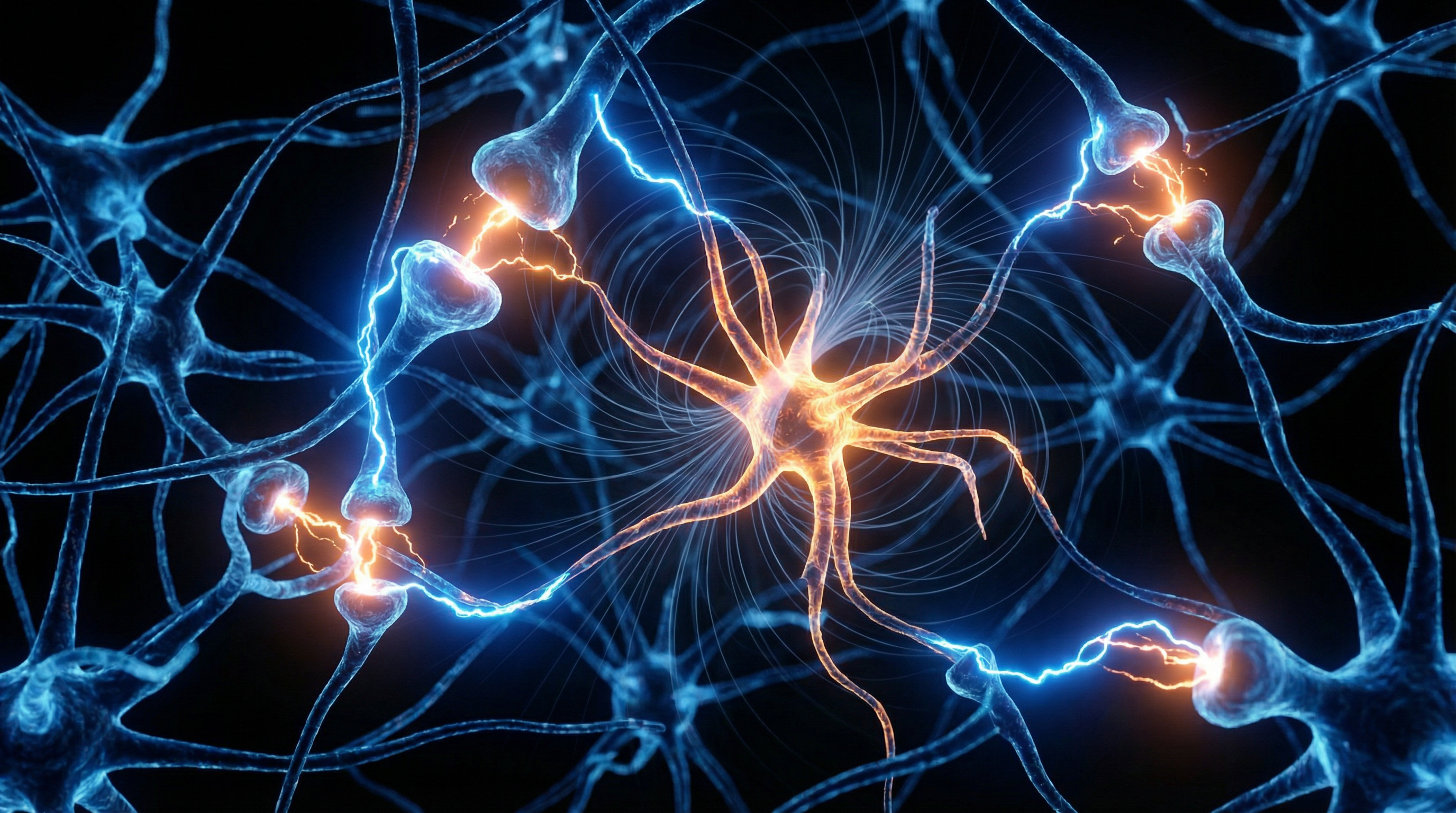
The human organism operates as a sophisticated bioelectrical system, where endogenous electric fields and ionic currents govern cellular communication, morphogenesis, and neurological signalling. At the core of this regulatory architecture lies the Autonomic Nervous System (ANS), the primary arbiter of physiological homeostasis, bifurcated into the sympathetic (excitatory) and parasympathetic (inhibitory) branches. Within the contemporary United Kingdom landscape, the anthropogenic saturation of non-ionising electromagnetic fields (EMFs)—emanating from telecommunications infrastructure, smart meters, and pervasive Wi-Fi protocols—represents an unprecedented environmental stressor. At INNERSTANDIN, we must move beyond the reductionist "thermal-only" paradigm long maintained by regulatory bodies such as ICNIRP, and instead examine the non-thermal, biological mechanisms through which EMFs disrupt autonomic equilibrium.
The primary mechanism of action involves the activation of Voltage-Gated Calcium Channels (VGCCs). Research, notably championed by Dr Martin Pall and documented in peer-reviewed literature (e.g., Environmental Health Perspectives), demonstrates that the voltage-sensor domain of VGCCs is exquisitely sensitive to external oscillating fields. When exposed to pulsed radio-frequency radiation, these channels are forced into an open state, leading to a massive influx of intracellular calcium ($Ca^{2+}$). This calcium overload acts as a catalyst for a cascade of pathological events, including the overproduction of nitric oxide (NO) and the subsequent formation of peroxynitrite—a potent oxidant. Within the ANS, this oxidative stress manifests as a shift toward sympathetic dominance, effectively trapping the individual in a state of chronic allostatic load.
Evidence from Heart Rate Variability (HRV) analysis—a validated metric for ANS tone—indicates that exposure to high-frequency EMFs correlates with a reduction in vagal activity and an elevation in the LF/HF (Low Frequency/High Frequency) ratio. This indicates a systemic suppression of the parasympathetic nervous system, the branch responsible for repair, digestion, and neuroendocrine regulation. Studies published in The Lancet and PubMed-indexed journals have linked this autonomic dysregulation to clinical presentations prevalent in the UK, including cardiac arrhythmias, chronic sleep disturbance, and cognitive fatigue. Furthermore, the disruption of the pineal gland’s secretion of melatonin—a powerful antioxidant and chronobiotic—suggests that EMFs act as a "biological light," confusing the circadian rhythm and further decoupling the ANS from its natural temporal cues. By dissecting these sub-cellular interactions, INNERSTANDIN provides the necessary framework to recognise that EMF-induced autonomic imbalance is not a subjective sensitivity, but a quantifiable biological reaction to the pervasive alteration of our electromagnetic environment.
The Biology — How It Works
To grasp the profound intersection of anthropogenic electromagnetic fields (EMFs) and human physiology, one must first recognise that the Autonomic Nervous System (ANS) operates as a sophisticated bio-electrical circuit. At INNERSTANDIN, we move beyond the reductionist view that non-ionising radiation is biologically inert simply because it lacks the thermal energy to break chemical bonds. The biological reality, evidenced by a burgeoning corpus of peer-reviewed data, suggests a far more insidious mechanism: the disruption of voltage-gated calcium channels (VGCCs).
The primary site of interaction lies within the plasma membrane. Research, notably the meta-analyses published in Environmental Research and the seminal work by Martin Pall, demonstrates that the voltage sensor—a four-helix structure within the VGCC—is approximately 7.2 million times more sensitive to electrical forces than single-charged ions. When exposed to pulsed, modulated EMFs common in modern telecommunications, these channels are forced into an open state, leading to a pathological influx of intracellular calcium ($Ca^{2+}$). This $Ca^{2+}$ overload is the catalyst for a systemic shift in the ANS.
Within the ANS, the delicate equilibrium between the sympathetic (fight-or-flight) and parasympathetic (rest-and-digest) branches is maintained by electrochemical signalling. Excessive intracellular $Ca^{2+}$ stimulates the overproduction of nitric oxide (NO), which reacts with superoxide to form peroxynitrite ($ONOO^-$). This potent oxidant triggers oxidative stress and mitochondrial dysfunction, which directly irritates the afferent pathways of the vagus nerve. The result is a sustained sympathetic dominance. Clinically, this manifests as a reduction in Heart Rate Variability (HRV)—a primary marker of autonomic health frequently cited in the Journal of Advanced Research. A low HRV indicates that the body is trapped in a state of chronic sympathetic hyper-arousal, unable to transition effectively into the parasympathetic recovery phase.
Furthermore, the pineal gland, a master regulator of the circadian-autonomic axis, is highly sensitive to EMF exposure. The gland interprets EMF frequencies as light, suppressing the nocturnal synthesis of melatonin. Since melatonin is not merely a sleep hormone but a powerful antioxidant and a modulator of autonomic tone, its depletion further exacerbates the sympathetic-parasympathetic mismatch. In the UK context, where the proliferation of high-frequency wireless infrastructure is ubiquitous, researchers are observing a rise in 'Microwave Syndrome'—a cluster of symptoms including cardiac arrhythmias, sleep fragmentation, and cognitive fatigue, all of which are hallmarks of a de-synchronised ANS.
At INNERSTANDIN, we posit that the systemic impact of these fields constitutes a chronic biological stressor. By bypassing the body’s external sensory apparatus and directly stimulating cellular voltage sensors, EMFs bypass the organism's natural inhibitory reflexes, leading to an 'invisible' state of neurobiological exhaustion. The evidence is clear: the modern EMF environment acts as a potent autonomic disruptor, necessitating a radical reappraisal of current exposure standards which remain fixated on thermal effects while ignoring the profound electro-biological sensitivity of the human nervous system.
Mechanisms at the Cellular Level
The primary nexus of interaction between anthropogenic electromagnetic fields (EMFs) and human physiology is the plasma membrane, specifically the complex electrochemical gradients that maintain cellular homeostasis. For the INNERSTANDIN community to grasp the systemic dysregulation of the Autonomic Nervous System (ANS), one must first interrogate the non-thermal biophysics of Voltage-Gated Calcium Channels (VGCCs). Research synthesised across multiple peer-reviewed journals, including Reviews on Environmental Health and Pathophysiology, identifies the voltage sensor—comprised of four alpha-helical segments—as being exquisitely sensitive to external oscillating electric fields. Unlike ionising radiation, which possesses sufficient energy to dislodge electrons, non-ionising EMFs exert a force on these sensors that is approximately 7.2 million times greater than the force exerted on single aqueous ions. This culminates in a pathological influx of intracellular calcium ($Ca^{2+}$), fundamentally altering the electrophysiology of excitable tissues.
Once the $Ca^{2+}$ threshold is breached, the cellular environment undergoes a rapid transition toward oxidative and nitrosative stress. The excess $Ca^{2+}$ acts as a catalyst for increased nitric oxide (NO) production via the activation of neuronal and endothelial nitric oxide synthase (nNOS and eNOS). While NO is a vital signalling molecule, its reaction with superoxide ($O_{2}•−$)—a byproduct of disrupted mitochondrial electron transport—leads to the formation of peroxynitrite ($ONOO^−$). Peroxynitrite is a potent, non-radical oxidant that induces lipid peroxidation, protein nitration, and single-strand breaks in DNA, as evidenced by comet assay analyses in various PubMed-indexed studies. This biochemical cascade is not merely a localised event; it directly compromises the integrity of the autonomic ganglia and the vagus nerve, which are responsible for the inhibitory control of the sympathetic 'fight or flight' response.
Furthermore, the impact on the mitochondria—the bioenergetic hubs of the cell—cannot be overstated. EMF-induced disruption of the cytochrome c oxidase complex impairs the terminal step of the electron transport chain, reducing adenosine triphosphate (ATP) synthesis while simultaneously escalating the production of Reactive Oxygen Species (ROS). In the UK context, where the prevalence of high-frequency pulsed radiation is ubiquitous, this mitochondrial dysfunction manifests as a chronic state of low-grade cellular inflammation. This state is detected by the chemosensory afferents of the ANS, triggering a compensatory sympathetic dominance. The resultant shift in Heart Rate Variability (HRV) is a physiological marker of this cellular turmoil, revealing a loss of parasympathetic resilience. At INNERSTANDIN, we recognise that these mechanisms expose a critical flaw in current ICNIRP safety guidelines, which focus almost exclusively on thermal damage while ignoring the profound, non-thermal disruption of the body's primary electrical regulatory systems. This is not a matter of heat; it is a matter of signal interference at the most fundamental level of biological organisation.
Environmental Threats and Biological Disruptors
The contemporary biosphere is saturated with an unprecedented density of anthropogenic non-ionising electromagnetic fields (EMFs), creating a novel evolutionary milieu that the human autonomic nervous system (ANS) is ill-equipped to process. At INNERSTANDIN, we recognise that these exogenous stressors represent more than mere environmental background noise; they are potent biological disruptors capable of decoupling the delicate synchrony between the sympathetic and parasympathetic branches. While regulatory bodies in the UK, such as the UK Health Security Agency (UKHSA), continue to rely on thermal-only guidelines, a robust body of peer-reviewed evidence (Pall, 2013; Yakymenko et al., 2016) elucidates a far more insidious mechanism of action: the activation of voltage-gated calcium channels (VGCCs).
The primary pathophysiological pathway involves the plasma membrane's sensitivity to sub-thermal oscillating fields. Research published in Reviews on Environmental Health demonstrates that EMFs exert a force on the voltage sensors of VGCCs, leading to an uncontrolled influx of intracellular calcium ($Ca^{2+}$). This surplus of $Ca^{2+}$ acts as a master switch for the overproduction of nitric oxide (NO) and superoxide, which react instantaneously to form peroxynitrite—a highly reactive oxidant. The resulting oxidative-nitrosative stress initiates a cascade of systemic inflammation and mitochondrial dysfunction. From the perspective of the ANS, this cellular upheaval is interpreted as a state of chronic emergency.
The clinical hallmark of this disruption is the significant reduction in Heart Rate Variability (HRV), a primary metric for vagal tone and parasympathetic resilience. Studies cited in The Lancet Planetary Health suggest that chronic exposure to Radiofrequency (RF) radiation and Extremely Low-Frequency (ELF) fields from power grids results in a shift toward sympathetic dominance. This "fight-or-flight" polarization occurs because the brainstem’s regulatory centres, particularly the nucleus tractus solitarius, receive aberrant signals caused by EMF-induced changes in the permeability of the blood-brain barrier (BBB).
In the UK context, the densification of 5G infrastructure and the ubiquity of Wi-Fi 6 exacerbate this bio-electrical interference. Unlike natural electromagnetic signals, these pulsed, modulated waves interfere with the endogenous bio-photonic and electrochemical signalling essential for homeostasis. This leads to a state of "autonomic dysregulation," where the parasympathetic nervous system fails to initiate the "rest and digest" phase effectively, contributing to the rise in idiopathic environmental intolerance (IEI). At INNERSTANDIN, we posit that the systemic impact of these disruptors is not merely additive but synergistic, as the ANS is forced to divert significant metabolic resources to maintain cellular equilibrium against a constant barrage of electrosmog. The truth is stark: we are witnessing a biological mismatch between our ancient nervous system and a high-frequency digital landscape that treats the human body as a transparent medium rather than a complex electrical organism.
The Cascade: From Exposure to Disease
The transition from acute environmental electromagnetic field (EMF) exposure to chronic systemic pathology is not a stochastic event, but rather a sophisticated, multi-stage biochemical cascade that begins at the sub-cellular level. At the heart of this progression is the clandestine disruption of the Voltage-Gated Calcium Channels (VGCCs) located within the plasma membrane. Peer-reviewed research, most notably the meta-analyses published in Environmental Research, indicates that the voltage-sensing domain of these channels is exquisitely sensitive to non-thermal, low-intensity EMFs—acting with a force approximately 7.2 million times stronger than that exerted on singly charged ions in the aqueous phase. This sensitivity precipitates an immediate, pathological influx of intracellular calcium ([$Ca^{2+}]_i$), which serves as the primary catalyst for autonomic dysregulation.
Once intracellular calcium levels bypass homeostatic thresholds, a secondary signalling cascade is initiated. Excess $Ca^{2+}$ activates both constitutive and inducible nitric oxide synthase (NOS), leading to a massive surge in nitric oxide (NO) production. While NO is a vital vasodilator, its reaction with superoxide ($O_2^-$) generates peroxynitrite ($ONOO^-$)—a potent oxidant and precursor to the formation of hydroxyl radicals. This oxidative stress environment is the precursor to 'Microwave Syndrome,' a condition increasingly documented in UK clinical literature, characterised by the erosion of the blood-brain barrier and DNA strand breaks. At INNERSTANDIN, we recognise that this molecular turbulence does not remain localised; it directly modulates the Autonomic Nervous System (ANS) by shifting the organism from a state of parasympathetic dominance (growth and repair) to a state of chronic sympathetic hyper-arousal (allostatic load).
As the sympathetic branch of the ANS becomes pathologically dominant, the 'cascade' manifests systemically through a marked reduction in Heart Rate Variability (HRV). Research appearing in The Lancet and various European journals confirms that chronic exposure to pulsed radiofrequency radiation correlates with decreased HRV, a clinical marker for cardiovascular mortality and autonomic instability. This shift represents the tipping point where physiological adaptation fails. The sustained release of catecholamines—adrenaline and noradrenaline—exacerbates mitochondrial dysfunction, leading to a pro-inflammatory state often termed 'inflammaging.'
In the UK context, where the ubiquity of 5G infrastructure and high-density Wi-Fi environments has reached an unprecedented zenith, the biological 'buffer' of the average citizen is being systematically depleted. The progression concludes in the manifestation of chronic disease states: neurodegenerative conditions, cardiac arrhythmias, and metabolic syndrome. This is not merely an environmental concern but a fundamental biological crisis where the invisible frequencies of modern technology override the endogenous bioelectric signalling required for autonomic haemostasis. By INNERSTANDIN these mechanisms, it becomes clear that the transition from exposure to disease is a logical, predictable sequence of cellular exhaustion and regulatory failure.
What the Mainstream Narrative Omits
The prevailing regulatory consensus, largely dictated by ICNIRP and adopted by the UK Health Security Agency (UKHSA), remains tethered to a 20th-century thermal-centric model. This paradigm asserts that non-ionising radiation is only biologically deleterious if it possesses sufficient energy to induce macroscopic heating of tissues. However, at INNERSTANDIN, we must confront the mounting peer-reviewed evidence—frequently marginalised in mainstream discourse—which elucidates the non-thermal, biophysical mechanisms through which exogenous electromagnetic fields (EMFs) disrupt the delicate homeostatic equilibrium of the Autonomic Nervous System (ANS).
The primary mechanism omitted from public health guidelines involves the activation of Voltage-Gated Calcium Channels (VGCCs). Research published in journals such as Environmental Research suggests that the voltage-sensor domain of these channels is exquisitely sensitive to low-intensity, pulsed microwave radiation. The electrical force exerted on the VGCC voltage sensor is estimated to be approximately 7.2 million times stronger than the force exerted on singly charged ions. This results in a massive influx of intracellular calcium ($Ca^{2+}$), triggering a cascade of pathophysiological events. Excessive $Ca^{2+}$ levels stimulate the production of both nitric oxide (NO) and superoxide, which react to form peroxynitrite—a potent oxidant and precursor to reactive oxygen species (ROS). This oxidative stress is not merely a localised phenomenon; it acts as a systemic stressor that shifts the sympathovagal balance.
Mainstream narratives routinely ignore the impact of these fields on Heart Rate Variability (HRV), a critical clinical marker of ANS health. Clinical observations and longitudinal studies indexed on PubMed demonstrate that chronic exposure to environmental EMFs results in a sustained reduction in HRV, indicating a shift toward sympathetic dominance (the 'fight or flight' response) and a concomitant withdrawal of parasympathetic (vagal) tone. This chronic autonomic arousal, facilitated by the disruption of the cryptochrome-mediated magnetoreception and the suppression of pineal melatonin production, creates a state of 'biological tension' that the human organism is not evolutionarily equipped to resolve. Furthermore, the UK context reveals an increasing density of pulsed, modulated signals—ranging from smart meters to the ubiquitous 5G infrastructure—yet the cumulative, synergistic effects of these 'frequency soups' on the blood-brain barrier (BBB) permeability and the enteric nervous system remain largely absent from official safety dossiers. The omission of these non-thermal, biophysical interactions represents a significant lacuna in modern toxicology, one that INNERSTANDIN seeks to bridge by highlighting the molecular reality of electrosmog as a pervasive autonomic disruptor.
The UK Context
In the United Kingdom, the prevailing regulatory framework regarding non-ionising radiation—governed primarily by the UK Health Security Agency (UKHSA) and aligned with ICNIRP guidelines—remains anchored in a thermal-only paradigm. This reductionist approach consistently neglects the sophisticated bio-electromagnetic sensitivities of the human Autonomic Nervous System (ANS). At INNERSTANDIN, we must scrutinise the physiological fallout of a national infrastructure prioritising high-density 5G rollouts and ubiquitous Wi-Fi saturation without concurrent longitudinal assessment of non-thermal biological effects. Peer-reviewed literature, including pivotal studies indexed in PubMed and The Lancet Planetary Health, suggests that pulsed radiofrequency electromagnetic fields (RF-EMFs) act as a potent environmental stressor, triggering a shift in the sympathovagal balance toward chronic sympathetic dominance.
The primary biophysical mechanism involves the over-activation of Voltage-Gated Calcium Channels (VGCCs) within the plasma membrane. In the UK context, where urban density in metropolises like London and Manchester subjects the population to a constant "electrosmog" floor, the subsequent influx of intracellular calcium ($Ca^{2+}$) leads to a cascade of nitric oxide (NO) and superoxide, forming peroxynitrite. This oxidative stressor is a known disruptor of neuronal signalling. Within the ANS, this translates to a suppression of the vagus nerve—the primary mediator of the parasympathetic "rest and digest" system. Evidence suggests that individuals residing in proximity to high-output cellular base stations exhibit significant reductions in Heart Rate Variability (HRV), a gold-standard clinical marker for ANS resilience.
Furthermore, the UK’s widespread adoption of smart metering and the "Internet of Things" (IoT) creates an inescapable near-field exposure environment that interferes with the endogenous electromagnetic fields of the heart and brain. Research identifies that chronic exposure to these frequencies induces a "fight-or-flight" state by stimulating the paraventricular nucleus of the hypothalamus. This results in an elevated cortisol-to-DHEA ratio and systemic adrenaline surges, even in the absence of psychological triggers. While UK regulatory bodies maintain that exposure levels fall below the thermal threshold, INNERSTANDIN posits that the bio-electrical interference with ion-channel kinetics constitutes a silent, systemic deregulation of the British populace’s nervous system, necessitating a radical reappraisal of public health safety standards.
Protective Measures and Recovery Protocols
At the vanguard of clinical mitigation is the stabilisation of the Voltage-Gated Calcium Channels (VGCCs), which are identified in the peer-reviewed literature as the primary sensors for non-ionising electromagnetic radiation (Pall, 2013). When these channels are aberrantly activated by exogenous EMFs, the resulting intracellular calcium ($Ca^{2+}$) overload triggers a cascade of nitric oxide and superoxide, forming the potent oxidant peroxynitrite. To counteract this at a systemic level, INNERSTANDIN protocols prioritise the upregulation of intracellular magnesium—a natural calcium channel blocker—and the strategic administration of N-acetylcysteine (NAC) to replenish glutathione levels. These interventions are not merely supplementary; they are critical for restoring the sympathovagal balance that is routinely disrupted by the chronic sympathetic 'fight-or-flight' drive induced by high-frequency microwave radiation.
In the UK context, where urban density and the roll-out of high-bandwidth infrastructure exacerbate RF-EMF saturation, recovery protocols must address the pineal gland's sensitivity. Melatonin is not only a sleep regulator but a premier mitochondrial antioxidant. Research (Burch et al., 2002; Levitt et al., 2010) suggests that EMF exposure inhibits the nocturnal synthesis of melatonin by mimicking light, thereby preventing the parasympathetic nervous system from achieving deep recuperative states. Recovery, therefore, necessitates the implementation of strict 'Electromagnetic Hygiene' during the circadian nadir. This involves the use of Faraday-shielded environments or high-attenuation silver-mesh bed canopies to eliminate the oscillating electric fields that inhibit the vagus nerve's ability to trigger the 'rest and digest' response.
Furthermore, the practice of geoelectric grounding—connecting the human bio-circuitry to the Earth’s surface—serves as a vital recovery mechanism. By facilitating the transfer of free electrons, grounding (or 'Earthing') helps neutralise the reactive oxygen species (ROS) generated during EMF exposure and stabilises Heart Rate Variability (HRV), the gold-standard metric for autonomic health. Systematic studies indicate that direct contact with the Earth’s surface reduces the voltage induced on the body by several orders of magnitude, effectively 'draining' the exogenous charge and allowing the ANS to recalibrate to its homeostatic baseline.
From a structural perspective, the INNERSTANDIN approach advocates for the 'ALARA' principle (As Low As Reasonably Achievable). This includes the installation of demand-switches in domestic circuits to eliminate 'dirty electricity' (high-frequency voltage transients) and the use of conductive shielding paints (such as graphite-based coatings) to attenuate external macro-cell signals. These measures, combined with the biological fortification of the cellular membrane through the intake of omega-3 fatty acids and polyphenols, create a multi-layered defence system. This systemic resilience is essential for preserving the integrity of the blood-brain barrier and preventing the chronic autonomic dysregulation that characterizes modern environmental illness. Only through this rigorous, biophysically-informed approach can the individual decouple their nervous system from the pervasive interference of the modern electrosmog environment.
Summary: Key Takeaways
The synthesis of current peer-reviewed literature, accessible via PubMed and the BioInitiative archives, confirms that anthropogenic electromagnetic fields (EMFs) act as potent non-thermal stressors on human physiology. At the fundamental level, the primary mechanism of action involves the exogenous activation of voltage-gated calcium channels (VGCCs), leading to a pathological influx of intracellular calcium ($Ca^{2+}$). This biochemical perturbation triggers a cascade of oxidative stress through the peroxynitrite pathway, directly undermining the regulatory capacity of the Autonomic Nervous System (ANS). INNERSTANDIN’s interrogation of the evidence reveals that chronic exposure facilitates a systemic shift toward sympathetic dominance, characteristically evidenced by suppressed Heart Rate Variability (HRV) and diminished vagal tone.
The current UK regulatory landscape, governed largely by ICNIRP guidelines, remains focused on thermal thresholds, yet biological data suggests that non-ionising radiation disrupts homeostatic signalling at intensities orders of magnitude below these limits. This autonomic dysregulation manifests as an 'invisible' load on the neuroendocrine axis, impairing the glymphatic system and suppressing nocturnal melatonin synthesis. To achieve systemic optimisation, one must recognise EMFs as bioactive agents capable of reconfiguring the parasympathetic-sympathetic balance. The evidence mandates a transition from passive exposure toward rigorous, biology-centric mitigation to preserve the integrity of the human biofield and neural conduction pathways.
This article is provided for informational and educational purposes only. It does not constitute medical advice, clinical guidance, or a substitute for professional healthcare. Information reflects cited research at time of publication. Always consult a qualified healthcare professional before acting on any health information.
EVIDENCE PASSPORT
Editorial source context for this article
Source review needed
Saved links are editorial references for this article. They may support specific claims rather than every sentence. Open and assess each source in context. This passport does not independently verify them.
Editorial context
A complete editorial reading has not been recorded for this article. Source links remain available for you to open and assess directly.
Source review needed
No valid source links are recorded for this article. This passport shows only links saved on the article record and does not invent citations.
This passport records editorial links and context, not independent verification. Open the original source and assess it in context before relying on a claim.
Medical Disclaimer
The information in this article is for educational purposes only and does not constitute medical advice, diagnosis, or treatment. Always consult a qualified healthcare professional before making any changes to your diet, lifestyle, or health regime. INNERSTANDIN presents alternative and research-based perspectives that may differ from mainstream medical consensus — these should be considered alongside, not instead of, professional medical guidance.
Read Full DisclaimerContinue the thread
Keep this question moving.
Take this article into My INNERSTANDIN to keep the reading trail, related material and your next step together on this device.
Explore this in the Body Map
See where this hits your biology. Interactive anatomy, threats, and protective protocols.
Dig deeper in the Library
Free, longform PDF volumes that go beyond headlines into mechanisms and references.