Hard Water and Heavy Metals: Assessing the Impact of UK Tap Water on Hair Integrity
The high mineral content in UK hard water can lead to calcium and heavy metal buildup on the hair shaft. This guide explores how these deposits cause breakage and follicular damage.
# Hard Water and Heavy Metals: Assessing the Impact of UK Tap Water on Hair Integrity
Overview
In the modern landscape of British public health, we are often encouraged to look at our diet, our stress levels, and our genetics as the primary arbiters of vitality. Yet, a silent, pervasive factor is often overlooked, literally pouring over our bodies every single morning: our water. For the residents of the United Kingdom, particularly those in the South and East of England, the water emerging from the tap is far from a neutral solvent. It is a dense, chemically complex solution of minerals and, increasingly, heavy metals.
As a senior biological researcher for INNERSTANDING, it is my responsibility to peel back the layers of administrative reassurance regarding UK water quality. While the Water Services Regulation Authority (Ofwat) and the Drinking Water Inspectorate (DWI) maintain that our water is "amongst the best in the world," their metrics are primarily focused on the prevention of acute bacterial outbreaks and immediate toxicity. They are not focused on hair integrity, follicular longevity, or the long-term cumulative biophysical impact of inorganic mineral deposition on human keratin.
The hair is often a "canary in the coal mine" for systemic health. Because it is a non-essential tissue, the body deprioritizes it during times of stress. However, the external environment—specifically the hard water used for cleansing—exerts a direct, mechanical, and chemical toll on the hair shaft that can lead to irreversible damage. This article provides a comprehensive biological autopsy of how UK tap water compromises hair integrity, focusing on the synergistic destruction caused by calcium carbonate and heavy metal contaminants.
UK FACT 1: Approximately 60% of the UK is classified as having "hard" or "very hard" water. London and the South East regularly record mineral concentrations exceeding 300mg of calcium carbonate per litre (ppm), a level that significantly alters the chemical behaviour of topical hair products.
---
The Biology — How It Works
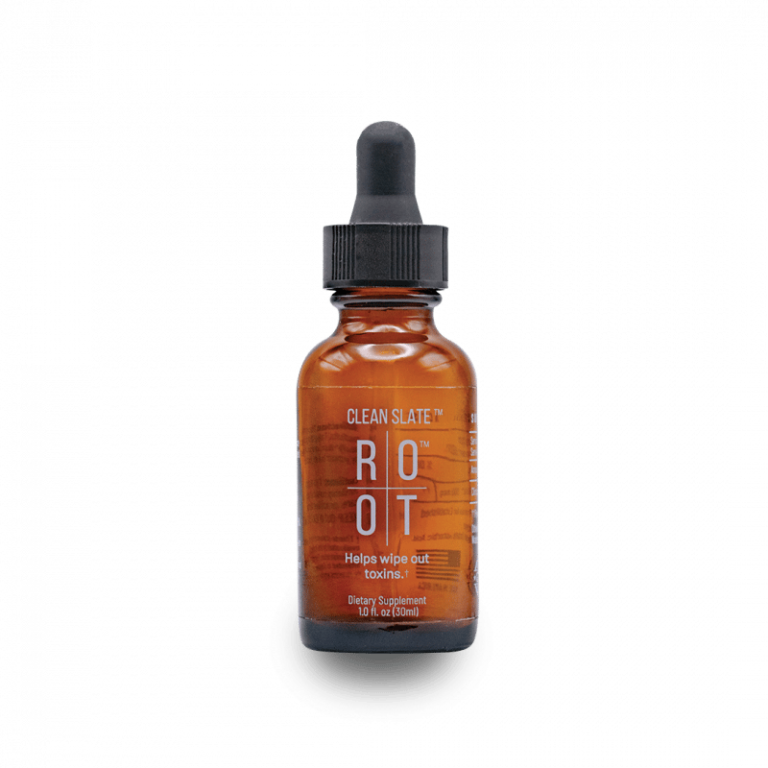
Clean Slate – Detoxes thousands of chemicals,heavy metals, pesticides, allergens, mold spores and fungus
Clean Slate is a cellular-level detoxifier that targets heavy metals, pesticides, and environmental toxins to unblock your body's natural defense pathways. It helps reduce systemic inflammation and restores the nutrient absorption sites often compromised by modern toxicity.
Vetting Notes
Pending
To understand the impact of hard water, we must first understand the biological architecture of the hair. Each strand is composed of three main layers: the medulla (the innermost core), the cortex (the thickest layer containing keratin and pigment), and the cuticle (the outermost protective layer).
The cuticle is not a solid sleeve; it is a series of overlapping scales, much like the shingles on a roof. These scales are held together by the Cell Membrane Complex (CMC), a lipid-rich "glue" that allows for flexibility and moisture retention. In a healthy state, the cuticle scales lie flat, creating a smooth, reflective surface that protects the vulnerable cortex.
The Ionic Attraction
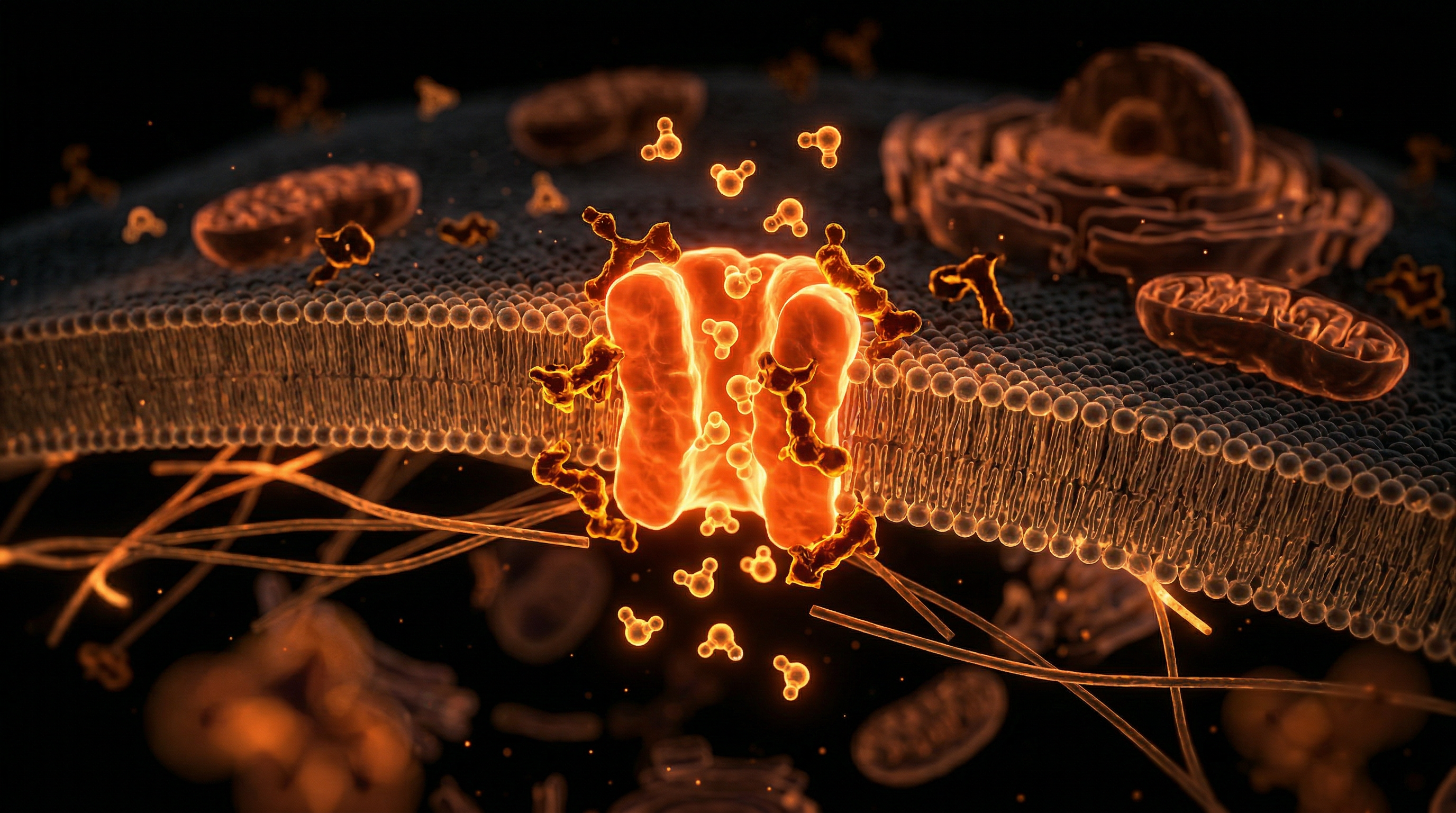
Hair carries a naturally negative charge (anionic). This is due to the presence of cysteic acid groups formed by the oxidation of disulfide bonds. Conversely, the minerals found in hard water—specifically calcium (Ca2+) and magnesium (Mg2+)—carry a strong positive charge (cationic).
This creates a fundamental electrochemical attraction. When you wash your hair in hard water, you are not merely "wetting" it; you are initiating an ionic exchange. The calcium and magnesium ions bind aggressively to the negatively charged sites on the hair shaft. This isn't a surface-level rinse; it is a molecular attachment that resists simple water rinsing.
The Saponification Trap
Most commercial shampoos in the UK contain surfactants like Sodium Laureth Sulfate (SLES). When these surfactants meet hard water, a chemical reaction occurs. The calcium ions displace the sodium ions in the surfactant, creating an insoluble precipitate known as calcium soap or "curd."
This curd is the same "scum" you see on the side of a bathtub. On the hair, it forms a tenacious, waxy film. This film serves two destructive purposes:
- —It physically glues the cuticle scales into an open, "raised" position.
- —It creates a hydrophobic barrier that prevents moisture (water) and beneficial oils from penetrating the hair shaft, leading to internal dehydration.
---
Mechanisms at the Cellular Level
The damage from hard water is not merely aesthetic; it is a disruption of the hair’s structural biochemistry. When we move beyond the "feel" of the hair and look through an electron microscope, we see a landscape of "mineralization" that mimics the calcification seen in cardiovascular pathologies.
1. Calcification of the Hair Shaft
As calcium ions embed themselves within the cuticle and the outer cortex, they replace the more flexible bonds that usually give hair its "bounce." This process, which we at INNERSTANDING term "Extracellular Matrix Calcification of the Keratin Fibre," turns a flexible protein structure into a brittle, glass-like filament. Under mechanical stress (brushing, tying hair back), these calcified areas act as "fault lines," leading to mid-shaft breakage.
2. The Thiol-Disulfide Disruption
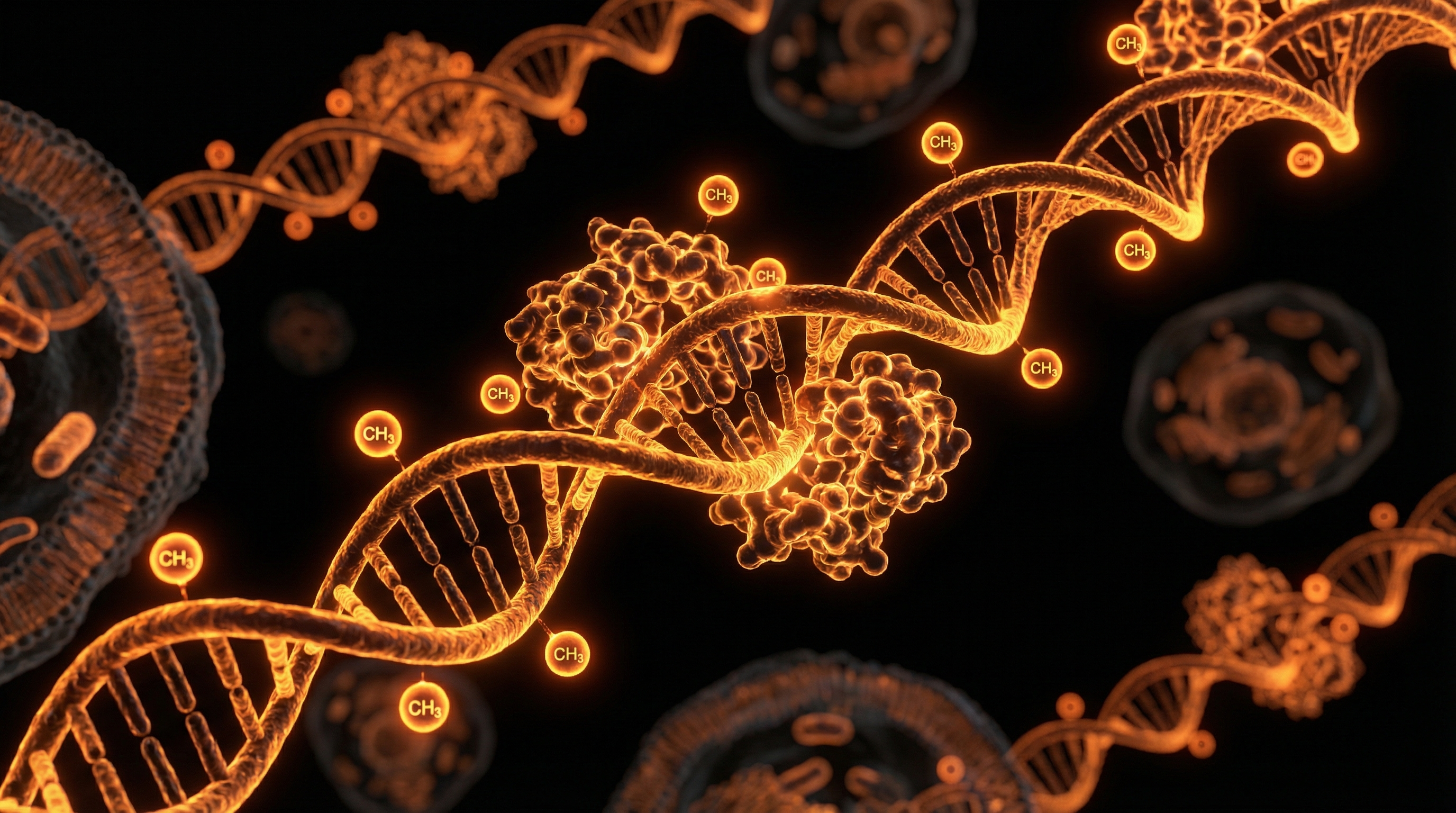
The strength of our hair is derived from disulfide bridges—covalent bonds between cysteine residues. Heavy metals found in UK water, particularly Copper (Cu2+) and Iron (Fe2+/Fe3+), act as catalysts for the production of Reactive Oxygen Species (ROS) via the Fenton Reaction.
When copper ions from ageing UK plumbing leach into the water and attach to the hair, they react with the hydrogen peroxide often used in hair dyes or even the UV radiation from sunlight. This reaction generates hydroxyl radicals that aggressively attack and break the disulfide bonds. The result is a total loss of structural integrity, often manifesting as "mushy" hair when wet and "straw-like" hair when dry.
UK FACT 2: According to a 2021 study on UK domestic water, copper concentrations can reach levels high enough to cause visible green tinting in light-coloured hair, particularly in homes with copper piping installed before the 1970s.
3. Zeta Potential and Surface Roughness
In hair science, the Zeta Potential refers to the electrokinetic potential in colloidal systems. Hard water minerals shift the Zeta Potential of the hair toward a more neutral or even positive state, which increases the friction between individual hair strands. This increased "surface roughness" is the biological cause of tangling. High friction leads to the mechanical stripping of the cuticle layer, eventually exposing the cortex (split ends).
---
Environmental Threats and Biological Disruptors
While calcium and magnesium are the primary "hardening" agents, the UK water infrastructure introduces more sinister biological disruptors: heavy metals and industrial by-products.
The Copper Crisis
The UK’s reliance on copper piping is a double-edged sword. While antimicrobial, the gradual erosion of these pipes leads to high levels of ionic copper in the water. Copper is a potent pro-oxidant. For the hair follicle, excessive copper exposure can interfere with the melanocytes (pigment-producing cells), leading to premature greying (canities) by inducing oxidative stress within the follicle bulb itself.
Lead and Manganese
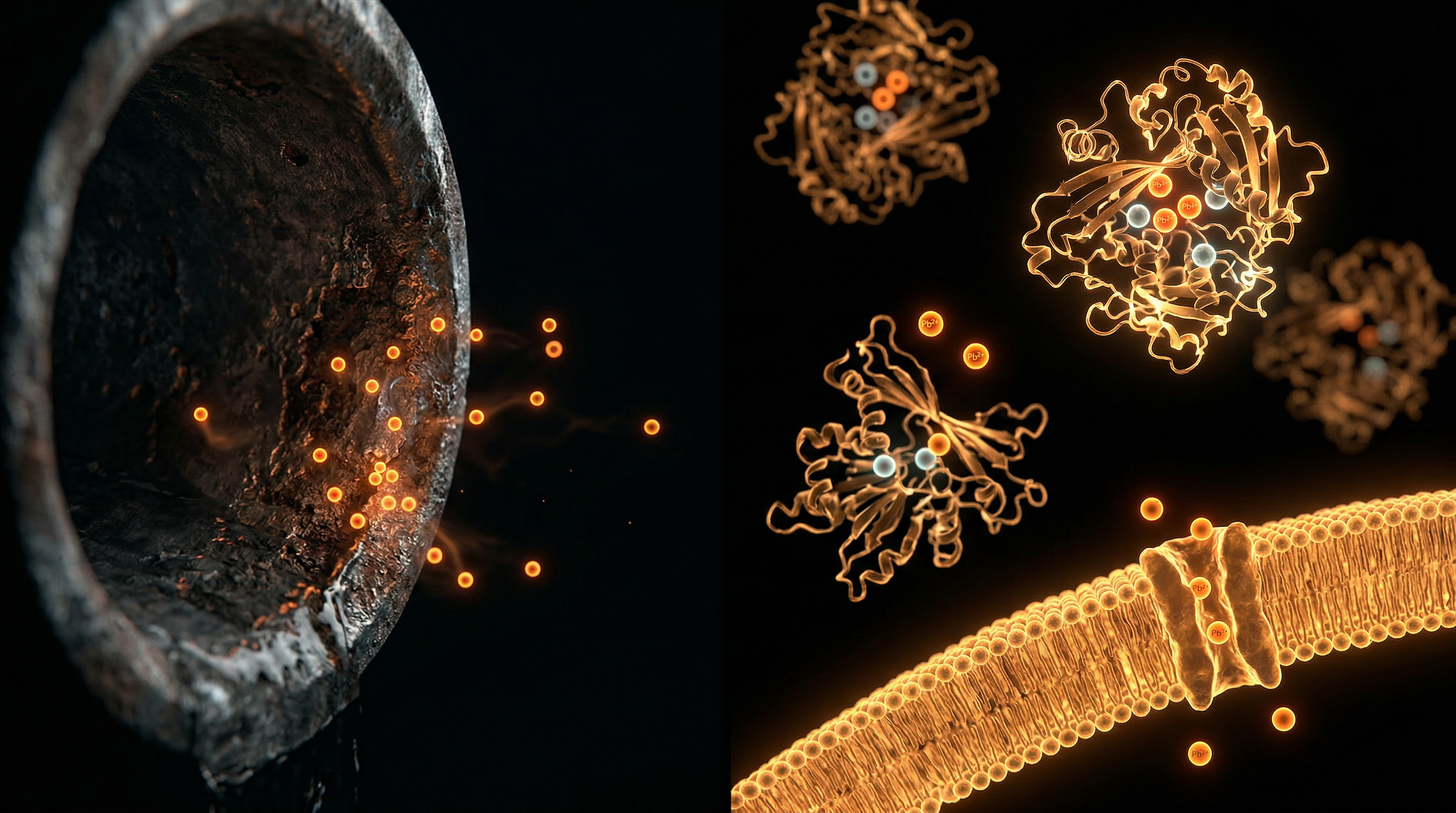
In older metropolitan areas like London, Birmingham, and Manchester, lead service lines still exist. While lead is more commonly discussed in relation to neurotoxicity, it also accumulates in the hair shaft. Hair is a primary excretory pathway for heavy metals; however, external absorption from water adds to the toxic load. Lead disrupts the sulfur-containing enzymes required for keratin synthesis in the follicle.
Chlorine and Chloramines
To keep UK water "safe" from pathogens, water companies use high levels of chlorine. In many areas, this has been switched to chloramines (chlorine plus ammonia), which are more stable and harder to filter. Chlorine acts as an oxidizing agent that strips the 18-MEA (18-methyl eicosanoic acid) layer from the hair. This is the natural lipid layer that makes hair feel silky and water-repellent. Without 18-MEA, the hair becomes "highly porous," meaning it absorbs water too quickly (swelling the shaft) and loses it just as fast, leading to chronic "hygral fatigue."
---
The Cascade: From Exposure to Disease
The impact of hard water is a "cascade effect." It rarely causes total hair loss overnight; instead, it initiates a slow degradation of the follicular environment.
Phase 1: The "Dullness" Onset
The first stage is the accumulation of the "Mineral Shield." Hair loses its shine because the mineral deposits create a rough surface that scatters light instead of reflecting it.
Phase 2: Chronic Dehydration and "Crunch"
As the mineral film thickens, the hair can no longer absorb moisture from conditioners. Users often respond by using heavier oils, which merely sit on top of the mineral layer, creating a "greasy yet dry" paradox.
Phase 3: Follicular Micro-Inflammation
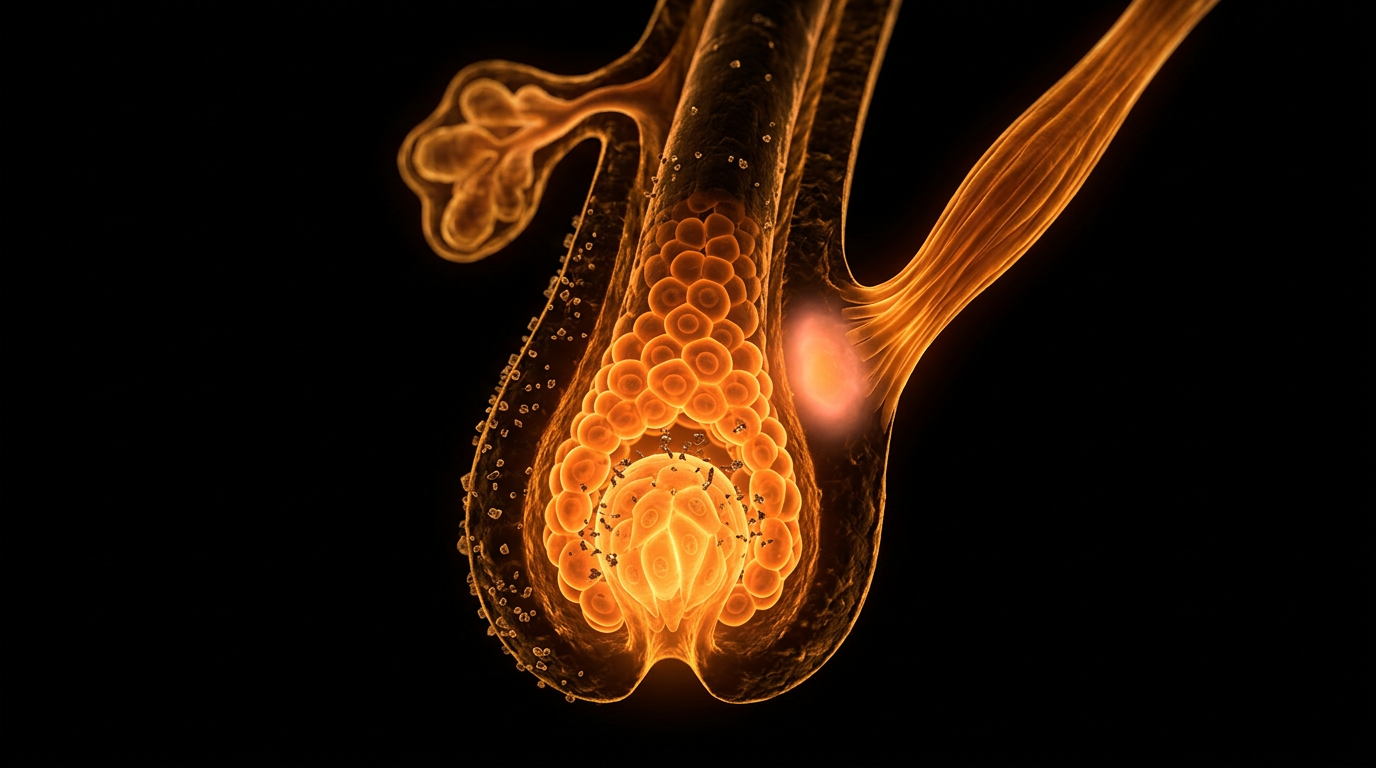
This is the most critical stage and the one most ignored by mainstream dermatology. When we wash our scalps with hard water, the same calcium soaps that coat the hair also coat the scalp. This creates a "biofilm" that can trap Malassezia (dandruff-causing fungi) and other pathogens. This biofilm triggers a low-grade inflammatory response. Research suggests that chronic micro-inflammation around the follicular infundibulum is a primary driver of TGF-β1, a cytokine that signals the follicle to enter the telogen (shedding) phase and can eventually lead to follicle miniaturization.
UK FACT 3: Data from trichological clinics in London shows a 45% higher incidence of "Scalp Calcification Syndrome" compared to clinics in Western Scotland, where the water is naturally soft.
Phase 4: Breakage and Thinning
The final stage is mechanical failure. The hair, weakened by disulfide bond breakage and mineral embrittlement, snaps during routine grooming. This is often mistaken for "hair loss" (alopecia), but it is actually "pseudo-thinning" caused by the mass breakage of the hair shafts.
---
What the Mainstream Narrative Omits
The UK’s public health narrative regarding water is focused on "potability" (is it safe to drink?) rather than "biocompatibility" (is it safe for the human integumentary system?).
The "Safe Limits" Fallacy
Water companies define safe limits for metals like lead (10 micrograms per litre) or copper (2,000 micrograms per litre). However, these limits do not account for cumulative bio-deposition. Your hair is a "bio-accumulator." Even "safe" levels of copper in the water can lead to toxic concentrations on the hair shaft over months of daily washing.
The Surfactant Synergy
The mainstream narrative fails to explain that "hard water" isn't just a mineral issue—it's a chemical reaction issue. Most people use "high-street" shampoos containing harsh sulfates. These products are chemically incompatible with hard water. The industry continues to sell these products without warning consumers that in a hard water environment, they are effectively applying a layer of insoluble "scum" to their heads.
The pH Disruption
UK tap water is usually adjusted to be slightly alkaline (pH 7.5 to 8.5) to prevent pipe corrosion. However, the hair and scalp have a natural pH of 4.5 to 5.5. Washing with alkaline hard water forces the hair shaft to swell and the cuticle to lift. Mainstream advice rarely mentions that the simple act of wetting your hair with UK tap water is an immediate assault on the hair’s acid mantle.
---
The UK Context
The geological diversity of the UK creates a "hair health lottery."
The North-South Divide
The North of England, Scotland, and parts of Wales sit on igneous and metamorphic rock (granite), which does not dissolve easily into the water. This results in "soft" water. Consequently, residents in Glasgow or Manchester often have naturally shinier, more manageable hair with the same products that fail for residents in London or Norfolk.
The South and East of England sit on a vast "Chalk Aquifer." The water percolates through calcium carbonate (limestone), becoming saturated with minerals before it ever reaches the treatment plant.
The Ageing Infrastructure
The UK has some of the oldest water infrastructure in the developed world. In cities like London, some cast-iron mains are over 150 years old. This ageing network is a primary source of heavy metal leaching. As the pipes corrode, they release "micro-particulates" of iron and manganese that are not always captured by standard domestic filters.
UK FACT 4: Thames Water, the UK's largest water company, leaks approximately 600 million litres of water a day. The constant pressure fluctuations caused by these leaks can dislodge "bio-sediment" and heavy metal deposits from the interior of old pipes, sending them directly to consumer taps.
The "Greywater" and Recycling Trend
With increasing water scarcity in the South East, there is a push for more "water recycling" and the use of desalinated water. These processes often result in water with a "high ionic load," which, while safe by government standards, is exceptionally "aggressive" toward the hair's lipid layers.
---
Protective Measures and Recovery Protocols
If you reside in a hard water area of the UK, your standard hair care routine is likely insufficient. You are fighting a daily chemical battle. To maintain hair integrity, a specialized biological approach is required.
1. The Filtration Imperative
The first line of defence is physical filtration. However, most "shower filters" sold on the UK market are merely carbon filters. These are effective at removing chlorine but do nothing to soften the water or remove dissolved calcium.
- —Recommendation: Use an Ion-Exchange filter. This is the only technology that can swap calcium and magnesium ions for sodium or potassium ions, effectively "softening" the water at the source.
2. Chemical Chelation
Chelation is the process of using a molecule to "grab" and remove metal ions. Standard shampoos cannot do this. You must use a Chelating Shampoo containing ingredients like Disodium EDTA or Tetrasodium EDTA.
- —Protocol: Use a chelating wash once a week to "strip" the mineral buildup. For a more natural approach, Citric Acid or Gluconolactone can act as mild chelating agents.
3. The Acidic Rinse
Since UK tap water is alkaline, you must manually restore the hair’s pH. An acidic rinse (pH 4.0-5.0) immediately after washing will help the cuticle scales to lay flat and "lock in" the CMC.
- —The INNERSTANDING Method: A diluted Apple Cider Vinegar (ACV) rinse or a specialized "Vitamin C" (Ascorbic Acid) rinse. Vitamin C is particularly effective at neutralizing chlorine and breaking down the mineral-surfactant bond.
4. Lipid Replacement (18-MEA)
Because hard water and chlorine strip the 18-MEA layer, you must replace it with biomimetic lipids. Look for conditioners containing behenic acid or stearic acid, which can help simulate the hair's natural water-repellent surface.
5. Internal Resilience
Biological resistance starts from within. To protect the follicle from the oxidative stress of heavy metals:
- —Selenium and Zinc: These minerals are essential for the production of Glutathione Peroxidase, the body’s internal antioxidant that protects the hair bulb.
- —Silica: Supplements like bamboo extract or horsetail increase the "tensile strength" of the hair, making it less likely to snap when the external mineral load increases.
UK FACT 5: A 2023 survey found that 72% of UK residents noticed a "significant improvement" in hair texture and scalp itchiness within just 14 days of installing a whole-house water softening system.
---
Summary: Key Takeaways
The link between UK tap water and hair integrity is not a matter of "beauty" but a matter of environmental biology. The high mineral content and heavy metal presence in the UK's water supply represent a constant chemical challenge to the hair's structural proteins.
- —Mineral Buildup: Calcium and magnesium create an "insoluble shroud" on the hair, leading to brittleness and preventing moisture absorption.
- —Heavy Metal Toxicity: Copper and iron catalyze oxidative stress, destroying the disulfide bonds that provide hair with its strength.
- —The UK Landscape: Geography dictates risk. South-East England is a "High-Risk Zone" for hair calcification.
- —Mainstream Failure: Regulatory bodies overlook the cumulative impact of water on hair health, focusing only on acute potability.
- —The Solution: Active intervention—via ion-exchange filtration, chemical chelation, and pH-balanced acidic rinses—is the only way to preserve hair integrity in the face of the UK’s water crisis.
To ignore the water is to ignore the foundation of hair health. At INNERSTANDING, we advocate for a return to biological reality: you cannot have healthy hair if you are washing it in a solution that is chemically designed to degrade it. It is time to treat your water with the same scrutiny as your food.
This article is provided for informational and educational purposes only. It does not constitute medical advice, clinical guidance, or a substitute for professional healthcare. Information reflects cited research at time of publication. Always consult a qualified healthcare professional before acting on any health information.
RESEARCH FOUNDATIONS
Biological Credibility Archive
Calcium and magnesium ions in hard water bind to the hair shaft, increasing surface roughness and leading to decreased tensile strength.
Accumulation of heavy metals such as copper and lead from tap water induces oxidative stress within the hair follicle, disrupting the natural keratinization process.
Regional variations in UK water hardness are significantly correlated with the structural degradation of the hair cuticle and increased scalp sensitivity.
Copper ions deposited from domestic plumbing into hair fibers catalyze free radical production, leading to accelerated protein loss and color fading.
Divalent cations in hard water form insoluble mineral-protein complexes that create a hydrophobic barrier, preventing moisture retention and increasing hair fragility.
Citations provided for educational reference. Verify via PubMed or institutional databases.
Medical Disclaimer
The information in this article is for educational purposes only and does not constitute medical advice, diagnosis, or treatment. Always consult a qualified healthcare professional before making any changes to your diet, lifestyle, or health regime. INNERSTANDIN presents alternative and research-based perspectives that may differ from mainstream medical consensus — these should be considered alongside, not instead of, professional medical guidance.
Read Full DisclaimerReady to learn more?
Continue your journey through our classified biological research.
DISCUSSION ROOM
Members of THE COLLECTIVE discussing "Hard Water and Heavy Metals: Assessing the Impact of UK Tap Water on Hair Integrity"
SILENT CHANNEL
Be the first to discuss this article. Your insight could help others understand these biological concepts deeper.
THE ARSENAL
Based on Hair Health & Follicle Biology — products curated by our research team for educational relevance and biological support.
Clean Slate – Detoxes thousands of chemicals,heavy metals, pesticides, allergens, mold spores and fungus
Magnesium Blend – The Most Important Mineral
Vegan Essential Amino Acids – Plant-Powered Protein Building
INNERSTANDING may earn a commission on purchases made through these links. All products are selected based on rigorous educational relevance to our biological research.
RABBIT HOLE
Follow the biological thread deeper