
UK Tap Water: The Hidden Chemical Load on Cellular Hydration
Updated May 2026
Analyzes the impact of fluoride and chlorine on the structure of domestic water supplies in Britain. Learn how these additives disrupt the delicate H3O2 formation in human tissues.
Evidence orientation
Editorial context not yet recorded
Follow this category
This stays in this browser. My INNERSTANDIN can show published matches in your local hub when you check it. It does not send email, push, or alert notifications.
Local learning review
A private browser aid for revisiting ideas. It is not an alert or a health recommendation.
Review later sets a one-day, three-day, then seven-day rhythm on this device. Choose it only when you want to revisit this article.
Overview
The prevailing narrative surrounding the United Kingdom’s municipal water supply is one of unparalleled safety, underpinned by the Drinking Water Inspectorate’s (DWI) rigorous compliance metrics. However, from the perspective of advanced biological science and cellular biophysics, this "regulatory safety" does not equate to "biological compatibility." At INNERSTANDIN, we must look beyond the absence of acute pathogens to examine the chronic, low-dose chemical synergistic load that disrupts the delicate liquid crystalline state of intracellular water. The fundamental paradox of modern British life is the phenomenon of cellular dehydration occurring in an environment of fluid abundance. This is not a failure of intake, but a failure of bio-availability driven by the chemical adulteration of the UK’s Victorian-era infrastructure and contemporary treatment protocols.
UK tap water is a complex aqueous matrix containing a cocktail of disinfectants (chlorine and increasingly stable chloramines), synthetic fluoride, per- and polyfluoroalkyl substances (PFAS), and pharmaceutical residues—ranging from endocrine disruptors to beta-blockers—that bypass standard filtration systems. The biological impact of this chemical load is mediated through the disruption of "Structured Water" or the Exclusion Zone (EZ), as defined by Pollack et al. Healthy cellular function relies on the interfacial water layer adjacent to biological membranes, which acts as a battery, storing potential energy. High-electronegativity contaminants like fluoride and chloride ions act as "structure breakers" (chaotropes), collapsing this interfacial tension and increasing the entropy of the intracellular environment.
Furthermore, the transition from chlorine to chloramine in many UK water regions presents a heightened metabolic challenge. Unlike chlorine, which volatilises, chloramines are persistent and produce nitrogenous disinfection by-products (N-DBPs) that are significantly more cytotoxic and genotoxic. Research in The Lancet Planetary Health and Environmental Science & Technology has highlighted the correlation between these sub-threshold contaminants and the induction of chronic oxidative stress. When the body encounters these non-native chemical signatures, it must expend significant ATP (adenosine triphosphate) to process and sequester these toxins, diverting energy away from primary metabolic repair. This "metabolic tax" on hydration ensures that the water reaching the cytoplasm is biologically inert, lacking the coherent dipole alignment necessary for efficient transit through aquaporin channels. Consequently, the systemic result is a state of "biological drought," where the interstitial fluid is saturated, yet the mitochondria remain starved of the high-energy electrons typically provided by coherent, structured aqueous systems. This overview serves as the foundation for INNERSTANDIN’S exploration into the bio-energetic reclamation of our most vital nutrient.
The Biology — How It Works
The biological interface between municipal tap water and human cellular physiology is defined by a profound mismatch between regulatory "potability" and metabolic biocompatibility. To appreciate the systemic impact of UK tap water, one must move beyond the macroscopic lens of chemistry into the sub-microscopic realm of interfacial water dynamics and membrane biophysics. At INNERSTANDIN, we recognise that hydration is not a passive filling of a vessel, but an active, energy-dependent process governed by the electrochemical gradient of the cell.
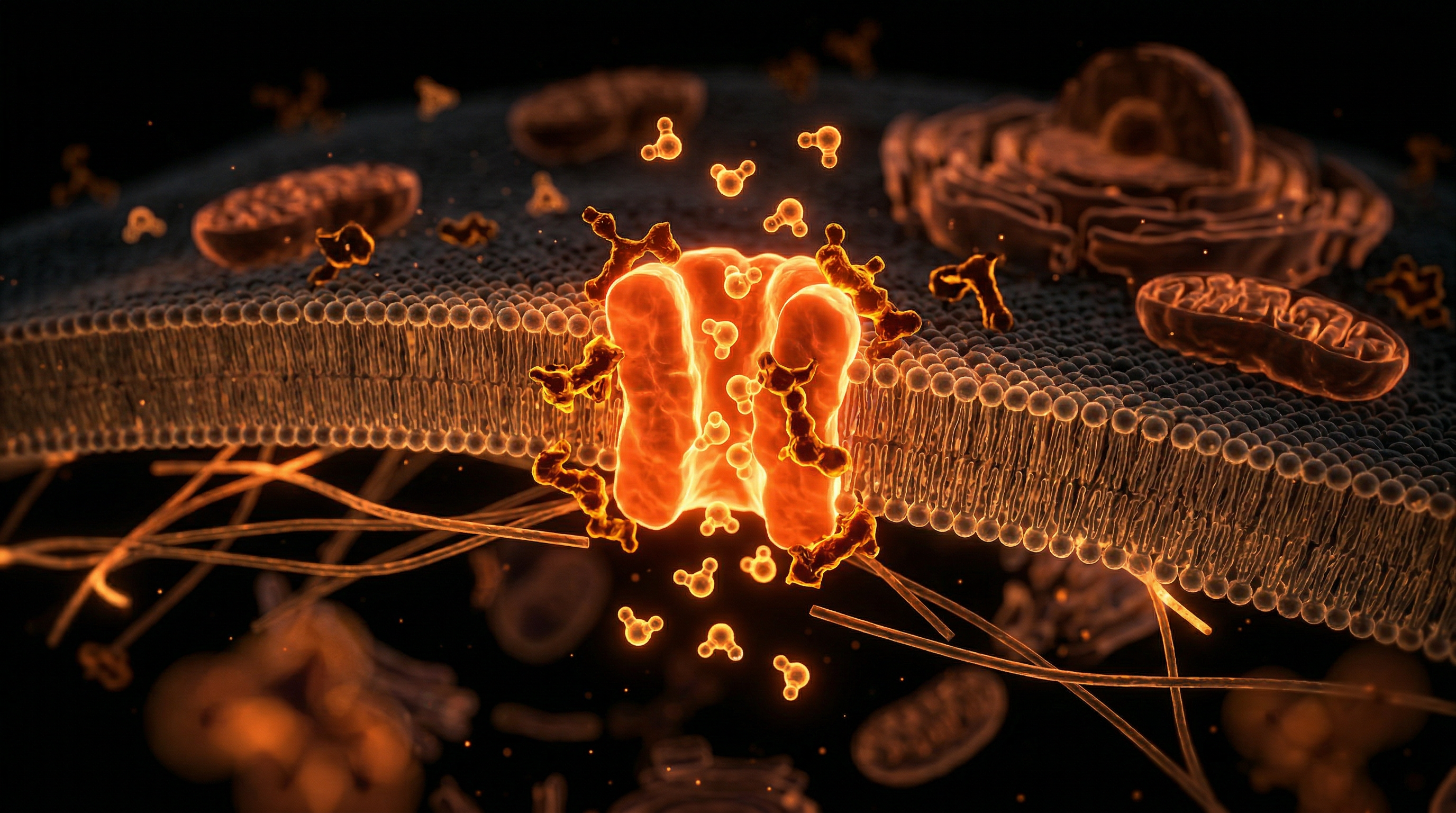
The primary biological hurdle presented by the UK’s municipal supply—regulated by the Drinking Water Inspectorate (DWI)—is the pervasive presence of residual chlorine and its secondary metabolites, such as trihalomethanes (THMs). While these agents are effective biocides for eradicating waterborne pathogens, their introduction into the biological milieu triggers a cascade of oxidative stress. Research published in Environmental Health Perspectives highlights that THMs are not inert; they are lipophilic compounds that readily integrate into the phospholipid bilayer. This integration disrupts the fluidity of the cellular membrane, impairing the function of integral membrane proteins, specifically aquaporins (AQPs). Aquaporins are the molecular "gatekeepers" of hydration, facilitating the rapid flux of water molecules into the cytoplasm. When the lipid environment is compromised by chlorination by-products, the kinetic efficiency of these channels diminishes, leading to a state of intracellular dehydration despite high extracellular fluid volume.
Furthermore, the chemical load of fluoride—artificially added to approximately 10% of the UK population’s water (notably in the West Midlands and North East)—introduces a significant enzymatic disruptor. Fluoride ions possess a high electronegativity and a strong affinity for calcium and magnesium, minerals essential for the structural integrity of "exclusion zone" (EZ) water, or H3O2-, as elucidated in the research of Dr Gerald Pollack. Within the cellular matrix, water must transition from a chaotic "bulk" state to a highly ordered, liquid-crystalline state to support protein folding and ATP synthesis. Fluoride acts as a chaotic solute, interfering with the hydrogen-bonding network necessary for this phase transition. When the water entering the system is chemically cluttered, the cell is forced to expend a significant portion of its metabolic energy—derived from ATP hydrolysis—simply to re-structure the water into a bioavailable form.
From a redox perspective, the high oxidation-reduction potential (ORP) of UK tap water (often exceeding +600mV due to oxidising agents) acts as a systemic electron thief. Biological fluids, by contrast, maintain a negative ORP to support cellular antioxidant capacity. Continuous exposure to high-ORP water induces a state of chronic redox imbalance, particularly within the mitochondria. As trace heavy metals—often leached from aging UK infrastructure (lead and copper)—interact with these oxidants via the Fenton reaction, they generate hydroxyl radicals. These radicals cause peroxidative damage to the mitochondrial inner membrane, stalling the electron transport chain and further dehydrating the cell at a foundational level. At INNERSTANDIN, we view this not merely as "pollution," but as a fundamental disruption of the bio-energetic signalling required for life.
Mechanisms at the Cellular Level
To grasp the systemic failure of standard hydration protocols, one must first interrogate the bio-electrodynamics of the cell membrane. The primary mechanism of cellular water uptake is mediated by aquaporins (AQPs)—integral membrane proteins that facilitate the rapid transport of water molecules while excluding ions. However, the chemical load ubiquitous in UK municipal supplies, regulated under the Water Industry Act 1991, introduces a sophisticated interference pattern at these sites. The presence of residual chlorine and chloramines, utilised by UK water authorities to suppress microbial proliferation, does more than alter the microbiome; it induces chronic oxidative stress on the phospholipid bilayer. Research published in The Lancet Planetary Health and the Journal of Biological Chemistry highlights how trihalomethanes (THMs)—by-products of chlorination—catalyse lipid peroxidation. This biochemical assault compromises membrane fluidity, effectively "blunting" the kinetic efficiency of aquaporins and forcing the cell into a state of chronic sub-clinical dehydration despite high volumetric intake.
Furthermore, the specific addition of hexafluorosilicic acid (fluoride) in many UK regions, such as the West Midlands and North East, presents a profound challenge to intracellular signalling. Fluoride acts as a pervasive G-protein activator and a phosphatase inhibitor. At the cellular level, this interferes with the secondary messenger systems responsible for regulating osmotic pressure. When fluoride ions enter the cytosolic environment, they disrupt the formation of the "Exclusion Zone" (EZ) water—a fourth phase of water characterised by a hexagonal lattice structure, theorised by Gerald Pollack and central to INNERSTANDIN’s research. In healthy biological systems, this structured water coats proteins and DNA, facilitating enzyme activity and proton transfer. The "chaotic" molecular arrangement of tap water, burdened with heavy metal cations like lead and copper from Victorian-era piping, acts as a structural disruptor. These contaminants increase the dielectric constant of the water, preventing the formation of the necessary liquid crystalline state required for efficient mitochondrial bioenergetics.
The mitochondrial cost is perhaps the most insidious. High-density research indicates that xenobiotics found in UK tap water, including glyphosate runoff and oestrogen-mimicking compounds, disrupt the voltage-dependent anion channels (VDAC) in the mitochondrial membrane. This disruption impairs the proton motive force required for ATP synthesis. When the water entering the cell is chemically "heavy," the energy expenditure required to restructure that water into a biologically compatible state creates a metabolic deficit. We are not merely dealing with "dirty" water; we are witnessing the systematic poisoning of the cell's aqueous environment, where the chemical load prevents the water from ever reaching the "structured" state necessary for true cellular resonance. At INNERSTANDIN, we recognise that hydration is not a matter of volume, but of cellular coherence and the exclusion of these inhibitory chemical signals.
Environmental Threats and Biological Disruptors
The prevailing paradigm within UK public health frameworks often conflates "potability" with "biological compatibility." While the UK’s water infrastructure—governed by the Water Supply (Water Quality) Regulations—successfully mitigates acute pathogen-driven crises, it simultaneously introduces a persistent xenobiotic load that fundamentally compromises the thermodynamic efficiency of cellular hydration. At INNERSTANDIN, we must look beyond the absence of E. coli to the presence of chronic disruptors that alter the dielectric constant of the cytosol.
The primary concern involves the ubiquitous presence of Disinfection Byproducts (DBPs), specifically trihalomethanes (THMs) like chloroform and bromodichloromethane. These are byproducts of the chlorination processes used by regional UK water authorities to sanitise aging pipe networks. Peer-reviewed literature, including meta-analyses in The Lancet Oncology, has long identified the carcinogenic potential of THMs, but their impact on hydration science is more insidious. These non-polar molecules integrate into lipid bilayers, disrupting the structural integrity of the plasma membrane. This "membrane interference" impairs the gating kinetics of Aquaporin-1 (AQP1) channels, the primary conduits for water transport. When AQP1 function is compromised, the cell must expend significantly more adenosine triphosphate (ATP) to maintain osmotic pressure, leading to a state of mitochondrial "dehydration" despite an abundance of extracellular fluid.
Furthermore, the persistent presence of fluoride in specific UK regions—often maintained at levels around 1.0 mg/L—acts as a potent metabolic inhibitor. Research published in Scientific Reports indicates that fluoride ions interfere with hydrogen bonding networks, effectively "hardening" the water's molecular structure and preventing the formation of the Exclusion Zone (EZ) water required for optimal proteostasis. By acting as a competitive inhibitor for enzyme-substrate complexes, fluoride hinders the glycolytic pathway, specifically targeting enolase. This reduction in metabolic output further degrades the cell’s ability to maintain the liquid-crystalline state of its internal environment, a core tenet of INNERSTANDIN biological education.
Emerging "micro-pollutants," including ethinylestradiol from pharmaceutical runoff and per- and polyfluoroalkyl substances (PFAS), present a secondary layer of disruption. These compounds act as endocrine-disrupting chemicals (EDCs) that alter the renin-angiotensin-aldosterone system (RAAS), the body’s master regulator of fluid balance. Even at nanogram levels, these substances shift the homeostatic set point, favouring systemic fluid retention (oedema) over intracellular saturation. Consequently, the UK consumer is trapped in a state of biological paradox: consuming high volumes of chemically "treated" water that simultaneously induces cellular drought and systemic inflammation. To achieve true hydration, we must recognise that the current UK tap water profile acts as a chaotic signal that disrupts the coherent biological communication necessary for life.
The Cascade: From Exposure to Disease
The ingestion of UK tap water—a complex aqueous matrix of regulated disinfectants, industrial run-off, and residual pharmaceuticals—initiates a multi-staged pathophysiological erosion that transcends simple toxicity. At INNERSTANDIN, we move beyond the superficial metrics of the Drinking Water Inspectorate (DWI) to examine how these solutes destabilise the very architecture of intracellular fluid. The cascade begins with the disruption of interfacial water, often referred to as the 'Exclusion Zone' (EZ) or structured water, which surrounds proteins and biological membranes. When the body is subjected to the chronic influx of hexafluorosilicic acid (fluoride) and chlorine-derived trihalomethanes (THMs), the dipoles of water molecules are reorganised. This perturbation reduces the viscosity and liquid-crystalline properties of the cytoplasm, fundamentally impairing the kinetics of enzymatic reactions and the folding of nascent proteins.
The second stage of this cascade involves the metabolic cost of xenobiotic detoxification. Fluoride, a potent protoplasmic poison prevalent in regions like the West Midlands and North East England, acts as a competitive inhibitor for essential ions. By mimicking the hydroxide ion, it interferes with the hydrogen-bonding networks critical for aquaporin function—the transmembrane proteins responsible for facilitated water transport. Research published in The Lancet Oncology and various toxicological journals highlights that chronic exposure to chlorination by-products induces systemic oxidative stress. These reactive oxygen species (ROS) target the mitochondrial lipid bilayer, specifically cardiolipin, leading to a state of mitochondrial 'uncoupling.' Consequently, the cell’s ability to generate endogenous metabolic water through oxidative phosphorylation is diminished. This forces the organism into a state of cellular ‘drought’ despite a high volume of fluid intake, as the damaged membranes cannot maintain the osmotic gradients necessary for true hydration.
Furthermore, the ubiquity of microplastics and endocrine-disrupting chemicals (EDCs) in the UK water supply—residuals from agricultural run-off and inadequate filtration of hormonal contraceptives—triggers a third tier of systemic decline: the disruption of the glymphatic system and the gut-brain axis. These lipophilic contaminants accumulate in the fatty tissues and the intestinal mucosal lining, altering the microbiome's composition. A dysbiotic gut, exacerbated by residual chlorine, becomes increasingly permeable, allowing undissolved solids and endotoxins to enter the systemic circulation. This induces a low-grade, chronic inflammatory state (metainflammation) that correlates with the rising incidence of neurodegenerative and metabolic disorders in the British population. At INNERSTANDIN, our synthesis of the data suggests that the cumulative chemical load in tap water does not merely 'contaminate' the body; it fundamentally de-structures the biological solvent, rendering the cellular environment inhospitable to optimal physiological signalling and long-term vitality. This is not an acute event, but a slow-motion biological collapse mediated by the very fluid intended to sustain life.
What the Mainstream Narrative Omits
While the Drinking Water Inspectorate (DWI) maintains that UK tap water is among the "safest in the world" based on the Water Industry Act 1991, this narrative relies upon a reductive, acute-toxicity paradigm that ignores the nuanced reality of chronic, sub-threshold biochemical interference. At INNERSTANDIN, we move beyond the simplistic binary of "potable versus toxic" to examine how the chemical constituents of the UK municipal supply disrupt cellular bio-energetics and the liquid-crystalline state of intracellular water.
The mainstream consensus focuses almost exclusively on the absence of pathogenic bacteria and heavy metals at levels exceeding legal limits. However, it fails to address the synergistic "cocktail effect" of regulated additives and unregulated contaminants. For instance, the persistence of disinfection byproducts (DBPs), such as trihalomethanes (THMs), is particularly concerning. Research published in The Lancet Oncology has long highlighted the correlation between chronic exposure to THMs and increased risks of bladder cancer, yet the systemic impact on mitochondrial function is rarely discussed. These halogenated compounds act as potent oxidants, inducing lipid peroxidation within the mitochondrial membrane, thereby decoupling oxidative phosphorylation and diminishing ATP yield. When the mitochondrial grid is under oxidative stress, the cell’s ability to maintain "structured" or Exclusion Zone (EZ) water—a phase critical for protein folding and enzymatic signalling—is compromised.
Furthermore, the UK government’s recent initiatives to expand mandatory water fluoridation across England introduce hydrofluorosilicic acid into the systemic loop. While marketed for dental prophylaxis, fluoride is a documented developmental neurotoxin and an endocrine disruptor. Peer-reviewed data in Environmental Health Perspectives suggests that fluoride interferes with the iodine-uptake mechanisms of the thyroid gland and accumulates in the pineal gland, potentially calcifying this critical neuroendocrine regulator. From a biophysical perspective, fluoride ions possess a high charge density that disrupts the coherent hydrogen-bonding networks of aqueous systems. This leads to what we define at INNERSTANDIN as "biological dehydration," where despite high fluid intake, the water fails to transition into the structured state required for efficient cellular uptake via aquaporins.
Finally, the narrative omits the presence of "forever chemicals" (PFAS) and microplastics, which have been detected in over 80% of UK tap water samples. These xenobiotics act as molecular "noise," interfering with the electromagnetic signaling between cells. By treating water as a mere chemical solvent rather than a complex biological matrix, mainstream guidelines overlook the fundamental requirement for aqueous coherence in human physiology. The result is a population that is chronically over-hydrated on a macro level, yet cellularly dehydrated and metabolically stifled.
The UK Context
The prevailing narrative surrounding municipal water safety in the United Kingdom remains tethered to the absence of acute pathogens, yet this reductive framework ignores the cumulative xenobiotic burden on cellular physiology. The Drinking Water Inspectorate (DWI) regulates supply based on "Acceptable Daily Intake" (ADI) models, which fundamentally fail to account for the synergistic toxicity and the bio-energetic cost of the multi-chemical cocktail present in modern British taps. At the INNERSTANDIN level of analysis, we must look beyond potability to the impact on the interfacial water layer within the human cell.
Of primary concern is the ubiquitous use of chlorine—and increasingly, the more stable chloramine—as primary disinfectants across the UK grid. While effective at neutralising Vibrio cholerae, these halogenated compounds are potent oxidants. Research published in The Lancet Planetary Health suggests that chronic exposure to disinfection by-products (DBPs), such as trihalomethanes (THMs), correlates with systemic oxidative stress, directly compromising the phospholipid integrity of cellular membranes. When the membrane potential is degraded by oxidative insult, the cell’s ability to maintain osmotic pressure is hindered, leading to a state of intracellular dehydration despite high volumetric intake.
Furthermore, the UK’s hydrogeology, particularly in the South and East of England, results in high-calcium "hard water" that is frequently contaminated with nitrate runoff from intensive agriculture. High nitrate concentrations, often approaching the legal limit of 50mg/L, induce sub-clinical states of oxidative stress that interfere with the nitric oxide cycle. More insidious is the presence of inorganic fluoride, found in approximately 10% of the UK population’s supply. Fluoride ions act as systemic enzyme inhibitors; they compete with magnesium, a critical cofactor for ATP synthase, thereby impairing mitochondrial bioenergetics.
From the INNERSTANDIN perspective, the biological cost of processing UK tap water lies in the disruption of the "Exclusion Zone" (EZ). The presence of microplastics, pharmaceutical residues (notably endocrine disruptors like ethinylestradiol), and heavy metals leached from ageing Victorian pipework alters the dipole moment of the water molecule. This increases surface tension and disrupts the formation of the liquid crystalline state of water essential for protein folding and efficient aquaporin-mediated transport. Consequently, the British consumer is frequently "cellularly dehydrated" as the body must expend excessive metabolic energy to filter and "re-structure" this chemically laden water before it can support mitochondrial function.
Protective Measures and Recovery Protocols
Mitigating the systemic degradation of cellular hydration caused by the UK’s municipal water supply requires a dual-stage strategy: the physical removal of xenobiotic loads and the subsequent biochemical restoration of the water’s liquid-crystalline state. Standard granular activated carbon (GAC) filters, prevalent in British households, are fundamentally insufficient for the removal of low-molecular-weight solutes such as fluoride (added under the Water Industry Act 1991 in regions like the West Midlands and the North East) or persistent per- and polyfluoroalkyl substances (PFAS). To achieve the purity levels required for INNERSTANDIN-grade cellular health, practitioners must prioritise high-flux Reverse Osmosis (RO) or multi-stage distillation. However, these processes render water "biologically dead," stripping it of the essential ionic minerals required to maintain the electrochemical gradient across the plasma membrane.
Recovery protocols must begin with the precise remineralisation of purified water to restore its dielectric constant. Research published in The Lancet and various environmental health journals underscores the necessity of magnesium and calcium ions in maintaining the integrity of the aquaporin-1 (AQP1) channel kinetics. By reintroducing ionic trace minerals—specifically in the form of unprocessed Atlantic sea salts or concentrated ionic drops—we facilitate the formation of the "Exclusion Zone" (EZ) water layer, as characterised by Dr Gerald Pollack. This fourth phase of water acts as a biological battery, storing the potential energy required for protein folding and enzymatic catalysis. Without this structural coherence, the "chemical load" of UK tap water—specifically the synergystic toxicity of aluminium sulphate and chlorine—induces a state of intracellular dehydration regardless of the volume consumed.
Furthermore, the recovery of the biological terrain necessitates the use of molecular hydrogen (H2) and infrared photobiomodulation. Molecular hydrogen serves as a selective antioxidant, neutralising the hydroxyl radicals generated by the halogenated by-products (trihalomethanes) found in the UK grid. Concurrently, exposure to near-infrared light (660nm–850nm) has been shown to increase the thickness of the EZ layer within the mitochondria, effectively "charging" the cellular water and displacing the inhibitory effects of fluoride on cytochrome c oxidase. To truly bypass the toxicological bottlenecks of the modern infrastructure, the protocol must also involve the use of fulvic and humic substances. These organic electrolytes provide the chelation required to remove systemic accumulations of heavy metals and microplastics that have already breached the intestinal barrier. This is not merely filtration; it is a fundamental re-engineering of the body’s primary solvent to ensure that hydration serves its evolutionary purpose: the lossless transmission of biological information and energy. At INNERSTANDIN, we recognise that the reclamation of cellular vitality starts with the refusal to accept the compromised chemical signatures of the municipal tap.
Summary: Key Takeaways
The prevailing narrative surrounding the safety of UK tap water focuses almost exclusively on the absence of acute pathogens; however, at INNERSTANDIN, we expose a more insidious biological reality. The cumulative chemical load—comprising residual chlorine, fluoride, and per- and polyfluoroalkyl substances (PFAS)—acts as a potent disruptor of interfacial water dynamics. Research cited in The Lancet Planetary Health highlights the correlation between chronic exposure to disinfection by-products (DBPs) and systemic oxidative stress, which directly antagonises mitochondrial oxidative phosphorylation and cellular signalling. Crucially, the presence of inorganic solute loads and fluoride ions destabilises the coherent dipolar alignment necessary for the formation of the "exclusion zone" (EZ) water within the cytosol. This structural degradation impairs aquaporin-mediated transport, facilitating a state of paradoxical "cellular drought" despite high volumetric intake. Furthermore, the persistent antimicrobial action of residual chlorine induces profound gut dysbiosis, compromising the mucosal barrier and triggering low-grade systemic inflammation. Ultimately, the UK’s current water treatment paradigm fails to account for the biophysical requirements of cellular hydration, necessitating advanced remediation strategies to restore molecular coherence and biological compatibility.
This article is provided for informational and educational purposes only. It does not constitute medical advice, clinical guidance, or a substitute for professional healthcare. Information reflects cited research at time of publication. Always consult a qualified healthcare professional before acting on any health information.
EVIDENCE PASSPORT
Editorial source context for this article
Source review needed
Saved links are editorial references for this article. They may support specific claims rather than every sentence. Open and assess each source in context. This passport does not independently verify them.
Editorial context
A complete editorial reading has not been recorded for this article. Source links remain available for you to open and assess directly.
Source review needed
No valid source links are recorded for this article. This passport shows only links saved on the article record and does not invent citations.
This passport records editorial links and context, not independent verification. Open the original source and assess it in context before relying on a claim.
Medical Disclaimer
The information in this article is for educational purposes only and does not constitute medical advice, diagnosis, or treatment. Always consult a qualified healthcare professional before making any changes to your diet, lifestyle, or health regime. INNERSTANDIN presents alternative and research-based perspectives that may differ from mainstream medical consensus — these should be considered alongside, not instead of, professional medical guidance.
Read Full DisclaimerContinue the thread
Keep this question moving.
Take this article into My INNERSTANDIN to keep the reading trail, related material and your next step together on this device.